Hotel Printed Poly Mailers: Material Thickness Guide
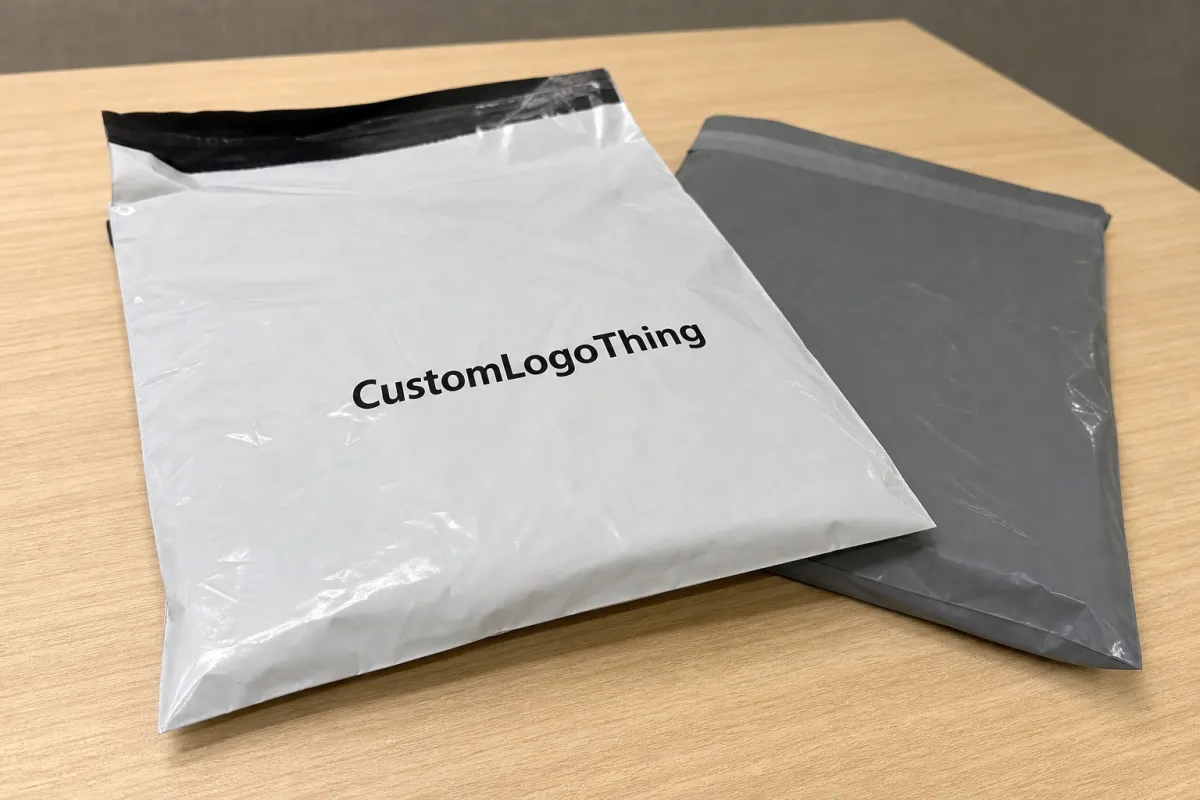
A hotel Printed Poly Mailers material thickness guide sounds technical, but the decision is practical. Two mailers can look almost identical on a quote sheet and behave very differently once they are folded around a robe, pushed through a sorter, or stacked on a baggage cart. Thickness is not a cosmetic spec. It affects puncture resistance, seal reliability, stretch, opacity, and how polished the printed face looks after handling.
For hotels, these mailers often carry folded linens, robes, amenity kits, retail purchases, replenishment orders, or branded gifts. That means the right gauge depends on what is inside, how far it travels, and how many hands touch it. A soft towel bundle is forgiving. A boxed candle set with hard corners is not. The best spec is usually the lightest film that still protects the contents, keeps the package looking composed, and avoids unnecessary freight or waste.
Most buyers talk about thickness in mils or gauge. One mil equals 0.001 inch, or about 25.4 microns. That tiny number matters because it influences the way the film stretches and tears. Thicker film usually feels more substantial and hides show-through better. Thinner film packs flatter and usually costs less. The key is matching the material to the shipment, not defaulting to the thickest option available.
Most hotel Printed Poly Mailers are made from LDPE or a co-extruded polyethylene structure. Some builds include recycled content in one layer, though that does not automatically make the bag stronger or weaker. It depends on the resin blend, the seal design, and the target use. Hotels that also compare Custom Poly Mailers with Custom Packaging Products across other formats usually discover that thickness decisions affect both operations and guest perception. Corrugated cardboard still makes sense for rigid protection. Kraft paper can work for certain presentation-led programs. Poly mailers serve a different purpose, and the right choice depends on the item rather than the trend.
How Film Layers, Seals, and Print Work Together
Most custom poly mailers are not a single flat sheet of plastic. They are a film structure built to do several jobs at once. The outer surface carries branding, the body of the film protects the contents, and the inner surface supports the closure. In many runs, the film is co-extruded so different resin layers can balance strength, opacity, and seal performance. That is why one mailer can feel flexible in the hand and still resist tearing in the right direction.
Opacity deserves more attention than it usually gets. If a hotel is shipping white linens, dark robes, or a mixed bundle of amenities, the bag needs enough structure to hide show-through and keep the package looking intentional on arrival. A tighter film also gives the print panel a flatter surface, which helps bold color blocks, small type, and logo marks stay crisp. If the film is too soft or too thin, it can stretch around the contents and make the artwork look wavy or distorted.
Seals matter just as much. Heat seals, adhesive strips, and seam widths all rely on enough material body so the closure does not wrinkle, split, or peel under handling. A wider seam with a stable seal zone usually performs better than a narrow edge that is doing too much work. This is where many samples fail. They look fine as empty bags, then open up once they are loaded, compressed, and dropped.
Print and structure are linked. Heavy solid backgrounds, large brand blocks, and tight registration areas usually look cleaner on a film that holds its shape under pressure. A stable structure gives the printer a better surface to work with, which often matters more than chasing the highest thickness number. For transit testing, many teams use methods inspired by ISTA procedures and compare results against ASTM-style thinking for tensile and tear behavior. Those standards do not choose the spec for you, but they make the comparison more disciplined.
“The empty bag can fool you. Pack the real item, seal it, stack it, and drop it before you decide.”
Choosing the Right Thickness for Protection and Brand Feel
The easiest place to start is the product itself. Soft folded linens do not punish a mailer the same way a rigid amenity box or a gift item with corners does. A robe folded into a soft bundle can usually live in a lighter mid-range film. A boxed bath set, metal accessory, or item with sharp edges usually needs a heavier gauge. I have seen buyers over-specify because they assume thicker always means better. In practice, the better choice is the one that survives the actual route without adding unnecessary stiffness.
Shipping path matters just as much as contents. A mailer moving by hand inside a property faces a different risk profile than one going through parcel networks, repeated stacking, and longer transit times. A package that will be tossed onto carts, compressed in bins, or shuffled through multiple sort points needs more puncture resistance and seal confidence than something handed directly to a guest or concierge desk. The spec should follow the roughest part of the journey, not the easiest.
Brand feel is the other half of the decision. Thicker film can feel more premium and often improves opacity, which is useful for hotel gift programs and retail orders where presentation matters. But extra thickness can also make the bag stiff, bulky, and awkward to fold. It can raise freight costs too. The tradeoff is rarely about one number. It is about how protection, finish, and shipping economics work together.
A useful shorthand:
- Light film: best for soft, low-risk contents and short handling paths.
- Mid-range film: a strong starting point for folded linens, robes, and mixed hotel replenishment orders.
- Heavier film: better for dense items, sharp corners, or shipments that face rougher transit.
As a rough planning range, many programs use films around 1.5 to 2.0 mil for light-duty bags, 2.5 to 3.0 mil for general hotel use, and 3.0 mil or above for tougher shipments. That is not a universal rule. A well-made 2.5 mil bag can outperform a poorly built 3.0 mil bag if the seal, resin blend, and print laydown are better. The safest spec is still the lightest gauge that passes a real packout test.
Cost, Pricing, and MOQ Tradeoffs for Custom Mailers
Thickness has a direct impact on cost because thicker film uses more resin. That usually raises the unit price and can increase freight because each finished bag weighs a bit more. The jump may look small on a per-piece basis, but over a full hotel rollout or seasonal retail program it adds up quickly. Buyers who only compare the quoted unit price often miss the bigger picture of total landed cost.
Other variables affect pricing just as much. Size is a big one, because larger bags use more film and can reduce how many finished pieces fit into a case. Print coverage matters too: one-color logos are simpler than full-coverage panels, and white ink or underlay can add setup complexity. If the artwork needs tight registration, custom color matching, or multiple print stations, the cost rises again. The job is not just printing a logo; it is building a package that still looks clean after handling.
MOQ can move with the specification as well. Custom sizing, custom film structures, and certain print methods usually need larger runs to spread setup cost efficiently. Standardizing the size where possible is one of the easiest ways to keep the budget in line. If the hotel has several uses, it can help to group similar products into fewer specs instead of creating a different bag for every item. A single well-chosen format often outperforms three slightly different ones.
A practical budgeting view usually looks like this:
| Thickness Range | Best Fit | Price Impact | Operational Note |
|---|---|---|---|
| Lighter film | Soft goods, low-risk packing | Lowest material cost | Flatter packout, but less abuse resistance |
| Mid-range film | Folded linens, robes, amenity kits | Moderate cost | Often the best balance of strength and finish |
| Heavier film | Dense items, sharp corners, longer transit | Higher unit and freight cost | Better puncture resistance, but stiffer to pack |
As a rough pricing rule, moving one thickness step can raise the resin portion of the bag cost by a mid-single-digit to low-double-digit percentage, depending on size and print coverage. That is only part of the bill. If a thicker mailer reduces damage, rework, or replacements, the higher unit price may still be the cheaper choice overall. A lighter bag that fails during transit is expensive in a different way.
Compare total cost, not just the quote line. A slightly pricier but lighter mailer may lower shipping spend, reduce claims, and cut rework later. If you are weighing film choices against kraft paper, recycled materials, or FSC certified paper solutions, ask how each option affects handling, print appearance, and storage efficiency. Sometimes paper is the right answer. Sometimes the slimmer poly format wins on logistics.
Production Steps and Turnaround: From Proof to Shipment
Custom mailer production usually follows a predictable path. First comes the spec: finished size, film thickness, closure style, print colors, opacity needs, and the product being packed. Then the artwork is prepared and a proof is issued. After approval, the shop sets up the print files or plates, runs the film, converts it into finished mailers, and packages the order for shipment. Simple in theory. In practice, every missing detail can stall the line.
Turnaround depends on whether the order is stock, semi-custom, or fully custom. A stock format with a simple print can move faster than a job that needs a new size, new gauge, special opacity, or a multi-color brand panel. Late artwork changes are one of the biggest schedule killers. So are proof delays, because the production line cannot move until approval is final. If the film structure itself needs a special sourcing step, that can add more time before the actual run begins.
Typical lead times vary by plant and season, but a useful planning range is 10 to 15 business days after proof approval for simpler custom runs, and closer to three to four weeks for more involved jobs. If the supplier is sourcing a less common film structure or a heavier gauge, allow more time. Tight schedules usually compress everything that can go wrong into one calendar week.
In hotel programs, the smartest timeline is usually backward planned from the launch date, occupancy changeover, or retail reset. That gives space for sampling, revisions, and sign-off before the job goes into full production. If the mailer is part of a larger packaging rollout, coordinate it with labels, inserts, and outer cartons so the packing line is not waiting on one missing component. That is especially true if corrugated cardboard, insert cards, or other materials are shipping separately.
A clean approval flow also reduces rework. Keep the technical pieces together in one place: size, thickness, seal type, print coverage, and packout target. If the spec sheet changes after sampling, rerun the pack test rather than assuming the old result still applies. A small change in film gauge or seam width can change how the bag behaves at scale.
Common Thickness Mistakes That Lead to Damage or Waste
The first mistake is choosing from a generic chart without testing the actual packed item. A chart can tell you what worked for a similar weight, but it cannot show you how a particular corner, fold, zipper, or closure behaves under pressure. The real package is the test, not the spreadsheet. A soft bundle can still be surprisingly harsh on a film if the edges are tight or the seal area is narrow.
The second mistake is assuming a decorative bag is automatically durable. Attractive printed mailers can still fail if the film is too thin for the seam width or the adhesive strip cannot hold under stacking and transit. The print may be beautiful, but if the seam splits, the guest does not remember the artwork. They remember the mess. Thickness and closure design have to be judged together.
The opposite error is overbuilding the spec. Heavy film can feel substantial, but extra thickness also raises material cost, makes folding harder, and can create packaging that feels oversized for soft contents. It may slow packing too, especially if the film fights the operator during loading and sealing. In many hotel applications, that extra material does not buy much protection, so it becomes wasted spend instead of added value.
Storage and environment are easy to overlook. Heat, humidity, long storage periods, and heavy stacking can change how the bag behaves before it ever reaches a carrier. A mailer that sits in a warm stockroom may feel different from one tested straight off the truck. If the program is sensitive to shelf life or seasonal inventory, test a few samples after they have sat under the same conditions as real stock.
There is also a sustainability angle that deserves honesty. Some buyers want post-consumer waste content, recycled materials, or FSC certified paper systems because those goals fit their guest-facing story better. That is valid, but it does not mean every paper option replaces every poly bag. Biodegradable packaging is a separate category with its own performance limits. The right choice depends on protection needs, not just the label on the box. The FSC framework can support responsible paper sourcing, but film thickness decisions still have to be made on performance.
One more practical check: inspect the seal after a 24-hour rest if the bags are being stored or shipped in warm conditions. Some adhesives and seal zones show creep after compression, and that kind of failure does not appear in a quick tabletop test. That detail is small. It can also save a batch.
Expert Checklist and Next Steps for Specifying Your Mailer
The fastest way to get a usable spec is to write it down like an operator would read it. Start with the finished size, the exact contents, target weight, closure type, print colors, opacity needs, and the shipping or storage conditions the bag will face. If the mailer is for robe shipments, folded linens, or amenity kits, say that plainly. If the package must look clean on a retail shelf, say that too. Specifics beat broad descriptions every time.
Next, request two or three adjacent thickness samples so you can compare them side by side with the same packed item. A small difference in gauge can have a surprisingly big effect on puncture resistance, seal behavior, and print appearance. Test each sample for drop performance, rub resistance, compression, and ease of packing. If the bag will be used repeatedly in a hotel workflow, have the packers handle it as they normally would; a sample that looks fine on a desk can behave differently on a real line.
Then score the options against cost. The goal is not to buy the thickest or the cheapest option. It is to buy the lightest film that still survives the test plan. Once that choice is made, confirm artwork, reorder timing, and approval sequence before production starts. That makes replenishment easier and reduces last-minute surprises. If you are still comparing format families, it can help to review adjacent packaging choices in Custom Packaging Products so the mailer spec sits correctly alongside the rest of the program.
For teams building a packaging standard, this checklist usually keeps the decision grounded:
- Pack the real product: do not test an empty bag.
- Compare adjacent gauges: small changes matter.
- Check the seal: closure strength is part of the spec.
- Watch the finish: print flatness affects brand presentation.
- Choose for the route: local handoff and parcel shipping are not the same.
If you keep that process disciplined, the conversation becomes easier. The hotel Printed Poly Mailers material thickness guide is really a decision guide for protection, presentation, and cost control. The best result is usually the one that fits the product, the route, and the brand with the least excess.
What thickness is best for hotel printed poly mailers with folded linens?
A mid-range film is usually the best starting point for folded linens because it gives enough puncture resistance without making the pack feel bulky. If the linens have sharp tags, rigid inserts, or tight corners, move up one step and test again with the actual packed item. The safest choice is the lightest gauge that passes drop, rub, and seal checks in the real shipment format.
Do thicker hotel printed poly mailers always print better?
Not always. Print quality depends on film flatness, ink system, color coverage, and how well the surface holds registration. Thicker film can help reduce show-through and scuffing, which often makes the printed design look cleaner in transit, but structure matters more than thickness alone if the goal is crisp branding.
How does material thickness affect the price of custom poly mailers?
Heavier gauges use more resin, so the unit cost usually rises as thickness increases. Thicker mailers can also raise freight costs and sometimes increase minimum order quantities because production runs become less flexible. The cheapest option on paper is not always the lowest total cost once damage, reprints, and shipping are included.
What should I test before approving a hotel poly mailer sample?
Test it with the actual packed item, not an empty sample, so you can see how corners, folds, and closures behave under load. Check seal strength, rub resistance, opacity, and whether the mailer survives compression and drop handling without splitting. If the package will be stored or stacked, confirm that the film keeps its shape and does not wrinkle or distort the print.
Can one thickness work for all hotel shipments?
Sometimes, but only when the contents are similar in weight, shape, and handling risk. Many buyers get better results by separating soft goods, amenity kits, and boxed gifts into different specs so they avoid overpaying for unnecessary film. If you want one universal option, choose the gauge based on the most demanding item and then verify that it still feels efficient for the lighter orders.
That is the practical heart of a hotel Printed Poly Mailers Material thickness guide: choose the thinnest film that still protects the contents, holds a clean seal, and supports the brand experience you want guests or buyers to feel the moment the package arrives.


