A matte pouch can look beautiful on a screen and still fail in a customer’s hand. Buyers searching how buy Matte Zipper Bags Quality Inspection standard are usually past the inspiration stage. They need a supplier, a workable spec sheet, and evidence that the finished bags will match the approved sample.
That evidence matters. Matte packaging has a premium look, but it is not magic. The film still has to protect the product. The zipper has to close. The seals have to hold. The cartons have to arrive without turning every pouch into a scratched-up apology.
Matte Zipper Bags Look Premium Until the Seal Fails
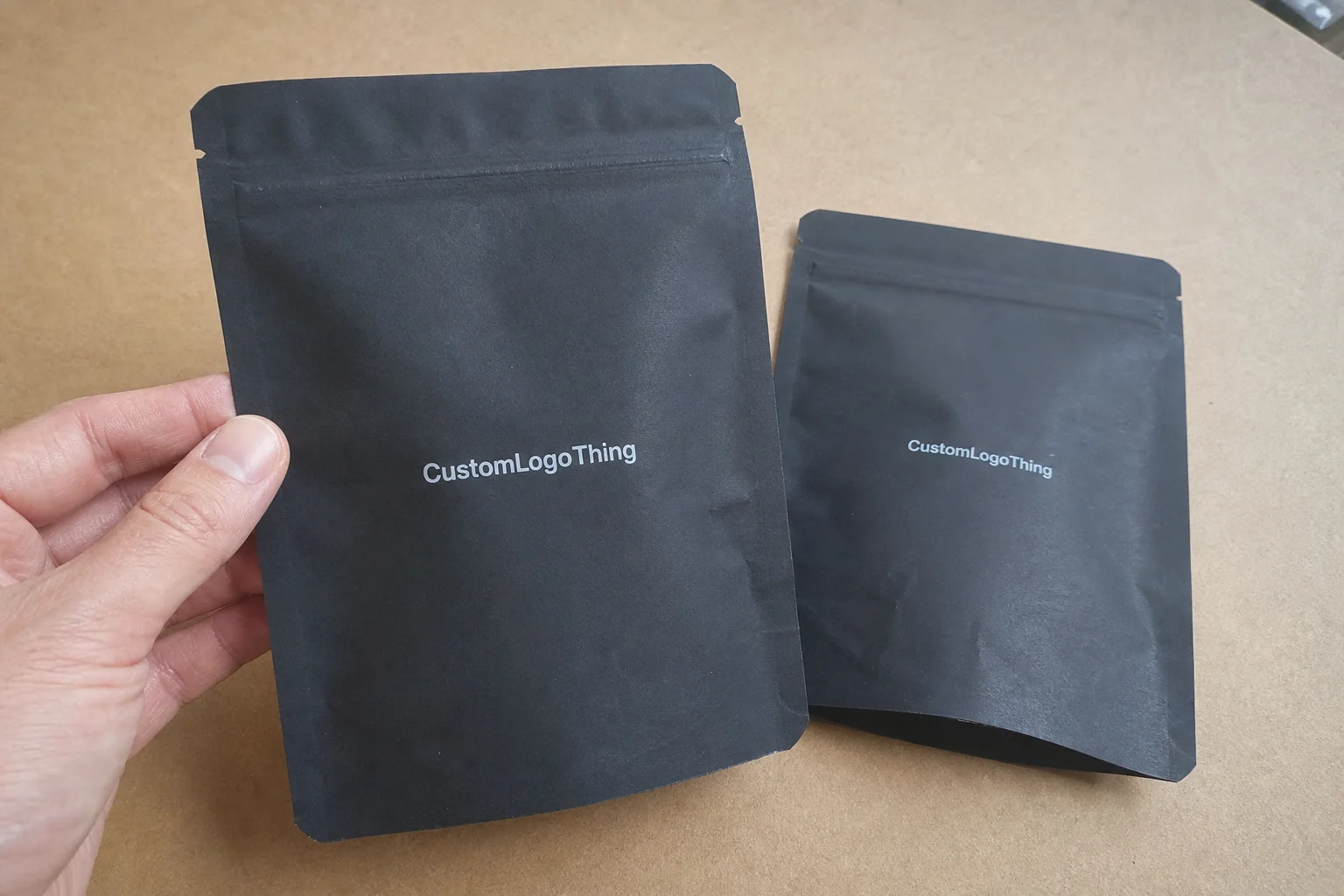
Pretty packaging does not save leaking coffee, stale gummies, clumpy protein powder, crushed pet treats, or skincare refills that seep through the side seal. It just makes the failure look more expensive. Very on-brand, if your brand is “refund pending.”
Matte zipper bags work because they combine three things buyers care about: shelf appeal, resealability, and flexible sizing. A well-made stand-up matte pouch can feel retail-ready at 100 g, 250 g, 500 g, or larger. It can hold coffee, dried fruit, supplements, cosmetics, sample kits, subscription refills, snacks, pet treats, and regulated retail products where the closure and labeling requirements are clear.
But the finish is only one decision. The bag still needs the right laminated film structure, zipper welding, ink adhesion, seal width, tear notch position, and carton-level packing control. Matte finish hides glare. It does not hide bad manufacturing.
If the zipper track is off by 2 mm, customers notice. If the bottom gusset peels under normal pressure, they notice faster. If the pouch arrives scuffed because the matte surface was packed with no protection, the customer sees damage before they see your carefully written brand story.
Buyer rule: approve the look, then inspect the function. A matte zipper pouch is a working container, not a poster.
Use this as a purchasing checklist. You should know what to ask, what affects price, which specs control quality, and what inspection evidence to request before bulk production ships. The keyword how Buy Matte Zipper bags quality inspection standard is awkward, yes. The buying intent behind it is not. It means: avoid a bulk order that looks fine until the product goes inside.
How Buy Matte Zipper Bags Quality Inspection Standard Works
A quality inspection standard is a documented checklist used before, during, and after production to confirm that the bags match the approved specifications. It is not a vague promise that someone in the factory “checked them.” Very reassuring. Also useless.
For custom matte zipper bags, the inspection standard should cover four practical areas: material inspection, print inspection, converting inspection, and final packing inspection. Skip one, and the whole order can still disappoint.
Material inspection
Material checks confirm the pouch starts with the correct film. Common checkpoints include film thickness, matte coating consistency, barrier layer confirmation, odor, roll tension, surface scratches, and lamination quality. For food, supplements, pet products, and cosmetics, the supplier should also confirm whether the structure is suitable for the product type.
A dry snack pouch may use a simpler PET/PE or MOPP/PE structure. Coffee, powders, oily snacks, and aroma-sensitive products may need PET/VMPET/PE or another high-barrier laminated film. The right choice depends on oxygen exposure, moisture control, aroma retention, light blocking, puncture risk, shelf-life target, and filling method.
Do not treat material structure as a decoration choice. A matte pouch for granola and a matte pouch for coffee can look nearly identical. Inside the film, they may need very different barrier performance.
Print inspection
Print checks cover logo position, color tolerance, registration, text sharpness, barcode readability, ink adhesion, and rub resistance on the matte surface. Digital printing can work well for smaller runs, but brand colors still need a target, such as a Pantone reference, approved drawdown, or approved physical sample.
Matte surfaces can make colors look softer than glossy film. Dark solids may show scuffs more easily. Fine white text can fill in if the artwork is not prepared correctly. If your nutrition panel is blurry because the file was low resolution, that is not a manufacturing defect. That is an artwork issue wearing a manufacturing costume.
Converting inspection
Converting turns printed film into finished bags. This stage controls zipper placement, heat seal width, bottom gusset formation, tear notch position, die-cut accuracy, hang hole position, pouch opening performance, and final size.
For powders, zipper placement matters because fine particles can clog the track. For heavier products, a wider zipper or stronger seal may be worth the extra cost. For retail hanging, the hang hole position has to line up with the filled bag’s balance, not just look centered on a flat dieline.
Final packing inspection
Final checks should include random sample pulling from cartons, counting, carton labeling, bag orientation, contamination checks, quantity verification, and photo or video evidence before shipment. For larger orders or higher-risk products, ask for AQL-based inspection or a clear internal QC report with images.
The exact inspection level depends on order size and product risk. A low-risk sample pouch does not need the same testing plan as a high-barrier coffee pouch or a child-resistant retail bag. Still, no report at all means you are trusting luck in a carton. Luck is not a standard.
Inspection can also reference recognized testing and shipping practices. For transit risk, the International Safe Transit Association provides packaging test procedures widely used for distribution performance. For broader packaging education and industry context, PMMI is a useful resource.
Custom Logo Things can align inspection checkpoints with the product risk. Dry snack samples need different checks than oily pet treats, fine powders, premium coffee, or skincare refill packs. That is the point of a real buying standard: the standard should fit the product, not just the bag shape.
Product Details That Decide Whether the Bag Feels Cheap or Retail-Ready
Matte zipper bags are not one product. They are a family of pouch formats, film structures, closures, finishes, and add-ons. Pick the wrong combination and you can make a premium product feel like a bargain-bin refill pack.
The common formats include stand-up pouches, flat pouches, three-side seal bags, side gusset pouches, bottom gusset pouches, and shaped pouches. Stand-up pouches are popular for snacks, coffee, supplements, dried fruit, and pet treats because they display well on shelves. Flat pouches work for sample kits, single-use cosmetics, stickers, small accessories, or lightweight refill packs. Side gusset and bottom gusset formats help when volume and shelf stance matter.
Zipper choice deserves more attention than it usually gets. A standard press-to-close zipper works for many dry goods. A wider-track zipper may suit heavier contents. Child-resistant zippers may be required for specific regulated products. Powder-friendly zipper placement can reduce clogging. Hook-and-loop style closures exist for some applications, though they cost more and are not automatically better.
Finish options include full matte, spot gloss over the logo, soft-touch matte, matte window panels, frosted clear sections, and metallic matte effects. Soft-touch matte looks excellent. It can also show fingerprints and scuffs more easily, and it usually costs more. That does not make it bad. It means you should choose it with your eyes open.
Printing method affects both price and timeline. Digital printing is useful for smaller custom runs, seasonal designs, multiple SKUs, and fast sampling. Gravure or plate-based production often makes more sense at higher quantities because setup costs are spread across more bags and unit cost drops. CMYK is common, but spot colors may be needed if brand matching is strict.
Windows are another tradeoff. A clear or frosted window lets customers see the product, which helps for colorful gummies, granola, dried fruit, tea blends, and specialty snacks. It also reduces print area and can affect barrier performance depending on the material structure. Do not add a window because competitors have one. Add it because it helps sell the product without harming shelf life.
Useful add-ons include tear notches, hang holes, rounded corners, degassing valves for coffee, laser scoring, easy-open tabs, and tamper-evident options. Each add-on adds cost, setup, or inspection requirements. Some are worth it. Some are decoration pretending to be function.
One blunt tip: do not copy a competitor’s pouch size blindly. Their fill weight, product density, packing method, and retail display may not match yours. A 250 g coffee pouch is not automatically a 250 g granola pouch. Coffee is dense. Granola is bulky. Physics remains undefeated.
Specifications to Confirm Before You Ask for a Quote
A useful quote starts with useful information. If you only send a blurry product photo and say “make this premium,” expect a vague quote with assumptions baked into every line. That is how budgets wander off into the weeds.
Before requesting pricing for custom matte zipper bags, prepare these core specs:
- Bag style: stand-up pouch, flat pouch, side gusset, bottom gusset, three-side seal, or shaped pouch.
- Finished size: width, height, and gusset depth, usually in mm or inches.
- Fill weight: for example, 50 g, 100 g, 250 g, 500 g, or 1 kg.
- Product type: coffee, powder, gummies, dry snacks, oily treats, cosmetics, refill product, or sample item.
- Barrier requirement: moisture resistance, oxygen barrier, aroma retention, light blocking, puncture resistance.
- Print coverage: full coverage, front only, front and back, window, or clear areas.
- Finish: standard matte, soft-touch matte, spot gloss, metallic matte, or kraft-laminated look.
- Zipper type: standard, wide-track, child-resistant, powder-friendly, or no zipper.
- Quantity: target order and expected reorder range.
- Shipping destination: country, postal code if available, and preferred freight method.
Material structures do not need to become a chemistry lecture, but they do matter. Common options may include PET/PE, PET/VMPET/PE, MOPP/PE, kraft-laminated films, or high-barrier laminated films. PET often supports print clarity and stiffness. PE is often used as the sealant layer. VMPET can improve barrier and add light-blocking performance. Kraft-laminated structures create a natural retail look, though not every kraft-style pouch is compostable. Please do not assume “brown” means sustainable. Packaging loves to trick people that way.
Thickness depends on contents. Small dry samples may use a lighter structure. Coffee, powders, pet treats, and products with sharper edges need stronger film. A supplier should recommend based on actual fill weight and product behavior, not guess from a lifestyle photo.
Barrier requirements are practical, not academic. Coffee needs aroma and oxygen control. Protein powder needs moisture resistance. Gummies may need odor and oil migration checks. Cosmetics may need compatibility testing against oils, fragrance, alcohol, or active ingredients. If the product can stain, swell, soften, or migrate through the film, test before bulk production.
Artwork has its own rules. Send a vector logo, dieline-ready layout, bleed, safe zones, barcode size, color references, and regulatory copy. Small variation in color, cut position, thickness, and size is normal, but tolerances should be defined before production. Undefined tolerances are where arguments breed.
Ask for a written spec sheet and approved digital proof before sampling or bulk production begins. If you are using how Buy Matte Zipper bags quality inspection standard as your buying framework, that spec sheet becomes the baseline for every inspection checkpoint.
Pricing, MOQ, and Unit Cost for Custom Matte Zipper Bags
Pricing depends on quantity, bag size, film structure, print method, number of colors, finish, zipper type, add-ons, sample needs, inspection level, and shipping method. Anyone giving a serious final price without those details is guessing. Maybe confidently. Still guessing.
Small custom digital runs often support lower MOQs, but the unit cost is higher. Larger print runs usually reduce unit cost, though they require more setup, longer planning, and more inventory commitment. Digital printing may work for trial launches, subscription inserts, limited flavors, or early retail tests. Gravure or plate-based production makes more sense when the design is stable and volume is high enough to spread setup costs.
| Buying Option | Typical Best Use | Cost Behavior | Tradeoff |
|---|---|---|---|
| Digital custom run | Small launches, multi-SKU tests, seasonal packaging | Lower MOQ, higher unit cost | Good flexibility, less ideal for lowest per-bag price |
| Gravure or plate-based run | Established products and repeat orders | Higher setup, lower unit cost at volume | Requires stronger forecast and more storage planning |
| Soft-touch matte finish | Premium coffee, cosmetics, luxury snacks | Higher than standard matte | Great hand feel, more scuff and fingerprint risk |
| High-barrier structure | Coffee, powders, oily snacks, aroma-sensitive goods | Higher than simple PET/PE structures | Better shelf-life protection, higher material cost |
| Add-ons such as valve, window, hang hole | Coffee, retail display, visible-product packs | Adds converting or component cost | Useful if functional, wasteful if decorative only |
For planning, small custom matte zipper bag orders often sit at a higher per-unit cost because setup, proofing, and production handling are spread over fewer bags. Larger quantities can reduce unit price sharply, especially if the same structure and artwork repeat. Exact numbers depend heavily on size, film, print coverage, freight, and finish, so total landed cost matters more than a tidy unit-price screenshot.
Cost tradeoffs are real. Matte finish can cost more than basic glossy film. Soft-touch matte costs more again. Windows and valves add converting steps. High-barrier films cost more than simple structures, but they can prevent stale product, damaged aroma, moisture clumping, and customer complaints. Cheap packaging gets expensive once returns start.
A proper quote should include bag size, material structure, thickness, print method, finish, zipper type, MOQ, unit price tiers, sample cost, mold or cylinder fees if any, packing details, shipping estimate, payment terms, and lead time. Ask for two or three quantity tiers. A 2,000-piece test run may make sense for launch learning, while 10,000 or 25,000 pieces may show better reorder economics.
Do not choose only the cheapest quote. A low unit price with weak sealing, poor color control, or no inspection report is not savings. It is a future refund spreadsheet. Compare the quote and the quality controls together, not as separate conversations.
Process and Timeline From Artwork to Bulk Shipment
A clean order follows a clean process. Skip steps and you save a few days early, then lose weeks fixing preventable errors. Classic false economy.
- Requirement review: product type, fill weight, shelf-life concerns, retail use, and shipping destination.
- Spec confirmation: size, structure, thickness, zipper, finish, add-ons, and quantity.
- Quote: MOQ, unit tiers, sample cost, setup fees, freight estimate, and lead time.
- Artwork dieline setup: bleed, safe zones, barcode placement, copy, and panel layout.
- Digital proof: layout approval before sample or bulk production.
- Sample approval: size, feel, zipper function, print effect, and general construction.
- Bulk production: material preparation, printing, lamination, curing where required, converting, and packing.
- Inspection: in-process checks plus final carton-level review.
- Shipment: courier, air, sea, or consolidated freight depending on budget and deadline.
Simple repeat orders move faster. New custom structures, special finishes, valves, child-resistant features, or complex color matching take longer. Buyers who send complete specs and clean artwork save time. Buyers who send screenshots of a logo and say “make it premium” do not.
Quote preparation can be quick after specs are complete, often within a short business window depending on complexity. Artwork proofing depends on revision speed. Sampling adds time because physical material, print method, and converting details need confirmation. Bulk production depends on print method, quantity, material availability, and schedule. Freight adds another variable: courier is faster and more expensive, sea freight is slower and cheaper per unit, and air freight sits in the uncomfortable middle.
Proof approval deserves a hard line. A digital proof confirms layout, panel position, text, barcode placement, and general color intent. It does not confirm physical texture. Physical samples confirm feel, size, zipper function, opening behavior, and general print effect. Even then, pre-production samples may vary slightly from mass production depending on print method and material batch.
Inspection should happen in stages. Material checks come before printing. Print checks happen during production. Seal and zipper checks happen during converting. Carton-level checks happen before shipment. That timing matters because catching a zipper issue after every bag is packed is not quality control. It is damage control with paperwork.
Buyer responsibilities are real too. Approve the dieline. Confirm legal copy. Verify barcode readability. Provide color targets. Approve the sample. Confirm shipping details. The factory cannot inspect your typo into correct spelling.
Custom Logo Things keeps buyers updated at each decision point: spec confirmation, proof, sample, bulk production, inspection, and shipment. No one benefits from silence until cartons already exist.
What to Send for a Clean Order Approval
If you want a clean quote and fewer revisions, send useful information first. You do not need to know every film code. You do need to explain what the bag must do.
- Product type and whether it is dry, oily, powdery, fragrant, sharp-edged, or liquid-adjacent.
- Fill weight and target serving or pack size.
- Preferred bag style, or photos of current packaging.
- Target size, current sample dimensions, or product volume details.
- Quantity range for launch and possible reorder.
- Artwork files, preferably vector logo and editable layout files.
- Finish preference: standard matte, soft-touch matte, spot gloss, kraft look, window, or metallic effect.
- Barrier needs such as oxygen, moisture, aroma, light blocking, or puncture resistance.
- Shipping country and target delivery date.
- Non-negotiables such as food-grade requirements, child-resistant closure, exact color matching, FSC-related goals, compostable goals, or launch deadline.
Photos of existing packaging help even if you want to improve it. A current pouch photo can reveal gusset style, zipper height, thickness expectations, retail display requirements, and whether the pack needs to stand up after filling. It also helps catch problems early, such as a bag that looks large enough empty but bulges badly after filling.
State your non-negotiables upfront. Exact color matching, food-contact suitability, high-barrier film, child-resistant closure, compostable direction, strict launch date, or retailer packaging rules all affect pricing and lead time. Hidden requirements are how quotes become wrong. Nobody enjoys that little surprise.
Custom Logo Things will return practical recommendations: structure, size advice, print method, MOQ options, unit cost tiers, estimated timeline, and inspection checkpoints. If your product is new, heavy, oily, powdery, or premium-priced, request sample review before bulk production. It is cheaper to test a pouch than apologize for a bad one.
If you are comparing suppliers and need to know how a matte zipper bag quality inspection standard applies to your order, send the specs first. The right quote should reflect the bag you actually need, not the fantasy version that only works in a catalog.
FAQ
What is the right quality inspection standard for buying matte zipper bags?
Use a written inspection checklist covering film structure, matte finish, print accuracy, zipper alignment, seal strength, size tolerance, contamination, carton count, and final packing photos. For larger or higher-risk orders, ask for AQL-based inspection or a detailed supplier QC report before shipment. The standard should match the product risk, because powder, coffee, oily snacks, and premium retail products need stricter checks than simple dry sample packs.
What MOQ should I expect for custom matte zipper bags?
MOQ depends on print method, size, material, and finish. Digital printing usually supports smaller runs with higher unit cost. Larger production methods often require higher MOQs but lower the per-bag price once setup costs are spread across the order. Ask for quantity tiers so you can compare a test run against a more economical reorder quantity.
How much do matte zipper bags cost per unit?
Unit cost is driven by bag size, material thickness, barrier structure, print coverage, matte coating, zipper type, add-ons, order quantity, and shipping. A cheap quote may exclude sampling, setup fees, inspection, or realistic freight, so compare total landed cost, not just unit price. Send full specs to get a usable quote. Guessing from a product photo usually leads to bad pricing.
How do I check zipper and seal quality before bulk shipment?
Ask for production samples, close-up zipper photos, seal width checks, peel or pressure testing where relevant, and carton-level random inspection. Check that the zipper opens and closes smoothly, aligns evenly, and does not separate from the film under normal handling. For heavy or powder products, request stronger zipper and seal recommendations before production starts.
How long does custom matte zipper bag production take?
Timeline depends on artwork readiness, sampling, print method, material availability, quantity, inspection needs, and shipping method. Repeat orders are usually faster because the structure, artwork, and approvals are already confirmed. New custom projects take longer if they require special film, color matching, valves, soft-touch finish, or multiple proof revisions.
Can matte zipper bags be food-grade?
Yes, matte zipper bags can be made with food-contact suitable materials, but that needs to be specified before quoting. Confirm the product type, filling method, storage conditions, and any market-specific requirements. Do not assume every matte pouch offered online is suitable for food, supplements, coffee, or pet treats.
Are kraft matte zipper bags compostable?
Not automatically. Many kraft-look zipper bags are laminated structures designed for barrier and sealing performance, not compostability. If compostable, recyclable, FSC-related, or other sustainability goals matter, state that early. Those requirements affect material choice, performance, MOQ, labeling claims, and cost.


