Buyer Fit Snapshot
| Best fit | choose packaging materials for products for packaging buyers comparing material specs, print proof, MOQ, unit cost, freight, and repeat-order risk where brand print, material, artwork control, and repeat-order consistency matter. |
|---|---|
| Quote inputs | Share finished size, material target, print colors, finish, packing count, annual reorder estimate, and delivery region. |
| Proofing check | Approve dieline scale, logo placement, barcode or warning zones, color tolerance, and any recyclable or compostable wording before bulk production. |
| Main risk | Vague material claims, crowded artwork, or missing packing details can create delays even when the unit price looks attractive. |
Fast answer: Choose Packaging Materials for Products: Material, Print, MOQ, and Cost should be specified like a repeatable production item. The safest quote includes material, print method, finish, artwork proof, carton packing, and reorder notes in one written spec.
What to confirm before approving the packaging proof
Check the product dimensions against the actual filled item, not only the sales mockup. Ask for tolerance on folds, seals, hang holes, label areas, and retail display edges. If the package carries a logo, QR code, warning copy, or legal claim, reserve that space before decorative graphics fill the panel.
How to compare quotes without losing quality
Compare board or film grade, print process, finish, sampling route, tooling charges, carton quantity, and freight assumptions side by side. A lower quote is only useful if the supplier can repeat the same color, closure quality, and packing count on the next order.
Three years ago, I toured a fulfillment center in Ohio that changed how I think about packaging. Pallets of returned products—cracked phone cases, shattered beauty palettes, dented electronics—occupied half the warehouse floor. The operations manager pulled out a spreadsheet. Damage rates had climbed 23% year-over-year. The culprit wasn't careless handlers. It was a procurement decision made eighteen months earlier: someone had switched from double-wall corrugated to single-wall to save $0.12 per box. That single decision cost the company $340,000 in damaged goods, return processing, and customer credits in one calendar year.
Packaging isn't some后勤 afterthought, either. Material selection is a strategic decision that directly affects brand reputation, profit margins, and operational efficiency. Whether you're launching a new product line or reevaluating your current packaging strategy, figuring out How to Choose packaging materials for products means balancing protection performance, cost constraints, sustainability pressures, and customer expectations.
Understanding Product Packaging: Why Material Selection Matters
Packaging serves as your product's first physical impression with customers. Before someone opens your box, they've already formed opinions based on its weight, texture, and visual presentation. And that unboxing moment? It's become a critical touchpoint—about 41% of consumers share photos or videos of Memorable Unboxing Experiences on social media, which honestly creates organic brand exposure you cannot buy.
Material choice directly impacts brand perception and customer experience. A fragile-looking mailer signals that your product might arrive damaged. A flimsy food container raises questions about freshness. Conversely, Premium Rigid Boxes for a luxury item create anticipation and justify higher price points. I spoke with a direct-to-consumer candle brand last year that increased average order value by 18% simply by upgrading from poly mailers to branded corrugated shippers with Custom Tissue Paper. The packaging cost rose $1.40 per unit, but perceived value increased enough to support a $12 price increase.
Wrong material selection leads to damage, returns, and lost revenue. The math is pretty straightforward: a 5% increase in damage rate on a product with a $50 average value and 10,000 monthly shipments means $250,000 in monthly losses. Add in return shipping costs, restocking labor, and potential customer churn, and the true impact compounds significantly.
Industry data shows that approximately 30% of product damage occurs due to inadequate packaging—specifically, packaging that doesn't match the product's fragility level or shipping environment. This isn't a manufacturing defect problem. It's a specification problem that starts with poor material selection.
Material selection also affects supply chain efficiency. Heavier materials increase shipping costs. Bulky packaging raises dimensional weight charges. Poor stackability limits warehouse capacity. These seemingly minor factors pile up into substantial operational drag that eats into margins quarter after quarter.
Key Factors to Evaluate When Selecting Packaging Materials
Before evaluating specific materials, establish clear criteria based on your product requirements. I'd suggest building a material specification document that answers these five questions before requesting samples or quotes:
- Durability requirements based on product fragility and weight — Products fall along a fragility spectrum. A ceramic mug requires fundamentally different protection than a silicone case. You've got to consider drop height expectations, compression resistance needs, and vibration tolerance during transit. Weight matters too—heavy products need materials with adequate compression strength to prevent crushing during palletized shipping.
- Barrier properties: moisture, light, oxygen, and temperature resistance — What environmental factors threaten your product during storage and transit? Food products need oxygen and moisture barriers to maintain freshness. Photographic supplies require light protection. Temperature-sensitive items like certain cosmetics or pharmaceuticals need thermal insulation properties that standard corrugated simply can't provide.
- Sustainability preferences and consumer expectations — Your target market's environmental priorities should influence material selection. B2B buyers increasingly demand recycled content documentation. Consumer brands face pressure from eco-conscious shoppers who research packaging claims. According to a 2023 survey by the Packaging Machinery Manufacturers Institute, 67% of consumers say sustainable packaging influences their purchase decisions. This isn't a passing trend—it's a market expectation that's intensifying.
- Compatibility with existing supply chain and storage conditions — How will your packaging be stored? Climate-controlled warehouses offer different options than ambient facilities. You've got to think about humidity fluctuations, potential pest exposure, and shelf-life requirements for the packaging itself. I've seen products fail not because of inadequate product packaging but because the packaging absorbed moisture from warehouse conditions and compromised the contents.
- Regulatory compliance for specific product categories — Food-contact materials must meet FDA requirements. Cosmetics packaging has specific testing protocols. Children's products carry additional safety standards. Pharmaceutical packaging faces the most stringent requirements. Non-compliance creates legal liability that far exceeds any packaging savings.
Document these requirements before speaking with suppliers. Vague specifications lead to proposals that look good on price but fail in application. I always recommend creating a weighted scoring matrix that evaluates materials across these factors, with weights reflecting your specific priorities.
Common Packaging Materials Compared: Pros and Cons
Understanding your material options is essential for informed decision-making. Here's how the major categories stack up:
- Corrugated cardboard — The workhorse of e-commerce packaging. Single-wall corrugated provides adequate protection for most non-fragile items at low cost. Double-wall and triple-wall options handle heavier and more fragile products. Custom printing has become increasingly affordable with digital printing technology, allowing runs as low as 250 units. The primary drawback is weather sensitivity—corrugated absorbs moisture, which can compromise both protection and appearance. Standard flute profiles (A, B, C, E, F) offer different compression strength and printing surface characteristics.
- Rigid boxes — Also called setup boxes, these provide premium presentation and excellent protection. They're constructed from heavyweight paperboard covered with printed paper, fabric, or leather-like materials. Rigid boxes command attention on retail shelves and create memorable unboxing experiences. However, they cost 3-5x more than comparable corrugated options and require more storage space due to their non-collapsible nature. Minimum order quantities typically start at 1,000 units per SKU, making them impractical for small-batch producers.
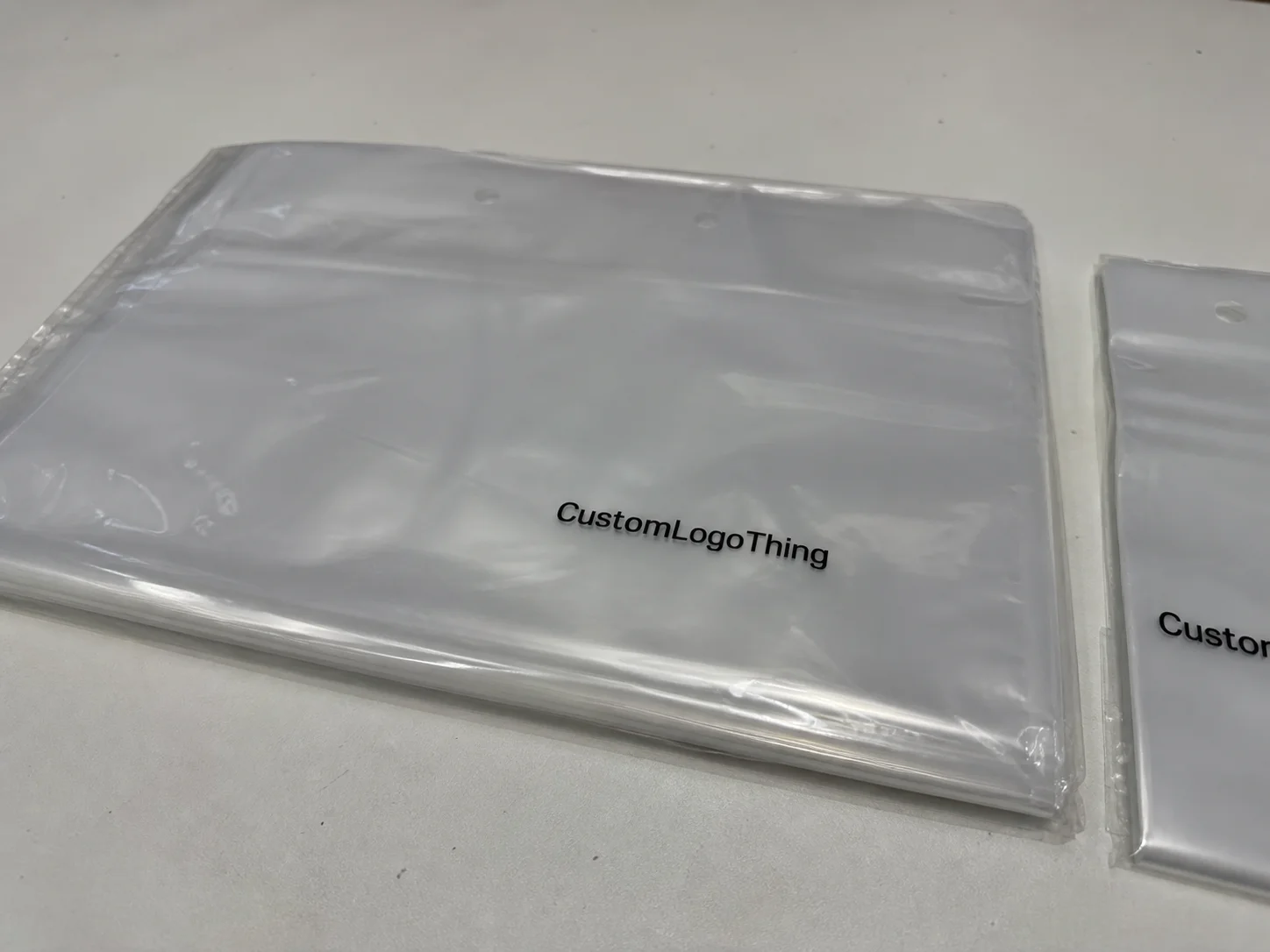
- Flexible packaging — This includes poly mailers, polybags, shrink wrap, and flexible pouches. Space efficiency is the primary advantage—a pallet of 10,000 poly mailers occupies far less warehouse space than 10,000 corrugated boxes. Lightweight construction reduces shipping costs. Resealable options like zipper pouches increase product usability. The tradeoff is reduced protection for fragile items and a perception of lower quality compared to rigid or corrugated alternatives. Recyclability remains challenging, though mono-material flexible options are improving.
- Glass containers — Premium feel and excellent barrier properties make glass ideal for food, beverage, and cosmetic products. Glass is 100% recyclable and maintains product integrity without chemical leaching concerns. However, breakage during shipping is a significant risk. A study by the glass packaging institute found that glass breakage rates average 2-4% in standard shipping conditions, rising to 8-12% for e-commerce distribution where handling intensity is higher. Weight increases shipping costs substantially—glass weighs 3-5x more than comparable plastic containers.
- Metal containers — Aluminum and tinplate containers offer exceptional durability and barrier properties. They're infinitely recyclable without quality loss, positioning well for sustainability-focused brands. Metal containers protect light-sensitive products effectively. The primary limitations are cost (metal containers typically cost 2-3x more than comparable options) and limited customization compared to paperboard-based packaging. Aerosol containers require specialized manufacturing capabilities and regulatory compliance.
Your specific application may justify combining materials—a corrugated shipper protecting a rigid interior box, for example, or a poly pouch inside a Branded Corrugated Mailer. These hybrid approaches can optimize both protection and presentation while managing costs.
How to Match Packaging Materials to Your Product Type
General material knowledge isn't sufficient. Your product category creates specific requirements that should drive material selection:
- E-commerce packaging requires focus on transit protection and unboxing experience — Direct-to-consumer shipments face 5-15 handling touchpoints compared to 2-3 for retail distribution. Your packaging must survive drop tests from conveyor belts, stacking pressure in sortation facilities, and vibration from truck transport. Beyond protection, the unboxing experience has become a competitive differentiator. Brands that invest in interior packaging (tissue paper, foam inserts, printed inserts) see higher social sharing rates and customer satisfaction scores. Consider that 74% of e-commerce consumers say packaging affects their perception of brand quality.
- Food and beverage products need FDA compliance and shelf-stability considerations — Food-contact materials must not transfer harmful substances to contents. This limits your material options and requires documentation of material safety. Shelf stability requirements affect barrier properties—you need to prevent moisture migration, oxygen exposure, and light degradation for the product's intended shelf life. Temperature control during distribution may require insulated shippers or refrigerated transport. Don't forget that food packaging faces weight restrictions for shipping costs, which often rules out heavy materials like glass.
- Cosmetics demand aesthetic appeal and ingredient protection from contamination — Visual presentation drives purchase decisions in beauty. Your packaging material must support high-quality printing, embossing, or other finishing techniques that communicate premium positioning. Ingredients like certain essential oils, alpha hydroxy acids, or vitamins can be degraded by material interactions or environmental exposure. Airless pump systems protect sensitive formulations but add cost. Pump bottles require specific plastic types that are compatible with formulas. Always request compatibility testing before committing to high-volume production.
- Retail packaging balances shelf presence with practical protection needs — Products on retail shelves face different stresses than e-commerce shipments. Packaging must survive hanging, stacking, and consumer handling without damage. The package is also your silent salesperson—shelf positioning, shelf-ready packaging features, and visual hierarchy all influence purchase decisions. I recommend conducting shelf audits at actual retail locations where your product would be sold. Watch how consumers pick up products and handle packaging. This research often reveals design flaws that cause damaged packaging or lost sales.
- Industrial products prioritize durability and handling efficiency — Heavy parts, abrasive materials, and harsh environments demand robust packaging solutions. Wood crates, heavy-gauge corrugated, and metal containers provide the protection industrial products require. Handling efficiency matters—packaging should accommodate forklifts, pallet jacks, and warehouse racking systems. Bulk packaging options reduce per-unit packaging costs for components that ship in high volumes. Don't overlook that industrial packaging often requires documentation for international shipping, including ISPM 15 heat treatment certification for wood materials.
Packaging Material Costs: What Affects Your Budget
Understanding packaging costs requires looking beyond unit price to total cost of ownership. Here's what actually affects your budget:
- Raw material pricing fluctuations impact per-unit costs significantly — Commodity markets drive packaging costs. Corrugated prices track paper pulp values. Plastic resin costs follow petroleum markets. In 2021-2022, resin costs increased 40-60% depending on polymer type, forcing packaging suppliers to implement multiple price increases. Building relationships with suppliers who offer pricing stability or hedging options protects you from market volatility. Understand whether your pricing is fixed, indexed to commodities, or subject to surcharges.
- Volume thresholds create pricing tiers and minimum order quantities — Volume economics apply aggressively in packaging. A 250-unit order of custom-printed corrugated boxes might cost $2.40 per unit. Increase that to 2,500 units and the per-unit cost drops to $1.15. At 10,000 units, you're looking at $0.85 per unit. These price breaks can dramatically affect your unit economics, but they also tie up capital in inventory. Balance the per-unit savings against carrying costs and demand forecasting accuracy.
- Custom printing and finishing add complexity but increase brand value — Basic flexographic printing on corrugated starts around $0.30-0.50 per box in tooling savings but requires 5,000+ unit minimums. Digital printing eliminates plates and allows shorter runs with per-unit costs only slightly higher than flexo for small quantities. Finishing options like spot UV, embossing, foil stamping, and soft-touch coatings add $0.20-1.50 per unit depending on coverage. These investments pay off through enhanced brand perception and social sharing potential.
- Shipping costs correlate with material weight and dimensional properties — Carriers charge by actual weight or dimensional weight, whichever is greater. Dimensional weight calculations use package dimensions, so bulky packaging can cost as much as heavy packaging. A lightweight product in oversized packaging might incur $8 shipping while the same product in optimized packaging ships for $5.50. Over a year of 50,000 shipments, that's $75,000 in unnecessary shipping costs.
- Total cost of ownership includes damage rates and customer returns — This is where many buyers make expensive mistakes. Calculate the fully loaded cost of each packaging option by including:
- Packaging material cost per unit
- Packaging labor (time to assemble, fill, and seal)
- Shipping cost (weight and dimensional factors)
- Damage rate (product cost × damage percentage)
- Return processing cost ($5-15 per return depending on category)
- Customer satisfaction impact (churn rate, negative reviews)
Your Packaging Production Timeline: From Concept to Delivery
Understanding production timelines prevents last-minute scrambles that lead to premium shipping costs and quality compromises. Here's what to expect:
- Initial design and material specification typically takes 1-2 weeks — This phase includes material selection, structural design, artwork creation, and approval. Rushing this phase leads to problems later. I've seen brands compress this to days, only to discover during sampling that their chosen material doesn't work with their product dimensions or filling process. Build adequate time for internal review cycles—expect 2-3 rounds of revisions before locking designs.
- Tooling and sampling phase requires 2-4 weeks depending on complexity — Corrugated dielines require cutting rules and possibly printing plates. Rigid box tooling (called splits) can take 4-6 weeks for complex designs. Sampling allows you to verify protection performance, printing quality, and assembly efficiency. Never approve production without physical samples in hand. I'd recommend requesting 10-20 samples and conducting destructive testing to verify protection claims.
- Production lead times range from 2-8 weeks based on order size and complexity — Standard corrugated orders of 5,000-10,000 units typically run 2-3 weeks. Larger orders or specialized materials extend timelines. Flexible packaging and flexible pouches often have longer lead times due to cylinder彫刻 creation for rotogravure printing. When suppliers quote timelines, ask about their current production schedules—manufacturers often have queues that extend quoted timelines by 1-2 weeks during peak seasons.
- Shipping and logistics add 1-3 weeks depending on destination — Domestic ground freight typically runs 5-10 business days. West Coast deliveries to the East Coast take longer than the reverse due to freight lane imbalances. International shipping via ocean freight adds 4-6 weeks but offers significant cost savings for large orders. Air freight provides speed but at premium rates. Plan your inventory to arrive 2-3 weeks before you need it, not when you need it.
- Planning ahead prevents rushed orders and premium shipping costs — My recommendation: initiate packaging projects 12-16 weeks before you need inventory. This buffer accommodates delays without requiring air freight or factory expediting fees. Build relationships with suppliers who can provide flexible lead times or hold capacity for rush needs. A good supplier partner might absorb a week of delay that would cost you thousands in expedited shipping.
Mistakes to Avoid When Choosing Packaging Materials
Based on my experience consulting with packaging decisions across dozens of product categories, here are the most costly errors I observe:
- Prioritizing cost over protection leads to higher long-term expenses — This is the mistake I described in the opening anecdote. The cheapest packaging option rarely minimizes total cost when you include damage, returns, and customer dissatisfaction. I worked with a skincare brand that reduced packaging costs by $0.35 per unit, then saw damage rates triple for their glass serum bottles. The actual cost increase was $2.80 per shipped unit when damage losses were included. Always run the fully loaded cost comparison.
- Ignoring sustainability trends risks brand relevance with eco-conscious consumers — This isn't about personal environmental preferences—it's about market positioning. Gen Z consumers, now entering their primary spending years, rank sustainability as a top-three purchase factor. Even B2B customers face Scope 3 emissions reporting requirements that make sustainable packaging a supply chain priority. Ignore this trend at your competitive peril.
- Failing to test samples under real conditions results in field failures — Laboratory testing provides baseline data, but it doesn't replicate actual distribution. I'd recommend conducting real-world testing by shipping samples through normal channels and recovering them to assess damage. Use ISTA-certified testing protocols if your major retail customers require compliance documentation. The EPA's sustainable packaging guidelines offer additional frameworks for evaluating environmental impact beyond recycling rates.
- Not considering regulatory requirements creates compliance liabilities — Packaging for food, cosmetics, children's products, or medical devices faces specific regulatory requirements. Violations can result in product recalls, fines, and brand damage that far exceeds any packaging savings. Always verify compliance requirements before selecting materials, and get written documentation from your supplier confirming material compliance for your specific application.
- Overlooking scalability limits growth and increases per-unit costs — Your packaging supplier's capacity should match your growth trajectory. If you're scaling from 10,000 to 100,000 monthly units, your packaging partner must be able to scale with you. Otherwise, you'll face painful supplier transitions mid-growth, which disrupts operations and creates quality inconsistency. Discuss scalability requirements upfront with potential suppliers.
The brands that get packaging right treat it as a strategic asset, not a tactical expense. They invest in material specification quality, supplier relationships, and ongoing optimization. The payoff appears in reduced damage rates, stronger brand perception, and operational efficiency that compounds over time.
Frequently Asked Questions
What is the most cost-effective packaging material for Small Businesses?
Corrugated cardboard offers the best balance of protection, customization, and cost for most small businesses. Standard sizes with basic printing keep costs low while providing adequate protection for non-fragile items. Flexible packaging options like poly mailers reduce costs further for soft goods or products that don't require rigid protection. I'd suggest starting with standard stock sizes and limited custom printing to minimize upfront investment while you validate product-market fit.
How do I determine the right durability level for my product packaging?
Conduct a fragility analysis rating products from 1-10 based on breakability, with 1 being nearly indestructible (rubber bands) and 10 being extremely fragile (glass ornaments). Consider your shipping method and number of handling touchpoints—parcel shipping rates higher than freight, e-commerce rates higher than retail distribution. Request sample testing from your packaging supplier before full production. Most suppliers offer complimentary transit simulation testing using ISTA protocols. This testing identifies weaknesses before you commit to high-volume production.
What sustainable packaging options are available for eco-conscious brands?
Several options exist depending on your product requirements and budget. Recycled content corrugated materials reduce virgin resource consumption while maintaining protection performance—look for minimum 30% post-consumer content for credible claims. Biodegradable and compostable options like PLA (polylactic acid) work for certain flexible packaging applications but require specific disposal infrastructure. Ocean-bound plastic and other upcycled materials offer unique brand narratives while addressing environmental concerns. FSC-certified paperboard ensures responsible forestry practices in your supply chain.
How long does Custom Packaging Production typically take?
Standard custom orders complete in 4-6 weeks from design approval to delivery for corrugated packaging. This includes 1-2 weeks for design refinement and approval, 2-3 weeks for tooling and sampling, and 1-2 weeks for production. Rush orders with premiums can reduce timelines to 2-3 weeks for simpler designs with digital printing capabilities. Complex dielines, specialty materials, or rigid box production may extend timelines beyond 8 weeks. Always build buffer time into your launch planning to accommodate delays.
What minimum order quantities should I expect for custom packaging?
Standard corrugated boxes typically start at 250-500 units per SKU for digital printing options, rising to 2,500-5,000 units for flexographic printing due to plate costs. Rigid boxes and setup boxes often require 1,000-2,500 unit minimums due to tooling requirements and production efficiency. Flexible packaging varies widely based on bag style and printing method, from 1,000 units for simple polybags to 10,000+ units for custom pouches with multiple color printing. Digital printing technology continues to lower minimums across categories, making custom packaging accessible for smaller brands.
How Do I Choose the Right Packaging Materials for My Products?
Choosing the Right Packaging Materials requires balancing multiple factors: protection performance, cost constraints, sustainability expectations, and brand positioning. There's no universal answer—the optimal material depends on your specific product, distribution channel, target customer, and business objectives.
My recommendation: start with clear requirements, request physical samples, test under real conditions, and calculate fully loaded costs before making decisions. Explore our Custom Packaging Products to see options across material categories, or reach out to discuss your specific requirements with our packaging specialists.