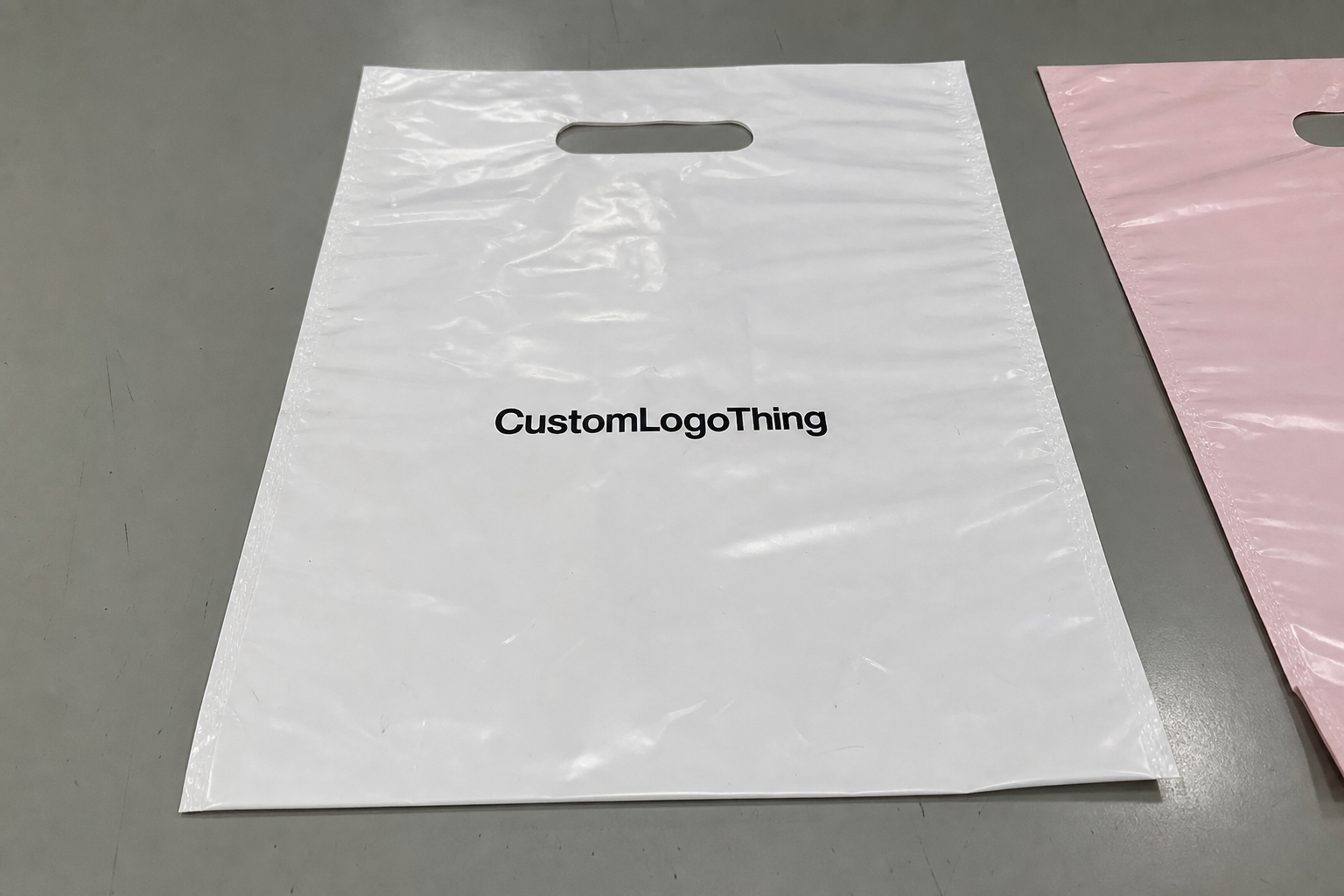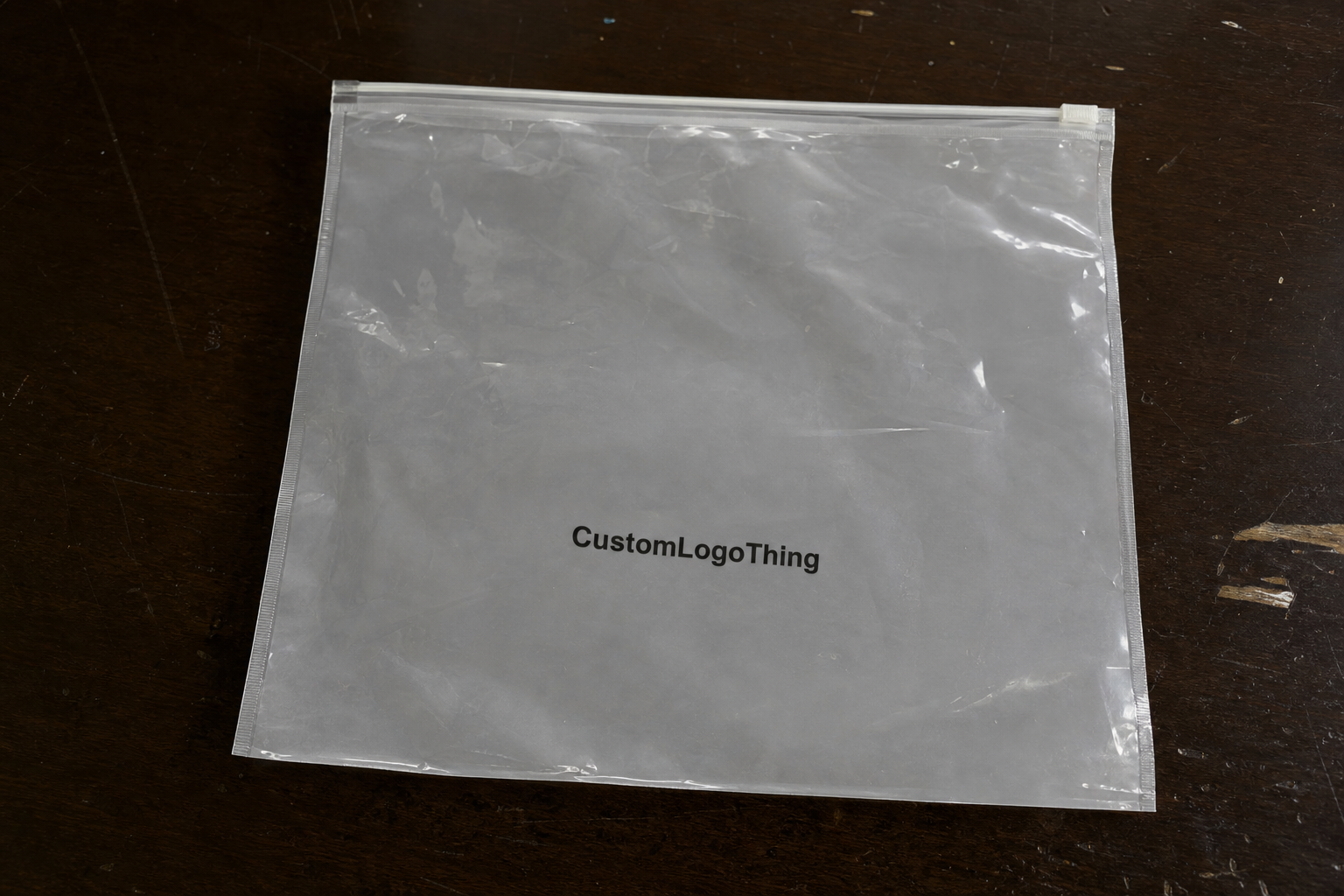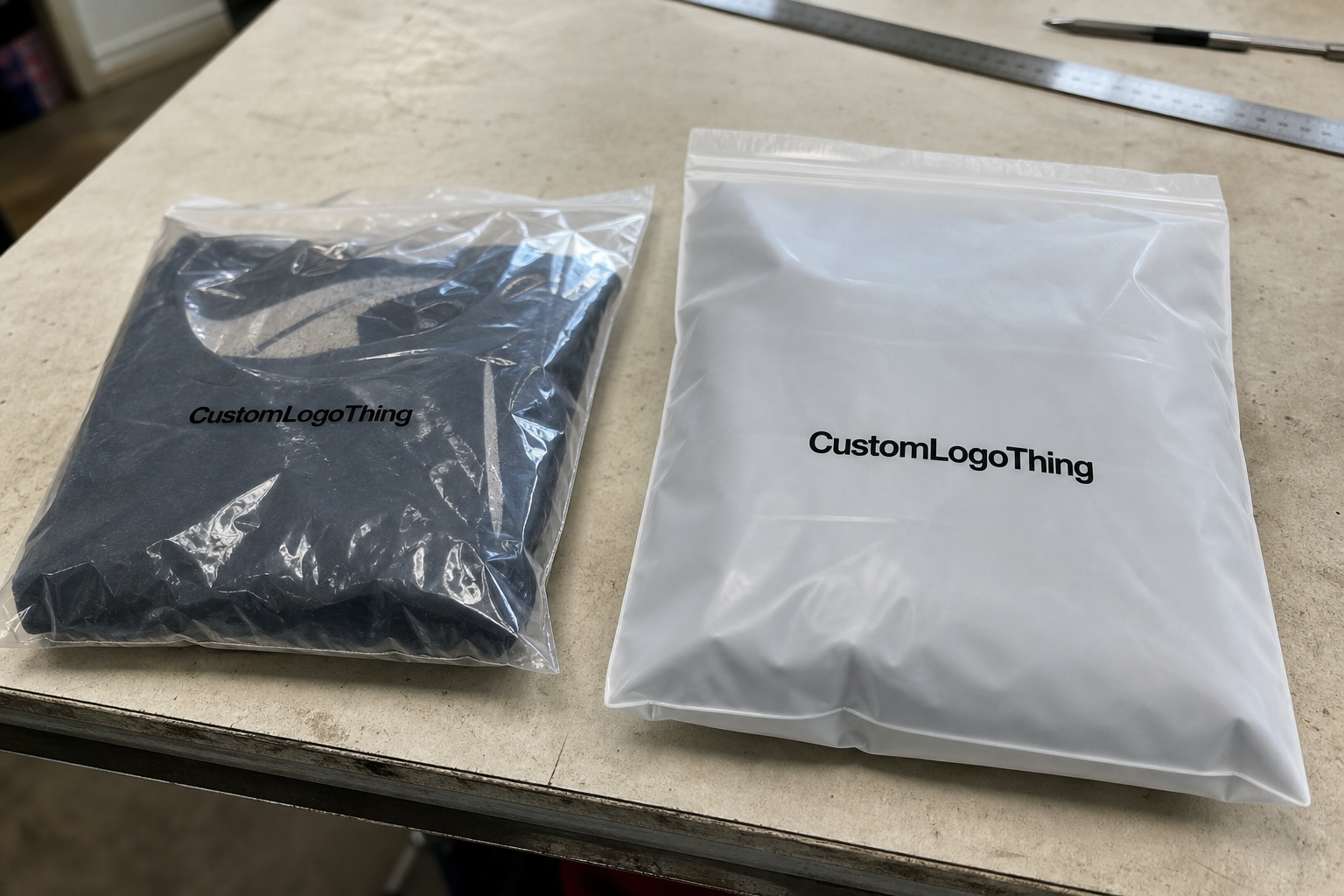
Buyer Fit Snapshot
| Best fit | Package Products for Retail Display Efficiently projects where brand print, material claims, artwork control, MOQ, and repeat-order consistency need to be specified before quoting. |
|---|---|
| Quote inputs | Share finished size, material target, print colors, finish, packing count, annual reorder estimate, ship-to region, and any compliance wording. |
| Proofing check | Approve dieline scale, logo placement, barcode or warning zones, color tolerance, closure strength, and carton packing before bulk production. |
| Main risk | Vague material claims, crowded artwork, missing packing details, or unclear freight terms can make a low unit price expensive after revisions. |
Fast answer: Package Products for Retail Display Efficiently: Material, Print, Proofing, and Reorder Risk should be specified like a repeatable production item. The safest quote records material, print method, finish, artwork proof, packing count, and reorder notes in one written spec.
Production checks before approval
Compare the actual filled-product size with the drawing, then confirm tolerance on folds, seals, hang holes, label areas, and retail display edges. Reserve space for logos, QR codes, warning copy, and material claims before decorative graphics fill the panel.
Quote comparison points
Review material grade, print process, finish, sampling route, tooling charges, carton quantity, and freight assumptions side by side. A quote is only useful when the supplier can repeat the same color, closure quality, and packing count on the next order.
How to Package Products for Retail Display: A Factory Floor Tale
From the moment I stepped over the safety rail in the Custom Logo Things press hall, surrounded by the hum of a 48-inch rotary press running 6,000 impressions per hour and the smell of soy-based ink, I was already mapping how to package products for retail display so pallet #352 with 72 cases would not slow the scheduled October 7 national launch.
There are corridors in the Dallas/Fort Worth chains where inventory turns every four hours, and I can tell you the first visual on that shelf has more pull than a single point-of-sale readout, which is why a detail like panel gloss keeps me checking fixtures twice.
I remember when the first heat-sealed sample arrived with the wrong embossing, and I honestly think the press operator took it personally when I asked for the third revision before breakfast—he still teases me about “Marcus and his obsession with panel gloss,” but those obsessive notes are how to package products for retail display without letting the hero panel wobble.
Earlier that week a pallet of 1,240 mismatched cartons from a beverage client delayed a big-box drop because the cartons came with different heights, so none of the slots lined up with the store’s map; we solved it through smart slotting and a night-shift redesign, and the Bentonville buying team called after hours on Tuesday to thank us for rescuing the display.
There was a moment, when the team rotated the slots to align with their 14-unit fixture, that felt like solving a Sudoku puzzle with forklifts, which is my shorthand for how the geometry of how to package products for retail display can make the fixture team breathe easier.
The tension between speed and accuracy hit particularly hard when the Mid-Atlantic private label regional manager visited and asked me, “What does good retail packaging look like to you?”—I pointed to the hero panel with pick-up lighting and said it is a blend of structure, branding, and convenience, meaning the design must stand up during shipping, tell a story in a glance, let the clerk replenish within two minutes, and still fit into that retailer’s 12-15 business day fulfillment window after proofs are approved.
We sat down on the mezzanine with our slotting charts, noted every fixture’s 32-inch depth, and reviewed the Dallas planogram spreadsheet, defining retail-ready packaging as the union of consistent board strength, strategic messaging, and quick-assembly systems so the consumer feels the product belongs on the shelf without extra props; I still chuckle about the artisan coffee team wanting to attach little burlap sacks because “it felt authentic,” and how I reminded them that authenticity rarely pays the freight when trays need to nest efficiently in a 52-inch pallet lane.
How to package products for retail display while satisfying every retailer question?
Retailers expect a concise explanation, so I map how to package products for retail display in three bullet points: planogram compliance verification, a shelf-ready packaging mock-up, and a replenishment rhythm that respects their receiving team.
We layer those bullets with details on display-ready packaging—panel thickness, preload adhesives, lighting tolerances—so the snippet-worthy version mirrors the depth of the factory conversation, and the buyers echo the same narrative because it keeps our retail-ready packaging story grounded in the same math from the press floor.
How to Package Products for Retail Display: Manufactured Retail Packaging Process Unfolds
Our Dallas corrugated plant process starts with the briefing, when a creative director from the client, an account rep from Custom Logo Things, and I gather around a laptop to review the retailer’s planogram, required UPC placement, and desired point-of-purchase stickers; once that brief is signed, our structural engineer produces the dielines within three business days, checks them against the client’s online shelf dimensions (commonly 14.75-inch depth, 48-inch width in the Midwest, and 15.25-inch in the Pacific Northwest), and shares PDF proofs with our offset pre-press studio.
I remember when a junior engineer suggested a daring diagonal tuck, which sparked the entire team to rethink how the product would be pulled forward on the fixture—we still deploy that tuck concept for seasonal displays, and the resulting pull-forward action is a reliable reminder of why experimenting matters.
Prototyping takes 48 to 72 hours, and while a sample build is being assembled in the mock-up room we are already arranging print-readiness: the rotary press by the south wall is booked for the run, ink recipes are logged for Pantone 7621 C on the hero panel and 877 C for metallic seals, and the finishing team schedules the folding-gluing line in a 12-hour block; typical lead times span two to six weeks based on substrate, with a 350gsm C1S artboard sample often taking four days from proof approval to physical copy, though we aim for 12-15 business days from proof sign-off to loaded trailer for most retailer compliance programs.
I swear the finishing techs could choreograph the run schedule in their sleep, though they still protest the six-batch day when a retail reset sneaks in after lunch.
Communication never stops—buyers at the retailer’s Chicago headquarters often demand planogram verification, so our account managers share mock-ups with the merchandising team, resolve UPC placement issues before the run, and confirm suggested shelf signage works with their LED lighting environment; one client once repainted their fixture to match a blush palette because the board lamination created a warm undertone, and because we had that conversation three weeks earlier, the shipment left on time.
Those late-night calls feel like hobbyist radio clubs decoding color shifts, and honest disclaimer—color can drift when humidity spikes, so we always recheck proofs in the plant’s climate-controlled studio before final sign-off.
Regulatory checks are built into the schedule too: we verify FSC certification from the sustainable mills we prefer, log certificate numbers—like AR-COC-123456 from the Arkansas River Valley mill—in the job folder, and run ASTM D4169-based drop tests aligned with ISTA protocols from ista.org, ensuring the units meet retail transit expectations before printing the first sheet.
There was that one time when the certificate number was misfiled, and I spent an hour begging a Memphis mill clerk to fax it back so the truck wouldn’t wait—I still joke that paperwork is the unofficial glue holding scheduling together.
Quality control at the finishing line is relentless—each cart of folded cartons is inspected for glue bead consistency, square corners, and varnish clarity, and any deviation reroutes to the rework bay; this is how to package products for retail display with reliability, combining precise timing, layered approvals, and consistent communication so the stack of finished units feeds directly onto a truck to the client’s national DC in Columbus.
When the glue bead insists on being rebellious, I remind the operators that patience trumps speed, even if the boss is waiting with a stopwatch (and yes, we keep one just for fun), because that is how to keep our retail-ready packaging and display-ready packaging schedules synchronized so every pallet rolls onto a trailer by 6 p.m.
Key Factors When Planning How to Package Products for Retail Display
Structural integrity is the first conversation I have with any brand manager, since a 200-count shelf-ready pack holding five pounds needs a different flute than a fragile skincare vial; in most of our projects the go-to choice is C-flute corrugated with an ECT rating of 32 or higher, while delicate items benefit from B-flute and thicker 1/8-inch rigid board when the display doubles as a premium counter piece.
I laughed with a client who insisted their candle display needed to “float,” until we showed them uplift works better with ribs and strategic scoring than magnetized dreams, and that kind of practical honesty is central to how to package products for retail display.
Every inch of the shelf-facing panel must earn its narrative: the primary callout gets a 52-point type in Pantone 7621 C, while secondary messaging covers ingredients, certifications, and a QR code printed at 300 dpi, all balanced so the hero image has breathing room; our layout artists draw from planogram data to decide whether a horizontal slot or vertical panel is needed, ensuring the packaging mirrors the retailer’s fixture line-up and keeps sightlines clear.
I often say clarity is the true luxury finish because it keeps shoppers from squinting while the store music crescendos, and it is planogram compliance validation that translates that clarity into shelf-ready packaging, forming the core of how to package products for retail display without shrinking the hero story.
Material selection touches cost too—thermoformed PET trays at 0.080-inch thickness work when thermal stability and dimensional control matter, while 300gsm SBS with a soft-touch lamination delivers tactile appeal without the weight of rigid board; magnetic closures, die-cut handles, and integrated hang-tabs are all balanced against the fixture’s 14.5-inch depth and the retailer’s maximum shelf weight, because simplicity keeps the store team cooperative.
Finishing options such as soft-touch lamination on the primary panels, UV varnish on the brand mark, and embossing on foil stamps get selected based on their impact under the store’s LED lights, knowing gloss varnish might glare in a front-left corner of a fixture dominated by south-facing windows; we test finishes in the mock-up room against retail lighting logs to avoid glare or washout, then decide whether to add shrink-wrapping for multi-packs or tamper-evident security seals that comply with big-box policies.
There was a time a glossy finish turned a hero panel into a mirror, so now we have a “light check” station where somebody holds up an LED bloom like a sacred relic.
Merchandising accessories often enter the discussion—strap handles, merchandising clips, and additive signage frames are sized per retailer, and each piece requires storage instructions so store staff can stage the shipping pallet into a display in one motion, which is exactly how to package products for retail display at the point-of-purchase.
(I keep a folder of “clip horror stories” for new team members, just to keep them humble, and it even lists 12 clip types from our Atlanta supplier for quick reference.)
We log the sizes explicitly in our planogram compliance notes so the store team sees how those clips and handles support the fixture without exceeding retailer limits.
Cost & Pricing Considerations for How to Package Products for Retail Display
Material costs are foundational: our short-run tier (up to 5,000 pieces) typically uses recycled 32ECT C-flute sourced from Midwest mills, priced at $0.18 per unit for plain corrugated, while a mid-tier run (10,000 pieces) with printed laminated SBS panels sits around $0.32 per unit after factoring in ink coverage and spot varnish.
As clients scale to long runs (50,000+), the per-unit price falls toward $0.21 because setup fees for the die-cut tool—often $550—get amortized over more cartons, and honestly, the longer the run, the more likely I am to forget how loud the press floor is until a small-batch job reminds me my ears have gone soft.
Print complexity also affects price—full-coverage CMYK with metallic foil includes additional passes on the press floor, so the hourly rate at our rotary line increases by $85 per hour for the second pass, while a simple two-color layout mainly uses one pass and finishes in 2.5 days; during seasonal spikes we add a 12% surcharge to expedite the schedule, and those surcharges are negotiable if the brand can commit to a minimal 30,000-piece window.
I admit surcharge conversations feel like discussing weather with a weathered truck driver, but once the client sees how it trims calendar pressure, the tone softens.
Optimizing the carton design and dieline nesting can shave waste and reduce tooling costs—our Houston die-cut department saves up to 8% of sheet usage when dielines rotate in 90-degree increments and tabs share common cutting paths, so engaging those specialists early is how to package products for retail display without throwing money away.
(I secretly worship their nesting charts, if I’m honest.)
Before signing a contract, I urge teams to ask suppliers a checklist of budget questions: what is the per-sheet waste allowance, is the tooling reusable for future runs, what rail carrier handles final delivery, and how are color corrections billed?
Transparency from the start keeps the price aligned with the durability and shelf appeal the retailer demands, which is why I keep circling back to how to package products for retail display so our display-ready packaging stays financially responsible and avoids surprise overruns.
| Run Type | Setup Fee | Unit Cost | Key Features |
|---|---|---|---|
| Short Run (1k–5k units) | $450 per die | $0.52 with laminates | Fast turnaround, printer holds average 72 hours |
| Mid Run (10k–25k units) | $550 per die | $0.32 with soft-touch | Multiple finishes plus pre-slit display trays |
| Long Run (50k+ units) | $650 per die | $0.21 with foil | Inventory warehousing and scheduled replenishment |
Step-by-Step Guide to Preparing Retail Display Packaging
Gather the retail specs by asking for exact planogram slot dimensions, desired shelf heights, and any lighting notes from the chain; we usually create a shared document with the retailer’s merchandising team and note the maximum allowable protrusion per shelf—1.5 inches for Kroger planogram ID 184-07 in Cincinnati—to ensure compliance.
(It’s almost therapeutic how calm that process feels once the measurements are locked.)
Choose materials that match both the product and the expected foot traffic—corrugated board with a 44-pound basis weight works well for mass-market goods, while premium sections might warrant a 500gsm greyboard with matte lamination; our material library in the Cleveland sample room includes swatches for testing, letting clients feel the options before approving.
I still recall handing that library to a national brand rep who insisted on trying every sample like he was choosing a wine vintage.
Request mockups from your supplier, letting them use the exact dielines and finishes you intend to apply; for larger fixtures we often build a 3D paperboard prototype and drop it into a rented retail fixture to confirm the tray, hero panel, and header align with the planogram, using adhesives such as 3M 3499A for heavier trays.
We even photograph those prototypes under different store lights because nothing ruins a launch faster than discovering the glossy hero looks like a mirror the instant the sun hits it.
These mockups become the travelogue for how to package products for retail display as shelf-ready packaging, ensuring adhesives and trays align with the printed instructions.
Approve samples after verifying color matches via Pantone bridging and ensuring UPC barcodes scan reliably on a handheld device; our account reps coordinate the press approvals and often bring a handheld scanner to the final press check on the floor.
I joke that the scanner is my version of a lightsaber—without it, the barcodes may as well be scribbles.
Iron out finishing touches such as lamination choices, varnish coverage, and adhesive application; we put a finishing checklist in the job folder so the folding-gluing operator knows to apply a reinforced corner seal or integrate perforated tabs for quick tearing.
Honestly, the finishing checklist is the unsung hero of any successful run, especially when the glue gun decides to pop like popcorn.
Coordinate logistics with a warehouse partner, whether delivering directly to the retailer’s distribution center or storing finished cases in our Pittsburgh facility for just-in-time shipments; we often keep an additional 5% of units on the floor as a buffer for late-stage promotional swaps or repairs.
(That extra 5% has saved more client reputations than I can count.)
Staging guidance for the retailer includes a simple visual sequence showing carton stacking order, barcode placement for receiving, and how to pull the display together with numbered steps; having numbered adhesive tabs already installed on the cartons cuts assembly time down to one minute per display.
I swear shops can smell complicated instructions from a mile away—keep it numbered, keep it visual.
Maintain a backup plan, such as storing extra printed panels in case in-store damage happens or a regional reset calls for a new color; we once kept 200 preprinted panels in a climate-controlled room because the client planned a holiday swap, and that foresight saved three days when the retailer requested the update at the last minute.
Honestly, nothing feels more satisfying than watching a well-laid backup plan unfold while the client calls it “pure luck.”
Common Mistakes When Packaging Products for Retail Display
Overcomplicating structures is the first misstep I see—clients often add collapsing handles, magnetic closures, or nested compartments that take eight seconds to assemble while stores budget four, so the display ends up unassembled for days and loses shelf time.
I keep reminding everyone that retail teams do not have the patience of LEGO builders after lunch.
Neglecting retail lighting leads to another snag; UV varnish might look crisp on the press check but in the store it creates glare on the hero panel, washing out brand colors, so we always test finishes under the retailer’s specific LED profile before committing to a full run.
It’s frustrating when a hero panel becomes a disco ball under store lighting, so we treat that test like a protective charm.
Ignoring shelf depth also causes trouble; we once shipped thermoformed trays that extended two inches beyond the fixture, forcing their team to cut the trays manually, which is why we now confirm precise depth numbers and print them on the dieline for every job.
I still feel guilty about that afternoon—they made us watch as the fixture team hacked away with box cutters while muttering about “those wild corrugators.”
Skipping prototypes or failing to test fit with actual shelves results in expensive rework—nearly every factory floor I’ve walked through has seen a rush order when the carton was just 0.2 inch too tall for the fixture, so we keep a reserve of sample pieces for quick troubleshooting.
I always say, “A prototype saved is a panic avoided,” even if the marketing director groans at another mock-up.
Mismatched messaging is another issue: cluttered hero panels dilute the product story, and overlaying too many descriptors loses the shopper’s gaze, so we keep a single dominant headline, a supporting bullet list of three points, and a clean call to action.
(I’m convinced shoppers have a sixth sense for bored copy.)
Finally, assuming one solution fits all stores is a miscalculation; regional variations in fixture size, security policies, and resets require flexibility, so I remind clients to prep two versions—one for low-security boutique chains with reusable trays and another for big-box stores that demand sealed cases and tamper-evident tabs.
Sometimes I joke that each retailer deserves its own soap opera of packaging choices, but that adaptability keeps listings fresh and keeps how to package products for retail display from slipping into theatrical complexity.
Expert Tips from the Custom Logo Things Floor
Our veteran line supervisors recommend testing mix-and-match display elements in the mock-up room before committing to thousands of units; they keep a binder of winning combinations from the feed rack, cataloging which board, finish, and accessories worked best for that SKU, and they reference it by job number so clients can return to a proven solution in under 24 hours.
I’m always amazed how a slip of board grain can change the entire personality of a display, so we treat that binder like a sacred ledger.
Keeping documentation of successful retail setups allows future repeats to happen quickly; we log exact dieline file names, adhesive types (for example, 3M 3499A for heavier trays), and assembly instructions so the next run can duplicate those winning material combinations without reinventing the process.
Honestly, the only thing more satisfying than duplicating a successful run is doubling the quantity without inventing new drama, and those records become the go-to reference for how to package products for retail display when the next seasonal reset arrives.
Maintaining dialogue with merchandisers about seasonal resets ensures packaging stays relevant and compliant, which is why our account teams schedule quarterly calls with the retailers’ planning groups and share proposed packaging updates before the reset window opens.
I’ll admit those calls sometimes feel like diplomacy sessions, especially when someone insists on a last-minute color swap that requires a new notched adhesive.
The sustainability group on the floor reminds us to explore recycled fibers or reusable display elements; for instance, using 100% recycled C-flute with soy-based inks meets FSC criteria and appeals to eco-conscious buyers who want to show their packaging doesn’t compromise display strength.
I tell clients that “eco-friendly” is not just a buzzword—when done right, it becomes a structural advantage that’s hard to argue with.
Documenting these choices also helps when the retailer wants that story on the hero panel, so we often include a short blurb about sustainability with the same FSC certificate number that aligns with their compliance requirements and reinforces the packaging’s credibility.
I affectionately call it the “eco brag line,” because it lets the retailer share the story without appearing overly earnest.
Actionable Next Steps for Your Retail Display Packaging Run
Start with an audit of your current shelf-facing packaging, measuring each unit, noting the materials, and comparing those numbers against the retailer’s most recent planogram; having this data ready lets you ask precise questions when collecting retailer requirements and makes the next steps clearer.
I remember a client who delayed their entire launch because they couldn’t tell the difference between their West Coast fixture depth of 15.25 inches and their Midwest one of 14.75 inches—so seriously, measure twice.
Next, request a sample proof from your supplier, selecting materials and finishes that align with your brand story; at Custom Logo Things you can set up a quick pilot run at the Pittsburgh facility, choosing from the library of 500gsm greyboard, soft-touch lamination, and optional foil stamping, then monitor the small-batch production before scaling.
Document key learnings from the pilot—how the materials performed under the retailer’s lighting, how long assembly took, and what shopper feedback emerged—then iterate on those notes for your next order, making incremental improvements so you don’t repeat mistakes.
I keep a journal of those lessons and often quote it back to teams when they think a shiny new trigger tape will solve a basic stability issue.
Finally, plan your logistics with a buffer: keep an extra 5% of printed panels or displays in inventory for in-store damage or promotional swaps, and coordinate with store teams about assembly instructions so the packaging arrives ready to build.
When the unexpected happens (because it always does), that extra buffer saves everyone from hitting the panic button.
Knowing how to package products for retail display is the first practical step toward turning foot traffic into sales, so treat the process as both a creative challenge and a carefully managed production run that demands precision, communication, and follow-through.
Aim for a 0.1-inch tolerance on dieline cuts, hit a 2 ppm barcode scan rate, and document one tangible improvement you can roll into the next order—those small acts keep your retail display packaging runs on schedule and consistent.
What materials should I choose when learning how to package products for retail display?
Prioritize corrugated board grades that match product weight, using C-flute for most consumer goods or B-flute for delicate items, and consider rigid board for premium stands; ask our design team for samples with matte and gloss coatings from the Custom Logo Things finishing department to see how colors pop under retail lights, and factor in protections like foam inserts or reusable trays if the product is heavy or fragile.
Honestly, I always tell people that the right board feels like a handshake—firm, confident, and reassuring.
How do retailers evaluate how to package products for retail display?
Retailers look at how well packaging fits their planogram slots, so provide exact dimensions, folding diagrams, and a mock-up or sample to prevent misfits; they also assess ease of assembly and replenishment, meaning you should test kits on actual shelving and ensure instructions match store workflows.
Presentation matters—include UPC placement, nutrition panels, or compliance labels exactly as specified so nothing is flagged at receiving, and I’ve seen teams win over merchandisers simply by offering a clean stack of numbered steps—turns out retail folks love choreography.
What is the typical cost timeline when planning how to package products for retail display?
Costs are influenced by run size, with setup fees amortized over higher quantities and smaller runs requiring more per-piece investment but offering flexibility; lead times from proofing to shipment range from two to six weeks depending on substrate and finishing complexity, so budget for expedited charges if necessary.
Ask your supplier for a detailed quote separating materials, print, and finishing, then align budget approvals with production milestones.
I advise clients to treat the timeline like a relay race—every handoff needs a buffer lane.
Can retail display packaging be sustainable while learning how to package products for retail display?
Yes—choose recyclable corrugated boards, soy-based inks, and FSC-certified papers from reputable mills supplying Custom Logo Things, design packaging to minimize material use by nesting dielines efficiently, and explore reusable inserts or modular trays for high-end or repeat displays.
Communicate sustainability goals with your account manager so they can track certifications and include eco storytelling on the packaging itself, which often impresses environmentally conscious buyers.
I tend to highlight the certifications because most retailers want to share those numbers as much as we do.
What are quick assembly tips for how to package products for retail display?
Provide retailers with step-by-step instructions and numbered adhesive tabs to speed up shelf setup, especially for complex POP displays, use perforated tears or integrated hang-tabs to reduce the need for additional fixtures, easing compliance with retailer hooks and grids.
Train your team on quality checks before shipping so every carton arrives ready to stack, avoiding signage or accent pieces being left behind.
Honestly, it’s the simple little hacks—like pre-applied tabs—that earn the most retailer gratitude.
Related packaging resources
Use these related guides to compare specs, costs, quality checks, and buyer decisions before making the final call.