Buyer Fit Snapshot
| Best fit | Price Personalized Mailer Sleeves Without Guessing projects where brand print, material claims, artwork control, MOQ, and repeat-order consistency need to be specified before quoting. |
|---|---|
| Quote inputs | Share finished size, material target, print colors, finish, packing count, annual reorder estimate, ship-to region, and any compliance wording. |
| Proofing check | Approve dieline scale, logo placement, barcode or warning zones, color tolerance, closure strength, and carton packing before bulk production. |
| Main risk | Vague material claims, crowded artwork, missing packing details, or unclear freight terms can make a low unit price expensive after revisions. |
Fast answer: Price Personalized Mailer Sleeves Without Guessing: Film, Print, MOQ, and Carton Packing should be specified like a repeatable production item. The safest quote records material, print method, finish, artwork proof, packing count, and reorder notes in one written spec.
Production checks before approval
Compare the actual filled-product size with the drawing, then confirm tolerance on folds, seals, hang holes, label areas, and retail display edges. Reserve space for logos, QR codes, warning copy, and material claims before decorative graphics fill the panel.
Quote comparison points
Review material grade, print process, finish, sampling route, tooling charges, carton quantity, and freight assumptions side by side. A quote is only useful when the supplier can repeat the same color, closure quality, and packing count on the next order.
If you are trying to figure out how to price personalized mailer sleeves, the artwork is rarely the first number that moves the quote. Board grade, print setup, finish, and shipment format usually do more damage to the budget than the design file itself. I have watched buyers chase a low mockup price only to get sideswiped later by die fees, freight, or finishing. That is the part many teams miss. How to price personalized mailer sleeves is not a guessing exercise. It is a specification exercise, and the spec tells the truth faster than any render.
Two sleeves can look nearly identical on a screen and still land in different cost brackets once one uses heavier board, tighter tolerances, or more ink coverage. A buyer often wants the cheapest quote on the first pass, but that can backfire if the number leaves out freight, finishing, or a tooling charge that appears later. The better goal is a quote that matches the job, protects the timeline, and avoids surprise add-ons. That is the practical side of how to price personalized mailer sleeves.
How to Price Personalized Mailer Sleeves: What Actually Moves the Number
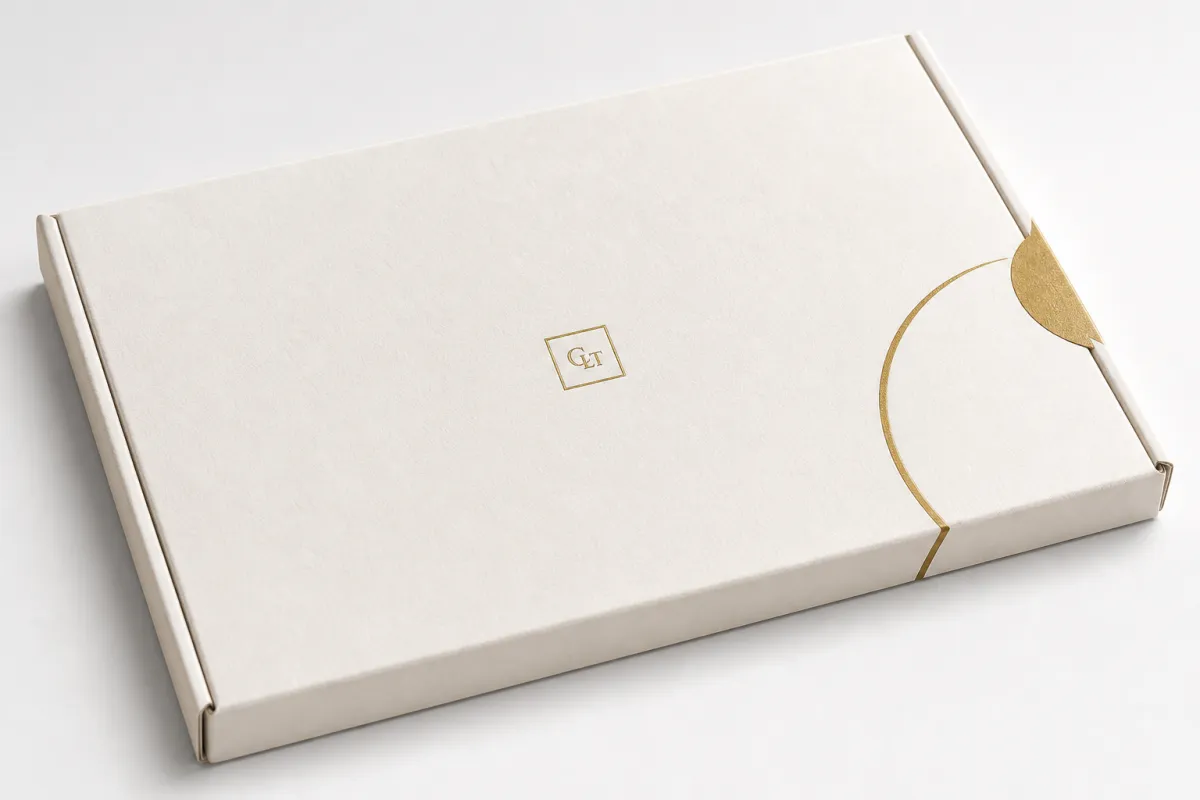
The first surprise for many buyers learning how to price personalized mailer sleeves is that the visible part of the package is not always the expensive part. A sleeve with clean typography and one logo can cost more than a busier design if it needs premium SBS, a special coating, or a harder die-cut. In real quoting, four inputs do most of the work: material grade, print setup, converting complexity, and shipping format.
Board grade matters because a 14pt C1S sheet and an 18pt kraft-backed board do not behave the same on press or in a folder-gluer. A tighter fold, a cleaner edge, or a sleeve that has to hold shape around a product usually needs a more controlled substrate. That is one reason how to price personalized mailer sleeves starts with the material callout instead of the logo files. If the sleeve is decorative only, lighter board may be enough. If it has to protect, carry, or reinforce the mailer, caliper and construction move quickly.
Print setup changes the number just as much. A single-color flexographic run on a standard kraft sheet has a very different cost profile from a full-coverage digital sleeve with several spot colors and a soft-touch finish. More ink coverage means more press time and a higher chance of spoilage during setup. A buyer who understands how to price personalized mailer sleeves will ask whether the artwork is a one-color line job, a four-color process job, or a heavy-coverage design with flood coats and varnish.
The shipment format is the sleeper issue. Flat-packed sleeves are cheaper to store and usually cheaper to freight than pre-assembled kits. If a supplier has to collate, bundle, or prefit the sleeves to a specific mailer size, labor shows up in the quote. A print-only flat component and a packed, counted, ready-to-use kit can look like twins on paper and still price miles apart.
Buyers who want real control over how to price personalized mailer sleeves should ask for the first quote only after they can answer these questions:
- What are the finished dimensions and tolerance limits?
- What board stock or paper grade is required?
- How much of the sleeve is printed, and in how many colors?
- Does the job need lamination, varnish, foil, or spot UV?
- Will the sleeves ship flat, nested, or assembled?
- Is the sleeve decorative only, or does it also protect the product?
That list looks simple because the job is simple only after the details are pinned down. Once you know how to price personalized mailer sleeves correctly, you stop comparing artwork and start comparing production realities. For a buyer, that is where the money hides.
Value Proposition: Why Personalized Mailer Sleeves Earn Their Keep
Personalized sleeves do one thing very well: they turn a plain shipper into a branded opening experience without forcing a full redesign of the mailer itself. That is the first reason how to price personalized mailer sleeves should be tied to value, not only to unit cost. A sleeve gives you a large visible canvas. It can make a low-cost mailer feel deliberate, seasonal, or premium in a way a stock outer pack never quite manages.
There is a second advantage that gets ignored too often. Sleeves can carry instructions, promo codes, QR codes, regional language, or SKU-specific messaging without changing the base packaging. If a brand launches four products in one quarter, sleeves make it easier to update graphics without retooling the entire mailer structure. That flexibility matters. Buyers often miss it when they ask how to price personalized mailer sleeves because they compare the sleeve to a plain printed box and forget the cost of change itself.
For shorter runs, sleeves can be a cleaner financial choice than printing directly on the mailer. A direct print job may require more inventory coordination if the base mailer changes often. A sleeve can sit on top of a standard pack and absorb the branding variation. When the design cycle is short, how to price personalized mailer sleeves becomes a question of agility as much as decoration.
There are limits, and they matter. If the program is high-volume, low-variation, and the mailer already has enough surface area for brand messaging, a sleeve may cost more than the value it adds. In those cases, the better answer may be a simpler branded shipper or a printed poly bag. If your packaging strategy is mostly about messaging and cost control, compare the sleeve against Custom Poly Mailers before you lock the format.
On the sustainability side, sleeves can be easier to defend if the brand wants paper-based graphics without replacing a functioning primary mailer. Fiber-based sleeves can be specified with FSC-certified stock when the program needs documented sourcing, and that is a buying criterion rather than a marketing phrase. For buyers who want the paperwork to match the message, review the sourcing standards at FSC.
If the quote does not show board grade, finish, and freight, it is not a quote. It is a placeholder.
That is the real value test. How to price personalized mailer sleeves is not about finding the lowest number. It is about finding the package that earns its cost through brand lift, operational flexibility, and fewer production surprises. The best sleeve is the one that supports the job it has to do, not the one that merely looks polished on a render.
Specifications That Change Personalized Mailer Sleeves Pricing
If you want to understand how to price personalized mailer sleeves accurately, start with a spec sheet that removes guesswork. Suppliers can only quote cleanly when they know the exact finished size, board type, print method, and finishing expectations. A vague request usually comes back with a wider price band because the vendor is protecting against missing details.
The core specifications are straightforward, but each one affects cost in a different way. Size changes material usage and die count. Board thickness changes rigidity, scoring, and fold behavior. Coverage changes ink, plate work, and press time. Finish changes both appearance and unit price. If you are comparing options for how to price personalized mailer sleeves, each line item should be explicit, not implied.
Dimensions and board grade
Finished dimensions should be more specific than "fits standard mailer." Give the exact outer dimensions, fold allowances, and any tolerance range the sleeve must hold. A difference of 2 to 3 mm can matter on a tight fit. Common board choices include 12pt to 18pt SBS, C1S, kraft, and CCNB depending on whether the sleeve needs a cleaner print face or a more natural look. For a buyer learning how to price personalized mailer sleeves, board grade often explains more of the quote than the print design does.
Heavier board improves stiffness, but it also increases freight weight and may require a different converting setup. If the sleeve needs to wrap around a rigid mailer or hold a premium insert in place, a stronger stock makes sense. If the sleeve is mostly visual, lighter stock may be enough. That tradeoff sits at the center of how to price personalized mailer sleeves because overspecifying the board can raise the unit cost without improving the result.
Print coverage and finish
Full flood color, heavy solids, and dark backgrounds usually cost more than open white space with restrained branding. A one-color logo sleeve can be economical; a four-color process sleeve with full bleed coverage is a different category. Add matte aqueous, gloss varnish, soft-touch lamination, foil stamping, or spot UV, and the economics shift again. That is why how to price personalized mailer sleeves cannot be reduced to "per-sheet print cost."
Some finishes are functional, not decorative. Soft-touch can improve perceived value for luxury items. Aqueous coating can help with rub resistance. Foil can make a small logo stand out on a large blank surface. Every added finish creates another decision point in how to price personalized mailer sleeves, and buyers should ask whether the finish serves brand, durability, or both.
Dieline complexity and converting
Simple sleeves are cheaper than sleeves with windows, cutouts, locking tabs, or unusually tight folds. Each special feature adds tooling time and can increase spoilage during setup. If the sleeve includes a complex wrap or a display opening, the die line becomes a meaningful cost driver. Anyone serious about how to price personalized mailer sleeves should ask whether the design can be simplified without weakening the brand effect.
Converting details matter too. Are the sleeves glued, scored, slit, or perforated? Do they require a hand-assembled step or a machine-fed step? Those differences are not cosmetic. They change labor, yield, and consistency. A supplier that can explain those tradeoffs clearly is usually giving you a more honest view of how to price personalized mailer sleeves.
Print technology and run length
Offset, digital, and flexographic printing each have a place. Digital tends to support lower quantities and quicker file changes. Offset usually wins when the run grows and color consistency matters. Flexographic printing is often economical on repeatable, high-volume work, especially if the design is simple and the substrate suits the process. The best answer to how to price personalized mailer sleeves depends on volume, not habit.
For buyers who want to compare vendors fairly, a spec sheet should always include:
- Finished size and fold direction
- Board grade and caliper
- Print method and number of colors
- Coverage level and finish type
- Die-cut features, tabs, or windows
- Packaging format for delivery
- Target lead time and destination zip code
That list looks formal because it needs to be. The easiest way to get weak pricing on how to price personalized mailer sleeves is to omit the details that actually drive cost. The easiest way to get reliable pricing is to make the job easy to quote.
For additional background on packaging materials and sustainability expectations, industry groups like Packaging.org can be useful references when you are comparing material choices and supplier language.
Personalized Mailer Sleeves Pricing, MOQ, and Unit Cost
The cost structure behind how to price personalized mailer sleeves usually has six parts: prepress, setup, material, printing, finishing, and freight. Add tooling if a new die is required. That order matters because the first two or three components are mostly fixed costs. The final three depend on volume, complexity, and how much handling the job needs.
MOQ is where many buyers stumble. A low minimum order can look attractive, but it usually comes with a higher per-piece rate because setup gets spread over fewer units. A run of 500 sleeves can cost far more per unit than a run of 5,000, even when the design stays the same. That is the basic logic of how to price personalized mailer sleeves without fooling yourself with a low headline number.
Here is a practical range buyers often see, assuming standard paperboard sleeves with no exotic finishing:
| Quantity Tier | Typical Print Method | Indicative Unit Price | Cost Profile | Best Fit |
|---|---|---|---|---|
| 250-500 units | Digital | $0.70-$1.40 | High setup share, fast approval cycle | Samples, launches, pilot programs |
| 1,000-2,500 units | Digital or short-run offset | $0.35-$0.85 | Better spread on setup, still material-sensitive | Seasonal campaigns, small SKU runs |
| 5,000 units | Offset or flexographic | $0.18-$0.45 | More efficient setup, pricing starts to flatten | Core programs, repeat orders |
| 10,000+ units | Offset or flexographic | $0.12-$0.30 | Lowest unit cost, material and freight still matter | High-volume retail or subscription packs |
Those figures are not universal, and they should not be treated as a quote. They are a buying framework. A heavy board with foil stamping can sit above the ranges above. A simple one-color sleeve on lighter stock can come in below them. The point is to understand the curve behind how to price personalized mailer sleeves: setup-heavy jobs become cheaper per unit as volume rises, but finishing and material can keep the floor higher than expected.
When you compare quotes, do not stop at unit price. Ask for the total order value, any tooling or die fee, proofing charges, freight, overrun terms, and replacement policy. A quote that looks cheap per piece can become expensive once every line item is counted. That is one of the most common mistakes in how to price personalized mailer sleeves.
Ask for tiered pricing whenever possible. A quote at 1,000, 2,500, 5,000, and 10,000 units reveals where the efficiency turns on. Sometimes the best value is not the largest order. Sometimes the step between two tiers is too small to justify the inventory risk. Buyers who know how to price personalized mailer sleeves can use those tiers to match spend to demand instead of guessing the sweet spot.
There is also a useful comparison between sleeve pricing and other substrate choices. If a project is moving quickly or needs frequent design changes, a sleeve may be cheaper than reworking the full mailer. If the design is stable and the volume is high, the opposite may be true. That is why the strongest answer to how to price personalized mailer sleeves is not a number. It is a comparison of total system cost.
Process, Timeline, and Lead Time for Personalized Mailer Sleeves
Lead time affects price in subtle ways. The faster the turnaround, the fewer options you usually have on board stock, press scheduling, and freight. If you are learning how to price personalized mailer sleeves, timing belongs in the quote, not beside it. A standard timeline often moves through brief, dieline review, proofing, approval, production, finishing, packing, and shipping.
- Brief and sizing - The buyer confirms dimensions, product fit, quantity, and launch date.
- Dieline and file check - Artwork is checked for bleed, safe area, barcodes, and fold alignment.
- Proofing - A PDF proof or hardcopy proof is reviewed, depending on the job.
- Approval - The client signs off, which starts the production clock.
- Printing and converting - Sheets are printed, cut, scored, and finished.
- Packaging and freight - Flat packing or kitting is completed, then the order ships.
Where do delays usually happen? Three places stand out: incomplete artwork, late approvals, and supply shortages. If the brand changes copy after proof signoff, the clock resets. If the board grade is unavailable, the vendor may need to substitute or wait. If the quantity is small and the finishing is unusual, the job can sit behind larger runs in the schedule. Anyone who understands how to price personalized mailer sleeves should ask about those risks before the order is placed.
Sample lead time and production lead time are not the same thing. A sample can be useful, but a hard proof or preproduction sample may add several days. On complex jobs, custom tooling can add a week or more. That is part of how to price personalized mailer sleeves because the planning buffer has real cost. A rush order may be possible, but it usually narrows material choices and raises freight cost.
For transit-sensitive programs, it helps to ask whether the packaging plan lines up with parcel testing expectations such as ISTA 3A or ASTM D4169. Those standards matter more for the outer shipping system than for the sleeve alone, but they are still useful when the sleeve is part of a broader protective pack-out. The closer the sleeve gets to handling, the more the production plan should reflect actual shipping conditions.
In practice, buyers should work backward from the launch date. If the campaign must hit shelves on the first of the month, the quote request should go out early enough to allow for file review, proofing, and one revision cycle. That habit changes how to price personalized mailer sleeves because it gives suppliers enough time to quote the right materials instead of the fastest materials.
Here is the cleanest planning rule: if the timeline is tight, be ready to accept a higher unit cost, a simpler finish, or a different freight method. If the schedule is flexible, ask for options. That one question often reveals more about how to price personalized mailer sleeves than a dozen generic emails.
Why Choose Us for Personalized Mailer Sleeves
Custom Logo Things is a strong fit when the buyer wants pricing that reflects actual production conditions rather than optimistic assumptions. That matters because how to price personalized mailer sleeves well depends on disciplined quoting. If the supplier does not understand the substrate, the print method, or the packing requirement, the quote will wobble. Procurement teams do not need wobble. They need numbers they can defend.
What buyers usually value most is not a dramatic promise. It is consistency. That means clear file review, responsive communication, and a quote structure that separates material, setup, finishing, and freight. When those elements are visible, how to price personalized mailer sleeves becomes easier to explain internally, whether the budget sits with operations, marketing, or a seasonal launch.
Here is what matters in a supplier relationship for this product:
- Quote accuracy - The pricing should match the actual spec, not a generic estimate.
- Flexible order sizes - Lower quantities for launches, larger tiers for steady demand.
- File support - Dieline checks, bleed review, and print-ready guidance.
- Repeat consistency - Color and cut quality should hold across reorder cycles.
- Transparent changes - If the spec changes, the quote should change with it.
That kind of structure reduces rework. It shortens the loop between request and approval. It also keeps how to price personalized mailer sleeves grounded in production reality instead of sales language. For repeat buyers, that usually matters more than a slightly lower teaser price.
There is another reason disciplined quoting is valuable: it helps teams compare sleeves against other packaging formats on a fair basis. If the brand later decides the mailer itself should carry the branding, the data from a sleeve quote makes the switch easier to evaluate. If the brief changes again, the same discipline applies. In other words, how to price personalized mailer sleeves is also a reusable procurement method.
For buyers who care about fiber sourcing, documented materials, and clear spec language, it is worth working with a supplier that treats those questions as standard, not special. That is especially true when the brand needs packaging that looks polished while still fitting the company’s sourcing rules. A good quoting process should make those tradeoffs visible up front. That is how how to price personalized mailer sleeves turns into a repeatable buying system.
Next Steps: How to Price Personalized Mailer Sleeves Before You Request Quotes
The fastest way to improve how to price personalized mailer sleeves is to send better quote requests. A clean request should include dimensions, quantity, launch date, artwork format, print coverage, finish preference, and any shipping or kitting needs. If the supplier has to guess at even one of those variables, the quote will carry a buffer. Nobody wants to chase a number that was padded because the brief was vague.
Before you ask for pricing, build a one-page brief with these items:
- Finished sleeve dimensions and product fit notes
- Quantity by tier, not one single number
- Target ship date and hard launch date
- Artwork file type and current status
- Board preference, if already known
- Print coverage and finishing requirements
- Flat-pack, nested, or assembled delivery
Then request at least two comparable quotes with the same exact spec. That is how you expose real differences in vendor efficiency. One supplier may be better on setup. Another may be stronger on freight. A third may excel at short-run flexibility. When the spec is identical, how to price personalized mailer sleeves becomes a comparison of actual capability, not missing information.
It also helps to ask for a simple breakdown of any line item that could change after approval. Proof fees, replacement terms, overruns, and freight class can all shift the total landed cost. A quote that lists only a unit price is not enough. If the quote includes sample photos, substrate options, and a clear explanation of what is included, you are closer to a decision you can trust. That is the practical end of how to price personalized mailer sleeves.
Here is the short action sequence I recommend:
- Gather the exact sleeve spec.
- Set the order quantity at several volume tiers.
- Confirm timing and approval deadlines.
- Ask for comparable quotes with the same assumptions.
- Choose the offer with the best total value, not only the lowest unit price.
That process sounds simple because it is. The hard part is enforcing it. Once your team uses the same framework every time, how to price personalized mailer sleeves stops being a recurring debate and starts becoming a repeatable purchasing habit. That is the difference between a reactive buyer and a controlled packaging program.
When the brief is ready, judge each offer on the same terms: board grade, print method, finish, lead time, and freight. That is how to price personalized mailer sleeves without guesswork, and it is how to protect both margin and schedule on the next run. If a supplier cannot show its math, keep moving. If it can, you are finally comparing real options instead of polished promises.
How much do personalized mailer sleeves usually cost per unit?
Unit cost depends on size, board stock, print method, finishing, and order volume. Small runs usually carry a higher per-piece price because setup is spread across fewer units. If you want the cleanest answer to how to price personalized mailer sleeves, quote the same spec at several quantity tiers and compare the landed total, not just the headline unit number.
What MOQ should I expect when I price personalized mailer sleeves?
MOQ varies by print method and converting complexity, but custom jobs often start with a production threshold rather than a strict retail minimum. Digital runs can support lower quantities; offset or specialty finishing typically needs higher volume to make sense. Ask whether the MOQ applies to one size, one SKU, or one artwork version, because that detail changes how to price personalized mailer sleeves in practice.
Which specs affect the quote for personalized mailer sleeves the most?
Size, board thickness, print coverage, and finishing usually move the price the fastest. Extra folds, cutouts, coatings, or premium inks can add setup and conversion cost. Artwork complexity matters less than production requirements, but heavy coverage can still raise press and ink costs, which is why how to price personalized mailer sleeves should always begin with the spec sheet.
How long does it take to produce personalized mailer sleeves?
Lead time depends on proofing speed, material availability, and whether tooling is needed. Sample approval often takes longer than buyers expect because changes can restart part of the process. Rush production may be possible, but it usually narrows material choices and increases freight or setup charges. That timing pressure changes how to price personalized mailer sleeves because faster jobs usually cost more.
How do I compare two personalized mailer sleeve quotes correctly?
Compare the same dimensions, substrate, print method, finish, and order quantity. Check for hidden differences such as proof fees, overrun terms, shipping, or assembly requirements. The lowest unit price is not always the best deal if it excludes key production steps or slows delivery. The most reliable way to approach how to price personalized mailer sleeves is to compare identical specs and then judge total value.
Related packaging resources
Use these related guides to compare specs, costs, quality checks, and buyer decisions before making the final call.


