Hotel Retail Custom Poly Mailer Bags: Wholesale Planning
A guest buys a robe, a pair of slippers, or a local souvenir at checkout and notices the packaging before the product. If the seam splits in transit or the bag is a half-inch too narrow, the complaint usually starts with the mailer, not the merchandise. That is why hotel retail custom poly mailer Bags Wholesale Order Planning matters. The bag is carrying more than an item; it is carrying the first impression of the hotel’s retail program, and it has to protect the sale while still looking deliberate.
For buyers managing Custom Poly Mailers, the right plan goes beyond a logo on film. It has to account for product mix, fold size, seal performance, packing labor, and how often each property reorders. A glossy proof can hide a weak spec. A well-planned order does the opposite: it makes the presentation cleaner, reduces emergency replenishment, and gives operations a repeatable format that does not fall apart when the season changes.
A bag that looks perfect on screen but fails after a few handoffs is expensive in a way the unit price never shows.
Hotel retail teams usually learn this the hard way. One property wants a bag for boxed gifts, another needs one for soft goods, and a third needs the same artwork across different sizes. The quote changes each time because the packaging problem changed each time. Once that is understood, the purchase stops being a one-off print job and becomes a controlled supply decision.
Hotel retail custom poly mailer bags wholesale order planning
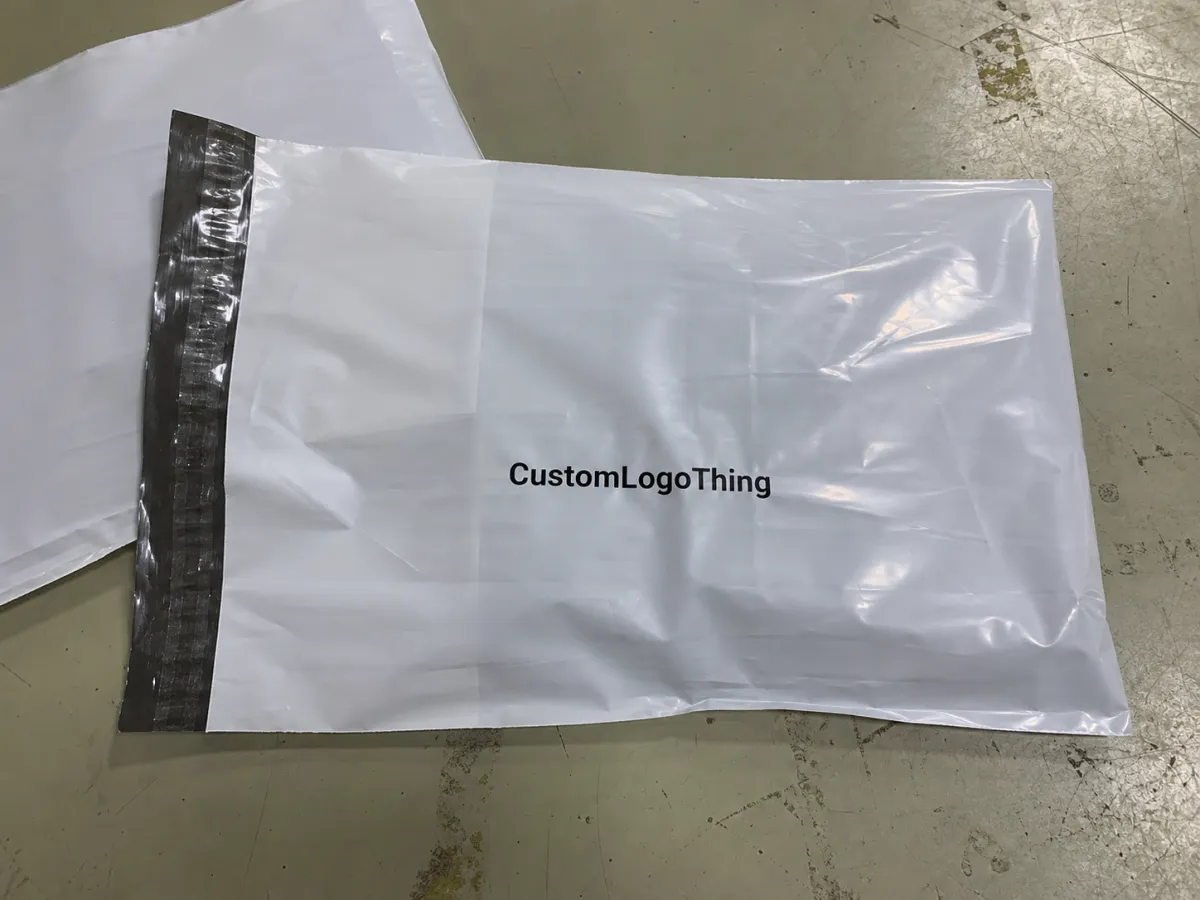
Good planning starts with the item, not the artwork. The bag has to move from stockroom to guest with a minimum of fuss, and that means the size, closure, and print format should fit the actual selling process. A counter associate who has to fight with a tight mailer will overfill it or re-seal it poorly. A bag that is too large creates a loose, underwhelming presentation and lets the contents shift around in transit.
Hotel retail programs also need consistency across properties. A branded spa bag at one location should not arrive looking noticeably different from the same bag used at a resort or city property unless the brand strategy says so. Standardizing a few core specs helps procurement and keeps replenishment easier to forecast. It also means fewer exceptions for receiving teams, who rarely have time to interpret special instructions on a busy day.
The most useful order brief answers a few plain questions: what is being packed, how often does it sell, how is it folded, and where is it going? That information lets the supplier recommend a film structure, adhesive, and carton count instead of guessing from a logo file alone. Buyers who send a complete brief usually get better pricing because the quote reflects a real production plan, not a guess dressed up as one.
For hotel retail, the mailer often serves as both packaging and display. It should protect soft goods, keep the contents clean, and present the brand in a way that feels intentional at the front desk and in the guest room. If the bag is part of a larger branded packaging system, align it with other formats such as Custom Packaging Products so the program reads as one family rather than a patchwork of separate purchases.
Choosing the right poly-mailer construction for retail goods
The film construction has more effect on performance than many buyers expect. Virgin LDPE is still common because it is flexible, predictable, and prints cleanly. Recycled-content blends can support sustainability goals, but they often vary more in color, opacity, and surface feel, so a sample approval matters more. Co-extruded film is useful when one layer needs to carry the print clearly while another layer provides opacity or strength. That matters for hotel retail products that have to look presentable on a shelf and survive a few handling points before they reach the guest.
Finish changes how the package reads under retail lighting. Gloss usually makes color pop and gives the logo more contrast, but it also shows scuffs and fingerprints faster. Matte can feel more restrained and premium, especially for boutique, spa, and lifestyle-driven programs. It hides handling marks better on darker bags, though very dark matte film can show dust during packing. The right choice depends on the setting, the brand tone, and how often the bag will be handled before it is handed off.
Closure type deserves just as much attention. Peel-and-seal is the most common option because it is fast and reliable. Tamper-evident adhesive adds confidence that the package has not been opened. Return-strip options help if the bag may be reused or reclosed later. For small gifts and soft apparel, a simple closure is often the best answer. For higher-value retail items, a stronger adhesive and a clearer seal line can be worth the added cost.
Two caveats come up often. First, recycled-content film may not look identical from one production run to the next. Second, a special finish or extra-opacity structure can raise the price faster than a small change in size. If the order needs to be repeatable across multiple properties, it is usually safer to keep the construction simple and document the exact spec carefully.
Size, thickness, seal, and finish specs that prevent reorders
Most avoidable reorders begin with vague measurements. A bag described only as 12 x 15 inches may not fit the item once it is folded, sleeved, or paired with a hang tag. Buyers should measure the packed product first, then add enough room for insertion and sealing. If the item has corners, zippers, boxed edges, or bulky labels, those details matter more than the nominal product size. A little extra width is usually cheaper than a replacement order.
Thickness matters for the same reason. Many hotel retail mailers land somewhere between 1.5 and 2.5 mil, but the right gauge depends on what is inside. A robe or shirt can often move in a lighter film, while a boxed amenity kit or hard-edged souvenir may need a heavier gauge to reduce punctures and seam stress. For repeated handling, longer transit, or mixed packing environments, a thicker film is often the safer choice even if it adds a bit to the unit cost.
Seal width and adhesive quality are easy to underestimate. Heat, humidity, cold storage, and slow shipping lanes can all expose a weak closure. Ask for practical performance details: seal width, adhesive type, and whether the closure has been tested for the expected handling environment. In some hotel programs, the bag will pass through a back office, a guest room, and a carryout bag before it leaves the property. Each transfer adds risk if the seal is marginal.
Print-safe zones also matter. Barcode fields, SKU codes, and location identifiers need room to stay readable after trimming and packing. Dark film can reduce scan clarity if the code sits too close to decorative elements. If the program uses multiple properties or rotating seasonal art, lock the safe zones before approving the proof. A clean spec sheet prevents the kind of small layout problem that costs days later.
Think in terms of repeatability. The more exact the finished dimensions, gauge, seal width, and color placement, the fewer surprises on the next reorder. That discipline saves more than time; it keeps the next production run from becoming a new project.
Artwork, labeling, and pack-out details that keep hotel orders moving
Artwork looks simple until production starts. A one-color logo is usually the least troublesome option and often the fastest path for wholesale runs. Multi-color art, gradients, tiny type, and reverse knockouts can all introduce setup complexity and print variation. Pantone matching helps maintain consistency, but only if the file is clean and the target color is realistic for the chosen film. A buyer who wants the mailer to match other branded packaging should treat the proof as a production document, not a decorative mockup.
Labeling is where multi-property orders often gain time. Master-carton labels, SKU identifiers, location codes, and receiving marks save staff from opening every box to check contents. If five hotels are sharing the same bag program, the carton label needs to tell each location exactly what it has received. That sounds small. It is not. Receiving teams remember the difference between a clearly labeled case and one that forces a guess.
Pack-out choices affect labor and freight. Individual inserts can make the product feel more finished, but they add handling time. Folded presentation keeps the pack-out cleaner and usually ships more efficiently. Larger case packs lower freight cost per unit, although they can slow down daily replenishment if a property stores inventory in a small back room. The right case count depends on who opens the carton, where it is stored, and how often the floor team pulls stock.
If the hotel group uses other formats such as custom boxes or amenity cartons, keep one approved dieline system and one final art version wherever possible. Repeated file changes are a common source of delays. A disciplined approval process matters more than flashy design language, especially when marketing and operations both want to make small revisions.
Pricing and MOQ: what changes the unit cost fastest
Price is driven by a short list of variables, and most of them are predictable. Bag size, film thickness, number of print colors, finish, freight, and special pack-out requirements all affect the quote. Bigger bags use more material. Heavier gauges use more resin. Extra colors increase setup and can add waste during calibration. If the order calls for special wrapping, individual inserts, or unusual carton marks, those costs usually appear in the back half of the quote rather than the headline number.
MOQ works the same way every time: setup costs spread better as volume rises. Smaller digital runs are useful for trials, seasonal launches, and first-time property rollouts. Flexographic printing usually becomes more attractive once the design and dimensions are locked and the quantity climbs. For a hotel group testing a new bag at one property, a run around 1,000 to 2,500 pieces may make sense. For a multi-location program, a larger order can bring the landed cost down enough to justify keeping one spec across all outlets.
Useful pricing comparisons show more than a single number. Ask for tiered quotes at 1,000, 5,000, 10,000, and, if the volume is there, 25,000 units. Add freight, sample fees, and proof costs so the comparison reflects the real spend. A low unit price that hides expensive shipping or repeated proof charges is not the best deal. The quote should help you understand the full landed cost, not just the press price.
| Construction option | Typical MOQ | Typical unit price at 5,000 pcs | Best use case |
|---|---|---|---|
| Virgin LDPE, one-color print | 1,000-2,500 | $0.18-$0.28 | Standard hotel retail bags for apparel and soft goods |
| Recycled-content blend, one- or two-color print | 2,500-5,000 | $0.22-$0.34 | Programs that want clearer sustainability messaging |
| Co-extruded opaque film, custom print | 5,000+ | $0.26-$0.42 | Higher-opacity retail packaging with stronger shelf presence |
| Matte finish, tamper-evident seal, custom print | 5,000+ | $0.30-$0.48 | Premium boutique or spa retail programs |
Sample and proof fees should be clear before the order moves forward. Some suppliers credit them back on production once the run is confirmed. Others do not. That is worth asking early because it changes the true cost of a small test order.
Process and timeline: from proof approval to dock delivery
A clean request-for-quote packet shortens the whole process. The supplier needs finished dimensions, quantity, artwork files, print colors, delivery location, and the target arrival window. If the same bag is shipping to multiple properties, list every ship-to address and the quantity for each one. Missing addresses and split quantities are a common reason a quote stalls for no good reason.
The usual production path is familiar: file review, digital proof, approval, prepress, manufacturing, quality checks, carton packing, and shipment. What shortens the schedule most is clarity. Clean vector art, a stock film choice, a single approved version, and quick proof feedback can shave meaningful time off the timeline. For many custom runs, 12 to 15 business days after proof approval is a practical planning range. Bigger orders, custom film structures, or last-minute revisions can push that out.
Seasonal planning matters more than hotel teams sometimes admit. A new retail point, a renovation reset, or a holiday spike can swallow inventory faster than expected. If the order is not placed early enough, the gap usually shows up on the sales floor before it shows up in inventory reports. That is one reason hotel retail custom poly mailer bags Wholesale Order Planning works best as part of the annual merchandising calendar rather than a reactive purchase.
Transit testing does not have to be elaborate to be useful. Some buyers use ISTA references to think about drop, vibration, and compression risk, especially for long routes or mixed handling environments. The goal is simple: make sure the bag can survive the path from production to guest without opening, scuffing, or losing its seal.
Receiving capacity matters too. A well-made mailer still creates problems if it arrives during a renovation, holiday rush, or distribution center delay. The shipment should fit the place that receives it, not just the date on the PO.
What to compare before you approve a wholesale supplier
Quality control should be visible. Ask how the supplier checks film thickness, seal strength, color consistency, and carton condition before shipment. If the bags will carry heavier goods or items with sharp edges, ask whether they measure puncture resistance or tensile performance in a practical way. The goal is not to drown in lab language. The goal is to understand whether the supplier knows which risks matter for your order.
Repeat-order reliability is more telling than a polished sample. Can the supplier reproduce the same bag six months later without reworking the file? Do they keep the approved dieline, material spec, and carton marks on record? Will they flag a material change before production if the requested film is unavailable? Hotel retail programs often last longer than one season, so the ability to repeat a job cleanly matters almost as much as the first approval.
Communication speed is a real production signal. Slow quotes, incomplete proof notes, and vague documentation usually show up again after the purchase order is issued. Multi-location rollouts especially benefit from a supplier that can handle split deliveries, receiving notes, and carton labeling without creating extra work for the hotel team.
Sustainability claims need specific language. If the supplier says the film contains recycled content or is recyclable, ask what material description supports that claim. The EPA’s recycling guidance is a useful reference, but the final check is still the exact film structure and the local recycling reality where the bag will be used. Broad claims without material detail usually cause more confusion than confidence. For paper components, FSC can matter; for poly mailers, the buyer still needs honest wording and a realistic spec.
In practical terms, a good supplier reduces risk instead of handing it back once the order is placed.
Next steps for placing a wholesale reorder with confidence
The easiest way to keep a reorder under control is to use a one-page spec sheet. Put the finished size, thickness, seal type, print coverage, case pack, destination, and target ship window in one place. Add the product type, because a robe bag and a souvenir bag are not interchangeable even if both fall under Custom Poly Mailers. If the order is split across several hotels or retail outlets, note the quantities by site so the supplier can plan cartons and freight correctly.
Then lock the artwork. One approved version should serve every location unless there is a strong reason to vary it. If the bag needs a barcode, store code, or location identifier, share that early and keep it inside a dedicated print-safe area. That avoids the common problem of a strong design that becomes awkward once receiving instructions are added.
It also helps to compare the order against sell-through instead of only current inventory. A steady three-month retail item can justify a larger run than a short seasonal test. A smaller run still makes sense for openings, refreshes, or a property-specific campaign. The quantity should follow demand patterns, not just the number that fits neatly on the purchase order.
If the mailer is one piece of a broader packaging program, keep it aligned with the rest of the line through Wholesale Programs and use the same approval discipline for every format. That keeps the retail presentation consistent and reduces one-off exceptions that slow procurement down.
For hotel buyers, hotel retail Custom Poly Mailer Bags wholesale order planning is not paperwork for its own sake. It is the difference between a packaging line that supports the sale and one that keeps creating small problems in the background. Get the spec right, and the next reorder is easier, the guest handoff looks better, and the budget is less likely to be disrupted by avoidable surprises.
What size should I choose for hotel retail custom poly mailer bags wholesale orders?
Start with the packed item, not the flat product. Measure the folded robe, slipper pair, gift set, or boxed item, then add room for insertion and a clean seal margin. If the item has hard edges or bulky labels, give it a little more width than you think you need. One size can work for multiple SKUs, but only if the contents fold consistently.
How does MOQ affect hotel retail custom poly mailer bags pricing?
Higher MOQ usually lowers the unit cost because setup, plate, and press preparation are spread across more bags. Smaller runs are useful for testing a design or supporting a seasonal launch, but the per-unit price tends to be higher. The clearest comparison is a tiered quote that shows several quantities side by side, including freight and proof fees.
What information do I need for the fastest custom poly mailer quote?
Send finished dimensions, quantity, artwork files, print colors, and the delivery ZIP code or dock location. Include the product type and any special needs such as extra opacity, tamper-evident adhesive, or a return strip. If the order ships to multiple hotel properties, list each address and the quantity for that site.
How long does production usually take after artwork approval?
Many custom runs land around 12 to 15 business days after proof approval, but the actual timeline depends on quantity, material choice, and print complexity. Clean artwork and quick proof feedback usually shorten the schedule more than anything else. Custom films, special finishes, or revision-heavy projects can take longer.
Can hotel retail poly mailer bags be printed with barcodes or SKU labels?
Yes. The layout just needs a dedicated print-safe area so the code stays readable after trimming and packing. Share the barcode spec early, because dark film and heavy artwork can affect scan quality. Master-carton labels can also be added to make receiving easier at the property or distribution center.

