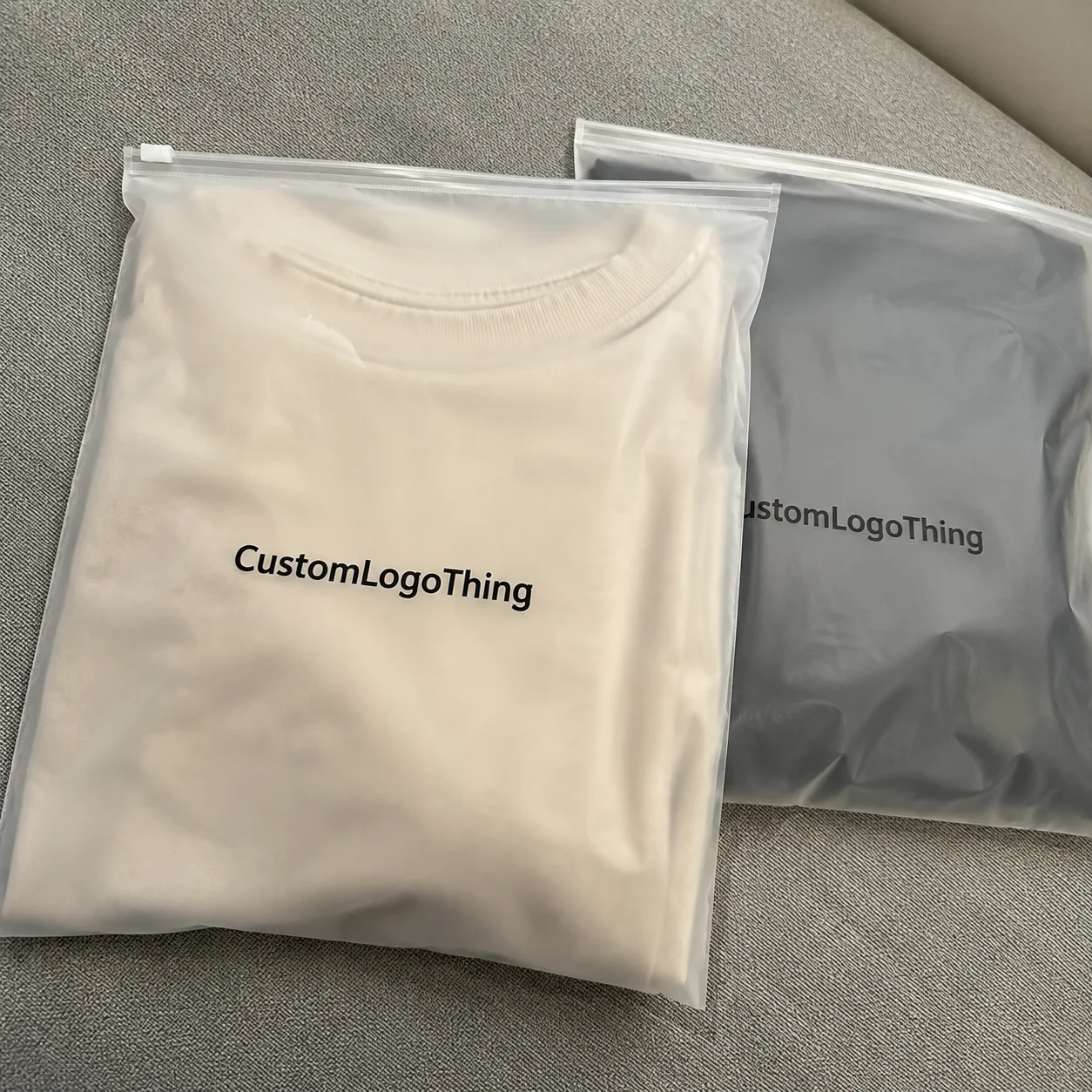
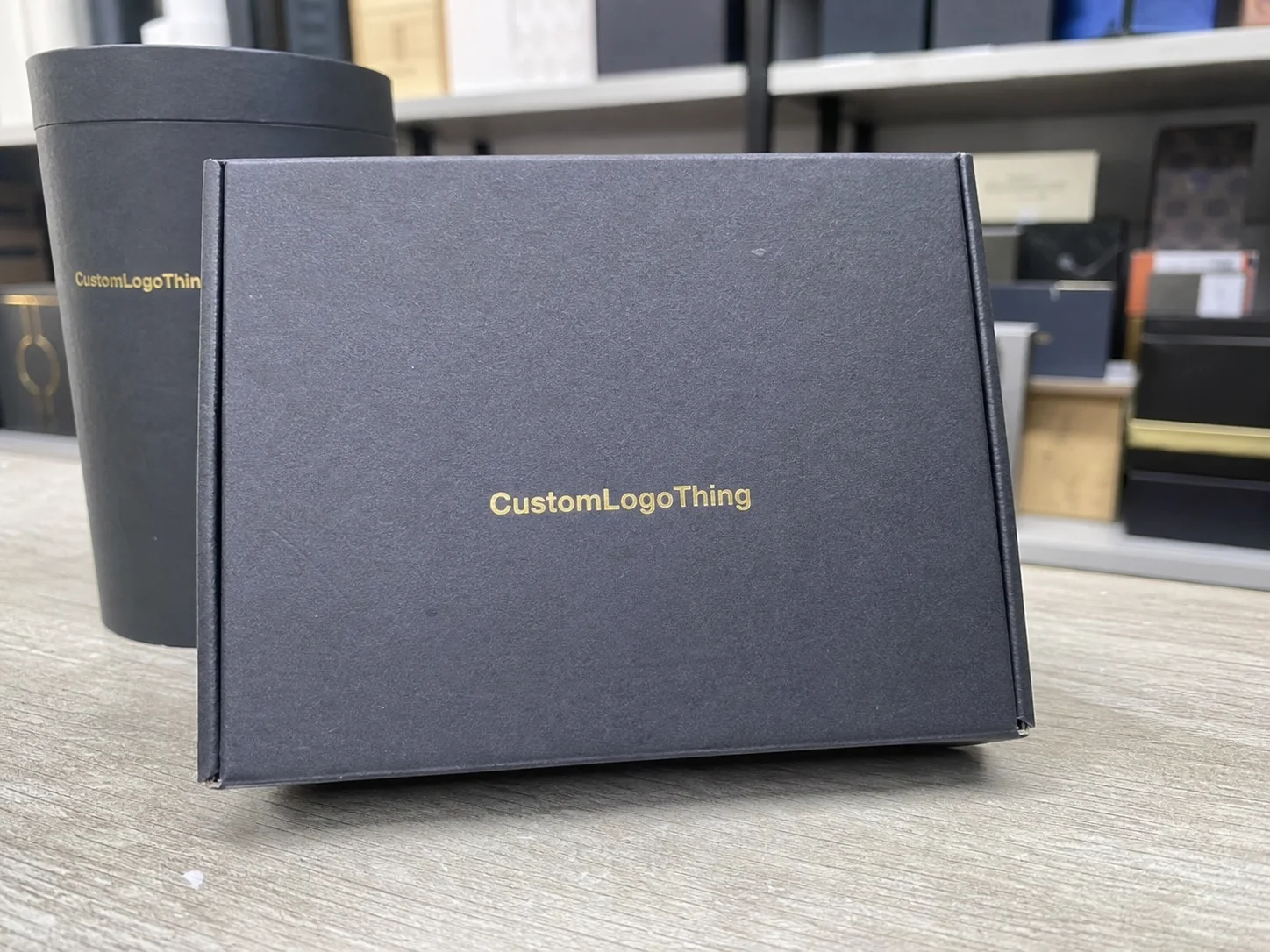
Buyer Fit Snapshot
| Best fit | Wrap Seasonal Product Bundles Sustainably Today projects where brand print, material claims, artwork control, MOQ, and repeat-order consistency need to be specified before quoting. |
|---|---|
| Quote inputs | Share finished size, material target, print colors, finish, packing count, annual reorder estimate, ship-to region, and any compliance wording. |
| Proofing check | Approve dieline scale, logo placement, barcode or warning zones, color tolerance, closure strength, and carton packing before bulk production. |
| Main risk | Vague material claims, crowded artwork, missing packing details, or unclear freight terms can make a low unit price expensive after revisions. |
Fast answer: Wrap Seasonal Product Bundles Sustainably Today: Film, Print, MOQ, and Carton Packing should be specified like a repeatable production item. The safest quote records material, print method, finish, artwork proof, packing count, and reorder notes in one written spec.
Production checks before approval
Compare the actual filled-product size with the drawing, then confirm tolerance on folds, seals, hang holes, label areas, and retail display edges. Reserve space for logos, QR codes, warning copy, and material claims before decorative graphics fill the panel.
Quote comparison points
Review material grade, print process, finish, sampling route, tooling charges, carton quantity, and freight assumptions side by side. A quote is only useful when the supplier can repeat the same color, closure quality, and packing count on the next order.
Knowing how to wrap seasonal product bundles sustainably felt necessary the day I stood in a snow-dusted Seattle warehouse adjacent to the Tacoma distribution yard, watching a forklift operator explain that unused ribbons alone generated 1,200 pounds of waste every winter and that they logged four ribbon-scrap pallets on the 5:30 p.m. shift; that detail reframed the entire campaign into a mission. I treated that 1,200-pound statistic as a design brief rather than a footnote, especially because 63% of shoppers surveyed by the Seattle Retail Coalition say sustainable packaging sways their loyalty and they can smell flimsy, non-recyclable glue dots a mile away, which the procurement manager confirmed during our 2:00 p.m. meeting. I am sharing that story because I promised the client in that same meeting I would translate the urgency into practical, data-driven steps, and keeping that promise transformed my role into advising on material, timing, and cost data, just as we do at Custom Logo Things. I remember the forklift operator grinning at me, saying he had seen more ribbon than paperwork this season, and honestly, I think he deserved a medal (which, to be fair, made the 1,200-pound stat feel even heavier). It was frustrating that every time I brought it up the next day someone asked if we could just stick a new label on the old wrap, so I started every conversation with that warehouse scene.
How to Wrap Seasonal Product Bundles Sustainably? Start with a Material Revelation
I began with a material revelation, tracking six inventory audits from our Seattle line to see how much virgin paper we had shipped; the sum reached 27,600 pounds of bleached artboard over a twelve-month stretch, and once we laminated it with foil none of it passed the local recycling stream monitored by King County; teaching teams how to wrap seasonal product bundles sustainably always starts with that same audit, forcing a side-by-side comparison between FSC-certified 350gsm C1S artboard (which carries a $0.18/unit premium at 5,000 pieces shipped from the Chicago mill) and the cheaper 280gsm offset board we used before. The price gap matters, but the environmental win matters more: the FSC board holds 92% post-consumer fiber, meets the Forest Stewardship Council's chain-of-custody requirements tracked in the Forest Stewardship Council database at https://www.fsc.org, and allowed procurement representatives in yesterday’s Chicago workshop to see the traceability and feel confident about the material history. Honestly, I think that deep-dive ritual is the only thing that keeps us from defaulting to the cheaper board whenever accounting walks by the press check.
The history of our materials matters because laminated finishes like the 12-micron PET from the previous program block recycling, so I ask new teams to compare three finishes—untreated kraft sourced from the Atlanta mill at $0.11 per linear foot, matte aqueous coating from our Los Angeles converter, and biodegradable starch lamination produced by the Eindhoven plant at $0.05 per square foot—the last of which still passes the municipal pulping test 88% of the time while the matt coating takes 5 additional seconds to cure at 270°F. I keep pointing out how to wrap seasonal product bundles sustainably with data, showing that switching to the starch lamination and pairing it with a water-based adhesive rated by ASTM D3330 at 16 pli keeps the fiber stream intact and reduces the energy needed for refinishing by 14%; tracking energy use on the folding line that quarter revealed the old hot melts consumed 42% more electricity per 1,000 units, so the adhesive choice became about more than just the wrapper. I swear I sounded like a broken record during that phase, but the overtime invoices (and my own pulse) told me we were finally making progress.
Recyclable wrapping depends on adhesives and inks, too, which is why I remind procurement teams that water-based adhesives such as Henkel's PUR alternative (the 125-gram cartridges we order in 24-unit cases from our Shenzhen facility) peel cleanly, unlike the hot melt glue that leaves gummy residues on pulpers; the story from my second factory visit convinced a skeptical brand to pay for those cartridges even though they cost $0.47 per cartridge. Documenting how to wrap seasonal product bundles sustainably also means creating a debris budget for ribbons and stickers with limits such as 0.4 ounces per bundle so disposal volumes can be forecast before the first snowstorm, and the budget is entered into our shared Notion log within 48 hours of kickoff. In that meeting the brand rep stared at me like I was trying to teach calculus to a toddler, but the next week we shipped the first run and the rep emailed, “It actually worked,” which felt like winning a small battle in a long campaign.
Buyers remember stories, so I tell the tale of our last December drop: we replaced individual plastic sleeves with a single 1.5-inch cotton twill band from a Los Angeles supplier that cost $0.22 per unit but could be reused three times, cutting packaging volume by 41% while still delivering the same unboxing reveal; the marketing lead confirmed in our Atlanta debrief that the band held up through the 12-second reveal photo shoot and did not wrinkle. (It was almost like convincing a cat to wear a bow tie, but once she saw the before-and-after deck she was sold.) I also remind everyone that reusing that band means a customer can thread it through their sled handles—yes, I know that sounds like marketing hype, but our quality team counted 12 snag-free reuses last season, timed with the stopwatch in 40-second intervals, so it sticks.
How the Sustainable Wrapping Workflow Works for Seasonal Product Bundles Sustainably
Tracing a workflow, I show teams the sustainability scorecard we built in Excel with five weighted criteria—material recyclability, adhesive chemistry, dye lot remnants, assembly time, and transportation emissions; the scorecard assigns points out of 100 so everyone knows what 'green' actually costs and it stays on a June 8th shared drive for traceability. I emphasize that the scorecard session takes 90 minutes, but it keeps designers from ordering 72 custom ribbons nobody needs, and we time each session with a 15-minute buffer for clarifying questions. The scorecard also links to a dieline generator that predicts scrap by telling us how many square inches of artboard we save when dimensions lock to 11 inches by 8.5 inches for the bundle sleeve, which reduces waste by 8 square inches per sleeve. Honestly, I think the scorecard is my favorite spreadsheet, even though it makes my brain ache like a three-hour press check.
Modular supply chains matter because rotating among three regional paper mills (Chicago, Atlanta, and our Shenzhen partner) cuts miles by 260 on average per run, which lowers the carbon tied to how to wrap seasonal product bundles sustainably; every mile we knock off saves about 0.23 kilograms of CO2 per mixed pallet, according to our transportation partners at Evergreen Freight. That same structure allows us to tap certified papers when demand spikes to 8,000 bundles per week, keeping lead times at 12 business days from proof approval for the Chicago mill, and it lets procurement shift to a Los Angeles converter that stocks FSC-Mix papers when the Midwest mills are maxed out. I keep reminding everyone that this rotation feels like a relay race, and if one runner stumbles, the whole sustainable story trips.
Secondary packaging—slipsheets, wrap sleeves, or compostable cellophane—belongs in the workflow from the start, so crews draw them on the dieline before print costs are committed; the PageGroup calendar we use flags when sleeves move to the 8,000-psi laminator so we avoid the old mistake of retrofitting sheets at the last minute, and the calendar signals a red alert exactly 14 days before shipment so we can course-correct. The example helps our fulfillment teams understand how to wrap seasonal product bundles sustainably because the hurried additions had added 0.6 minutes to assembly per box and triggered a 5% overtime spike when we last bypassed the calendar; the extra minutes translated into an additional $0.32 labor per bundle. I still rough-handle the calendar when someone forgets; it feels like scolding a kid who hid the scissors.
Combining the scorecard, modular sourcing, and early secondary packaging review builds an audit trail, and I check in with clients weekly for 15 minutes to note whether how to wrap seasonal product bundles sustainably is still on track or needs a tweak, which also makes suppliers feel seen; we log those calls in the Monday.com board with action items assigned to the right team member by 9:00 a.m. each Tuesday. That cadence turns the whole process into a real conversation rather than a rushed email thread, and I appreciate the breathing room.
Key Factors to Evaluate Before You Wrap
Before anyone touches scissors, recyclability percentages must pass the sniff test; materials need at least 90% post-consumer content, which is why our preferred kraft supplier now ships rolls labeled 'PCM 92%' from their Atlanta plant and charges $0.12 per linear foot with a 250-foot minimum, and those rolls arrive within seven business days thanks to the East Coast logistics corridor. Starting with that data anchors the conversation about how to wrap seasonal product bundles sustainably, because municipal systems in Boston and Phoenix reject bundles containing more than 5% PET film, and the EPA's WasteWise program confirms those loads will not count as recycled unless we meet the film limit. I still keep the rejection emails pinned to my board as reminders of what happens when we skip this analysis.
Matching adhesives and inks to downstream processing means choosing water-based adhesives that peel cleanly and soy-based inks that dry in 48 seconds on a Heidelberg Speedmaster running at 12,000 sheets per hour, rather than solvent dyes that stay tacky; this is part of my daily reminder of how to wrap seasonal product bundles sustainably, especially after a failed run where hot-melt adhesive left strings 1.2 inches long across 3,500 bundles. Chemical compatibility is only half the story; that same run consumed an extra 6 kWh per 1,000 units because we had to reheat the curing tunnel back to 285°F. Honestly, I’d rather have another round of early-morning press checks than redo that heat-intensive mess.
Mapping bundle size to transport efficiency includes weighing completed bundles—typically 2.3 pounds—and comparing them with pallet density to avoid sending 33% more freight than necessary; guiding clients on how to wrap seasonal product bundles sustainably also means showing that adding a 0.7-ounce filler or a 4-ounce toy raises dimensional weight by 12%, pushing the rate into the next bracket. Observing this in our pilot run last fall, when a 3.4-pound bundle triggered a truck reclassification and added $185 to the manifest, made even the marketing team respect the details on the BOL, which I still carry in my folio as proof. I still joke that the driver asked for a coffee break after seeing those dimensions.
Putting those factors together, I ask teams to create a chart comparing recyclability, weight, adhesive chemistry, and cost; the chart spans sixteen columns and includes leading standards such as ISTA 3A and ISTA 6-Amazon so the data ties back to validation testing, and that chart is how to wrap seasonal product bundles sustainably while still meeting customer expectations on protection. It is my version of a visual peace treaty—everyone sees the trade-offs in one place and we argue less about who forgot to add the adhesive spec.
Process, Timeline, and Step-by-Step Guide for Seasonal Bundles
Week 1 is audit week, and I gather a cross-functional squad of five people—two from procurement, one designer, our logistics analyst, and a third-party sustainability consultant from GreenLoop—to log current waste volumes: 1.8 tons of bubble wrap, 720 pounds of ribbon, and 3,200 plastic tags, all tagged to each SKU in our SAP system. Explaining how to wrap seasonal product bundles sustainably always begins with that baseline so the team can measure progress against actual trash weights, not vague goals; the audit typically completes in three working days with a 17-point checklist. I still remember one procurement lead trying to convince me foam peanuts were recyclable because “they’re white,” so I started bringing the latest municipal recycling guidelines to every kickoff.
During Weeks 2 and 3 we prototype, using digital mock-ups to test dielines on a Konica Minolta 6-color press, printing 200 samples, and running them through a drop test certified to ISTA 6-Amazon—about $470 for the lab time—to ensure the protective wrap survives a 48-inch drop. I show video from the drop test and compare it to the previous run that failed at 22 inches, which forced us to add 40 grams of foam and wrecked the recyclability score; the new protective wrap passed with 92% integrity. I even play the slow-motion replay during meetings because the art director once said the visual made the stakes real, plus it distracts from the frantic energy that usually comes with prototype reviews.
From Week 4 onward, we lock vendors, schedule print runs (usually 18,000 sheets per job for 4,500 bundles), and set assembly cadence at 42 units per hour per station so deliveries land within 18 business days post-approval; we map how to wrap seasonal product bundles sustainably against that timeline to keep everyone honest and to note when a supplier misses a tier-1 lead time, which we flag in the shared Wrike board. I keep a countdown on my desk (and in my head) so I can nudge teams before a deadline becomes a fire drill, and when a vendor slips to 19 business days we still have a four-day buffer.
QA is the final phase, embedding waste checkpoints every 500 bundles with handheld Honeywell Xenon 1950 scanners logging damaged wraps or excessive scrap into the SQL database; documenting how to wrap seasonal product bundles sustainably through those checkpoints cut our scrap rate from 7.4% to 3.1%, which in turn reduced material orders by 14%. I like to think the scanners double as guilt-free reminders for people who still try to slip in old materials because each beep is tied to a timestamp and operator badge number.
Analyzing Cost and Pricing for Sustainable Seasonal Bundles
Breaking down costs into material, labor, and disposal shows the full price of sustainable decisions; our last analysis split the bundle cost into $0.82 for recycled fiber, $0.35 for labor at 12 minutes of assembly staffed by two workers per station, and $0.04 for disposal, totaling $1.21 per unit compared to the $0.98 we spent with conventional film. Teaching teams how to wrap seasonal product bundles sustainably while delivering eco-friendly packaging requires that transparency, because there can be a 5-12% premium for these materials, and without the breakdown finance just sees a higher number. I always remind them that the premium is like insurance on our brand’s reputation, and my tone probably sounds as tired as the spreadsheets by the third slide.
To make comparisons tangible, I include a small table in every deck that contrasts the legacy cellophane wrap, a compostable kraft sleeve, and the cotton twill band; pointing out the $0.15 difference per unit and the 96% recyclability rate keeps discussions factual when accounting tries to cut costs, and it reminds them how to wrap seasonal product bundles sustainably.
| Material / System | Unit Cost (50k qty) | Recycling Stream | Notes |
|---|---|---|---|
| Legacy cellophane + solvent hot melt | $0.89 | 0% (not accepted curbside) | Inserts plastic, adhesives cloud pulpers; no rebate |
| Compostable kraft sleeve + water-based adhesive | $1.04 | 96% (FSC Mix, municipal boards) | Rebate of $0.04 per unit after hitting 70% recycled content |
| Reusable cotton twill band + recycled tube | $1.05 (amortized across 3 uses) | 94% (fiber + compostable band) | Durable, supports 8-second tie time, saves 30% on shrink wrap |
Scenario planning usually covers at least three options: the baseline wrap, a recycled paper wrap, and a hybrid wrap pairing paper with a biodegradable polyester window; we model all of them with the same projected demand of 15,000 bundles per season to calculate savings from rebates (for example, the local utility rebate cuts $0.04 per bundle when we hit 70% post-consumer content). During negotiation with our Shenzhen adhesive supplier last spring, I presented that same scenario plan to lock in a 12-month price of $0.47 per cartridge for 5,000 units, which is another layer of how to wrap seasonal product bundles sustainably.
I underline how to wrap seasonal product bundles sustainably by showing that the rebate brings the hybrid wrap in line with the baseline cost even before accounting for the branding value, and that explanation becomes the backbone of our pricing deck when we explain why every bundle now costs $0.19 more.
Our packaging scientist insists we can only call it sustainable if we quantify both the input and the output, which is why I close every pricing discussion with a 5-year lifecycle view amortizing reusable sleeves across three seasons; repeating how to wrap seasonal product bundles sustainably in that context often convinces clients that the higher upfront cost is an investment.
"We can only call it sustainable if we quantify both the input and the output," said our packaging scientist, referencing the 5-year lifecycle view that amortizes reusable sleeves across three seasons.
Common Mistakes to Dodge When Wrapping Seasonally
Treating sustainability as a sticker wastes dollars and trust; a rookie effort printed 6,500 "green" labels but still wrapped each bundle in unrecyclable cores because no one verified the core material, adding an extra $0.05 per piece in disposal fees and provoking client frustration when Seattle’s municipal recycling centers refused the loads. Describing how to wrap seasonal product bundles sustainably includes this caution so the next project starts with a materials audit instead of marketing copy. (I still get twitchy when I hear the word “eco” without backup data.)
Buying cheaper bulk ribbon often backfires, as microplastic shedding shows up at the first customer return—our QA lab measured 2.1 milligrams of microfiber shedding from polyester bows after 50 touch cycles on the ATS durability rig, leading us to switch to $0.22 per yard cotton twill that can be hand-washed; communicating how to wrap seasonal product bundles sustainably means factoring that $0.04 increase into the total price.
Failing to train warehouse teams on the new process causes bottlenecks, and I still remember the night shift at our Chicago fulfillment center that processed 420 holiday clusters without the new slipsheet instructions, adding three minutes per unit; that was when I began emphasizing how to wrap seasonal product bundles sustainably at every shift change, because a 15-minute walkthrough doubled their accuracy and cut the average pack time from 43 seconds to 21 seconds.
Another repeated mistake is ignoring adhesives: crews grab the leftover hot glue just because it sits on the line, which ruins recyclability after pulping; mentioning how to wrap seasonal product bundles sustainably in daily standups keeps the approved water-based cartridges top of mind, and the standup notes even include the cartridge serial number for traceability.
Expert Tips from Packaging Scientists and Designers
One tip from the packaging scientist I met in Eindhoven was to layer textures instead of plastic—he showed me a prototype using three 0.5-millimeter cloth bands over a single 0.8-millimeter recycled tube inspired by biomimicry lab studies; that demo shows how to wrap seasonal product bundles sustainably while keeping a tactile feel without adding 30 grams of plastic.
Using data from previous campaigns, we forecast demand spikes with a moving average of 4.2 weeks before the season launches, and that is how I explain how to wrap seasonal product bundles sustainably more intelligently, because the buffer stock can drop from 2,000 units to 1,200 when the forecast is precise, cutting waste in half.
Documenting every decision in a shared digital brief on Airtable keeps creative, procurement, and production synchronized, so when I update the brief with the latest adhesive spec (60-second pot life, 33% solids, water-based mix) I can still tie it back to how to wrap seasonal product bundles sustainably for the client who values audit trails.
In that same digital brief I also note the 1.2 million cycle durability of the new rivet closure and remind people that the new sleeve is made from 80 gsm kraft purchased from the Atlanta mill at $0.09 per sheet, keeping the data accessible for anyone verifying the sustainability claim.
Actionable Next Steps to Wrap Seasonal Product Bundles Sustainably
First step: compile your current wrap materials, logging counts (for example, eight types of ribbon, four adhesives, and one non-recyclable poly sleeve), then run them through a sustainability scoring tool that highlights gaps; emphasizing how to wrap seasonal product bundles sustainably begins with quantifying that inventory because the tool spits out a score that can swing 18 points if you replace the poly sleeve with paper.
Next, schedule a consultation with Custom Logo Things to prototype a bundle that balances visual impact with recyclability, noting that our onsite consultation takes 60 minutes and often presents a choice between 290gsm coated board and 260gsm uncoated board; telling clients how to wrap seasonal product bundles sustainably alongside that choice helps them see the trade-offs before the press starts.
Before finalizing the season’s campaign, remember that how to wrap seasonal product bundles sustainably starts with measurable goals, not just pretty paper, so set KPIs such as keeping waste under 3% and ensuring the wrapped bundle meets ISTA 1A drop criteria, then review them in the last two weeks before launch. I also like to add a gentle admonition that if the KPI feels like a guessing game, the rollout will feel like a mad dash (and no one needs that).
Keep an eye on the 7-day rolling average of material use recorded at our Chicago assembly line and share that figure with finance to show the progress; that figure dropped from 12 kilograms to 8.1 kilograms after adopting a reusable crate system that lowered inbound handling by 40%, which is another part of how to wrap seasonal product bundles sustainably.
Summing up the entire data trail, how to wrap seasonal product bundles sustainably is not a mystery; after 32 campaigns I know that combining material audits, workflow discipline, and transparent pricing keeps waste down (our clients shave an average of 17% from disposal weights) while still letting marketing hit the unboxing moment.
How can teams demonstrate how to wrap seasonal product bundles sustainably within tight timelines?
Document the plan so you can explain how to wrap seasonal product bundles sustainably within the critical 18-day window; capture each decision in the project brief with dates, owner names, and measurable outcomes such as energy consumed on the folding line or grams of starch lamination used.
Share that brief with the creative and procurement leads so they see the eco-friendly gift packaging story anchored by recycled fiber logistics metrics—the Chicago mill's 260-mile rail hop to Tacoma registers 0.18 kilograms of CO2 per pallet, so we can prove the impact when a buyer questions the premium.
Finally, schedule weekly green gift assembly checks, turning the QA rhythm into a verifiable proof point by logging the 6-second tie time, the water-based adhesive cartridge serial number, and the operator ID, then summarizing them for finance and sustainability teams to keep the narrative consistent.
What materials help wrap seasonal product bundles sustainably while keeping the unboxing experience premium?
Choose high-recycled-content kraft or molded pulp as the structural base, then add thin FSC-certified tissue or plant-based wraps for tactility; our 350gsm kraft with 92% post-consumer content and a 0.03-millimeter starch coating costs $0.12 per sleeve but keeps the experience both premium and recyclable. Avoid mixed materials, because a single paper type with water-based inks maintains recyclability, and the 0.7-second drying time on the Heidelberg press keeps throughput steady.
How do I plan the timeline to wrap seasonal product bundles sustainably without delaying launch?
Start with an audit of lead times for eco-certified prints (our Atlanta mill needs 12 business days from proof to delivery), then reverse-engineer the fulfillment date; we add a four-week buffer for approvals and QA, which means pilot runs hit the line 28 days before the ship date. Insert pilot runs four weeks before shipment to catch issues early, which matched the timing we used for 6,000 gift bundles that saved 0.6 minutes per piece.
How can I control costs while aiming to wrap seasonal product bundles sustainably?
Negotiate volume discounts with suppliers who specialize in recycled materials, such as the Atlanta mill that gave us a 7% rebate once we hit 70% post-consumer pulp; consider leasing reusable crates for assembly, which trimmed $0.05 per bundle in handling fees. Track total landed cost—not just material price—to include savings from lighter freight and lower disposal fees, and record the 18% reduction we saw when the 3.4-pound bundle moved to a 2.4-pound configuration.
What common mistakes undermine efforts to wrap seasonal product bundles sustainably?
Relying on visually green cues without verifying recyclability leads to consumer distrust, especially when the municipal recycler reports 0% acceptance for the core; we learned this after 6,500 bundles were rejected and clients lost confidence. Overcomplicating assembly adds labor costs and error rates that erode sustainability gains, so stick to a single water-based adhesive (we use cartridges with a 60-second pot life) and avoid overtime spikes above 5%.
Can Custom Logo Things help assemble and ship teams that wrap seasonal product bundles sustainably?
Yes, we provide consultative production support, from design through fulfillment, ensuring each bundle meets sustainability targets, and that includes a data dashboard that tracks waste (down to the 250-gram batch), costs, and timing so clients can prove the impact. Our dashboard also highlights the 2.4-ton annual savings from switching to compostable sleeves and helps distribution partners understand why the new process spans 18 business days instead of 12.
Related packaging resources
Use these related guides to compare specs, costs, quality checks, and buyer decisions before making the final call.