Jewelry Brands Zipper Pouch Bags Bulk Order Memo
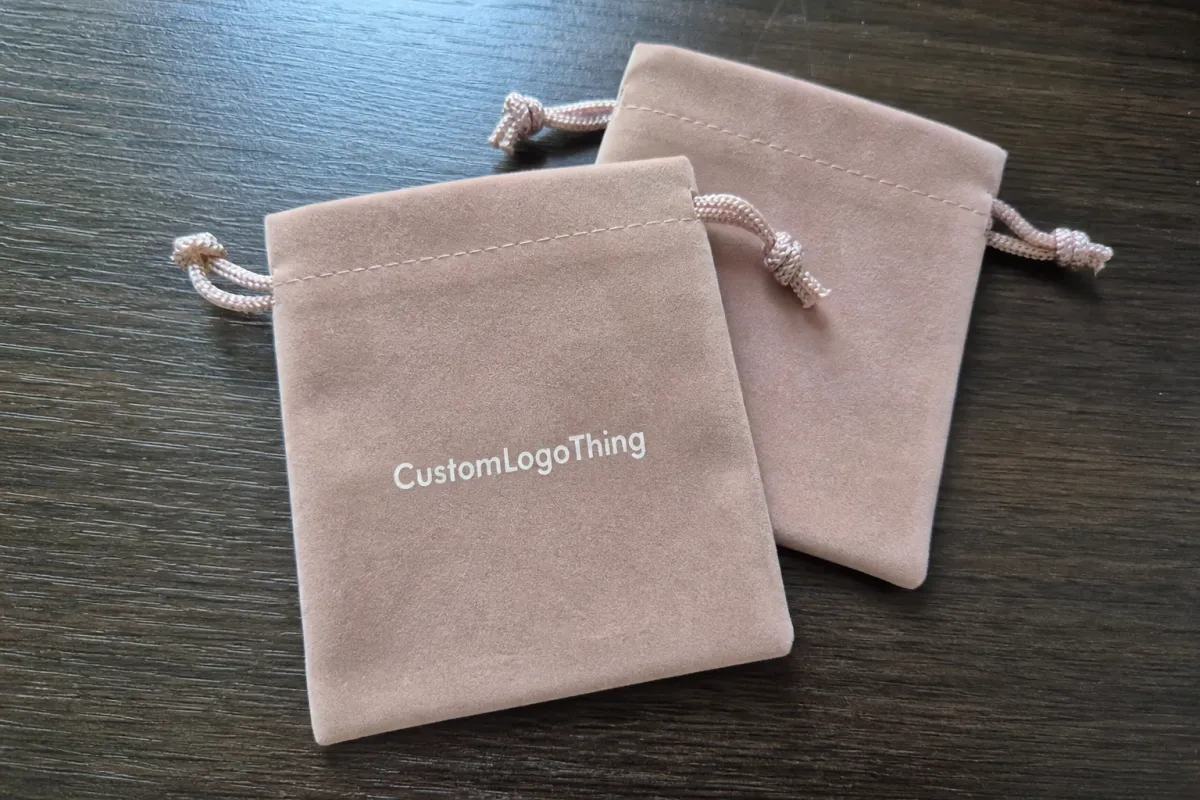
A pouch can look fine in a product photo and still fail after a week at the packing table. The weak points are rarely dramatic at first: a zipper that feels gritty after ten openings, a side seal that splits near an earring post, a glossy film that scuffs plated charms, or a ring set that suddenly feels generic because the pouch has no structure and the logo drifts too close to the zipper.
Use this Jewelry Brands Zipper Pouch bags bulk order memo as a working buying document if you are preparing a larger packaging order. It is written for founders, purchasing managers, merchandisers, and fulfillment leads who need cleaner specifications before approving quantity, artwork, sizing, film gauge, and delivery timing.
The pouch is not the hero of the sale. The jewelry is. Still, the wrong pouch can make a careful product look like warehouse inventory. A good one protects small items from dust and handling, keeps earring pairs or charm sets together, supports a branded unboxing moment, and reduces bench work because the team is not adding extra stickers, loose sleeves, or temporary labels. For a brand shipping 2,000 to 20,000 small jewelry units a month, removing even 8 to 12 seconds from each packout adds up quickly.
Bulk ordering is not only a unit-price exercise. It is a consistency exercise. Film thickness, zipper feel, logo color, bag dimensions, hang-hole position, carton counts, and packing orientation all need to repeat. If a reorder arrives with cloudier film, a lower zipper track, or a slightly different white ink underbase, the change shows up fast under fulfillment lighting.
Custom Logo Things helps turn a concept into production-ready pouch specifications without pretending every material can do everything. The sections below cover materials, size planning, closure style, printing method, MOQ, pricing drivers, sampling, lead time, quality checks, and reorder planning so your next pouch order is quoted from usable details rather than assumptions.
What a Custom Zipper Pouch Must Do for Jewelry Packaging
Jewelry pouches have a simple job until the product line expands. Then one bag may need to protect stud earrings, hold a bracelet card flat, display a barcode, survive return handling, and still look clean after warehouse picking. The best zipper pouch protects against dust, skin oils, and routine handling while keeping the item visible or clearly labeled for stockroom work.
Common uses include stud earring sets, charm packs, anklets, bracelet bundles, ring sets, repair kits, polishing cloth kits, bead assortments, and small retail accessories. A 2 mil clear flat zipper bag may be enough for a lightweight earring card. A bracelet kit with metal charms, a care card, and a microfiber cloth may need thicker film or a slightly larger format to prevent pressure along the zipper track.
Compared with non-reclosable flat poly bags, zipper pouches feel more useful to the customer. They can be opened, closed, reused, and inspected during returns without destroying the package. Jewelry buyers often keep them for travel, drawer storage, or separating pieces that scratch each other. The package feels less disposable even when the material stays lightweight.
Design choices change the perceived value. A clear front with a printed back keeps the product visible while giving the brand room for a logo, care copy, and SKU information. Frosted film softens the look and often suits boutique jewelry lines. Opaque color film adds privacy and creates a stronger branded surface. Hang holes help peg display programs, but the hole position needs enough distance from the zipper and top seal to avoid tearing.
Packaging-floor rule: test the pouch with the full packout, not just the jewelry piece. Sharp posts, lobster clasps, bead edges, and charm corners create pressure points that a flat sample never reveals.
Jewelry can be surprisingly abrasive. Plated finishes, mirror-polished charms, and delicate stones may scuff if they rub directly against film or against each other during transit. Insert cards, folded tissue, anti-tarnish strips, or a small backing card can solve that problem, but only if the pouch is sized for the complete assembly. Record those internal components before the quote is built, not after the proof has been approved.
Materials, Film Gauge, Zippers, and Print Details to Specify
Material selection controls hand feel, clarity, stiffness, seal strength, print behavior, and cost. LDPE is common for soft, flexible zipper bags because it has a pleasant squeeze and good general durability. HDPE blends can add stiffness where a crisper shape is needed, though they usually feel less soft. CPP or OPP-style films can give a clearer presentation, but the film, zipper, and seal structure have to be matched carefully. Laminated films, such as PET/PE combinations, add a more substantial retail-grade feel and support higher print coverage.
Film gauge is usually discussed in mils for flexible plastic bags. Lighter gauges around 1.5 to 2 mil may work for tiny earrings, promotional kits, or dust protection. Mid-range gauges around 2.5 to 3 mil often suit everyday jewelry packaging. Heavier options around 3.5 to 5 mil can improve hand feel for bracelet sets, heavier charms, or reusable packaging, but material cost and carton weight rise. Many buyers overspend on gauge while underspecifying size and zipper quality; thickness alone will not rescue a pouch that is too tight.
Zipper choice deserves its own line on the specification sheet. Standard press-to-close zippers are economical and widely used. Heavier-track zippers feel better for repeated opening and closing. Specialty zipper styles may be needed for certain regulated accessories, but most jewelry packaging uses a standard or premium press closure. The key is smooth opening without pulling on the side seals and enough track engagement so the pouch does not pop open when lightly compressed.
Printing can be as simple as a one-color logo or as detailed as full-coverage graphics with a transparent window. Clear film usually needs a white ink underbase beneath colored artwork if the logo must appear opaque and bright. Without that underbase, colors can look washed out against jewelry cards, skin-tone backgrounds, or mixed product colors. Barcode panels need contrast and a flat area; tiny curved zones near the zipper are poor places for scanning.
| Specification Choice | Best Use | Typical Cost Effect | Practical Watchout |
|---|---|---|---|
| Clear LDPE, 2 mil, one-color print | Stud earrings, light chains, basic retail storage | Usually lowest custom printed option | May feel too light for premium gift sets |
| Frosted LDPE, 2.5-3 mil | Boutique jewelry, care kits, small accessory sets | Moderate increase from clear stock film | Product visibility is softer, not crystal clear |
| Laminated PET/PE with full print | Retail-grade branded pouch programs | Higher setup and unit cost | Requires tighter artwork and proof approval |
| Custom color film or specialty zipper | Brand-matched premium programs | Higher MOQ and longer lead time | Reorder planning becomes more critical |
Print details to confirm include spot colors, logo size, matte or gloss effects, transparent windows, recycling marks, batch identification, warning copy, and SKU information. If sustainability claims appear on the pouch, keep the language specific and supportable. The EPA recycling resources are useful for general recycling language, although local recyclability depends on material structure and regional collection programs.
Tolerances are part of production. Heat-seal width, zipper placement, print registration, corner radius, and opening direction should be reviewed on the dieline before tooling or mass production. A 2 mm shift may not matter on a blank pouch. It can look careless if the logo sits close to the zipper or if a transparent window must line up with a ring card.
Size Planning and Specifications Buyers Should Confirm
Start by separating outside dimensions from usable fill space. A pouch listed as 3 inches wide by 4 inches high does not provide a full 3 by 4 inches inside. Side seals reduce width, and the zipper track plus top area reduce height. For jewelry with cards, a usable-area drawing is more useful than a simple outside measurement.
Measure the full packout. Include the jewelry item, backing card, anti-tarnish strip, microfiber cloth, care card, barcode label, and anything that must stay flat. A 2.5 by 3.5 inch card may technically fit into a 3 by 4 inch pouch, but if the zipper sits low or the side seals are wide, the card may bow or catch during insertion. That slows packing and creates uneven presentation.
A clean RFQ for a Jewelry Brands Zipper Pouch Bags bulk order memo should include width, height, bottom gusset if needed, film gauge, material, color, zipper type, hang-hole style, vent hole if required, artwork colors, print coverage, quantity, packing method, and delivery address. If you have a sample pouch you like, send photos with a ruler in frame. Better yet, send the existing pouch dimensions and the jewelry packout thickness.
Flat zipper bags are usually the right choice for slim jewelry because they ship efficiently, stack neatly, and consume less carton volume. Stand-up or bottom-gusset pouches make sense for thicker kits, bundled accessories, bead assortments, or sets that need shelf presence. The tradeoff is freight volume. A gusseted pouch that looks attractive on a table can cost more to store and ship by the carton.
Do not overfill the closure area. If a bracelet, clasp, or card presses hard against the zipper line, the closure may bow open, collect dust, or look stressed even if the film is strong enough. A practical clearance zone below the zipper is often around 8 to 15 mm, depending on pouch size and product thickness. That small margin can prevent a surprising amount of line friction.
MOQ, Pricing, and Unit Cost Drivers for Bulk Orders
Unit cost is shaped by material type, film thickness, pouch size, print method, ink coverage, zipper style, order quantity, tooling, packing requirements, and shipping destination. A small clear pouch with a one-color logo sits in a different cost range than a laminated pouch with full-coverage artwork, matte finish, barcode panel, and custom zipper color.
Minimum order quantity exists because setup happens before the first sellable bag is made. Film has to be staged. Print settings have to be dialed in. Zipper alignment needs tuning, seals need testing, and first pieces need inspection. For many custom printed zipper pouch projects, practical MOQs start in the low thousands, while specialty laminated structures or custom color components can push minimums higher.
As quantity rises, setup cost spreads across more units. That is why 10,000 pieces often price better per pouch than 2,500 pieces. Still, the lowest unit cost is not always the best business decision. Storage space, SKU changes, rebrand risk, packaging updates, and cash tied up in inventory should be part of the calculation. If a brand is testing a new jewelry line, ordering 50,000 pouches before the product mix stabilizes can create expensive dead stock.
As a planning range, simple custom printed zipper pouches for jewelry can sometimes fall around $0.12 to $0.35 per unit at moderate quantities, depending heavily on size, film, print, and freight. More substantial laminated or specialty-finish pouches may run higher. These are planning ranges, not fixed promises, because artwork coverage, carton packing, and delivery location can change a quote quickly.
To avoid delays, provide target quantity, size, material preference, artwork file, delivery ZIP code or port, sample requirements, number of SKUs, and any firm in-hand date. If you want to compare programs, ask for breaks at 2,500, 5,000, 10,000, and 25,000 pieces. Custom Logo Things can also help align pouch buying with broader Wholesale Programs if your brand is ordering multiple branded packaging items together.
The tradeoffs are usually clear. A one-color logo on clear film is more economical than full-coverage graphics. Thicker film costs more but can improve hand feel and reuse. Custom zipper colors, soft-touch effects, and specialty finishes can raise both MOQ and timeline. If the launch date is fixed, simplify anything that does not improve protection, scanability, or brand presentation.
Production Process and Timeline from Artwork to Delivery
The normal order path starts with specification review. From there, the team checks artwork, prepares or confirms the dieline, issues a quote, collects approval, prepares samples or proofs if needed, stages material, prints the film, converts the pouch, seals the zipper, inspects finished pieces, packs cartons, and ships the order. Each step has a reason. Skipping proof review may save a day up front and cost far more if the barcode or logo position is wrong.
Artwork review is more technical than many buyers expect. Logos are checked for resolution and vector quality. PMS or CMYK color callouts are confirmed. White ink areas are marked for clear film. Barcodes and QR codes are checked for size, quiet zone, and placement. Safety copy, recycling marks, and care instructions are reviewed for printability. Small type below roughly 5 to 6 points can become difficult to hold cleanly on flexible film, especially with low-contrast colors.
Sampling can take several forms. Digital proofs confirm layout and copy. Existing material samples help buyers feel gauge, clarity, stiffness, and zipper strength before placing a bulk order. Pre-production samples are best when structure, color, or retail presentation is critical. They add time, but for a premium launch or a retail program, they can prevent expensive corrections.
Timeline depends on artwork approval speed, material availability, print complexity, SKU count, production queue, inspection requirements, and freight method. A straightforward reorder can move much faster than a new full-print pouch with several SKUs and a custom zipper color. If overseas transit is involved, port timing and customs paperwork may also affect delivery. Packaging standards such as ISTA testing may become relevant for larger shipper systems; the International Safe Transit Association is a useful authority for transit testing methods, though small inner pouches are usually evaluated as part of the larger packed shipment.
Build in internal approval time. Merchandising may care about color. Fulfillment may care about loading speed. Compliance may care about warning copy. Retail sales may care about peg display and barcode placement. If all four teams need to approve the same pouch, gather feedback before the purchase order is released, not after the proof is already final.
Quality Checks That Protect Brand Presentation
Custom zipper pouches look simple, but consistency matters once thousands of pieces reach a packing line. The zipper needs to track cleanly, seals need even pressure, print must stay sharp, counts must be correct, and cartons need useful labels. A packing team should not have to open five cartons to find the right SKU or reject stacks of curled pouches during launch week.
Inspection points for jewelry packaging are specific. The zipper should open and close without gritty spots. Side seals should resist splitting under normal insertion pressure. Film should not scratch easily during routine handling. Print should not smear or transfer. The pouch should lie flat enough for neat presentation, especially if it goes into a gift box, mailer, or retail display tray.
Print quality control is part visual, part functional. Color is compared to approved references, often a PMS target or signed proof. Logo placement is checked against the dieline. Barcodes and QR codes are scanned where applicable. Transparent windows are checked so heavy ink does not creep into the viewing area. If the pouch has a clear front and printed back, orientation must be verified so the customer sees the jewelry first and the brand information lands where intended.
Packing and logistics checks matter too. Inner-bag counts should be consistent, such as 100 or 250 pieces per bundle depending on size. Cartons need quantity labels and SKU labels. Moisture protection may be useful for long transit routes or humid storage. Carton strength should match the weight and stacking plan so pouches do not arrive folded, curled, or crushed along one edge.
For reorders, document the approved material, film gauge, zipper type, dieline, print colors, carton count, and inspection notes. That record becomes the working jewelry brands Zipper Pouch Bags bulk order memo for the next purchase. Custom Logo Things can help translate buyer goals into production-ready details, flag common pouch issues before production, and create repeatable specifications that support consistent future orders. You can also review related branded packaging examples through Case Studies to see how specification discipline affects the finished presentation.
Action Steps Before You Request a Bulk Pouch Quote
Preparation saves time. Before requesting pricing, gather the jewelry items you plan to pack, measure the full assembly, decide whether the pouch should be clear, frosted, or opaque, choose the zipper style, confirm artwork status, estimate order quantity, and set a required delivery window. A quote built from complete details is usually more accurate and easier to approve.
- Test the real item: include posts, clasps, charms, cards, cloths, and anti-tarnish strips.
- Measure usable space: account for zipper track, side seals, and clearance below the closure.
- Choose film direction: clear for visibility, frosted for softer presentation, opaque for privacy or heavier branding.
- Prepare artwork: send vector logo files, color callouts, barcode files, and required copy.
- Set quantity targets: ask for several price breaks if storage and budget allow.
- Confirm delivery needs: provide ZIP code, ship-to location, and any firm in-hand date.
If dimensions are uncertain, send photos or physical samples of the jewelry packout. A real bracelet stack or charm set often reveals thickness, sharp contact points, and loading problems that a flat measurement misses. Even a quick photo with a ruler beside the item can help the quoting team spot whether a flat bag, larger height, or heavier film is the better route.
Decide which details are fixed and which are flexible. If the delivery date is firm, simplify the print or material structure. If premium feel is the priority, allow more time for sampling and consider a heavier film, frosted finish, or laminated structure. If unit cost is the main pressure, standard clear film with a clean one-color logo may be the smartest first order.
Plan reorders while placing the first order. Name the pouch specification, save the dieline, record approved materials, keep the proof, and note carton counts. A repeat order moves faster when the previous job is documented clearly. For common ordering questions, the Custom Logo Things FAQ can help your team prepare files and order details before requesting a formal quote.
The better the memo, the cleaner the pouch order. Send dimensions, artwork, quantity, material preferences, packing needs, and delivery details in one place. That discipline is not glamorous, but it is what keeps every shipment looking like it came from the same careful brand.
FAQ
What should a jewelry brand include in a zipper pouch bags bulk order request?
Include pouch width and height, usable fill size if known, material preference, film gauge, zipper type, print colors, artwork file, order quantity, delivery address, packing requirements, and target in-hand date. If the jewelry includes sharp posts, bulky charms, backing cards, anti-tarnish strips, or polishing cloths, mention those details so the pouch can be sized and specified correctly.
What is the usual MOQ for custom jewelry zipper pouch bags?
MOQ depends on size, material, print method, zipper style, and whether the bag uses stock film or a custom structure. Simple one-color printed zipper pouches often have a lower MOQ than laminated, full-print, specialty-finish, or custom-color zipper pouches.
How do I lower the unit cost on a bulk zipper pouch order?
Increase the order quantity where practical, use a standard material and zipper, limit print colors, avoid unnecessary full-coverage ink, and combine similar SKUs when the same pouch size can serve multiple products. Ask for pricing breaks at several quantities so you can compare storage cost against unit savings.
Can zipper pouch bags be printed with logos, barcodes, and care instructions?
Yes, custom zipper pouches can be printed with logos, SKU details, QR codes, barcodes, care instructions, recycling marks, and warning copy when the artwork and pouch surface allow enough readable space. Barcodes should be sized and placed on a flat area with enough contrast for scanning.
How long does production take for jewelry brand zipper pouch bags in bulk?
Timeline depends on artwork approval, sampling needs, material availability, print complexity, production queue, inspection, and freight method. The fastest path is to provide final artwork, exact dimensions, quantity, and delivery information at the start so the quote and proofing stages do not stall.


