Buy Jewelry Brands Zipper Pouch Bags: Unit Cost Review
Jewelry Brands Zipper Pouch Bags Unit Cost Review
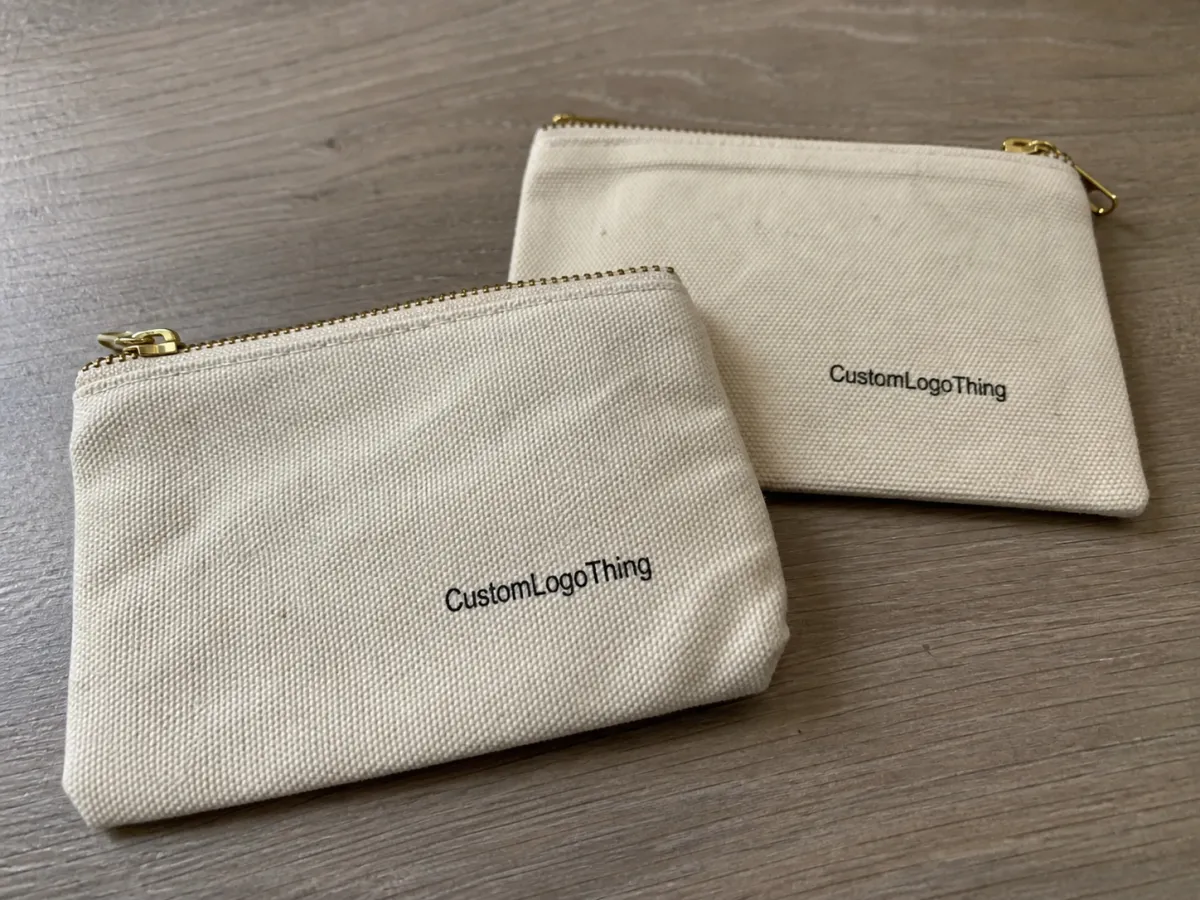
A $90 bracelet can lose perceived value in three seconds if it arrives in a cloudy stock pouch with a weak seal. The jewelry may be fine. The presentation says otherwise. This Jewelry Brands Zipper Pouch Bags unit cost review is for buyers comparing custom pouch options before approving a quote, especially brands trying to protect margin without making packaging feel disposable.
Zipper Pouch Bags do more than hold small products. They reduce handling damage, keep paired items together, organize SKUs, protect spare clasps and earring backs, and make e-commerce orders look deliberate rather than improvised. A missing stud back or tangled chain often costs more in replacement labor than the pouch that could have prevented it.
Compared with paper gift boxes, velvet drawstring bags, and rigid jewelry boxes, plastic zipper pouches behave differently. They resist moisture better than uncoated paper, weigh less than rigid boxes, store flat in fulfillment areas, and leave room for a logo, care message, QR code, barcode, or item label. They are also reusable. That second life in a travel bag or drawer is not a branding miracle, but it is useful exposure.
They are not right for every order. A high-ticket bridal set may still need a rigid box. A velvet bag can feel warmer for gifting. A paperboard sleeve may suit a plastic-reduction program better. For brands shipping hundreds or thousands of small pieces per month, though, the zipper pouch lands in a practical middle ground: protective, branded, compact, and repeatable.
Cost changes quickly based on five variables: film thickness, zipper type, print coverage, order volume, and finishing details. Bag size matters, but it is only one part of the equation. A 90-micron frosted pouch with full-coverage print and a slider zipper will not price like a 60-micron clear pouch with a one-color logo. Custom Logo Things works as a custom packaging manufacturing partner for jewelry brands that need branded, repeatable, margin-aware packaging rather than one-off decorative bags.
What Makes Zipper Pouch Bags Work for Jewelry Orders
Custom plastic zipper pouch bags are built for products that are small, light, and easy to lose: rings, earrings, bracelets, charms, chains, repair kits, sample packs, spare clasps, polishing cloths, and accessory bundles. The best version is not always the most decorative one on a mockup. It is the pouch that fits the item, survives handling, supports fulfillment, and still looks like it belongs to the brand.
The zipper closure does much of the work. A press-to-close zipper lets customers open and reuse the pouch without tearing the pack. It also helps warehouse teams keep SKUs sorted during picking, kitting, returns, and wholesale prep. For a jewelry line with 20 necklace styles and five chain lengths, that orderliness is operational, not cosmetic.
Common material options include PE, LDPE, HDPE, clear film, frosted film, matte film, laminated structures, and, where available, recyclable or recycled-content options. LDPE is common because it is flexible and soft enough for many jewelry items. HDPE can feel crisper but may be less forgiving against delicate surfaces. Laminated structures can add stiffness, opacity, barrier performance, or a more substantial hand-feel, but they usually increase unit cost and may complicate recycling claims.
Finish changes the commercial logic. Clear pouches speed picking because the product is visible. Frosted pouches feel more refined and hide light scuffs better. Opaque pouches conceal anti-tarnish strips, plain backing cards, or lower-cost inserts. Matte finishes photograph well. Glossy films can make color pop, but fingerprints and scratches show faster.
Jewelry brings its own packaging problems. Tarnish. Chain tangles. Earring posts that puncture thin film. Plated surfaces that scratch when they rub against a sharp card edge. A pouch for a flat charm bracelet may not suit a heavy pendant. Tiny studs may need less internal space so the pair does not bounce around during parcel movement.
Strong pouch programs often include more than the pouch. Inserts, backing cards, anti-tarnish strips, QR care cards, polishing cloths, and barcode labels can turn a simple resealable bag into a retail-ready pack. For buyers building a broader branded system, Custom Logo Things’ custom packaging case studies can help show how specification choices affect presentation, packing flow, and procurement.
Buyer reality: the right pouch is chosen by product behavior, not only by appearance. Sharp posts, delicate plating, heavy pendants, and wholesale display needs each point to different film gauges, closures, or inner protection.
Specifications Buyers Should Lock Before Quoting
A vague request like “small branded jewelry pouch” slows quoting and creates false comparisons. Before asking suppliers for pricing, prepare the details that drive production: width, height, usable opening, film thickness, zipper style, print colors, artwork position, quantity, and packing method.
Size selection is the first trap. A small earring pouch may run around 2 x 3 inches or 2.5 x 3.5 inches, depending on the card and backing. A bracelet pouch may need 3 x 4 inches or 4 x 5 inches. A necklace pouch may need 4 x 6 inches if it includes a display card, care card, anti-tarnish strip, and barcode. Multi-piece gift-set pouches can move closer to 5 x 7 inches or larger.
The usable opening is not the same as total height. The zipper and top seal consume space. A pouch that looks correct on a line drawing can still fight the picker if a card catches at the zipper track or the customer has to bend a necklace card to remove it.
Film thickness should be chosen commercially, not emotionally. For very light studs or fine chains, a thinner gauge may control cost. For heavier jewelry, premium presentation, or extra protection inside a mailer, thicker film may be worth the spend. Many practical jewelry pouches fall somewhere in the 50-100 micron range, although the right gauge depends on material structure, product weight, and pack contents.
Zipper format also matters. Standard press-to-close zippers are usually the cost-efficient choice. Slider zippers improve user convenience but add bulk and price. Tamper-evident formats may help for certain retail or marketplace programs. Resealable adhesive flaps can work when a zipper bag is not the best fit, especially for flat carded jewelry where a thinner profile is preferred.
Printing and finishing choices
Spot color flexographic printing is often economical for repeat orders once setup is complete. Digital printing can suit shorter runs, pilot launches, or variable artwork, although the cost curve changes by quantity and print area. Full-surface designs create stronger shelf impact but raise ink coverage, registration demands, and setup waste.
Finishing choices add both function and cost: rounded corners, euro hang holes, tear notches, matte coating, metallic ink, soft-touch effects, reinforced seals, and custom venting. Hang holes are useful for retail displays. Rounded corners can reduce snagging inside mailers. Metallic ink can look sharp, but it needs proofing against film color and opacity; a silver mark on frosted film may read differently than it does on a white PDF proof.
One-color logos on frosted pouches are often underrated. A black, white, or metallic single-color mark placed cleanly on a frosted LDPE pouch can look premium without paying for complex registration or heavy ink coverage. Before sampling, create a simple specification sheet so multiple suppliers quote the same bag. That one document can save days of procurement back-and-forth and prevent a cheap quote from winning by omitting key details.
Unit Cost, Pricing Drivers, and MOQ Reality
Pricing should be read in context. Jewelry pouch bag unit cost usually falls as order volume rises because setup charges, printing plates, machine time, procurement, and packing labor spread across more units. That does not make the largest order automatically smarter. Inventory also has a cost, especially if logos, compliance marks, SKUs, or brand colors may change.
The largest pricing drivers are bag size, material structure, film thickness, zipper choice, print method, number of colors, ink coverage, finishing features, packing style, and delivery destination. A plain clear pouch packed in bulk cartons is not the same product as a frosted pouch with two-sided print, euro hang hole, rounded corners, and counting bundles.
MOQ is where many jewelry buyers get surprised. Lower minimums may be possible for simpler digitally printed pouches or standard material options. Custom printed film, specialty colors, laminated structures, or high-volume flexographic production typically require larger runs because material procurement and machine setup need scale. The sharper question is not “What is your cheapest pouch?” It is “Show the cost curve at pilot, reorder, and bulk quantities.”
| Option | Typical Use | Likely Cost Position | Notes for Buyers |
|---|---|---|---|
| Clear LDPE pouch, one-color logo | E-commerce fulfillment, SKU visibility | Lower | Good for fast picking and controlled cost per piece |
| Frosted pouch, one or two-color logo | Branded orders, gifting, samples | Mid-range | Often the best balance of perceived value and bulk pricing |
| Matte laminated pouch, full print | Retail display, premium campaigns | Higher | Stronger shelf presence but higher MOQ and setup charges |
| Slider zipper pouch | Reusable storage, kits, accessories | Higher | Convenient closure, but adds material and packing bulk |
As a planning benchmark, simple small custom pouches can sometimes land in the low cents at high quantities, while lower-volume custom printed versions may be several times higher. A basic branded pouch ordered in tens of thousands will price very differently from a short-run specialty pouch ordered at 500 or 1,000 pieces. Exact pricing depends on live resin and film costs, freight, print method, order timing, and specification.
Tooling fees may include printing plates, cutting dies, sample fees, or artwork preparation. Some are one-time charges if artwork and construction stay the same. Others repeat if the logo changes, the bag size changes, or the printing method changes. A proper unit cost review should separate pouch price from setup fees so reorder economics are visible.
The cheapest quoted unit price is not always the lowest landed cost. Poor sizing can increase returns. Weak seals can damage product. Overbuilt film can inflate freight and storage. Excess inventory can sit through a logo refresh and become obsolete. Compare landed cost: product cost, freight, duties if applicable, storage, rework risk, and inventory carrying cost.
Custom Logo Things can help balance MOQ, decoration method, and production efficiency rather than defaulting to the largest run. For buyers comparing multiple packaging categories, reviewing brand packaging examples and production considerations can also help define “good value” beyond the lowest line item.
Process, Timeline, and Production Steps for Custom Pouches
The cleanest buying workflow starts with facts. Send pouch size, material preference, logo files, desired quantity, delivery location, and target in-hand date. If size is uncertain, send the jewelry dimensions, card dimensions, and a photo of the full pack contents next to a ruler. That one image often prevents a bad size decision.
During quotation, Custom Logo Things reviews the specification, checks print feasibility, confirms MOQ, calculates unit cost, and identifies cost-saving alternatives. Sometimes that means moving from full-coverage print to a one-color logo. Sometimes it means adjusting pouch height by half an inch to reduce waste. Small construction changes matter across 10,000 or 50,000 units.
Artwork proofing should show logo placement, print color, bag dimensions, bleed or safe zones, zipper placement, hang hole position, and finishing details. Do not approve a proof by checking only the logo. Check scale. Check orientation. Check whether the zipper blocks the artwork. Check whether a barcode has enough contrast if it will be scanned through the film.
Sampling paths
Sampling is not one thing. A stock material sample shows touch and clarity. A blank size sample confirms fit. A pre-production sample checks construction. A printed prototype evaluates logo placement and color. For low-risk repeat orders, a digital proof plus stock material sample may be enough. For a premium retail launch, a printed sample may be worth the extra time and fee.
Production typically moves through material procurement, film printing, curing or drying if needed, bag converting, zipper application, cutting, sealing, inspection, packing, and dispatch. Each step has a queue. Complex printing, custom material, sampling rounds, and peak capacity can stretch lead time. Freight then adds its own variable, especially for bulky cartons of lightweight pouches.
A common timeline mistake is approving artwork late while expecting the original ship date to hold. Production calendars are not elastic. If the target launch date is tied to a seasonal drop, influencer campaign, pop-up, or wholesale account launch, share that date before quoting. Reorder points should be based on sales velocity, not panic. If a brand ships 800 orders per month and uses one pouch per order plus 5% for replacements, reorder planning should start well before inventory drops below one month of use.
For standards-oriented buyers, distribution testing can be aligned with general package performance thinking from organizations such as ISTA. Not every jewelry pouch needs formal transit testing, but the principles are useful: pack the real item, move it as shipped, and inspect what actually happens.
Quality Checks That Protect Jewelry and Brand Perception
Jewelry packaging failures are often small and obvious. A crooked logo. Cloudy film. A weak zipper. A scuffed pouch. An open side seal. One flaw can make a premium piece feel discounted before the customer touches the jewelry.
Functional checks should include zipper grip, seal strength, material consistency, accurate dimensions, clean cutting, print adhesion, odor control, and correct count per carton. Open and close the zipper repeatedly. Pull gently at the side seals. Measure usable internal space, not only outside dimensions. If cartons are packed in bundles of 100 or 250, confirm counts before the first fulfillment shift relies on them.
Visual checks matter just as much. Review color matching, logo registration, film clarity, matte or frosted consistency, ink coverage, and the absence of wrinkles, dust, embedded particles, or contamination. A frosted pouch with inconsistent haze looks cheap. A logo that shifts 5 mm across a small pouch can look careless.
Packaging must also respect the jewelry surface. Pouches should not scratch plating, snag chains, trap excess moisture, or leave residue on polished metal, pearls, stones, or coated pieces. Anti-tarnish needs vary by material; sterling silver, brass, and plated components may have different requirements. If a product is sensitive, test the pouch with the actual item and all insert materials.
Use a practical test before launch. Insert the jewelry. Shake gently. Open and close the pouch 20 times. Place it inside the mailer with the same tissue, card, or box used in fulfillment. Leave samples under normal storage conditions, then inspect odor, film contact, print rub, and product movement.
For sustainability or material documentation, larger retailers and wholesale partners may request packaging specifications, recycling claims support, or responsible paper sourcing for inserts. The FSC framework is relevant if paper cards, sleeves, or tags are part of the total pack. Plastic pouch claims should be handled carefully: recyclable, recycled-content, compostable, and biodegradable are not interchangeable terms, and each requires support from the actual material structure and local recovery conditions.
A useful jewelry Brands Zipper Pouch Bags unit cost review should not treat quality as an afterthought. Overspecifying wastes money. Underspecifying risks damage and brand erosion. The practical target is a pouch construction matched to the jewelry item, sales channel, packing process, and budget.
How to Request a Quote and Compare Options Confidently
Start with two or three pouch sizes. Define the jewelry items going inside. Estimate quantity by launch volume and reorder plan. Gather logo files in vector format if available, usually AI, EPS, or high-resolution PDF. Decide whether the pouch is mainly for retail display, e-commerce shipping, gifting, repair kits, samples, or customer storage.
For a faster quote, send dimensions, thickness preference if known, material finish, print colors, zipper preference, special features, delivery ZIP or country, and required arrival date. If the material is undecided, describe the desired result: clear for picking, frosted for premium feel, opaque for concealment, matte for photography, or heavy-duty for reusable storage.
Ask for side-by-side options. An economy pouch may use standard clear film and one-color print. A standard branded pouch may use frosted film, cleaner logo placement, and a practical gauge. A premium pouch may add thicker material, specialty finish, metallic ink, hang hole, or reinforced seals. Seeing those options next to each other shows what each specification adds to unit cost.
Use a simple matrix to compare quotes:
- Unit cost: compare the pouch price at the same quantity and specification.
- MOQ: confirm the minimum order quantity for the exact material and print method.
- Setup charges: separate plates, tooling fees, sample fees, and artwork costs.
- Sample availability: ask whether material, size, or printed samples are available.
- Lead time: confirm timing from proof approval, not from first email.
- Freight estimate: compare landed cost, not only factory cost.
- Material quality: check gauge, clarity, seal strength, and finish consistency.
- Supplier responsiveness: slow answers during quoting often predict slow answers during production.
Avoid requests like “small logo pouch.” That phrase can produce five interpretations and five misleading prices. A better request is: “3 x 4 inch frosted LDPE zipper pouch, one-color front logo, suitable for bracelet cards, 5,000 and 10,000 piece pricing, delivery to ZIP code, with material sample option.” Now the supplier can quote something real.
The strongest buying decision usually comes from three documents: a clear spec list, tiered pricing, and a sample plan. Together, they expose the real trade-offs. A pouch that saves half a cent but slows packing is not a saving. A pouch that costs slightly more but prevents tangles, protects plating, and fits the brand may be the lower-cost option once returns and rework enter the calculation.
FAQ
What affects jewelry zipper pouch bags unit cost the most?
The biggest drivers are pouch size, material thickness, zipper type, print method, number of print colors, order quantity, finishing details, and freight. MOQ also matters because setup charges and production costs spread across more units at higher quantities. A simple one-color logo on a standard frosted or clear pouch is usually more cost-efficient than full-coverage custom printing.
What MOQ should jewelry brands expect for custom zipper pouch bags?
MOQ depends on material, printing method, and customization level. Digitally printed or simpler custom pouches may allow lower starting quantities, while custom printed film or specialty finishes generally require higher MOQs. Buyers should request tiered pricing so they can compare pilot, reorder, and bulk quantities before approval.
Are plastic zipper pouch bags suitable for premium jewelry brands?
Yes, if the specification supports the brand position. Frosted film, thicker material, clean logo placement, and precise sizing can create a more polished presentation. They are especially useful for e-commerce, travel storage, repair kits, samples, and secondary protective packaging. For luxury gifting, zipper pouches can also pair with rigid boxes, insert cards, polishing cloths, or branded outer packaging.
How long does custom jewelry pouch bag production take?
Lead time depends on artwork approval, material availability, sampling needs, order quantity, printing complexity, and shipping method. The fastest timelines usually involve standard materials, simple print, quick proof approval, and no major sample revisions. Buyers should share their required in-hand date before quoting so production and freight options can be planned accurately.
What should I prepare before requesting a jewelry zipper pouch quote?
Prepare pouch dimensions, jewelry type, estimated quantity, logo files, preferred material finish, print colors, zipper style, target delivery location, and required arrival date. If size or material is uncertain, send product dimensions and photos so the supplier can recommend options. Ask for tiered unit costs and sample options to compare value before approving the full order.


