Buyer Fit Snapshot
| Best fit | Kraft Bag With Logo projects where brand print, material claims, artwork control, MOQ, and repeat-order consistency need to be specified before quoting. |
|---|---|
| Quote inputs | Share finished size, material target, print colors, finish, packing count, annual reorder estimate, ship-to region, and any compliance wording. |
| Proofing check | Approve dieline scale, logo placement, barcode or warning zones, color tolerance, closure strength, and carton packing before bulk production. |
| Main risk | Vague material claims, crowded artwork, missing packing details, or unclear freight terms can make a low unit price expensive after revisions. |
Fast answer: Kraft Bag With Logo: Sustainable Branding Explained should be specified like a repeatable production item. The safest quote records material, print method, finish, artwork proof, packing count, and reorder notes in one written spec.
Production checks before approval
Compare the actual filled-product size with the drawing, then confirm tolerance on folds, seals, hang holes, label areas, and retail display edges. Reserve space for logos, QR codes, warning copy, and material claims before decorative graphics fill the panel.
Quote comparison points
Review material grade, print process, finish, sampling route, tooling charges, carton quantity, and freight assumptions side by side. A quote is only useful when the supplier can repeat the same color, closure quality, and packing count on the next order.
Kraft Bag With Logo: Sustainable Branding Explained
A kraft bag with logo can keep working long after the payment is approved. It leaves the counter, crosses the street, sits in the back seat of a car, gets set on a desk, and sometimes shows up in a meeting room hours later. That is a lot of impressions for a product people usually price by the unit. Few brand assets travel that far with so little media spend.
That reach is precisely why the bag deserves serious attention. Paper weight, handle style, print method, and bottom construction decide whether the bag feels considered or improvised. Buyers who focus only on the cheapest quote often miss the real cost: a weak bag can damage products, disappoint customers, and quietly undercut the brand experience that the logo was supposed to support.
A kraft bag performs best when structure matches the load. The logo matters, but people feel handle comfort, bottom support, and balance before they read the print.
Kraft Bag With Logo: Why It Feels Small but Sells Big
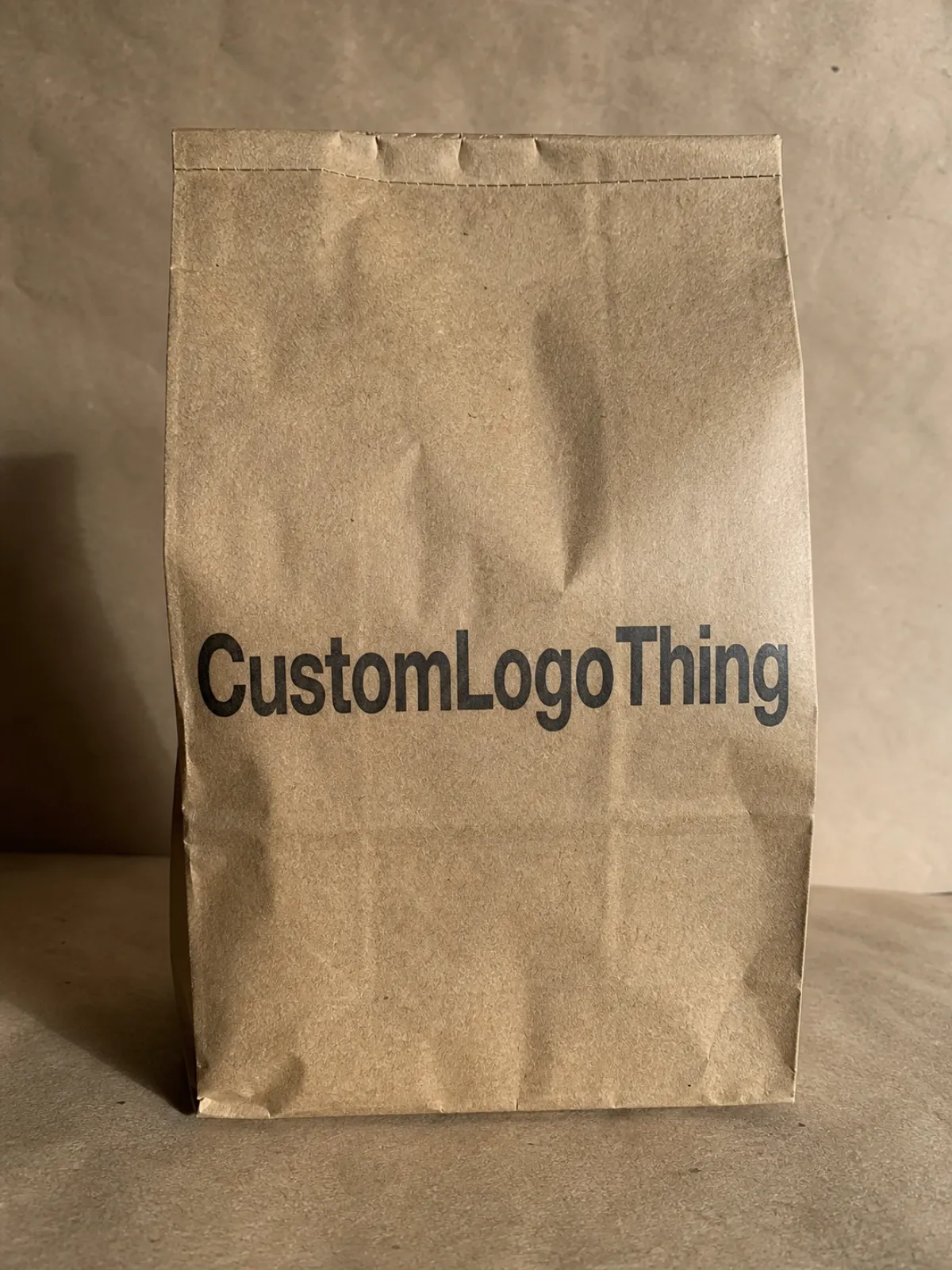
Packaging can be a surprisingly public form of advertising. A branded bag carried through a mall, a train station, or a trade show floor exposes the logo to more people than the original customer alone. That matters in retail, but it matters just as much in bakeries, cafes, event merchandising, and corporate gifting. The bag becomes a moving signboard. A shelf display can only work inside the store; a kraft bag with logo keeps working outside it.
The material also carries meaning. Kraft paper usually keeps its natural fiber tone visible, and that brown surface tends to read as practical, honest, and less synthetic than coated plastic or heavily laminated paper. That does not automatically make it sustainable. The environmental picture still depends on recycled content, sourcing, coatings, inks, adhesive choices, and whether the local waste stream can actually recover the material. A bag can be made from kraft paper and still be a poor environmental choice if the rest of the specification is careless.
That distinction matters more than the marketing language suggests. Brands often want the reassurance of an earthy material, but the bag still has to do a job. A candle store, a neighborhood restaurant, and a trade show exhibitor may all order the same basic format, yet each one needs a different balance of strength, presentation, and price. One customer wants a bag that feels gift-like. Another wants speed at the counter. Another wants a clean carrier for samples that will be handled by strangers all day.
Good specification starts with the product, not the budget. A light pastry order and a boxed glass candle cannot share the same caliper, gusset depth, and handle reinforcement without compromise. The best buyers work backward from weight, shape, and carry distance, then decide what kind of logo placement and finish the bag can support. That sequence usually produces fewer surprises at proof stage and fewer complaints after delivery.
How a Kraft Bag With Logo Is Made and Printed
A kraft bag with logo begins with paper selection, and that choice shapes nearly everything that follows. Kraft papers vary in fiber blend, recycled content, tear resistance, and surface texture. Smoother sheets tend to accept ink more predictably. Rougher sheets create a more natural look, though they can soften fine lines and small type. Grammage matters too: a light takeaway bag may sit around 70-100 gsm, while a sturdier shopping bag often falls closer to 120-180 gsm depending on construction and intended load.
Construction usually includes front and back panels, side gussets, a glued bottom, and a handle or carry opening. Handles can be twisted paper, flat paper, cord, or rope. Each choice changes both the look and the feel. Twisted paper handles keep the natural language of the bag intact and work well in retail and events. Flat handles are common in food service because they are efficient and practical. Rope handles feel more premium, but they usually add assembly cost and often require reinforcement at the attachment points.
Printing method is just as important as paper. Flexographic printing is common for larger runs because it is efficient and suited to repeat production. Offset printing can give sharper detail and smoother tonal work, which helps when the artwork is cleaner or more refined. Stamping, often in one color, can look excellent for small brands or handmade products because it lets the kraft texture do part of the work. Foil can also work on kraft paper, but it is strongest when used sparingly. Too much shine can fight the character of the substrate.
Artwork setup is where many orders slow down. The logo is typically placed on a dieline so the printer can map folds, seams, and handle anchors before production starts. Spot colors need to be chosen with brown stock in mind because color behaves differently on kraft than on white paper. Pale gray, light blue, and low-contrast pastels often lose impact. Black, navy, deep green, and strong warm tones usually hold better. White ink can improve contrast, but it raises cost and complexity, and not every print line handles it consistently.
For buyers who want a technical benchmark, standards and references from packaging.org and testing bodies such as ISTA are useful anchors. A shopping bag is not a parcel shipper, but the underlying logic is the same: packaging must survive handling, stacking, and carry stress, not just look right in a mockup.
Key Factors That Shape Quality, Durability, and Look
The fastest way to judge a kraft bag with logo is not to stare at the logo first. Structure usually fails before graphics do. If the paper is too light, the handle anchors are weak, or the bottom build is underspecified, the bag will bow, split, or feel flimsy in the hand. A polished mockup can hide those problems. Real use cannot.
Paper thickness is the first decision most buyers face. Lighter stock can work for tissues, pastry boxes, samples, or other flat merchandise. Heavier stock earns its keep with jars, candles, folded apparel, and gift sets that have corners or weight concentrated in one area. Recycled kraft may feel slightly different from virgin fiber kraft, and that difference matters if the brand wants a softer hand feel or a more premium impression. Buyers should ask for the expected load range in pounds or kilograms, not just the paper spec, because the final bag performance depends on the entire build.
Handle choice changes the experience as much as it changes the look. Twisted paper handles are cost-effective and keep the visual language simple. Flat handles are comfortable for shorter carries and are common in food service. Rope handles feel stronger and more gift-like, although they usually raise the unit price and add assembly time. Once a customer walks more than a few steps with the bag, handle comfort becomes part of the brand story whether the brand planned it or not.
Size and gusset depth matter just as much. A narrow gusset can make a bag appear tidy, yet it may crush a product corner or force the contents to lean. A deeper gusset creates room for tissue, inserts, or nested items, though too much depth can make a light bag balloon awkwardly. Bottom construction should be checked against the real product dimensions, because a bag that stands square on a counter often looks far more intentional than one that collapses into a wedge in the customer’s hand.
Print design deserves the same practical eye. Heavy coverage can look bold, but on kraft paper it may absorb unevenly or shift darker than expected. Minimal layouts often work better because the brown background carries part of the visual weight. Fine logo strokes need enough thickness to survive print gain and the slight movement that happens in paper fibers. Reversed-out logos should always be checked on a proof and, where possible, on a sample, because brown stock can reduce legibility faster than many buyers expect.
The strongest spec usually balances those variables rather than maximizing a single one. A prettier bag that tears early is poor value. A heavy bag with a weak print layout wastes money. A clean, well-proportioned bag that carries well and still looks sharp after the sale is the one that earns repeat orders.
| Bag Style | Typical Stock | Best Use | Cost Impact | Practical Notes |
|---|---|---|---|---|
| Flat Handle Kraft Bag | 70-100 gsm | Bakery, takeaway, light merchandise | Lowest | Efficient for lighter loads, simple appearance, good for volume food runs |
| Twisted Handle Kraft Bag | 120-150 gsm | Retail, events, apparel | Moderate | Strong balance of cost, carry comfort, and print area |
| Rope Handle Kraft Bag | 150-200 gsm with reinforcement | Boutique, gifting, premium retail | Higher | Better hand feel and presentation, but more assembly and material cost |
| Handleless or Pinch-Top Bag | 60-90 gsm | Small food items, flat goods, inserts | Low | Works only with lighter contents and short carries |
Production Process and Timeline for a Kraft Bag With Logo
Ordering a kraft bag with logo is usually a sequence, and the slowest part is often not the press run. It is the back-and-forth before production starts. A clean order moves through specification, artwork setup, proofing, sampling if needed, production, packing, and shipping. If any one of those steps is vague, the timeline stretches quickly, especially when the buyer is trying to approve size, color, and handle style at the same time.
The first step is defining the spec. That means choosing dimensions, paper weight, handle type, print colors, and any finish such as varnish, foil, embossing, or a matte coating. Once the spec is set, the printer can prepare a dieline and build a proof. This is usually where teams discover that the logo sits too close to a fold, that a tagline is too small to print cleanly on kraft, or that a handle anchor cuts into the artwork zone.
Sampling can prevent expensive mistakes. A plain sample confirms fit and structure. A printed sample shows how the logo behaves on brown paper and whether the chosen color still reads clearly once the kraft tone enters the picture. Higher-value projects benefit from a pre-production sample because it exposes color shift, handle placement, and proportion before the full run begins. Small problems are easy to miss on a screen. They become hard to ignore once 2,000 bags are already printed.
Timing depends on quantity and complexity. A straightforward order with standard dimensions and one- or two-color printing may take about 12-18 business days after proof approval, plus shipping. Custom sizes, rope handles, foil accents, or heavier print coverage can push that window to 3-5 weeks or more, especially if the factory is sourcing specialty components. Freight distance matters too. Air shipping shortens transit and raises cost. Ocean freight lowers transportation cost on larger runs, but it needs more lead time and tighter planning.
If the order has to support a launch date, use a simple checklist before requesting a quote:
- Final dimensions for width, gusset, and height.
- Expected product weight and any insert, tissue, or box that goes inside.
- Exact logo files in vector format, usually AI, EPS, or PDF.
- Print colors identified by Pantone or a clear reference.
- Target quantity and acceptable minimum order quantity.
- Delivery deadline, plus the destination where freight will arrive.
That checklist looks basic, yet it resolves a surprising amount of confusion. Better input means fewer proof revisions and a lower chance of schedule drift. Teams that move product in secondary packaging should think about handling conditions the same way they think about the artwork. If the bag will be packed into cartons, stacked in a stockroom, or carried through several hands, those conditions need to be accounted for before the design gets locked.
Approval flow matters too. Some suppliers want sign-off on the artwork proof, then on a physical sample, then on production. Others move faster but offer fewer checkpoints. Neither approach is automatically better. The right one depends on how sensitive the brand is to shade variation, logo placement, and the cost of rework.
Kraft Bag With Logo Cost, Pricing, MOQ, and Quote Factors
The price of a kraft bag with logo depends on more variables than most first-time buyers expect. Paper weight is the obvious one, but size, handle type, print coverage, finishing, and order quantity all shape the final figure. A small run with a simple one-color stamp can stay economical per unit. A boutique bag with rope handles, reinforcement patches, and full-color art can rise quickly once setup and assembly are counted.
Quantity is the strongest pricing signal. Plates, setup, and press preparation get spread across more bags as the run grows, so unit cost usually falls. That is why minimum order quantity matters. A brand that needs flexibility may prefer a smaller MOQ, though the unit price will usually be higher. A brand with predictable volume can often save money by ordering enough to cover several seasons or repeated campaigns, as long as the design is not tied to a short-lived promotion.
Quote clarity is just as important as the quote total. Ask whether the price includes printing plates, dieline work, proofing, sample bags, cartons, palletizing, and freight. When those items are bundled into one line, the number may look attractive at first and become harder to compare later. Color matching fees can also appear if the printer is chasing a specific Pantone on brown stock, especially when white ink or multiple passes are involved.
Here is a practical way to think about where the money goes:
- Paper: heavier stock and recycled or specialty kraft can raise cost.
- Printing: more colors, larger coverage, and tighter registration add complexity.
- Hardware: rope handles, reinforcements, and inserts increase material and assembly time.
- Finishing: foil, embossing, lamination, or coatings increase both setup and unit cost.
- Freight: shipping can change the landed price more than the print itself on smaller orders.
Where should a buyer save? Usually on visual complexity before cutting structure. A cleaner layout, one strong logo placement, and fewer color changes often save money without hurting function. Where should a buyer not save? On bottom strength, handle comfort, and paper weight if the product is heavy or awkward. A weak bag costs more over time because it creates damage, returns, and a poor customer impression.
The same logic applies to finish level. A kraft bag with logo does not need gloss to look deliberate. Often the best spend is a good stock, a well-placed logo, and a handle that feels right in the hand. That combination usually beats a flashy design on under-specced paper.
For brands that care about responsible sourcing, ask about FSC-certified paper and recycled content. The Forest Stewardship Council at fsc.org is a useful reference point, but certification alone should not replace a full materials conversation. A buyer still needs the exact paper grade, adhesive type, and any coating or barrier treatment used in the bag construction.
Common Mistakes When Ordering a Kraft Bag With Logo
One common mistake is treating artwork as an afterthought. A logo that looks crisp on a white monitor can fade on kraft if the lines are too thin or the color is too light. Small text near a fold or seam can cause trouble too. Once the bag is assembled, those areas may distort slightly, and a brand name that is technically printed can still be hard to read in real use. The fix is straightforward: build in more contrast, use heavier type, and keep critical elements away from stress points.
Another mistake is guessing the size. Buyers sometimes choose dimensions based on the visual feel of the bag rather than the actual product footprint. That works until the first real pack-out. A candle box may fit on paper but catch the gusset; a bakery order may sit too low and tilt; a gift set may need more height for tissue and inserts than expected. Testing with the real product is the safer move.
Lead time gets underestimated often. A bag order includes proofing, corrections, possible sample review, production, and transit. If the launch date is fixed, any delay in artwork approval or size confirmation can create pressure that leads to rushed decisions, air freight, or compromises in print detail. That is how a simple branded bag becomes an expensive shortcut.
End use gets overlooked too. A food-service bag needs enough durability for grease-resistant cartons, short carries, and sometimes a lined or unlined interior depending on contents. A retail bag needs better presentation and often better handle comfort. A gift bag needs a cleaner finish and tidy assembly. A trade show bag may be filled with literature, samples, and small products, so the load profile changes again. One spec rarely fits all of those uses.
Here are the mistakes that cause the most grief on the floor:
- Using low-resolution art or non-vector logos.
- Placing critical copy too close to folds, handles, or gussets.
- Choosing a paper weight that cannot support the product.
- Comparing quotes without checking what is included.
- Approving a sample without testing the bag under real load.
When buyers avoid those traps, the order tends to run calmer, faster, and with fewer hidden costs. That holds for a small boutique, a quick-service counter, or a seasonal gifting program.
Expert Tips and Next Steps for Ordering Smarter
The easiest way to improve a bag program is to request a sample or mockup before committing to the full order. A mockup lets the team check size against the product, see how the logo sits on kraft, and feel the handle in the hand. That sounds simple, yet it catches proportion problems quickly, and proportion is often the difference between a bag that feels expensive and one that feels improvised.
Build a one-page spec sheet before quoting. Include dimensions, quantity, paper preference, print colors, target budget, and delivery date. Add any compliance or sourcing requirement, such as FSC-certified paper or a recycled-content target. The clearer the spec sheet, the easier it is for the supplier to quote apples to apples. A vague request invites vague pricing, and vague pricing is hard to trust.
Test the bag with the real product weight and a normal carry path. Put the actual box, bottle, garment, or food order inside, then carry it from counter to car or from booth to doorway. That test reveals handle pressure, bottom flex, and how the bag hangs when full. A bag that looks strong in the hand but strains under the real load is a design failure, not a minor detail.
Choose one visual priority and stick with it. If the brand wants a natural, earthy look, keep the print simple and let the kraft texture show. If the brand wants a sharper retail presentation, use a cleaner logo layout, stronger contrast, and more refined handle hardware. Trying to force every effect into one bag usually makes the design busy and the cost heavier than it needs to be.
For teams that want a straightforward buying process, the best sequence is usually this:
- Confirm the bag style and product load.
- Review the proof with folds, seams, and handle placement in mind.
- Compare the quote line by line, not just by unit price.
- Approve a sample if the order is large, visible, or time-sensitive.
- Place the order early enough to absorb proofing and freight.
The practical takeaway is simple: start with the item that will live inside the bag, not the logo that will sit on the outside. A well-chosen kraft bag with logo should match the load, print clearly on the selected stock, and arrive with a quote that makes setup and freight visible. When those three pieces align, the bag supports the product, carries the brand, and avoids the quiet waste that comes from under-specification.
What is the best use case for a kraft bag with logo?
It works especially well for retail, cafes, boutiques, takeaway counters, and event packaging where the bag becomes part of the customer experience. Choose it if you want a natural look that feels sturdy and brand-forward without heavy coating or plastic shine. It becomes even more useful when the purchase travels in public, because the logo keeps working after checkout.
How much does a custom kraft bag with logo usually cost?
Pricing depends on size, paper weight, print colors, handle style, finishing, and quantity, with larger runs usually lowering the unit cost. A smaller order with basic printing can stay accessible, while a premium bag with rope handles or special finish will move up quickly. Ask for a quote that separates setup, sampling, freight, and production so you can compare suppliers on equal terms.
What is the typical lead time for a kraft bag with logo order?
Lead time usually includes proof approval, possible sample checks, production, and shipping, so the timeline is longer than a simple stock purchase. A straightforward order may move in about 12-18 business days after approval, while custom sizes, special finishes, or higher quantities can take several weeks. Finalizing specs before requesting the schedule helps keep the project on track.
Which printing method works best on a kraft bag with logo?
Flexographic printing is common for larger runs, while offset can deliver sharper detail for more polished brand graphics. Simple stamping or one-color printing can look excellent when the design is bold and the brand wants a more handmade, earthy feel. The best choice depends on quantity, artwork complexity, and how much contrast the logo needs on brown paper.
How do I choose the right size for a kraft bag with logo?
Start with the actual product dimensions, then add space for inserts, tissue, boxes, or carry comfort so the fit is not too tight. Check gusset depth, handle strength, and bottom support so the bag carries well and still looks clean when filled. A quick real-world pack-out test is one of the fastest ways to confirm whether the size is truly right.
The simplest rule is to match the bag to the real product, not the mockup. If the kraft bag with logo passes a weight test, prints clearly on kraft, and comes with a transparent quote, it is usually the right purchase for both presentation and performance.
Related packaging resources
Use these related guides to compare specs, costs, quality checks, and buyer decisions before making the final call.


