Buyer Fit Snapshot
| Best fit | Laminated Export Cartons Wholesale projects where brand print, material claims, artwork control, MOQ, and repeat-order consistency need to be specified before quoting. |
|---|---|
| Quote inputs | Share finished size, material target, print colors, finish, packing count, annual reorder estimate, ship-to region, and any compliance wording. |
| Proofing check | Approve dieline scale, logo placement, barcode or warning zones, color tolerance, closure strength, and carton packing before bulk production. |
| Main risk | Vague material claims, crowded artwork, missing packing details, or unclear freight terms can make a low unit price expensive after revisions. |
Fast answer: Laminated Export Cartons Wholesale: Pricing, Specs, MOQ should be specified like a repeatable production item. The safest quote records material, print method, finish, artwork proof, packing count, and reorder notes in one written spec.
Production checks before approval
Compare the actual filled-product size with the drawing, then confirm tolerance on folds, seals, hang holes, label areas, and retail display edges. Reserve space for logos, QR codes, warning copy, and material claims before decorative graphics fill the panel.
Quote comparison points
Review material grade, print process, finish, sampling route, tooling charges, carton quantity, and freight assumptions side by side. A quote is only useful when the supplier can repeat the same color, closure quality, and packing count on the next order.
Laminated Export Cartons Wholesale: Pricing, Specs, MOQ is not a keyword you throw into a title and hope for the best. It is usually the difference between a carton that still looks presentable after a rough trip and one that shows up soft, scuffed, or corner-crushed because someone treated cardboard like it has opinions about humidity.
Laminated Export Cartons Wholesale: Why They Hold Up in Transit
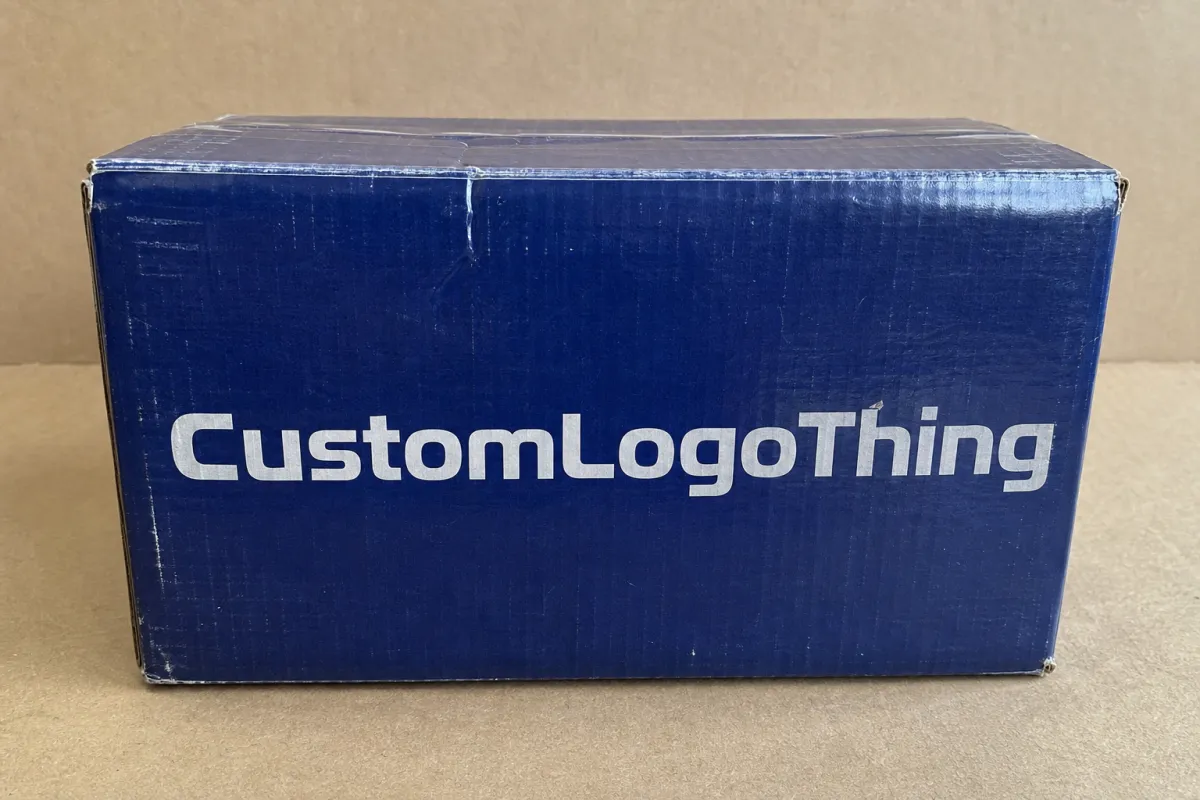
A carton can look perfect on the packing floor and still lose the fight once it meets humidity, stacked freight, and a few too many warehouse hands. That is the real purpose of laminated export cartons wholesale. The lamination is not there for decoration or brand vanity. It is a functional layer that helps protect the print surface from scuffing, rubbing, and moisture-related wear while the shipment moves through the actual supply chain, not the fantasy version shown in a sales deck.
The difference shows up fast. Ink stays cleaner on the pallet. Logos do not scrape off as easily when cartons brush against stretch wrap or neighboring cartons. Fingerprints are less obvious at receiving. If the carton is going to a retail-facing buyer, that matters even more. Nobody wants a premium-looking pack that arrives looking like it argued with the ocean and lost.
Wholesale buyers also need consistency. A sample can look excellent. A run of 5,000 cartons has to behave the same way from the first pallet to the last. Board formation needs to stay stable. Glue needs to hold. Lamination has to stay bonded. Once cartons are stacked, wrapped, lifted, and moved again, the finish is only part of the story. The structure underneath is doing the actual work.
Compression strength matters just as much as appearance. Export cartons usually face more than one handling cycle. They are lifted, rotated, re-stacked, and shipped again. Lamination helps preserve the printed face, yes. But if the board is too weak, the corners will still give up first. That is not a surprise. That is physics, and physics does not care about your brand color.
A carton that saves a few cents on paper and fails after one humid container move is not a bargain. It is a complaint with good graphics.
Buyers comparing options through our Wholesale Programs should define the shipping route before choosing the finish. That keeps the quote grounded in reality. It also prevents paying for a surface treatment that looks attractive in a render and contributes very little to the trip itself.
There is one more practical point. Export cartons are often judged after the damage is already done, which is an expensive way to learn a lesson. If the route includes transloading, mixed warehousing, or a long port dwell, the carton needs more than decent print. It needs a build that can tolerate the route without turning the consignee into a quality-control department.
What You Are Actually Buying: Board, Lamination, and Print Build
People ask about laminated export cartons wholesale as if the price belongs to one material line. It does not. The carton is built from layers. Board, flute, print, adhesive, lamination, and finishing all matter. Skip one of those details and the quote starts pretending it knows more than it does.
The board is the base. Corrugated board is the standard choice for shipping cartons, though some export packs use heavier paperboard when presentation matters more than abuse resistance. Corrugated structures usually combine an outer liner, a fluted medium, and an inner liner. Single-wall, double-wall, and heavier grades each serve different load conditions. ECT ratings, burst strength, and compression targets tell you how much punishment the carton can take before it starts folding up on the job.
Print build changes both price and performance. Flexographic printing is common for larger corrugated runs because it is efficient and practical for shipping graphics. Litho-lamination or offset-printed lamination gives sharper detail, which is useful when branding has to carry more weight. That choice affects color consistency, registration, and barcode clarity. Once a laminate goes on top, the print method matters even more because the surface finish can either sharpen the presentation or expose every small registration mistake.
Lamination itself usually sits in a few familiar categories. Gloss lamination gives the carton a brighter face and deeper-looking color. Matte lamination reduces glare and hides fingerprints better. Aqueous coating can handle lighter-duty protection, but it is not the same thing as a true film layer. Film lamination is the tougher option when the carton needs real resistance to rub, scuffing, and moisture contact.
Structure matters too. Glued cartons are common where assembly consistency matters. Stitched cartons can be better for heavier builds. Die-cut inserts keep products from shifting. Reinforced corners, hand holes, vents, and custom closures all change how the carton behaves once it leaves the factory. Buyers who only compare print finish are missing half the spec.
Barcode quality deserves its own mention. If the carton carries a barcode, QR code, lot code, or shipping mark, the print and laminate have to keep that data readable after handling. Quiet zones should stay clean. Reflective finishes should not confuse a scanner. That is why serious buyers ask for a proof before production instead of pretending a PDF is enough. It usually is not.
For buyers who want a technical reference point, standards matter. Organizations such as ISTA publish test methods for distribution damage, while ASTM standards are widely used for strength and compression discussion. If responsible sourcing is part of the brief, FSC-certified board may matter too; the Forest Stewardship Council is available at fsc.org. None of that replaces a proper spec sheet. It just keeps the conversation honest.
One caution: not every laminated carton is suitable for direct food contact, medical packaging, or long-term chilled storage. Those applications can require additional barriers, inks, adhesives, or regulatory checks. If the order touches a regulated market, the spec has to be built around the rulebook, not around whatever the factory happens to have on hand.
| Finish / Build Option | Typical Use | Added Cost Behavior | Practical Buyer Notes |
|---|---|---|---|
| Gloss lamination on printed corrugated | Retail-facing export cartons, strong color presentation | Moderate; often adds about $0.03-$0.06 per carton at mid-sized quantities | Bright appearance, scuffs show more easily, good for high-impact branding |
| Matte lamination on printed corrugated | Premium but restrained appearance, handling-heavy shipments | Moderate; often adds about $0.04-$0.08 per carton | Less glare, fingerprints are less visible, often preferred for understated branding |
| Aqueous coating | Light protection, cost-sensitive runs | Lower; often adds about $0.01-$0.03 per carton | Better than no protection, but not the same barrier as true film lamination |
| Soft-touch lamination | High-end presentation where tactile feel matters | Higher; often adds about $0.06-$0.12 per carton | Looks refined, but can be harder to justify for pure freight-only applications |
| Double-wall board with lamination | Heavier exports, higher stacking loads | Higher because of board weight and build time | Best when compression and route risk matter more than minimum carton cost |
Those numbers are directional, not universal. A supplier in a low-waste production window, a buyer with repeat artwork, or a carton that fits a standard tooling setup can land below them. A custom shape, a tricky barcode panel, or a board spec that needs special sourcing can push them higher. That is why comparing one headline price without the build details is mostly theater.
Two cartons with the same outside dimensions can still land at very different prices if one uses heavier board, richer print coverage, a tighter die line, and a more durable laminated surface. The smarter comparison is not “which one is cheapest.” It is “which build survives the route at the lowest landed cost.”
Key Specifications to Lock Down Before You Order
The fastest way to slow down an order is to send incomplete specs. The fastest way to get a useful quote is to define the carton the way production sees it. For laminated export cartons wholesale, the key measurements begin with inside length, width, and depth. That is where fit lives. If the product uses inserts, trays, or internal wrapping, those details belong in the working dimensions instead of being guessed later.
Tolerances need to be spelled out early. A carton that is too tight can damage product or slow packing. A carton that is too loose wastes board and lets the contents wander around during transit, which is a lovely way to create a problem nobody asked for. Buyers should ask what dimensional tolerance the factory will hold and whether that tolerance applies to die-cut pieces, folded cartons, or completed glued cartons. In export work, a few millimeters can change pallet counts and master pack planning.
Performance specs deserve the same attention. Edge crush resistance, burst strength, and stacking load should be considered together, not treated like interchangeable stickers on the same box. A carton with a nice printed surface can still fail if the board is too light for the pallet height or if it spends too long in warm storage. Humidity exposure matters too. A carton that leaves a dry production floor, sits on a dock, goes into a container, and lands in another warehouse has already picked up enough punishment to matter.
Artwork and packing details are easy to ignore until the proof stage, then they become expensive. Buyers should define bleed, color targets, barcode placement, and the exact location of handling symbols. If the carton carries country-of-origin marks, recycling icons, hazard symbols, or warehouse codes, those elements should be locked before print starts. Master pack count, pallet pattern, and wrap method should also be set early because they affect warehouse handling and freight planning.
One detail saves a lot of back-and-forth: explain how the carton will be used after delivery. Is it a shipper only? Is it retail-facing? Will it sit in a humid warehouse? Will it be opened and reclosed? Those answers change the right spec. A carton that ships once does not need the same finish level as one that gets handled by several partners before it reaches shelf or assembly.
Here is a useful checklist before requesting a quote:
- Inside dimensions, product weight, and any internal inserts
- Board grade or target compression requirement
- Finish preference, such as gloss, matte, or protective coating
- Print colors, coverage level, barcodes, and compliance marks
- Master pack count, pallet pattern, and delivery destination
- Humidity exposure, storage duration, and expected handling cycles
For export cartons, that checklist is not extra. It is the difference between a quote that sounds nice and a quote that actually fits the shipment.
If the carton will travel through a hot dock, a cold container, and a warehouse that never seems to have the same temperature twice in a row, say that upfront. The factory cannot guess your climate, and the carton should not have to pay for that guess later.
Pricing, MOQ, and What Drives Your Unit Cost
Pricing for laminated export cartons wholesale is shaped first by material build, then by setup, then by production complexity. Two cartons can share the same outside dimensions and still come in at different prices because one uses heavier board, a wider print area, a more demanding laminate, and a tighter folding spec. Unit price should follow the actual construction, not the size alone.
Material grade is usually the biggest driver. Heavier board costs more, and stronger corrugated structures use more fiber and more converting work. Lamination adds another layer because the film, adhesive, and finishing step all affect cost. Print coverage changes the number too. A single-color shipping mark is not the same job as a full-coverage branded carton with multiple sides printed and laminated. If the carton includes reinforced corners, vents, hand holes, or die-cut inserts, labor and tooling climb as well.
Setup costs matter in every wholesale order. Plates, dies, and tooling are fixed expenses that get spread across the quantity ordered. That is why MOQ matters. The bigger the run, the more those fixed costs are diluted per carton. A low-MOQ order works for testing or market trials, but the unit price is usually higher because the factory still has to cover prepress, calibration, and finishing time.
As a practical example, a light-duty laminated export carton in the 1,000-piece range may price very differently from the same carton at 5,000 or 10,000 pieces. Buyers often see a noticeable drop once they cross the first quantity break, especially if the carton uses custom dies or multiple colors. Ask for tiered pricing. That is the quickest way to see where the lower unit cost actually starts to make sense.
Freight can change the math just as much as the carton price. A carton that looks cheap at the factory gate can become expensive once it is palletized, wrapped, and shipped under a certain incoterm. Carton count per pallet, pallet height, carton orientation, and master pack configuration all influence landed cost. If the design wastes container space or makes pallet stability worse, the savings disappear in transit. Cheap is not always cheap. Annoying, but true.
There is also a hidden cost that buyers sometimes miss: rework. If artwork is not clean, if the barcode spec is wrong, or if the carton is too weak and the first delivery gets rejected, the cheapest quote becomes a very expensive mistake. A slightly higher unit price with the right build often wins once you count freight, delays, and replacement risk.
A real cost conversation should include the following:
- Board and finish - heavy board and premium lamination raise the base cost.
- Setup and tooling - plates, dies, and prepress are fixed, so low quantities carry more overhead.
- Print coverage - more ink, more sides, and finer detail usually add time and waste control.
- Production complexity - inserts, special closures, and tighter tolerances slow output.
- Freight and packing - pallet pattern, wrap method, and destination terms affect landed cost.
For many buyers, the best number is not the lowest MOQ and not the biggest run available. It is the quantity that balances cash flow, warehouse space, and freight efficiency. If reorder rhythm is predictable, the smarter move is often a run size that lowers unit cost without tying up too much capital or storage.
And yes, MOQ can be negotiable in some cases. If the carton uses standard tooling, repeat artwork, or a board spec already in production, the factory may be able to absorb a smaller run more easily. If everything is custom, the math gets less friendly. That is not a sales trick. It is just the overhead showing up on time.
Process and Timeline: From Quote to Export-Ready Delivery
A good order process for laminated export cartons wholesale begins with complete information, not a rough guess. Send inside dimensions, product weight, target finish, artwork files, quantity, destination market, and delivery terms. If the carton will ship to more than one country, include the labeling requirements for each market. That gives the factory enough detail to price accurately and catch problems before production starts.
The proofing step matters more than many buyers expect. A digital proof can be enough when the carton is simple and the print is straightforward. A physical sample is worth the extra time when the carton carries barcodes, compliance marks, high-coverage graphics, or a tricky fold. Export cartons are working containers, not display props. A barcode placed a few millimeters off can cause a warehouse headache later, and warehouse headaches have a habit of becoming expensive.
Once the order is approved, production usually follows a familiar sequence: printing, lamination, drying or curing, die-cutting, folding, gluing or stitching, bundling, and pallet preparation. Each step needs its own quality check. Printing has to stay inside the color target. Lamination has to bond cleanly without lift, bubble, or wrinkle. Cutting has to hold the die line. Folding has to stay square. Glue or stitch points have to remain consistent. When those steps are under control, the finished carton stacks correctly and behaves better in the export chain.
Timeline depends on a handful of practical variables. Artwork changes can add days. New tooling can delay the start. Material availability can move the schedule if the board grade or film type is not on hand. Factory workload matters too, especially near production peaks. Export freight has its own calendar, so Carton Lead Time has to fit around vessel booking, warehouse receiving, and inspection windows.
For planning, buyers should expect a proof-to-shipment timeline in the range of roughly 12 to 20 business days for moderate runs after approval. Larger quantities or more complex constructions can take longer. That is not a promise. It is a realistic planning range. Custom tooling, heavy board, and special finishing all require more care, and care takes time.
Coordination usually beats speed. If the carton needs to arrive before a vessel cutoff, build in buffer days for final approval, packing, and freight booking. Rush orders can work, but they squeeze flexibility and put pressure on QC. A calmer schedule usually gives a cleaner result.
If your team needs fewer moving parts, the wholesale ordering page is the most direct place to start because it keeps quantity, finish, and delivery expectations in one place. That cuts down the back-and-forth that tends to stretch production for no good reason.
A practical timeline also depends on how disciplined the approval chain is. One late comment from marketing, one missing barcode check from operations, and the calendar shifts. Nothing dramatic. Just enough delay to make everyone blame the wrong department.
Why B2B Buyers Source Laminated Export Cartons Wholesale From Us
For B2B buyers, a carton only counts if it performs in the warehouse, on the pallet, and in the customer’s hands. That is the standard behind laminated export cartons wholesale. A sample may look polished. The real question is whether the carton fits the product, keeps its structure, and protects the print after handling. That is where buying judgment matters more than glossy sales language.
Spec confirmation is a major part of that judgment. Orders should be checked for construction details, finish type, and packing method before production starts. If the carton is laminated, the buyer should know whether the finish is gloss or matte, whether the print is litho-laminated or directly printed, and how the cartons will be bundled for shipment. Small differences there can change both cost and performance.
Repeatability is another reason wholesale matters. Many businesses reorder the same carton size season after season or run after run. When that happens, the next batch has to match the first one closely enough that warehouse teams do not have to relearn the pack-out. Consistency in board thickness, fold behavior, surface finish, and print placement saves time later. It also protects brand presentation across multiple shipments.
Communication around MOQ and lead time should be direct. Buyers Need to Know the quantity break points, the setup implications, and the current schedule so they can plan purchasing, warehouse space, and freight booking without surprises. If the order needs a sample, a revision, or a new tool, the timeline should be stated clearly rather than guessed. Change control is not glamorous. It just prevents nonsense.
There is also a sourcing advantage to working with a supplier who understands both transit needs and surface finish. A carton built only for appearance may fail under compression. A carton built only for strength may ignore the brand signal the buyer needs. The better answer is usually a construction that protects both. That balance is what customers mean when they ask for laminated export cartons wholesale instead of a plain shipping case.
When procurement teams compare options through our Wholesale Programs, they usually want three things: a carton that performs, a quote they can trust, and a lead time that fits the shipment. Those are practical goals, and they are easier to hit when the specification is complete from the beginning.
Buyers also benefit from knowing where tradeoffs are acceptable and where they are not. A slight change in matte finish may be fine. A reduction in board strength may not be. A larger MOQ may lower the unit cost. A hidden freight penalty may wipe that out. Packaging buying is not about chasing the lowest line item. It is about protecting the full transaction from factory to consignee.
If you are comparing suppliers, ask who actually checks print registration on the press, who signs off on compression targets, and who confirms barcode readability before the order ships. Those are the boring questions. They are also the ones that keep cartons from turning into surprises.
Next Steps to Get a Reliable Quote and Avoid Delays
If you want a reliable quote for laminated export cartons wholesale, send complete specs in one message. Include inside dimensions, product weight, artwork files, finish preference, quantity, destination, and any special labeling or pallet requirements. The more complete the brief, the more accurate the quote and the less time you spend correcting assumptions later.
Ask for the construction details in the same reply. You want to compare cartons on equal terms, which means knowing board grade, lamination type, print method, and packing method. If one supplier is quoting a gloss laminated carton on lighter board and another is quoting a Matte Laminated Carton on heavier corrugated board, those are not equivalent offers. The cheapest quote is only useful when the build is actually the same.
Request a sample or mockup when the carton carries barcodes, compliance marks, or retail-facing graphics. Those details are easy to misplace on a flat proof and annoying to fix after approval. A real sample helps check fold behavior, print alignment, barcode readability, and how the laminated surface behaves under handling. If the carton will be scanned in a warehouse, that test is worth doing. Guessing is cheaper only until it fails.
Before you approve the order, confirm pallet count, master pack configuration, and shipping terms. Those details shape the final landed cost and affect receiving on the destination side. Also confirm whether the cartons are packed flat, nested, or pre-glued, because the shipping method changes how much space the order will take and how quickly it can go into use. Build a small buffer into the schedule for inspection and freight booking so the carton does not become the reason a shipment misses its window.
In practice, the fastest route is not the shortest email chain. It is the clearest brief. Buyers who send complete specifications get better pricing, cleaner approvals, and fewer delays. That is especially true for laminated export cartons wholesale, where board grade, surface finish, and logistics all have to line up at once.
For teams ready to move forward, the most practical path is to compare landed cost, confirm the carton structure, and place the order with realistic timing before the ship date. That is how you keep the export carton looking sharp, stacking cleanly, and arriving in a condition that supports the brand rather than fighting it.
The real takeaway is simple: lock the board grade, finish, and shipping profile before you ask for price. If those three are clear, the quote means something. If they are vague, you are just shopping for a number that will change later.
For a straightforward purchasing conversation, start with the spec sheet, compare the options, and use laminated export cartons wholesale as a controlled procurement decision rather than a guess. That keeps the carton performing through the whole trip, from pack line to port to final delivery.
What is the difference between laminated export cartons wholesale and standard corrugated cartons?
Laminated export cartons add a protective surface layer that helps reduce scuffs, moisture-related wear, and print damage during shipping. Standard corrugated cartons may work fine for basic transport, but laminated versions are better when the carton also has to protect branding and appearance. For export use, the better choice depends on humidity exposure, stacking load, and how many times the carton will be handled.
What MOQ should I expect for laminated export carton wholesale orders?
MOQ changes with carton size, board grade, print complexity, and whether custom dies or plates are required. Higher quantities usually lower the unit cost because setup expenses get spread across more cartons. Ask for tiered pricing so you can see the break point where the lower per-unit cost starts to justify the larger order.
Which finish is better for laminated export cartons wholesale, gloss or matte?
Gloss lamination usually gives stronger color pop and makes surface scuffs easier to see, which can work well for retail-facing shipments. Matte lamination gives a softer look and tends to hide fingerprints and handling marks more easily. The right choice depends on how the carton will be used, where it will be stored, and how much visual impact the brand needs.
How long does production usually take for laminated export cartons wholesale?
Timeline depends on artwork approval, tooling readiness, carton complexity, and the current production schedule. A sample or proof step can add time, but it often prevents expensive mistakes before full production starts. Plan backward from the ship date and include a buffer for packing, inspection, and freight booking.
What details should I send to get an accurate laminated export cartons wholesale quote?
Send inside dimensions, product weight, quantity, artwork files, finish preference, and the destination market. Include any special requirements such as barcode placement, master pack count, pallet pattern, or humidity exposure. If you have them, add your target MOQ, incoterms, and requested delivery date so the quote reflects the real buying plan.
Can laminated export cartons wholesale be used for food or medical products?
Sometimes, but not automatically. Those categories can require specific inks, adhesives, coatings, or certification checks, and a standard laminated carton may not be acceptable. If the shipment is regulated, the supplier should confirm compliance before the order is released.