Buyer Fit Snapshot
| Best fit | Laminated Retail Boxes with Logo projects where brand print, material claims, artwork control, MOQ, and repeat-order consistency need to be specified before quoting. |
|---|---|
| Quote inputs | Share finished size, material target, print colors, finish, packing count, annual reorder estimate, ship-to region, and any compliance wording. |
| Proofing check | Approve dieline scale, logo placement, barcode or warning zones, color tolerance, closure strength, and carton packing before bulk production. |
| Main risk | Vague material claims, crowded artwork, missing packing details, or unclear freight terms can make a low unit price expensive after revisions. |
Fast answer: Laminated Retail Boxes with Logo: Board, Finish, Dieline, and Unit Cost should be specified like a repeatable production item. The safest quote records material, print method, finish, artwork proof, packing count, and reorder notes in one written spec.
Production checks before approval
Compare the actual filled-product size with the drawing, then confirm tolerance on folds, seals, hang holes, label areas, and retail display edges. Reserve space for logos, QR codes, warning copy, and material claims before decorative graphics fill the panel.
Quote comparison points
Review material grade, print process, finish, sampling route, tooling charges, carton quantity, and freight assumptions side by side. A quote is only useful when the supplier can repeat the same color, closure quality, and packing count on the next order.
Two boxes can carry the same product and still tell completely different stories. One starts to look tired after a few touches, while the other keeps its surface crisp under store lighting, shipping scuffs, and all the handling that happens between the pressroom and the shelf. That practical difference is the real appeal of laminated retail Boxes With Logo: they protect the printed surface, keep the brand mark looking sharp, and give the packaging a better chance of doing its job before anyone opens it.
For a buyer, that matters more than people usually admit. In crowded categories, the box is not just packaging; it is a sales tool that works quietly in transit, on display, and in the customer’s hand. Custom packaging choices have to balance durability, print quality, and cost, and Custom Packaging Products often sit right at that intersection. If the goal is to reduce reprints, improve shelf appeal, and keep artwork looking clean, laminated retail Boxes with Logo deserve close attention.
The useful version of the topic is simple: how the boxes are built, what really drives price, where projects slow down, and how to choose a finish that helps the product instead of competing with it. The details matter, because good packaging is usually the result of small decisions made well, not one dramatic choice made late.
Laminated retail boxes with logo: what they are and why they stand out
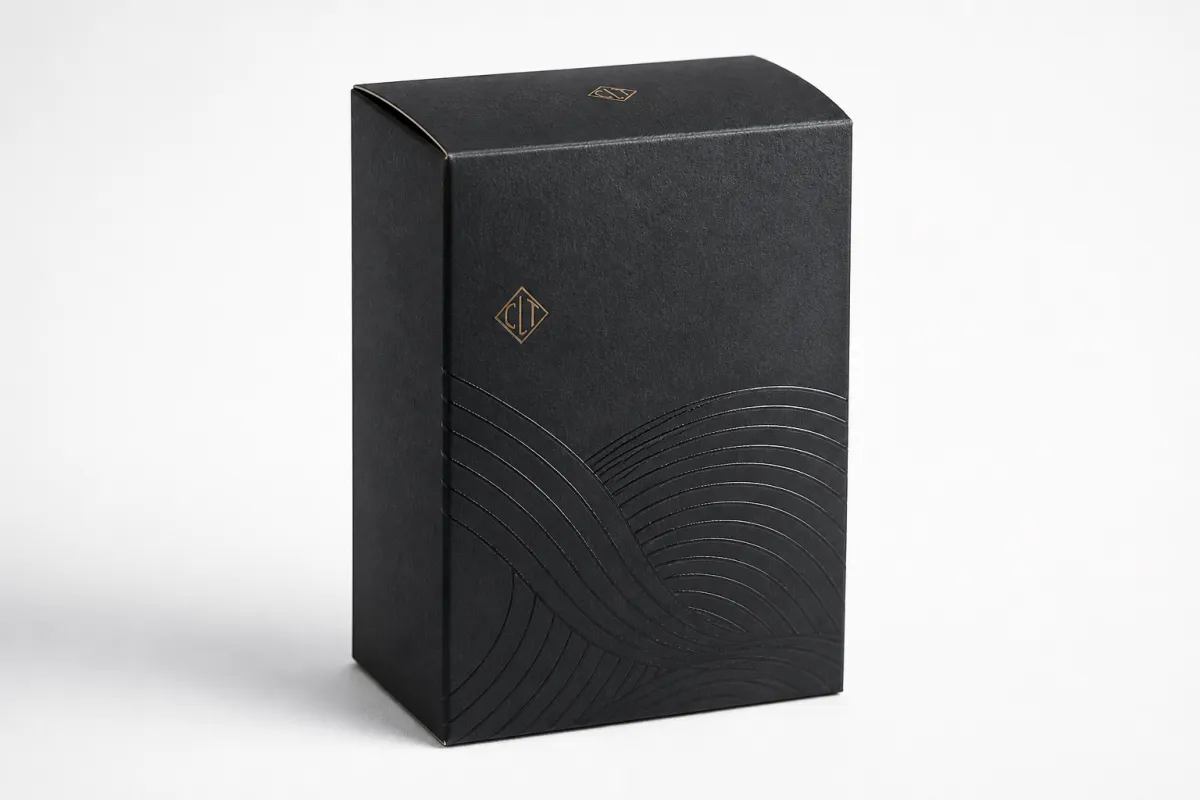
Laminated retail boxes with logo are printed cartons finished with a thin protective film, usually applied after printing and before die-cutting or folding. In plain terms, lamination gives the printed sheet a second skin. That layer changes how the surface behaves in the real world: it resists scuffs, fingerprints, moisture, and the dulling effect that comes from repeated handling. The logo still carries the branding, but the laminate helps the mark stay legible and the colors stay fresh.
That may sound cosmetic at first, yet packaging is judged quickly. A shopper often has only a few seconds to compare options, so the box has to communicate value almost immediately. A matte laminated carton can read calm and premium. A gloss finish can make saturation and contrast feel louder. Soft-touch can shift the feel of laminated retail boxes with logo toward something more tactile and boutique-like. None of those choices are neutral. They change the way the brand reads from arm’s length and from across the shelf.
From a packaging buyer’s point of view, lamination also reduces the odds of rework. Unlaminated print can pick up rub marks during packing and fulfillment, especially on darker colors. If the product lives in a retail environment where boxes are picked up, stacked, and brushed against other items, laminated retail boxes with logo usually hold up better than bare printed paperboard. That can protect both the retail appearance and the budget.
There is a quieter business argument as well. Better-looking packaging can reduce pressure to overprint or redesign too often. If a box survives handling better, the production run has a better chance of reaching the shelf in the intended condition. That is not a miracle cure, just basic packaging discipline. You want the finished carton to arrive as close as possible to the design the brand approved.
The box has to earn its keep on the shelf. If it only looks good in the mockup, it is not finished yet.
Retail packaging often sits beside competitors that are equally functional. The difference comes down to clarity, contrast, and finish. That is why laminated retail boxes with logo show up so often in cosmetics, candles, supplements, specialty food, electronics accessories, and gift items. The box is doing three jobs at once: protecting the product, supporting the purchase decision, and surviving the supply chain.
I have seen plenty of projects where the design file looked polished, but the first printed sample told a different story. Under fluorescent retail lighting, a high-gloss box can throw a reflection right across the logo, while a matte version stays readable from a few feet away. That kind of test sounds minor until you are standing in front of a shelf mockup with a buyer, and then it matters a lot.
For additional packaging context and industry standards, the Packaging and Processing Suppliers Association is a useful reference point, especially if you want to understand how packaging formats fit into broader production workflows. The point is not theory. It is fit-for-purpose design that holds up under real handling.
How laminated retail boxes with logo are made
The production stack is straightforward, but each step affects the final result. It usually starts with substrate selection, because the board is the structure behind the look. For many folding cartons, suppliers use 14pt to 18pt paperboard, SBS, CCNB, or a similar retail-grade stock. The choice depends on rigidity, print requirements, and budget. A nice laminate cannot fully compensate for flimsy board, so the base matters more than most first-time buyers expect.
Artwork prep comes next. Logos need clean vector files, images need the correct resolution, and the dieline must match the final dimensions. If the logo sits too close to a fold, it can look distorted after folding. If critical type lands outside the safe area, it may disappear into a trim. That is where laminated retail boxes with logo are won or lost before the printer even starts. Careful prepress work saves time later and reduces costly corrections.
Printing is usually done by offset for larger runs or digital for smaller ones. Offset is typically more efficient at scale and handles color consistency well across long runs. Digital printing can be practical for shorter orders, test runs, or SKU-heavy programs. After printing, the laminate is applied. Gloss, matte, and soft-touch are the most common choices. Gloss raises sheen and punch. Matte cuts glare. Soft-touch adds a velvety feel that can make laminated retail boxes with logo feel more upscale in hand.
After lamination, the sheet is die-cut, folded, glued, and finished. If the box includes a window, foil, embossing, or spot UV, those steps are added in the correct sequence so the finish does not interfere with adhesion or registration. The logo placement matters at every stage. A bold mark on the front panel can attract attention. A quieter side-panel logo can support premium branding without shouting. The right answer depends on the shelf environment and the product category.
One practical detail is how lamination changes visibility under retail lighting. A high-gloss finish can create reflections that help or hurt logo readability depending on the angle. Matte usually behaves better under bright store lights because it reduces glare. Soft-touch can be beautiful, but it can also show fingerprints if handling is heavy and the surface gets rubbed repeatedly. That is why samples matter so much for laminated retail boxes with logo.
If you are choosing between finish options, think about category expectations and touchpoints, not just aesthetics. A snack carton, a prestige skincare box, and an accessory box all have different visual jobs. For some projects, the smart move is a simple structure with a clean logo and a restrained finish. For others, a more dramatic tactile effect is justified. The finish should support the product story, not overwrite it.
Typical workflow:
- Confirm size, style, quantity, and finish.
- Review artwork and dieline for fit and bleed.
- Print the sheets using offset or digital methods.
- Apply lamination and any added decorative effects.
- Die-cut, crease, glue, and bundle for shipping.
For shipping durability and test expectations, many teams also review transit standards from ISTA. If your box needs to survive parcel handling or distribution stress, that matters more than the finish alone.
Cost, pricing, MOQ, and quote drivers for laminated retail boxes with logo
Pricing for laminated retail boxes with logo is rarely one number. It is a bundle of variables: size, board grade, print coverage, laminate choice, quantity, finishing complexity, and the cost of any extras such as foil, spot UV, inserts, or windows. The box looks simple from the outside. The quote is not simple behind the scenes, and that gap is where many first-time buyers get surprised.
The biggest lever is quantity. Setup costs, plates, proofing, and die charges get spread across more units as the run increases. That is why the per-box price can move sharply between a 500-unit order and a 5,000-unit order. MOQ exists for a reason: the press, die, and finishing steps all need to be justified across the run. Smaller orders are possible, but unit cost usually climbs. For laminated retail boxes with logo, that is normal, not a warning sign.
To make the pricing pattern easier to see, here is a practical comparison. These are illustrative ranges, not a promise, but they reflect the way many packaging quotes behave for standard retail cartons.
| Order size | Typical unit range | Main cost pressure | Best fit |
|---|---|---|---|
| 250-500 units | $1.10-$2.40 | Setup, proofing, and low-run inefficiency | Prototype launches, small test runs |
| 1,000-2,000 units | $0.55-$1.10 | Moderate setup spread, standard finishing | Emerging SKUs and seasonal programs |
| 5,000+ units | $0.22-$0.65 | Material grade and decorative effects | Established retail lines and repeat orders |
A simple matte-laminated folding carton with basic four-color printing will usually price lower than a box with soft-touch, foil stamping, and a custom insert. That sounds obvious, but buyers sometimes compare quotes without normalizing the spec. A low quote on paper may be based on a lighter board, a smaller box, or fewer finishing steps. For laminated retail boxes with logo, always compare the spec sheet before comparing the dollar amount.
Watch for hidden cost drivers too. Shipping can matter more than expected if the supplier is far away or if the cartons are bulky. Custom die charges may be separate. If the cartons need retail-ready packing, bundle counts, barcode labels, or pallet configuration, those items can add cost. Even a modest change in board thickness or laminate type can move the quote by a noticeable amount. That is why the strongest brief is the most specific one, and honestly, it is gonna save everyone a few rounds of back-and-forth.
For buyers who need sustainability language, FSC-certified board may be a priority. The Forest Stewardship Council explains certification requirements and chain-of-custody basics. If recycled content, responsible sourcing, or retailer compliance matters to your brand, ask about those details upfront rather than trying to add them after the quote is drafted.
Quote drivers worth listing clearly:
- Exact finished size in inches or millimeters
- Board thickness or gsm target
- Print sides and color count
- Laminate type: gloss, matte, or soft-touch
- Special finishes such as foil, embossing, or spot UV
- Quantity, shipping destination, and target delivery date
The cleanest way to keep pricing under control is to simplify where the customer will not notice and spend where the customer will. That is especially true for laminated retail boxes with logo. A restrained design on a stronger carton often performs better than a crowded design on a weaker one.
Key factors to choose before you order
The right spec depends heavily on category. Cosmetics often benefit from matte or soft-touch finishes because they signal care and texture. Specialty food packaging may need a finish that keeps printed colors fresh while also tolerating handling. Electronics accessories usually need harder edges, cleaner typography, and a finish that stays readable under bright store lighting. laminated retail boxes with logo are flexible enough to suit all of those categories, but not with the same settings.
Durability is the next decision. If the box ships long distances, passes through multiple distribution points, or sits in a humid environment, the laminate and board need to work together. A light carton with a nice finish can still deform if the product is heavy or the corrugated outer shipper is weak. In practice, many packaging failures are structural, not graphic. The logo gets blamed, but the real problem is board strength. Good laminated retail boxes with logo start with the right structure.
Brand consistency matters just as much. The logo color, type style, and finish should line up with the rest of the product family. If one SKU uses a glossy finish and another uses a soft-touch finish, that can work only if the difference is intentional. Otherwise the line feels disjointed. A retail buyer or distributor may not spell out why it looks off, but they will feel the inconsistency. Packaging has a way of exposing that kind of mismatch quickly.
Structure choice is another practical lever. A tuck-end carton is common and economical. An auto-lock bottom can support heavier products. A sleeve adds a layered presentation but may need a separate inner carton. Rigid-style construction feels premium but costs more and usually carries higher shipping volume. If the box needs to work like a display object, that pushes the design in one direction. If it needs to work like a shipping-efficient carton, that pushes it in another. laminated retail boxes with logo sit between those needs, and the balance matters.
Here is a simple way to think about it: choose the finish for the lighting, the board for the weight, and the structure for the journey. That sounds basic because it is. The hard part is resisting the urge to over-spec everything. More decoration does not always mean more sales. In some categories, a cleaner layout with stronger spacing does the job better than a box that tries to shout from every panel.
There is also a very practical shelf test. Place the box at eye level, then step back six feet. Then pick it up. Then look at it under a brighter light. If the logo still reads clearly and the finish still feels credible, you are on the right track. If not, the design needs work. That test is useful because it mimics what a shopper actually experiences with laminated retail boxes with logo.
Process and timeline: from file review to delivery
The process starts before production. A quote request should include dimensions, quantity, box style, laminate preference, shipping destination, and the artwork file format. Once that is in hand, the supplier reviews whether the design fits the intended structure. That is where dielines matter. A good dieline saves money and avoids surprises. A weak one creates a cascade of revisions. For laminated retail boxes with logo, the file review stage is not administrative busywork; it is risk control.
After the quote and spec are confirmed, the next step is proofing. Digital proofs catch layout and text issues, but they do not fully show how the laminate will look in real light. If color accuracy matters, request a physical proof or sample. This is especially helpful for darker branding, skin tones, metallic accents, or any artwork where contrast drives the first impression. A buyer can save weeks of rework by catching one misregistered logo before the full run starts.
From there, production usually follows a predictable path: print, laminate, die-cut, crease, fold, glue, inspect, pack, and ship. A simple order can often move in about 12-18 business days after proof approval, depending on material availability and the shop schedule. First-time jobs, custom structures, or special finishes may take longer. Add more time if you need sampling, structural revisions, or a second proof round. That is not a delay; that is the reality of custom packaging.
Where do schedules slip? Usually not in the machine room. The most common delays come from unclear artwork, missing dimensions, late approvals, and decision drift. If marketing is changing the logo while procurement is seeking a quote and operations is still finalizing the fill weight, the timeline stretches. laminated retail boxes with logo move fastest when one person owns the sign-off and the brief is stable.
Typical production sequence:
- Request quote and send specs.
- Confirm structure, board, and finish.
- Review dieline and artwork placement.
- Approve proof or sample.
- Print and apply lamination.
- Die-cut, fold, glue, and inspect.
- Pack, palletize, and ship.
Planning for compliance can matter too. If the box will be tested for parcel distribution, ask whether the packaging setup aligns with a relevant ISTA method. That is not overkill for every project, but it is wise for products that are fragile, premium, or costly to rework. A retailer may care more about the logo. Operations will care about what happens after the box leaves the warehouse. laminated retail boxes with logo need to satisfy both sides.
One more scheduling rule helps more than people expect: build in time for one revision cycle. Even if the artwork is mostly final, there is usually one small issue waiting to appear once the layout is seen on the actual dieline. Catching that early keeps the launch date from becoming a moving target.
Common mistakes that weaken laminated retail boxes with logo
The most common mistake is overdesign. Too many finishes, too much copy, too many type sizes, and too many color blocks can make the packaging feel busy instead of premium. A box that competes with itself loses clarity. The logo stops leading. The product story gets muddy. laminated retail boxes with logo usually work better when they make one or two strong points clearly rather than six weak ones at once.
Another frequent problem is ignoring the substrate. A beautiful laminate cannot fully rescue a poor board choice, warped folding, or printing that is already soft in detail. If the carton stock is too light for the product, the packaging may crush, bow, or telegraph the handling damage. Buyers sometimes focus on surface finish because it is the visible part, but the hidden structure determines how the box survives. That is especially true for laminated retail boxes with logo that travel through multiple touchpoints.
Logo visibility is also easy to get wrong. Low contrast, tiny placement, or a glossy glare at the wrong angle can make the brand harder to recognize. This is one reason matte finishes often feel safer for high-reading tasks. They reduce reflection and help the mark stay visible. If the logo is the main brand asset on the front panel, it should be given room to breathe. If it is crowded by legal copy, ingredient text, or side-panel clutter, the shelf impact drops fast.
Planning errors are the last category, and they are expensive. Teams forget transport conditions, store lighting, pallet weight, or display behavior. A mockup can look excellent on a desk and still underperform in the aisle. That disconnect is common. The real world is harsher than the render. Bright lights, abrasion, and fast handling reveal flaws quickly. Good laminated retail boxes with logo are tested against those conditions before the order is locked in.
Avoid these errors:
- Using too many finishes on one box
- Choosing board that is too light for the product weight
- Placing the logo too close to folds or seams
- Skipping a physical proof when color matters
- Ignoring how bright store lights affect glare
- Leaving shipping and storage conditions out of the brief
There is a pattern in these mistakes. They are not dramatic. They are ordinary. A little too much ink coverage, a little too little contrast, a little too much faith in the mockup. That is why disciplined packaging teams spend more time on the brief than the render. The box has to work after it leaves the design file. laminated retail boxes with logo succeed when the production details are treated as part of the branding, not as an afterthought.
Expert tips and next steps for better results
Start with samples. Compare matte, gloss, and soft-touch versions before you commit to a full run. A sample table tells you more than a screen ever will, because lamination changes how color, texture, and glare behave in the hand. If your category is crowded, the difference can be large enough to change the buying decision. That is why sample-first thinking is so valuable for laminated retail boxes with logo.
Think like a retailer, not just a brand manager. Hold the box at arm’s length. View it under bright light. Handle it with slightly damp hands if moisture exposure is possible. Put it next to competitors on a shelf mockup if you can. A package that looks elegant on a monitor may look ordinary beside two stronger competitors. Retail conditions are a stress test for hierarchy, contrast, and finish. The smartest laminated retail boxes with logo are built with that test in mind.
Artwork setup matters more than buyers sometimes realize. Keep logo files clean and vector-based. Build safe margins into the dieline. Leave room for the fold lines, especially near corners and flaps. If color accuracy matters, ask for a printed proof rather than relying on a PDF. In higher-value categories, that one step can prevent a costly mismatch. A slightly off brand red on laminated retail boxes with logo is enough to make the whole run feel less polished.
It also helps to be realistic about the business side. Define quantity, target budget, finish preference, shipping needs, and launch date before you request quotes. That sounds simple, yet it is the best way to get usable pricing the first time. Vague briefs create vague quotes. Clear briefs create better packaging decisions. If you are comparing formats, the right Custom Packaging Products will depend on structure, finish, and how much protection the product actually needs.
Quick checklist Before You Order:
- Final box dimensions
- Quantity and reorder expectations
- Board thickness or gsm target
- Laminate finish preference
- Artwork files and dieline approval
- Shipping address and timeline
Finally, remember that the best packaging choice is usually the one that is clear, durable, and easy to repeat. Fancy is not the same as effective. A clean, well-finished carton with a strong logo can outperform a crowded design with too many tricks. That is the quiet strength of laminated retail boxes with logo: they let the product look finished before the customer ever opens the package.
Frequently asked questions
What are laminated retail boxes with logo, exactly?
They are printed retail cartons finished with a protective laminate layer that improves durability and appearance. The laminate helps resist scuffs, fingerprints, and light moisture exposure, so the logo and artwork stay sharper through handling. That is why laminated retail boxes with logo are common in categories where presentation matters as much as protection.
Which is better for laminated retail boxes with logo: matte or gloss?
Matte usually feels more premium and reduces glare under bright retail lights. Gloss tends to make colors pop more strongly and can work well for bold, high-contrast branding. The better choice depends on your category, shelf lighting, and the mood you want the packaging to create. For some laminated retail boxes with logo, matte is the safer read; for others, gloss creates more immediate shelf energy.
How much do laminated retail boxes with logo cost per unit?
Price depends on box size, board thickness, print coverage, laminate type, and order quantity. Smaller runs usually cost more per unit because setup and tooling are spread across fewer boxes. For laminated retail boxes with logo, add-ons like foil, spot UV, inserts, or special structures can raise the quote, while larger runs usually lower the unit price.
What is the usual turnaround for laminated retail boxes with logo?
Turnaround depends on proof approval speed, material availability, finishing complexity, and shipping distance. First-time projects usually take longer because dielines, samples, and artwork reviews add steps. In many cases, production can move in about 12-18 business days after proof approval, but laminated retail boxes with logo with custom structures or special finishes may need more time.
What should I prepare before requesting a quote for laminated retail boxes with logo?
Have your dimensions, quantity, artwork files, finish preference, and shipping destination ready. If possible, include your target budget and desired launch date so the supplier can recommend the right specs. A clear brief shortens back-and-forth and improves the accuracy of the estimate, especially for laminated retail boxes with logo where finish, board, and structure all affect price.
If you are narrowing a spec today, start with three things: shelf lighting, product weight, and how far the box has to travel before it reaches the customer. Those three details usually tell you whether matte, gloss, or soft-touch makes the most sense, and they keep laminated retail boxes with logo aligned with the real job they have to do.


