Buyer Fit Snapshot
| Best fit | Logo Printed Mailing Bags projects where brand print, material claims, artwork control, MOQ, and repeat-order consistency need to be specified before quoting. |
|---|---|
| Quote inputs | Share finished size, material target, print colors, finish, packing count, annual reorder estimate, ship-to region, and any compliance wording. |
| Proofing check | Approve dieline scale, logo placement, barcode or warning zones, color tolerance, closure strength, and carton packing before bulk production. |
| Main risk | Vague material claims, crowded artwork, missing packing details, or unclear freight terms can make a low unit price expensive after revisions. |
Fast answer: Logo Printed Mailing Bags: Film, Print, MOQ, and Carton Packing should be specified like a repeatable production item. The safest quote records material, print method, finish, artwork proof, packing count, and reorder notes in one written spec.
Production checks before approval
Compare the actual filled-product size with the drawing, then confirm tolerance on folds, seals, hang holes, label areas, and retail display edges. Reserve space for logos, QR codes, warning copy, and material claims before decorative graphics fill the panel.
Quote comparison points
Review material grade, print process, finish, sampling route, tooling charges, carton quantity, and freight assumptions side by side. A quote is only useful when the supplier can repeat the same color, closure quality, and packing count on the next order.
Logo Printed Mailing Bags: What to Know Before You Order
Logo Printed Mailing Bags do more than move a parcel from a warehouse shelf to a customer’s door. They set the tone before the product is even seen, and that first impression carries weight because packaging is usually the first physical proof that an order was handled with care. A clean, well-sized mailer can make a lightweight apparel order feel organized, protect beauty products from scuffs and moisture, and give a small accessory a stronger brand presence without forcing the shipment into a rigid carton.
From a packaging buyer’s point of view, logo Printed Mailing Bags sit in a useful middle ground. They give you more brand presence than a plain stock mailer, but they usually cost less than a custom box and move faster on the packing line because the closure is built in. That balance is why they show up so often in e-commerce, subscription shipping, and direct-to-consumer fulfillment. If you are comparing formats, Custom Poly Mailers are often the simplest place to begin because they let you move from plain utility to packaging that feels like part of the brand, not an afterthought.
Logo Printed Mailing Bags: Why They Matter at the Doorstep
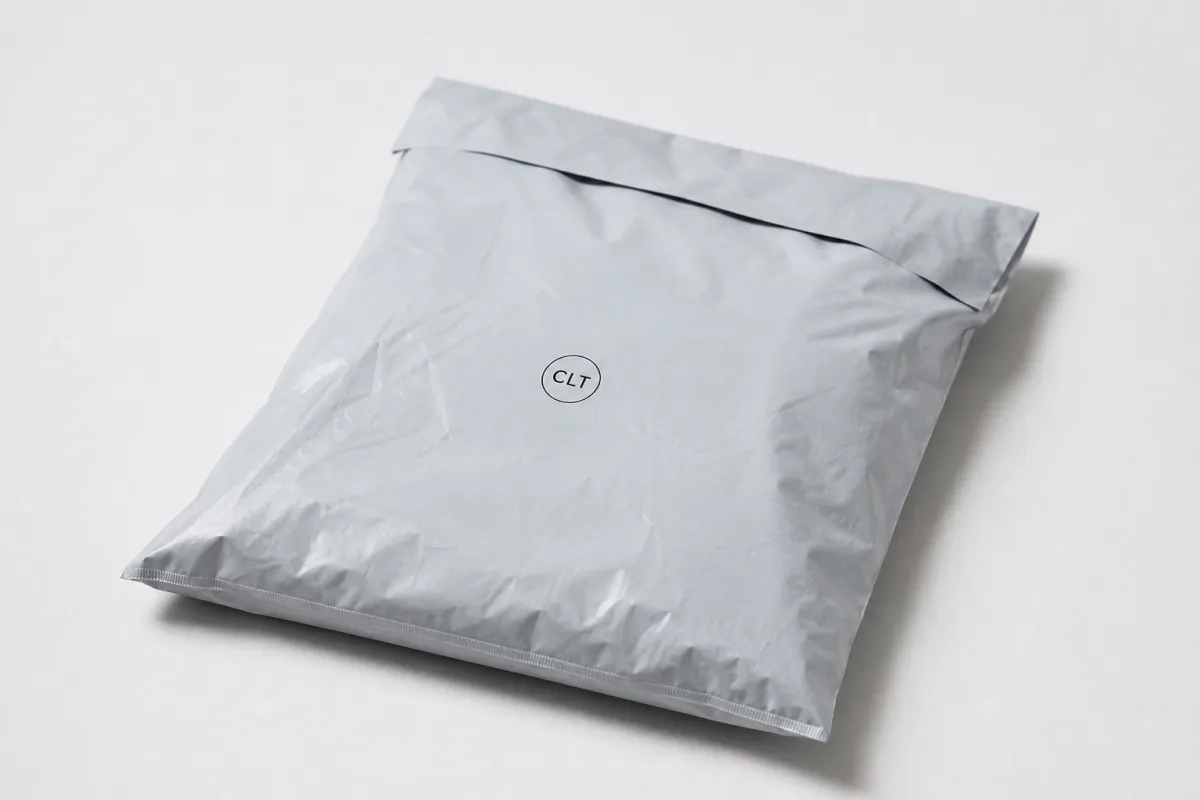
Logo Printed Mailing Bags are usually the first physical brand touchpoint after checkout, and that matters more than people sometimes admit. The parcel may pass through a mailroom, a sorting hub, a van, and a porch before anyone opens it, but the outer bag is the piece that signals intent. A logo on the bag tells the buyer the shipment was prepared on purpose, even if the item inside is simple.
Three jobs get handled at once by logo printed mailing bags: they carry the product, they protect it from handling, and they reinforce brand recall every time the parcel moves through the shipping chain. A customer may not remember the exact shade of a mailer, but they will remember whether the order felt plain or considered. For repeat buyers, that consistency matters. A branded mailer says the same thing on the second order as it did on the first, which is one reason many brands move away from blank film once volume starts to grow.
Product type matters too. A lightweight hoodie, a pair of socks, a cosmetic pouch, or a small accessory often ships more efficiently in logo printed mailing bags than in a box that adds weight, cubic volume, and extra void fill. That does not mean every item belongs in a mailer. Sharp edges, fragile items, and heavily compression-sensitive products need a different structure. Still, for soft goods and many non-fragile products, the mailer is the practical answer because it gives you a clean outer layer without forcing the shipment into a more expensive format.
Print placement and color choice change the effect immediately. A centered logo on a matte black bag feels very different from a tiny mark tucked into one corner of a glossy white mailer. Large, clear graphics are easier to read from a distance, while subtle marks can work if your brand is aiming for a quieter look. The finish matters too. Gloss tends to catch light and make bright colors pop, while matte can feel a little more premium and hides scuffing better during transit. I have seen bags look gorgeous in a proof and then get handled like they owe somebody money; if the logo is too delicate, it is gonna lose the fight with shipping wear.
That is why logo printed mailing bags are popular with brands that care about both cost control and presentation. They do not try to solve every packaging problem. Instead, they handle the shipping job first and then add enough visual identity to make the package feel deliberate. For a fuller view of material behavior and transit stress, the ISTA transit testing standards are a useful reference point because they show how packages are stressed in real distribution paths, not just in a tidy sample room.
A good mailer is one of the most underrated brand assets in e-commerce. A customer may never talk about the bag directly, but they do notice whether the order arrived clean, sealed, and recognizably yours. That is the kind of detail logo printed mailing bags handle well when the size, print, and film are chosen with care.
How Logo Printed Mailing Bags Are Made
Most logo printed mailing bags start with polyethylene film, often LDPE or a co-extruded PE structure, because it gives a useful mix of flexibility, puncture resistance, and sealability. Typical thickness ranges often fall between 2.5 mil and 4 mil for standard e-commerce use, although heavier applications may move higher depending on weight, abrasion, and the amount of abuse the parcel is likely to see. Multi-layer film can improve opacity and toughness, especially when the inner and outer layers are tuned for different properties.
The print method depends heavily on quantity and artwork complexity. Flexographic printing is common for volume runs because setup costs are spread across more pieces, and it handles repeat orders efficiently once the plate set is ready. Gravure printing is also used for larger programs, especially when the design needs very consistent, high-coverage color. For smaller quantities or fast-turn projects, digital options can make sense, although they are not always the best value if the run size is high. Logo printed mailing bags are one of those products where the print method has to match the volume, or the cost can move in the wrong direction very quickly.
Artwork setup is not just a file upload. The printer needs an approved layout, correct dimensions, safe margins, and color information that can actually be reproduced on film. Flexible bags behave differently from paper, so fine lines, tiny text, and low-contrast details can lose clarity once the film stretches, seals, or scuffs. Good production teams usually review registration marks, bleed, and ink density before anything runs in full. If your logo depends on exact color, ask for a controlled proof and be realistic about what can be matched on a given substrate.
Closure options also matter. A self-seal adhesive strip is the most common choice because it keeps packing fast and consistent, while tamper-evident designs can add a visible cue that the parcel was not opened in transit. Some mailers use a peel-and-seal strip with a pressure-sensitive adhesive, and others include a second strip for returns or reuse. For packed orders moving through busy fulfillment lines, that closure needs to feel predictable, not fussy. A closure that is hard to peel or easy to misalign slows the line and frustrates the packer.
Quality control is where the difference between a decent order and a troublesome one becomes obvious. On logo printed mailing bags, that means checking print registration, seal integrity, scuff resistance, and film consistency before the full run is accepted. A well-run sample review should catch odd color shifts, distorted logos, weak seals, or bag dimensions that do not match the specification. If you are validating a package for rough handling, a transit program aligned with ISTA methods can help separate design assumptions from the way the bag actually performs once it leaves the building.
From a production standpoint, the strongest logo printed mailing bags are the ones that are simple to run, easy to seal, and forgiving under normal shipping stress. That is not glamorous, but it is exactly what keeps a shipping line moving.
Logo Printed Mailing Bags Cost, Pricing, and MOQ Basics
Pricing for logo printed mailing bags is driven by a few practical variables, and the biggest one is usually the combination of size, thickness, and print coverage. A larger mailer uses more resin, more ink, and often a wider print area, so the unit cost rises even before artwork is considered. Add in the number of print colors, whether the design is one-sided or wraps both sides, and whether the bag needs a specialty finish, and the numbers can move noticeably.
MOQ, or minimum order quantity, is the next piece buyers need to understand. In custom packaging, lower quantities usually carry a higher unit cost because setup work is spread over fewer pieces. Once a run gets larger, those setup charges dilute across the order and the per-unit price usually improves. That is why logo printed mailing bags often make the most financial sense once you have a stable volume forecast, a reasonable reorder rhythm, and artwork that will not need constant changes.
Here is a simple way to think about the common options. These are indicative ranges only, and the final quote will depend on film spec, bag dimensions, print method, and freight:
| Option | Typical MOQ | Indicative Unit Price | Best For | Notes |
|---|---|---|---|---|
| Plain stock poly mailer with label | Low | $0.05-$0.14 | Very small runs, short-term promotions | Fast to source, but branding is limited and labels add labor |
| Logo printed mailing bags, one-color print | 3,000-5,000 pcs | $0.12-$0.22 | Stable e-commerce volumes | Good balance of cost, presentation, and packing speed |
| Logo printed mailing bags, multi-color or full-coverage print | 5,000-10,000 pcs | $0.18-$0.32 | Brand-heavy shipping programs | Higher setup and print complexity, but stronger shelf and doorstep impact |
| Specialty mailer with thicker film or recycled content blend | 5,000 pcs and up | $0.20-$0.40+ | Heavier, more premium, or sustainability-led programs | Material claims should be checked carefully before use in marketing |
A proper quote for logo printed mailing bags should spell out more than unit price. Look for tooling, plate or cylinder charges, proofing, sample fees, freight terms, packaging format, and any rush cost if the lead time is compressed. A quote that hides those pieces can look attractive on paper and still land above budget once everything is added. That is why buyers should compare total landed cost, not just the sticker price of the bag itself.
If you are comparing branded film against blank stock plus stickers or labels, calculate the labor as well as the material. A plain bag can appear cheaper, but if your team spends extra seconds applying a label or sticker to every parcel, the real cost per shipped order can creep up fast. For some brands, logo printed mailing bags remove enough handling to justify the setup expense. For others, especially those with variable SKUs or very low volume, a simple stock mailer may still be the better fit. If you want to explore a packaging family that keeps the comparison grounded, printed poly mailers are a useful benchmark for understanding how cost scales with size and print coverage.
One practical rule helps a lot: do not buy logo printed mailing bags only because the per-unit price looks low. Buy them because the total package cost, packing time, brand effect, and reorder rhythm all make sense together. That is usually the point where the economics feel steady instead of accidental.
Key Factors for Choosing the Right Logo Printed Mailing Bags
The right size starts with the packed product, not the product by itself. Folded apparel, inserts, headers, tissue, and any protective sleeve all change the true packed dimension, and a bag that looks close on a spec sheet can feel too tight on the line. If the fit is tight, the seal may struggle and the finished parcel can look stressed. If it is too loose, the product can shift and the outer bag can wrinkle in transit. Logo printed mailing bags work best when the product slides in cleanly, closes without strain, and leaves enough room for a neat pack finish.
Weight and product shape matter just as much. Soft goods usually tolerate lighter film well, but denser items, sharp corners, or hard accessories can create abrasion points that call for heavier gauge film or a different outer package entirely. If the product can press against the inside wall of the bag during handling, think about puncture resistance and not just appearance. For that reason, many brands keep a 3 mil to 4 mil range as a practical starting point for logo printed mailing bags, then adjust upward if the item has edges, hardware, or a higher risk of tearing.
Shipping conditions should guide the choice too. Moisture exposure, rough handling, and privacy concerns all affect the build. A darker, more opaque mailer can hide product contents better, which is useful for beauty, wellness, and apparel categories where the buyer does not want the item visible in transit. Tamper-evident sealing can help if the shipment passes through multiple hands. If your parcels travel through hubs that see weather swings or crowded sortation, choose a film and adhesive that behave consistently under those conditions rather than assuming a standard bag will do everything.
Design visibility is where a lot of brands either win or overcomplicate the order. Bold logos, clean lettering, and strong contrast are easier to reproduce on flexible film than delicate type or highly detailed line art. Keep critical text away from the seal area, fold lines, and edge trim. A logo that sits beautifully in the artwork file can disappear once the bag is folded, handled, or stacked. For logo printed mailing bags, a simple layout with enough breathing room usually reads better than a crowded design with too many points of focus.
On the sustainability side, buyers should be careful with claims. Some mailers use recycled content, and some are built with downgauged film that reduces material use without hurting performance, but those facts need to be verified before they are turned into marketing language. Recyclability also depends on local collection systems and film acceptance rules. A printed poly mailer is not automatically unrecyclable, but mixed materials, special laminations, or unsupported claim language can create problems. If sustainability is part of the brief, ask for exact material information and keep your claims aligned with what the supply chain can actually support.
Operational fit matters just as much as the product spec. Can the packer load it quickly? Is there enough space for a barcode or ship label? Do you need one mailer that works across several product lines, or do you have different formats for different items? These details sound small, yet they shape throughput every day. A mailer that packs smoothly is often better than a more expensive bag that looks nicer but slows the line.
Good ordering starts with good fit. That means product size, film strength, print area, and seal behavior all need to be checked together, not one at a time.
Process and Timeline for Ordering Logo Printed Mailing Bags
The ordering flow for logo printed mailing bags usually begins with a short brief that covers product size, weight, quantity, target ship date, and how the bags will be used. From there, the supplier can suggest a construction, film thickness, closure style, and print setup that fits the job. The clearer the brief, the less back-and-forth you will need later. That matters because most delays are not caused by the press itself; they are caused by missing details, artwork corrections, or late proof changes.
After the brief, artwork is submitted and checked for technical fit. This stage covers bleed, safe zones, line weight, logo placement, and color expectations. If the design includes a lot of fine text or a brand color that needs careful matching, expect at least one proof cycle. A digital proof is useful for layout, but a physical sample is better if the project is high visibility or the film is unusual. Logo printed mailing bags tend to reward buyers who approve the proof with a sharp eye and a realistic understanding of flexible-film printing.
Then comes tooling, plate, or cylinder preparation if the print method requires it. That is a normal part of the job and one reason custom orders do not move like stock purchases. For straightforward runs, production can often start once the proof is approved and the tools are ready. For more complex jobs, the first article or pilot run may be inspected before the balance of the order is released. That extra step is not wasted time; it protects you from producing thousands of units that are off color, off size, or off registration.
Typical turnaround depends on order complexity, but many straightforward logo printed mailing bags orders land in the 12-15 business day range after final proof approval, with larger or more detailed projects stretching closer to 15-25 business days. Shipping time is separate and can add several days or more depending on the route. If the bags are needed for a launch, a promotion, or a subscription drop, it is smarter to build a buffer than to rely on a perfect schedule. Revisions, freight congestion, and receiving checks can all add friction at the worst possible moment.
Here is a simple workflow that helps buyers keep control of the timeline:
- Confirm product size, weight, and target bag dimensions.
- Approve artwork placement and request a digital proof.
- Review color expectations and request a sample if needed.
- Lock the order quantity and packaging format.
- Schedule production, freight, and receiving time before launch.
A practical quote should also mention where the order sits in your reorder cycle. If usage is predictable, it may make sense to split the job into a production run and a planned reorder point so you do not rush the next batch. That is one reason many brands build a standing spec for logo printed mailing bags and then reorder from the same approved file instead of redesigning every time. The packaging stays consistent, the shipping line stays familiar, and procurement stays calmer.
A good mailer should fit the product, seal cleanly, and keep the brand mark readable after handling. If one of those three slips, the package starts costing you in time or perception.
For brands that want to build consistency into fulfillment, keeping a stable spec and a predictable reorder rhythm is usually more useful than chasing the lowest quote on every cycle. A reliable supply of logo printed mailing bags is a small operational advantage that adds up over the season.
Common Mistakes When Ordering Logo Printed Mailing Bags
The first mistake is sizing too tightly. Buyers often measure the product once, pick the nearest bag size, and then discover that the folded garment, insert card, or protective sleeve makes the finished pack thicker than expected. A mailer that looks fine in a spec sheet can become a frustrating fit once real packing conditions are involved. With logo printed mailing bags, a little extra room is usually better than a force-fit package that stresses the seal or looks overstuffed.
The second mistake is overcomplicated artwork. Thin lines, tiny disclaimers, and low-contrast logos may look elegant on a screen, but flexible film is not rigid label stock. Printing on film can soften detail, especially if the design is spread across a dark background or uses multiple fine colors. If readability matters, keep the logo bold, the text limited, and the contrast strong. That is one reason many of the best-performing logo printed mailing bags look simple rather than crowded.
The third mistake is focusing too heavily on the image and not enough on the closure and film performance. A bag can look polished in a mockup and still fail in the field if the seal strip does not hold, the film scuffs easily, or the gauge is too light for the product being shipped. Buyers sometimes discover this only after a few hundred units have been packed. At that point, rework costs and customer complaints are a much bigger issue than the difference between a plain and a branded bag.
Skipping sample review is another avoidable error. Even a strong proof cannot fully show how logo printed mailing bags will behave once folded, handled, stacked, and shipped. A packed sample reveals things that a flat artwork file does not, such as logo placement relative to folds, how the print reads after sealing, and whether the bag feels too slick or too thin. If the supplier can provide a sample with the actual product inside, that is even better because it shows the true pack profile.
Finally, a lot of buyers compare unit price and stop there. That is a narrow way to judge packaging. A slightly better bag can reduce damage, improve pack speed, and cut down on rework, while a cheaper bag can quietly create more labor and more waste. For logo printed mailing bags, the cheapest quote is not always the best buy. The right one is the one that keeps the order moving, the product protected, and the brand presentation consistent.
Expert Tips and Next Steps for Better Ordering Decisions
The easiest way to move from research to action is to build a short decision checklist before you ask for quotes. Start with product size, product weight, print area, seal style, required quantity, and the target ship date. That gives the supplier enough information to recommend a real build instead of a guess. It also makes comparisons cleaner because every quote is responding to the same brief.
Requesting two or three quote options helps a lot. A value build, a premium build, and an eco-focused build can show the tradeoffs immediately. Maybe the value option uses a lighter film and one-color print, while the premium version adds thickness and richer coverage. Maybe the eco-focused version uses recycled content or downgauged film where suitable. With logo printed mailing bags, having side-by-side options makes the decision less emotional and more practical.
Ask for a digital proof, a material sample, and, if possible, a packed sample with the actual product inside before you approve the run. That last step is especially useful for apparel, cosmetics, and accessories because those items often change shape once they are folded, wrapped, or inserted with extras. If your bag has to work across multiple packing lanes, test it in the lane that is least forgiving. A mailer that passes the easy lane but fails the fast one is not really ready.
Reorder planning is another area where buyers gain quiet control. Once you know your weekly or monthly usage, set a reorder point that gives you enough buffer for production and freight. That keeps you out of emergency reprint territory and prevents branding from drifting because someone had to buy a stopgap stock bag. If you want to keep the packaging family stable, Custom Poly Mailers are easiest to manage when the specification is documented once and reused consistently.
If you are still deciding, a good next step is simple: gather your product dimensions, a rough annual quantity, and a sample of the item as it will ship. With that in hand, a supplier can usually narrow the options fast and tell you whether logo printed mailing bags are the right structure, or whether you need a heavier film, a different closure, or a different outer format entirely. That kind of prep saves time and keeps the conversation grounded in the actual shipment instead of a guess.
What size should I choose for logo printed mailing bags?
Measure the packed product, not just the item itself, because folds, inserts, headers, and protective sleeves change the finished size. Leave enough extra room for a clean slide-in fit without so much slack that the contents shift around in transit. The best logo printed mailing bags are the ones that match the way your pack line actually works, so the bag closes consistently and the shipment still looks tidy at the doorstep.
Are logo printed mailing bags more expensive than plain poly mailers?
Usually yes on a per-unit basis, because printing adds setup, artwork handling, and production steps. The gap often narrows on larger runs because those setup costs are spread across more bags. For many brands, logo printed mailing bags also reduce the need for separate labels or stickers, so the total cost difference is often smaller than it looks at first glance.
How long does it take to produce logo printed mailing bags?
Timing depends on artwork readiness, print method, order size, and whether tooling or plates are needed. Proof approval is often the biggest variable, so quick feedback can shorten the schedule noticeably. For straightforward logo printed mailing bags, production often lands in the 12-15 business day range after approval, but larger or more complex jobs can take longer, and freight time still needs to be added.
Can logo printed mailing bags be recycled?
Many poly mailers can be recycled where local film recycling programs accept them, but rules vary by location. Printed graphics do not automatically make a bag unrecyclable, though mixed materials, special coatings, or unsupported claims can change disposal options. Always verify the exact film and local collection guidance before making environmental claims, especially if sustainability messaging is part of your packaging program.
What artwork works best on logo printed mailing bags?
Bold logos, clean lettering, and strong contrast usually print and read best on flexible film. Large open areas can make the design feel more premium, while highly detailed art can blur or lose clarity after handling. Keep critical text away from seals, edges, and fold lines so the finished logo printed mailing bags stay readable from packing through delivery, and so the brand mark still looks sharp on the last mile.
Practical takeaway: before you place an order for logo printed mailing bags, lock three things first: the packed product size, the print-safe artwork layout, and the reorder quantity that matches your real shipping rhythm. If those three line up, the bag is much easier to price, easier to approve, and far less likely to create surprises once it reaches the packing table.