If you are comparing trims for a new line, a Logo Patches Material guide for apparel retailers cuts through a lot of noise because the same artwork can look polished on one substrate and flat on another. Two patches with the same logo can behave very differently once they land on denim, fleece, knits, or caps, and that difference comes down to material, backing, thickness, edge finish, and stitch or print resolution.
From a merchandising standpoint, patches are not just decoration. They shape the first impression on the rack, the feel in the hand, the way a garment survives washing, and even how premium the item reads at a glance. The fanciest option is not always the strongest choice. The right one is usually the patch that fits the garment, the target price, and the wear cycle without creating avoidable complaints.
Retail buyers often learn this the hard way. A patch that looks expensive in a flat sample can feel stiff on a tee, warp on a curved cap, or lose its edges after a few laundry cycles. The material choice is doing more work than most teams expect.
Why Patch Material Changes the Whole Retail Experience
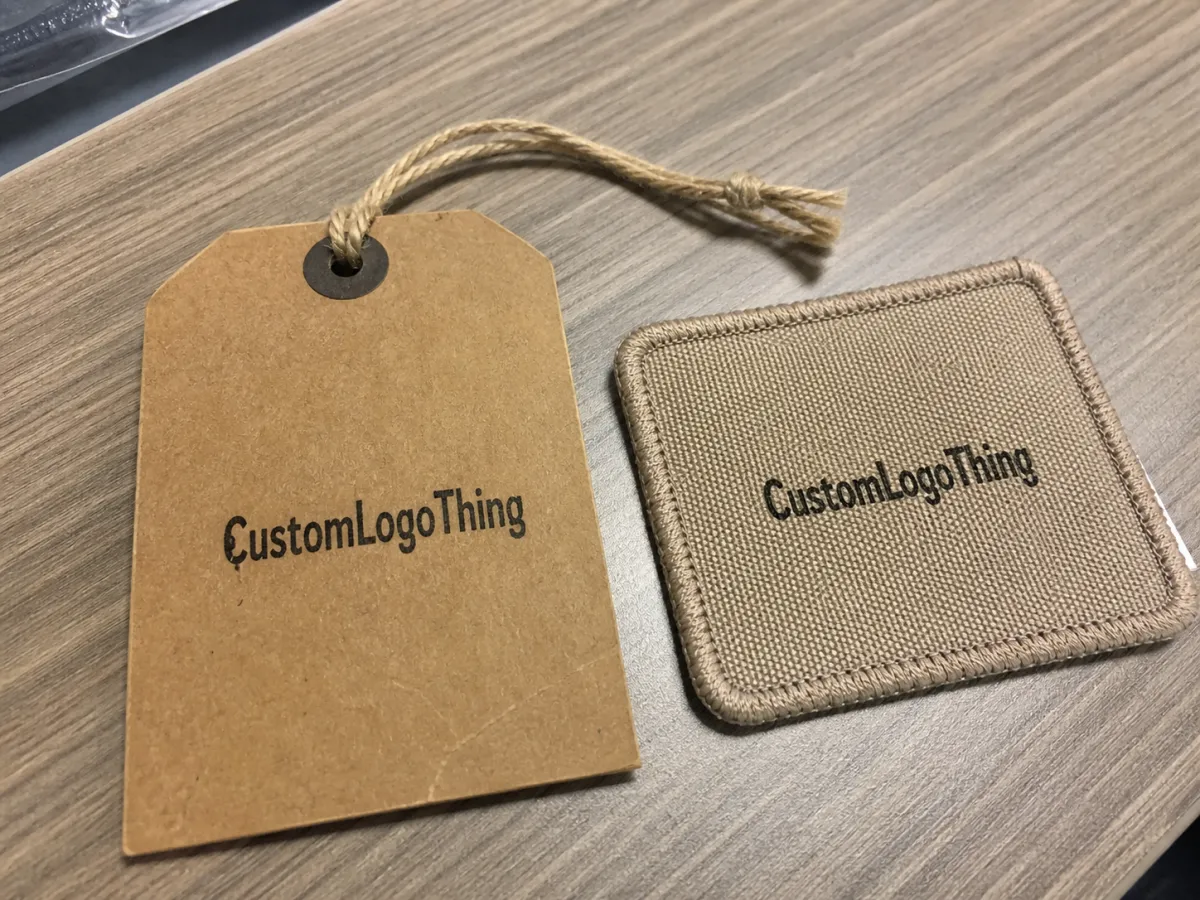
Buyers usually focus on logo shape first, but patch material quietly controls the rest. Woven patches can carry fine lettering cleanly, embroidered patches deliver texture and a heritage feel, PVC and silicone create a molded weather-resistant look, leather reads more elevated, felt and chenille lean collegiate, and sublimated fabric handles gradients or photo-like color shifts better than thread-based methods.
The best material depends on the story the garment is trying to tell. A heavyweight denim overshirt can take a structured embroidered badge with a raised edge, while a soft fleece hoodie may need a lighter woven or printed patch so it does not feel like a plate on the chest. Caps usually benefit from compact constructions with clean borders, because the curved crown and the abrasion around the brim expose weak edge finishing quickly.
In practice, the wrong choice can cause three problems at once: the patch looks cheap on the shelf, it wears poorly after a few washes, and the customer notices stiffness or scratchiness where the patch sits against the body. That is why a solid Logo Patches Material guide for apparel retailers is part design brief and part sourcing tool.
For merchandising teams, the real question is not “Which patch looks best in a mockup?” It is “Which patch still looks aligned with the brand after shipping, hanging, fitting-room handling, and repeated use?” That is where material selection earns its keep.
Patch presentation and shipping protection matter too. If patches are packed loosely, edges can bend or scuff against each other in transit. For bulk cartons, simple separators made from kraft paper or recycled materials can reduce abrasion. When packaging claims matter, buyers are asking harder questions about recycled content, FSC certification, and whether packaging language matches the actual supply chain. A patch order may be small, but the same discipline used for corrugated cardboard packaging and biodegradable packaging programs applies here.
How Logo Patches Are Built and Applied
A patch sounds simple until you break it into layers. Most are built from four basic parts: the face material, the decoration layer, the backing, and the edge finish. The face may be thread, print, molded PVC, leather, felt, or a fabric base. The decoration layer carries the logo details. The backing determines how the patch attaches to the garment. The edge finish keeps the shape from fraying, lifting, or peeling.
Each layer affects performance. A dense embroidered patch can be thicker and stiffer than a woven one of the same footprint. A molded silicone patch can flex, but it still has noticeable weight in the hand. A leather patch can look premium, yet if it is too thick or too large, it can pull on lightweight knits and create drag in the drape. Buyers should ask for the construction spec, not just a visual sample.
Common attachment methods
- Sew-on - best for permanent placement, heavy outerwear, denim, and styles that will be washed often.
- Iron-on or heat-seal - useful for simpler garments and cost-sensitive programs, though adhesion depends heavily on fabric finish.
- Adhesive backing - often used for temporary placement, sample development, or special promotional runs.
- Hook-and-loop - ideal when patches need to be swapped, such as tactical, utility, or limited-edition applications.
- Combination backings - common when brands want both heat-application efficiency and sewn security.
Garment fabric influences attachment choice more than many teams expect. Stretch fabrics can distort under a stiff patch, coated fabrics may resist heat adhesion, and delicate knits can show puckering if the patch is too heavy or the sewing pattern is too tight. Outerwear tolerates more structure, but the shell still needs to be checked for coating, waterproof treatment, or laminated layers before a heat-applied backing gets approved.
Comfort matters too. If a patch lands on the chest of a tee or inside a waistband area, stiffness can become a genuine complaint. Retail apparel sits closer to the body than many promotional items, so the patch has to look good and feel acceptable after real wear, not just during a five-second shelf inspection.
Before bulk approval, a simple test plan saves money. Place the patch on the actual garment, wash it once or twice, rub it under light abrasion, and check the edges after the fabric has relaxed. If the item has performance claims, reference recognized testing methods rather than loose marketing language. For shipping and handling reference points, ISTA is useful. For environmental or material claims, documented standards matter more than vague wording, and the EPA offers a useful public reference base.
Material Options and What Each One Is Best For
When buyers compare patch types, the decision usually comes down to how much detail the logo needs, how the garment will be worn, and how the brand wants to be perceived. A Logo Patches Material guide for apparel retailers should narrow the field, not create more of it, so the practical version looks like this.
| Patch material | Best for | Typical strengths | Watch-outs |
|---|---|---|---|
| Woven | Small text, detailed logos, caps, fashion basics | Sharp detail, thin profile, clean edge control | Less texture than embroidery; very tiny details still have limits |
| Embroidered | Denim, outerwear, casual retail, heritage looks | Classic texture, premium feel, strong brand presence | Can get bulky; small lettering may fill in |
| PVC / silicone | Activewear, outerwear, weather-exposed items | Water resistance, molded depth, modern appearance | Tooling and setup can raise cost; some customers dislike the tactile feel |
| Leather / faux leather | Premium lifestyle, denim, accessories, heritage collections | Elevated look, strong shelf presence, good aging on some styles | Fine detail is limited; finishing quality matters a lot |
| Felt / chenille | Varsity, youth, casual, collegiate styling | Soft texture, strong fashion signal, nostalgic appeal | Not ideal for tiny text or heavy wash programs unless engineered carefully |
| Sublimated fabric | Color-heavy art, gradients, pictorial logos | Full-color reproduction, smooth surface, low profile | Can read flatter than woven or embroidered; print quality must be tight |
Woven patches are often the best answer when the logo has fine line work, small typography, or detailed icons. The tighter weave gives a cleaner render than standard embroidery, and because the surface is flatter, the patch often sits more neatly on caps and lightweight garments. If you need sharp detail without much bulk, woven is usually where buyers start.
Embroidered patches remain a classic retail choice for a reason. They have texture, depth, and a hand-made feel that shoppers still associate with quality. They work especially well on denim jackets, overshirts, outerwear, and heritage-inspired collections. If the logo uses thick strokes and broad shapes, embroidery can look strong. If the logo includes small serif text or narrow symbols, it can become muddy.
PVC and silicone patches have a more modern appearance and usually handle moisture better than thread-based options. They are a strong fit for activewear, weatherproof outerwear, and products with an athletic or utility look. The catch is artwork simplification. Too many tiny compartments or thin ridges can disappear once the mold is made.
Leather and faux leather are one of the fastest ways to create a premium or heritage read, especially on denim, canvas, or heavy fleece. They can age nicely, but they are not the right answer for every logo. If the brand mark depends on micro-detail, a leather patch can flatten it. If the logo is bold and simple, the effect can be excellent.
Felt and chenille bring a soft, varsity feel that works well for youth fashion, college-inspired lines, and relaxed basics. Chenille in particular has visual bounce, but it is more vulnerable to snagging, so it works better on styles that will not see hard abrasion. Sublimated fabric patches are the safest option for color-rich artwork, gradients, and photographic effects, especially when the goal is visual fidelity rather than texture.
A useful rule of thumb: choose the material that supports the logo’s line weight and the garment’s end use, not just the mockup on screen. If the artwork has hairline strokes, avoid materials that soften or fill in. If the garment is washed often, avoid constructions that cannot handle laundering or heat.
For retailers with sustainability targets, there is also the packaging and presentation angle. If patches are shipped in retail-ready kits or prepacked by assortment, ask about recycled materials, lower-waste wrap options, and whether any outer labels or packaging components are FSC certified. If the brand is making claims about eco-responsibility, the paperwork has to match the product story.
Key Factors That Affect Durability, Hand Feel, and Merchandising Appeal
Durability is not just about how long the patch stays attached. It also includes how the surface holds up to abrasion, how colors behave under light, how edges age, and whether the patch still looks intentional after a few months on the sales floor. A strong-looking patch on day one can become a liability if it pills, cracks, curls, or fades unevenly.
Wash durability is the first checkpoint. Thread-based patches can usually take more laundering if the stitch density and backing are correct, while heat-applied units depend on the garment fabric, dwell time, and pressure during application. PVC and silicone generally do well against water, but the adhesive system or sew line still has to be right. For UV exposure, outdoor and warm-weather categories can show color change faster than buyers expect, especially on darker dyes and printed faces.
Hand feel matters more than many brands admit. A stiff patch on the upper chest of a fitted tee can create a scratch point. A thick badge at the neckline can feel intrusive. A large back patch can alter drape. In store, shoppers may not describe the problem as stiffness; they may simply decide the garment “hangs wrong” or “doesn’t feel premium.” That is why the tactile side of a logo patches material guide for apparel retailers matters as much as the visual side.
Branding goals should guide the choice as well. If the collection is meant to feel premium, leather, embroidery, or a finely woven badge may fit. If the story is rugged workwear, a heavier woven or embroidery patch can support that. For sporty or technical lines, molded PVC, silicone, or a sleek sublimated fabric patch may feel more aligned. For fashion-forward capsules, the better answer may be a softer, lower-profile badge that does not fight the silhouette.
Retail operations also need consistency. A patch that varies in shade between batches can create headaches during reorder season. So can a size that drifts by a few millimeters, because that becomes visible when the patch is placed on a repeat garment across multiple SKUs. Ask the supplier how color matching is handled, what tolerance is held on dimensions, and whether edge trimming is controlled to a defined spec.
Sustainability deserves a practical conversation, not a vague one. Some patch programs can incorporate recycled yarns or lower-waste constructions, and some packaging systems around the patches can use kraft paper, recycled materials, or biodegradable packaging components for internal distribution. That said, sustainability claims need to be truthful and supportable. If the brand is talking about post-consumer waste content or FSC certified packaging materials, document the claim and confirm which part of the supply chain it applies to. Decorative trims do not get a free pass just because they are small.
For readers who verify standards directly, the FSC site is a useful reference for certified paper and packaging claims, especially if trim orders include printed inserts, header cards, or shipping components.
Logo Patches Material Guide for Apparel Retailers: Cost, Pricing, and MOQ
Pricing starts with material, but it does not end there. For any logo patches material guide for apparel retailers, the main cost drivers are size, stitch count or print complexity, edge finish, backing type, color count, and total order volume. A small woven patch with simple art may be inexpensive, while a larger multi-layer molded patch with special backing and multiple colors can climb quickly.
Lower minimum order quantities usually carry higher per-unit pricing because the setup cost has fewer units to spread across. Larger runs can improve the unit rate, but that can raise inventory risk if the style is seasonal or uncertain. Retail buyers should think beyond the quote sheet and ask how the patch fits the sell-through plan. Ten thousand units at a good price is still a poor buy if the style only needs two thousand.
The price hierarchy often looks like this: woven and embroidered are usually mid-range, leather and faux leather can move upward depending on finishing, and PVC or silicone may cost more if tooling is involved or if the design uses multiple color layers. Sublimated fabric can be cost-effective for detailed artwork, but finishing and backing still matter. None of these categories is automatically cheap or expensive; the final number depends on the spec.
A practical pricing framework helps buyers avoid getting pulled into vague quotes:
- Set a target budget per unit for the patch.
- Confirm the acceptable MOQ for the assortment.
- Decide the maximum acceptable lead time.
- Choose the garment category and placement.
- Ask for two material options, not ten.
Hidden costs deserve attention too. Sampling charges, setup fees, special packaging, artwork cleanup, rush production, and extra revisions can all affect landed cost. Some suppliers include one strike-off in the project; others bill it separately. Clarify whether freight is included, whether a reorder can reuse tooling, and whether future color changes trigger fresh setup.
A useful quote request should include patch size, finish, backing, artwork file type, garment type, placement, target quantity, and expected wash performance. If all of that is clear, the price you get back will be more useful than a generic “send us your logo” request.
For tighter programs, also ask for a landed-cost view that includes sampling and freight. A patch that looks inexpensive ex-factory can stop being cheap once it is shipped in small cartons, reworked after a sample revision, or split across multiple colorways. Those additions are not unusual; they just need to be visible early.
Process, Timeline, and Production Steps from Artwork to Approval
Most patch projects follow a predictable path: artwork review, material recommendation, digital mockup, sample or strike-off, approval, bulk production, finishing, and final inspection. When the inputs are clear, the process moves steadily. When they are not, the project can stall at the sample stage while people debate details that should have been locked before quoting.
Simple woven or embroidered patches usually move faster because the construction is familiar and the tooling is straightforward. Molded PVC, silicone, or multi-layer constructions usually take longer because artwork needs to be simplified and the physical build has more variables. A realistic timeline for standard projects is often 12 to 15 business days after proof approval, while more complex versions can take longer depending on revisions and production queue.
What slows things down? Artwork revisions, missing PMS references, unclear placement, changing the patch size after sampling, or deciding late that the backing should switch from sew-on to heat-seal. Every one of those changes can ripple through the schedule. If the patch is tied to a seasonal launch window, that ripple becomes expensive fast.
Retailers can shorten turnaround by providing vector art, exact dimensions, preferred attachment method, garment type, and wash expectations up front. If the item is a knit polo, say so. If the patch sits on a waterproof shell, say that too. If the buyer already knows the patch will be sewn rather than heat-applied, that should be in the first email, not after the mockup.
Plan for testing and buffer time before the line is locked. That means getting the sample onto the actual garment, checking how it feels in motion, and looking at it after laundering or simulated wear. A patch can look perfect on a flat sample card and still fail once curved, stretched, or applied to a textured fabric. Good sourcing teams leave time for that reality.
“A patch is never just a patch. It is part of the garment’s identity, part of the customer’s tactile impression, and part of the retailer’s margin story. Ignore any one of those, and you usually pay for it later.”
Common Specification Mistakes Retail Buyers Should Avoid
The first mistake is choosing a patch from a photo alone. A photo can hide stitch density, edge finish, thickness, or how the material behaves under heat and washing. The second common mistake is putting highly detailed art onto a substrate that cannot support it. Tiny text, thin outlines, and compact icons need the right construction or they will blur, fill in, or disappear.
Another issue is assuming every heat-applied backing will work on every fabric. That is not true. Some coated fabrics resist adhesion, some stretch knits react poorly to heat, and some placements need extra sewing reinforcement even if the patch has a thermal backing. If the patch sits in a high-stress zone, sew-on security is often the safer path.
Buyers also get into trouble by approving samples without testing them on the actual garment. The patch might look fine on a backing card, then curve badly on a cap or pucker on fleece. Inconsistent sizing across styles is another headache, especially if one SKU uses a 40 mm badge and the next uses a 42 mm version that sits visibly off-center on the same base garment.
Color control matters too. Approving a sample without confirming color standards can lead to batch variation, particularly if the logo relies on a specific brand red, charcoal, or off-white. And if the end customer is expected to wear the garment often, ignore wear patterns at your peril. A scratchy patch, a peeling edge, or a warped shape leads to complaints fast, even when the rest of the garment is excellent.
One of the biggest mistakes is treating the patch as a separate commodity rather than a garment component. It should be specified like a trim that has to survive the same wear, wash, and merchandising conditions as the apparel itself.
Expert Tips for Choosing the Right Patch Spec and Next Steps
Start with the garment category, then choose the patch material, then dial in backing and finish. That order works better than trying to reverse-engineer from a logo file. The garment tells you the wear conditions; the logo tells you the graphic limits; the business plan tells you how much risk you can tolerate.
When you are comparing two materials, ask for side-by-side samples. Touch, flexibility, edge quality, and body feel are much easier to judge in hand than on a screen. If the difference seems minor in a PDF but major in person, trust the sample. That is usually the right signal.
Retailers should also create a simple spec sheet that can be reused for reorders. Include size, placement, PMS colors, edge style, backing, finish, and wash expectations. If the garment program has multiple SKUs, note which styles share the same patch and which need a variant. That small amount of discipline saves time later and reduces avoidable mistakes.
For new collections or experimental materials, a pilot run is smart. A small order lets the team test feel, wash behavior, packaging fit, and consumer reaction before committing to a large seasonal buy. It also gives you a chance to check how the patch performs alongside the rest of the product, including hangtags, cartons, inserts, and any retail packaging components made from kraft paper or corrugated cardboard.
Here is the cleanest next-step sequence:
- Gather the final artwork in vector format.
- Identify the garment type and placement.
- Set budget, MOQ, and timing targets.
- Request two material samples.
- Test them on final apparel before approval.
If you keep that process tight, the logo patches material guide for apparel retailers becomes a working buying tool rather than a theory exercise. That is the real goal: choose a patch that looks right, feels right, holds up in use, and fits the economics of the line.
FAQs
What is the best logo patch material for apparel retailers who want a premium look?
Leather, faux leather, and finely woven patches often read as premium, but the best choice depends on the garment style and logo detail. If the design has tiny text or thin lines, woven usually preserves clarity better than leather or embroidery.
How do I choose between embroidered, woven, and PVC logo patches?
Choose embroidered for texture and classic retail appeal, woven for sharp detail, and PVC for weather resistance and a modern molded look. The right pick depends on the garment’s use case, wash frequency, and desired brand image.
What affects the cost of custom logo patches the most?
Material type, patch size, design complexity, backing choice, and order volume usually drive price the most. Rush timing, sampling, and special finishes can also increase unit cost.
How long does patch production usually take for apparel retail orders?
Simple constructions can move faster, while molded, multi-layer, or highly detailed patches usually take longer. Artwork approval speed and sample changes often have more impact on timing than the manufacturing itself.
Can one patch material work across all apparel categories?
Not usually, because denim, fleece, caps, activewear, and outerwear each place different demands on flexibility, durability, and comfort. Retailers usually get better results by matching material and backing to each garment type.