If you are comparing finishes for a Logo Patches Material guide for vitamin brands, the first thing to know is that the patch that looks best on a render is not always the one that survives real handling. A sample can look crisp on a clean table, then scuff in a shipping carton, curl on a curved sleeve, or lose adhesion after a few warm washes. That gap between approval and actual use is where most avoidable problems start.
For vitamin brands, logo patches are usually not the main package label. They show up on staff apparel, premium mailer kits, sample bags, event uniforms, and promotional items that support the supplement line. So the decision is not just visual. It is a mix of brand tone, wear performance, and the way the item will move through packing, shipping, and repeated use. A patch needs to feel consistent with the brand story, whether that story is clinical, natural, premium, or performance-driven.
Why vitamin brands pay attention to patch materials
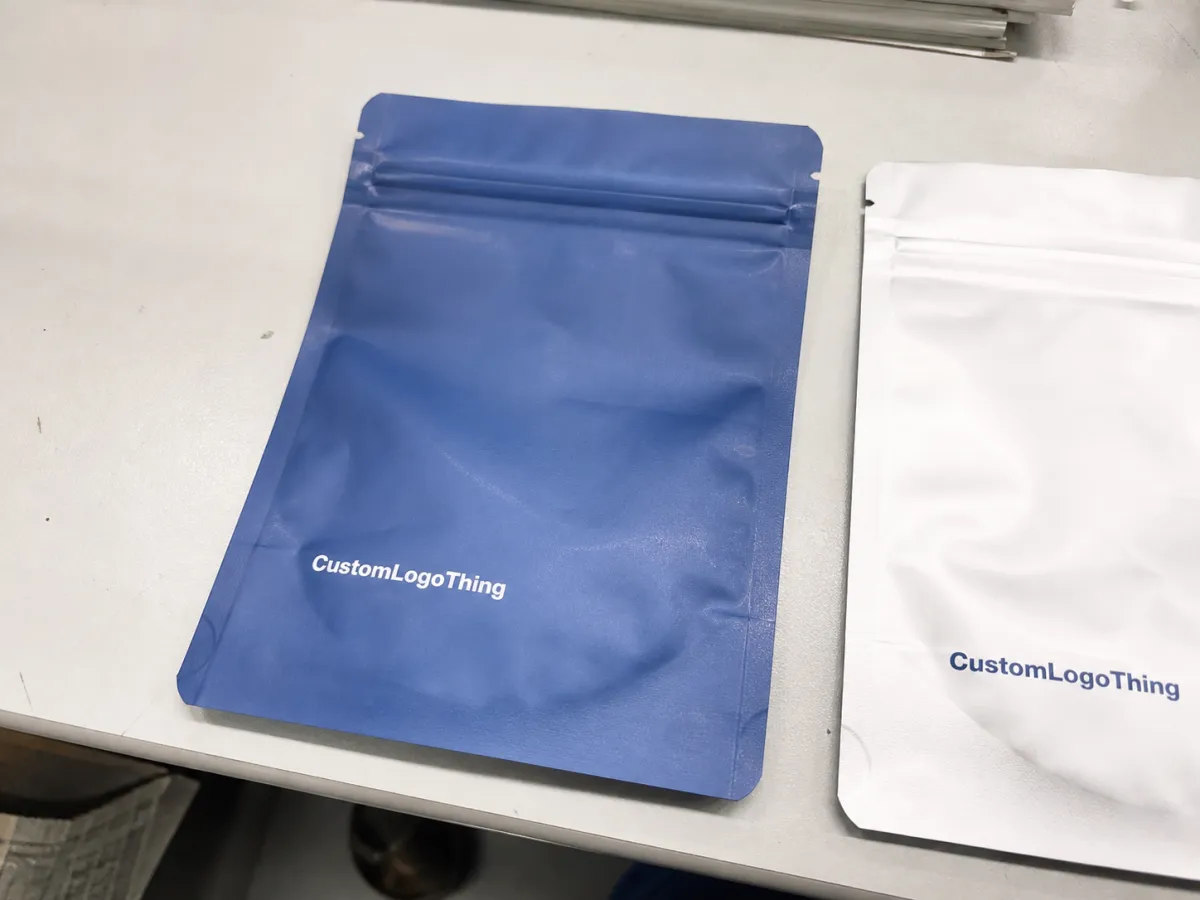
A patch can make a plain polo, tote bag, or hoodie feel intentional, but only if it holds up in real conditions. In practice, vitamin brands use patches on internal uniforms, onboarding kits, influencer mailers, conference apparel, and giveaway merchandise. That is a different job than decorating a fashion jacket. The patch has to stay readable, keep its color, and still look clean after handling, folding, shipping, and repeated wear.
The reason buyers care so much about material is simple: brand trust is fragile. A supplement brand is already asking consumers to believe in consistency, product quality, and care. If the patch looks flimsy, peels at the corner, or comes across as cheap, it can quietly weaken the premium signal the brand is trying to build. That matters even more for higher-end wellness lines that pair merchandise with rigid boxes, FSC-certified inserts, kraft paper mailers, or recycled shipping components.
There is also a practical angle. These items move through sample rooms, trade show trunks, mail bags, and staff lockers before they ever reach a consumer. So the material choice has to account for abrasion, moisture, and folding stress. A useful Logo Patches Material guide for vitamin brands should match the patch to the actual use case, not just to the mockup.
A patch does not need to be the hero of the package system. It just needs to survive the job it was asked to do while still looking like it belongs to the brand.
How patch materials perform on apparel and promo items
Most patch materials fall into a few familiar families, and each behaves differently once it is sewn, heat-applied, or used on a bag or garment. Embroidered patches have raised thread and a traditional feel, which gives them texture and a heritage look. Woven patches are flatter and can carry finer artwork, smaller text, and cleaner edges. Silicone and PVC-style patches are molded, durable, and easy to clean, while leather and faux leather bring a premium tactile finish that suits gift sets and upscale apparel. TPU sits somewhere between soft film and molded branding, depending on how it is built. Printed patches work when color artwork matters more than texture.
Backing changes the whole outcome. A sew-on patch is still the strongest and most dependable option for long-term wear. Iron-on and heat-seal backings are popular because they speed up application, but they depend heavily on fabric type, heat settings, and pressure. Hook-and-loop backing is useful for removable branding on uniforms or event apparel, while adhesive-backed patches are better suited to short-term applications or flat promo goods. Velcro-compatible backs are a niche but useful option for staff gear, tactical-style outerwear, or reusable event garments.
Edge construction matters more than people expect. Clean merrowed edges, laser-cut borders, and tight stitch density help keep a patch from fraying or looking fuzzy under bright lights. Raised surfaces show more texture but can blur very small detail. Flat woven construction does better with logos that have thin lines, small type, or icons that need sharp contrast. Washability and abrasion resistance matter a lot if the patch is going on jackets, caps, hoodies, tote bags, or staff polos that get repeated laundering.
- Woven: best for crisp detail and small type.
- Embroidered: best for texture and a classic feel.
- Silicone/PVC-style: best for durability and easy cleaning.
- Leather/faux leather: best for premium gifting and fashion-forward branding.
- Printed/TPU: best when art or color needs matter more than tactile depth.
For packaging-adjacent merchandise, it helps to think about how the patch will photograph. Under strong retail lighting or event LEDs, glossy surfaces can catch glare, while matte woven or leather-look finishes usually read calmer and more expensive. That matters if the item will appear in product photos, social media content, or press kits.
Some teams compare patch choices against the rest of the merchandising system, including labels, mailers, and insert strategy. The patch should feel like part of the same family rather than a disconnected add-on.
Key factors that affect material selection
Brand tone comes first. A clinical wellness brand usually wants smooth surfaces, restrained colors, and a cleaner edge profile. A natural supplement line may prefer softer textures, earth tones, or materials that echo kraft paper, recycled content, or a more handcrafted look. Sport-oriented supplement brands often lean toward bold molded patches, high-contrast outlines, and durable backings that feel active rather than decorative. Premium gifting lines usually benefit from tactile depth, leather-look surfaces, or finely woven detail that photographs well and feels intentional in the hand.
The environment matters just as much as the brand story. If the patch will live on indoor merch or one-time event apparel, a lighter construction may be acceptable. If it will be washed frequently, exposed to sunlight, brushed against bags, or handled by people wearing sanitizer and lotions, you need a material that resists abrasion and chemical wear. Silicone and woven constructions tend to handle repeated use well. Some leather looks can perform beautifully, but they need to be checked for cleaning compatibility and edge wear.
Detail limits are where bad decisions usually show up. Tiny text below roughly 5 to 6 points can become unreadable on embroidered work, and even woven patches have limits if the artwork is too busy. Gradients often simplify or vanish in molded materials. Thin outlines can break during production. If the logo has fine botanical lines, a small superscript, or a detailed icon, the material has to hold that complexity without turning the artwork into a blur.
Compliance and perception matter too, even if patches are not regulated the way labels are. For vitamin brands, the visual language should avoid anything that feels industrial, heavy, or too tactical unless that is the actual brand personality. Buyers often want a clean, trustworthy finish that aligns with supplements, wellness, and health-adjacent products. A patch does not have to be eco-heavy to look responsible, but materials that fit the sustainability story can make the whole presentation feel more coherent.
If the packaging system says calm, clean, and credible, the patch should not suddenly shout sportswear or machine shop.
One more practical note: the substrate matters. A patch that looks perfect on a denim jacket might behave differently on a thin performance tee or a textured tote. Always think about the fabric surface, seam placement, and the way the item will fold into corrugated cardboard shippers or gift mailers.
Logo patches material guide for vitamin brands: choosing the right fit
If you need the short version of a Logo Patches Material guide for vitamin brands, here it is: match the material to the function, not just to the mockup. Woven is the best choice when logo detail matters. Embroidered works when texture and tradition matter. Silicone or PVC-style patches are the practical choice when wash resistance and toughness matter. Leather and faux leather make sense when the goal is premium tactile appeal for special kits or VIP merchandise.
That framework covers most buying decisions, but the use case still has to drive the final call. Employee apparel usually needs durability first, so sew-on woven or embroidered patches are common. Influencer kits and retail-ready promotional items may need something that looks elevated on camera and in hand, which is where faux leather or finely detailed woven patches can work well. Outdoor event gear and repeated-use tote bags often do well with molded or silicone styles because they clean easily and resist scuffing.
| Patch material | Best use | Strengths | Trade-offs | Typical buyer fit |
|---|---|---|---|---|
| Woven | Small logos, detailed artwork | Crisp lines, flat finish, good for fine text | Less texture than embroidery | Uniforms, mailer kits, detailed branding |
| Embroidered | Caps, jackets, polos | Textured, classic, familiar premium feel | Not ideal for tiny type | Heritage wellness, staff apparel |
| Silicone/PVC-style | Bags, outerwear, active gear | Durable, washable, bold color blocking | Can feel sporty or industrial | Performance supplements, event gear |
| Leather/faux leather | Gift sets, premium merchandise | Rich tactile feel, strong shelf appeal | Needs careful cleaning and edge checks | VIP kits, upscale wellness brands |
| Printed/TPU | Artwork-led promos | Good for color-heavy graphics and soft flexibility | Durability varies by construction | Short-run promos, special campaigns |
Cost, weight, and photography sit inside the decision too. A thicker patch can feel more premium, but it may also add bulk to slim apparel. A glossy molded piece can pop on camera, but it can also reflect light in a way that flattens the logo. Some premium surfaces are less forgiving if the garment wrinkles. That is why the whole system matters: garment, patch, packaging, and presentation.
For vitamin brands, the best fit is often the one that reinforces trust without complicating production. If the item will be inserted into a mailer or wrapped with tissue and branded sticker seals, a patch that feels clean, balanced, and durable will support the rest of the kit instead of fighting it.
Cost, pricing, and MOQ: what changes the unit cost
Patch pricing is usually driven by five things: material, size, artwork complexity, backing type, and order quantity. A small woven patch with one or two colors and a simple sew-on back will usually price lower than a molded silicone patch with a custom shape and heat-applied backing. More colors, more detail, and more finishing steps all add labor or tooling time.
For a realistic buying range, many custom patch orders fall somewhere around $0.45 to $1.80 per unit, depending on quantity and complexity. Very simple bulk runs may sit lower, while premium molded, leather-look, or highly detailed pieces can move higher. MOQ behavior matters too: as quantities rise, the unit price usually drops because setup is spread across more pieces. On smaller orders, the setup charge and sample costs are a bigger part of the total.
Premium effects cost extra for a reason. Metallic thread, 3D embroidery, debossing, molded edges, and custom die-cut shapes all increase production effort. If you want a patch that looks more like a branded accessory than a standard label, expect a higher unit cost. That does not make it a bad idea; it just means the budget should match the role of the item. A staff uniform patch may not need the same finish level as an executive welcome kit or retail merchandise insert.
Here is a simple way to think about budget tiers:
- Economical: woven or basic embroidered patches for staff uniforms and large-volume giveaways.
- Mid-range: cleaner embroidery, better edge finishing, or molded patches for event kits.
- Premium: faux leather, silicone with custom tooling, or special finishes for VIP and retail-facing applications.
One more thing buyers forget: the highest cost is not always the patch itself. Rework, rush freight, and failed approvals can cost more than a slightly upgraded material. That is why a careful proof stage is usually cheaper than rushing a correction later.
Production steps and timeline from artwork to delivery
The production path is straightforward, but each step affects the final result. It usually starts with artwork review, where the supplier checks line thickness, size, color count, and whether the logo is realistic for the selected material. Then comes material recommendation, because not every logo belongs on every patch type. After that, you get a digital proof or mockup that shows size, shape, backing, edge finish, and placement.
Once the proof is approved, the factory moves into production. That can involve digitizing for embroidery, weaving setup, mold creation for silicone or PVC-style patches, or cutting and finishing for leather-look pieces. Finishing may include backing application, edge trimming, inspection, and packing. If the order is going on apparel, a separate application step may follow in your own facility or at a decorator.
Typical turnaround depends on the complexity of the order and the amount of back-and-forth before approval. A simple patch order often takes 12 to 18 business days after proof approval, while more customized pieces can take longer if tooling is needed. Add shipping time, and the calendar can stretch quickly, especially around trade show seasons or product launches. If you need samples first, build in extra time for that cycle too.
Buyers should prepare a few details early to avoid delays:
- Vector logo files, ideally AI, EPS, or clean SVG.
- Pantone references or confirmed brand color values.
- Patch size and approximate placement.
- Garment or substrate type, such as polo, tote, hoodie, or cap.
- Quantity, target ship date, and preferred backing.
If the patch is part of a larger launch kit, align it with the packaging schedule. Boxes, inserts, tissue, and shipping materials often move on their own timeline. That matters for items using corrugated cardboard shippers, kraft paper sleeves, or recycled materials in the outer pack. A nice patch with a late delivery can still miss the campaign window.
For quality and transit planning, it can help to reference packaging and shipping performance standards such as ISTA, especially if the merch is traveling with fragile or premium product kits. The patch itself may be small, but the shipment it rides in is still part of the brand experience.
Common mistakes when specifying patch materials
The most common mistake is choosing by appearance alone. A patch that looks beautiful in a flat digital mockup may behave badly on the actual fabric. A stiff molded patch can fight with a lightweight tee. A thick embroidered patch can feel bulky on a slim performance shirt. The safest move is to test the material against the real garment or promo item before production.
Another mistake is pushing too much detail into the artwork. Tiny text, thin gradients, and highly intricate logos can fail on woven, embroidered, or molded constructions if the construction does not support them. If the patch is supposed to be read at arm’s length, simplify the artwork so the brand mark stays legible. In many cases, the cleaner version is also the stronger design.
People also underestimate washing, heat, and friction. Staff apparel may be laundered often. Tote bags may rub against packaging inserts and shipping cartons. Outerwear may be exposed to sun, humidity, and repeated folding. If the patch backing is not suited to the job, it may lift, warp, or crack sooner than expected.
Skipping a sample or proof is another expensive shortcut. Without a sample, you risk color drift, sizing errors, weak adhesion, or a finish that looks cheaper than you expected. A one-piece test run is often a small cost compared with redoing hundreds of units. For any brand that is serious about presentation, this is where the extra hour pays off.
The easiest order to fix is the one that gets caught on the sample table, not the one that has already been packed into 500 kits.
Expert tips and next steps for a better order
Order one test version on the actual garment or substrate whenever possible. A flat patch sample can be useful, but a real-world placement check tells you more about drape, texture, and visual balance. The difference between a patch that sits perfectly on a mockup and one that rides awkwardly near a seam can be surprisingly large.
Ask for a flat-lay proof that shows exact size, edge finish, and placement relative to seams, zippers, or pocket lines. That one step catches more problems than most people realize. It also gives everyone on the team a clearer shared reference, which helps reduce last-minute changes.
Match texture to brand tone. Smooth surfaces feel more clinical and controlled. Softer woven or textile-like finishes tend to feel natural and approachable. Structured, dense finishes work better for premium gifting. If the patch is part of a larger sustainability story, the full package can support it with recycled materials, FSC-certified components, or less waste-heavy formats.
For buyers comparing multiple options, the next steps are simple:
- Gather clean logo files and confirm color values.
- Define the use case: staff apparel, event merch, mailer kit, or VIP gift.
- Shortlist two materials that fit the brand tone and wear requirements.
- Request a quote with MOQ, backing choice, and sample options.
- Compare proof layouts before production starts.
If you are still narrowing the field, a good Logo Patches Material guide for vitamin brands should leave you with a practical answer, not a vague preference. The right patch is the one that fits the garment, survives handling, and supports the brand’s promise in a way that feels natural. For most supplement buyers, that means balancing detail, durability, cost, and presentation until the material feels like a clean extension of the brand system.
What is the best patch material for vitamin brand uniforms?
Woven is a strong choice when the logo has small detail and needs to stay crisp. Embroidered gives a more textured, premium feel for polos, jackets, and caps. The right answer depends on wash frequency, logo complexity, and the tone you want the uniform to communicate.
Are silicone or PVC-style patches good for supplement promo items?
Yes, they are durable and easy to clean, which makes them useful for bags, outerwear, and heavily handled items. They can feel more sporty or industrial, though, so they are not the best fit for every wellness brand.
How do I choose between sew-on and heat-applied backing?
Sew-on gives the strongest and longest-lasting attachment. Heat-applied backing is useful when you want faster application and a cleaner inside finish. Always test heat settings on the actual fabric so you do not damage the garment or get weak bonding.
What affects the price of custom logo patches the most?
Material type, size, and design complexity are the biggest drivers. Backing style, number of colors, and finish details also influence cost. MOQ can reduce unit price, but setup and tooling still matter on smaller runs.
How far in advance should vitamin brands order logo patches?
Plan ahead for artwork proofing, sampling, and revisions. A safer timeline is several weeks before the items are needed, especially for launches or events. Give yourself extra time if you need custom shapes, premium materials, or shipping coordination.


