If you are asking for a Logo Patches Supplier Quote for candle brands, you are usually solving two problems at once: make the packaging look more expensive, and keep the order manageable enough to produce on time. A plain glass jar can look far more giftable with a textured patch on a rigid box, a dust cover, or a kraft sleeve. That small detail often changes how a customer judges the entire line before they ever test the fragrance.
From a buyer’s perspective, the real question is not whether a patch can be added. It is which patch style fits the package, how much it will cost, and how quickly it can be approved and made. A useful quote should answer those points clearly. Anything less leaves too much room for guesswork.
Why Candle Brands Use Logo Patches to Lift Shelf Value
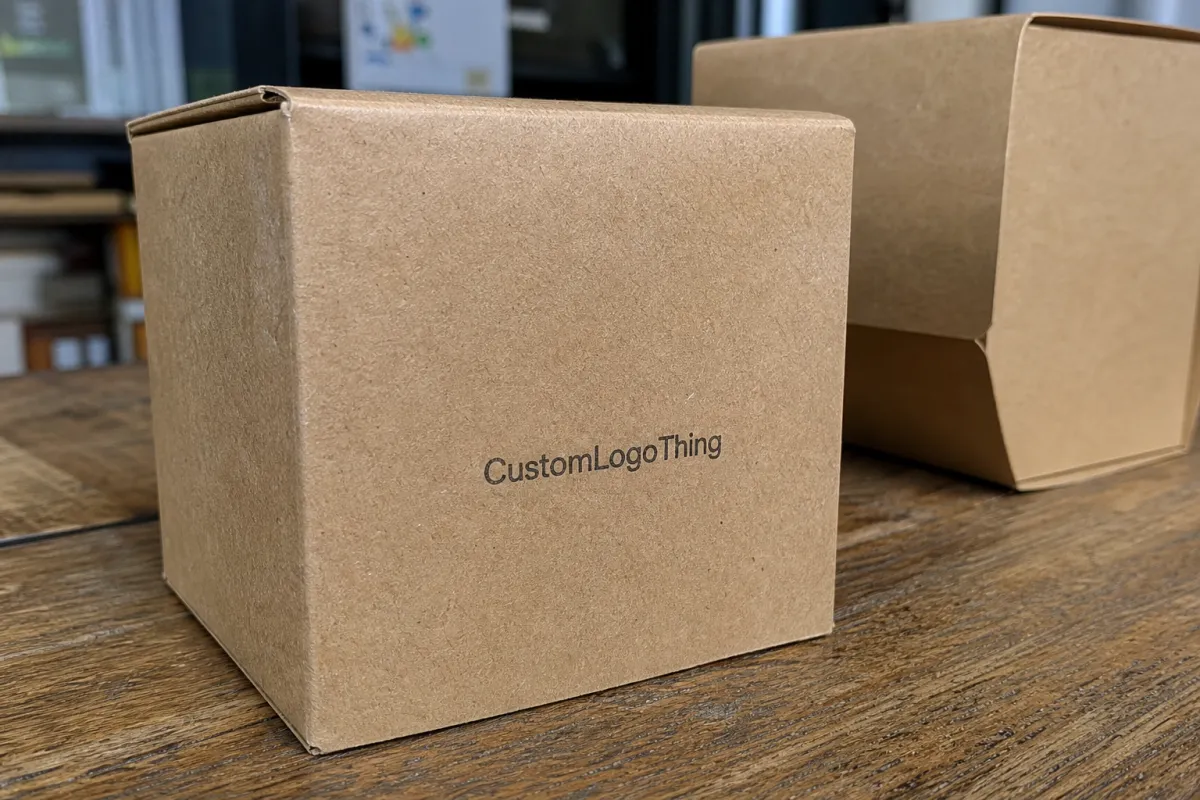
Candle packaging lives or dies on shelf presence and unboxing. A jar by itself is functional, but add a textured logo patch to the presentation box, outer sleeve, or fabric pouch and the package starts to feel intentional. That tactile cue matters because candle buyers often purchase with gifting in mind. A giftable package sells the story before the scent has a chance to.
Patches are popular because they create a premium finish without rebuilding the whole package. You do not need a new jar mold, a more complex carton structure, or a large print program. A well-made patch can do a lot of visual work on rigid boxes, folding cartons, cotton pouches, and decorative wraps.
In practice, candle brands place patches on:
- Rigid boxes for gift sets and seasonal collections
- Folding cartons for retail shelves and e-commerce shipping
- Tins where a label alone feels too flat
- Insert cards or dust covers for a more finished opening moment
- Cotton pouches used inside luxury bundles
- Outer wraps for limited editions and sampler kits
There is also a memory effect that brand teams sometimes underestimate. Customers may forget the wax blend, but they remember the stitched edge, the embossed feel, or the clean placement of the logo. For e-commerce brands, the unboxing moment can separate a generic parcel from something that feels gift-worthy and worth repeating.
“The best packaging upgrade is often the one customers feel before they read it.”
That is why a Logo Patches Supplier Quote for candle brands should start with the package use-case, not only the artwork. A patch for a rigid box has different needs from a patch going onto a soft pouch or a coated paper sleeve. If the surface is wrong for the backing, even a good patch can fail in use.
Patch Materials, Shapes, and Backing Options for Candle Packaging
Patch material drives both the look and the production behavior. Some candle brands want a soft textile feel. Others want a crisp, modern graphic mark. The right choice depends on the packaging surface, the handling environment, and whether the patch is being applied in-house or by the supplier.
Common constructions include woven patches, embroidered patches, PVC patches, faux leather patches, paperboard label patches, and woven heat-transfer styles. Woven patches handle fine text better than embroidery, while embroidery gives a deeper surface and a more tactile finish. PVC works for bold branding and is easy to wipe clean, but it does not suit every luxury candle aesthetic. Faux leather reads more upscale on some candle ranges, especially those built around earthy, botanical, or masculine scent profiles.
Shape matters as much as the construction. A rigid box can handle a patch with some thickness and structure. A kraft sleeve may need a flatter solution so the wrap does not buckle. Fabric pouches usually pair well with sew-on, woven, or heat-transfer styles, while glass jars are often better served by a label-like patch or flat adhesive application on the outer carton rather than directly on the vessel.
Edge detail is another point buyers overlook. A stitched border gives a classic patch look. Laser-cut edges create a cleaner, more modern shape. Die-cut custom forms are useful when the logo has a strong silhouette, but fine interior cutouts are not always practical at small sizes. If the design is going on a soft pouch, a sew-on border is often the most durable. If it is going on a box sleeve, a pressure-sensitive backing can be faster and cleaner.
Backing options that make sense for candle packs
There are several backing methods, and each has a place:
- Iron-on works well for fabric-based gift bags and pouches, assuming the textile can tolerate heat.
- Adhesive-backed patches are useful for flat carton surfaces and can speed up hand assembly.
- Sew-on is best when the patch needs to stay put through repeated handling or laundering of fabric items.
- Hook-and-loop can be useful for refillable gift sets or removable promotional pieces.
- Pressure-sensitive backing is often the simplest option for clean box application, provided the carton coating allows a proper bond.
For candle packaging, it pays to look closely at heat resistance, moisture exposure, and the surface finish before choosing a backing. Candles can sit in warm storage or near retail lighting, and an adhesive that looks fine in a sample may soften if the environment is not friendly. If the brand is shipping long distance, the patch also needs to survive vibration, compression, and carton movement without lifting.
| Patch Style | Best Packaging Surface | Typical Look | Practical Notes |
|---|---|---|---|
| Woven | Rigid box, pouch, sleeve | Clean, detailed, refined | Good for small text and crisp logos |
| Embroidered | Fabric pouch, gift bag | Textured, premium, tactile | Best when the logo is simple |
| PVC | Retail gift packaging, bold lines | Modern, durable, color-rich | Works best with strong shapes and limited detail |
| Faux leather | Kraft box, luxury sleeve, pouch | Warm, upscale, understated | Often chosen for natural or premium scent lines |
| Paperboard label patch | Cartons, sleeves, inserts | Lightweight, print-forward | Useful when budget or weight is a concern |
If you need external packaging standards for shipping and performance checks, the ISTA packaging testing standards site is a useful reference point, especially for brands sending candles through fulfillment channels.
Logo Patches Supplier Quote for Candle Brands: What Affects Spec Selection
A Logo Patches Supplier Quote for candle brands is usually shaped by a handful of spec inputs that look simple on paper but change the price and feasibility quickly. The first one is size. A 30 mm patch and a 70 mm patch are not the same project, because material usage, machine time, and edge finishing all scale with dimensions.
Artwork complexity matters just as much. Fine lettering, thin lines, gradients, metallic thread, or layered construction can change the quote structure. A logo that looks sharp on a computer screen may be too detailed for a woven patch below a certain size, and that is where a good supplier should push back honestly instead of pretending every design can be reduced cleanly.
Thread count, color count, and decoration method are major drivers too. One or two colors usually keep production simpler. Four to six colors are still manageable in many cases, but once you introduce specialty threads, raised embroidery, or complex borders, the production cost and risk both rise. If the brand wants a rich finish on a small patch, sometimes a larger size is actually easier to manufacture cleanly than a tiny, crowded one.
Backing affects the quote as well. Adhesive-backed patches may cost more than plain sew-on versions because the liner, adhesive, and application setup add steps. Heat-transfer and pressure-sensitive options can save labor during assembly, but only if the surface accepts them properly. The cheapest quote is not always the best one when it creates extra handwork later.
Surface finish is another hidden variable. Matte kraft, coated paper, soft-touch laminate, natural fabric, and smooth carton board do not behave the same. A patch can look excellent on one finish and poorly on another. In packaging, compatibility often matters more than decoration style.
What artwork files should be ready
For the fastest quote response, send vector artwork if you have it. AI, EPS, or editable PDF files are far better than screenshots or low-resolution images. The supplier should also know the Pantone references if color matching matters, because “gold” can mean different shades depending on the thread or print system used.
There is a real limit to detail. If a logo has hairline strokes or tiny type, the patch style may need to change. That is not a supplier making life difficult; it is how textiles, stitching, and die-cut edges behave. For a candle brand, that usually means choosing between preserving the logo exactly or adapting it so the final patch reads clearly on shelf and in a gift box.
Most suppliers will prepare a digital mockup before sampling, and that step is worth taking seriously. If the order matters for a launch, ask for a proof and, where possible, a material swatch or sample. A Logo Patches Supplier Quote for candle brands is most useful when it is tied to a specific material, backing, and finish rather than a loose estimate.
If you want to review broader packaging examples before requesting specs, our Case Studies page can help you see how premium finishing choices are typically handled across different packaging formats.
Cost, MOQ, and Unit Pricing for Custom Patch Orders
Buyers are not really paying for “a patch.” They are paying for setup, material, decoration, and repeatability. A logo patches supplier quote for candle brands may include artwork prep, digitizing for embroidery, weaving setup, molding for PVC, or print prep for label-style patches. If a supplier is transparent, those items should be listed clearly so you can compare quotes properly.
MOQ, or minimum order quantity, varies by construction. Woven and embroidered patches often carry different minimums than adhesive or printed options, because the production method and setup burden are not the same. In smaller runs, unit cost will usually be higher because the fixed setup cost is spread across fewer pieces. As volume goes up, the unit price generally improves, especially for repeat orders where the same specs are used again.
For candle brands, a sensible pricing framework often looks like this:
- Small custom runs cost more per unit but help test a collection or seasonal launch.
- Mid-volume orders usually balance unit price and flexibility.
- Repeat runs can reduce the cost because tooling and specs are already established.
As a practical reference, many custom patch projects for candle packaging may land in a range such as $0.18-$0.65 per unit depending on style, size, artwork complexity, and volume, with some premium constructions sitting above that. That is not a universal price; it depends on the patch type, the number of colors, whether there is backing, and whether the order is finished in bulk or applied by hand. But it gives buyers a realistic starting point instead of vague “low cost” language.
A quote should spell out the following:
- Unit price at each quantity tier
- Setup or sample fee, if any
- Backing type and application method
- Material and size specification
- Lead time after proof approval
- Shipping method and packaging terms
That transparency is what lets a brand compare one supplier’s offer to another on an apples-to-apples basis. If one quote is cheaper but omits sampling or uses a thinner material, the comparison is not really valid.
For sustainability-minded brands, it may also be worth asking whether any components are FSC-certified or sourced from certified paper systems where paperboard patches or packaging inserts are involved. The FSC official site is a helpful starting point if your candle line uses paper-based components and you want to speak accurately about sourcing claims.
Production Steps, Lead Time, and Approval Timeline
A clean production flow saves everyone time. For a typical logo patches supplier quote for candle brands, the process should move in a fairly orderly sequence: inquiry, artwork review, specification confirmation, quote, proof or sample, approval, production, inspection, and shipping. If one of those steps is skipped, problems usually show up later as fit issues, color surprises, or delayed launches.
Lead time depends on the patch type and quantity. Simple adhesive or printed styles may move faster than woven or embroidered builds. If a physical sample is required, add time for sampling and sign-off. For many custom patch orders, the overall timeline often lands somewhere around 12-20 business days after proof approval, but that can move in either direction based on order size, seasonal workload, and shipping destination.
The most common delays are not mysterious. Missing vector files, vague color references, repeated design edits, and slow approvals can stall the schedule more than the factory itself. Candle brands planning holiday sets or fragrance launches should work backward from the retail ship date and build in a cushion. If cartons, labels, and product filling are already on a tight schedule, a late patch approval can affect the entire packaging line.
Sampling can be the difference between a smooth launch and a rushed correction. A digital proof tells you layout, but it cannot show how a patch feels on the final substrate or how the adhesive behaves on the actual surface. If the packaging is critical to the brand, a physical sample is worth the extra time.
How to plan around your launch calendar
My advice is simple: treat the patch as one part of the packaging stack, not an isolated item. If your box needs a patch, your sleeve and insert timing should be aligned too. The best sequence is usually to approve the logo patch style early, confirm the application method, and then lock the rest of the packaging schedule around that decision.
For launch planning, remember the order of operations:
- Finalize the artwork and packaging surface.
- Confirm patch style and backing.
- Review the digital proof.
- Approve sample if required.
- Release production and book shipping.
That approach gives you a much better chance of meeting retail dates without air-freighting a packaging component at the last minute. If you need packaging guidance tied to a specific candle set, reach out through our Contact Us page and include the box dieline or pouch photo right away.
Quality Checks That Matter for Candle Brand Packaging
Quality for candle packaging is not just about the logo looking good in a photo. It is about whether the patch stays attached, aligns properly, and keeps its finish once the product is handled, stacked, and shipped. A reliable supplier should check clean edges, secure adhesion, consistent color, centered placement, and the absence of loose threads or lifting corners.
Testing on the actual packaging surface matters more than many buyers expect. A patch can look perfect on a sample board and behave differently on coated paper, textured kraft, or a soft fabric pouch. For adhesive-backed styles, a supplier should confirm the bond on the real substrate, not just assume it will perform because the material looks similar.
Heat and storage conditions matter as well. Candles may sit in warm rooms, retail backstock, or shipping containers that see temperature swings. Adhesive systems, especially, can be sensitive to those conditions. If the packaging is going into fulfillment, ask how the patch behaves after compression and transport. A corner lift or weak bond may not show up on day one, but it often appears after a few handling cycles.
Consistency across collections is another one. Many candle brands run several scents under one visual system, so the patch must stay aligned from one scent to the next. If one batch is slightly darker or the border width shifts, the whole set can look uneven on shelf. That is why sample approval and a clear production standard matter so much.
The other hidden issue is thickness. On a box with a tight lid, a patch that is too thick can interfere with closure or create a visible pressure mark in stacking. On a sleeve, the same thickness may be fine. These are small details, but they are the ones that separate packaging that looks polished from packaging that looks improvised.
If your brand is evaluating performance under shipping stress, packaging teams often compare supplier samples against common transport and compression checks, then verify whether the patch stays flat and intact after handling. A good-looking sample is only the start; the real test is whether the finish survives the route to the customer.
How to Request a Quote and Lock in the Right Specs
The fastest way to get a useful logo patches supplier quote for candle brands is to send complete information the first time. At minimum, include your logo file, target patch size, preferred material, backing type, quantity, target ship date, and the packaging surface the patch will touch. If you can, add a photo of the box, pouch, tin, or sleeve, or send the dieline so the supplier can judge fit and placement.
Good suppliers can usually quote more than one option if you ask. For example, you might want one premium version with embroidered texture and one lower-cost version using woven or printed construction. That lets the brand compare not only price, but also how the finishes feel against the overall candle aesthetic. A luxury line may need a softer matte look, while a mass retail line may favor a flatter patch that still reads clearly.
Here is the decision path that tends to work best:
- Choose the right patch style for the packaging surface.
- Confirm whether the patch needs to be sewn, stuck, heat-applied, or removed later.
- Set the size based on shelf visibility and box geometry.
- Refine color count and artwork detail to match the chosen construction.
- Request the quote and review the proof before release.
That sequence keeps the conversation grounded. Instead of asking for a generic price, you are asking for a quote that can actually be produced, shipped, and applied without surprises. That matters because candle packaging is often ordered under seasonal pressure, where a wrong spec can cost more than the patch itself.
For brands comparing options, the practical question is whether the patch should serve as the main visual accent or a supporting detail. If the box already carries a strong print system, the patch should be quieter. If the outer pack is minimal, the patch may need to do more work. Matching the patch to the packaging system usually produces a better result than treating it as a separate accessory.
For candle brands looking for a fast, practical start, the best next step is simple: submit the artwork, confirm the packaging surface, review the quote options, approve the proof, and move forward with a clear production timeline.
What details do I need for a logo patches supplier quote for candle brands?
Send your logo artwork, preferred patch size, quantity, material preference, backing type, and the packaging surface it will be applied to. Include your target ship date so the supplier can confirm lead time and production feasibility. If possible, add photos or dielines of the candle box, sleeve, pouch, or jar label area.
Which patch type works best on candle boxes and gift packaging?
Woven and embroidered patches work well for rigid boxes and fabric gift bags when you want a premium tactile finish. PVC and printed styles can suit more graphic looks, while adhesive-backed options are useful for flat packaging surfaces. The best choice depends on how the package will be handled, shipped, and displayed.
How does MOQ affect custom patch pricing for candle brands?
Lower quantities usually increase unit cost because setup and production overhead are spread across fewer pieces. Higher order volumes often reduce price per patch and may improve quote efficiency for repeat packaging runs. MOQ varies by material, construction, and decoration complexity.
Can logo patches be made to match a luxury candle brand aesthetic?
Yes, by using refined materials, restrained color palettes, subtle stitching, and the right backing for a clean finish. Luxury positioning usually depends on texture, alignment, and consistency more than heavy decoration. Sample approval helps confirm the patch looks right before full production.
How long does production usually take after I approve the quote?
Timeline depends on patch style, order size, and whether sampling is required before bulk production. After approval, production generally moves through manufacturing, inspection, and shipping in a planned sequence. Sharing your deadline early helps the supplier confirm whether the schedule is realistic.
If you are preparing a logo patches supplier quote for candle brands, keep the request tight, include the packaging surface, and ask for a spec-based quote rather than a rough estimate. That is usually the fastest route to a price you can actually use in production planning.


