If you are requesting a Logo Patches Supplier Quote for supplement brands, the number on the page is only part of the story. The real question is whether the patch can carry the brand across gym bags, staff hoodies, subscription inserts, retail displays, and event kits without creating extra approvals or inconsistency. Supplement companies tend to reuse the same identity across a lot of surfaces, and the patch has to behave on all of them.
A good patch does something a flat print often cannot. It adds texture, a sense of finish, and a little visual weight. That difference is subtle on a spec sheet and obvious in hand. On a packed expo table or in a premium mailer, it can make a brand feel more established than the same logo printed on paper or film.
The buyer asking for a Logo Patches Supplier Quote for supplement brands is usually not shopping for novelty. They want one decoration method that can be repeated across apparel, bags, and promotional packaging with predictable results. That means the quote has to reflect more than cost per piece. It has to account for material behavior, artwork detail, durability, and how the patch will be used after it leaves the factory.
Why supplement brands use logo patches on packaging and apparel
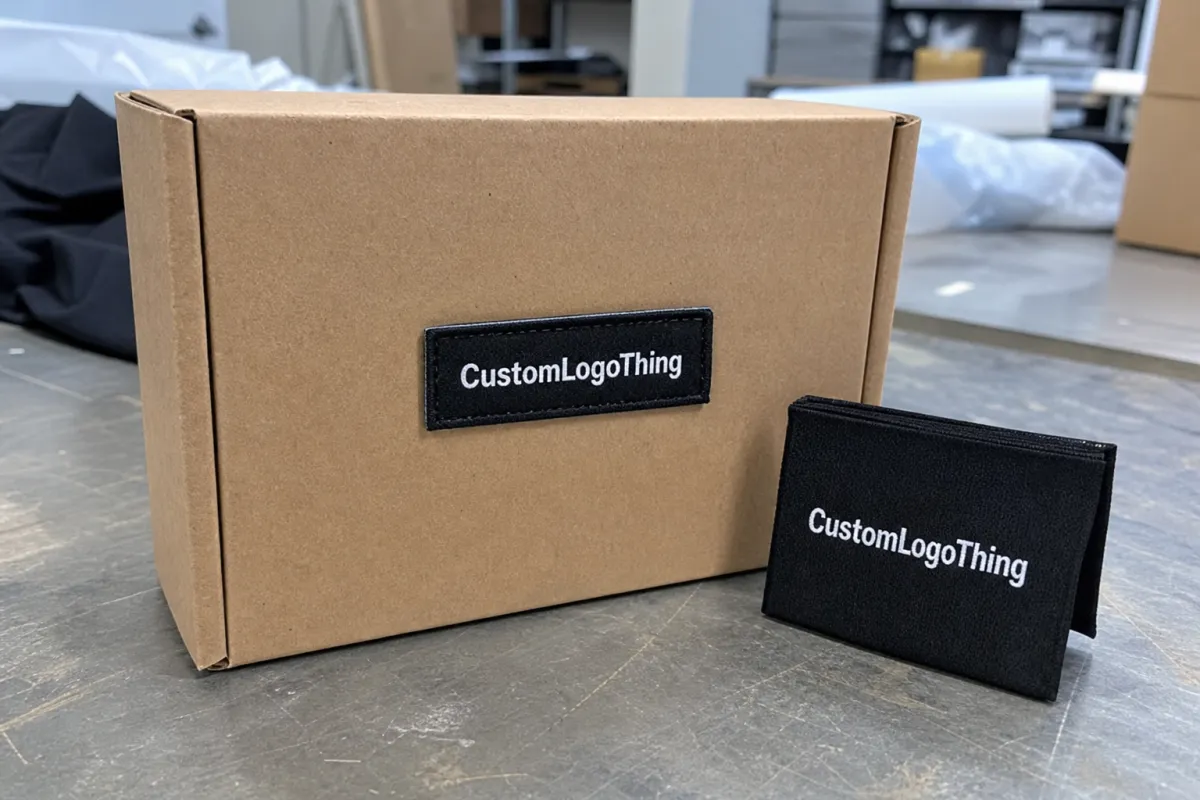
Supplement brands rarely operate with a single touchpoint. A launch may include bottles, cartons, inserts, outer shippers, staff shirts, event totes, and influencer bundles. A patch helps tie those pieces together because it can move between products without needing a redesign each time.
That portability matters in practice. A sewn patch on outerwear lasts through repeated wear. A heat-applied patch on a duffel or tote can create a cleaner premium look than a large printed transfer. A PVC patch on a gym bag can take more abuse than a delicate print. The decoration choice should match the item, not just the logo.
There is also a durability reason buyers keep coming back to patches. Printed decoration on fabric can crack, fade, or peel after wash cycles and friction. A properly specified woven or embroidered patch usually holds up better on low-friction items such as backpacks, hoodies, and caps. For teams that reuse apparel across events, that difference saves replacement spend.
In supplement marketing, perceived quality is part of the product story. A small patch on a staff polo can make the booth feel more organized. A patch on a premium mailer pouch can make the contents feel more considered. It is a small object carrying more brand work than its size suggests.
“The best branded accessories do more than look good. They reduce inconsistency across launches, and inconsistency is expensive.”
That last point is where procurement and marketing often meet. Reordering the same patch for another launch is simpler than re-approving a new decoration method every quarter. Fewer variables mean fewer mistakes. For brands with multiple flavors, seasonal bundles, or retailer-specific promotions, that consistency is not cosmetic. It is operational.
Patch materials, backing types, and finish options that matter
Patch construction changes both the look and the quote. A supplier that knows the difference between woven, embroidered, PVC, leatherette, and chenille will price the job differently because each method has its own setup, tooling, and detail limits. For supplement brands, woven, embroidered, and PVC are the most common choices.
- Woven patches work best for fine text, compact logos, and clean line work.
- Embroidered patches give a textured, traditional look and suit bolder shapes.
- PVC patches suit rugged, wipe-clean use and modern branding.
- Leatherette patches fit premium apparel and accessory programs.
- Chenille patches have a more fashion-led feel and are less common in standard supplement programs.
Woven versus embroidered is often the first real decision. If the design includes tiny letters or thin lines, woven usually preserves detail better. If the mark is bold and simple, embroidery can create a richer tactile finish. PVC has a different appeal: crisp edges, easy cleaning, and better resistance to abrasion on bags or gear that gets handled often.
Backing choice matters just as much as patch material. Sew-on is the most durable option and the safest default for long-term use. Iron-on can work on compatible fabrics, though garment composition and heat tolerance have to be checked. Velcro is useful for removable uniforms or team gear. Heat-seal backing can speed application, but only if the garment or bag can take the temperature. Adhesive backings are limited and usually best for samples, mockups, or temporary placement.
| Patch type | Best use | Durability | Typical buyer fit |
|---|---|---|---|
| Woven | Small logos, fine text | High | Brand marks that need clarity |
| Embroidered | Bold logos, team apparel | High | Classic branded apparel |
| PVC | Bags, rugged promo items | Very high | Wipe-clean, modern branding |
| Leatherette | Premium accessories | Medium to high | Elevated unboxing or apparel |
Finish details can change both appearance and price. Border style, thread density, patch thickness, edge treatment, and color-match tolerance all affect the result. Thin strokes and small type are especially sensitive. A woven patch can keep them readable at a smaller size, while embroidery can blur them if the design is too tight.
Durability testing should be part of the spec review, not a separate exercise. Ask whether the patch has been tested for abrasion, washing, and repeated handling. If the item will be laundered weekly, backing and thread selection matter more than the artwork mockup. If the patch is going on a mailer pouch or display bag, the requirements may be lighter, but you still need to know how it will hold up in fulfillment and transit.
Practical recommendation: supplement brands with simple geometric logos often get the best balance of clarity and price from woven or PVC patches. Woven handles small detail well. PVC gives a crisp, modern profile and can take harder use without looking tired quickly.
Key specifications to lock in before requesting a patch quote
A usable quote starts with usable inputs. Suppliers can price quickly when the brief is complete. A vague email with a logo attached usually triggers more questions, more revisions, and a slower turnaround. The best request package includes size, shape, quantity, attachment method, intended end use, artwork file format, and Pantone references if color accuracy matters.
Artwork quality affects both cost and lead time. Vector files such as AI, EPS, or a clean PDF reduce redraw work and help preserve detail. Low-resolution images often need manual cleanup, which can shift the quote and extend the timeline. That is especially true when a logo contains thin lines, tiny letters, or a secondary tagline that may not survive reduction.
For supplement brands, size decisions tend to fall into three groups: small sleeve patches, medium chest patches, and larger bag patches. Small patches create subtle branding on apparel. Medium sizes work well for staff uniforms. Large patches offer stronger visibility on duffels, backpacks, and premium promo kits. The right size depends on the placement and the item’s proportions, not just the logo file.
Placement affects production as much as appearance. A patch that looks perfect on a bag may be too bulky for a lightweight tee. A design that sits well on a hoodie chest can feel oversized on a cap. If the patch will be attached to packaging inserts, make sure it will not snag, add unwanted thickness, or interfere with packing dimensions.
Compliance and usability should be part of the brief too. If the patch is going on uniforms, it should not obstruct reflective tape, care labels, or movement. If it is part of a fulfillment kit, it should not add unnecessary bulk that creates packing problems. Small details, yes, but they affect operations quickly once production starts.
One of the easiest ways to reduce hidden cost is to send a single clear request package instead of a back-and-forth thread. A clean brief reduces revisions, prevents inconsistent assumptions, and makes the comparison between suppliers much more reliable.
- Logo file in vector format
- Target size in inches or millimeters
- Patch shape: round, square, custom-cut, or shield
- Quantity target and possible reorder volume
- Backing preference: sew-on, iron-on, Velcro, heat-seal
- Placement and end use
- Deadline or launch date
Cost, pricing, and MOQ factors in a custom patch quote
Patch pricing is driven by several variables at once: material choice, size, color count, backing type, border complexity, and total quantity. A simple woven patch with one or two colors is a different production job from a multi-color PVC patch with a custom contour and Velcro backing.
Minimum order quantity changes the unit cost because setup expenses do not shrink when the order is small. Digitizing, tooling, artwork prep, and machine setup are spread across fewer pieces, which pushes the per-unit price higher. Larger orders usually bring the unit price down, but they require more cash upfront and more storage space. That tradeoff matters to supplement brands running seasonal campaigns or multiple SKUs.
Here is a practical range buyers often see. These are not promises, and they can move based on detail level, supplier capability, and freight terms.
| Order size | Typical unit range | What affects it most |
|---|---|---|
| 100–300 pieces | $0.90–$2.50 each | Setup costs, backing type, detailed artwork |
| 500–1,000 pieces | $0.45–$1.20 each | Material choice, border style, color count |
| 2,500+ pieces | $0.18–$0.65 each | Specification simplicity, production efficiency |
Those numbers move quickly if the spec is difficult. A woven patch with tiny text may cost more than a larger embroidered patch because the weave has to resolve more detail. A PVC patch with complex contouring can also price higher than a basic sewn emblem, even if it looks simpler at a glance. Price is not just size. It is also labor intensity, tooling, and risk of rework.
There are a few reliable ways to keep costs under control. Simplify the outline. Reduce color changes. Keep the patch shape consistent across product lines so tooling can be reused. Plan reorders instead of placing urgent small runs every month. A batch-based procurement schedule usually produces better pricing than reacting to each launch separately.
A strong quote should show more than a single unit price. Look for unit pricing tiers, setup fees, sample charges, shipping estimates, and lead-time notes. If those pieces are missing, the quote is incomplete. For a Logo Patches Supplier Quote for supplement brands, you need the landed cost, not only the factory-side cost. Freight, customs handling, and repackaging can change the real number significantly.
For broader context on packaging materials and waste considerations, the Packaging School and the EPA publish helpful technical resources. See Packaging School resources and EPA packaging materials guidance.
Process, timeline, and approval steps from artwork to delivery
The workflow is usually simple on paper: inquiry, artwork review, digital proof, sample or pre-production approval, production, quality check, and shipment. The friction usually appears between proofing and approval. If the supplier is organized, that stage is quick. If the brief is incomplete, the project stalls there.
Lead time depends on patch type, order size, revision count, and material availability. A plain woven run can move faster than a detailed PVC job. Peak production periods can stretch schedules, especially if specialty threads, custom backing, or unusual border shapes are involved. Buyers should always ask whether the quoted timeline includes shipping or only production.
Sampling and bulk production are not the same thing. A sample may take a few extra business days if artwork needs refinement or if the supplier produces a physical reference instead of a digital mockup. Bulk production takes longer because the full run must be cut, stitched, molded, finished, inspected, and packed. Even a straightforward order benefits from a clean approval sequence.
The proof review should confirm a few non-negotiables:
- Final size and shape
- Color references
- Border treatment
- Backing type
- Logo placement and orientation
- Any text or small-detail legibility issues
Ask whether the supplier can support partial shipments if the schedule is tight. That can matter for supplement launches tied to conference calendars, influencer content, or retail resets. It is not always available, but when it is, it gives the operations team more room to work.
For transport-related expectations, ISTA is a credible reference point for testing and handling standards. Their resources at ISTA can help frame how branded items survive distribution, which is useful if patches are shipping inside subscription boxes or promotional kits.
Why a packaging-focused supplier reduces rework and delays
A supplier that understands packaging is not just manufacturing a decoration item. It is helping maintain brand consistency across products that move through different teams, formats, and shipping environments. That sounds straightforward. In practice, it is where many projects get messy.
A packaging-aware supplier is more likely to catch legibility issues, weak backing choices, and color-matching risks early. They understand that a patch sits next to cartons, labels, inserts, and apparel; if it looks disconnected from the rest of the system, the brand feels less controlled. That alignment matters more than many buyers expect.
Compare that with a general vendor that only knows how to make the patch itself. The product may be acceptable in isolation but poorly matched to the rest of the brand experience. A supplier experienced in packaging workflows can spot those disconnects before production starts, which reduces rework later.
Service matters as well. Buyers usually value responsive quoting, sample support, reorder consistency, and documented specifications that carry over to future runs. If a supplier keeps clean records, the second or third order is often faster than the first. That matters for supplement companies launching multiple flavors, seasonal bundles, or retailer-specific promotions.
If you are comparing vendors, ask how they handle corrections, color matching, and repeat orders. Ask whether approved specs are kept on file. Ask whether they can coordinate with other branded items in the same shipment. Those are operational questions because they affect the project’s real cost and schedule.
You can also review prior production examples through Case Studies to see how consistent branding decisions support packaging and promotional programs. If you need to share artwork and timing details, use our Contact Us page.
Next steps: compare quotes, request samples, and confirm specs
Do not compare patch suppliers by unit price alone. Compare unit cost, setup fees, MOQ, lead time, and shipping together. A quote that looks cheap can turn expensive once sample charges, freight, and revision costs appear. Complete request packages make comparisons faster and more honest.
Before approving a run, ask for a sample or proof if the design includes fine text, gradients, or a premium finish. In some cases, a digital proof is enough. In others, a physical sample is safer because it shows how the patch will actually look and feel on the intended item. That is particularly true for supplement brands using the patch on apparel that needs to hold up in repeated wear.
Once the sample is approved, lock the reorder specs. Exact size. Exact colors. Exact backing. Exact construction. That way, the next supplement launch does not begin from zero. A clean spec record can shave days off future quoting and reduce friction between marketing, procurement, and fulfillment.
If you are moving forward, use one finalized spec sheet and request a Logo Patches Supplier Quote for supplement brands from a supplier that understands packaging, apparel, and promo logistics. That is the fastest route to a quote you can actually compare and use.
Final recommendation: gather the artwork, define the application, compare the total landed price, and choose the fastest viable option that preserves clarity and durability. For a brand that depends on repeat visibility, the right patch is not decoration. It is a small inventory item doing a surprisingly large amount of brand work.
What should I include in a logo patch supplier quote request for supplement brands?
Include artwork files, target size, shape, quantity, backing type, finish preference, and where the patch will be used. Add a delivery deadline so the supplier can confirm whether the timeline is realistic.
What patch type works best for supplement brand apparel and promo bags?
Woven and embroidered patches work well for apparel and bags when you want a premium look with strong logo visibility. PVC is a strong option for durable, wipe-clean promo items or rugged handling.
Why does MOQ change the price on custom logo patches?
Setup, digitizing, and production costs are spread across fewer pieces when the order is small, which raises unit cost. Larger orders usually lower the per-piece price but require more upfront spend.
How long does custom patch production usually take?
Timing depends on patch type, order size, proof approvals, and material availability. Samples or revisions can add time, so a complete artwork file helps speed up the process.
Can I reorder the same patch design later for another supplement launch?
Yes, if the supplier keeps your approved specs and artwork on file, reorders are usually faster. Confirm the exact size, colors, backing, and construction now to avoid changes later.


