If you need a Logo Patches Supplier Quote for wine shops, the first thing to understand is that patches do more than decorate a uniform. They shape how customers read the shop before a single bottle is picked up. A patch on a denim apron, tote, or staff jacket usually feels more considered than a flat print, especially in a retail setting where the eye makes a judgment quickly.
That matters in wine retail because presentation and trust are tightly linked. Wine shoppers are often buying a story as much as a product: provenance, curation, expertise, restraint. A patch supports that story by signaling permanence and attention to detail. The order is not just about appearance, either. A buyer asking for a Logo Patches Supplier Quote for wine shops usually wants branded clothing that can hold up under repeat wear, frequent washing, and the occasional spill.
There is also a practical side. Patches work well for small teams, seasonal promotions, and multi-location use. They can be moved across aprons, caps, overshirts, and retail merch without requiring separate decoration methods for every item. That flexibility is one reason they remain a strong option for bottle shops, wine bars, tasting rooms, and cellar teams.
Why wine shops use logo patches to lift resale value fast
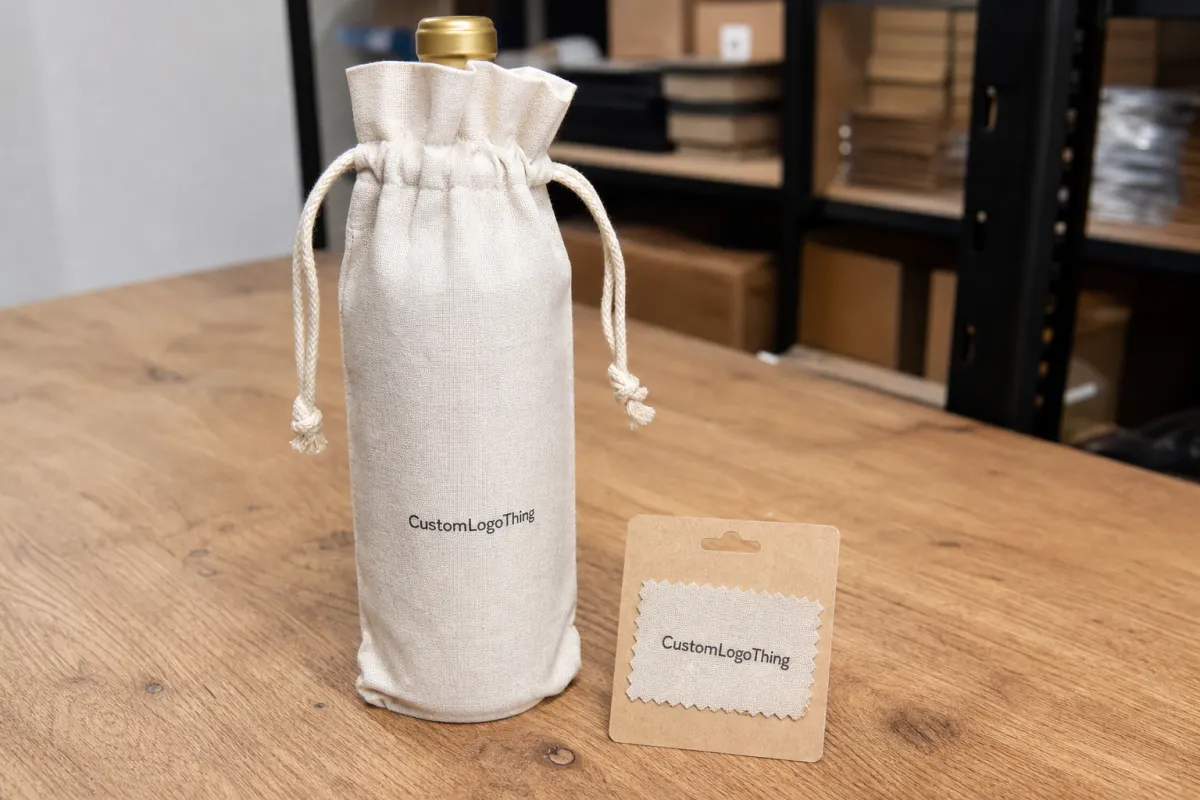
A stitched or woven patch changes the perceived value of a garment in a way that screen printing often cannot. A denim apron with a patch looks more structured than the same apron with a basic print. A tote bag with a patch reads as merchandise rather than a giveaway. The difference is small in material terms and large in customer perception.
That matters because wine retail leans heavily on cues of craft and quality. Customers expect the shop to know the difference between ordinary and well-made. A patch helps the uniform match the product category. It also holds up better in the parts of a retail operation that wear items down fastest: apron ties, counters, sleeves, and repeated laundering.
Direct decoration methods can be cheaper up front, but they do not always age well. Heat transfer can crack. Low-grade print can fade. Embroidery and woven constructions tend to stay readable for longer, especially on uniforms that see real work instead of occasional wear. That does not make every patch indestructible. It does mean a shop that needs stable branding over months usually gets more predictable value from a patch program.
Wine shops also use patches because they solve two branding problems at once:
- Staff uniforms such as aprons, overshirts, jackets, and caps.
- Retail merch such as tote bags, hats, and small apparel runs.
One design system can cover front-of-house uniforms and resale items without fragmenting the look. That is useful for stores with seasonal staff changes or more than one location. Reordering becomes cleaner, and the brand language stays consistent even when the garment base changes.
For buyers, the real advantage is controlled customization. A patch run can start small, scale later, and adapt to different garment types. That is exactly why a Logo Patches Supplier Quote for wine shops should be built around actual use, not just a generic unit price.
Patch styles and materials that fit wine retail uniforms
Patch style affects both the look and the price. The main choices for wine shop branding are embroidered, woven, PVC, leather, and chenille. They are not interchangeable. Each one carries a different visual weight and behaves differently on fabric.
Embroidered patches remain the classic option. They have visible thread, a textured surface, and a uniform-friendly appearance. They suit crests, monograms, grape motifs, and simpler logos with clear outlines. For shops that want a traditional merchant feel, embroidery is usually the most straightforward fit.
Woven patches are better when the design includes small text, thin lines, or detail that would get crowded in embroidery. Because woven construction can reproduce finer artwork, it often delivers a cleaner result at smaller sizes. Wine brands with minimal typography or label-style marks usually benefit from this.
PVC patches are more structured and easier to wipe clean. They work well for outdoor events, weather-exposed pieces, or staff wear that needs practical durability more than softness. The trade-off is aesthetic: PVC can feel a little technical for a premium tasting room if the rest of the brand leans warm or heritage-driven.
Leather patches move the look toward understated luxury. They pair well with waxed aprons, heritage-style uniforms, cellar branding, and premium merch. They are less suitable for small text, but they give a strong tactile signal when the goal is a restrained, high-end finish.
Chenille patches are softer and more visibly textured. They are common in lifestyle fashion and varsity-inspired pieces, so they usually fit promotional jackets or casual merch better than formal wine merchant uniforms. Used carefully, they can add personality; overused, they can feel out of place.
| Patch type | Best use | Detail level | Typical brand feel |
|---|---|---|---|
| Embroidered | Aprons, uniforms, caps | Medium | Classic, durable, familiar |
| Woven | Small logos, fine text, retail merch | High | Clean, detailed, modern |
| PVC | Outdoor wear, event staff pieces | Medium | Practical, technical, durable |
| Leather | Premium aprons, cellar branding | Low to medium | Refined, rustic, upscale |
| Chenille | Fashion-led merch, statement jackets | Low to medium | Soft, bold, casual |
Backing choice matters just as much as the patch body. Sew-on is the most secure option for uniforms and frequent laundering. Iron-on can work for light use, but it is less dependable on thick apron fabric and on garments that are washed often. Velcro suits removable event patches or rotating staff identifiers. Adhesive backing is generally for temporary use or sampling, not for long-term wear.
Placement affects the result too. A small patch on a cap or sleeve acts as subtle branding. A larger patch on an apron chest pocket reads more like merchandise and creates a stronger visual anchor. On thicker garments, edge finish and stitch density matter because the patch must sit cleanly without puckering or stiff corners.
Color matching deserves restraint. Many wine shops want a premium look without loud branding. Deep burgundy, charcoal, forest green, metallic thread used sparingly, or tonal stitching can create that effect without drifting into flash. The strongest patch is usually the one that feels quietly expensive.
Specifications that affect logo clarity, durability, and wash performance
A useful quote starts with specifications, not assumptions. If a patch is too small, the logo detail collapses. If it is oversized, it can dominate the garment. If the border is wrong, the edges may fray or the patch may sit too rigidly against the fabric.
Buyers should ask for quotes based on these core details:
- Size in inches or millimeters.
- Thread count or stitch density for embroidered styles.
- Material such as twill, felt, leather, PVC, or woven base.
- Border type including merrowed, laser cut, or stitched edge.
- Backing method such as sew-on, iron-on, Velcro, or adhesive.
- Artwork format ideally vector AI, EPS, or a high-resolution PDF.
Small lettering is usually the first thing to suffer when the wrong patch type is chosen. If the logo includes a vineyard name, vintage reference, or long slogan, woven construction often performs better than heavy embroidery. Bottle silhouettes can work in either format, but the amount of internal detail matters. A minimal outline is easier to reproduce than a label-style illustration with filigree, tiny line work, or layered type.
Durability should be discussed in practical terms, not marketing language. Ask how the patch handles abrasion, repeated washing, and edge fray risk. Wine shop uniforms are not event-only garments. They see apron ties, counter contact, sleeve rubbing, and cleaning cycles that can expose weak construction quickly. A patch that looks good on day one but breaks down after a few washes is expensive in the long run.
Quality control needs an early checkpoint. Request a digital proof before production starts. If the order is large or the artwork is detailed, ask for a sample photo or a physical sample when available. That lets you check color, stitch density, border shape, and logo placement before the full run begins. In procurement terms, this is where good orders are protected from avoidable errors.
“The least expensive patch is not always the cheapest order. If the lettering breaks down or the backing fails, the replacement cost is higher than the initial savings.”
Packaging and protection also deserve attention. Shipping damage is less dramatic than a misprinted logo, but it still affects the order if edges bend, adhesive backs stick together, or cartons are crushed. Industry references such as ISTA transport testing standards are useful here because they remind buyers that packaging is part of product quality, not an afterthought.
Logo patches supplier quote for wine shops: cost, MOQ, and unit price
This is the part buyers usually want first. A Logo Patches Supplier Quote for wine shops should make price drivers visible instead of hiding them in a single line item. The main variables are material, size, artwork complexity, backing type, quantity, and whether the patch is for staff uniforms or retail merch.
Minimum order quantity matters more than many buyers expect. A run of 100 patches usually carries a much higher unit cost than 500 or 1,000 because setup is spread across fewer pieces. For a wine retailer with multiple locations, it often makes sense to order enough for the first uniform cycle plus a small reserve for replacements.
Different patch types behave differently on price:
- Woven patches can be cost-efficient for detailed logos because they reduce the need for heavy stitching.
- Embroidered patches are usually competitive for simpler designs and classic branding.
- Leather and PVC often cost more, but they can deliver a stronger premium impression and better wear resistance.
As a planning benchmark, many buyers see the following broad ranges. Exact numbers change with size, artwork, and finish:
| Order size | Common unit price range | Typical notes |
|---|---|---|
| 100-250 pieces | $0.90-$2.50 | Higher setup impact, best for trials or seasonal use |
| 500-1,000 pieces | $0.45-$1.40 | Better balance of cost and repeatability |
| 2,000+ pieces | $0.18-$0.95 | Lower unit pricing, useful for multi-store programs |
Those ranges are broad for a reason. A simple 2.5-inch woven patch with a sew-on back usually costs less than a shaped leather patch with tonal stitching or metallic thread. Add a complex border, multiple thread changes, or a specialty finish and the price moves quickly.
Hidden costs can matter more than the headline price. Setup fees are common. Samples may be charged. Rush production usually costs extra. Shipping matters too, especially if the order is being split across several wine shop locations instead of going to one warehouse. A supplier should be able to explain those items clearly in the quote.
It is useful to ask for two versions of the same order: one value-focused and one premium finish. That comparison makes trade-offs visible. In some cases, woven gives the best balance for a detailed logo. In others, leather is worth the extra spend for a tasting room or cellar brand that needs a more elevated feel.
The same logic applies if the patches are going onto broader branded materials. FSC certification is relevant when paper inserts or packaging are part of the order, and certified sourcing can matter if the patches are bundled for retail resale. If those materials are in scope, references such as FSC can help buyers ask better questions during procurement.
Production steps and turnaround: from artwork review to delivery
The production path should be predictable. A supplier that cannot explain the process clearly is creating risk. The usual sequence is simple: quote request, artwork review, proof approval, sample confirmation if needed, mass production, inspection, and shipment. Buyers should expect that order of operations.
Lead time depends on patch type and order complexity. Simple repeat runs move faster. Custom shapes, dense stitch work, specialty materials, or large order volumes extend the schedule. As a working range, many custom patch orders are completed in about 12 to 15 business days after proof approval, though that can stretch if artwork changes late or if a sample needs revision.
Delays often come from avoidable decision gaps. Confirm the spelling, patch size, color references, and backing type early. If the patch is going on aprons, check that the size fits the actual garment panel. If it is for hats or jackets, verify the available space before production starts. A patch that looks right on paper can be wrong once it lands on fabric.
Packaging and labeling matter more when the order is headed to retail shelves or multiple locations. Ask how the patches will be packed. Bulk-packed loose patches are fine for some internal uniform programs. Retail programs often need polybagging, size labels, barcode stickers, or location-specific cartons. Those details affect handling time after delivery, which is easy to overlook until the boxes arrive.
Buffer time is essential for seasonal use. Harvest events, tasting-room launches, holiday merchandising pushes, and staff rollouts rarely forgive delays. A practical planning window is two to three weeks beyond the quoted production schedule, especially when the deadline is tied to a fixed event or a multi-store distribution plan.
Logistics discipline matters here because transport and protection are part of the finished order. Even small branded components deserve proper packaging, and good suppliers should understand that. If they do not, the quality problem may show up after delivery instead of during production.
How to choose a reliable patch supplier for retail and hospitality brands
Reliability is repeatability. For wine shops, that means the supplier can match colors consistently, keep artwork files on record, and reproduce the same patch months later without visible drift. If a second order looks different from the first, the supplier has missed a basic requirement.
The best suppliers are also helpful during proofing. They should flag weak artwork, thin lines, poor contrast, or oversized detail before production begins. That saves time and money. A supplier that simply agrees to everything is not adding value. The better sign is a supplier that asks questions about the logo, the garment, and the use case.
Wine shops should look for suppliers who can handle both pilot runs and replenishment. A store may start with 50 patches for a new uniform roll-out, then need 500 more after staffing expands or the design proves successful. If the supplier cannot scale cleanly, the brand pays for it later in inconsistent product and duplicated setup.
Sample policy matters. Some suppliers offer only a digital mockup. Others can provide a pre-production sample or a stitched reference sample for approval. That extra step is especially useful when the logo contains tiny text or the order uses a premium finish like leather, chenille, or metallic thread.
Operational communication is another clue. A dependable supplier will be clear about material availability, production constraints, packaging options, and shipping timelines. That clarity is valuable in hospitality and beverage retail, where schedules can shift around events, staffing, and seasonal demand.
One practical test is whether the supplier understands the difference between retail merch, staff uniforms, and event wear. A patch for a wine shop is not the same thing as a sports club patch or a novelty giveaway. The use case affects size, finish, backing, and even how the item should be packed for delivery.
If the supplier can also support broader brand presentation, that is useful, but only if the process stays organized. Apparel branding, retail packaging, and reorder support often work better when the same vendor conversation covers them from the start. The point is not to add more services. It is to reduce friction and keep the brand consistent across touchpoints.
How to request an accurate quote and place the order
Accurate quoting begins with a clean brief. Before sending a logo patches Supplier Quote for Wine shops request, gather the artwork, decide on the patch type, measure the available placement space, and estimate quantity by store or role. A buyer with those four items usually gets better pricing and fewer revisions.
Use this action list:
- Attach vector artwork if possible, ideally AI, EPS, or high-resolution PDF.
- Specify patch size, shape, and border preference.
- Choose backing type: sew-on, iron-on, Velcro, or adhesive.
- State the intended use: staff uniforms, retail merch, event wear, or all three.
- Give your deadline, shipping destination, and any split-delivery needs.
Two quote options usually make the decision easier. One should be value-focused, typically with a simpler material or construction. The other should be a premium finish for comparison. Side-by-side pricing is useful when the same logo will appear on uniforms and resale items, because the best choice is not always the cheapest one.
Also confirm how the patches will be applied. Sewn-on patches are the most durable. Heat-applied options can save time, but they depend on garment type and application quality. If the patches are meant to be sold as accessories or distributed at events, ask about packaging format as well. Some stores need loose bulk packing; others need bagging, labeling, or bundling for shelf use.
Before production starts, review the digital proof carefully. Check spelling, spacing, border shape, and color references. That is usually where quotation mistakes are caught. A patch is small, but the error repeats across the whole batch if the proof is approved too quickly.
For buyers managing several stores or preparing a new uniform rollout, it helps to keep the order trail simple and documented. Reply with the logo file, target quantity, and desired turnaround, and the supplier should be able to return a specific quote without unnecessary back-and-forth.
FAQs
What should I include in a logo patches supplier quote request for wine shops?
Include logo artwork, patch size, preferred material, backing type, quantity, and where the patch will be used. Add your deadline, shipping location, and whether you need staff uniforms, retail merch, or both.
Which patch type is best for wine shop uniforms and aprons?
Embroidered and woven patches are the most common for uniforms because they are durable and readable. Leather patches work well when the store wants a premium, cellar-inspired look.
How does MOQ affect the price of custom logo patches?
Lower quantities usually mean a higher unit price because setup and production costs are spread across fewer pieces. Larger orders generally reduce the per-piece cost and make replenishment easier.
How long does production usually take after artwork approval?
Timing depends on patch type, artwork complexity, and order size. After proof approval, standard production is typically followed by inspection and shipping, so build in extra time for store deadlines.
Can I reorder the same patch design for multiple wine shop locations?
Yes, as long as the supplier retains your artwork and production specs. Confirm the same size, color references, and backing method so future runs stay consistent across locations.
For wine retailers, the strongest patch program is the one that balances visibility, durability, and reorder simplicity. Start with a clear spec sheet, compare one value option against one premium option, and ask the supplier to document artwork and finishing details. That approach makes a logo patches supplier quote for wine shops easier to judge and more likely to deliver the right look across uniforms, merch, and repeat orders.


