If you need a Logo Patches Supplier Quote for wedding boutiques, the details matter more than most buyers expect. Bridal shoppers notice stitch density, edge finish, and thread sheen immediately, especially under bright fitting-room lighting where every label, robe, and hanger is seen up close.
A quote for this category should never be handled like a generic apparel request. The right patch can elevate robes, garment bags, staff uniforms, gift items, and private-label accessories while also helping the boutique keep collections organized and visually consistent.
From a presentation standpoint, patches do two jobs at once. They communicate brand identity, and they also help a team identify product lines, seasonal assortments, and house accessories without relying on temporary tags that can feel flimsy or out of place.
The real question is not simply whether a supplier can make the patch. The better question is what construction fits the fabric, the placement, the wear level, and the finish the bridal brand needs.
Wedding Boutique Branding That Needs to Look Finished Up Close
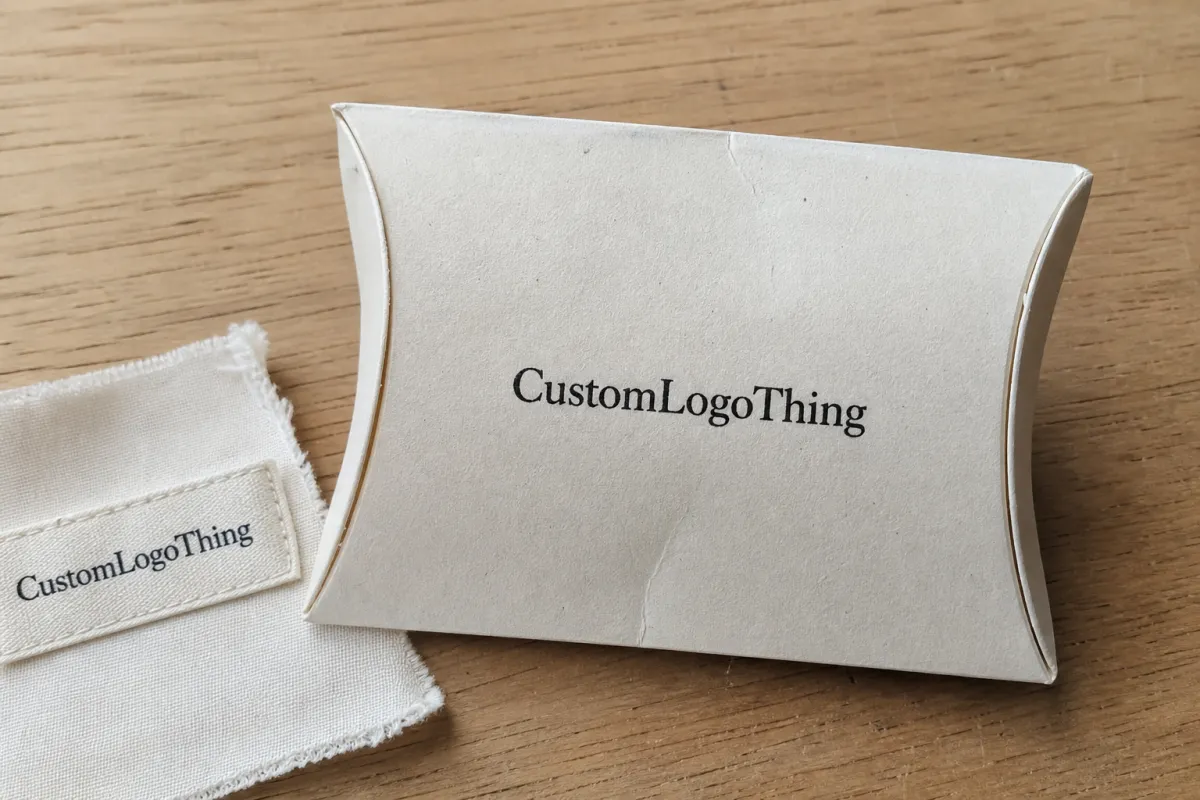
Wedding boutiques sell emotion as much as product, and the branding has to match that expectation. If a robe patch has loose stitching, uneven edges, or a shiny thread that looks cheap under lights, customers notice fast. Bridal retail is unforgiving that way, because the setting is intimate and the product is often handled, photographed, and tried on in close quarters.
A well-made patch can solve several real business needs. It can mark boutique robes for bridal appointments, identify garment bags for alteration work, brand staff apparel in a polished way, and add a subtle identity mark to welcome kits or accessory packaging. In practice, that is often more useful than a printed label that wears down or peels after repeated handling.
There is also a difference between decorative branding and functional identification. Decorative branding is the monogram or crest that helps the boutique look premium. Functional identification is the patch that keeps sample inventory, collection pieces, or private-label accessories organized without confusing the team. The best quote usually accounts for both, because the use case changes the backing, size, and material.
Bridal customers may not know the technical name for the patch, but they absolutely notice whether it feels deliberate. Clean edges, consistent thread tension, and good color matching are what make the brand read as premium.
Start with the garment or item first, not the decoration. A patch for a satin robe behaves differently from one for a structured garment bag. Heat-applied patches, sew-on patches, Velcro-backed patches, and adhesive-backed pieces all perform differently depending on fabric weight and how often the item is washed or moved.
That is the practical side most buyers appreciate once they have handled a few production runs. A patch is not just a logo. It is a small construction choice with real consequences for presentation, durability, and reorder consistency.
Patch Types and Finishes That Work Best for Bridal Retail
Not every patch style delivers the same result for bridal branding. The best option depends on how detailed the logo is, how close customers will view it, and whether the boutique wants a soft textile feel or a more structured modern surface.
Woven patches are usually the best choice for fine lines, small lettering, and detailed crests. Because the image is woven rather than stitched with thick thread columns, the detail reads more clearly at smaller sizes. That matters for monograms and logo marks that have thin flourishes or delicate serif type.
Embroidered patches have a classic, tactile look that many wedding boutiques like because the thread build feels traditional and substantial. They are a smart fit when the logo can tolerate a bit more texture and the design does not rely on tiny type. If you want the brand to feel established and warm, embroidery is often the first sample to request.
PVC patches give a more contemporary surface and are easier to clean, which can be useful for staff apparel or accessory items that see regular handling. They are less common for soft bridal presentation pieces, but they work well for modern boutique branding if the visual direction is more minimal and graphic.
Leather-style patches, including leatherette and embossed alternatives, can look upscale on garment bags, robe belts, packaging accessories, and premium retail items. They suggest quiet luxury, though the artwork needs to be simple enough for that material to do its job. If the logo has too much fine detail, the result can look cramped.
Backing choice matters just as much as material. Sew-on is the safest option for most fabrics and repeated use. Heat seal is convenient for flat, stable textiles but should be tested carefully on delicate fabrics. Velcro makes sense for removable branding on event pieces or staff garments. Adhesive backing is usually best for light-duty temporary use rather than long-term wear.
Border style also changes the look. Merrowed edges give a rounded, traditional frame. Laser-cut edges help with custom shapes and cleaner contours. A custom die-cut shape can turn a monogram, floral crest, or simplified icon into something that feels made for the boutique rather than pulled from a stock catalog.
For bridal retail, soft visual restraint tends to age better than flashy decoration. A patch that photographs well, feels balanced in the hand, and stays legible at a glance will usually outperform something more ornate but difficult to reproduce consistently.
| Patch type | Best use | Typical look | Approx. quote impact |
|---|---|---|---|
| Woven | Fine logos, small text, monograms | Flat, precise, clean | Moderate; often efficient for detailed artwork |
| Embroidered | Classic boutique branding | Textured, traditional, tactile | Moderate; rises with stitch count and color count |
| PVC | Modern staff apparel, durable items | Smooth, molded, clean lines | Often higher due to tooling and molding |
| Leather-style | Premium robe tags, bags, gift items | Quiet, upscale, minimal | Varies by embossing, base material, and shape |
If the boutique is aiming for a softer bridal presentation, woven or leather-style options usually feel more natural than heavy embroidery. If the brand wants visible texture and a handcrafted look, embroidery often wins. The quote should reflect that visual direction, because the material choice changes both setup and unit cost.
Artwork, Size, and Material Specifications to Confirm Before You Order
Good patch quotes start with good artwork. The supplier should know whether your file is a vector EPS, AI, or PDF, because that affects how cleanly the shape and linework can be converted for production. A low-resolution JPG can work for reference, but it is rarely enough for final approval.
For a Logo Patches Supplier Quote for wedding boutiques, confirm these details early:
- Artwork file format and whether the logo includes gradients, shadows, or tiny type.
- Pantone targets or close color references for thread, woven yarn, or print match.
- Patch dimensions in inches or millimeters, not just “small” or “medium.”
- Backing type such as sew-on, heat seal, Velcro, or adhesive.
- Placement on the robe, bag, packaging insert, or staff item.
- Special effects such as metallic thread, raised stitching, or texture contrast.
Size is a bigger issue than many buyers expect. A 2-inch patch can work beautifully on a robe chest or tote bag corner, but the same artwork may look cluttered if the logo has too much wording. For garment bags, 2.5 to 4 inches is often more comfortable visually. Packaging inserts and gift items can use smaller marks, but small text should be reviewed carefully for readability.
Lettering is where errors show up quickly. Thin serif fonts, script fonts, and long taglines can collapse into unreadable shapes if the patch is too small or if the stitch count is too dense. Woven construction helps reduce that problem, while embroidery may need simplified artwork to preserve clarity.
Material choice also changes the final impression. A twill base is common for woven and embroidered patches because it holds detail well and gives a stable foundation. Felt can produce a warmer boutique look, while leatherette can elevate garment bags or packaging accessories with a more refined surface. The right choice depends on whether the brand wants softness, texture, or a cleaner premium feel.
One of the easiest ways to improve the quote is to send the supplier a photo of the item the patch will sit on. A robe front, a garment bag panel, or a packaging sleeve tells the production team more than a vague description ever will. It also reduces the odds of approving a patch size that looks fine on paper but awkward in context.
Suppliers may also ask about the intended wash cycle or cleaning method. That question is not a formality. A patch used on a robe that gets occasional gentle laundering can be specified differently than one that sits on a garment bag or welcome kit and only sees light handling.
Cost, Pricing, MOQ, and What Drives Your Quote
Pricing for custom patches is driven by a handful of measurable variables, and the quote should spell them out. The main ones are patch type, size, color count, artwork complexity, backing style, and quantity. More detail usually means more setup time, more production steps, or both.
For boutique buyers, a small run can still make sense, especially if the patch is for a limited bridal launch, a new appointment robe, or a gift accessory tied to a seasonal promotion. The tradeoff is that lower quantities usually carry a higher unit price because setup costs are spread across fewer pieces.
As a rough working range, simple woven or embroidered patches at mid-sized quantities may land around $0.60 to $1.80 per unit, while more complex constructions, specialty backings, or premium finishes can move above that. Leather-style and molded PVC pieces often cost more because of tooling, material setup, and finishing requirements. Smaller quantities can also push prices higher on a per-unit basis, especially if the order needs custom cutting or proof revisions.
MOQ, or minimum order quantity, depends on how the patch is made. A cleaner, simpler woven patch may allow a lower minimum than a highly detailed PVC piece or a custom-shaped leatherette design. The important thing is not just the number, but whether the MOQ fits the boutique’s real sales and presentation plan.
If you want a quote that is easy to compare, include the following in one message:
- Exact patch size or acceptable size range.
- Estimated quantity for the first order and any planned reorder volume.
- Preferred material or at least two acceptable options.
- Desired backing method.
- Delivery destination and target date.
- Where the patch will be used, such as robes, garment bags, staff apparel, or packaging.
Sampling can also affect the total. Some projects need a pre-production sample or digital proof only, while others need a physical sample to verify thread density, color, or edge finish. Rush production, nonstandard packaging, and specialty thread colors can add cost as well. If the logo includes metallic yarn or a very unusual contour, expect the supplier to factor that into the quote instead of treating it like a standard run.
From a buyer’s point of view, a good quote should make the price logic obvious. If one supplier is cheaper but vague about material, backing, or proofing, that is usually not a cleaner deal. It is just less information.
For brands that care about packaging and presentation standards, industry references such as ISTA can be useful when thinking about handling and transit expectations, and FSC matters if your packaging program uses certified paper components alongside branded accessories.
Production Steps, Proofing, and Lead Time Expectations
The production path for a custom patch is usually straightforward, but only if the artwork is clear and the buyer responds quickly during proofing. Most suppliers follow a sequence like this: artwork review, digital proof, approval or revision, sample if needed, production, finishing, inspection, and packing.
Delays usually happen in the same places. The artwork may be low resolution. The color targets may change after the proof is sent. A buyer may decide to add a border style, change the patch shape, or switch backing after the design has already been quoted. Those changes are normal in a design process, but they do affect timing.
For simple woven or embroidered patches, a typical production timeline after proof approval is often around 12 to 15 business days, depending on the factory schedule and quantity. Highly detailed shapes, specialty materials, or backings that need extra setup can take longer. If the order includes physical samples before full production, add extra time for shipping and review.
One thing boutique buyers should plan for is seasonal pressure. Bridal trunk shows, store refreshes, and appointment kit launches tend to happen on deadlines that cannot move. That means a cushion of several extra business days is smart, especially if the order is tied to a launch, holiday display, or event calendar.
Keeping the proofing process clean helps more than people realize. Approve one artwork version. Confirm the exact size in writing. Check spelling, spacing, and color callouts before production begins. If the patch is going onto satin robes or other delicate items, ask the supplier whether the backing or application method has been tested on similar fabric weight.
There is also the shipping side. A patch order may be finished on time, but if the destination requires a certain transit window, the total schedule can still slip. That is why buyers should confirm the shipping method before final approval, not after production is already underway.
If the supplier offers inspection and packing notes, use them. Consistent counting, protected packaging, and clear carton labeling make reorders easier and reduce the chance of mixed sizes or colors arriving together.
Quality control for patches is usually visual, but the useful checks are specific: edge trimming should be even, stitch density should not distort thin text, adhesive should be tested on a sample fabric, and color should stay within the agreed reference. For bridal products, a dull edge or a crooked center line can stand out more than on standard retail apparel.
Why Wedding Boutiques Benefit from a Custom Patch Supplier
A wedding boutique does not just need patches once. It usually needs them across multiple touchpoints: robes for fittings, garment bags for handling, staff apparel for events, gift packaging, and occasional accessory launches. That makes supplier consistency valuable, because the brand has to look the same across different products and different reorder cycles.
A dependable supplier helps preserve repeatable stitch quality, color control, edge finish, and backing performance. That matters more than a low headline price, because a cheaper run that varies from the last one can create rework, waste, and visual inconsistency on the sales floor.
Clear communication matters too. A buyer should not have to explain the same logo from scratch every time if the supplier keeps good records. Reorder-friendly support, proof accuracy, and practical advice about material selection all make the process easier, especially when the boutique is busy preparing for appointments or seasonal display changes.
A supplier also adds value by helping the buyer avoid unnecessary complexity. If the logo is too detailed for embroidery, a good partner will say so. If a heat seal backing is risky on a fabric, that should be flagged before production. That kind of honesty is worth more than an overly optimistic quote that creates problems later.
In commercial packaging and branding work, consistency is a quality signal. The packaging industry has long understood that stable specifications reduce waste and variation, which is why many brands build repeatable programs around fixed artwork, approved materials, and documented reorders. The same thinking applies here.
If you are narrowing down vendors, a strong Logo Patches Supplier Quote for wedding boutiques should feel organized, specific, and easy to compare. That is usually the sign of a supplier who understands real production, not just sales language.
The best long-term result is a patch spec that can be repeated without surprises. Once the artwork, size, backing, and color references are locked, future orders become easier to approve and easier to keep visually consistent across robes, bags, and packaging.
How to Request the Right Quote and Place Your First Order
The cleanest way to request a quote is to send one concise package with the essentials: logo file, target quantity, patch size, intended use, backing preference, and delivery deadline. If the patch will be used on bridal robes, garment bags, staff uniforms, or packaging inserts, say that directly. Usage changes the material recommendation.
Ask for two or three material options if you want a useful comparison. For example, a supplier can often show how woven, embroidered, and leather-style patches differ in appearance, lead time, and price. That gives you a real decision instead of a single number with no context.
Before approving production, confirm four things:
- Proof review timing and who will sign off internally.
- Final dimensions and whether the shape is exact or approximate.
- Shipping method and whether the timeline fits your launch or event.
- Reorder terms so future runs stay consistent.
It is also smart to request a sample or proof package when the branding is especially visible, such as for bridal appointment robes or premium presentation items. A small sample can save a large mistake, especially if the logo includes fine script, a thin border, or a special backing.
Once the patch spec matches your brand standards, move forward with the first order. Good patch production is not complicated, but it does reward careful planning, clear artwork, and realistic timing. That is especially true in wedding retail, where every detail is part of the brand story.
If you are ready to compare options and get a tailored Logo Patches Supplier Quote for wedding boutiques, send the artwork, size, quantity, and intended use, then ask for a proof review before production starts.
FAQ
What should I include when requesting a logo patches supplier quote for wedding boutiques?
Include your logo file, desired patch size, quantity, attachment method, material preference, and needed delivery date. Add a note about the product it will be used on, such as robes, garment bags, staff apparel, or packaging.
Which patch type is best for wedding boutique branding?
Woven patches work well for small text and detailed logos. Embroidered patches suit classic boutique branding, while leatherette or PVC can create a more modern premium look.
What affects the price of custom logo patches for bridal shops?
Price is driven by size, material, stitch or weave complexity, color count, backing type, and order quantity. Rush timing, specialty finishes, and sample requirements can also change the quote.
What is a typical MOQ for custom logo patches?
MOQ varies by patch construction and detail level. Smaller, simpler runs are easier to produce at lower quantities, while specialty patches often need a higher minimum to cover setup costs.
How long does production usually take after proof approval?
Simple patch orders generally move faster than highly detailed or specialty-finish designs. Timeline depends on proof approval speed, production load, and shipping method, so buyers should build in buffer time before events or store launches.


