Small Patch Decisions Can Change the Whole Guest Retail Experience
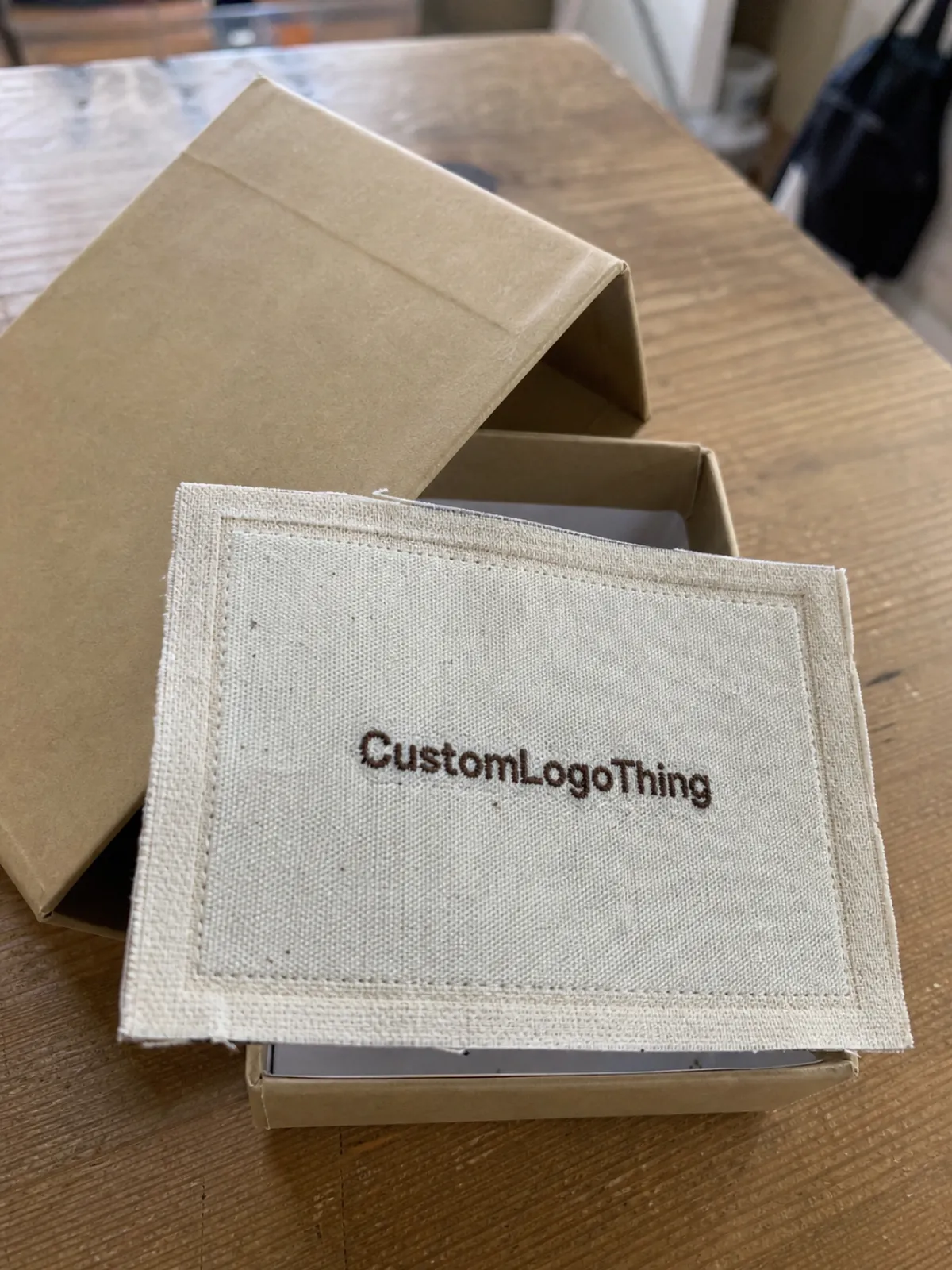
A guest picks up a robe, cap, canvas tote, fleece, or luggage tag in a hotel boutique. Before the price tag gets checked, their fingers usually find the logo detail. Buyers searching for a Logo Patches Supplier Quote for hotel boutiques are rarely browsing casually; they are comparing real production options for retail merchandise, staff uniforms, guest amenities, private-label goods, or seasonal souvenir programs.
That small patch has a bigger commercial job than it gets credit for. It needs to make the product feel finished without forcing the hotel to redesign an entire garment or accessory line. A well-specified patch can turn a plain 12 oz cotton canvas tote, a 280gsm fleece pullover, or a terry spa robe into something that feels tied to the property. A poorly specified patch does the reverse. It curls, scratches, feels too stiff, or makes a premium item look like an afterthought.
Hotel boutique patches have to balance appearance, comfort, durability, and brand consistency. The same mark may be sewn onto plush robes, caps, aprons, blankets, luggage tags, canvas bags, spa headbands, or housekeeping apparel. Each base product behaves differently. A patch that works beautifully on a structured cap may feel bulky on a robe sleeve. A soft woven label-style patch that looks elegant on a blanket may not have enough edge durability for a hard-working tote.
The buying process gets easier once the discussion shifts from “custom logo patch” to production details: material, size, border, backing, color matching, minimum order quantity, sample timing, lead time, and final packing. Two patches can look almost identical in a PDF proof but feel entirely different in hand because of thread density, backing film, border type, thickness, and attachment method.
Practical rule: If the patch will touch skin, flex during wear, or go through laundering, specify comfort and durability before price. Saving a few cents on the wrong construction can create returns, replacements, and brand inconsistency.
How to Read a Logo Patches Supplier Quote for Hotel Boutiques
A useful Logo Patches Supplier Quote for hotel boutiques should be clear enough that a buyer, merchandiser, or purchasing manager can compare options without decoding assumptions. At minimum, the estimate should name the patch type, size, shape, quantity, backing, border, thread or material colors, artwork setup, sampling cost, bulk production cost, packaging method, shipping terms, and estimated lead time.
The strongest quotes separate fixed setup charges from variable unit costs. That distinction matters. A 100-piece boutique launch order will usually carry a higher unit price than a 1,000-piece seasonal run because embroidery digitizing, woven programming, PVC mold work, leather cutting setup, or sample development has to be absorbed somewhere. Spread those costs over more pieces and the per-patch number usually improves.
Before asking for pricing, prepare the basics:
- Logo artwork: vector AI, EPS, or PDF is preferred; high-resolution PNG can be reviewed for early guidance.
- Intended product: robe, cap, tote, apron, fleece, blanket, luggage tag, retail accessory, or staff garment.
- Target patch size: for example, 2.25 inches wide for caps or 3.5 inches wide for totes.
- Quantity range: ask for tiers such as 100, 250, 500, and 1,000 pieces.
- Preferred look: classic embroidered, fine woven, leather, PVC, chenille, or printed.
- Color references: Pantone numbers, thread chart references, or brand guide values if available.
- Durability needs: laundering, outdoor use, chlorine exposure, abrasion, or dry-cleaning concerns.
- Deadline and delivery address: especially for grand openings, conferences, weddings, or resort retail launches.
Patch constructions are not interchangeable. An embroidered patch has dimension and thread texture. A woven patch carries finer detail. Faux leather brings a retail lifestyle feel. Rubber PVC gives raised color and water resistance. Chenille offers bold, fuzzy texture for varsity or souvenir styling. Printed patches can handle gradients and artwork that embroidery cannot reproduce cleanly.
Garment destination matters, too. A patch for a plush robe needs a softer hand, careful backing, and smart placement away from high-friction skin contact. A patch for a canvas tote, structured cap, or luggage tag can usually tolerate more body. Ask whether the quoted price includes digital proofing, a pre-production sample, color matching, die or mold charges, and application service if the patches will be sewn onto finished goods before delivery.
If you need help turning an idea into a quote-ready specification, Contact Us with the logo, product photo, quantity, and target in-hand date. A cleaner request usually leads to cleaner pricing.
Patch Materials That Fit Hotel Boutique Merchandise
The patch material should match the product, not just the logo. Hospitality merchandise carries a different expectation than low-cost promotional goods. Guests may pay retail pricing, wear the item home, or connect the patch quality with the property itself.
Embroidered patches
Embroidered patches are the classic hospitality choice for caps, outerwear, staff jackets, canvas bags, aprons, and premium casual goods. They usually use polyester or rayon thread stitched over a twill base, with stitch coverage ranging from partial coverage to nearly 100% embroidery. They have a raised, dimensional look. The limitation is detail: very small lettering under about 0.18 inches tall can lose clarity depending on the font, stitch direction, and thread weight.
Woven patches
Woven patches are better for small logos, fine lettering, crests, monograms, and detailed boutique marks. Instead of building the design with embroidery stitches on top of fabric, the design is woven into the patch itself, often allowing cleaner detail and a flatter profile. For a detailed hotel crest at 2 inches wide, woven may outperform embroidery.
Printed patches
Printed patches work well for gradients, photographic artwork, painterly graphics, and art-forward retail collections. Dye sublimation and other print methods can reproduce detail that thread cannot. The tradeoff is feel. Printed patches usually have a flatter surface, and long-term wear depends on the fabric, ink system, edge finishing, and laundering conditions.
Leather and faux leather patches
Leather and faux leather patches suit lodge, resort, spa, heritage, golf, and lifestyle boutique products. Decoration methods may include debossing, embossing, foil stamping, heat branding, or laser engraving. Genuine leather varies in grain and shade, which many buyers like, but that variation can create patch-to-patch differences. Faux leather is more consistent and often easier to specify for larger runs.
Rubber PVC and silicone patches
PVC and silicone patches fit poolside retail, beach goods, golf accessories, outdoor programs, and spa merchandise where water resistance and bold color matter. These patches can be molded with raised and recessed areas, often in 2D or 3D effects. They are not as soft as woven or embroidered patches, so placement needs care on wearable items.
Chenille patches
Chenille has a thick, looped yarn surface that feels retro, collegiate, and souvenir-driven. It works best for large initials, simple mascots, varsity-style marks, and bold retail pieces. It is a poor fit for tiny type, delicate crests, or lightweight garments that cannot support extra bulk.
| Patch Type | Best Boutique Uses | Typical Strength | Watch Point |
|---|---|---|---|
| Embroidered | Caps, jackets, aprons, totes | Dimensional, classic hospitality look | Fine lettering may fill in at small sizes |
| Woven | Crests, monograms, detailed logos | Cleaner detail and flatter feel | Less raised texture than embroidery |
| Leather or faux leather | Lodge, spa, resort, lifestyle goods | Premium retail appearance | Material color limits and care requirements |
| PVC or silicone | Beach, pool, golf, outdoor products | Water resistance and bold molded detail | Stiffer hand on soft apparel |
| Printed | Art collections, gradients, illustrated graphics | High visual detail | Surface wear depends on print system and use |
Specifications Buyers Should Confirm Before Approving Artwork
A polished proof is only useful if the specification behind it is complete. For a hotel boutique patch quote, buyers should confirm width, height, shape, border style, background material, stitch or weave density, color count, placement, backing type, and packaging method before approving production artwork.
Size drives both appearance and performance. Very small patches can lose thin lettering, tiny registered marks, interior crest lines, or delicate flourishes. Oversized patches can pucker on flexible garments, pull on lightweight knits, or overpower a boutique product visually. For many caps, patches sit in the 2 to 2.75 inch width range. Tote patches may run closer to 3 to 4 inches wide. Robe chest patches often need restraint because comfort and proportion matter more than billboard size.
Border selection changes the finished look. Merrowed borders create the classic rounded stitched edge seen on many embroidered patches, but they work best on standard shapes such as circles, ovals, rectangles, and shields. Laser-cut or heat-cut borders allow sharper corners, custom silhouettes, and finer shapes. For woven and printed patches, heat-cut edges are common when the shape is irregular.
Backing affects durability and application. Sew-on backing is usually the strongest long-term option, especially for items that will be washed repeatedly. Heat-seal backing can speed application, but the garment must tolerate the correct heat, pressure, and dwell time. Plush robes, performance fabrics, fleece, and delicate textiles should be reviewed carefully before heat application. Adhesive backing is mainly for temporary placement, presentation, or event use. Hook-and-loop backing is useful for removable staff gear, uniforms, or operational items.
Color control deserves real attention. Pantone references help, but thread, leather, PVC, and ink do not behave the same way. Polyester thread has sheen. Leather stock colors may be limited. PVC can often be color matched, but mold depth and surface finish affect perception. A digital proof shows layout and color placement; it cannot fully show thread texture, leather grain, or molded relief.
For hospitality settings, comfort is part of quality. Scratchy backing, stiff edges, excessive thickness, or poor placement can affect robe wearability, staff uniform comfort, and guest perception. Ask the supplier to flag elements that may not translate well, including hairline type, tiny trademark symbols, gradients in embroidery, or too many colors packed into a small patch.
MOQ and Unit Cost Factors for Custom Patch Orders
Minimum order quantity depends on the patch process. Embroidered and woven patches often support lower runs because the setup is mostly artwork conversion and machine programming. Molded PVC, silicone, and certain leather programs may require tooling, cutting dies, or more involved setup, so the practical MOQ can be higher. Not always, but often enough that it should be discussed early.
The main cost drivers are patch size, quantity, material, number of colors, stitch coverage, backing, border method, design complexity, sampling, individual packaging, and whether application is included. A 2-inch woven patch with two colors and sew-on backing will not price like a 4-inch molded PVC patch with six colors, 3D relief, custom backing cards, and retail polybags.
As a broad planning range, simple embroidered or woven patches may land around $0.60 to $2.50 per piece at moderate quantities, while more complex PVC, leather, chenille, or specialty constructions can move higher depending on size and setup. Small runs may cost more per unit because setup is spread across fewer patches. Rush handling, split shipments, or sewing onto finished garments can also change the total.
Here is the mistake that shows up often: the cheapest quote is not always the best commercial value. A patch that saves $0.08 per unit but curls after washing, bleeds color, feels scratchy on a robe, or misses the brand standard can cost more through replacements and lost confidence. For hotel boutique merchandise, the patch is part of the product, not a disposable decoration.
| Cost Factor | How It Affects Pricing | Buyer Tip |
|---|---|---|
| Quantity | Higher quantities usually reduce unit cost by spreading setup over more pieces. | Request 100, 250, 500, and 1,000 piece tiers. |
| Size | Larger patches use more thread, material, cutting time, or molding area. | Confirm actual inch size, not just “small” or “large.” |
| Color count | More colors can increase programming, thread changes, print complexity, or PVC filling time. | Use brand-critical colors first; simplify minor details where possible. |
| Backing | Heat-seal, adhesive, hook-and-loop, or specialty backings add material and labor. | Match backing to the product’s fabric and washing requirements. |
| Retail packing | Custom cards, barcode labels, polybags, and hangtags add unit handling. | Specify packing early if patches ship as retail-ready components. |
Common add-ons include metallic thread, reflective thread, glow thread, custom backing cards, barcode labels, hangtags, individual polybags, sewing service, rush production, and split shipments to multiple properties. A strong quote should make those extras visible, not hide them inside a vague total.
If budget is firm, say so early. A capable supplier can often adjust construction without damaging the look: woven instead of embroidered for tiny detail, faux leather instead of genuine leather for consistency, sew-on instead of specialty backing, or a slightly smaller patch to improve both proportion and price.
Process, Timeline, and Approval Steps From Artwork to Delivery
A typical patch order moves through inquiry, artwork review, recommendation, formal quote, digital proof, optional physical sample, approval, bulk production, quality check, packing, and shipping. The process looks simple on paper. Each stage protects the final product.
During artwork review, the supplier checks line weight, lettering size, color count, stitch direction, patch scale, border feasibility, and whether the selected material can produce the requested visual effect. A hotel crest with tiny scrollwork may need woven construction. A bold resort icon may look better embroidered. A poolside retail mark may suit PVC or silicone.
Digital proofs are useful. They show size, shape, layout, border, and approximate color placement. They do not fully show thread texture, leather grain, PVC height, chenille loft, or how the patch feels against fabric. For premium boutique goods, staff-facing garments, or guest amenities with strict brand standards, a physical pre-production sample is often worth the extra time and cost.
Timing depends on artwork readiness, patch type, quantity, sampling, and production load. Digital proofing may take a few business days. Sampling can add additional time, especially for molded, leather, or specialty patches. Bulk production timing varies by construction and quantity, and freight timing should be planned separately. No supplier should promise one universal schedule for every patch type and order size.
Several issues can slow the job: incomplete artwork, missing Pantone references, late color approvals, changing the size after sampling, unavailable materials, complex custom shapes, international shipping, or adding sewing and retail packaging after the quote has already been approved. The earlier those details are locked, the cleaner the schedule becomes.
Build a buffer before boutique launches, seasonal openings, property anniversaries, conferences, wedding blocks, holiday retail pushes, or VIP gifting events. If the patches will be attached to finished garments, allow time for receiving goods, placement confirmation, sewing or heat application, inspection, repacking, and outbound shipping.
Quality control should be more specific than “looks good.” For textile patches, inspect size tolerance, border consistency, thread breaks, loose tails, color placement, backing coverage, and edge fray. For PVC and silicone, check raised detail, color fill, surface bubbles, flexibility, thickness, and attachment points. For leather and faux leather, look at grain consistency, engraving depth, burn marks, corner shape, and backing adhesion. If finished merchandise is included, verify placement from a fixed reference point rather than eyeballing every garment.
For packaging and shipping durability, buyers may also want to align carton and transit expectations with recognized guidance from ISTA, especially if finished merchandise will move through parcel or multi-stop distribution. If sustainability claims matter for backing cards or retail paper packaging, request certified paper options and review chain-of-custody requirements through organizations such as FSC.
Action Steps to Request a Clean, Comparable Patch Estimate
A clean request produces a clean estimate. For a Logo Patches Supplier Quote for hotel boutiques, send enough detail for the supplier to quote the actual job instead of guessing from a logo screenshot.
Use this checklist:
- Artwork: vector AI, EPS, PDF, or the best high-resolution logo file available.
- Patch type: embroidered, woven, printed, leather, faux leather, PVC, silicone, chenille, or “recommend options.”
- Target size: width and height in inches, or the product area where the patch must fit.
- Quantity range: include likely launch quantity and possible reorder quantity.
- Product destination: robe, cap, tote, apron, fleece, blanket, spa item, luggage tag, or staff garment.
- Backing preference: sew-on, heat-seal, adhesive, hook-and-loop, or supplier recommendation.
- Delivery location: one address or multiple property shipments.
- Required in-hand date: include launch, event, or retail floor date if fixed.
Photos help. Send images of the garment or merchandise, especially for curved caps, plush robes, textured bags, leather goods, fleece, or soft accessories. Patch thickness and attachment method are easier to judge when the supplier can see the base item.
Also identify the purchase purpose. Staff uniforms, guest retail, VIP gifting, spa merchandise, resort shop souvenirs, housekeeping apparel, event goods, and private-label boutique products have different performance needs. A housekeeping uniform patch may need repeated laundering durability. A retail tote patch may need strong shelf presence. A robe patch should feel soft and quiet against the garment.
If you are unsure which construction is best, ask for two or three options. For example, request embroidered versus woven, sew-on versus heat-seal, or leather versus PVC, with notes on durability, texture, and visual differences. That kind of side-by-side quote gives purchasing teams a better basis for approval than a single low number with missing details.
Custom Logo Things can help translate a hotel logo, boutique mark, crest, monogram, or resort icon into a production-ready patch specification. That may include material recommendations, size adjustments, backing guidance, color notes, and packing requirements. To start, Contact Us with the artwork, quantity, target product, and deadline.
Good patch sourcing is less about chasing a generic decoration and more about controlling the small variables guests notice. Material, size, backing, border, placement, and packaging all influence whether the finished item feels retail-ready or merely branded. The better the specification, the fewer surprises between proof approval and the boutique shelf.
Frequently Asked Questions
What should I send to get a logo patch quote for a hotel boutique order?
Send your logo file, preferred patch size, estimated quantity, intended product, backing preference, delivery address, and target in-hand date. If the patch will go on robes, caps, totes, aprons, or spa merchandise, include product photos so the supplier can recommend the right material and attachment method. Vector artwork is best, but a clear high-resolution image can usually be reviewed before final production artwork is prepared.
Which patch type is best for hotel boutique merchandise?
Embroidered patches work well for classic hospitality branding and durable merchandise like caps, bags, jackets, and aprons. Woven patches are better for small lettering, crests, and detailed logos. Leather, faux leather, PVC, and printed patches are useful when the boutique wants a more specific retail style or a surface that suits outdoor, spa, or resort merchandise.
How does MOQ affect the unit cost of custom logo patches?
Lower quantities carry a higher unit cost because artwork setup, machine programming, sampling, or tooling are spread across fewer pieces. Higher quantities usually reduce the unit price, especially for repeatable constructions like embroidered or woven patches. Ask for tiered pricing at several quantities so you can compare a small launch run against a larger seasonal or multi-property order.
Can logo patches be supplied with heat-seal backing for boutique apparel?
Yes, many textile patches can be made with heat-seal backing, but the base garment must tolerate the required heat, pressure, and dwell time. Sew-on backing is still the safest choice for long-term durability on many hospitality goods, especially textured, plush, or frequently washed items. The supplier should review the garment fabric before recommending heat application for robes, fleece, performance fabrics, or delicate materials.
How long does a custom patch order usually take for a hotel boutique?
Timing depends on artwork readiness, patch type, quantity, sample approval, and shipping method. A digital proof is typically the first step, followed by sampling if the buyer wants to confirm texture, size, and color before bulk production. For launch dates or seasonal retail programs, build in extra time for approvals, possible revisions, packing, and freight.


