Why logo patches can lift the shelf value of a home fragrance line
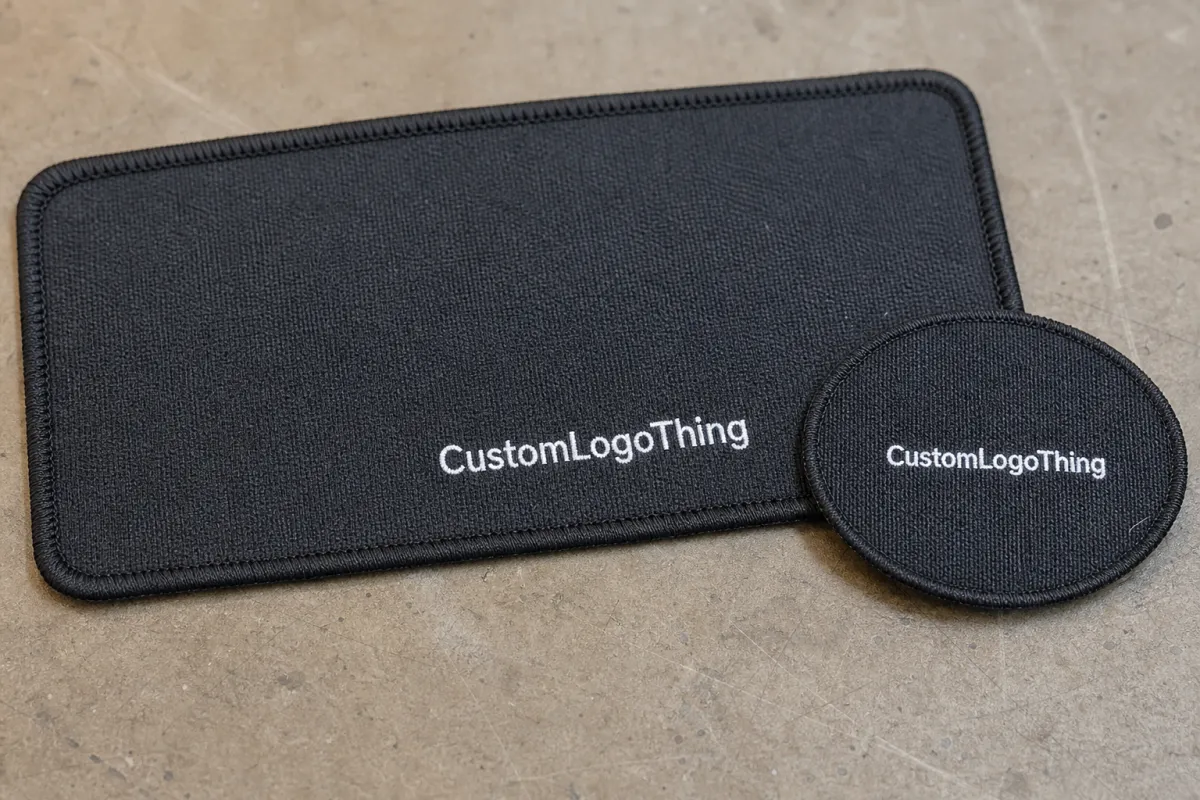
The Logo Patches Unit Cost for home fragrance brands is usually small, but the effect on shelf perception can be material. A clean patch on a candle box, reed diffuser sleeve, or gift set signals that the pack was designed intentionally. In fragrance, shoppers often decide within seconds whether a product feels premium, giftable, or ordinary.
Home fragrance packaging has to do several jobs at once: protect fragile goods, carry the brand story, and still look polished. A patch adds a dimensional branded detail without requiring a full structural redesign. For many buyers, that makes it a practical way to improve presentation without changing the entire pack.
The commercial value is straightforward. A patch that costs slightly more than print alone may still support margin if it helps justify a higher shelf price, reduces the need for other decoration, or improves gift appeal in peak season. Compared with heavier decoration methods, patches can also be easier to apply consistently across multiple pack formats.
It also helps keep the line visually coherent. The same patch concept can be used across cartons, mailers, tissue wrap, and inserts, which makes a collection feel more controlled. That consistency matters to retailers and buyers because it suggests a packaging system with discipline behind it.
“For fragrance packaging, decoration is not just decoration. It is a visible signal of pricing power.”
From a procurement view, the key is designing the patch around the package from the start. Oversized shapes, tiny type, and incompatible backings create rework. Rework usually appears later, after proof approval and when launch timing is already tight.
Patch types and construction choices that affect performance
Patch construction affects more than appearance. It changes how the logo reads at retail distance, how it feels in hand, how it survives storage, and whether assembly stays efficient. For home fragrance brands, the right construction depends on positioning: luxury gifting, everyday retail, seasonal runs, or minimalist packaging.
Woven patches are often best for smaller logos and finer text because they hold detail better than embroidery. Embroidered patches add texture and a familiar premium feel, although very thin lines may soften. PVC and silicone patches suit projects that need a smooth surface, durable finish, and clean edge definition. Leatherette works well for understated luxury, while felt-backed embroidery gives more tactile depth.
Material choice should also match the fragrance environment. Warm retail floors, repeated handling, and storage near scented products can expose weak adhesives or unstable coatings. If the patch sits on a sleeve, lid wrap, or insert, it should resist curling, staining, edge lift, and adhesive creep. That is especially important on glossy cartons and textured stocks, where bond performance can vary.
Shape and finish affect price as well as appearance. Round and simple geometric patches are easier to cut. Complex die-cuts, metallic thread, multi-layer builds, and stitched borders add steps and usually increase tooling charges. Backing type matters just as much. A sew-on patch may be structurally simple, but it does not suit carton applications. Adhesive-backed formats can reduce manual labor, while hook-and-loop is more useful for displays and merchandising kits than for consumer cartons.
- Woven: best for fine detail and compact branding.
- Embroidered: better for texture and a classic premium look.
- PVC or silicone: good for durability and clean edges.
- Leatherette: works well for understated luxury positioning.
- Felt-backed embroidery: useful when tactile depth matters most.
Buyers should ask about stain resistance and adhesive stability early. Poor glue choice may not show problems on a digital mockup, but it can react badly to heat, coated surfaces, or long storage. That kind of failure often appears only after finished cartons are already in motion.
Specifications that determine fit, finish, and reorder consistency
Clear specs are the foundation of accurate quoting. Without them, the Logo Patches Unit Cost for home fragrance brands may look good at first and then rise once revisions, resampling, and artwork cleanup are added. Before sampling, the buyer should lock down size, thickness, color count, attachment method, and acceptable tolerances.
Size is one of the biggest variables. A 30 mm patch behaves differently from a 55 mm patch, both visually and in handling. Thick patches can look luxurious, but they may create problems on narrow panels or curved surfaces. If the patch is going onto a candle carton with limited front-panel space, simplifying the artwork often helps. Fewer tiny details usually mean lower risk and better readability at retail distance.
Color count matters too. A two-color woven logo is usually easier to produce than a six-color emblem with fine borders and gradients translated into thread. Small type is another common issue. What reads clearly on a screen may collapse at patch scale, especially in embroidery. The sharper the line work, the more likely a woven or printed approach will be a better fit.
Backing and attachment choices
The backing should match the package, not the mood board. Common options include:
- Sew-on: suited to fabric wraps, pouches, and reusable bags.
- Iron-on: useful for textile-based gift packaging, though heat tolerance must be checked.
- Adhesive: efficient for cartons, sleeves, and inserts if surface compatibility is confirmed.
- Hook-and-loop: practical for merchandising displays and reusable retail fixtures.
- Custom application-compatible formats: needed when a co-packer or assembly line has a specific process.
Packaging compatibility is critical. A patch that adheres well to coated board may fail on uncoated kraft, embossed stock, or heavily textured paper. The same patch may also behave differently on rigid board than on flexible wrap. If the design has to sit flat and crisp, the supplier needs to know the substrate before the sample is made.
Repeat orders are easier when the first approval captures the non-negotiables: final dimensions, thread colors, adhesive type, border style, and acceptable color variance. A documented spec sheet keeps “close enough” from becoming the standard on reorder.
Industry references such as ISTA for transit testing and EPA materials guidance for waste considerations can help frame decisions when shipping damage or recyclability is part of the brief. The patch is only one component of the packaging system, but it still needs to fit the wider picture.
Logo patch pricing, MOQ, and unit cost breakdown
This is where most buyers want a clean answer. The useful answer is that Logo Patches Unit Cost for home fragrance brands depends on material, size, number of colors, backing type, finish detail, and order quantity. Each factor changes how much time, handling, and setup the factory needs.
For smaller launches, setup charges and sampling can matter more than expected. A patch with a low unit price can still become expensive if the order is small and the supplier has to clean up artwork, create a custom die, or match a specific tone. Freight and sample shipping also affect landed cost, especially if several revisions are needed before approval.
Use the following framework to compare options without focusing only on the headline unit price.
| Patch style | Typical MOQ | Indicative cost per piece | Best fit |
|---|---|---|---|
| Basic woven patch | 500-1,000 pcs | $0.18-$0.35 | Small logos, clean brand marks |
| Embroidered patch | 500-1,000 pcs | $0.22-$0.48 | Textured premium packaging |
| PVC or silicone patch | 1,000+ pcs | $0.28-$0.60 | Durable, modern, clean edges |
| Leatherette patch | 500-1,500 pcs | $0.25-$0.55 | Luxury, understated presentation |
| Specialty build with custom backing | 1,000+ pcs | $0.40-$0.85+ | High-detail branding, retail displays |
These figures are working ranges, not universal pricing. They move with region, volume, artwork complexity, and the finish selected. The pattern is consistent: larger runs usually lower unit cost, while specialty finishes push it higher. More colors mean more steps. Small text may force a switch from embroidery to weaving. Unusual borders or irregular shapes can add setup.
Bulk pricing often improves after the first quantity break, but only if the design stays stable. A brand that changes dimensions several times does not really have a volume pricing problem; it has a spec discipline problem. That distinction matters because the cheapest nominal unit price can become the most expensive landed cost once revisions and delays are added back in.
For home fragrance brands, the best comparison is not “What is the lowest number?” but “What is the best quote for this package system?” The answer should balance cost, application speed, and shelf impact across the full range. A patch that reduces labor at the packing table can be worth more than one that looks slightly richer but slows assembly.
Ask for a quote that separates line items. Patch cost, setup charges, sampling, and freight should appear individually. That makes supplier comparisons more honest and helps procurement see whether a low number is truly low or just under-explained.
Production steps, sample approval, and lead time expectations
Most delays happen before production truly starts. The standard workflow is simple: artwork submission, digital proof, sample creation, revisions if needed, mass production, and final packing. The pace depends on how complete the brief is. When specs are final at the start, custom patches move faster.
Artwork cleanup is one of the first trouble spots. Thin lines, tiny type, and gradient-heavy logos can look fine on a monitor but fail in physical production. Color approval is another bottleneck. If the brand needs precise PMS matching or tightly controlled neutrals, the supplier should confirm the color method before sampling begins. Material sourcing can add delay too if the chosen backing or finish is not standard stock.
Lead time depends on construction and quantity, but a typical custom patch program often lands around 12-15 business days after proof approval for simpler builds. More complex designs, specialty finishes, or sample revisions can extend that. Rush production may be available, but it usually affects pricing and increases the chance of compromise.
Procurement teams usually do better with a simple approval sequence:
- Design approval: final artwork, dimensions, and color callout.
- Spec approval: backing, finish, border, and substrate compatibility.
- Sample approval: physical review before mass production.
- Pre-shipment check: quantities, labeling, and packing confirmation.
This structure helps keep launch calendars on track and reduces the risk of finding a dimensional mismatch after the first thousand pieces are already made. For candle and diffuser brands tied to seasonal campaigns, that timing can decide whether a collection lands in the right selling window.
If sustainability is part of the packaging brief, ask whether the patch construction, adhesive, or backing adds unnecessary waste. Industry resources such as FSC can help when the wider packaging program includes certified paper components. The practical goal is to choose the simplest construction that still performs well.
How to choose a supplier that protects quality and margin
A good supplier does more than send a price. It helps the brand avoid waste through accurate proofs, realistic MOQ guidance, prompt sample turnaround, and repeatable specs from one order to the next. If a factory cannot explain how material choice affects the outcome, or cannot separate sample cost from production cost, the buyer takes on unnecessary risk.
Pay attention to how quotes are written. Some suppliers state unit price clearly and list setup separately. Others bury everything in a single figure that looks tidy but hides revisions, custom tooling, or chargeable changes. The first approach is easier to compare. The second often creates surprises after approval.
Practical questions help expose the difference quickly:
- What material options are available at the target price point?
- What tolerance range should we expect on size and color?
- Which backing is recommended for our carton or sleeve?
- How much does the unit cost change at the next order tier?
- What happens if artwork needs minor cleanup?
Those questions separate a transactional vendor from a supplier that understands packaging performance. Good suppliers often suggest smarter sizing, a simpler edge finish, or a more realistic MOQ if that keeps the launch moving.
For examples of how packaging decisions translate into retail outcomes, the Case Studies page shows how different brands handle premium cues, production discipline, and format choices across product categories.
The most reliable suppliers ask difficult questions early. They want to know the substrate, the end use, the launch date, and whether the patch must survive transit, gifting, or repeated handling. That curiosity is often what saves money later.
Next steps to order the right patch for your packaging line
If you are preparing to request quotes, gather the basics first: artwork, target size, preferred backing, estimated quantity, and the package format the patch will sit on. A reference photo of the candle box, diffuser carton, or gift set helps the supplier judge scale and surface compatibility. Without that, the quote may be useful but not fully production-ready.
Be clear about the patch’s role. Is it decorative only? Does it need to reinforce branding on shelf? Is it meant to communicate premium positioning to retailers and gift buyers? Those are different jobs, and they can justify different constructions. In many cases, asking for two quote paths works well: one optimized for the lowest unit cost, and one optimized for visual impact.
Clear artwork, realistic quantity planning, and a supplier that understands the surface the patch is going onto usually produce better pricing and fewer surprises. The payoff is a packaging line that is easier to reorder, easier to forecast, and less likely to create avoidable scrap.
What affects logo patch unit cost for home fragrance brands the most?
Material, size, number of colors, backing type, and order quantity are the biggest price drivers. Setup, sampling, and shipping can change the final landed cost. Complex artwork and specialty finishes usually increase unit cost.
What MOQ should I expect for custom logo patches on candle packaging?
MOQ varies by construction and supplier, but simpler patches often start at lower quantities than specialty styles. Higher complexity or custom backing usually raises the MOQ threshold. Ask for tiered pricing so you can compare test runs against full launch volumes.
Which patch material works best for premium home fragrance packaging?
Woven and embroidered patches suit premium, textured branding. PVC and silicone work well when durability and clean edges matter. The best choice depends on the package surface and the visual finish you want to maintain across the line.
How long does production usually take after artwork approval?
Lead time depends on material, order size, and whether a sample is required. Simple builds move faster when artwork and specs are final. Rush options may be available, but they usually affect pricing.
Can I use the same logo patch across candles, diffusers, and gift sets?
Yes, if the size and backing are compatible with each package format. A single patch concept can improve brand consistency across product lines. You may need small spec adjustments for different box materials or surface textures.


