One extra cent on Logo Patches Unit Cost for toy retailers sounds harmless until it is multiplied across a plush line, a blind-box run, and a holiday display order. Then the “tiny” difference starts eating margin in a way that spreadsheets make painfully visible. Packaging math is rude like that. It ignores intentions and only responds to volume.
For toy retailers, patches are not just decoration. They can lift perceived value, help a product read as branded instead of generic, and support packaging that needs texture or a more finished look without paying for a full print upgrade. The real question is not whether patches are useful. It is whether the spec matches the job. That is why Logo Patches Unit Cost for toy retailers usually comes down to size, stitch count, backing, and quantity before anything else.
The buyers who save the most usually do one thing well: they decide what the patch must do before they ask for a quote. If the patch is meant to survive handling on soft goods, that pushes the spec in one direction. If it is meant to improve retail presentation on a carton or gift set, the priorities shift. The worst outcomes come from choosing the cheapest quote first and then trying to force the product to fit it later.
Why toy retailers care about patch cost before they place a PO
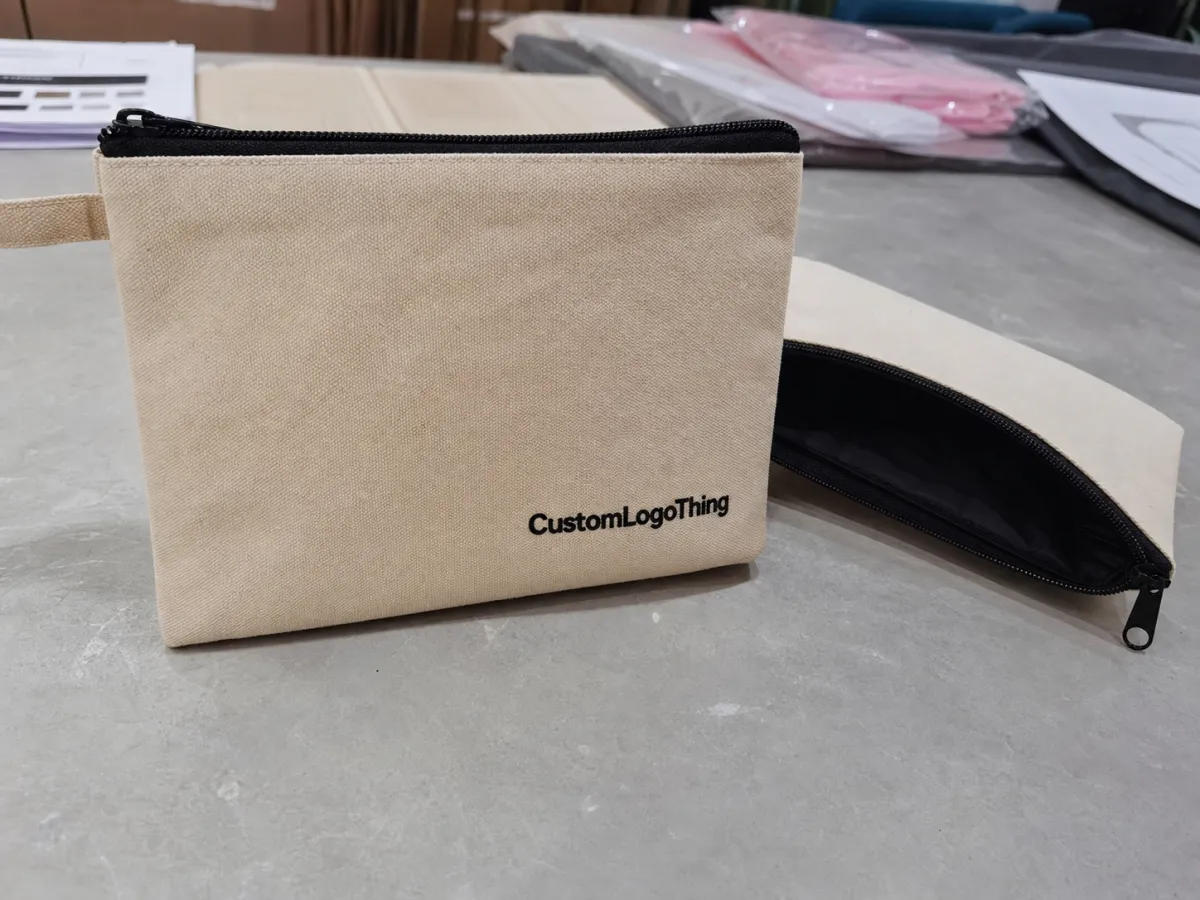
A small patch can do a surprising amount of work. On plush toys, collector items, and gift sets, it creates identity without changing the whole product structure. That matters when multiple SKUs need a consistent look, when a seasonal cutoff is close, or when a promo bundle must feel premium without burning through margin.
A price difference of $0.12 per unit sounds minor. On 8,000 units, it becomes nearly $1,000. On a program with several artwork variations, that gap spreads quickly. So Logo Patches Unit Cost for toy retailers is not just a line-item check. It is tied to sell-through, returns risk, shelf presentation, and how much visual value the buyer is trying to create for the money.
Most problems start when buyers compare totals instead of specs. A lower quote may hide thinner backing, looser stitch density, weaker edge finishing, or a process that works on samples but fails in production. The patch arrives flat, curls at the corners, or looks dull under retail lighting. That is not savings. That is a quality issue with delayed billing.
What usually drives value:
- Retail appeal without rebuilding the product or packaging.
- Durability through shipping, handling, and consumer use.
- Repeatability across multiple toy SKUs.
- Better control of unit cost than some fully custom print solutions at moderate volume.
There is also a timing issue. Toy retail often runs on seasonal windows, licensed drops, or promotion calendars that do not move. If a patch spec is not stable before the PO, change orders arrive quickly, and they usually cost more than the buyer expected. Tight specs are not bureaucracy; they are how buyers prevent a low-cost decoration from turning into an expensive exception.
Patch styles, materials, and finishes that work on toy packaging and plush
Not every patch style belongs on a toy. Some look strong in a mockup and collapse once the item is squeezed, folded, or packed tightly with other goods. Others are durable but too stiff for soft goods. The right choice depends on where the patch sits, how often it is handled, and whether the product is meant to feel playful, premium, or collector-grade.
- Embroidered patches work well for bold logos and simple shapes. They have texture and a familiar retail look.
- Woven patches handle small type and fine detail better. They are usually the cleaner option for tight logos or tiny lettering.
- PVC patches create a molded, premium feel. They suit novelty merch and display packaging, though they can feel too rigid on very soft goods.
- Chenille patches feel plush and playful. They fit giftable products but are not a good match for fine detail.
- Leatherette patches look restrained and premium. They work well on curated toy sets or collector packaging.
- Printed fabric patches can handle multicolor art, but edge finish and abrasion resistance need attention.
Backing matters just as much as the face. Sew-on is still the most durable option for soft goods and anything that will be handled repeatedly. Iron-on can work for some packaging applications, but only if the surface material and heat tolerance cooperate. Adhesive is useful for sampling, temporary placement, or short-lived promo use, but it is not the first choice for a permanent retail program. Velcro makes sense for interchangeable branding pieces. Heat-seal only belongs in production flows where the substrate and process support it.
For toy retail, safety has to stay in the conversation early, especially if the patch will sit near a child’s hands or be attached directly to a product intended for children. The patch itself may be decorative, but the overall item still needs to fit the compliance plan. For packaging performance and shipping durability, standards from groups like ISTA help frame what a transit test should cover, while material and recyclability considerations may matter if paper-backed packaging or sustainability claims are part of the program.
Border style changes the look more than most buyers expect. A merrowed edge feels classic and sturdy. A laser-cut or heat-cut edge looks cleaner on modern graphics and can be better for unusual shapes. Dense stitch coverage hides some artwork flaws, but it also adds machine time. That translates into a higher cost per piece. There is no mystery there.
Finish selection also affects how a patch photographs and how it reads on shelf. Glossy PVC can pop under store lighting, but it may look out of place on a soft, child-friendly line. Woven patches offer crisp detail but less texture. The buyer’s job is to match the finish to the merchandising goal rather than default to whatever looks impressive in a sample folder.
Logo patch specifications that control quality and unit cost
If a quote needs to be predictable, the spec sheet has to be tight. A patch factory can price a job quickly only when the inputs are clear. Vague instructions create risk, and risk gets added back into the quote. That is where budgets start drifting for no obvious reason.
The core specs that matter most are straightforward:
- Dimensions: width and height in inches or millimeters.
- Shape: round, square, shield, die-cut, or custom contour.
- Stitch count: more stitches usually mean more labor and higher unit cost.
- Thread colors: more colors can increase setup complexity.
- Backing type: sew-on, adhesive, iron-on, Velcro, or heat-seal.
- Border style: merrowed, satin, laser-cut, or stitched edge.
- Attachment method: stitched to plush, affixed to packaging, or used as a decorative badge.
Small design changes affect pricing faster than many buyers expect. A simple logo in two colors costs less than a tiny badge with gradients, micro text, and a custom contour. More thread density creates a richer look, but it also adds machine time. Tight corners and unusual outlines may require slower trimming or more labor-intensive finishing.
Size is a trap. A smaller patch seems cheaper because it uses less material. Then the buyer asks for a detailed mascot face in 1.25 inches, and the factory has to force detail into a space that does not want it. Fine text disappears. Stitch count climbs. The quote climbs with it. In the end, the small patch can cost more than a larger one because the design is doing too much.
The other trap is artwork that is meant for screen use but not for production. Thin lines, tiny type, gradients, and crowded iconography do not always translate well into embroidery or weave structures. A production-ready file should be simplified before approval, not after the first sample comes back wrong. That is the difference between a quote that holds and a quote that keeps changing.
Ask for proof details before you approve the job. A flat mockup is useful for internal review, but a proper proof should show size, edge treatment, color breakdown, and placement. If the patch has to match a toy package, a swing tag, or a plush position exactly, that match needs to be checked before mass production starts. Once the run is underway, corrections are expensive.
Logo patches unit cost for toy retailers: pricing, MOQ, and what changes the quote
Now to the number buyers usually want first. Logo patches Unit Cost for Toy retailers depends heavily on order size and spec complexity, and low MOQs almost always cost more per piece. That is simply how setup time and labor spread work.
For basic embroidered or woven patches, rough pricing often falls into these ranges:
| Order size | Typical unit cost | Notes |
|---|---|---|
| 500–1,000 pcs | $0.45–$1.10 | Higher setup share; useful for testing or small promotions |
| 2,000–5,000 pcs | $0.22–$0.58 | Common sweet spot for toy retail programs |
| 10,000+ pcs | $0.10–$0.32 | Best bulk pricing, assuming standard specs |
Those numbers are practical ranges, not promises. Material choice, size, stitch density, edge style, and packing requirements can move the quote in either direction. PVC, chenille, leatherette, and custom contour shapes often sit above those figures, especially at low volume. If the design calls for a more premium surface or unusual structure, the unit cost will reflect that reality.
Here are the main cost drivers:
- Quantity: larger runs usually lower cost per piece.
- Patch size: larger patches use more material and time.
- Material choice: woven, embroidered, PVC, chenille, and leatherette all price differently.
- Color count: more thread colors can increase labor and machine changeover time.
- Backing type: sew-on is usually straightforward; specialty backings cost more.
- Packaging needs: individual polybags, header cards, or SKU sorting add labor.
- Shipping method: air freight, expedited freight, and split shipments all affect landed cost.
MOQ matters because toy retailers often buy around seasonal drops, character updates, or bundle promotions. If three artwork versions each need 1,000 pieces, the per-unit cost can end up higher than one 3,000-piece run with a consistent spec. Buyers often miss this when they split orders by department instead of by manufacturing logic. One standard base patch may serve several SKUs if placement and messaging are planned properly.
Setup charges and tooling fees deserve a direct question. Some suppliers include digitizing or initial setup once, then leave it out of repeat orders. Others list it separately, which is fine as long as the buyer knows. If the fee repeats on every reorder, that changes the true unit economics. A quote that looks lower on page one can become more expensive over a full season.
“The cheapest patch quote is often the one with the smallest print on the back.” That is not clever. It is procurement reality.
Compare quotes only when the specs match. Same size. Same backing. Same finish. Same quantities. Otherwise the buyer is comparing apples to glitter-covered oranges, and that usually ends in a corrective email thread that nobody wants.
One more caution: unit cost is only part of landed cost. If the patch is cheap but arrives sorted wrong, packed loosely, or impossible to apply consistently in the line, the savings evaporate. The cheapest piece is not always the cheapest program.
Production steps and lead time from artwork approval to delivery
The production flow is usually straightforward, but delay often starts at approval. A typical job moves through inquiry, artwork review, spec confirmation, proofing, production, quality check, and shipment. The slowest step is often the one waiting in someone’s inbox.
Realistic timing depends on the order. A clean sample or digital proof may happen within a couple of business days. Standard production after approval often runs around 10 to 18 business days for straightforward patch types. Complex constructions, special backings, or split-SKU orders can add several more days. Rush service can shorten the schedule if it is available, but it usually increases cost.
Delays usually come from a few familiar places:
- Artwork that is low-resolution or not production-ready.
- Last-minute spec changes after the quote is accepted.
- Approvals slowed down because marketing, sales, and product teams are all reviewing.
- Packaging details that were never confirmed, which forces a rework later.
If the goal is to keep Logo Patches Unit Cost for toy retailers under control, the handoff needs to be clean. Send the final logo file, patch dimensions, quantity by SKU, backing preference, placement method, ship-to requirements, and any packaging notes. The fewer corrections after the quote, the less likely the final price will creep upward.
Freight planning matters too. If the patches are part of a retail launch with cardboard displays or boxed sets, ask how the order will be packed. Good suppliers will explain carton counts, bagging, and how they protect the edges from bending or wrinkling. That matters more than many buyers realize, because a patch can be produced correctly and still arrive in a condition that slows assembly or hurts presentation.
Timing also changes when compliance review is involved. If the patch touches a product for children, or if the packaging carries age warnings or regulated claims, approval may need to move through more than one department. That is normal. It is also why late artwork changes are expensive. They reset the clock and often trigger a revised quote.
How to compare suppliers without getting stuck with bad patch quality
Do not pick a supplier based only on the lowest number. That habit is how companies end up paying twice. Good patch suppliers sell consistency, not just a line on a quote.
Compare vendors on these points:
- Spec clarity: do they confirm exact size, backing, and finish?
- Proof quality: do they show a real mockup or production-style proof?
- Communication speed: do they answer questions directly?
- Material options: do they offer alternatives that fit the budget?
- Documentation: do they provide a spec sheet, sample images, and order confirmation?
Ask for actual product photos, not polished stock imagery. Ask for material descriptions that mean something in production terms. If the patch needs to support premium toys, licensed products, or branded packaging, order a sample. That sample costs far less than a full run of inventory that does not fit the line.
Red flags are usually easy to spot. Vague specs. Refusal to confirm dimensions. Inconsistent color matching from one quote to the next. No mention of quality checks. No answer on backing performance. If a supplier cannot explain how the patch will hold up, they probably do not want to be held to that standard later.
Reliable manufacturing is a cost-control strategy. Fewer defects mean fewer reorders, fewer complaints, and less dead stock. That matters more than shaving off two cents and discovering that the patch curls on arrival. If the program also involves paper-backed packaging or sustainability claims, materials guidance from sources like the FSC can help buyers align packaging choices with the broader product brief.
Quality control should not be vague. A decent supplier will check color consistency, edge finish, stitch alignment, backing integrity, and overall dimension tolerance before shipment. For toy retail, even small defects matter because the product will often be handled by store staff, unpacked by distributors, or displayed alongside clean competitor packaging. A patch that looks slightly off in a sample room can look worse under fluorescent retail lights.
Best-fit use cases for toy retailers: packaging, plush, bundles, and promotions
Logo patches are especially useful when a brand wants presence without paying for a full packaging rebuild. They work on plush toy labels, collector packaging, seasonal gift sets, promotional bundles, and in-store merch. That range makes them practical for toy retailers that need flexibility across multiple product types.
For plush goods, a patch can sit on the toy, the hangtag, or a sewn badge area to create a stronger branded feel. For gift sets, a small patch on the outer box or sleeve can make the item feel intentional rather than generic. On promotional bundles, patches can distinguish a value bundle from the standard SKU without forcing a new print run.
Buyers often ask whether a patch should replace direct print or a woven label. The answer depends on the job. If the run is short and the brand wants a tactile, premium look, a patch often works better. If the goal is only efficiency, a woven label can be enough. Direct print is fast, but it can look flat. A patch adds presence, which is useful when the product needs to read as giftable or collector-friendly.
Placement consistency matters more than many teams expect. Same size. Same location. Same edge treatment. That consistency makes the line look planned instead of improvised, even when the products vary. Small changes in patch placement can make a whole program look disorganized, especially when the assortment is already crowded with characters, colors, and packaging claims.
Good use cases include:
- Plush toys with sewn-in brand badges.
- Collector sets that need a premium accent.
- Holiday bundles that must stand out on shelf.
- Promotional toy packs with limited-edition branding.
In these scenarios, logo patches unit cost for toy retailers is usually justified by improved shelf appeal and a stronger sense of value. Cheap decoration can hurt more than no decoration if it looks out of place or falls apart in transit. That is the annoying truth buyers learn after the first imperfect run.
There is a practical limit, though. If the patch is too small to show the logo properly, or too detailed to manufacture cleanly at scale, the result will disappoint. Sometimes a simpler patch design produces a better retail result than a detailed one with a lower quoted price on paper. The shelf does not reward complexity for its own sake.
Next steps to request a quote and lock specs fast
If an accurate quote is the goal, send the job like a buyer who has done this before. Include the final logo file, patch size, quantity, preferred backing, intended placement, and target delivery date. If the patch must match packaging or plush placement, include that too. The more complete the brief, the tighter the pricing.
Ask for two quote options:
- Lowest unit cost option with standard materials and simple construction.
- Retail presentation option with upgraded finish, if the line needs it.
That comparison makes the tradeoff plain. Sometimes the upgraded version is worth the extra cents. Sometimes it is just expensive decoration. Buyers should know which one they are paying for before the order is approved.
Before approving anything, confirm whether setup charges, sampling, and freight are included. Confirm any tooling fees if the supplier uses them. Verify packaging requirements. Then check the proof one more time, because “we thought it was included” is not a purchase strategy.
Quick buyer checklist:
- Approve the artwork.
- Verify size and shape.
- Confirm backing and attachment method.
- Check color count and border style.
- Review packaging and ship-to details.
- Order early enough for seasonal inventory.
If the quote is still being discussed late in the calendar, the buyer loses more than time. Production queues tighten, freight options shrink, and the price becomes harder to hold. That is why toy retail buyers often get better results when they lock the patch spec early and let the supplier price the real job instead of a moving target.
FAQs
What affects logo patches unit cost for toy retailers the most?
Quantity, patch size, material, backing type, color count, and stitch complexity usually have the biggest impact on unit cost. Lower MOQs and highly detailed designs tend to raise the per-piece price.
Which patch type is usually best for toy retail products?
It depends on use case, but woven and embroidered patches are common for retail goods because they balance detail, durability, and cost. PVC or leatherette can work well when a more premium look or different tactile finish is needed.
Can toy retailers order low MOQ logo patches without paying a huge premium?
Yes, but low MOQ orders almost always cost more per unit than larger runs. Buyers can keep pricing under control by simplifying the design and choosing standard materials and backing.
How long does production usually take for custom logo patches?
Timing depends on proof approval, order size, and patch complexity. A clean spec package and a fast approval cycle usually shorten the schedule more than anything else.
What should toy retailers include when requesting a quote?
Send final artwork, size, quantity, patch style, backing type, placement details, and needed delivery date. Include packaging or compliance requirements up front so the quote reflects the actual job rather than a best-case version of it.


