Buyer Fit Snapshot
| Best fit | Logo Poly Mailers for Subscriptions projects where brand print, material claims, artwork control, MOQ, and repeat-order consistency need to be specified before quoting. |
|---|---|
| Quote inputs | Share finished size, material target, print colors, finish, packing count, annual reorder estimate, ship-to region, and any compliance wording. |
| Proofing check | Approve dieline scale, logo placement, barcode or warning zones, color tolerance, closure strength, and carton packing before bulk production. |
| Main risk | Vague material claims, crowded artwork, missing packing details, or unclear freight terms can make a low unit price expensive after revisions. |
Fast answer: Logo Poly Mailers for Subscriptions: Film, Print, MOQ, and Carton Packing should be specified like a repeatable production item. The safest quote records material, print method, finish, artwork proof, packing count, and reorder notes in one written spec.
Production checks before approval
Compare the actual filled-product size with the drawing, then confirm tolerance on folds, seals, hang holes, label areas, and retail display edges. Reserve space for logos, QR codes, warning copy, and material claims before decorative graphics fill the panel.
Quote comparison points
Review material grade, print process, finish, sampling route, tooling charges, carton quantity, and freight assumptions side by side. A quote is only useful when the supplier can repeat the same color, closure quality, and packing count on the next order.
Logo Poly Mailers for Subscriptions: A Practical Guide
Logo Poly Mailers for Subscriptions do more than move a parcel from warehouse to doorstep. They set the tone before a customer touches the product, and that first impression repeats every time the package arrives. In a subscription model, repetition is the point. Monthly, biweekly, or weekly, the mailer is not a disposable afterthought; it becomes part of the product experience itself. Teams comparing options often start with Custom Packaging Products and then narrow into Custom Poly Mailers once the pack-out and shipping lane are clear.
For a packaging buyer, that repetition changes the math. A plain mailer says very little. A branded one can make a subscription feel organized, polished, and worth keeping in rotation. The difference is not only visual. Recognition improves, returns handling feels more intentional, social shares look better, and customers tend to assume more care went into the order.
Why Logo Poly Mailers for Subscriptions Stand Out Fast
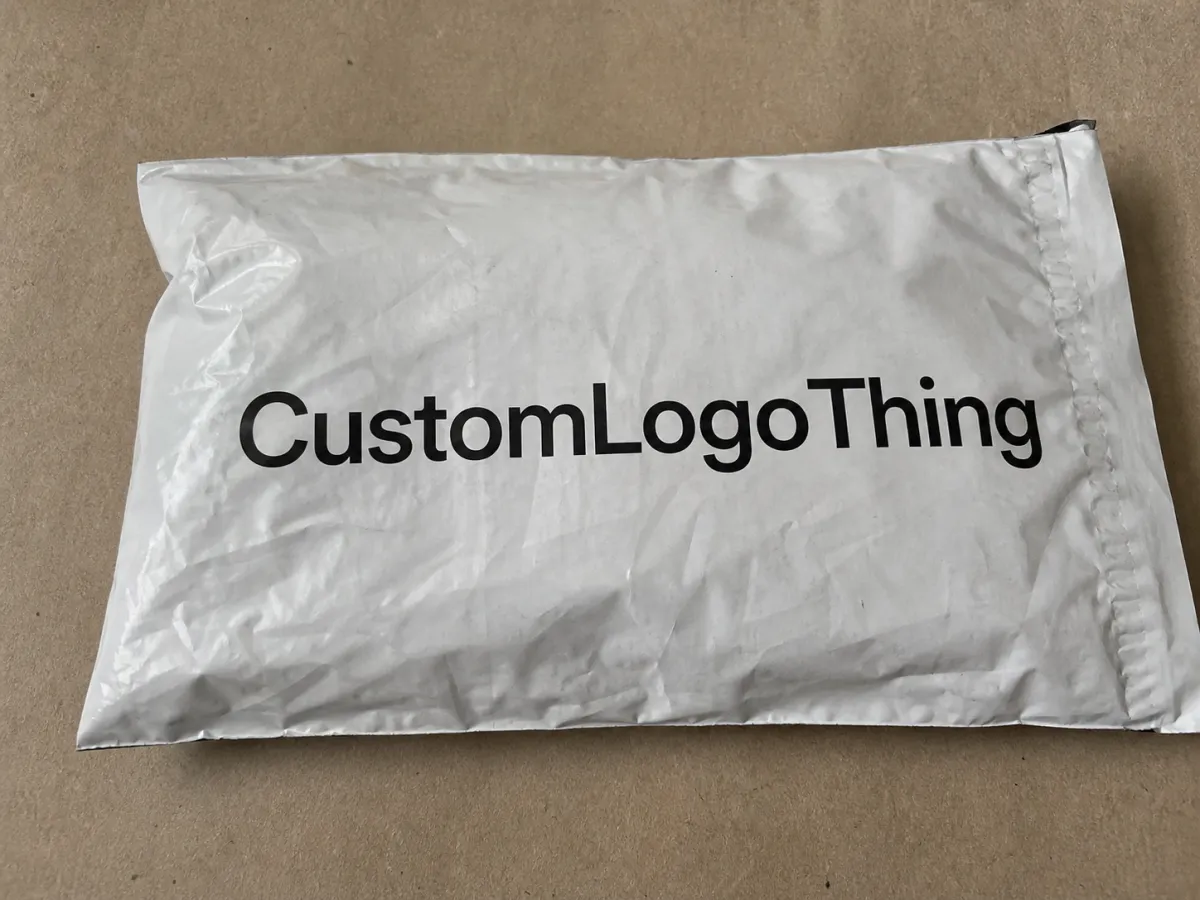
The packaging reality is simple, and a little unforgiving: the mailer is often the first thing subscribers notice, before they touch the product inside. Customers may subscribe for what is in the bag, but the bag itself greets them on the porch, at a front desk, or in a shared mailbox. That makes logo poly Mailers for Subscriptions a branding tool as much as a shipping format.
A poly mailer is a lightweight plastic shipping bag, usually made from polyethylene film and sealed with a pressure-sensitive closure strip. Add a printed logo, repeat pattern, tagline, or simple brand mark, and the bag starts doing branding work that a plain shipper cannot. It stays compact, adds little dead weight, and packs quickly, which is why it appears so often in apparel, beauty, accessories, and consumable subscription programs.
Subscriptions amplify packaging effects because one design decision repeats again and again. A customer may receive the same format six times in a row, or twelve. A clean, consistent, easy-to-recognize mailer makes the brand feel dependable. A flimsy or inconsistent one sends the opposite message, and that impression compounds with every shipment.
Plain mailers can still make sense, especially when the shipment is low-margin and transport is the only concern. Branded mailers usually do more for perceived polish and memorability. They also narrow the gap between a first order and a repeat shipment, which matters in loyalty programs. The mailer becomes a small but persistent signal that the brand pays attention to detail.
One more effect is easy to miss. Recurring shipments create a chain of micro-impressions: label, bag, seal, opening, contents, reuse or discard. A branded mailer can improve the entire sequence without changing the product formula at all.
“A subscription mailer has a strange job: it must survive a rough transit lane and still make a repeat customer feel like the parcel was packed for them, not for a line item.”
How Logo Poly Mailers for Subscriptions Work
Most custom mailers share the same basic anatomy. There is an outer film, a closure strip, and often an interior opacity treatment that protects privacy. Some versions include a tear notch for easier opening. Others add dual seals so the bag can return to service after the customer opens it.
That structure sounds ordinary until you trace it through a subscription journey. The bag moves through a packing area, gets closed by hand or machine, receives a label, then enters a carrier network that may touch it dozens of times before delivery. After that, the same package lands in a customer’s hands and either strengthens trust or makes the order feel cheaper than it should.
The printed surface carries most of the branding weight. A small logo in one corner can deliver a minimal look. A centered mark with wide spacing feels more formal. Full-bleed artwork turns the mailer into a louder visual statement, which can suit lifestyle, beauty, or youth-oriented subscription boxes. Placement matters because the most visible panel is not always the largest panel; it is the one facing the customer at handoff or in a photo.
Print methods vary by supplier and setup, but the core issue stays the same: how much of the design surface must be reproduced accurately, and how many colors are involved. A one-color logo on a stock-color mailer usually costs less than a full-pattern design with multiple inks. Artwork with gradients or fine lines deserves extra proofing because thin details can lose clarity on flexible film.
Subscription brands use these mailers in a wide range of recurring shipments:
- Apparel such as basics, socks, and activewear
- Beauty and personal care samples, kits, and replenishment packs
- Accessories like small tech items, jewelry, or sunglasses cases
- Consumables such as pet products, snacks, or specialty household items
- Membership gifts that ship on a fixed schedule
Some subscription programs use poly mailers as the outer shipper and add tissue, paper inserts, or a small carton inside. That layered approach can improve presentation, though it adds pack-out time and cost. The real question is not whether the mailer looks good on its own. It is whether the whole shipping system still moves efficiently once recurring volume starts flowing.
Key Factors That Shape the Right Mailer
Size comes first. An oversized mailer wastes film, shifts around in transit, and can make the shipment look sloppy. An undersized bag is worse because it may strain the seams, crush the product, or fail to close cleanly. The useful habit is to measure the product after packing, not the naked item. A folded garment, a sample kit with inserts, or a product wrapped in tissue can add more bulk than the item suggests.
Material thickness changes the feel and the failure rate. Many subscription brands land somewhere around 2.5 to 4 mil, depending on contents and carrier handling. A 2.5 mil mailer can work for light apparel or soft goods without sharp edges. A 3 mil or 4 mil structure gives more confidence for heavier fills or rougher transit lanes. Extra thickness is not only about puncture resistance. It also changes how the mailer drapes, seals, and holds shape at the packing table.
Print coverage comes next. A minimal logo on a solid-color bag keeps cost down and can look premium when the proportions are right. Single-color printing is often the right starting point for a program still testing response. Full-bleed branding makes a bolder statement, but it raises setup complexity and puts more pressure on color consistency from one run to the next.
Finish and color matter more than many buyers expect. Matte films usually read as calmer and more modern. Glossy films reflect light and can make dark colors look richer, though they also show scuffs sooner. White mailers create contrast and a cleaner retail feel. Black and deep navy hide contents better. Transparent or semi-transparent styles can work in some cases, though they are less common where privacy and brand control matter.
Sustainability and compliance deserve careful attention. Some mailers include recycled content, and some are recyclable where local programs accept them. That claim needs to match the actual packaging structure and local recycling rules, not just a marketing line. The EPA recycling guidance is a useful reference point, but each municipality still sets its own acceptance rules. If you add a paper insert or label, FSC-certified paper can support a cleaner sourcing story.
Brand experience comes down to typography, spacing, and print clarity. A plain logo with enough breathing room often looks more expensive than a crowded design full of slogans. If the logo is too small, too close to a seam, or too dark against a dark film, the effect disappears fast. Better art direction usually beats decoration volume.
Real handling conditions deserve testing. Industry transit standards such as ISTA methods, along with ASTM film tests for tensile strength and impact resistance, give useful benchmarks when a brand wants more than guesswork. Not every subscription needs formal lab validation, yet the standards help judge whether the mailer is strong enough for the actual shipping lane.
A buyer also has to think in terms of real operational math. A one-cent difference sounds trivial until it is multiplied across 40,000 monthly shipments. That is $400 before freight, rework, or replacement costs enter the picture. The cheapest bag on paper can become the most expensive one in practice if it slows packers down or fails in transit.
| Mailer Style | Best For | Typical Feel | What It Usually Signals |
|---|---|---|---|
| Plain stock poly mailer | Lowest-cost shipping, internal use, short test runs | Basic, light, functional | Transport only |
| Single-logo branded mailer | Subscriptions that need recognition without heavy print cost | Clean, organized, efficient | Simple brand control |
| Full-bleed custom design | Lifestyle, beauty, and consumer brands that want a strong visual cue | More expressive, more premium | High brand presence |
| Thicker or recycled-content mailer | Heavier packs, privacy-sensitive shipments, sustainability messaging | More substantial, less flimsy | Durability plus responsibility |
That table hides an important reality: the best option is usually the one that matches product weight, brand voice, and fulfillment pace without adding failure points. A subscription mailer should fit the business model as tightly as it fits the product.
Process and Timeline: From Artwork to Delivery
The workflow is usually straightforward, though every step carries risk if it is rushed. First comes the request for specifications: size, thickness, print area, quantity, closure style, and any special needs like tear notches or dual seals. Then artwork gets prepared, usually from a dieline or print template, so the logo lands where the film actually allows clean printing.
Artwork approval is where many delays start. A logo may sit too close to the edge. A background color may not match the brand guide once it is translated to film. A small typo in a slogan can send the proof back for another round. The earlier the brand locks these details, the easier the rest of the process becomes.
For timing, a stock mailer with simple custom print often lands in the range of 10 to 15 business days after proof approval, though quantity and production schedule can shift that. Larger runs, full-bleed graphics, or special finishes often need 15 to 25 business days. Shipping time is separate, and it can add another few days depending on destination and freight method. A fixed launch date needs a buffer, not optimism.
Subscription brands also need to think beyond the first delivery. If a launch goes well, the next order may need to arrive before the first inventory lot runs out. Reorder planning matters just as much as the initial design. A mailer that looks perfect for one season but cannot be replenished on time can create an avoidable stockout problem.
Proofing deserves extra attention because it reduces the sort of mistakes that are expensive to repair later. A color shift on a digital mockup may look minor on screen, yet on a production run of several thousand units it can separate a package that looks intentional from one that feels off-brand. The same holds for logo placement and seam alignment. Once a run is printed, those errors are hard to hide.
A practical timeline for a subscription launch often looks like this:
- Collect product dimensions and pack-out details.
- Choose bag size, film thickness, and print style.
- Send artwork and request a proof.
- Review the proof with pack-out, branding, and fulfillment teams.
- Approve production only after the test samples match the plan.
- Receive and stage inventory before the first subscription wave ships.
That process sounds simple, and mostly it is. The challenge is that recurring shipments do not forgive a bad fit. One bad size choice can repeat for months.
Cost and Pricing: What Drives the Quote
Price is never just about the bag. The quote usually reflects quantity, print complexity, film thickness, dimensions, shipping destination, and whether the order includes artwork setup or plate charges. A buyer who compares only the unit price can miss larger cost differences hidden in freight, proofing, or production delays.
Volume is the biggest lever. Small test runs almost always cost more per unit because setup is spread across fewer pieces. Larger subscription programs usually see unit cost fall as the order size rises. The exact drop varies, but the pattern is consistent: a 1,000-piece run can look expensive next to a 10,000-piece run even if the material is nearly identical. That is why many brands use a pilot order to validate look and fit, then move to a larger replenishment once the design proves itself.
Minimum order quantity matters too. Some suppliers set a floor that works for startups but still gives them enough volume to absorb press setup. Others will take smaller orders at a higher unit cost. For a brand testing a seasonal subscription or a new kit, MOQ can decide whether the concept is viable at all.
Hidden costs deserve attention as well. Artwork revisions can add time and sometimes charges if the design changes late. Expedited production can push the total up fast. Freight may be included in one quote and excluded in another, which makes comparisons misleading if you are not careful. Ask for an itemized breakdown so the math stays clear.
Here is a useful comparison for planning purposes. These are indicative ranges, not guarantees, but they are close to what many buyers see when evaluating common custom mailer programs at different quantities:
| Option | Typical Order Size | Indicative Unit Cost | Notes |
|---|---|---|---|
| Stock unprinted poly mailer | 5,000+ | $0.08-$0.16 | Lowest cost, no brand mark, best for internal or very price-sensitive shipping |
| One-color logo mailer | 2,500-5,000 | $0.14-$0.28 | Good balance of visibility and cost for subscription programs |
| Two-color or fuller coverage print | 5,000+ | $0.18-$0.36 | Higher setup complexity, stronger shelf-like impact at the doorstep |
| Thicker premium or recycled-content mailer | 5,000+ | $0.22-$0.45 | Better hand feel and more durable presence, often chosen for premium subscriptions |
Those figures need context. A smaller run with multiple print revisions can cost more than a larger run with locked artwork. A long shipping lane can also swing landed cost in a way that hides the apparent savings from a low quoted unit price. The cheapest option on paper is not always the least expensive option in the real fulfillment budget.
For a fair comparison, ask suppliers to quote the same size, same film thickness, same print area, and same shipping terms. Without that, one quote may be for a 2.5 mil bag while another is for a 4 mil bag, which is not an apples-to-apples comparison at all.
Common Mistakes When Ordering Subscription Mailers
The most common error is sizing by guesswork. A product may fit loosely in a mockup and still fail in production once inserts, tissue, or seasonal extras are added. If the bag is barely large enough, the seal can strain or the pack-out team may have to slow down to force a fit. Neither outcome works for a subscription operation that depends on repeatable speed.
Another mistake is using logo art that is too small, too dark, or too close to the seam. Flexible film is not a stable print surface like coated paperboard. Fine lines can blur, and dark ink on a dark film can disappear under warehouse lighting. The same graphic that looks sharp on a screen may lose its edge on plastic if the contrast is weak.
Thin mailers also get selected too often for heavy or awkwardly shaped contents. A bag that works for a folded T-shirt may not survive a boxy cosmetics kit with corners and hard inserts. Once a carrier sortation line starts compressing and sliding packages, film quality becomes more than a feel issue. It becomes a damage issue.
Cost-only buying is another trap. A lower quote can hide poor print clarity, weak closure strips, or flimsy film that creates higher replacement and rework costs later. That is especially true for subscriptions, where one bad batch can affect a whole fulfillment cycle. A customer who receives a torn or badly printed mailer once may notice it again on the next shipment.
Skipping samples is probably the costliest mistake because it removes the chance to catch problems before inventory arrives. Samples reveal things a spec sheet cannot, like how the closure strip behaves with gloved hands, whether the ink looks flat under fluorescent lights, or whether the size feels too generous once a real product is packed inside. A sample run also gives warehouse staff a chance to test speed and workflow, which can surface issues with stacking, labeling, and sealing.
Here is the short list I would watch before placing a larger run:
- Confirm packed dimensions, not just item dimensions.
- Check whether the print lands cleanly away from seams and folds.
- Test the seal strength after normal handling.
- Inspect color against the actual brand palette in warehouse light.
- Verify that the mailer opens easily enough for returns or customer reuse if needed.
There is a subtle business risk here too. Subscription packaging often lives in a narrow margin environment. If the bag choice causes speed problems or damage claims, the cost pressure shows up later in labor, replacements, and customer service tickets. The error is not just aesthetic. It is operational.
Expert Tips and Next Steps for a Cleaner Launch
Start with one hero size and one backup size. That gives the program room to handle normal variation without forcing you to carry too many SKUs. Many brands can cover most shipments with a main size for standard packs and a second size for oversized kits or seasonal bundles. Keeping the range tight usually improves forecasting and reorder discipline.
Order samples from more than one option and test them with real product fills, not empty bags. Empty mailers can feel fine in hand and still fail once a packed item shifts during sealing. Real pack-outs reveal whether the bag has enough body, whether the closure strip holds, and whether the artwork still reads clearly once the package is filled.
A simple decision checklist helps keep the project grounded:
- What is the packed product dimension, including inserts?
- What is the target shipping weight and carrier lane?
- Do you need privacy, a return seal, or a tear notch?
- How many print colors are truly necessary?
- What is the reorder cadence if the subscription grows?
For brands that want the package to support retention, the design should make the mailer easy to recognize, easy to open, and easy to share. That does not mean loud artwork. Often the better move is controlled branding, clear typography, and a visual rhythm that customers can spot from across a room. A mailer that looks good on a phone camera can travel farther than one that only looks good in a design file.
My practical rule: choose the mailer that your fulfillment team can pack quickly, your carrier can handle safely, and your customer can recognize instantly. If one of those three fails, the package will eventually cost more than the quote suggested.
For brands comparing formats, it is worth reviewing the broader packaging mix as well. A subscription program may need poly mailers for some tiers, printed cartons for premium kits, or paper inserts for brand storytelling. The right choice is often a system, not a single SKU.
That is why logo poly mailers for subscriptions deserve more attention than they usually get. They sit at the intersection of cost, protection, and presentation. Get them right, and the package feels intentional every time it lands. Get them wrong, and the problem repeats with every renewal. If you are preparing a launch or a replenishment order, measure the packed product, request a proof, compare quotes on equal terms, and confirm your reorder plan before the first shipment goes out.
FAQ
How do I choose the right size for logo poly mailers for subscriptions?
Measure the product after packing, not just the item itself, so the mailer fits the real shipment. Leave a small buffer for inserts, tissue, or return paperwork without creating too much empty space, because excess room can make the package shift in transit.
What affects the cost of logo poly mailers for subscriptions most?
Quantity, print complexity, material thickness, and shipping distance usually drive the biggest price changes. Ask for an itemized quote so setup fees, freight, proof charges, and any rush production costs are easy to compare side by side.
How long is the typical turnaround for custom subscription poly mailers?
Turnaround depends on proof approval, print method, and order size, so locked artwork speeds things up. Many projects land in the 10 to 25 business day range after approval, but you should build in extra time if your launch date cannot move.
Can logo poly mailers for subscriptions be recyclable?
Some versions are recyclable, but the claim depends on the exact material structure and local recycling rules. Confirm the packaging specification instead of assuming all poly mailers are accepted the same way, and check whether any labels, inks, or closures affect acceptance.
What should I test before ordering a large run of branded mailers?
Test fit, seal strength, print clarity, and how the package looks under real warehouse lighting. It also helps to have staff pack a short run so you can catch workflow issues, speed problems, and presentation concerns before you scale up.


