Matte Zipper Bags for Outdoor Brands: Unit Cost & Quote
If you are comparing Matte Zipper Bags for outdoor brands unit cost, start with handling, not artwork. That sounds obvious, but plenty of packaging specs still get built backward. The finish only makes sense if the pouch survives the way outdoor products are actually used: tossed in backpacks, stacked in retail bins, handled at checkout, and stored on a garage shelf after the first trip.
Matte changes the look in a practical way. It hides scuffs better than gloss, softens glare under harsh store lighting, and keeps fingerprints from shouting across the panel. For a brand selling trail snacks, repair kits, small accessories, or compact soft goods, that matters more than a shiny surface that looks tired after a week.
The economics are tied to that behavior. A pouch that holds its presentation longer can justify a higher perceived value without changing the product inside. That is one reason matte resealable formats keep showing up in outdoor packaging programs. They do the job without making the brand look fussy.
There is also a quieter benefit: the format is reusable. A trail snack pouch becomes a spare parts bag. A small repair kit package gets reused in a glove box or pack pocket. A retail pouch can stay in circulation long enough to make the packaging feel worth keeping. Cheap packaging rarely gets that kind of second life.
Why Matte Finish Changes the Shelf Economics
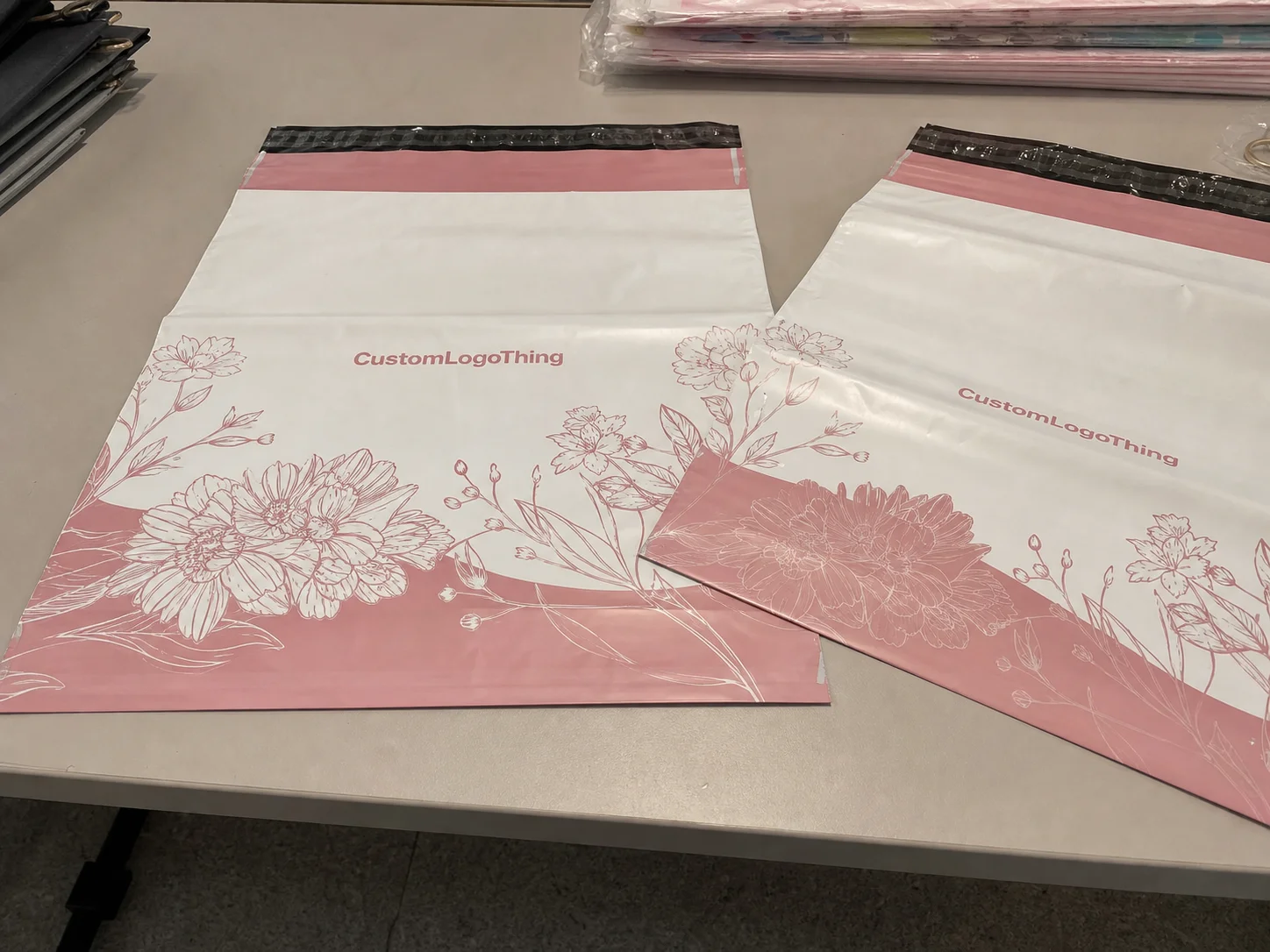
Outdoor packaging gets abused in small ways. Not dramatic ways. Small ones. A customer picks up the pouch, sets it down, slides it into a bag, and handles it again later. That sequence is enough to expose weak surface finishes. Gloss can look clean on a proof, but it also catches every crease, fingerprint, and rub mark. Matte is less theatrical and more forgiving.
That matters because retail presentation is part of the product. If the pouch looks worn before the item is even sold, the brand is paying for decoration that works against it. Matte gives buyers a steadier visual read. It feels more technical, less flashy, and usually more aligned with outdoor positioning.
If the pouch looks tired before the product does, the package has already lost the argument.
The effect is especially useful for Brands That Sell across both retail and ecommerce. Store lighting, shipping cartons, warehouse handling, and peg display all treat packaging differently. A matte finish tends to land in the middle with fewer surprises. It is not immune to wear. Nothing is. But it hides minor handling damage better than a high-gloss surface.
That does not mean matte is always the right answer. If a brand wants a bright, reflective retail look, gloss may still win on style. But if the goal is clean shelf presence and less visible abuse, matte is usually the safer choice.
Material Build and Closure Options That Hold Up Outdoors
The finish is only one part of the spec. The film structure carries most of the load. For Custom Zipper Pouches, common builds include PET/PE laminates or similar multilayer combinations. The exact structure should match the product weight, moisture risk, and how much abuse the package will take in transit.
Light accessories can often run in a thinner film if the seal is strong and the pouch sits well on shelf. Heavier goods or rougher handling usually push buyers toward thicker material, often in the 4 mil to 6 mil range. That extra body improves hand feel and reduces the chance of visible creasing. It also raises unit cost. No mystery there. More material costs more money.
Zipper choice matters too. Standard press-to-close zippers are common because they are simple and reliable. Pull-tab styles, double-track closures, tear notches, hang holes, and gussets each change how the bag performs in the real world. A hang hole makes sense for peg display. A gusset helps the pouch stand upright. A tear notch improves first opening, but it has to be placed carefully so it does not compromise the seal line.
For products that will be opened and closed repeatedly, the zipper needs to feel deliberate. Not loose. Not flimsy. If the closure is annoying on sample day, it will be a complaint later, and those are expensive in their own quiet way.
Matte surfaces can be created by coating or lamination, and the difference is not cosmetic only. Lamination often handles abrasion better and tends to feel more substantial. Coated finishes can be more economical on some jobs, but they should be checked closely for wear, especially if the package will be stacked, shipped, and displayed under bright lights. One proof image is not enough. The finish needs to be handled.
For buyers who want a broader reference point on packaging material choices and testing, packaging.org is a useful source. For transit stress and distribution checks, ISTA methods are worth knowing before finalizing a pouch that needs to survive shipping and retail handling.
Specs Buyers Should Lock Before Requesting Samples
The fastest quote requests are the ones that do not force the supplier to guess. A useful brief should include bag dimensions, target fill size, film thickness, zipper style, whether a hang hole is needed, and whether the pouch needs a clear window. If the product shape is unusual, send a sample or at least a photo with measurements. That prevents a week of circular emails.
Artwork also changes the job more than many teams expect. Print coverage, spot colors, barcode placement, and safe margins all affect the final result. If artwork runs too close to the seals, production risk goes up. If the barcode lands in a weak contrast area, retail problems follow. Packaging teams like to say the design is done when the file is pretty. Production says otherwise.
There are a few functional details that get missed until late. If the contents are food contact sensitive, say so early. If odor barrier matters, say that too. If the brand plans to claim recyclability, the structure and secondary components need to support that claim honestly. If light or moisture sensitivity matters, the pouch build needs to match the risk instead of the mood board.
A sample review should check more than the surface. The useful checklist is boring, which is exactly why it works:
- Confirm the product fits without stretching the seams.
- Open and close the zipper at least five times.
- Check whether the matte surface shows rub marks after handling.
- Verify barcode placement and readable contrast.
- Inspect the seal edge for consistent closure and clean trim.
If a sample fails here, it is usually not a small issue. It is a sign the spec needs tightening before the full run starts.
Matte Zipper Bags for Outdoor Brands Unit Cost, MOQ, and Quote Drivers
Matte zipper Bags for Outdoor Brands unit cost is shaped by a few predictable variables. Quantity matters, but it is only one lever. Bag size, film thickness, zipper style, print coverage, finish method, and added features like hang holes or gussets all move the number. A simple one-color pouch in a standard size will not price like a fully printed matte bag with two-sided artwork and heavier film.
For a typical custom run, the pricing pattern usually falls into a range like this:
| Build | Typical MOQ | Cost Per Piece | Best Fit |
|---|---|---|---|
| Standard matte zipper pouch, light print coverage | 3,000-5,000 pcs | $0.24-$0.48 | Accessories, repair kits, small soft goods |
| Matte pouch with moderate coverage and hang hole | 5,000-10,000 pcs | $0.18-$0.34 | Retail pouches with stronger shelf presentation |
| Heavier matte pouch, two-sided print, added features | 10,000-20,000 pcs | $0.13-$0.26 | Higher-volume outdoor lines and repeat SKUs |
Those numbers are useful only if they are read correctly. The lowest factory quote is not always the best landed number. Freight, duties, carton pack, palletization, and warehousing can move the final cost enough to erase a nice-looking ex-works price. Packaging buyers should compare landed cost, not just the price on the first line of the spreadsheet.
Setup charges also matter. Prepress, plate work, cylinder charges, and die-related setup can create a pricing floor on smaller orders. In some runs the fees are minor. In others they are the whole story. This is why very small custom quantities often look expensive. The fixed work does not shrink just because the order is small.
MOQ pressure usually shows up when a job has multiple SKU versions, seasonal artwork, or regional labels. The setup gets spread across fewer units, so unit cost rises. A buyer who can standardize the pouch size, reduce print colors, and use one zipper format usually gets a cleaner quote and a better reorder path later.
That is also why quoting without a complete spec produces vague answers. If the supplier does not know the exact size, print coverage, zipper type, and destination, any number is just a placeholder. Not a serious quote. Just a polite one.
Process, Lead Time, and Proof Approval
The production flow should be predictable. It usually starts with the brief, then a layout or dieline review, then proof approval, sample signoff if required, and finally full production. Delays tend to happen in proofing, not in the actual factory run. One late change to a barcode position or dimension can reset prepress and push the schedule.
Lead time depends on the build. Stock materials are faster. Custom films, special matte finishes, and higher print counts take longer. For a straightforward printed pouch, a realistic production window after proof approval is often 12 to 15 business days. Add time if the order needs a preproduction sample, extra color matching, or a more complex closure. None of that is unusual. It is just the cost of asking the pouch to do more.
Proof approval should focus on what will affect the finished order: dimensions, color targets, zipper operation, seal quality, and artwork position. If the brand is strict on color, the target should be stated clearly rather than described with vague language like “a little warmer” or “more premium.” If the pouch has to fit a display tray or hang card, that needs to be confirmed before production starts.
Rush orders are possible, but they usually require fewer variables. Standard build. Final artwork. No guesswork. If the goal is speed, adding complexity at the same time is how schedules slip.
For distribution testing and packaging performance benchmarks, standards matter more than opinions. ISTA methods help buyers judge transit stress in a way that is actually useful. A finished pouch can look fine and still fail in a carton. The shipping test tells you which one you have.
Why Outdoor Brands Reorder This Format
Outdoor brands keep coming back to matte resealable pouches because the format is easy to live with. It stores well in cartons. It displays cleanly. It is straightforward to reorder once the size and artwork system are locked. And it tends to arrive looking better than packaging with exposed closures or weak seals.
The format also supports line consistency. Once the bag dimensions are set, seasonal refreshes become simpler. A new colorway, a revised label, or a small copy change can update the pouch without rethinking the whole packaging structure. That matters for brands with multiple SKUs. Packaging should support the range, not make every update a project.
Warehouse teams notice the difference too. Matte pouches stack cleanly and show less cosmetic wear in mixed shipments. That does not sound dramatic, but it reduces the odds of opening a carton full of package damage that was technically “minor” and still expensive to sort.
Reorder value is the quiet advantage. A pouch that works for retail can often be adapted for ecommerce or bundled sets with only small artwork changes. That keeps planning simpler and makes packaging spend more predictable across the year.
If you want to see how similar packaging specs are typically positioned for real product lines, our Case Studies page is the best place to start. The pattern is usually the same: once the dimensions, finish, and artwork system are set, the reorder conversation gets much easier.
What to Send for a Fast Quote and Next Steps
If you want a clean quote, send the basics first: dimensions, target quantity, print colors, zipper style, finish preference, and shipping destination. Then add artwork files if they are ready. If the pouch needs to fit a specific product, include a photo or a current sample. It is much easier to judge proportions from something real than from a dimension string alone.
A good quote request also answers the business question no one likes to say out loud: do you want the lowest unit cost, or do you want the fastest turnaround? Those are not the same outcome. A lower unit cost may require a higher MOQ or a simpler build. A faster turnaround may require stocked material or fewer print variables. If that priority is not stated up front, the quote will drift.
Use this order of operations if the team wants to move quickly:
- Lock the size and fill target.
- Choose the zipper and finish.
- Confirm print coverage and artwork file status.
- Compare at least two quantity tiers for cost per piece.
- Ask for the landed estimate, not only the factory price.
The most efficient buyers narrow the options before the first sample. They do not ask for a vague quote and then rebuild the spec later. That habit saves time, reduces setup churn, and gives a much clearer read on bulk Pricing, Lead Time, and reorder flexibility.
If you are comparing Matte Zipper Bags for Outdoor brands unit cost, the right quote starts with the spec, not the wish list. Once size, finish, zipper, print coverage, and ship-to location are clear, the numbers become much more useful.
What drives matte zipper bag unit cost for outdoor brands?
Quantity is the biggest lever, followed by film thickness, zipper type, print coverage, and whether the bag needs extra features like a hang hole or gusset. Matte lamination or coating can add cost compared with a basic gloss structure. Freight and duties should be included when comparing bids, or the lowest factory quote can turn into the highest landed cost.
What MOQ is typical for custom matte zipper bags used by outdoor brands?
MOQ depends on setup complexity and whether the build uses standard materials or a more customized structure. A simple single-SKU order is usually easier to price than multiple artwork versions because the setup is shared across one run. If you need a lower MOQ, standard sizing, fewer print colors, and a common zipper format usually help.
Are matte zipper bags better than gloss bags for outdoor retail packaging?
Matte is often the better choice when the pouch will be handled frequently, because it hides fingerprints, dust, and shelf wear more effectively. Gloss can still work if the brand wants more reflectivity, but it shows marks faster. For premium outdoor goods, matte usually signals a more technical and less flashy position.
How long does production take after artwork approval?
Lead time depends on the material, print complexity, and factory queue, but production cannot start until the proof is approved. If a preproduction sample is required, add time for review and revision before the full run. Faster timelines usually come from locked dimensions, finalized artwork, and a straightforward build.
Can I get samples before ordering matte zipper bags for outdoor brands?
Yes, and sampling is the best way to confirm fit, zipper feel, seal quality, and how the matte surface looks under your lighting. If possible, compare a plain structure sample and a printed proof so you can separate mechanical fit from visual approval. Use the sample stage to confirm whether the pouch should be optimized for retail display, ecommerce shipping, or both.


