A Mesh Trucker Hat can look spot-on in a product render and still disappoint in hand. The crown may sit taller than expected, the mesh may feel stiffer or thinner than planned, or the logo may buckle once embroidery hits the front panel. That gap between what is promised and what arrives is exactly why a mesh trucker Hats Sample Checklist is worth using before a bulk order moves forward.
For buyers, samples are not a box-ticking exercise. They are the only low-cost way to test whether the hat is actually wearable, repeatable, and suitable for decoration. A cap that photographs well can still fail basic practical checks: the brim may curve too sharply, the front panel may collapse, or the back closure may feel flimsy after a few adjustments. Those failures are expensive once they show up across hundreds or thousands of units.
The best checklist does three jobs at once. It compares suppliers fairly, it catches spec drift early, and it forces a decision based on the actual physical sample instead of a sales promise. That is the difference between approving a product and hoping one will work.
If the sample does not match the intended bulk spec, it should not be treated as approval-ready.
Why a Mesh Trucker Hats Sample Checklist Prevents Costly Reorders
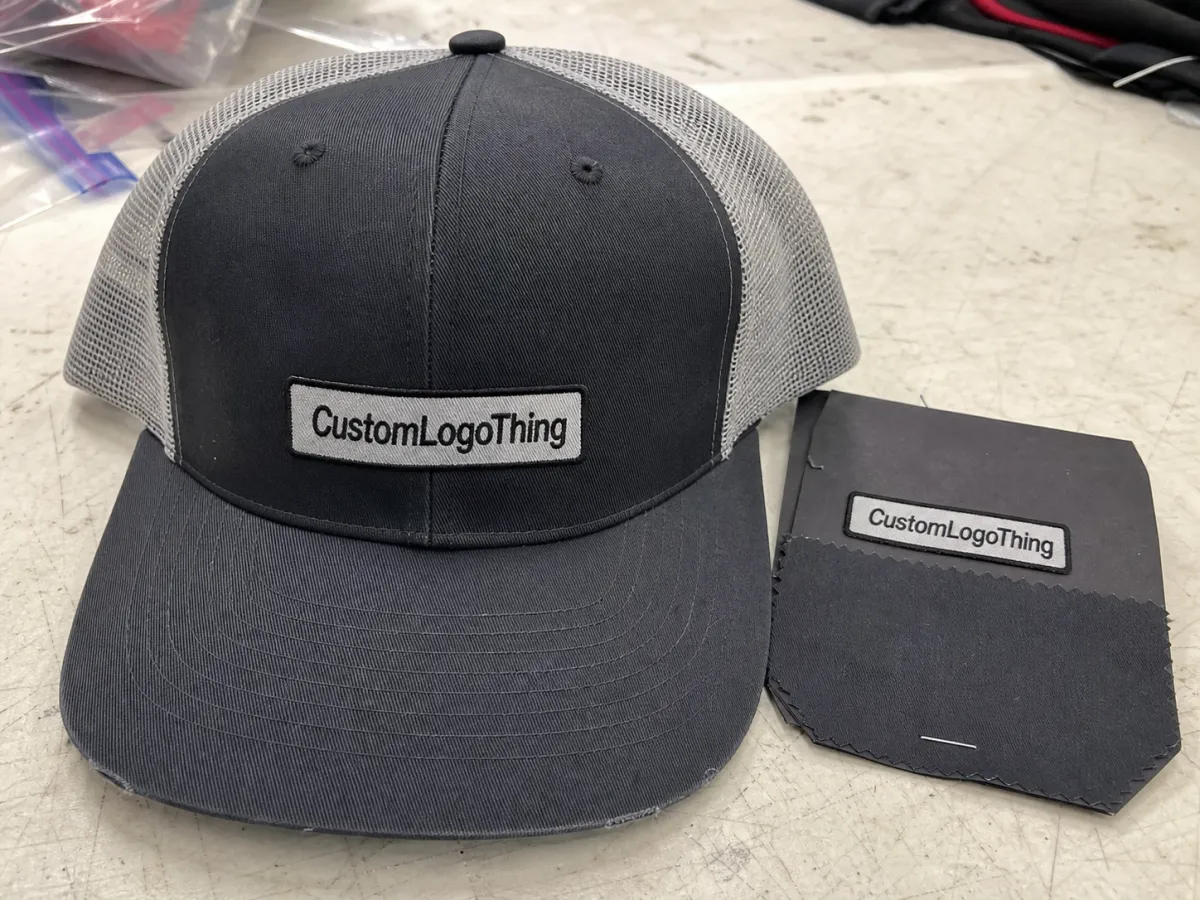
Trucker caps are sensitive to small construction changes. A front panel with firmer backing can make the cap look more retail-ready, while a softer build may feel casual but lose shape after shipping. Mesh density matters in the same way. Tighter mesh tends to read cleaner and hold its outline better; looser mesh breathes well, but it can look less refined and show uneven dye saturation more easily.
That is why approval from photos alone is risky. Photos hide texture, flatten seam depth, and make the crown appear more balanced than it may really be. A sample reveals what the camera cannot: how the hat sits on a head, how the brim holds its curve, and how the decoration behaves under ordinary lighting. Even a small change in the front panel can alter the final impression of the entire cap.
There is also a practical sourcing reason to use a checklist. Suppliers often have multiple construction options that sound similar on paper but wear differently in real use. A foam-front cap and a buckram-front cap may both be described as structured, yet they do not present the same hand feel or embroidery stability. The checklist keeps those details visible before the order is locked.
For most buyers, the goal is not perfection. It is consistency. If the sample is consistent with your intended spec, your production risk drops. If it is not, you get a chance to revise while the cost of correction is still manageable.
- Construction shows whether the cap will hold shape after packing and shipping.
- Decoration shows whether the logo works on a curved, textured surface.
- Pricing shows whether the sample and bulk quotes align in a believable way.
- Timing shows whether the supplier can meet the launch window without shortcuts.
How Mesh Panels, Crown Shape, and Closure Choices Show Up in Samples
Most surprises in a trucker cap sample live in the structure. Start with the front panel. Some samples use foam backing for a soft but defined face. Others use buckram or similar stiffening to keep the crown more upright. The difference is easy to miss in a mockup and obvious once the hat is on a head. Foam can feel comfortable and familiar, but if it is too soft, embroidery may sink or ripple. Buckram usually supports cleaner decoration, though it can feel less relaxed.
The mesh deserves the same attention. Not all mesh is equal, and the difference is not just visual. A denser mesh often looks cleaner and feels more stable at the side and rear panels. A looser knit may improve airflow, but it can twist more easily during sewing and show a rougher edge where it meets the front panel. If the sample uses a different mesh weight than the production plan, the final product can feel off even if the measurements look right.
Crown height is another variable that changes the character of the hat. A taller crown gives the classic trucker silhouette and tends to appeal to buyers who want a more visible profile. A lower crown sits closer to the head and can be easier to wear for people who avoid a high, boxy shape. Neither is universally better. The right choice depends on the audience, the logo scale, and how much structure the brand wants to project.
Closures can look minor on a spec sheet and still affect the wearing experience. Snapbacks are the most familiar option, partly because they fit a wide range of head sizes and read as standard retail. Strapback closures can feel a little more polished if the hardware is neat and the strap edges are finished properly. Fabric-and-buckle closures work too, but only if the stitching is clean and the adjustment range is adequate. A weak closure can cheapen the whole cap fast.
Compare sample construction against a hat you already know fits well. Measure crown depth, note the brim curve, and check how much adjustment range the closure really offers. A flat-lay measurement is useful, but the on-head fit tells the fuller story. That is where uncomfortable pressure points, odd crown angles, and shallow back panels show themselves.
| Sample Feature | What to Look For | Typical Buyer Risk |
|---|---|---|
| Front panel structure | Holds shape, stays smooth, supports decoration | Weak backing can make embroidery ripple |
| Mesh density | Even openings, tidy trim, stable side panels | Loose mesh can look thin or inconsistent |
| Crown height | Matches the target silhouette on real wearers | Too tall or too shallow changes the fit profile |
| Closure type | Easy adjustment, clean finish, durable hardware | Poor hardware reduces comfort and perceived value |
One detail many teams overlook is how the hat feels after a few minutes of wear. Does the front relax too quickly? Do the mesh panels stand away from the head in an awkward way? Does the sweatband feel scratchy at the temples or the forehead? Those small comfort issues are often what decide whether the cap gets worn again.
Pricing, MOQ, and Unit Cost: What the Sample Actually Tells You
Sample pricing is rarely a simple one-hat calculation. It usually folds in setup, artwork handling, decoration tests, and shipping. If the first version needs revision, the cost can rise quickly. That is why a quote that looks inexpensive at first glance may not be the better deal once the second round is needed.
MOQ shapes the economics too. A supplier may offer a reasonable sample rate, then require a minimum order that makes the final unit price unattractive for smaller programs. Ask for pricing at several quantities. The jump from 300 pieces to 1,000 pieces can be meaningful, and the difference between 1,000 and 5,000 can be even more dramatic if the order includes patches, custom labels, or specialty thread colors.
Sample pricing should also make sense relative to the bulk quote. If the sample is oddly cheap but the production price jumps, ask why. Sometimes the sample uses a simplified build. Sometimes shipping and packaging were omitted. Sometimes the decoration method in the sample is not the same method planned for production. That is the kind of detail that causes trouble later if it is left vague.
For a realistic cost picture, these are the common drivers:
- Decoration method: embroidery, woven patch, printed patch, or direct print.
- Color matching: thread, fabric, mesh, and closure components may all need separate sourcing.
- Custom labeling: woven labels, size stickers, interior tape, or branded hang tags.
- Packaging: polybags, inserts, folding instructions, or retail cartons.
- Rush handling: faster sample production and expedited freight.
For broader shipment planning, transit testing standards from ISTA are useful if the caps must arrive in sellable condition. Front panels can crush, brims can warp, and closures can snag when cartons are packed too tightly or handled roughly. If the order includes inserts or hang tags, paper sourced through FSC can support sustainability claims without adding guesswork.
| Order Tier | What Usually Changes | What to Confirm |
|---|---|---|
| Low MOQ | Higher unit cost and more setup burden | Whether the sample spec truly reflects final production |
| Mid volume | Better balance of cost and flexibility | Decoration method, color consistency, and pack-out details |
| Higher volume | Lower unit cost, tighter planning requirements | Lead time, carton count, approved materials, freight timing |
Production Steps and Sample Turnaround: From Spec Sheet to Final Approval
A clean sample process starts with a complete brief. The factory needs logo files, color references, quantity targets, closure preference, and any packaging instructions. If the cap has a specific shape in mind, send a reference photo or a sample cap measurement sheet. The more exact the input, the less room there is for interpretation errors.
Vector artwork matters because embroidery and patch production depend on clear edges. Pantone references matter because “navy” and “black” are not enough once multiple factories and multiple dye lots enter the picture. Placement measurements matter because a logo that sits correctly on a flat mockup can drift too high or too low on an actual curved crown. The weak version of a brief creates the weak version of a sample.
Turnaround depends on complexity. A simple blank sample can move faster than a decorated sample with multiple stitch layers, edge merrow, or custom interior details. A first sample usually takes longer than a revision because the factory is building the spec from scratch. Once the pattern is set, the second round is often faster, provided the feedback is clear.
Speed is not proof of quality. A fast sample can be useful if the supplier already has the materials and a stable process. It can also mean shortcuts were taken, especially if the sample arrives with substitutions not mentioned in the quote. A sample only helps when it represents the real bulk build.
Keep records as the process moves. Save the revision notes, image references, approval date, and any agreed measurement changes. If the production run later drifts, those notes become the reference point for resolving the issue. Without a paper trail, even small disagreements take longer to sort out.
There is one more practical question worth asking: can the supplier repeat the same spec at scale? A strong prototype does not guarantee stable bulk production. Some factories can make one polished sample and then lose consistency when the run starts. The approval process should confirm not just appearance, but repeatability.
Spec Checks That Matter Most: Fit, Stitching, Imprint Area, and Color
Fit should be checked first because it influences every other judgment. Try the sample on more than one head size if possible. Note how the front panel sits, whether the brim feels balanced, and how the closure adjusts. A cap that pinches at the temples or sits awkwardly high may still look fine in a photo, but it will lose wearability fast.
Stitching quality is one of the clearest signs of manufacturing discipline. Look for loose threads, uneven seam tension, skipped stitches, and messy thread ends around the logo or patch. On a decorated cap, rough stitching often means the factory rushed the sample or is not controlling the sewing process tightly. That same weakness tends to show up in bulk.
The imprint area needs close inspection because trucker caps are not flat canvases. Curved panels can distort logos, especially large graphics or fine text. Make sure the design does not crowd the seam lines, center seam, or top button. If the logo sits too high, it can feel cramped. If it sits too low, it can look disconnected from the shape of the cap.
Color control deserves a direct check under more than one light source. A shade that looks correct under warm indoor light may shift under daylight. Mesh and front panels can reflect differently even when they are supposed to match. If you already use brand color standards, compare against those references instead of relying on memory or a screen image.
- Fit: wear it, adjust it, and check for pressure points.
- Stitching: inspect seams, logo edges, and thread consistency.
- Imprint area: verify placement on the curved crown before sign-off.
- Color: compare against Pantone targets and existing brand materials.
- Interior finish: check sweatband comfort, label placement, and seam tape.
A solid quality check does not need to be complicated. It needs to be repeatable. The buyers who avoid repeat problems usually use the same checklist every time: the same measurements, the same light source, the same wear test, the same photo documentation. That consistency is what keeps a sample review useful instead of subjective.
Common Sample Mistakes That Hide Until the Bulk Run
The most costly mistake is approving a sample that is not built on the same material plan as the production run. A front panel that looks right in a sample can be swapped for a softer or thinner version later if the spec sheet is vague. Mesh can be altered too. If the approved sample used a denser knit and the bulk run does not, the final cap may feel lighter and less finished than expected.
Another common miss is checking only one size of wearer. A cap that works on one head can feel too shallow, too tall, or too tight on someone else. That matters if the product is meant for retail, events, or broad distribution. The closure range might look generous on paper and still fail to cover the people who actually buy it.
Packaging is frequently underchecked. Buyers spend time on the hat and almost none on folding, bagging, carton marks, or retail presentation. Then the shipment lands and the product does not display well. If the caps are going to stores or press kits, the unboxing and shelf presence are part of the product, not an afterthought.
Vague revision language causes avoidable churn. “Make it closer” is too loose to be useful. Better feedback is measurable: move the logo 8 mm lower, reduce the crown by 5 mm, change the mesh tone to match the approved swatch, or switch the hardware finish from glossy to matte. Specific notes save a full round of guesswork.
Small trim details often decide perceived quality: visor shape, button firmness, back strap hardware, and the stitching inside the sweatband.
That last point is easy to overlook. A hat can be technically correct and still feel off because the trim was chosen carelessly. Buyers may not write a line item for those details, but customers feel them immediately. A rough interior label or noisy plastic closure can make the whole cap seem cheaper than the spec sheet suggests.
Next Steps After Approval: Lock Specs, Confirm Timeline, Place the Order
After approval, freeze the spec sheet. Save clear photos of the approved sample from several angles. Record the crown height, mesh color, closure type, logo placement, thread color, label style, and packing method. If the production order does not mirror the approved sample, that gap becomes hard to resolve later.
Confirm lead time before payment moves forward. Ask when materials will be reserved, when the pre-production check happens, and what the shipping window looks like after completion. If the order is tied to a launch date or event, build in a buffer. Replacement time is usually longer than buyers expect, especially if a revision is needed late in the process.
Payment milestones and freight terms should be written down at the same time. Orders often stall not because the cap itself is difficult, but because carton counts, destination terms, packaging scope, or shipping responsibility were not set clearly enough at the start. The sample can only protect the order if the commercial details are just as clear.
If the timeline is fixed, a modest overage can be worth it. A few extra units are often cheaper than a scramble when one carton is damaged, a few hats go missing, or a late-stage headcount grows. That margin is practical, not wasteful.
Use the same approval method for each new vendor, colorway, and decoration change. A strong mesh trucker Hats Sample Checklist is not something to pull out once and forget. It is the repeatable habit that keeps a small cap order from becoming a large correction project.
What should be on a mesh trucker hats sample checklist before approval?
Check fit, crown height, mesh density, brim shape, and closure type against your spec sheet. Confirm logo placement, stitch quality, color match, and interior finishing under normal light. Approval should follow a direct comparison with a reference hat or a documented measurement sheet.
How many mesh trucker hats samples should I request?
Request at least one production-style sample and one revised sample if design changes are likely. Ask for additional color or decoration variants when the order includes multiple SKUs or different logo treatments. Use multiple samples when fit consistency matters across head sizes or channels.
What affects mesh trucker hats sample pricing the most?
Decoration method, setup work, and material changes usually create the biggest price swings. Rush requests, color matching, and custom labels can add extra charges. Shipping costs also matter, especially if samples need to move across borders quickly.
How long does mesh trucker hats sample production usually take?
Simple samples often move faster than decorated samples with embroidery, patches, or special trims. First samples usually take longer than revisions because the factory is setting the spec from scratch. A complete file package can shorten turnaround by reducing back-and-forth during approval.
What files or details speed up mesh trucker hats sample approval?
Send vector logo files, Pantone references, placement measurements, and a written spec sheet. Include photos of any reference hat that matches the fit or style you want. State your target quantity, timeline, and packaging needs so the sample reflects production reality.


