A candle Unstructured Dad Hats Material Sample guide matters because this type of cap reveals its quality in motion, not on a spec sheet. An unstructured crown has less internal support, so the fabric body, finish, and trim decisions do most of the talking. A candle-toned neutral makes that even more sensitive: a slight change in warmth, surface texture, or sheen can move the hat from refined to forgettable.
Buyers often treat sampling like a checkpoint. In practice, it is the first real test of whether the product can survive daylight, indoor lighting, shipping, handling, and actual wear. A hat that looks acceptable in a rendering may still collapse too quickly, read too yellow, or show uneven stitching once it is made in the intended material.
That is why the sample should answer a narrow set of practical questions. Does the fabric hold the silhouette without stiffness? Does the candle shade stay consistent across panels and trims? Does the decoration sit cleanly on a soft front? If those answers are yes, the order has a chance of looking like a deliberate product instead of a loose approximation.
Candle Unstructured Dad Hats Material Sample Guide: What It Shows
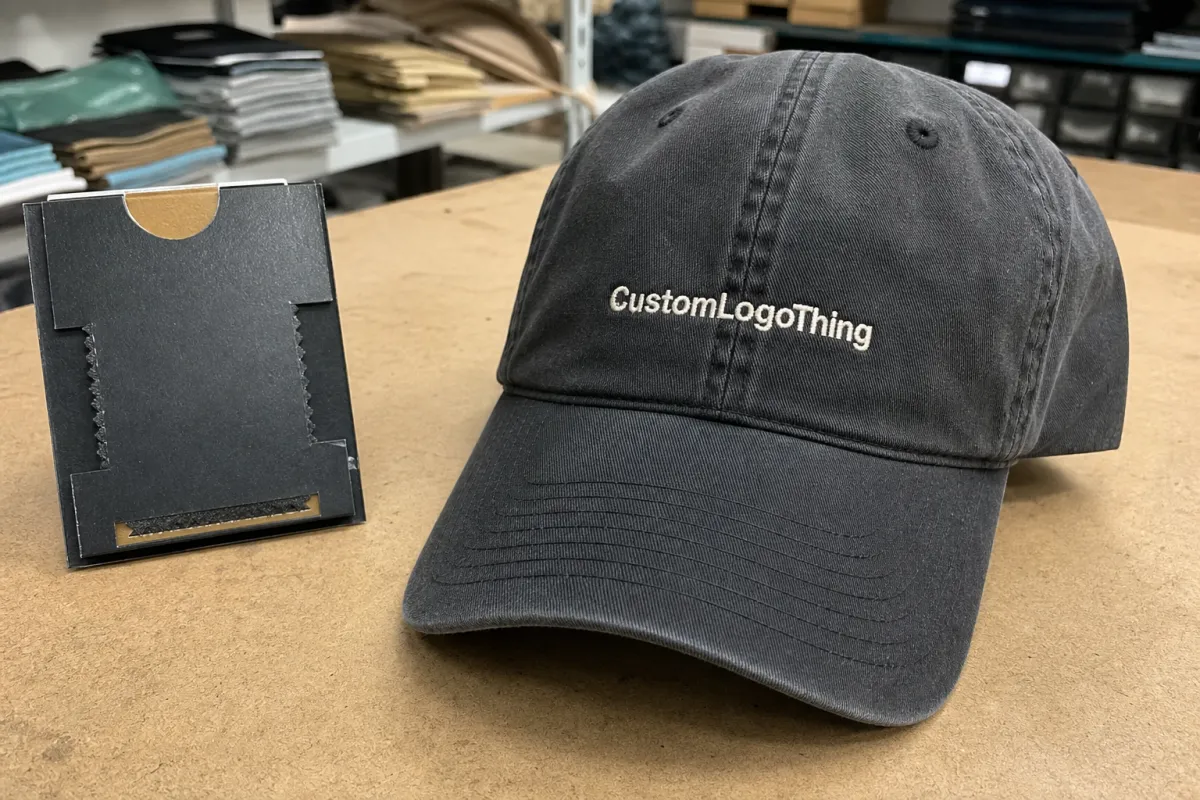
Sampling usually arrives in three forms, and each one proves something different. A fabric swatch shows color, weave, and hand feel. A sewn blank cap shows drape, balance, and how the crown behaves without a lot of internal structure. A decorated preproduction sample shows the final relationship between cloth, thread, patch, print, and placement. Confusing those stages creates avoidable approval mistakes.
On an unstructured dad hat, the fabric has more visual responsibility than it does on a stiff 5-panel or a high-profile cap. That means cotton twill, washed cotton, brushed cotton, canvas, and corduroy can all produce very different results even when the color name is the same. A candle shade in dense twill may feel cleaner and more retail-ready. The same tone in a washed cloth can look softer, more casual, and a little more vintage.
Lighting changes the read more than many buyers expect. Fluorescent light can drain warmth out of a candle neutral and make it look flatter. Daylight tends to show the truest version of the color. Warm warehouse lighting can push the same cap toward cream or tan. If the hat is destined for stores, staff uniforms, or event merchandise, the sample should be checked in more than one setting.
There is also a practical packaging angle. A sample that arrives crushed or badly packed can create a false negative. A soft crown is not very forgiving if it is jammed into a loose polybag and left unsupported in transit. If the first sample appears uneven, make sure the issue came from production rather than shipping damage before rejecting the spec.
For brand teams, the sample is also a read on positioning. Some candle-toned hats should feel calm and elevated. Others need to stay casual and easygoing. That difference is subtle, but it matters. A cap can be technically correct and still miss the intended market if the cloth is too limp, too glossy, or too heavy for the price point.
How Fabric Choice Changes Fit, Drape, and Finish
Fabric choice controls more than appearance. It changes how the hat sits on the forehead, how the front panel relaxes, how the brim balances the crown, and how the piece photographs from the side. On a candle-toned unstructured dad hat, those shifts are visible fast.
Cotton twill remains a common choice because it keeps enough body to feel finished without turning the cap rigid. Washed cotton usually feels softer and more worn-in, which works well for casual retail lines. Brushed twill can deepen the color slightly because the surface catches light differently. Pigment-dyed cotton often gives the most character, but buyers should expect mild tonal variation from panel to panel. Canvas is sturdier and more workwear-leaning. Corduroy adds texture and depth, though it changes how embroidery lands and can make fine lettering harder to read.
Weight matters as much as composition. A body around 200-240gsm often gives an unstructured hat enough support to drape cleanly without looking empty. Lighter fabrics can collapse too much, especially after a few wears or a long day in transit. Heavier cloth can read premium, but there is a point where the cap stops feeling like a dad hat and starts looking too built up for the silhouette.
The brim should be considered with the crown, not after it. A soft crown paired with a firmer curved visor can feel balanced. If both pieces are too soft, the cap can lose shape quickly. If both are too rigid, the result no longer feels casual. That is one reason many production teams approve a sewn blank before adding decoration. The silhouette needs to work before branding is layered on top.
Decoration reacts differently on each fabric. Dense embroidery can pull soft cloth and create puckering around the edges. Woven patches usually sit flatter, but the backing has to match the front panel strength. Direct print can look sharp on some cottons and muddy on others if the weave drinks in too much ink. A sample should show the finished interaction, not just the design file.
There is a secondary issue many teams miss: trim behavior. Thread color, eyelets, label material, sweatband width, and closure hardware all affect the final read. A clean candle crown with a shiny buckle or a mismatched thread can look unexpectedly cheap. On a soft cap, those details are not background noise. They are part of the product.
Key Factors That Affect Sample Approval
The first check is fabric body and drape. Buyers often focus on shade because color is easiest to compare, but the hand feel decides whether the hat will stay in rotation. If the cloth feels thin, the cap will usually feel less substantial in use even if the sewing is excellent.
Color consistency deserves a panel-by-panel review. Crown, brim, underbill, sweatband, and closure should all sit within the same color family unless the design intentionally uses contrast. A candle neutral can vary from cream to oat to pale khaki in a way that still looks cohesive, but too much distance between those tones reads as lot mismatch rather than design choice.
Finish quality is easiest to miss on a quick inspection. The underbill can be a shade darker than expected. The sweatband may feel rougher than the outer cloth suggests. The label can sit a few millimeters off center and make the whole hat look less controlled. Those are small errors on paper. On a retail table, they are easy to see.
A useful sample check is simple: will this hat still look intentional from three feet away after a full day of wear?
Stitch density, seam alignment, and front-panel symmetry should be inspected under normal light, not only under the best light available. A strong cap does not need perfection, but it does need consistency. If the panel joins wander, the brim line twists, or the crown sits unevenly, the hat will look rushed regardless of fabric quality.
Decoration placement is one of the most common failure points. A logo that is slightly too low can fight the curve of the crown. A large embroidery field can make the front panel buckle. A thick woven patch may lift at the corners if the backing is too soft. The sample is where those issues should surface, not after the order has already moved into bulk cutting.
Wear testing adds a layer of reality. Put the sample on, keep it on for a while, and see whether it collapses in a flattering way or just goes limp. Move around. Check it after it has been handled a few times. A cap can look excellent on a table and still be awkward on head if the crown balance or brim tension is off.
For sustainability-minded programs, the sample stage should also confirm whether packaging supports the brand story. A tidy corrugated cardboard shipper with kraft paper support is far better than a loose bag in a large carton. If the brief requires FSC certified board, recycled materials, or biodegradable packaging, those details should be checked before production starts. Transit abuse testing standards such as ISTA can help define how far the box needs to go before the hat arrives looking presentable.
Cost, MOQ, and Quote Variables to Price In
Sample cost depends on how close the sample is to the final order. A plain swatch is inexpensive because it requires little labor. A sewn blank cap costs more because it uses cut-and-sew time. A decorated proof costs more again because it combines material, stitching, setup, and often revision work. The more proof you want from one sample, the more it costs to make.
| Sample type | What it shows | Typical cost range | Best use |
|---|---|---|---|
| Fabric swatch | Color, weave, hand feel | $10-$25 | Early material screening |
| Sewn blank cap | Fit, drape, crown balance | $25-$60 | Shape and construction approval |
| Decorated preproduction sample | Embroidery, patch placement, final look | $45-$120 | Final sign-off before bulk order |
| Sample kit with multiple colorways | Side-by-side comparison | $30-$85 plus shipping | Brand or retail decision-making |
MOQ, or minimum order quantity, is rarely the same across every cap program. It tends to move with fabric availability, custom dye matching, decoration method, and whether the mill or factory has to reserve a special lot for the crown cloth. Stock cotton twill can support a lower entry point. Pigment-dyed, brushed, or otherwise special-finish cloth usually raises the threshold because the material has to be scheduled separately.
Quote structure matters just as much as the number on the page. The strongest quotes separate material cost, decoration cost, and sample labor. If those are blended together, it becomes hard to understand what changed when the next revision is priced. Shipping, rush production, alternate closure tests, and extra color approval rounds can add real cost even on a simple hat.
Lead time has its own hidden variables. A first sample might take a week or two if the fabric is on hand and the decoration is straightforward. A custom color, new wash treatment, or revised label placement can stretch that much longer. Production after approval usually moves faster than the first sample stage only if the spec is frozen and the material has already been reserved.
Packaging can change the quote too. A sturdy mailer, internal support, or upgraded presentation carton is not expensive compared with the hat itself, but it still belongs in the budget. If the product is meant to arrive in a premium state, the box should be part of the plan rather than an afterthought.
Process and Lead Time: From Swatch to Sign-Off
The cleanest sampling process begins with a precise brief. Ask for the exact crown shape, color family, decoration method, and closure type you want to approve. If the request is vague, the sample may be close in spirit and wrong in execution. Most production problems start there, not on the factory floor.
Once the sample arrives, review it under daylight, indoor lighting, and on head. Those three passes catch most of the issues that cause regret later. Daylight exposes true color. Indoor light shows how the cap reads in everyday use. On-head wear reveals whether the crown collapses naturally or presses in an awkward spot. A hat can pass one of those checks and still fail the others.
Comparing the sample against a known-good reference helps a lot. Keep one approved cap from a previous run or a close benchmark from the brand's own line. A photo reference is useful, but it is not enough. Real fabric, real stitching, and real color shifts are easier to judge when they sit beside each other.
If the first round misses the mark, revision should be specific. Change the fabric lot, adjust the wash, tighten the stitch density, modify the crown balance, or refine the decoration size. Changing too many variables at once makes the next sample harder to read. One reason experienced buyers move slowly at this stage is that clean feedback saves time later.
After approval, the order normally moves through material reservation, cutting, sewing, decoration, finishing, inspection, and packing. Each step can hold the schedule if something is not already locked. A delayed fabric lot, a late thread color decision, or a label change can move shipping even if the hat itself is simple. The material plan needs to be settled before the bulk run begins.
Packaging deserves the same discipline. A soft crown packed too tightly will arrive flattened and may never recover its original look. A hat supported with the right carton size, internal wrap, and simple protective structure stands a much better chance of landing in saleable condition. The sample is not just a product check; it is also a rehearsal for how the order will survive transit.
Used properly, a candle Unstructured Dad Hats material sample guide gives buyers a way to separate what appears attractive online from what actually performs in hand, on head, and in shipping. That distinction sounds minor until a bulk order arrives and every small compromise becomes visible at scale.
Common Mistakes That Make Samples Misleading
The most common mistake is judging a candle-toned sample under one light source. A neutral that looks creamy in the office can look tan outside or gray under fluorescent tubes. If approval happens in a single room, the final order may surprise everyone who sees it elsewhere.
Another easy error is comparing a washed sample to an unwashed production run. Wash treatment affects softness, size, and drape. If the sample was tumbled or finished differently, the bulk hat may feel firmer or sit taller than expected. The buyer should confirm whether the sample represents the final process or only the closest available approximation.
Decoration scale also causes trouble. Oversized embroidery can distort a soft front panel and push the crown forward. The same graphic might work well on a structured cap and look too heavy on an unstructured one. A design needs to be judged on the actual body it will live on.
Trim mismatch is another quiet problem. A beautiful candle crown with a cheap closure or off-tone thread can make the whole cap feel less deliberate. The sample should be reviewed as a system: crown, visor, underbill, stitching, label, sweatband, and hardware. A single bad detail can undo an otherwise solid fabric choice.
Many teams also skip wear testing because it feels unnecessary. That is a mistake. A cap can look refined on a table and still stretch, wrinkle, or slump after a few hours. Wear it for a while. Sit, walk, move, and handle it the way a real customer would. If it loses shape too fast, the fabric may be too light or the construction too loose for the intended use.
Finally, do not ignore the box and wrap. A sample that arrives in a poor carton can be damaged enough to make a strong product look weak. If the order is meant to signal care, then the sample packaging should reflect that standard through the same materials and protection level the bulk order will use.
Next Steps: Lock Specs, Samples, and Approval
Start with two or three fabric options and one sewn sample. That mix gives enough information to compare softness, structure, and finish without turning the process into a guessing game. If the order is color-sensitive, add a small colorway set. Candle neutrals can shift enough across treatments that a side-by-side check is worth the time.
Use a simple approval checklist and keep it practical. Include crown height, brim curve, closure type, thread color, label placement, sweatband feel, and any wash or distress treatment that must be preserved. If a detail matters to the product story, write it down before sign-off. Memory gets fuzzy once the project moves into bulk planning.
Take photos in consistent lighting and keep one approved sample in a safe place. That reference helps when production starts and helps even more when the style is reordered months later. A lot of drift happens because the original approval piece disappears and everyone relies on memory or a folder of mixed images.
After approval, confirm MOQ, unit cost, and lead time in writing. Freeze the spec sheet so there is one source of truth. If the order includes packaging requirements, lock those too, from recycled cartons to biodegradable packaging or other presentation details. A clean handoff at this stage reduces the odds of small misunderstandings turning into expensive rework.
A good sample process does not just approve a hat. It exposes what the final product will feel like in real life. That is the value of a candle Unstructured Dad Hats Material sample guide: it helps a buyer judge whether the fabric, fit, and finish all point in the same direction before the order scales up.
What does a candle unstructured dad hat material sample usually include?
It may include a fabric swatch, a sewn blank cap, or a decorated proof. The right version depends on whether you are checking color and hand feel, shape and drape, or logo placement and finish. A useful sample should show the cap under the same lighting and handling conditions it will face in production.
How do I compare candle-toned unstructured dad hat fabrics?
Compare them in daylight and indoor light, then view them next to the thread, label, and closure colors. Also check how the fabric behaves on head. A cloth that feels good but collapses too much will not hold up as well in use.
Why does the sample look different from the final production hat?
The sample may use a different fabric lot, wash treatment, or decoration setup than the bulk order. That can change softness, tone, and shape slightly. If the sample was handled more heavily or finished differently, the production hat may look firmer or more structured.
What affects MOQ and unit cost for custom dad hats?
MOQ usually rises with custom fabric, special dye work, multiple decoration steps, or reserved material lots. Unit cost is driven by fabric weight, sewing time, embroidery complexity, and any extra sample rounds or packaging upgrades.
How long does sample approval and production usually take?
A basic sample can come back in one to two weeks if materials are on hand. Custom finishes, revised decoration, or fabric sourcing can extend that timeline. After approval, production depends on material reservation, factory capacity, and whether the spec is fully frozen.

