Custom Embroidered Baseball Caps for golf tournament merchandise earn their place because they do several jobs at once. They hand out well at registration, they wear comfortably through a long day outdoors, and they keep working after the event because a good cap is useful in ordinary life. That utility matters. A cap that blocks sun, feels familiar on the head, and looks clean in photos tends to get worn again, which gives the tournament more visibility than most throwaway giveaways ever manage.
Buyers also appreciate that caps fit a wide range of people without much friction. Players usually want something practical. Volunteers need a uniform look that does not feel stiff or costume-like. Sponsors often prefer a branded item that carries the event name without turning the front panel into a crowded signboard. Custom Embroidered Baseball Caps for golf tournament merchandise can satisfy all three if the decoration is restrained and the blank cap is chosen with care.
The strongest cap orders are rarely the loudest ones. They are the ones with a thoughtful profile, legible embroidery, and enough comfort that recipients keep them in rotation after the tournament ends.
Why custom embroidered baseball caps for golf tournament merchandise stand out
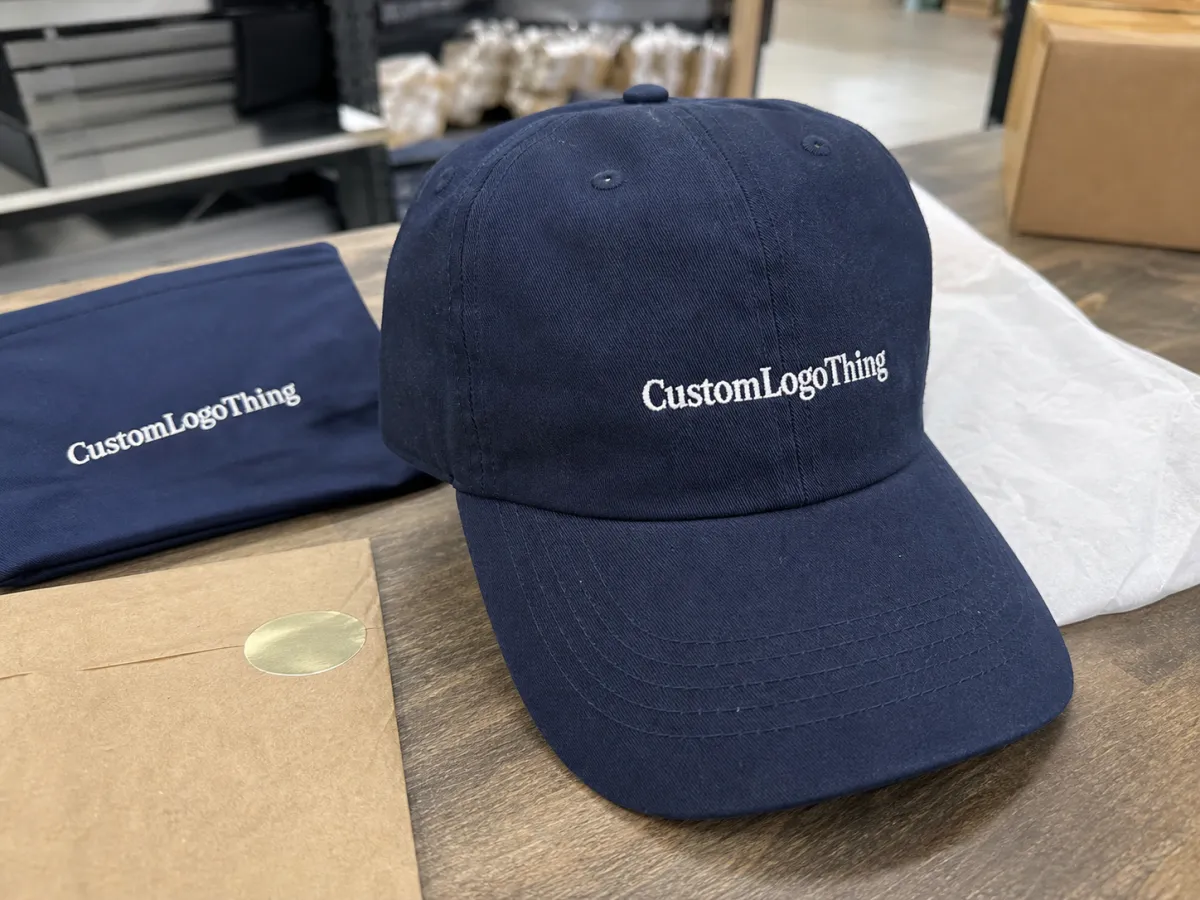
A cap has a longer life than most event merchandise because it travels. It goes from the course to the car, from the car to errands, and then back out again months later when the weather calls for it. That means one order can keep the tournament name, sponsor logo, or charity mark in circulation long after the last tee shot.
There is also a practical reason caps perform well in golf settings: people immediately understand the value. A water bottle may be appreciated, but a cap helps right away. It shades the face, it helps with glare, and it works even if the recipient never thinks about the brand again. In merchandising terms, that combination of utility and visibility is hard to beat.
For mixed audiences, caps are especially efficient. A player cap can be a little more polished, a volunteer cap can be simple and durable, and a sponsor gift cap can sit somewhere in between. The merchandise stays consistent without needing one design to satisfy every single use case. That flexibility is one of the main reasons custom embroidered baseball caps for golf tournament merchandise continue to show up in tee gifts, volunteer packs, and sponsor bundles.
The cap also helps buyers manage perception. A neat embroidered logo on a solid blank looks more intentional than a crowded collection of printed giveaways, and it is usually easier to distribute. If the event table looks organized and the cap feels good in hand, the whole program feels more polished. That is the kind of presentation that reflects well on the tournament before anyone even reaches the first hole.
Good embroidery does not need to shout. It needs to be readable, balanced, and tough enough to hold up through wear and washing.
How the embroidery process turns a cap into tournament merch
Embroidery begins with digitizing, not stitching. The artwork has to be converted into a machine file that controls stitch direction, density, underlay, and pull compensation. That sounds technical because it is. A cap front is curved, often slightly flexible, and very different from a flat patch or printed panel. Good digitizing makes the design sit cleanly on that curved surface instead of fighting it.
That is why some logos translate well and others need simplification. Thin script fonts, tight taglines, and small sponsor marks can look sharp on screen but collapse once the stitch path is mapped onto a crown. A clean vector file gives the digitizer room to make smart choices, but even then the logo usually needs adjustment if it is going on a cap front instead of a flat sign.
Cap structure matters just as much as the artwork. A structured front panel gives the embroidery a firmer base, which generally produces cleaner edges and better letter definition. Unstructured caps feel softer and more relaxed, but they can allow the design to shift or pucker if the stitch count is too heavy. Seam placement matters too, especially on low-profile caps where the logo may sit close to the center seam and lose clarity.
Thread choice changes the tone of the whole piece. Strong contrast reads from a distance and photographs well. Lower contrast can feel more subtle, but it may disappear in harsh daylight or in event photos. Stitch density is another control point. Too much density stiffens the front panel and can make the logo feel overworked. Too little, and the design can look loose or uneven. The best results come from a balance between visual weight and wearability.
Proofing is where problems get caught before they become expensive. A digital mockup is useful for placement, but a sew-out or sample shows the real behavior of the design: how the letters hold, whether the emblem is too wide for the panel, and whether the text still reads once it wraps across the crown. For custom embroidered baseball caps for golf tournament merchandise, that step is often the difference between an order that feels polished and one that feels slightly off.
If a logo looks crowded on a cap proof, it will usually feel even more crowded once it is stitched.
That principle saves time and money. It also keeps the finished cap from looking overdesigned. In merchandise work, especially on small formats like caps, the cleaner solution is usually the stronger one.
Cap styles, fabrics, and decoration choices that affect the look
Structured caps give tournament merch a sharper, more traditional profile. They hold shape well, which helps the embroidery sit neatly across the front panel. That makes them a reliable choice when the event wants a polished look and the logo needs to stay readable from a few steps away.
Unstructured caps are softer and more relaxed. They can work well for casual charity outings, lighter sponsor gifts, or event merch meant to be worn off the course after the tournament is over. They do not project the same formal feel as a structured cap, but they can be very comfortable and easy to wear.
Profile is another detail that changes the visual balance. Low-profile caps sit closer to the head and often feel more modern. Mid-profile caps give the front logo a little more room and are usually the safest option for standard tournament branding. A taller crown can create more decoration space, but if the logo is small it can make the cap look top-heavy or undersized.
Fabric choice affects comfort and durability. Cotton twill has a familiar hand and a classic appearance, though it can hold heat more than performance fabrics. Brushed cotton feels softer and a little more premium. Polyester blends dry faster and are often better for summer play or humid conditions. Performance fabrics are a strong choice when the caps need to survive long outdoor wear without feeling heavy.
The closure style should not be treated as an afterthought. Hook-and-loop closures adjust quickly and work well for broad distribution. Snapbacks are simple and widely accepted. Strap-backs can look a little more refined, especially on gifts that are meant to feel less promotional. The right closure depends on the audience and on whether the cap is part of a large handout or a smaller, more selective package.
- Structured, mid-profile cap: best for cleaner embroidery and a classic tournament look.
- Unstructured, low-profile cap: best for relaxed outings and everyday wear after the event.
- Performance cap: best for heat, sweat, and long days outside.
- Trucker or mesh-back cap: best for airflow and a more casual feel.
The blank cap is the foundation. A strong logo on a poor blank will still feel cheap, while a modest logo on a well-chosen cap can feel premium.
Pricing, MOQ, and unit cost drivers for golf cap orders
Cap pricing usually comes down to a few core variables: the quality of the blank, the stitch count, the number of colors, the number of embroidery locations, and how much artwork simplification the design needs. A single-color front logo is usually easier to price than a multi-color design with small text, a side hit, and a back mark. The more detailed the art, the more digitizing work it usually needs, and that can affect the setup cost.
Minimum Order Quantity varies by supplier, but embroidered caps often become practical in the 48 to 100 piece range. Smaller runs can be done, though the unit cost tends to rise because the setup is spread across fewer items. Once the order moves into better quantity breaks, the per-cap price usually improves enough to justify ordering extras for sponsors, late additions, or replacement needs.
For planning purposes, these ranges are common enough to be useful:
| Order Tier | Typical Use | Common Price Range per Cap | Main Cost Drivers |
|---|---|---|---|
| 48-99 pcs | Small charity outing or sponsor-only gift | $9.50-$16.00 | Setup spread across fewer units, standard blank cap, one-location embroidery |
| 100-249 pcs | Most single-event golf tournaments | $7.50-$13.50 | Better quantity break, moderate stitch count, one front logo |
| 250-499 pcs | Large field events with players, volunteers, and staff | $6.25-$11.50 | Volume pricing, stronger blank selection, room for backup units |
| 500+ pcs | Multi-day tournament programs or sponsor bundles | $5.50-$10.00 | Higher efficiency, but freight and packing decisions matter more |
Hidden costs deserve attention. Digitizing is often a separate charge. Rush orders can add fees. Freight can swing sharply if the delivery point is residential, remote, or time-sensitive. And if artwork changes after proof approval, that can create extra cost very quickly. Those are the details that push a project beyond budget when no one was watching the small print.
For buyers comparing cap pricing with other merchandise categories, the same rule applies as it does in packaging projects: landed cost matters more than the first quote. The blank, the decoration, the packing method, and the shipping method all shape the final number.
Custom embroidered baseball caps for golf tournament merchandise usually make the most sense when the buyer plans the audience split first and the decoration choices second. Players, volunteers, sponsors, and staff may not need identical items, and a better mix can lower the total spend without weakening the presentation.
Production steps, timeline, and turnaround checkpoints
The production path is straightforward, but the schedule can still slip if decisions arrive late. Quote approval comes first, then artwork submission, digitizing, proofing, sample review if needed, production, quality control, packing, and freight. The stitching itself is only one part of the timeline. Most delays happen while waiting for artwork files, sponsor approvals, or final color decisions.
A realistic lead time for many embroidered cap orders is about 12 to 20 business days after proof approval. That window can shrink or stretch depending on stock availability, quantity, and design complexity. If the event date is fixed, ask for the earliest ship date rather than assuming the standard lead time will fit the calendar cleanly.
Problems usually show up in the same places. The logo file is raster instead of vector. The sponsor wants the mark moved after proofing. The cap color has not been decided. Or the committee has not settled whether volunteers and players should wear the same style. None of those issues are unusual, but each one can cost a day or two if it is left unresolved too long.
A useful planning rule is to build in at least one extra week beyond the quoted production time when the caps must arrive, be checked, and be distributed before tournament day. That buffer gives room for reproofs, shipping delays, and the reality that event kits usually take longer to assemble than people expect.
If the order is being packed into player gifts, volunteer bundles, or sponsor kits, the packing method should be planned alongside the cap itself. Caps should keep their crown shape in transit, and cartons should be sturdy enough to survive handling. Coordinating the caps with the rest of the merchandise helps the whole handout feel organized rather than assembled at the last minute.
Common mistakes that make tournament caps feel cheap
The first mistake is trying to fit too much detail into too little space. Thin script fonts, tiny taglines, and dense sponsor lockups often break down on a curved cap front. A buyer may like the artwork on a computer screen, but embroidery has less room to work with. If the mark cannot be read from a few feet away, it probably needs to be simplified.
The second mistake is weak contrast. A dark thread on a dark cap can disappear in daylight, while a very bright thread on a pale cap can feel harsh if it is not balanced carefully. The most successful tournament caps usually land in the middle: enough contrast to be read easily, but not so much that the cap starts to feel loud or promotional.
The third mistake is choosing the wrong cap profile for the design. A very soft cap can make a strong logo slump, while a tall crown can make a small logo look isolated and undersized. The best custom embroidered baseball caps for golf tournament merchandise are built as a system, not as separate decisions. Blank and artwork should support each other.
Skipping the sample stage is another common regret. A mockup can be misleading because it does not show stitch behavior, panel tension, or how the thread will sit against the fabric. A sew-out gives a much truer picture. It reveals whether the lettering is too tight, whether the design is too wide, and whether the thread choice actually holds up in the real material.
Good embroidery usually looks calm. It knows how to carry the message without fighting for attention.
That is true for caps, and it is true for most branded merchandise. Clear presentation usually outperforms crowded decoration.
Expert tips for cleaner sponsor visibility and better wearability
Start by deciding what should be seen first. On most tournament caps, that means the event name or primary sponsor goes on the front panel, while secondary marks stay small or move to another location only if the cap style supports it. Too many competing logos make the cap feel busy before anyone puts it on.
Think about the person who will actually wear it. Players may prefer a slightly more polished cap. Volunteers often need something comfortable enough for a full shift in the sun. Guests may want a style that can be worn casually after the event without looking overly branded. Custom embroidered baseball caps for golf tournament merchandise work best when they can move from the course to ordinary life without feeling awkward.
Photos matter more than buyers sometimes expect. Tournament recaps, sponsor posts, and team photos can keep the cap visible long after the event. A cap color that photographs well, with thread colors that hold up in bright light, can extend that visibility. Dark neutrals, heather gray, deep green, and clean off-white often work well, though the event palette should still lead the choice.
From a production standpoint, thread contrast, stitch density, and crown shape need to work together. A design placed too high can feel awkward. A logo that sits too low can be blocked by the bill angle. A cap that is too soft can pull stitch lines out of shape. When those pieces line up, the result feels considered instead of crowded.
If the tournament merch is part of a larger kit, coordinate it with the rest of the presentation. A cap paired with a clean insert card, a folded shirt, or a simple branded box feels more valuable than the same cap handed out loose. That kind of consistency quietly improves the whole experience without adding much complexity.
For sponsors, the best approach is usually measured rather than maximal. A cap is a small surface. It rewards clarity, restraint, and a layout that respects both the logo and the person wearing it.
What to confirm before you place the order
Before the order moves forward, confirm the cap style, cap color, embroidery location, logo file, quantity split, and delivery destination. Those details may feel basic, but they prevent expensive confusion later. A clear decision on front-panel size and logo placement is especially useful because those two choices affect how the embroidery will look and how much room the design actually has.
Sponsor approvals should be settled early. If the event has multiple backers, ask who signs off on final artwork and whether any brand rules apply to color, clear space, or logo placement. Late approval changes are one of the fastest ways to push a schedule off track.
Order a modest overage if possible. Extra caps help cover weather delays, damaged cartons, late additions, or VIPs who were not on the original list. Even a 5% to 10% buffer can save the event team from scrambling on the morning of the tournament.
It also helps to ask how the caps will be packed. If the shipment needs to be separated into player gifts, volunteer bundles, and sponsor extras, that should be clear before production starts. The packing plan should match the distribution plan so check-in runs smoothly and the presentation stays clean.
For buyers comparing headwear with other merchandise programs, the same discipline applies as it does in broader packaging work: gather artwork early, confirm approvals, set the delivery date, and work backward with a real production schedule. That approach keeps custom embroidered baseball caps for golf tournament merchandise on time and avoids the last-minute fixes that make event merch feel rushed.
When the order is ready, the process should still stay simple. Gather the art, choose the cap style, confirm the quantity, request the quote, and allow enough time for proofing. That is usually enough to turn a practical item into tournament merch that looks finished, wears well, and does not create extra stress for the event team.
How many custom embroidered baseball caps for golf tournament merchandise should I order?
Start with the count of players, volunteers, staff, sponsors, and VIP guests, then add a small buffer for replacements and late additions. If the budget is tight, do not chase a quantity break unless the extra caps will actually be used. For mixed audiences, a split order by style or color can work better than one cap trying to fit every group.
What artwork works best for embroidered golf tournament caps?
Simple vector logos with bold lettering usually stitch more cleanly than thin lines, gradients, or very small taglines. If the design is detailed, simplify it for the cap front so it stays readable at arm's length. Send the cleanest source file you have so digitizing can stay accurate and efficient.
How long does production usually take for tournament caps?
Many orders move in about 12 to 20 business days after proof approval, but the actual timeline depends on stock, quantity, artwork revisions, and shipping method. If the event date is fixed, leave time for proofing and one extra round of review in case a sponsor wants a small adjustment.
Which cap style is best for golf tournament merchandise?
Structured caps give a sharper front panel for embroidery, while unstructured caps feel more casual. Performance fabrics are useful in heat because they dry faster and stay comfortable during long outdoor days. The best choice depends on the audience, the weather, and the tone of the event.
Can sponsor logos and tournament names both fit on one cap?
Yes, but the layout needs a clear hierarchy so the cap does not feel crowded. The strongest setups usually use one dominant front mark with secondary text kept small and easy to read. If sponsor visibility matters a lot, discuss placement options early so the embroidery stays balanced.

