Order Custom Softball Stickers That Last All Season
What Custom Softball Stickers Are Really Built to Do
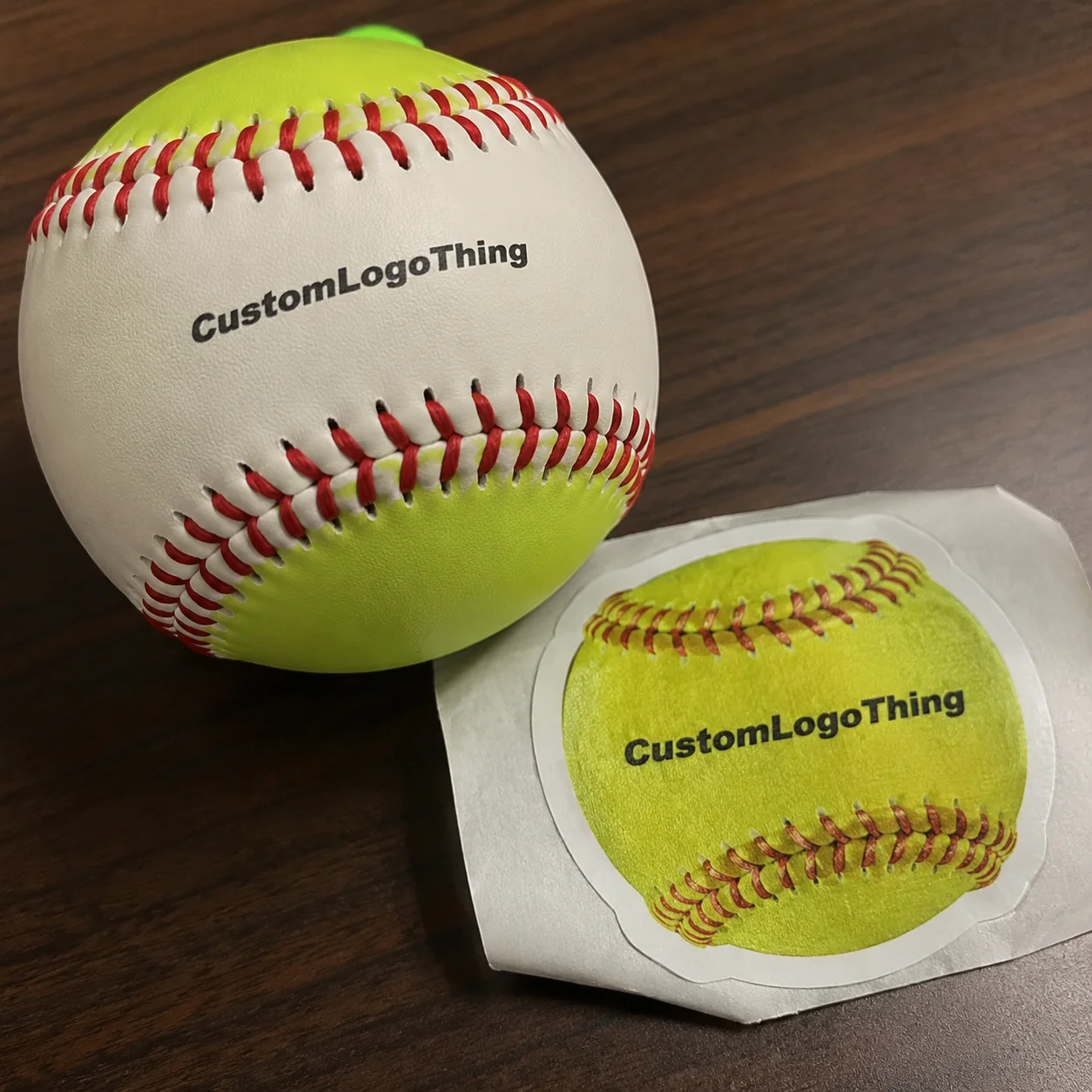
The best sticker on a softball helmet is not judged by how crisp it looks the day it comes out of the envelope. It is judged after sweat, sun, gear bags, infield dirt, repeated handling, and two hurried drops beside the dugout fence. Good custom softball stickers still have their edges down, their color intact, and their shape clean after all of that.
That sounds simple. It is actually a small packaging and labeling problem.
A softball sticker is a printed pressure-sensitive label used for team branding, player identification, helmet decoration, water bottles, bat bags, equipment bins, tournament giveaways, fundraising packs, sponsor placement, and fan merch. It may be applied by a coach after practice, a parent volunteer at the kitchen table, a player with dusty hands, or a tournament worker packing welcome bags late at night. The product has to forgive some imperfect handling, though not all of it.
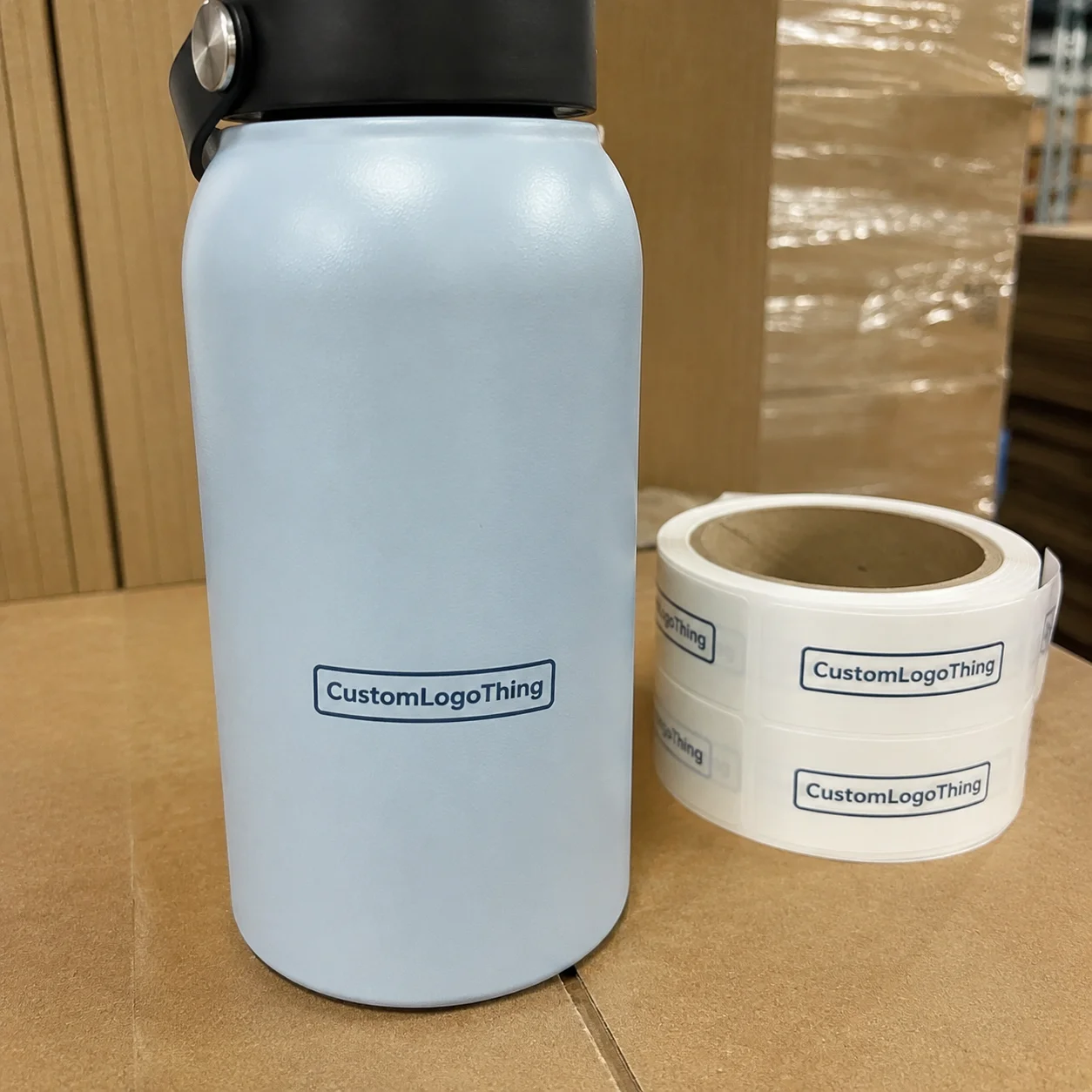
Ordinary paper decals can work for registration folders, scrapbook sheets, indoor handouts, and one-day event envelopes. They are not the same thing as gear decals. Stickers used on helmets, bottles, coolers, and car windows usually need a film face stock, stronger adhesive, water resistance, abrasion resistance, and a finish that protects the printed ink from rubbing, moisture, and UV exposure.
Common softball formats include die-cut mascot stickers, round team logo decals, name and number labels, helmet award stickers, sticker sheets, bumper-style spirit decals, small sponsor stickers, and retail-style sticker packs. Some are meant to be applied once and left alone. Others are meant to be handed out, traded, sold, mailed, or tucked into branded packaging with uniforms and player kits.
The buying decisions are not complicated, but they stack up quickly: material, adhesive, finish, size, artwork setup, quantity, Cost, Lead Time, and application surface. Miss one, and a sharp design can still peel by midseason.
Practical rule: order the sticker for the surface and season, not just for the logo. A bottle sticker, helmet decal, and sponsor handout may need different specs even when the artwork is nearly identical.
How Softball Sticker Materials, Adhesives, and Finishes Work
A durable sticker is built in layers. The top layer is the printable face stock, usually paper or film. Beneath it sits the pressure-sensitive adhesive, then the release liner that carries the sticker until application. On top of the printed ink, outdoor and gear-grade stickers often use a clear laminate or coating. That protective layer is not just cosmetic; it helps guard against scuffs, sunscreen residue, moisture, and color wear.
Paper is the economical option for short-term use: registration folders, team envelopes, indoor event sheets, or promotional giveaways that will not live on equipment. White vinyl is more common for outdoor team decals because it flexes better, resists moisture, and supports bright color. Clear vinyl creates a “painted-on” look on bottles, windows, and smooth plastic, but it often needs a white ink layer behind the art so the logo does not disappear on dark surfaces. Polyester and BOPP-style films are smooth, stable, and moisture resistant, which makes them useful for bottles, packaging labels, and clean retail-style sheets.
Adhesive choice matters as much as the face stock. Permanent adhesives build bond strength over time and are the usual pick for helmets, bins, coolers, and outdoor decals. Removable adhesives make sense for temporary promotions, tryout numbers, or event signage where clean removal matters more than long hold. Aggressive adhesives are worth discussing for textured bins, powder-coated bottles, or difficult plastics, but they are not a universal upgrade. They can be harder to reposition and may leave residue.
Surface energy is the quiet detail many buyers never hear about. Smooth painted metal, glass, and some rigid plastics accept adhesive more easily than low-surface-energy plastics, textured coolers, oily helmets, or powder-coated bottles. Cleaning the surface with a mild, residue-free method before application improves bond strength because the adhesive contacts the actual surface instead of dust, skin oil, or dugout grit.
Temperature also matters. Many pressure-sensitive adhesives wet out best near room temperature. Apply a decal to a cold helmet in a parking lot before an early tournament, and the adhesive may not flow into the surface well enough before the helmet is handled. Firm pressure, clean surfaces, and a little dwell time are boring instructions. They also prevent a lot of edge lift.
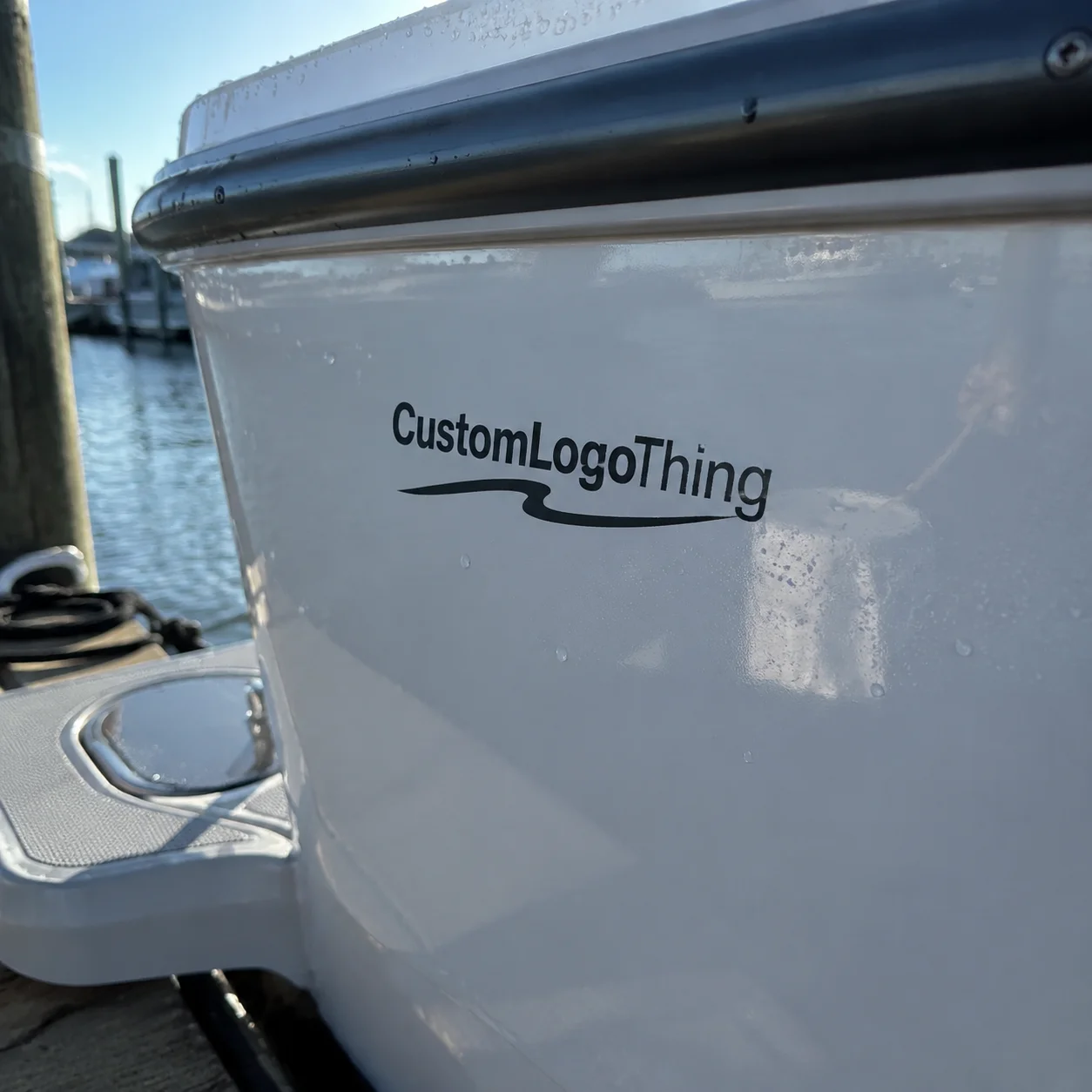
Finishes change both appearance and performance. Gloss makes team colors pop and gives sponsor marks a bright retail-packaging look. Matte softens glare and can make black, navy, and white designs look cleaner. Holographic and metallic films can make premium merch packs stand out, but they need simple artwork and strong contrast. A laminate is the workhorse finish for decals going on helmets, bottles, cars, or coolers because it adds scuff resistance and helps protect the print.
For broader packaging standards and testing vocabulary, groups such as the International Safe Transit Association are useful references on distribution stress, while ASTM methods are widely used across materials testing. A team sticker order is smaller than a full packaging program, but the same principle applies: real handling conditions should drive the spec.
Key Specs to Decide Before You Ask for Artwork Proofs
Before asking for a proof, settle the basics: final size, shape, quantity, material, adhesive, finish, cut style, and intended surface. A designer can make a logo look attractive on screen at six inches wide. That does not mean the same design will read clearly as a 1.25-inch helmet award decal. Proofing goes faster when the real use is known from the start.
Sizing is easier if you picture actual softball applications. Small helmet award decals often land around 1 to 1.5 inches, depending on helmet curve and available space. Player name or number decals may sit in the 2 to 3 inch range, especially if the number needs to be read quickly. Water bottle stickers often work around 2.5 to 4 inches because the curved surface needs enough logo size without wrinkling. Bat bag decals, laptop decals, cooler decals, and car window spirit stickers can move larger, often 4 to 6 inches or more, if the design is simple.
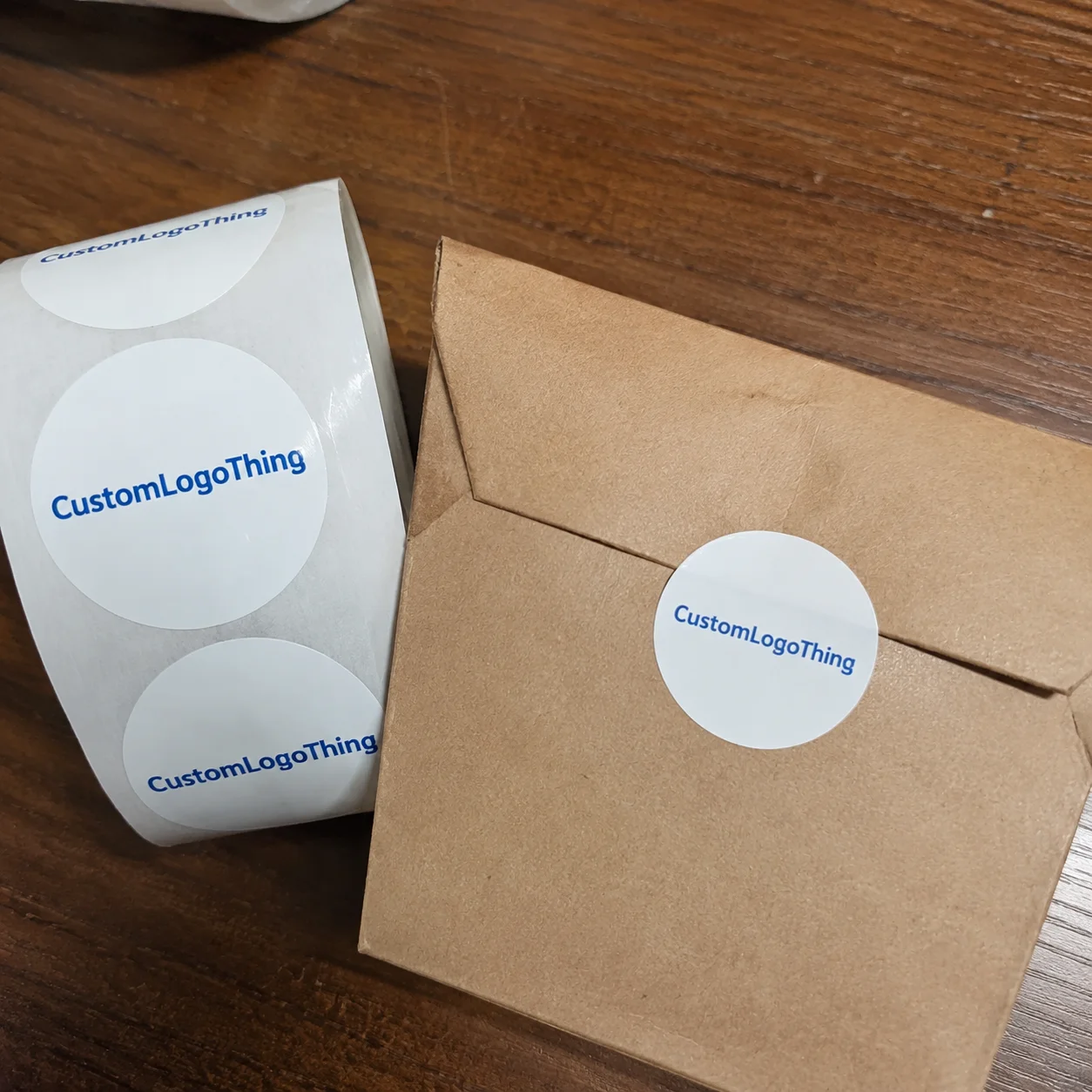
Cut style affects cost, handling, and presentation. Kiss-cut stickers stay on a backing sheet with the liner intact, which makes them easy to peel and good for packs. Die-cut singles are trimmed to the outside shape of the design and feel more finished for merch. Sticker sheets are useful for player names, helmet rewards, sponsor marks, and mixed mini decals. Roll labels make sense if a coach or volunteer will apply many pieces quickly to packaging, envelopes, bins, or bottles. Decals with transfer tape are best for separated lettering or complex shapes, though they require more careful application.
Color needs discipline. Team colors should be matched from the best available reference, not from a compressed social media image. If exact school or club colors matter, provide Pantone values or a previously approved brand file. Use enough contrast for names, numbers, and sponsor logos. Tiny white type on a yellow bat graphic may look clever on a monitor and still fail at actual sticker size.
Artwork should be clean before proofing. Vector files such as AI, EPS, or editable PDF are preferred because they scale without jagged edges. High-resolution PNG or JPEG files can work if they are large enough, ideally at 300 dpi at final print size. Fonts should be outlined or supplied, bleed should extend past the cut line, and important details should stay inside a safe zone. On clear, holographic, or metallic materials, ask whether white ink is needed behind the logo to preserve color.
Distribution shapes the spec, too. A registration handout may need individual singles. A fundraiser may need packs of three or five. A league order may need stickers separated by team, coach, sponsor, or division. If stickers ship to multiple coaches, grouping and packing instructions should be stated before production begins, not after the order is boxed.
Pricing, MOQ, and Unit Cost for Team Sticker Orders
Pricing for custom softball stickers depends on quantity, size, material, finish, cut complexity, proofing needs, packaging style, and whether the order is delivered as singles, sheets, or rolls. A simple 3-inch round white vinyl decal will usually cost less than a die-cut holographic mascot sticker with laminate and individual retail packaging. That does not mean one is better. It means material yield, print setup, finishing time, and handling time are different.
For planning, many short-run team orders fall into a broad range of roughly a few cents to a few dollars per sticker depending on the spec. Small, simple roll labels or high-quantity round decals sit toward the low end. Low-quantity die-cut singles, specialty films, heavy personalization, and retail packing push the price upward. Shipping, rush service, and split shipments can change the final cost more than buyers expect.
Unit cost usually drops as quantity increases. Setup, artwork review, proofing, press preparation, color control, cutting, and packing all take time whether the order is 100 pieces or 5,000 pieces. Larger quantities spread those fixed steps across more stickers. Smaller digital runs are often perfect for a single travel team or senior night. Larger school, league, tournament, or fundraising orders usually unlock better cost per sticker because the run is more efficient.
Minimum order quantity, or MOQ, is not just a sales policy. It reflects practical production. A press still needs material loaded, files checked, cuts programmed, and quality reviewed. If a team needs only 24 helmet decals, it may be smarter to order extras for late roster additions, damaged applications, coach samples, and replacements rather than pay the full setup burden twice.
| Sticker Type | Best Use | Typical Spec Direction | Cost Pressure |
|---|---|---|---|
| Round white vinyl logo decal | Helmets, bottles, bags, fan handouts | 2 to 4 inches, permanent adhesive, gloss or matte laminate | Lower |
| Die-cut mascot sticker | Merch packs, laptops, coolers, spirit sales | Custom outline, vinyl film, protective laminate | Medium |
| Player name and number sheet | Roster sets, helmets, bins, bottles | Sheet format, readable type, organized by player | Medium |
| Holographic or metallic decal | Premium fundraising packs and fan merch | Simple artwork, white ink planning, laminate if handled often | Higher |
| Roll label sponsor sticker | Welcome bags, envelopes, product packaging | Roll format, fast application, consistent orientation | Lower to medium |
To request a useful quote, provide size, quantity, material preference, finish, artwork file, delivery deadline, shipping location, and the real application surface. If the stickers will be applied outdoors, say so. If they are only going into envelopes with schedules and pins, say that too. The right spec for coach handouts is different from player name decals, premium merch packs, sponsor logo sheets, and tournament welcome bag stickers.
If your order also includes labels for bags, hang tags, or related branded packaging, it may help to review Custom Labels & Tags at the same time. Keeping sticker and packaging design decisions together can improve color consistency and reduce back-and-forth during proofing.
Production Steps and Timeline from Logo File to Delivery
A clean order follows a predictable path: quote request, spec review, artwork submission, proof, proof approval, print, finish, cut, quality check, pack, and ship. Each step is straightforward. Delays usually happen where decisions are missing.
The most common slowdowns are incomplete artwork, no final size, unclear team colors, specialty materials, complicated cut lines, large quantities, and shipping to multiple addresses. Personalization adds another layer. A roster with player names and jersey numbers must be treated like production data, not casual notes in an email thread.
Proofing is the control point. During proof review, check spelling, team name, player names, jersey numbers, logo placement, white borders, cut line, bleed, and sheet layout. If sponsor marks are included, confirm they have enough safe spacing from the cut edge. For multi-name or multi-number orders, proof review should be done against the latest roster, not an old spreadsheet.
Production may use digital printing or another suitable print method depending on quantity, material, color needs, and finishing. After printing, inks may need curing or drying time. Laminate or coating may be applied next. Then the stickers are cut with a programmed blade or die process, weeded if needed, counted, inspected, packed, and labeled for shipment. For sheets, the layout is checked so the stickers peel properly. For rolls, unwind direction and core size may matter if they are being used with a dispenser.
Quality control is partly visual and partly mechanical. Common checks include color consistency, registration, cut alignment, edge quality, laminate coverage, count accuracy, and clean separation from the liner. On clear or metallic stocks, the white ink layer deserves a close look because it controls opacity and contrast. On name and number sheets, the boring details matter most: spelling, sequence, and whether each player received the right pieces.
Lead time varies by complexity. A simple vinyl logo decal with clean vector art and fast proof approval can move much faster than a multi-team sheet order with player personalization, sponsor logos, specialty film, and split shipping. Many standard custom printed decal orders are planned in business days rather than calendar days, and freight time should be treated as separate from production time. A realistic window might be several business days for a straightforward order and longer for specialty materials, large quantities, or heavy customization.
Build in extra time before tournaments, senior night, tryouts, opening day, fundraising launches, and school pickup dates. Rushing proof review is where avoidable mistakes slip through. If a delivery date is fixed, mention it during quoting so the material, finish, and shipping method can be matched to that date honestly.
From a buyer’s point of view, the fastest orders are rarely the ones marked “urgent” in the subject line. They are the ones with clean artwork, confirmed specs, quick proof approval, and realistic shipping expectations. That pattern holds for sticker orders, Custom Printed Boxes, retail packaging, and most small-format printed product packaging.
Common Mistakes That Make Softball Decals Peel or Disappoint
The first mistake is choosing the cheapest paper sticker for gear that will face sweat, rain, coolers, helmets, and repeated handling. Paper has its place, especially for indoor handouts or short-term event folders. It is not the material most buyers want on a helmet that lives in a hot gear bag.
The second mistake is poor surface prep. Adhesive needs firm contact with a clean, dry surface. Dirt, oil, sunscreen, hand lotion, dust, and moisture all reduce bond strength. Cold surfaces are another problem because many adhesives flow and wet out better at moderate room temperature. If a team applies decals in a parking lot on a chilly morning, early edge lift should not be a surprise.
Artwork is another common pain point. A screenshot from social media may look fine on a phone, but it can print fuzzy, jagged, or off-color at sticker size. Logos pulled from uniforms, websites, or old flyers may carry compression artifacts. If the sticker includes a mascot, script team name, small sponsor mark, and player number in a 2-inch space, something has to give.
Fine details cause trouble after printing, not just during design. Player names, sponsor logos, and thin outlines can fill in or lose readability when reduced. Overcomplicated shapes with tiny points, narrow bridges, or sharp hairline cutouts can tear, lift, or frustrate players and parents during application. A simple cut shape with a modest border often lasts better because the edge is stronger and easier to handle.
There is also a mismatch between “water-resistant” and “dishwasher-proof.” Many vinyl decals can handle rain, splashes, and normal outdoor exposure when properly finished. Repeated soaking, high heat, detergents, bottle brushes, and dishwasher cycles are harsher. If stickers are going on drinkware, ask about expected washing conditions before assuming the label will behave like a factory-applied bottle graphic.
Skipping proof review is the avoidable one. Misspelled names, wrong jersey numbers, incorrect team colors, reversed layouts, and sponsor marks too close to the cut line are usually visible before production if someone slows down for five minutes. Have one person check spelling and another check numbers. It sounds old-fashioned because it is. It works anyway.
Storage matters too. Keep stickers flat, dry, and at room temperature before use. Avoid leaving them in a hot car, damp garage, or gear bag for a week before application. The liner, adhesive, and face stock stay more stable when stored properly. For paper-based packaging or responsibly sourced materials, references from the Forest Stewardship Council can also help teams and schools think through sourcing questions for related print pieces.
Next Steps to Order Stickers Without Rework or Rush Fees
A strong sticker order starts with a short checklist. Decide where the stickers will go, choose the approximate size, count players and coaches, add extras, confirm the deadline, and gather the highest-quality logo file available. If the order includes player names or jersey numbers, use a final roster spreadsheet and make sure the spelling matches uniforms, programs, and team records.
Order more than the exact headcount. Extras cover late roster additions, replacement helmets, damaged applications, coach samples, sponsor thank-yous, and a few player mistakes during the season. For a team of 14 players, ordering only 14 helmet decals leaves no margin. For a fundraiser, extras can become add-on sales at games or tournament tables.
Group related items during quoting. Helmet decals, water bottle stickers, sponsor stickers, merch pack decals, and packaging labels can be reviewed as a set even if they need different materials. That helps the supplier recommend vinyl, clear film, laminate, roll labels, or specialty finishes based on the actual application instead of guessing. It also supports better package branding if stickers are paired with player kits, uniform bags, or other Custom Packaging Products.
Ask for material guidance using plain application details. “These go on matte black helmets and stainless bottles” is more useful than “we need durable stickers.” “These are for envelopes only” points toward a different answer. If the stickers will be washed, handled daily, stored outdoors, or sold as premium merch, say that before the proof is built.
Review the final proof at actual size if possible. Check spelling, numbers, colors, scale, white borders, cut shape, and readability. Look at the smallest type first. If a parent or player cannot read a name on screen at final size, it will not improve on the printed sticker. Also confirm whether the proof shows the cut line, bleed, and any white ink layer for clear or metallic material.
Custom softball stickers work best when the design, material, finish, application surface, quantity, and delivery date are chosen together instead of treated as separate decisions. Do that early, and the finished decals have a much better chance of surviving helmets, bottles, bags, rain, and the long rhythm of the season.
FAQ
What material is best for custom softball decals on helmets?
White vinyl with a durable adhesive is a common choice for helmets because it handles curved surfaces, moisture, and regular handling better than paper. A gloss or matte laminate can add scuff resistance and help protect the printed logo, player number, or award mark during the season. The helmet surface should be clean, dry, and free of oils before application for the best bond.
How long do softball team stickers usually last outdoors?
Outdoor life depends on material, ink system, laminate, sun exposure, abrasion, and application quality. Vinyl stickers with protective laminate generally last much longer outdoors than uncoated paper stickers. Stickers on bottles, coolers, and helmets may wear faster than window decals because they are touched, washed, scraped, and packed with other gear more often.
Can custom softball stickers include player names and jersey numbers?
Yes, player names and numbers can be printed as individual decals, sticker sheets, or grouped team sets. The artwork file or roster should be checked carefully before proof approval to prevent spelling and number errors. Names should be sized large enough to stay readable at the final sticker size, especially for helmet decals and small award stickers.
What quantity should a team order for softball sticker packs?
Start with the number of players, coaches, sponsors, and expected fundraising or fan sales, then add extras for replacements and late additions. Sticker packs usually need more pieces than helmet-only decals because players trade them, place them on bottles, or give them to family. Ordering a larger batch may lower the unit cost compared with reordering small quantities later.
How should artwork be prepared for custom softball logo stickers?
Vector files such as AI, EPS, or PDF are ideal because they scale cleanly for different sticker sizes. High-resolution PNG or JPEG files may work if they are large enough and not pulled from screenshots or social media. Artwork should include clear team colors, readable text, enough bleed, and safe spacing around the cut line.