Hotel cap programs look simple from a distance. Pick a baseball cap, add a logo, and move on. The bill tells a different story. The final price is shaped by the blank cap, the embroidery method, the number of pieces, the artwork file, and the amount of time spent making sure the decoration lands in the right place on every crown. That is why two quotes for the same property can look unrelated even when they seem to describe the same item.
The phrase hotel Embroidered Baseball Caps unit cost only makes sense if it includes the whole path from artwork to shipment. A small logo on a short run can be more expensive per piece than a larger logo on a bigger order because setup charges do not shrink just because the design is modest. For hotels, the real issue is not whether a cap is technically inexpensive. It is whether the cap still looks disciplined at front-desk distance, under lobby lighting, after a long shift, and on reorder six months later.
That is the standard worth using. A cap that photographs well but wears poorly will end up costing more than the quote suggested. A cap that is easy to reorder, easy to match, and easy for staff to wear day after day usually delivers better value, even if the first invoice is a little higher.
What actually drives the landed cost of a hotel cap order
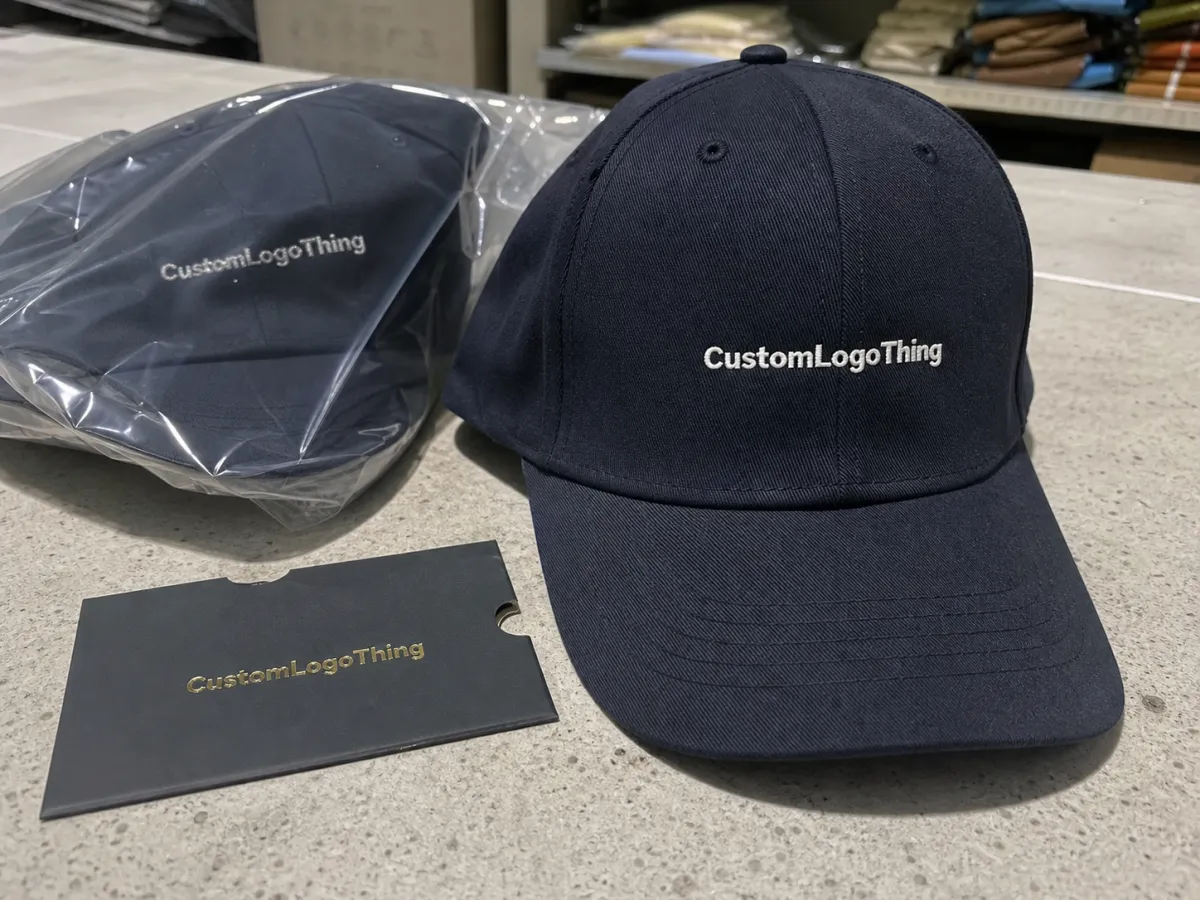
The blank cap is only the starting point. Landed cost usually includes the cap body, digitizing, embroidery labor, setup, packaging, and freight. On a 100-piece order, a $50 or $75 digitizing fee can add a meaningful amount to each cap. On a 500-piece order, the same fee gets diluted fast. That is one reason a buyer can compare two quotes with the same blank style and still see a wide gap in the per-unit number.
Stitch count has a direct effect on labor time. A compact monogram may stay in the 3,500 to 5,500 stitch range. A more detailed front logo often moves into 8,000 to 12,000 stitches, sometimes higher if there is fine text or layered elements. More stitches mean more machine time and more chances for thread breaks or registration issues. The difference may not sound dramatic on paper, but it matters when the team is running several departments or a large guest-facing rollout.
Artwork complexity changes cost in less obvious ways. Thin lettering, gradients, shadow effects, and tiny internal details rarely survive embroidery without adjustment. A digitizer may have to simplify the art, thicken lines, or remove fragile detail so the logo reads correctly from a few feet away. That is not a compromise in the casual sense. It is usually the difference between a cap that looks crisp and one that looks tired after production.
There are also hidden cost drivers tied to logistics. Mixed-size cartons, individual polybags, retail hangtags, split shipments, and tight delivery windows can all nudge the unit cost upward. Offshore production may lower the blank price, but transit time and freight exposure can erase some of that advantage. Regional production can move faster and make revisions easier, though the sticker price may be higher. A smart comparison weighs speed, consistency, and reordering simplicity alongside the quote itself.
Repeatability is often the most valuable part of the program. If the concierge team, housekeeping supervisors, and retail staff are all wearing caps under one brand system, the color, structure, and placement need to match closely. Otherwise the program starts to look pieced together. A cap that arrives cheap but cannot be reproduced cleanly is not saving money; it is creating a future problem.
Cap body choices, fit, and finish details that matter
Structured and unstructured caps send different messages before the logo even appears. A structured six-panel cap with firm front backing holds its shape and usually feels more polished. That makes it a practical choice for front desk teams, valets, and property retail. An unstructured cap has a softer profile and less formal feel, which can suit resort staff, outdoor teams, or properties that want a more relaxed tone.
Panel count matters too. Five-panel caps give the logo a broader, uninterrupted front panel, which can be useful for larger marks or simplified hotel branding. Six-panel caps are the traditional baseball shape and still the most common choice for uniform programs. If a logo has a lot of vertical movement or narrow type, the seam layout can affect how the final embroidery sits. That is not a small detail when the mark is supposed to look centered on every hat in the shipment.
Fabric selection affects both appearance and wear. Cotton twill is a dependable standard with a familiar hand feel. Brushed cotton feels a little softer and can read more premium. Polyester and poly-cotton blends hold color well, dry faster, and tend to wrinkle less. Performance fabrics can be a better fit in hot climates or for staff who work outdoors, though they sometimes feel less natural than cotton. A cap chosen for back-of-house comfort is not always the right cap for guest-facing uniform use.
Closure style shapes both fit and perceived quality. A self-fabric strap with a slide buckle feels more tailored. Hook-and-loop closures are fast to adjust and useful across mixed staff sizes. Snapbacks are easy to size but can look more casual. If the team needs the same cap across several roles, adjustability matters more than most buyers expect.
Small finish details deserve real attention. A pre-curved brim saves time and keeps the cap from arriving stiff. A moisture-wicking sweatband can improve wearability on long shifts. Low-profile caps sit closer to the head and feel more contemporary, while mid-profile caps give the logo more vertical visibility. Even the visor shape changes the impression. A gently curved bill can look classic and stable, while a flatter bill can feel more retail-oriented.
- Structured six-panel: cleaner silhouette, stronger shape retention.
- Unstructured five-panel: softer look, useful for resort or casual branding.
- Cotton twill: familiar, stable, and widely accepted in hospitality uniforms.
- Polyester blend or performance fabric: better color retention and quicker drying.
- Self-fabric strap, snapback, or hook-and-loop: choose based on fit range and brand tone.
Embroidery specifications buyers should approve before production
Good embroidery begins with usable artwork. A vector file is the cleanest starting point because it gives the digitizer a precise path for converting the logo into stitches. A JPEG or screenshot may be enough for a quick conversation, but it is not enough for production confidence. If brand color matters, include PMS references or a clear thread match target. That reduces confusion later, especially when the logo contains two or three tones that need to sit close together on a dark cap.
Size and placement should be approved in writing. Center-front is the standard location, but side embroidery can work for a department identifier or a secondary mark. A logo that looks balanced on a flat digital mockup can shift once it wraps over the curve of a crown. That is why proofing should show approximate placement, physical size, and how the stitches sit relative to the front seam or panel lines.
There are hard limits to what embroidery can reproduce cleanly. Lettering below roughly 0.20 inch high often fills in. Thin lines can collapse. Fine serif text may need to be simplified into a cleaner sans-serif version. Textured fabrics can also affect legibility because the stitch field competes with the weave of the cap. Buyers who approve a slightly simplified version usually end up with a better looking production run than buyers who insist on screen-art fidelity.
Backings and stabilizers matter more than most people realize. The right backing supports the stitch structure, helps the logo keep its shape, and keeps the inside of the cap from feeling rough against the forehead. For lighter logos, a lighter backing may be enough. For dense emblems or larger placements, the supplier may need stronger support to prevent puckering. If the cap body is soft, the digitizing choices need to compensate for that softness so the embroidery does not distort the front panel.
Thread selection also affects the finish. Polyester thread is common because it handles wear and washing well, which is useful in hospitality. Rayon can offer a slightly different sheen, but many uniform programs lean toward polyester for durability. Matte thread reads more restrained. Higher-sheen thread can make the logo pop, but it can also look more promotional than uniformed if the balance is off. The supplier should be able to explain which thread family best suits the application, not just offer the default option.
A logo that works on a monitor is not automatically ready for embroidery. The best production runs usually start with art that has already been simplified for stitch count, cap curvature, and thread behavior.
Pricing, MOQ, and unit cost breakdown for hotel orders
Quotes are much easier to compare when they show the real line items. A buyer reviewing hotel Embroidered Baseball Caps unit cost should ask for the blank cap price, digitizing or tooling fees, embroidery labor, packaging, and freight separately. If all of those are rolled into one number, it becomes difficult to see where the quote is gaining or losing value. A clean quote also makes reorder conversations faster because the assumptions are already visible.
| Line item | Typical range | What changes it |
|---|---|---|
| Blank cap | $1.75-$6.50 | Fabric, structure, closure, and overall build quality |
| Digitizing / setup | $25-$85 one time | Logo complexity, stitch direction, color changes, revisions |
| Embroidery labor | $1.50-$4.50 per cap | Stitch count, placement size, thread count, production speed |
| Packaging | $0.10-$0.45 per cap | Bulk pack, individual polybagging, retail labeling, insert cards |
| Freight | Varies by destination | Carton count, weight, distance, shipping method, delivery window |
MOQ changes the picture quickly. A short run of 48, 72, or 100 caps usually carries a higher per-piece cost because the fixed work is spread across fewer units. Once the quantity moves to 250, 500, or 1,000, the unit cost often drops in a noticeable way. That lower per-piece rate can create room for a better fabric, a more stable closure, or a more polished cap profile without pushing the total beyond budget.
Even then, the cheapest quote is not always the best fit. A very low number can hide lighter fabric, less precise embroidery, or a cap body that loses shape after a few wears. It may also assume bulk packing when the hotel actually needs retail-ready presentation. If a cap is meant to be worn by staff in multiple departments, it should survive repeated use and still match the rest of the uniform program. That has real value, even if it does not show up cleanly in the first quote comparison.
There are other variables that buyers should expect. Sample or preproduction charges may apply if a physical approval is required. Rush orders can add fees. A reorder may be easier because the digitized file already exists, but the price can still move if the cap body is discontinued or the order drops below the earlier quantity. Freight also fluctuates more than buyers like. Two identical runs can land at different totals if the shipping lane changes, cartons are heavier than expected, or the delivery schedule gets compressed.
For a practical comparison, think in tiers:
- Low quantity: setup dominates, so the unit cost stays elevated.
- Mid quantity: pricing evens out, and better materials become easier to justify.
- High quantity: the cost per piece is strongest if the logo stays simple and repeatable.
That is why a quote without quantity, artwork, and delivery context is only a placeholder. It is not a buying number yet.
Ordering process and production timeline from proof to shipment
A clean ordering process prevents a lot of avoidable friction. The request should include cap style, quantity by color, logo file, placement, preferred thread references, and the shipping address. If the order needs to arrive by a fixed date, that date should be stated clearly at the start. Too many cap orders lose time because the deadline appears only after artwork review has already begun.
After the quote comes artwork review and digitizing. The supplier converts the art into a stitch file, then sends a digital proof or, for tighter programs, a sewout sample. This is the stage where most problems can still be corrected without waste. Once the proof is approved, production can begin. If the logo is straightforward and the cap body is in stock, embroidery usually moves much faster than the approval stage.
Realistic timing is usually better than optimistic timing. Simple programs often finish in about 10-15 business days after approval, then shipping time is added on top. More complex logos, revision cycles, stock issues, or large seasonal orders can stretch that window. If the project is tied to a convention, grand opening, renovation, or property relaunch, build a margin into the schedule. Freight does not fix a late approval.
Packing should be matched to use. Back-of-house distribution usually works best in bulk cartons with clear size counts. Guest retail programs may need individual polybags, hangtags, or price labels. Cartons should be easy to read at receiving, especially if more than one property is involved in the shipment. Clear labels help avoid sorting mistakes and cut down on extra handling. For long transit lanes, packaging guidance from ISTA is useful, and references from Packaging.org can help frame carton strength and presentation choices.
Good packing also protects the embroidery itself. Dense thread areas can crease if caps are crushed too tightly in cartons. A brim can warp if the stack is packed badly. Neither problem is dramatic on a spreadsheet, but both become obvious once the boxes are opened. That is why packaging should be treated as part of product quality, not a separate afterthought.
What a dependable hospitality cap supplier should prove
A reliable supplier does more than send a low number. They show that the same result can be repeated. The first run, the reorder, and the multi-property extension should all follow the same specs. If the cap shape drifts or the thread shade changes from one shipment to the next, the hotel ends up with an inconsistent uniform story. That problem is more common than buyers think, especially when orders are split across seasons or departments.
Clear answers matter. A good supplier should explain why one cap profile suits the logo better than another. They should be able to describe what happens if the artwork is reduced for embroidery, where the stitch count will land, and which closure style fits the staff use case. If the logo has thin lettering or a small secondary mark, the supplier should say so plainly instead of pretending every design works at every size. A direct answer saves everyone time.
Quality control should be visible in the process. That means checking thread tension, placement accuracy, symmetry, cap shape, and carton counts before shipment. It also means keeping a record of the approved thread colors, stitch file, and cap spec so the next order can match the first one. For a hotel, that record is worth a lot. It keeps the program from resetting every time new staff take over procurement.
Lead-time communication is part of quality too. Buyers do not need inflated confidence. They need a realistic production window, a candid note about what might delay the order, and a clean explanation of what is needed for approval. That kind of discipline is usually more useful than polished sales copy. It is also the strongest sign that the supplier understands hospitality work, where one late carton can create a very visible problem at the front desk or on the floor.
- Proofing support: mockups or sewouts that show scale and placement clearly.
- Clean approvals: one documented sign-off before production starts.
- Reorder records: saved stitch files, thread references, and cap specs.
- Realistic lead times: timing that reflects actual production load.
- Shipping discipline: clear carton counts and labels that are easy to receive.
Next steps for getting a usable quote fast
The fastest path to a usable quote is also the most organized one. Send the cap style, quantity by color, decoration placement, vector artwork if available, PMS references, delivery address, and in-hands date together. If you only have a reference image, include that too, but expect the supplier to ask for clean artwork before final approval. A complete request reduces back-and-forth and usually produces a quote that can actually be compared across vendors.
Ask for a proof that shows scale, placement, and thread colors. If the logo needs cleanup, ask to see the simplified version rather than the screen mockup alone. That gives the buyer a better sense of how the embroidery will truly look on the cap body. It also helps avoid the common mistake of approving something that looks good on a monitor but falls apart once translated to stitches.
For hotel buyers, the best decision is usually the one that balances material quality, embroidery clarity, lead time, and reorder stability. A quote that looks a little higher at the start can still be the better option if it keeps the logo consistent across departments and properties. That is the practical measure behind hotel Embroidered Baseball Caps unit cost. The cheapest number matters less than whether the cap does its job well, wears well, and comes back the same the next time it is ordered.
What is a typical hotel embroidered baseball caps unit cost?
It depends on quantity, cap body, stitch count, and how much setup work the logo requires. Short runs usually cost more per cap because digitizing and machine setup are spread across fewer pieces. A useful quote should separate the blank cap, embroidery, packaging, and shipping so the total is easy to judge.
How does MOQ affect embroidered hotel cap pricing?
Lower minimums usually raise unit cost because fixed setup charges are divided across fewer caps. Higher quantities tend to bring the price per piece down and can make better fabrics or closures easier to afford. If several hotel departments need the same cap, ask whether the order can be combined under one production run.
What artwork do you need for a hotel cap embroidery quote?
A vector file is best, along with a clean image of the logo and any PMS color references. The supplier also needs the placement, approximate size, and whether the design must be simplified for embroidery. Sending those details early usually reduces delays during proofing.
How long does production usually take after approval?
Timeline depends on quantity, logo complexity, and whether a sample or revision is needed. Once the proof is approved, simple orders often move through embroidery in about 10-15 business days, then shipping is added separately. Tight deadlines should be stated before production starts.
Can I reorder the same hotel cap later at the same unit cost?
A reorder is often easier because the stitch file and production details already exist. The unit cost can still change if the quantity shifts, the cap body is no longer available, or shipping conditions change. Keeping the original approval records makes it much easier to match the first run closely.

