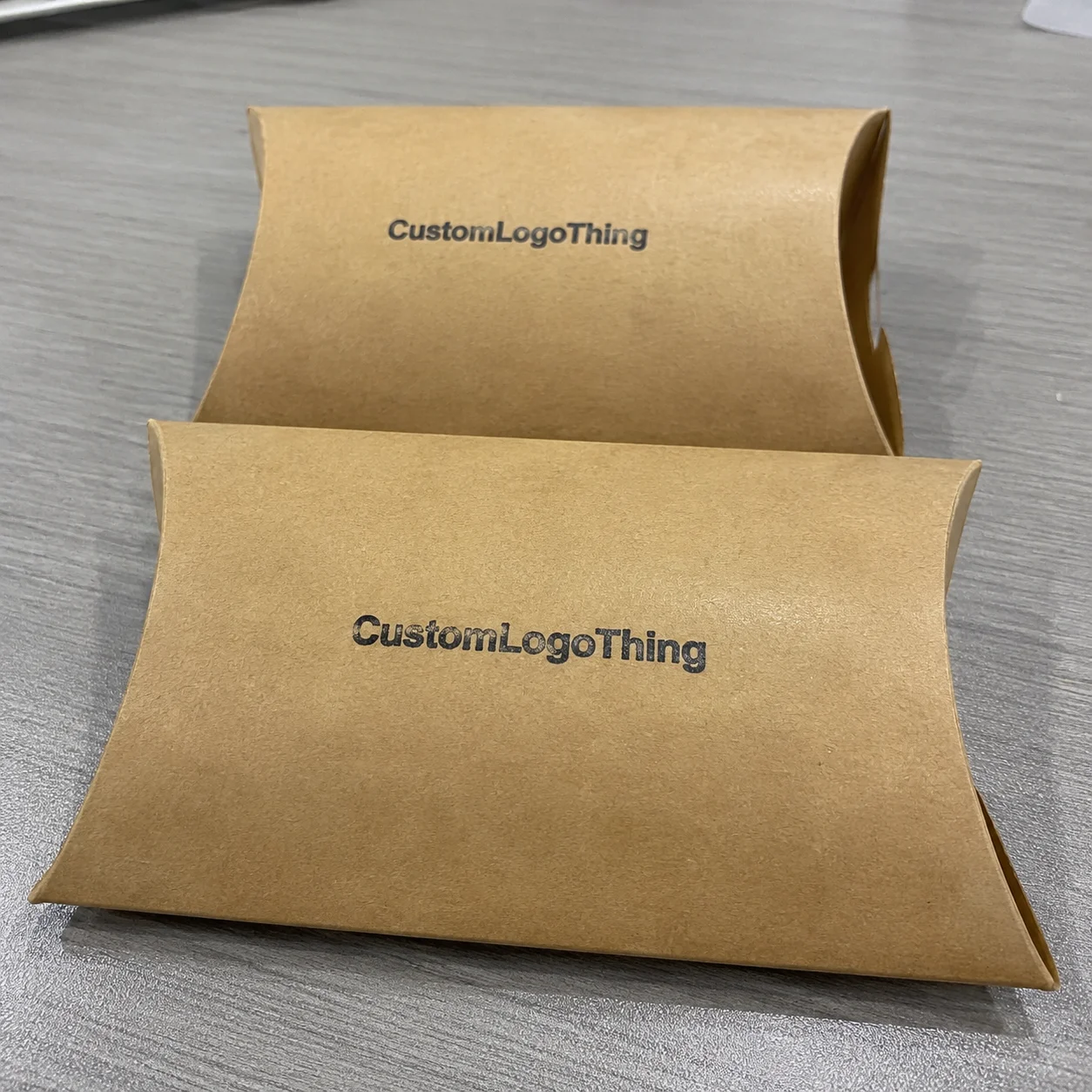
Order Matte Zipper Bags Boutique Packaging Insert Checklist
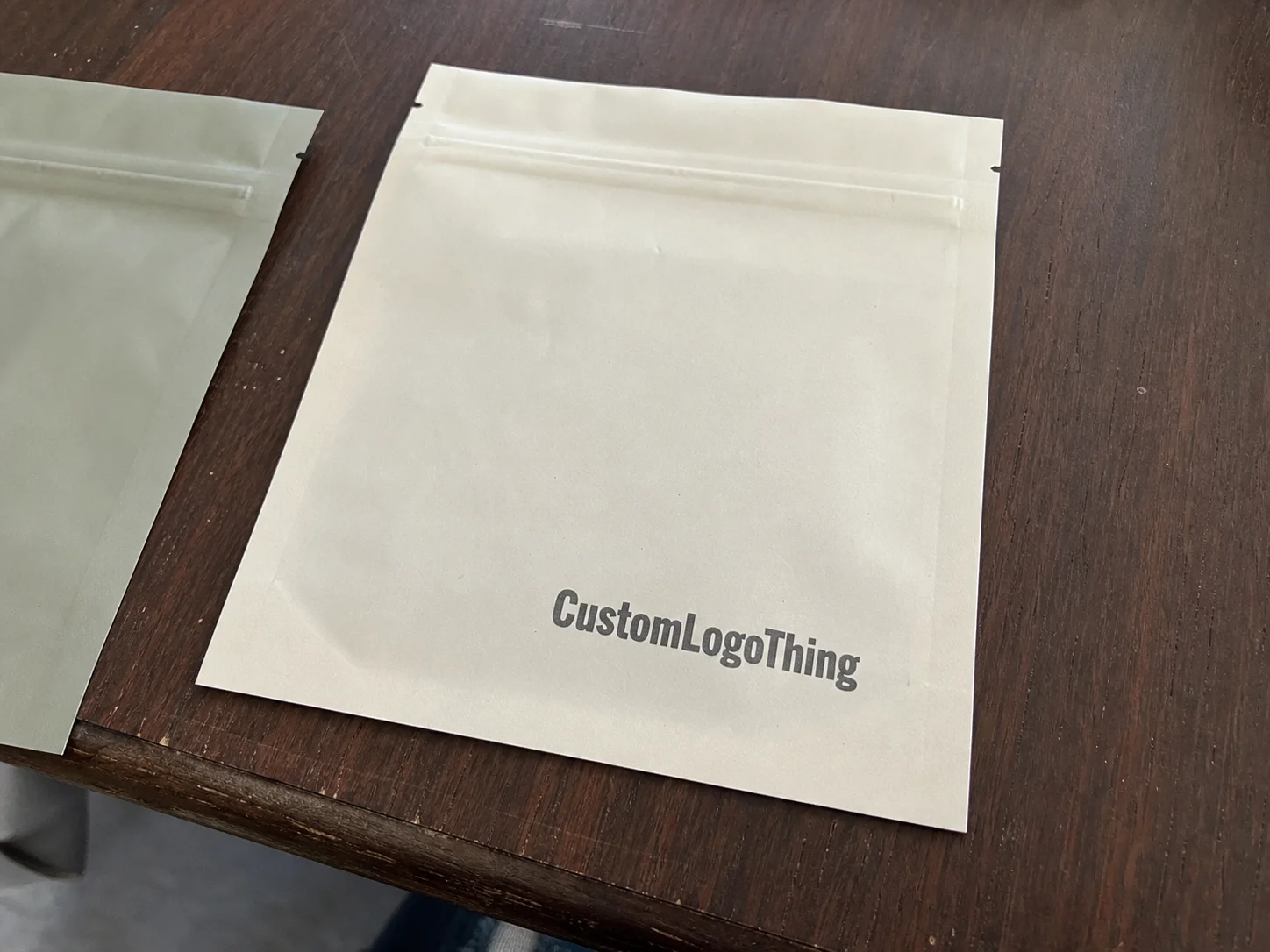
A boutique product can look expensive online, then arrive in a thin glossy pouch that feels like it came free with something else. Not great. Before sending artwork or approving a quote, buyers need an order Matte Zipper Bags boutique Packaging Insert Checklist that forces every practical detail into the open: size, material, zipper, print, insert fit, quantity, timeline, and shipping assumptions.
Packaging is not just decoration. It is the first physical proof of brand quality. If the bag scratches easily, wrinkles badly, or has a zipper that gives up after two opens, the customer notices before they admire the logo spacing. Matte Zipper Bags solve a specific problem: they give small products a soft, retail-ready finish while keeping the contents protected and resealable.
Best-fit categories include apparel accessories, jewelry, cosmetics, sample kits, boutique snacks, wellness products, stationery, hair accessories, craft items, and subscription box add-ons. These are usually products where a rigid box may be too expensive, but a plain poly bag feels too cheap. Matte zipper bags sit in the practical middle: better presentation, controlled cost, and enough structure to support branding without overbuilding the pack.
The insert matters more than most buyers expect. A care card, thank-you note, ingredient card, promo card, QR instruction card, or authenticity card can turn a simple zipper bag into a small branded unboxing system. The catch is obvious once you start packing: the insert has to fit after the product goes in. Wild concept, I know.
Buyer reality check: A checklist prevents vague quotes, wrong thickness, print surprises, weak closures, and inserts that block the zipper. Tiny disasters. Very preventable.
Use the checklist below as a production filter. If a supplier cannot confirm these specs, you are not comparing packaging quotes. You are comparing guesses with different fonts.
What Matte Zipper Bags Actually Include
Matte zipper bags are flexible plastic pouches or flat bags with a resealable zipper closure and a low-glare surface finish. They can be customized by logo, size, print colors, material structure, window style, hang hole, gusset, and optional insert card. Some are simple flat pouches. Others are laminated stand-up pouches built for heavier retail packaging.
Common structures include front clear/back matte, full matte opaque, frosted matte, metallized matte, kraft-look laminated plastic, and recyclable mono-material options where available. Recyclability depends on local collection rules, resin type, ink system, adhesive, and whether mixed layers are used. For sustainability claims, do not improvise. Check current guidance from the EPA recycling resources before printing bold environmental language on a bag.
Zipper choice depends on product weight and use. A standard press-to-close zipper works for lightweight accessories, socks, jewelry cards, and small stationery kits. Stronger zipper tracks make sense for repeated opening or heavier items. Child-resistant or specialty closures may be required for regulated categories. If your product has safety rules, treat the closure as compliance hardware, not a cute feature.
Bag formats vary more than the word “pouch” suggests. Three-side seal zipper bags are flat and efficient. Stand-up zipper pouches use a bottom gusset and display better on shelves. Flat zipper pouches look clean for boutique accessories and printed cards. Hang-hole bags work on peg displays. Bottom-gusset and side-gusset styles add volume for bulkier products such as scrunchies, snack packs, refill items, or sample bundles.
Finish options affect appearance and handling. Matte lamination gives a smooth, premium look. Soft-touch matte feels more elevated but can scuff more easily and usually costs more. Frosted PE gives a translucent look without full clarity. Anti-scuff matte coatings help on retail shelves. Spot gloss can make a logo, product name, or pattern stand out against a muted matte surface.
Insert cards are usually paperboard or coated cardstock sized to slide behind or in front of the product. Common stocks run from about 250gsm to 400gsm, depending on stiffness and print feel. Cards can be single-sided, double-sided, rounded, die-cut, foil-stamped, or printed with QR codes. Keep the card below the zipper line unless fulfillment teams deserve a daily wrestling match.
Choose the bag around the actual packed product volume, not the product’s listed dimensions alone. Fabric puffs. Powder settles. Charms stack weirdly. Folded care cards thicken the pack. A clean packaging design starts with a filled sample, not a spreadsheet cell pretending to know physics.
Material, Size, Print, and Insert Specifications to Confirm
Before requesting a quote, prepare the core specifications: bag width, height, gusset depth, material type, thickness, finish, quantity, print method, number of colors, zipper type, insert size, and delivery deadline. A complete brief gets a useful price faster. A half-brief gets a polite follow-up email and another day lost.
Thickness matters because it changes both feel and performance. For lightweight items, 2.5 to 3 mil can work. For boutique retail goods, 3.5 to 4 mil is usually a better range because it feels sturdier in hand. For heavier or premium-feel packaging, 4.5 mil or higher may be needed. Laminated pouches are often specified in microns instead of mil, so ask for the actual layer structure and total thickness if you are comparing suppliers.
Size allowance is where buyers make expensive mistakes. Leave headspace above the product so the zipper closes cleanly. Add room for an insert if the card must sit flat and visible. For flat items, 0.25 to 0.5 inch of extra width may be enough. For bulky, soft, or oddly shaped items, test a blank sample. Guessing bag fit from product dimensions alone is how people end up with 5,000 bags and a new hobby in regret.
Print method drives cost, detail, and minimum order quantity. Digital printing suits lower quantities, multiple SKUs, and complex artwork. Flexo or gravure usually makes sense for larger runs where setup cost can be spread across thousands of units. Screen or spot printing can work for simple logos on certain materials. Ask how gradients, small text, barcodes, and fine lines will reproduce on the selected surface.
Artwork should include vector logo files, outlined fonts, Pantone or CMYK color references, bleed, safe zones, and barcode placement if the bags go into retail. For barcodes, test scanability at final printed size. For QR codes, test at arm’s length and under normal lighting. Fancy print is useless if the code leads nowhere or scans only when Jupiter is aligned.
Insert specs need the same discipline. Confirm cardstock weight, coating, rounded corners, single-sided or double-sided print, QR code destination, and whether the insert must meet food-contact, cosmetic, supplement, or child-safety labeling needs. If the insert includes ingredient text, batch details, warning copy, care instructions, or legal disclaimers, proof it separately from the bag artwork.
| Specification | Common Range or Option | Buyer Note |
|---|---|---|
| Bag thickness | 2.5 to 4.5+ mil | Use 3.5 to 4 mil for most boutique retail goods. |
| Insert cardstock | 250gsm to 400gsm | Heavier stock feels better but may reduce usable bag space. |
| MOQ | Few hundred to 10,000+ | Depends on print method, structure, and customization level. |
| Proofing time | 2 to 5 business days | Clean artwork files keep this moving. |
| Production time | About 2 to 5 weeks | Complex laminated pouches or specialty finishes can run longer. |
If the quote says “custom bag” but does not specify material thickness, print method, zipper style, and size tolerance, it is not a real quote. It is a guessing game with an invoice attached.
Cost, Pricing, MOQ, and Unit Cost Drivers
Matte zipper bag pricing depends on material, size, thickness, print coverage, number of colors, zipper type, finish, quantity, insert printing, and shipping carton volume. Nothing mysterious there. A large stand-up pouch with full-coverage matte lamination and a double-sided insert costs more than a small flat frosted bag with a one-color logo.
Small custom runs usually carry higher setup and unit costs. Larger runs reduce unit cost but require more cash, more storage, and better forecasting. Lower-MOQ digital custom bags may start around a few hundred to 1,000 pieces depending on specs. Fully custom laminated zipper pouches often start around 3,000 to 10,000 pieces. Those ranges are not universal, but they are realistic enough for early planning.
Insert cards are usually inexpensive at scale, especially simple thank-you cards on coated stock. Costs climb with premium paper, foil, spot UV, die cutting, rounded corners, multiple versions, and variable QR codes. If six fragrance SKUs each need a different insert, build that into the request early. Last-minute SKU splitting is how a clean order turns into a spreadsheet crime scene.
Tooling and setup fees may apply. Plates, cylinders, dielines, proofing, and sample charges depend on print method and bag construction. Repeat orders may avoid some setup costs if the dieline and artwork stay unchanged. For brands planning repeat wholesale or retail packaging, that matters.
Ways to lower unit cost include standard sizes, fewer print colors, one shared insert design, larger order quantity, repeat artwork, and avoiding specialty finishes that do not add much value. Ways to raise unit cost include soft-touch matte, metallic inks, custom gussets, tiny quantities, multiple SKUs, variable inserts, tight retail compliance needs, and rush production.
Ask for landed cost, not just factory unit price. Freight, duties, cartons, and storage have a nasty habit of pretending they do not exist until accounting notices. If you are building a larger launch, compare packaging against the rest of your Custom Packaging Products so bags, inserts, labels, and custom printed boxes do not fight each other visually or financially.
A practical budget check helps. If the packaging cost starts creeping too close to the product margin, simplify the structure before cutting thickness too aggressively. A cheap-feeling bag can damage the perceived value of a boutique product faster than a simpler print design will.
Process and Timeline From Quote to Delivery
A clean buying process usually looks like this: submit specs, confirm material and structure, receive quote, approve dieline, upload artwork, review digital proof, approve sample if needed, start production, inspect, ship, and receive. Skip steps and the packaging gods will collect payment in delays.
Quoting can take 1 to 3 business days when specs are complete. Artwork proofing often takes 2 to 5 business days. Sampling can take 5 to 15 business days depending on complexity, material availability, and whether the sample is blank, digitally printed, or production-grade. For larger retail programs, samples are not a luxury. They are cheaper than a bad run.
Standard custom matte zipper bags may take roughly 2 to 5 weeks after proof approval. Complex laminated pouches, specialty finishes, unusual gussets, high-volume orders, or strict compliance requirements can take longer. Production time is separate from delivery time. Air freight is faster and more expensive. Ocean freight is slower but often better for large packaging orders. Ground delivery depends on destination, carton count, and warehouse receiving rules.
Timeline killers are painfully predictable: incomplete dimensions, low-resolution logos, unclear insert size, changing artwork after proof approval, adding SKUs late, and waiting a week to answer one simple email. Yes, that counts. If the launch date is fixed, build the schedule backward and include time for proof review, payment, sampling, production, freight, and receiving.
Proof checkpoints should include color, logo position, zipper clearance, barcode readability, insert fit, warning text, and product orientation. Check whether the insert blocks the window. Check whether the zipper cuts through the logo zone. Check whether the product sits upright after filling. Retail buyers and subscription box teams notice those details because they affect shelf impact, packing speed, and returns.
For transit testing, brands with heavier products or e-commerce shipping exposure may want guidance from standards such as ISTA package testing protocols. A flat pouch going inside a rigid mailer has different risk than a stand-up pouch shipped loose in a carton. Not every boutique bag needs formal lab testing, but the principle is useful: test the pack the way it will actually travel.
Repeat orders usually move faster because dielines, artwork, and material decisions are already locked. Keep final approved files organized by SKU, version, date, and insert copy. Future you will be less annoyed.
How Custom Logo Things Keeps Boutique Packaging Orders Clean
Custom Logo Things is built for buyers who want exact specs, not fluffy mood-board language pretending to be production planning. Pretty packaging still needs dimensions, thickness, tolerances, proof approvals, and delivery assumptions. That is how orders stay clean.
We help with bag sizing, material selection, matte finish options, zipper closure recommendations, print method guidance, insert sizing, dieline preparation, proof review, and production coordination. If you are comparing matte bags with boxes, sleeves, cards, or labels, our Wholesale Programs can help structure quantities across multiple packaging components instead of quoting each item like it lives on a private island.
Quote clarity matters. Buyers should see quantity, material, dimensions, thickness, print method, finish, insert specs, production timing, and shipping assumptions. That way a digital print option can be compared against laminated pouch production, or a standard flat bag against a gusseted pouch, without guessing which corners got shaved off.
Boutique brands often need balance. One product may need premium package branding for retail shelves. Another may only need a clean matte pouch for subscription fulfillment. A third may require an insert with ingredients, warnings, or QR instructions. The useful work is separating what improves the customer experience from what only increases cost because someone liked a shiny sample.
Quality controls can include artwork checks, production file review, sample options, color expectation notes, closure checks, carton labeling, and pre-shipment inspection depending on order size and requirements. Color should be treated honestly. Matte films and laminations can soften contrast, and Pantone matching on flexible packaging is not always identical to paperboard. If exact color is critical, request a physical proof or production sample.
Tradeoffs are part of the job. If a lower MOQ means digital print and a slightly higher unit price, say that before the order starts. If a larger run saves money but creates storage problems, say that too. If soft-touch matte looks great but may scuff in rough fulfillment, that conversation belongs before production, not after cartons land.
Customization combinations can include a matte zipper bag plus insert card, hang hole, gusset, opaque back panel, frosted window, QR code, batch label space, retail barcode area, and seasonal packaging variations. The best setup depends on the product, sales channel, order volume, and how much handling the bag will take before it reaches the customer.
Next Steps Before You Request a Quote
Before requesting pricing, measure the product packed as it will ship. Not flat on a desk. Not “roughly folded.” Packed. Choose the bag style, decide whether the product should be visible, confirm matte finish preference, and pick a target quantity. If several SKUs are involved, list them before the quote starts.
Prepare artwork files: vector logo, brand colors, font files or outlined text, insert copy, barcode files, QR codes, care instructions, and any required regulatory or ingredient text. If you have an existing packaging design system, send that too. Consistency across bags, inserts, mailers, and boxes makes the brand feel intentional instead of assembled at midnight.
Create a simple SKU table with product name, bag size, quantity per SKU, insert version, print color changes, and launch deadline. This prevents quote chaos when a boutique line has five nearly identical products. It also helps production catch small differences that matter, such as one insert needing a warning line or one product needing a larger gusset.
Define the budget priority: lowest unit cost, lowest MOQ, fastest turnaround, most premium feel, recyclable material, or best retail shelf impact. You usually cannot optimize all six at once. Shocking, I know. Pick the top two and let the quote reflect that decision.
Sample planning is not overkill. Request a blank size sample or printed proof when fit, color, or retail presentation matters. Guessing is cheaper only until you have 5,000 wrong bags. For common ordering questions, the FAQ can help you prepare cleaner specs before sending a request.
Use this order matte zipper bags boutique Packaging Insert Checklist to send complete specs, compare real production options, and reduce delays. Good packaging is not luck. It is a series of boring confirmations made before money leaves your account.
FAQ
What should I include when I order matte zipper bags for boutique packaging?
Send bag size, material, thickness, finish, quantity, print colors, zipper style, insert size, artwork files, and delivery deadline. Include photos or samples of the actual product if fit is tight or the item is oddly shaped. Also confirm whether the insert sits behind the product, in front of it, or loose inside the bag.
What MOQ should I expect for custom matte zipper bags with inserts?
Lower-MOQ digital custom runs may start around a few hundred to 1,000 pieces depending on bag type. Fully custom laminated zipper pouch orders often start around 3,000 to 10,000 pieces. Insert cards can usually be produced in flexible quantities, but matching them to the bag MOQ keeps fulfillment simpler.
How much do matte zipper bags cost for boutique packaging?
Cost depends on size, material, thickness, print coverage, finish, quantity, zipper type, and insert specifications. Larger quantities usually lower unit cost, but they increase upfront spend and storage needs. Ask for landed cost including freight, cartons, duties if applicable, and any setup or sampling fees.
How long is the lead time to order custom matte zipper bags?
Quote review often takes 1 to 3 business days when specs are complete. Proofing and sampling may add several days to two weeks depending on complexity. Production commonly takes about 2 to 5 weeks after proof approval, with shipping time added separately.
Do I need a packaging insert checklist before ordering matte zipper bags?
Yes, especially if the insert carries care instructions, promo codes, QR codes, legal copy, or product details. The checklist should confirm insert size, paper stock, print sides, coating, corner style, and how it fits inside the bag. A solid checklist prevents zipper blockage, bent cards, unreadable QR codes, and mismatched insert versions.