Order PVC Zipper Garment Bags Landed Cost Guide
A garment buyer approves a sharp-looking unit price. Then the quote changes after carton size, zipper weight, logo printing, duties, and delivery terms are added. That is why this Order PVC Zipper Garment Bags landed cost guide treats the bag like a real purchasing item, not a pretty accessory.
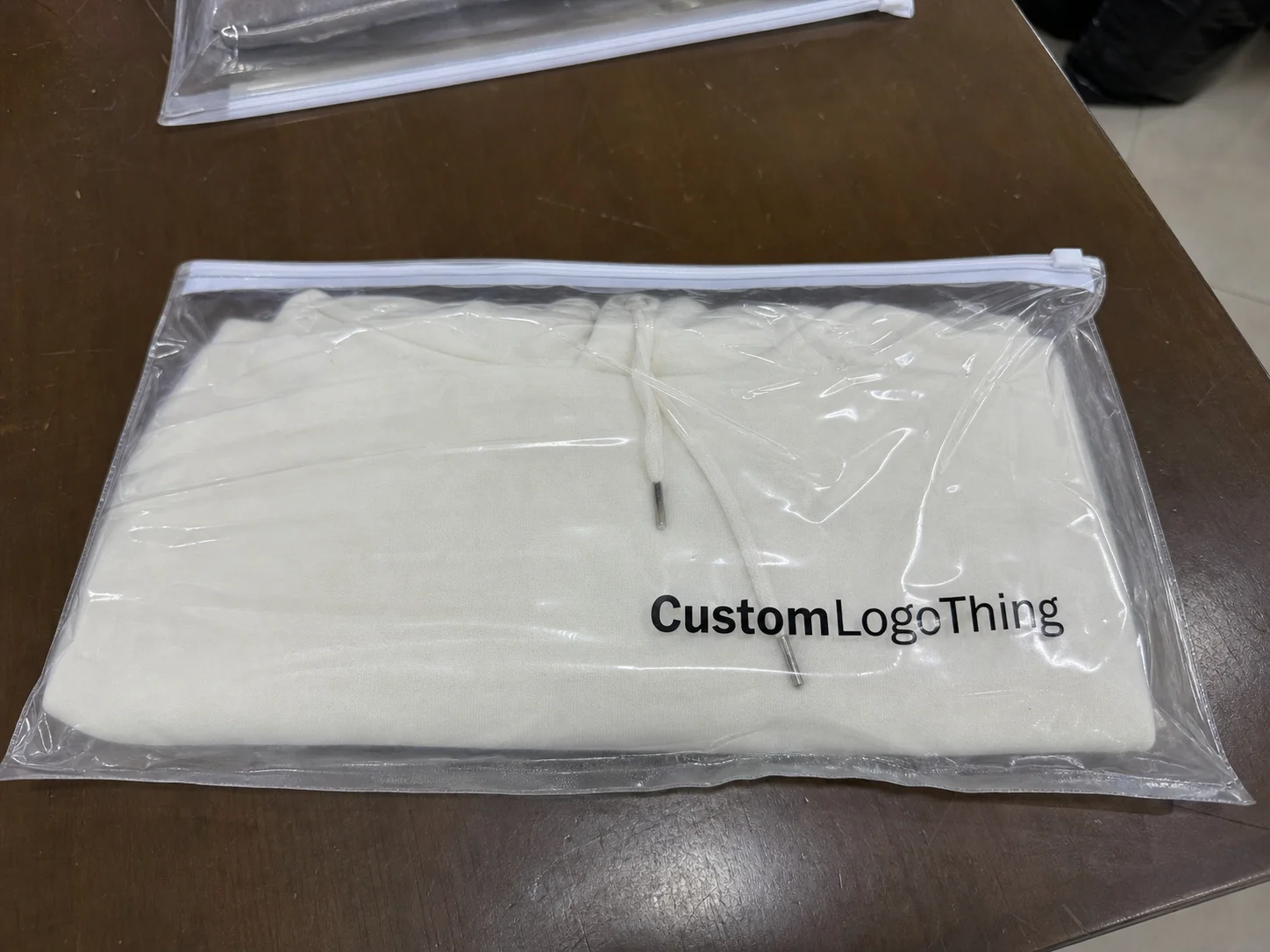
Clear PVC Zipper Garment Bags solve a practical problem. They protect hanging apparel from dust, handling marks, moisture splash, warehouse scuffing, and the rub points that show up when garments move through stockrooms, fitting areas, delivery vans, or fulfillment benches. The clear body also helps teams identify color, size, style, and finish without opening every cover.
That visibility matters on a rack. If staff can confirm the garment without unzipping every bag, receiving and picking move faster. Fewer hands touch the product. Fewer mistakes happen. Glamorous? No. Useful? Absolutely.
These bags usually make the most financial sense for apparel with enough value to justify a better cover: suits, dresses, coats, uniforms, formalwear, rental garments, sales sample lines, promotional apparel, and e-commerce pieces that need cleaner presentation than a thin poly cover. A basic folded T-shirt may not need a zipper garment bag. A structured blazer, bridal sample, or branded uniform set probably does.
The only price that matters is the landed price per usable bag. Material, zipper construction, logo method, packing density, air or ocean freight, import fees, warehousing, and final delivery all affect the real cost before the bags reach your facility. A $0.62 factory price can lose to a $0.71 factory price if the cheaper option ships in oversized cartons, creases too easily, or needs expensive rush freight.
Buyer callout: Ask for the ex-factory unit cost and the estimated landed cost in the same quote package. If those numbers are blended together, purchasing cannot see where the money is going.
The right specification starts with the basics: garment dimensions, target use, order volume, delivery deadline, and whether the bag is meant for short-term protection or repeated customer-facing use. Start with the garment. Then build the quote around the actual job the bag has to do.
Product Details That Affect Protection and Presentation
A PVC zipper garment bag looks simple from a few feet away. It is not. The finished product can include a clear PVC body, sewn or heat-sealed edges, zipper track, zipper puller, hanger opening, bottom fold or gusset, reinforcement patches, binding, handles, and printed branding. Each choice changes labor time, material use, durability, carton weight, or all of the above.
PVC is commonly used because it has strong clarity, flexible structure, and better shelf presence than many cloudy films. It hangs cleanly in a showroom, stockroom, or delivery truck without collapsing around the garment like very thin poly. Typical garment bag thickness may run from about 0.08 mm for light dust covers to 0.20 mm or more for repeated-use covers, depending on the construction and desired hand feel.
Gauge selection should match the use. A lightweight dress cover may only need dust protection and a simple zipper. A suit bag for repeated handling needs a smoother zipper, reinforced hanger opening, and enough thickness to resist tearing around the shoulder area. A boutique pickup cover should look clean on a rack, with clear garment visibility and a logo that does not fight the product inside.
Uniform and travel-style bags ask for more. They may need handles, a gusset, stronger trim, and a longer zipper opening for faster loading. Those features are not free decoration. They add steps, material, and inspection points.
Zippers deserve more attention than they usually get. Nylon coil zippers are common because they run smoothly, add less weight than heavier options, and work well on flexible bags. Metal pullers can feel more premium, though they may increase unit cost and carton weight slightly across larger orders. A longer zipper improves access, but it also increases zipper cost and sewing or sealing time.
Placement matters too. A centered front zipper is familiar and easy to use. Side or extended openings may make sense for bulky garments, but they can require a more detailed pattern. If loading speed matters in a warehouse or rental operation, test the opening with real garments before approving bulk production.
Ventilation and hanger openings should not be afterthoughts. A clean hanger slit or reinforced top opening reduces tear risk where the hanger hook exits the bag. Small vent holes may be considered for long storage periods, although buyers need to balance airflow against dust and moisture-splash protection.
Logo and information printing can stay simple or become surprisingly detailed. One-color brand marks are usually the most economical. Multi-color screen printing, frosted panels, care messaging, warning text, size labels, or retail-ready brand blocks can add value when placed where they remain visible on the rack. For broader packaging terminology and equipment context, buyers can review resources from PMMI, The Association for Packaging and Processing Technologies.
Specifications Buyers Should Confirm Before Quoting
An accurate quote starts with accurate measurements. Confirm finished width, finished length, shoulder shape, zipper length, gusset depth, hanger opening position, and whether the bag ships flat or will be used for hanging shipment. For a suit jacket, buyers need shoulder room and enough length to keep the hem from pressing into the bottom seam. For dresses and coats, length tolerance becomes more important.
Measure the garment on the hanger it will actually use. Padded hangers, wide suit hangers, and specialty retail hangers change the fit. A bag that works on a flat plastic hanger may feel tight once the real hanger and garment bulk are inside. This is one of those tiny details that becomes expensive only after production. Naturally.
Material thickness is one of the largest cost drivers. Thinner gauges may suit short-term dust protection or disposable retail covers. Thicker PVC improves durability, hand feel, rack presentation, and repeated-use performance, but it also increases material consumption and carton weight. Across 5,000 or 10,000 bags, a small thickness change can move both factory cost and freight.
Clarity and finish affect presentation. Standard clear PVC shows the garment well and helps teams scan racks quickly. Semi-clear or frosted effects can look more premium, but they reduce visibility. Colored binding, trim, or zipper tape can support brand identity, although custom colors may carry MOQ requirements, setup charges, or longer material preparation time.
Construction details should be written down before pricing. Stitched seams may provide a traditional soft-goods look. Heat-sealed seams may suit certain bag styles and production setups. Reinforced hanger areas, double zipper pulls, bottom folds, handle cutouts, side gussets, and pocket attachments all add cost because they add material, labor steps, or both.
- Finished size: width, length, shoulder shape, and gusset depth in inches or centimeters.
- PVC target: thickness, clarity, finish, odor expectations, and flexibility requirement.
- Zipper build: zipper length, puller type, track color, and opening position.
- Print details: artwork size, color count, print location, and logo orientation.
- Packing rules: pieces per carton, carton marks, barcode labels, and warehouse receiving needs.
Logo files should be production-ready. Vector artwork is preferred for sharp print edges, especially on logos with small text, thin lines, or registered marks. Pantone or CMYK references reduce color confusion. Print size should be checked against the actual bag layout before sampling. A 9-inch logo can look balanced on a long coat cover and ridiculous on a short dress bag.
Compliance and labeling should come up early. Depending on the destination and retail program, buyers may need suffocation warnings, material declarations, country-of-origin marking, carton labels, barcode labels, or retailer-specific packing instructions. If packaging will move through parcel networks or distribution systems, ISTA resources are useful for understanding transit testing concepts.
Pricing, MOQ, and Unit Cost Drivers
The unit cost for PVC Zipper Garment Bags is built from material consumption, thickness, zipper type, labor, print setup, number of print colors, reinforcement details, packing method, and order volume. A plain clear bag and a printed reinforced bag may look similar in a thumbnail image. Their production math is not similar.
MOQ exists for practical factory reasons. PVC material purchasing, cutting setup, zipper preparation, printing screens, operator time, inspection, and packing labor must be spread across enough units to make production efficient. For many custom PVC garment bag projects, buyers may see MOQ ranges around 1,000 to 3,000 pieces for simpler builds. Special trim, unusual sizes, heavy-gauge PVC, custom colors, or multi-color printing can push minimums higher.
Those ranges are not universal. Supply conditions, material availability, artwork method, and production capacity can change them. Treat MOQ as part of the discussion, not a magic number pulled from a pricing sheet.
Dimensions change cost more than many buyers expect. Adding 2 inches to width and 4 inches to length may look minor on a spec sheet, but across thousands of bags it increases square inches of PVC, carton volume, gross weight, and freight cost. A gusset can be valuable for coats or bulky uniforms. A 3-inch gusset on 5,000 pieces is still 3 inches of material and labor on every bag.
| Specification Choice | Typical Cost Effect | Buyer Notes |
|---|---|---|
| Light clear PVC, simple zipper, no print | Lowest cost per piece | Best for short-term dust protection and internal stockroom use. |
| Medium PVC with one-color logo | Moderate unit cost | Good balance for boutique pickup, samples, and e-commerce presentation. |
| Thicker PVC, reinforced hanger area, premium puller | Higher material and labor cost | Better for suits, uniforms, rentals, and repeated handling. |
| Large gusseted bag with multi-color print | Highest freight and setup exposure | Useful for coats or premium apparel, but carton size must be checked early. |
Logo pricing follows the same logic. A simple one-color print is usually the most economical. Larger artwork, multiple print locations, metallic inks, heavy ink coverage, or tight registration can increase setup time and reject risk. Tooling fees and setup charges should be shown clearly, not buried inside a vague “customization” line.
Separate factory price from landed cost every time. A low piece price can be offset by oversized cartons, weak packing density, air freight, customs duty, destination fees, warehouse handling, and last-mile delivery. A useful comparison includes bag size, thickness, zipper style, print method, MOQ tiers, sample cost, setup fees, carton quantity, estimated carton dimensions, and shipping terms in one place.
If purchasing wants bulk pricing, ask for practical price breaks rather than random volume jumps. Compare 1,000, 3,000, 5,000, and 10,000 pieces if those quantities match realistic usage. Ordering 30,000 bags just to lower the unit cost can tie up cash and warehouse space if the garment program changes. Congratulations, you saved three cents and bought a storage problem.
Process, Lead Time, and Production Steps
A clean order path keeps custom garment bag projects from drifting. The usual sequence is straightforward: confirm measurements and use case, review artwork, select PVC thickness and zipper details, prepare a quote, approve a sample or pre-production proof, release bulk production, inspect, pack, and ship. Skip one of those steps and the problem usually moves downstream, where fixes cost more.
Sampling is where the pattern becomes real. The production team validates bag dimensions, zipper position, hanger opening, logo placement, seam construction, and packing method. The buyer should test the sample with real garments and hangers, not just review it flat on a desk. Empty bags lie. A bag can look fine until a structured shoulder, long sleeve, padded hanger, or bulky coat is inside.
Lead time depends on order quantity, material availability, print complexity, sampling revisions, peak capacity, inspection requirements, and freight method. As a practical planning range, simple samples may take about 7 to 15 business days after artwork and specs are confirmed. Bulk production often needs several additional weeks after sample approval. Special materials, high volume, or repeat revisions can stretch the calendar.
Shipping choice has a major effect on landed cost. Air freight can support urgent retail launches, pop-up events, or uniform rollouts, but it raises the delivered cost sharply because PVC garment bags can be bulky even when they are not especially heavy. Ocean freight generally suits planned inventory replenishment and larger runs, especially when carton dimensions are optimized.
- Confirm garment fit using real product measurements.
- Approve artwork, print size, and color reference.
- Review sample construction and zipper function.
- Approve carton packing, shipping marks, and label rules.
- Release production only after delivery terms are clear.
Approval checkpoints prevent most delays. Final artwork, Pantone references, finished size tolerance, packaging instructions, shipping marks, delivery address, import documents, and payment timing should be settled before bulk work begins. If the bags ship to a retailer, distributor, or third-party warehouse, ask for receiving rules before cartons are printed or labeled.
Build the calendar backward from the required delivery date. Leave time for specification review, sampling, production, quality checks, export handling, transit, customs clearance, and domestic delivery. Time is part of cost. Rushed freight can erase every cent saved by choosing a lower factory price.
How to Avoid Costly Garment Bag Ordering Mistakes
The first mistake is quoting from garment size alone. A size 42 jacket, long evening dress, padded winter coat, and uniform set may all need different finished dimensions, shoulder allowance, zipper length, and gusset depth. Measure the garment on its intended hanger and allow enough room for the fabric to hang naturally without pressure at the shoulders or hem.
Under-specifying thickness is another common problem. A thin sample may look acceptable on a table, then stretch, crease, or tear once it is handled repeatedly in a warehouse, showroom, rental counter, or delivery route. The cheaper bag is not cheaper if it fails during normal handling or makes premium apparel look poorly protected.
Artwork mistakes can slow approval and raise reject risk. Low-resolution raster logos, missing Pantone references, artwork placed too close to seams, oversized ink coverage, and print locations blocked by the garment inside the bag all create avoidable trouble. Place the logo where it remains visible while hanging and where the surface is flat enough for consistent printing.
Packing also matters. Too few bags per carton raises freight cost because the shipment carries excess air. Too many bags can create creasing, zipper pressure, or distorted corners. Carton labels need to be clear enough for receiving teams: item code, quantity, size, color if applicable, purchase order number, carton count, and destination details should be easy to read.
Set tolerance expectations before production. Custom plastic bag manufacturing has normal dimensional and print placement tolerances, especially on flexible materials. If a zipper must start within a tight range, or a logo must align with a retail display standard, say so before sampling. Define what is critical and what is acceptable.
Check odor expectations as well. PVC can have a noticeable material smell, especially when packed tightly after production. Good ventilation time and realistic acceptance standards help, but buyers should not pretend the issue cannot exist. If the bag will hold delicate apparel, luxury garments, or items packed for immediate customer pickup, ask about airing time and packing schedule.
Testing is not wasted time. Use real garments, hangers, storage racks, and handling routines before placing a large repeat order, especially for premium apparel, rentals, uniforms, formalwear, and customer-facing pickup programs. The bag should protect the garment, fit the process, and present the brand cleanly.
How Custom Logo Things Supports PVC Bag Orders
Custom Logo Things helps buyers turn a product requirement into a workable specification, quote, sample, and production order. The value is not just finding a bag. The value is documenting the details that affect fit, protection, cost, and delivery before money is committed.
Fact-based comparison makes the process stronger. Buyers can compare PVC thickness, zipper construction, logo methods, MOQ tiers, bulk pricing, carton packing, and shipping options so the final decision is based on protection needs and landed cost rather than guesswork. If several packaging categories are being sourced at once, the company’s Wholesale Programs page gives useful context for larger-volume support.
Customization should be controlled, not piled on. Clear garment bags can be adjusted for finished size, gusset, zipper opening, hanger slit, logo placement, print color, reinforcement, packing count, and retail or warehouse labeling requirements. Not every option belongs on every order. A good spec chooses the features that improve the garment program and cuts the features that only make the quote heavier.
A clean quote package should document dimensions, material thickness, print details, sample expectations, carton packing, estimated shipping data, and delivery terms. Buyers should also ask whether sample charges, setup charges, or tooling fees are one-time costs or repeated on every order.
Quality control should connect to real use. Inspection should check zipper function, seam strength, PVC clarity, print registration, odor, dirt, carton condition, and fit against the approved sample. For a reusable retail bag, zipper smoothness and seam strength may matter more than a minor carton label detail. For a warehouse replenishment order, carton accuracy and receiving labels may be just as critical.
The best result comes from matching the bag to the garment, handling environment, budget, and replenishment schedule. That means fewer vague quote requests, fewer surprise charges, and fewer cartons of bags that technically arrived on time but do not fit the work.
Next Steps Before You Request a Quote
Before requesting pricing, measure the garment on its hanger. Choose the desired coverage length, decide whether a gusset is needed, select a target PVC thickness, confirm zipper style, and decide if the bag is single-use, retail-facing, or reusable. A suit cover used once at pickup has different requirements than a uniform bag that cycles through storage and delivery many times.
Send the information that helps quoting move quickly: finished bag size, quantity range, logo artwork, print colors, destination country or delivery address, required delivery window, packing requirements, and any retailer compliance instructions. If you already have a current bag, photos and measurements can help. Do not rely on photos alone for final production sizing.
Ask for MOQ price breaks at practical quantities. Purchasing should compare the real savings between smaller and larger runs without over-ordering inventory that may sit too long. A useful quote might show cost per piece at 1,000, 3,000, and 5,000 pieces, plus setup charges and estimated freight, so the landed cost picture is clear.
Request estimated carton dimensions and shipping weight early. Those details directly affect freight, warehouse handling, and final landed cost. For bulky garment bags, carton planning can be just as meaningful as a few cents difference in factory unit cost.
Approve a physical sample when the garment is high-value, the logo placement is prominent, or the bag will be used in customer-facing retail, rental, or uniform programs. If you still have questions about artwork, ordering steps, or general packaging details, the Custom Logo Things FAQ can help you prepare the basics before submitting specifications.
Use this Order PVC Zipper Garment bags landed cost guide as a checklist for sending specifications, comparing quotes, and approving the right bag before production. Better information going into the quote means fewer surprises in sampling, freight, receiving, and the final delivered cost per bag.
FAQ
What should I include when I order PVC zipper garment bags for a landed cost quote?
Send finished size, PVC thickness, zipper style, logo artwork, print colors, quantity, destination, delivery deadline, packing needs, and any compliance or labeling requirements. Ask for carton quantity, carton dimensions, gross weight, setup fees, sample charges, freight estimate, and shipping terms so the quote can be compared on a landed cost basis.
How does PVC thickness affect the unit cost of zipper garment bags?
Thicker PVC increases material usage and carton weight, which can raise both factory cost and freight cost. The benefit is better structure, stronger handling performance, and a more premium feel for garments that will be stored, displayed, or reused.
What MOQ should buyers expect for custom PVC zipper garment bags?
MOQ depends on bag size, material thickness, zipper construction, printing method, and whether special trim or reinforcement is required. Many simple custom projects fall around 1,000 to 3,000 pieces, while heavier, larger, or more customized bags may require higher quantities.
How long is the lead time for printed PVC zipper garment bags?
Simple samples may take about 7 to 15 business days after artwork and specifications are confirmed. Bulk production usually needs several additional weeks after sample approval, depending on material availability, order quantity, print complexity, inspection requirements, and shipping method.
Can Custom Logo Things help compare PVC zipper garment bag pricing options?
Yes, Custom Logo Things can help compare size, thickness, zipper style, logo method, MOQ tiers, packing details, and shipping assumptions. The most useful comparison separates factory unit price from landed cost so buyers can see the real delivered price per bag.