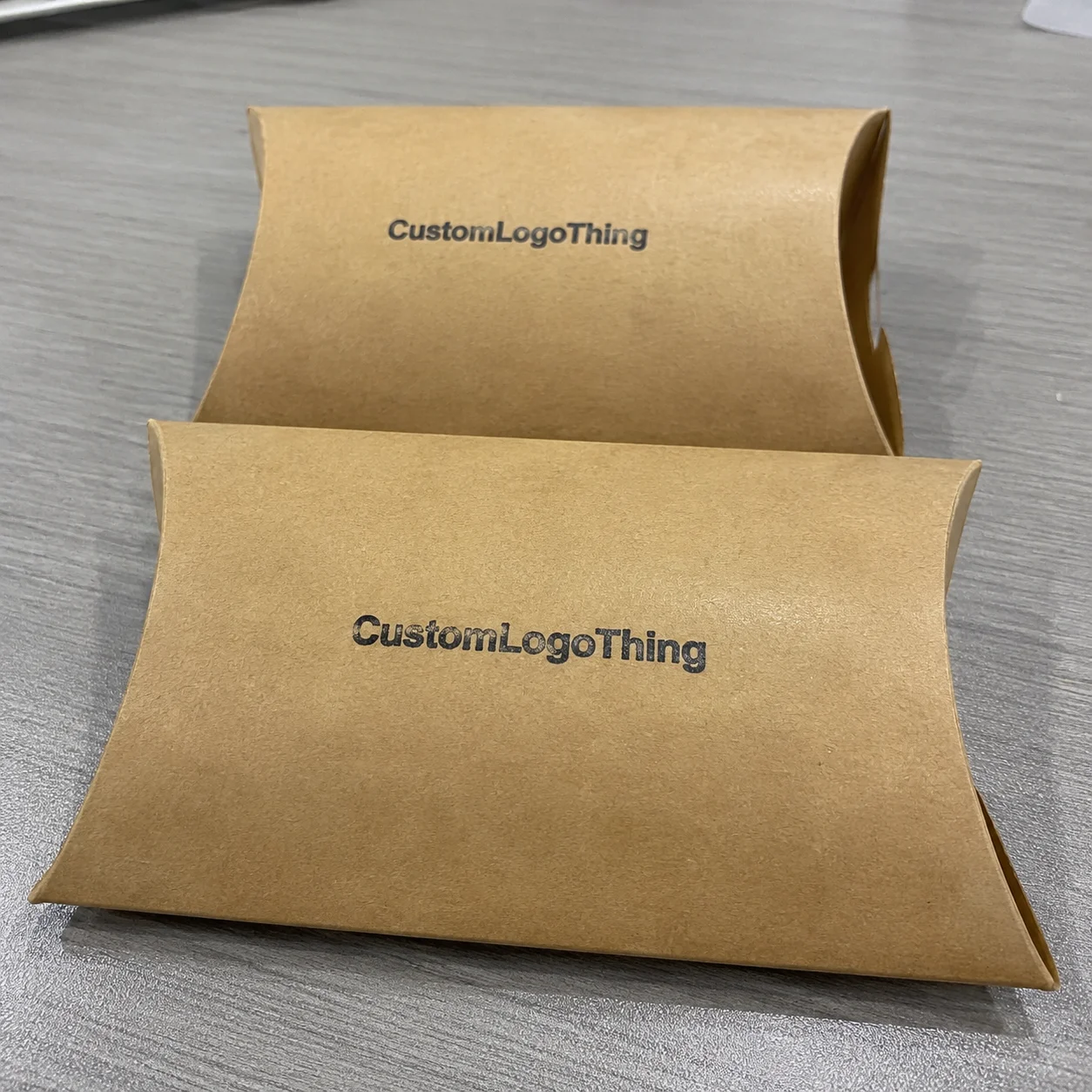
Order PVC Zipper Garment Bags MOQ Pricing Plan: Buyer Value
A pressed suit can arrive technically undamaged and still look mishandled. Dust on the shoulder. A zipper that catches. A bag cloudy enough to make the garment look older than it is. None of that helps a $400 jacket, a bridal gown, or a hotel uniform program.
Buyers searching for Order PVC Zipper Garment bags MOQ Pricing Plan details usually need the same three answers: what material spec makes sense, what minimum order quantity is realistic, and what the real unit cost looks like after packing and freight. Not the fantasy number at the top of a quote. The usable number.
PVC Zipper Garment Bags protect hanging apparel during storage, delivery, fitting, resale, route service, and customer pickup. Compared with lightweight disposable poly covers, PVC gives better clarity, more structure, and a longer useful life when the bag must be opened, checked, steamed, repacked, and handled again.
That matters for bridalwear, formalwear rental, hotel uniforms, dry cleaning routes, boutique stockrooms, costume departments, and premium retail delivery. A garment bag is not just a cover. It is part of the handling system.
The mistake I see often is buyers comparing bag prices without comparing failure costs. A few cents saved on a weak zipper disappears fast if staff have to rebag garments, replace torn covers, calm annoyed customers, or inspect every shipment twice because the first packaging choice could not handle normal use. Cheap is only cheap if it survives the job.
Custom Logo Things helps buyers match bag size, PVC thickness, zipper style, logo method, reinforcement, and order quantity to the actual use case. The goal is not to quote the thinnest possible bag and hope for the best. The goal is a clear specification, a realistic MOQ, and a pricing plan that makes sense before production starts.
PVC Zipper Garment Bag Details Buyers Should Confirm
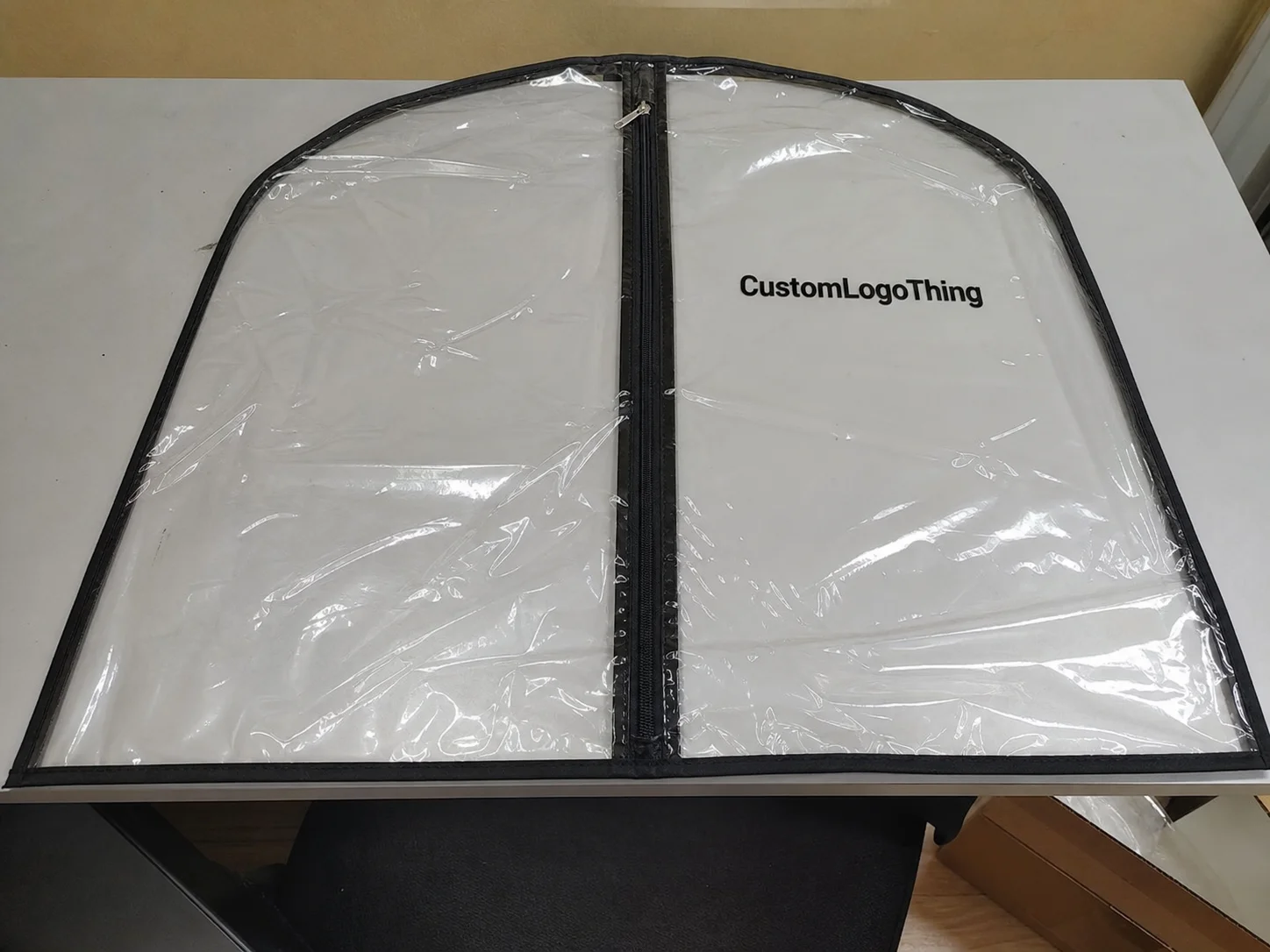
A PVC Zipper Garment bag is usually a clear, tinted, or frosted hanging garment cover with a zipper closure, hanger opening, optional gusset, and branded print area. Standard construction can include cut PVC panels, zipper tape, heat-sealed or stitched seams, reinforced openings, and folded carton packing.
The correct version depends on how the bag will be used. Apparel brands often care about visibility, logo placement, retail presentation, and consistent folding. Dry cleaners need reusable covers that survive repeated opening and delivery routes. Uniform suppliers may need bags packed by employee, department, room number, location, or size run. Same category. Different product.
Zipper layout is one of the first choices worth settling. A standard nylon zipper works for many cost-controlled orders. Reinforced zipper tape adds strength for repeated use. Full-length center zippers make inspection and garment removal easier. Side zippers can keep the front panel clean for branding or create a more polished retail look.
For long gowns and bulky pieces, zipper length should be based on how the garment loads into the bag, not how neat the zipper looks on a mockup. If staff have to fight the garment into the opening, the bag is wrong.
Hanger and handle details carry more load than people expect. Common options include reinforced hanger slots, die-cut handles, sewn handles, snap loops, bottom folds, enlarged top openings, and heavier reinforcement around stress points. If the bag is used on delivery routes, a weak hanger hole becomes the first failure point. If it hangs in a boutique, a poorly positioned handle can wrinkle the front panel and distort the logo.
Branding can stay modest or move into retail packaging territory. Common choices include single-color screen printing, multi-color print, hot stamp accents, woven label attachment, printed insert cards, and QR code placement. A single front logo may be enough for dry cleaning, uniform delivery, or back-of-house garment control. A boutique or bridal shop may prefer a larger lower brand panel with care messaging, phone number, website, or appointment reminder.
PVC should also be specified for clarity, flexibility, finish, odor level, and thickness. Buyers should confirm destination compliance requirements before final material selection, especially for markets with restrictions on certain plastic formulations, warning labels, recycling claims, or packaging language. Practical packaging work includes compliance review. Artwork approval alone does not cover it.
Specifications That Change Bag Performance and Unit Cost
Most performance and price differences come from seven variables: size, PVC gauge, zipper grade, gusset depth, print coverage, reinforcement, and packing method. Change one of them and the bag may behave differently. Change three and the quote may no longer be comparable.
Size starts with the garment on the hanger. Not flat on a table. Suit bags are commonly shorter than dress or gown bags. Children’s garment bags use less material but still need accurate hanger placement. Extra-wide formats for coats, robes, theatrical costumes, bridalwear, or multi-piece sets use more PVC and can increase carton dimensions.
Measure shoulder width on the hanger, total drop from hanger hook to hem, garment thickness at the widest point, and clearance needed at the bottom. Add tolerance for bulky fabrics. A winter coat and a lightweight suit may share a similar length but need completely different internal volume.
Thickness is the next major lever. Common PVC garment bag projects often sit in a light-to-medium gauge range for basic protection and a heavier range for repeated use or premium presentation. Exact gauge availability depends on supplier stock and production method, so sample confirmation is smarter than guessing from a number. Hand feel is hard to judge from a spec sheet. Annoying, but true.
Thinner PVC can reduce unit cost, carton weight, and entry order cost. It may be fine for short-term storage, low-bulk apparel, or one-way customer handoff. Thicker PVC improves structure, durability, and perceived quality, especially for bridal, formalwear, coats, uniforms, and rental garments. The right choice depends on use cycles, not ego.
Gussets deserve more attention than they get. Flat bags work well for suits, shirts, slim dresses, and low-profile retail stock. Gusseted bags fit bulky coats, gowns, layered uniforms, robes, and multi-piece sets without crushing the shoulders. The tradeoff is predictable: more material, more cutting complexity, and often larger packed cartons.
Print placement affects both presentation and price. Front center logos are efficient and visible. Top logos work in crowded stockrooms where only the upper section can be seen. Lower brand panels create a premium retail look but use more ink and may require tighter print control. Side branding keeps the garment visible from the front. Repeated pattern printing can look sharp, but setup cost and registration control may make it a poor match for small quantities.
Reinforcement is not glamorous. It is also where many failures are prevented. Hanger slot reinforcement, stronger zipper tape, heavier seam areas, and better slider quality can extend useful life. For a bag that will be opened once and handed to a customer, basic construction may be enough. For rental programs, uniform circulation, and delivery routes, under-specifying stress points is asking for rework.
| Specification Choice | Best Fit | Cost Effect | Buyer Watchpoint |
|---|---|---|---|
| Flat PVC bag | Suits, shirts, slim dresses | Lower material use | Can compress bulky garments |
| Gusseted PVC bag | Coats, gowns, uniforms | Higher unit cost | Check carton size and freight |
| Single-color logo | Dry cleaners, uniform suppliers | Lower setup and print cost | Confirm logo contrast on clear PVC |
| Large printed panel | Boutiques, bridal shops, premium retail | Higher ink coverage and setup | Test rub resistance before bulk |
MOQ, Pricing, and Quote Factors for Custom Orders
MOQ is not a random hurdle added to irritate buyers. It is driven by material sourcing, zipper purchasing, cutting efficiency, print setup, packing labor, and production calibration. A custom Printed PVC Zipper Garment bag takes more preparation than a blank stock cover, so the entry quantity usually reflects real production math.
The main pricing inputs are bag dimensions, PVC thickness, zipper length, zipper grade, print colors, logo coverage, reinforcement, packing style, order quantity, and shipping destination. Freight deserves its own line on the quote. A larger bag may add only a modest production cost, then punish the landed cost because cartons become bulkier.
Price ranges vary widely by size, gauge, print method, and market conditions, but custom PVC zipper garment bags are commonly quoted in tiers rather than one flat number. A small entry MOQ with a basic one-color logo will usually carry a higher unit price than a larger run using the same artwork and construction. Mid-volume and bulk tiers lower the piece cost because setup, cutting calibration, artwork preparation, and quality checks are spread across more units.
That does not mean the largest quantity is always the best choice. Storage space, cash flow, seasonal demand, branding changes, and future size adjustments matter. Ordering a year of bags with a logo that may change in three months is not strategic purchasing. It is warehouse décor.
A practical quote should show quantity breaks. Buyers may ask for entry MOQ, mid-volume, and bulk pricing tiers. The unit cost may improve at each step, but the landed unit cost should include shipping, duties where applicable, carton packing, and any special handling. A lower bag price can be cancelled out by heavier PVC, deeper gussets, or oversized cartons.
Setup charges are not always heavy in this category, but they can apply for printing, artwork preparation, special fixtures, print screens, unusual construction, or custom packing. Honest quoting separates these items where possible. That lets buyers compare suppliers without hidden assumptions buried in a single suspiciously neat number.
A serious quote request should include target size, garment type, PVC thickness preference, zipper type, logo file, print colors, quantity, delivery location, required arrival date, and whether sampling is needed. If those details are missing, the quoted unit cost is a rough placeholder. Useful for budgeting, maybe. Not production-ready.
Buyer callout: Ask for both unit price and landed unit cost. The first number shows production efficiency. The second number shows what the bags actually cost when they reach your warehouse.
Process, Timeline, and Lead Time From Artwork to Delivery
The production sequence is simple on paper: requirement review, specification confirmation, artwork checking, quote approval, sample or pre-production proof, bulk manufacturing, inspection, packing, and shipment. Simple does not mean automatic. Each step needs clean input.
Lead time depends on order complexity, material availability, print method, sample approval speed, factory schedule, and freight mode. A standard flat bag with a one-color logo can usually move faster than a gusseted gown bag with reinforced handles and large multi-color printing. Usually. Material stock and artwork delays can wreck tidy assumptions.
Buyer-side timing is often the hidden constraint. Fast quote approval, vector artwork, confirmed dimensions, and prompt proof feedback can prevent avoidable delays. A supplier cannot finalize logo size from a blurry screenshot. It also cannot lock bag length while the garment team is still debating hem clearance.
Samples are worth considering when the bag size is new, the presentation is premium, the PVC thickness is unfamiliar, the logo position is complex, or the order is the buyer’s first project with a supplier. A sample can confirm garment fit, zipper movement, print scale, PVC clarity, folding behavior, and hand feel before bulk production.
For bridal gowns, uniforms, coats, and rental apparel, sample testing is often worth the extra calendar time. Put the actual garment inside the sample. Hang it. Open and close the zipper several times. Fold the bag the way staff will pack it. If the test feels awkward, bulk production will not magically fix that.
Production lead time and delivery time are separate numbers. Factory completion means the bags are made and packed. Warehouse arrival depends on freight mode, customs clearance where relevant, receiving schedules, and local delivery. Buyers planning seasonal apparel launches, trade shows, hotel uniform rollouts, or bridal inventory cycles should build buffer time rather than treating the factory finish date as the usable date.
For packaging transport testing, many buyers reference procedures from the International Safe Transit Association. ISTA testing is more common for outer shipping systems than garment bags themselves, but the principle is useful: test the packed condition, not only a perfect sample sitting on a desk.
Quality Checks That Prevent Returns and Rework
Quality control for PVC zipper garment bags should reflect real use. Inspect zipper smoothness, seam strength, hanger hole alignment, PVC clarity, odor level, logo registration, print durability, fold condition, and carton packing. A bag can look fine flat and fail after holding a heavy garment for three days.
Zipper testing matters because the bag may be opened and closed repeatedly. Check the slider, zipper tape adhesion, starting point, stopping point, and whether the zipper catches the PVC near the seam. A weak zipper turns a reusable package into a one-trip cover. Nobody needs that drama in receiving.
Samples should be tested with actual garments. Flat measurements miss shoulder width, hanger angle, garment bulk, beadwork, fabric friction, and how the garment behaves while being loaded. A beaded dress, a wool coat, and a pressed suit create different stress points inside the same nominal bag size.
Print durability needs a basic rub check. Logo ink should resist handling during packing, transport, stockroom use, and customer pickup. If the bag is folded tightly, evaluate the print area after folding and reopening. Large logos can look excellent, but they need the right ink system, curing control, and enough tolerance for PVC movement.
PVC clarity and odor should be checked before approval. Clear bags should let the garment show cleanly. Frosted bags should look intentional, not cloudy by accident. A strong plastic odor can be a problem for premium apparel, bridalwear, uniforms, or enclosed retail storage. If odor sensitivity matters, say it early.
Packing also affects whether bags arrive clean and ready to use. Confirm individual folding method, carton count, inner packing, carton strength, and whether bags need to be grouped by color, size, department, route, or store. For broader packaging sustainability and materials guidance, the EPA sustainable materials management resources offer useful context on packaging decisions beyond unit price.
Custom Logo Things focuses on specification control before the order is locked. The cheapest quote often hides the most assumptions. Clarifying those assumptions before production is cheaper than discovering them during receiving inspection.
How Custom Logo Things Supports Apparel Packaging Buyers
Custom Logo Things helps buyers turn a use case into a production-ready packaging specification before pricing is finalized. That can include size recommendations, material comparison, logo placement guidance, MOQ planning, sample review, and production coordination.
The useful work happens before the quote is locked. A dry cleaner may need a durable clear reusable bag with modest branding. A boutique may need a frosted finish, centered logo, and tidy retail fold. A hotel uniform program may need gusseted bags, department labels, and packing by property or room group. Those are not interchangeable products just because they all use PVC and a zipper.
Fact-based selling matters. Some upgrades materially improve performance: reinforced hanger openings for heavy garments, stronger zipper tape for repeated use, gussets for bulky apparel, or better packing for store-by-store distribution. Other upgrades add cost without much operational benefit. A large multi-color print may be worth it for premium retail presentation, but unnecessary for back-of-house uniform distribution.
Relevant capabilities include custom PVC bags, zipper bags, retail garment packaging, branded garment covers, and related plastic bag formats. Buyers managing several packaging categories can also review Wholesale Programs for larger-volume planning and repeat purchasing.
The buyer groups are broad: fashion brands, dry cleaners, boutiques, bridal shops, hotels, uniform distributors, costume suppliers, corporate merchandise teams, and service businesses that handle apparel repeatedly. The common need is not fancy language. It is a clear, comparable quote with fewer assumptions hidden inside the price.
Next Steps Before You Request a Production Quote
Before requesting a quote, choose the garment type and measure width and length on the hanger. Decide whether the bag should be flat or gusseted. Select a PVC thickness preference if you have one. Define zipper position. Confirm whether the bag needs handles, snap loops, reinforced hanger slots, bottom folds, or special packing.
Prepare artwork in vector format when possible. Specify print size, print location, and color references. If vector artwork is not available, send the best file you have and ask whether it can be used for production. Low-resolution artwork can slow quoting because logo edges, print detail, and scale may need to be rebuilt.
Choose two or three quantity targets. A useful quote may show entry MOQ, mid-tier quantity, and bulk pricing so you can see where the cost curve improves. If storage space is limited, say so. If the order supports a launch, delivery route, hotel rollout, store opening, or seasonal inventory cycle, share the deadline early.
Confirm delivery location, required arrival date, and whether sampling is needed before bulk production. Photos of current garment bags help if you want to match an existing design, improve a weak zipper, adjust logo placement, add gusset depth, or upgrade from disposable covers to reusable retail garment packaging.
If your team is still comparing options, the FAQ page can answer general ordering questions before a formal quote. For project-ready buyers, Custom Logo Things can align PVC zipper garment bag specs, MOQ, pricing tiers, timeline, and quote options before production starts.
FAQ
What MOQ should I expect when I order PVC zipper garment bags?
MOQ depends on bag size, PVC thickness, zipper type, print method, material availability, and packing requirements. Custom printed bags usually require a higher MOQ than blank stock-style covers because artwork setup, cutting calibration, and production checks must be spread across the order. Request several quantity breaks so you can compare entry MOQ pricing with larger-volume unit costs.
How is PVC zipper garment bag pricing calculated?
Pricing is usually based on material usage, bag dimensions, PVC gauge, zipper length, print colors, logo coverage, reinforcement details, packing method, and freight. A larger bag can cost more even at the same thickness because it uses more PVC and may increase carton size or shipping weight. For a reliable quote, provide finished dimensions, quantity, artwork, delivery location, and required arrival date.
Can I get a sample before bulk production of custom PVC garment bags?
Samples are recommended when the bag size, PVC thickness, zipper placement, or logo position has not been tested before. A sample helps confirm garment fit, zipper function, logo scale, PVC clarity, folding behavior, and presentation before the full production run. Sample timing should be included in the project schedule because approval delays can push back bulk production.
What thickness is best for PVC zipper garment bags?
The best thickness depends on whether the bag is for short-term garment protection, retail presentation, repeated handling, or heavy formalwear. Thinner PVC can reduce unit cost, while thicker PVC generally improves durability, structure, and perceived value. Test thickness with the actual garment type, especially for coats, bridal gowns, uniforms, rental garments, and premium apparel.
What information do you need for a PVC zipper garment bag quote?
Provide bag dimensions, garment type, flat or gusseted style, PVC thickness preference, zipper position, print colors, logo artwork, quantity, delivery location, and deadline. Photos or samples of an existing bag can speed up specification matching. If you are unsure about specs, Custom Logo Things can recommend practical options based on garment type, budget, and order volume.