Order PVC Zipper Garment Bags Material Comparison Guide
Two garment bags can look identical online. Then one cracks at the fold, fogs over the garment, or makes a premium coat look like it came from a bargain bin. Cute. Also expensive once returns, repacks, and customer complaints start showing up.
This Order PVC Zipper Garment bags material comparison guide is for buyers who need the right custom bag before money gets lit on fire. Most quotes look simple until you compare film thickness, zipper quality, gussets, print method, packing count, and freight weight. Then the “same bag” suddenly is not the same bag at all.
Most buyers compare PVC, PEVA, non-woven polypropylene, and laminated non-woven. Each material solves a different problem: visibility, softness, structure, moisture resistance, breathability, print surface, or low unit cost. No single material wins every use case, despite what some quote sheets pretend.
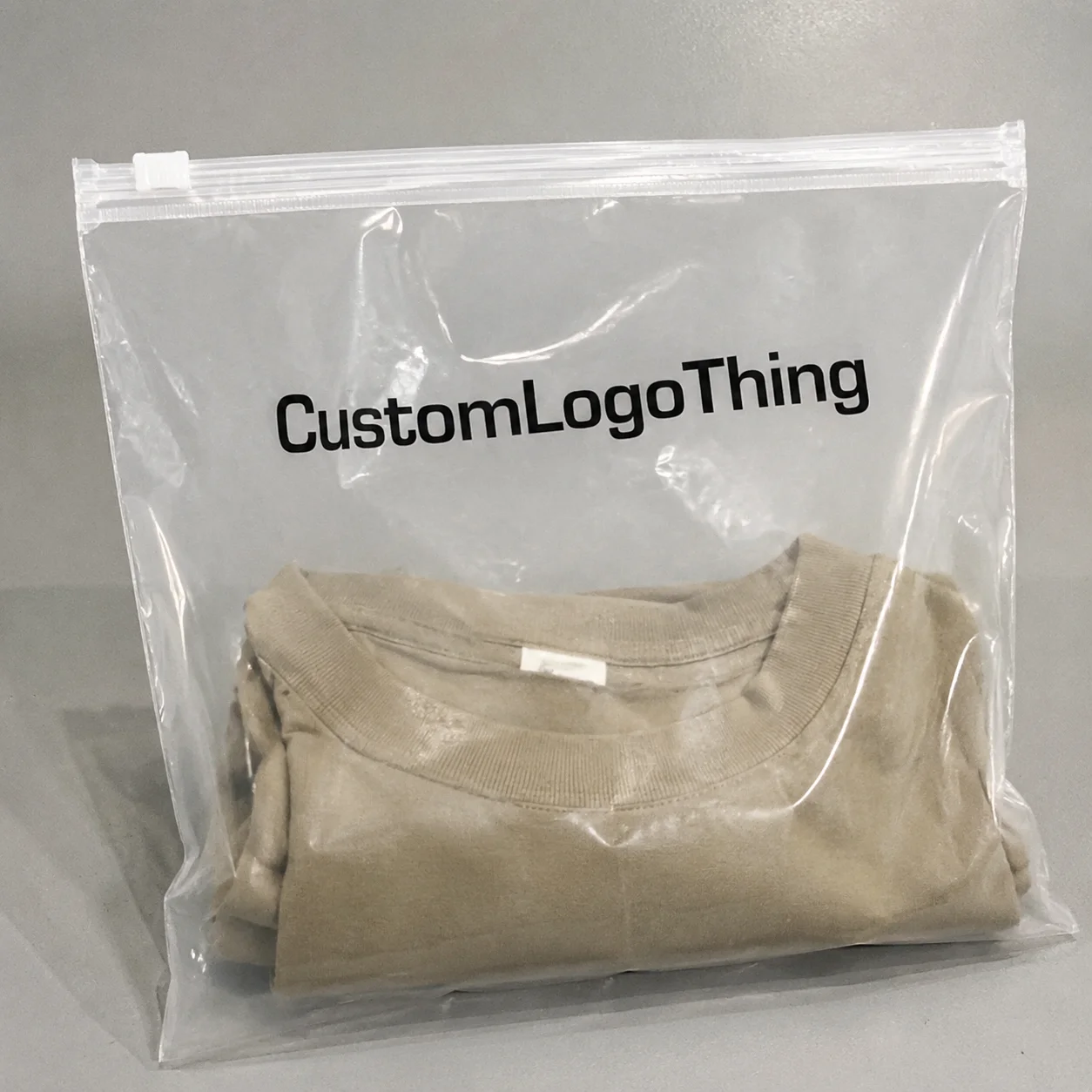
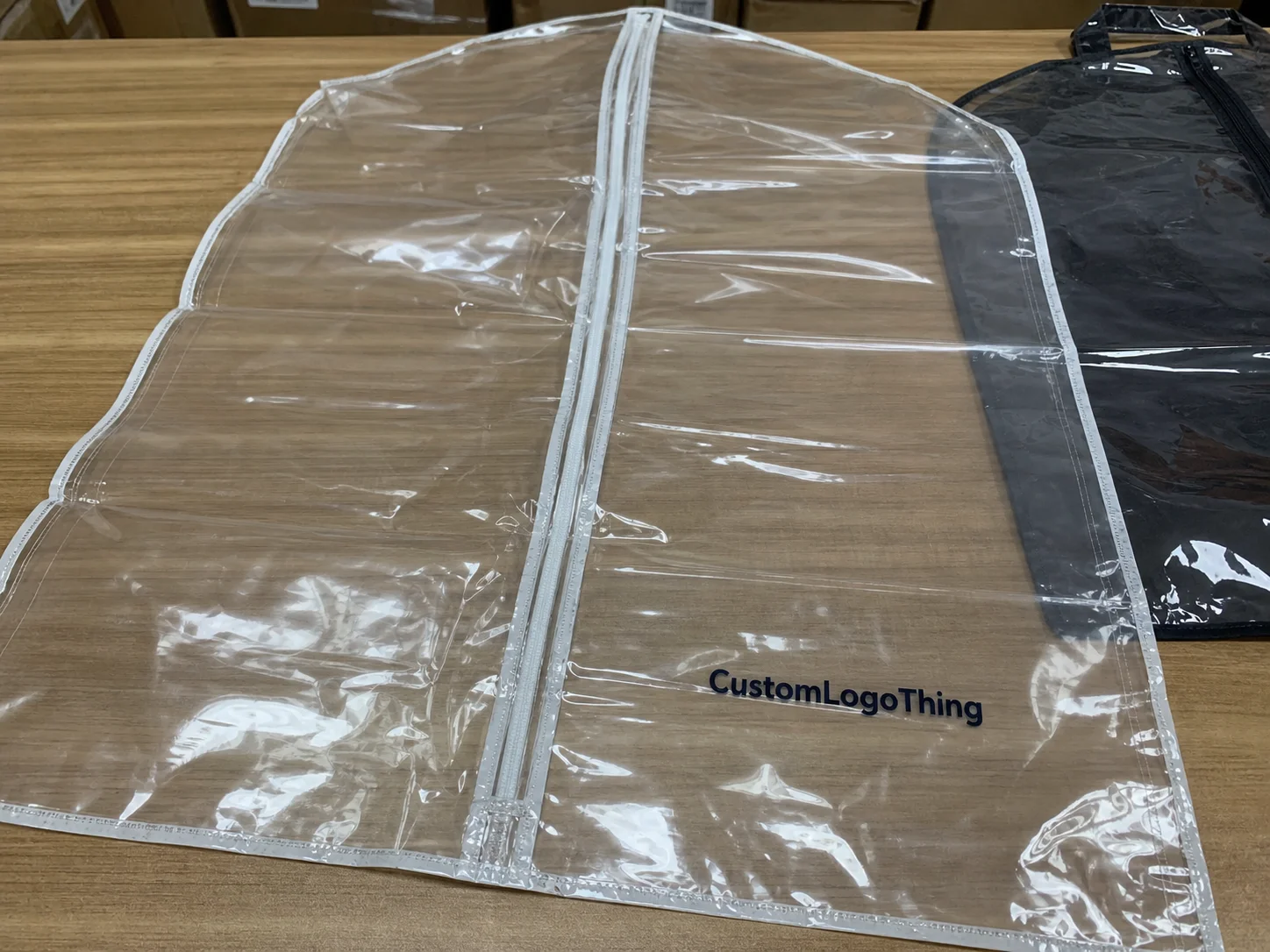
PVC Zipper Garment Bags are usually the right choice when product visibility matters. They work well for suits, coats, dresses, uniforms, robes, sample garments, bridal pieces, costumes, and higher-value apparel where the bag is part of the handoff. If the customer can see the garment through the bag and the logo reads cleanly, the packaging is doing its job.
The goal is not to worship the thickest PVC or chase the cheapest unit price. The best order is the bag that survives handling, fits the garment, prints cleanly, packs efficiently, and lands inside a unit cost that makes sense.
Practical buyer rule: specify the garment first, then the bag. A 0.15 mm clear PVC shirt bag and a 0.30 mm coat bag are not competing products. They are different tools.
Material Options That Actually Matter for Garment Bags
The material decision should come before the logo decision. Yes, the logo matters. But if the bag fogs, tears, wrinkles badly, or hides the garment your customer wanted to see, the logo is just branding on a mistake.
| Material | Best Use | Typical Strengths | Common Tradeoff |
|---|---|---|---|
| Clear PVC | Retail display, suits, coats, uniforms, samples | High visibility, structure, water resistance | Less breathable than fabric-style bags |
| Frosted PVC | Premium presentation, boutique packaging | Softer look, hides light scuffs, polished finish | Reduced garment visibility |
| PEVA | PVC-free positioning, lighter-duty covers | Soft feel, lightweight, flexible | Less structured for retail display |
| Non-woven polypropylene | Dust covers, dry-cleaner bags, economical storage | Breathable, printable, low cost | No clear product view and lower moisture protection |
| Laminated non-woven | Branded storage, reusable promotional bags | Better print surface and structure than plain non-woven | Not transparent and usually bulkier |
Clear PVC gives the strongest visual clarity. Customers can see garment color, fabric texture, trim, embroidery, and label placement without opening the zipper. That matters in retail display, sample rooms, sales rep kits, uniform issuing, and bridal appointments. It also gives simple one-color logos a clean surface when artwork is prepared correctly.
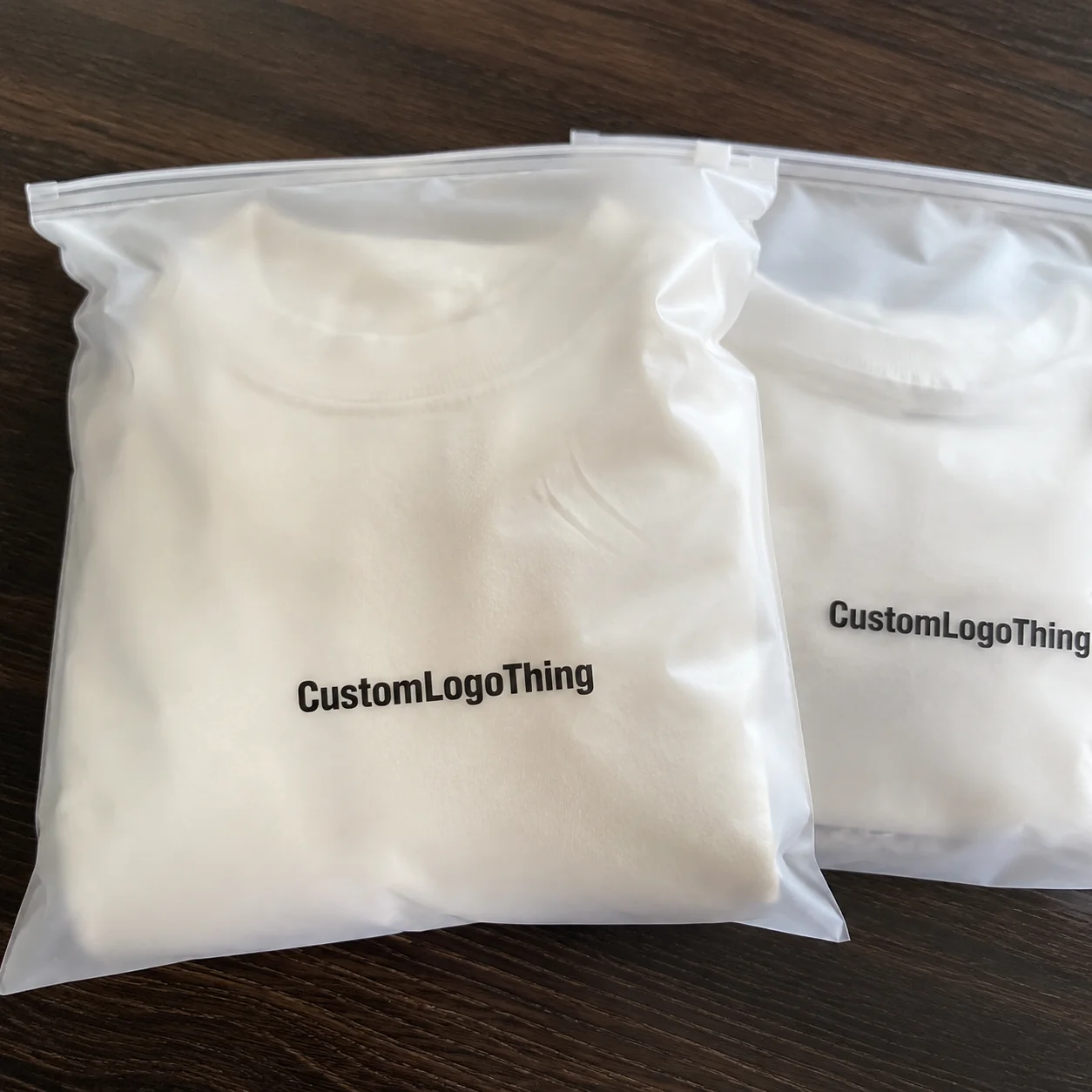
Frosted PVC is still PVC, but it has a softer visual effect. It hides minor scuffs better than crystal-clear film and can make a garment bag feel more upscale when full visibility is not required. For boutiques, robe brands, giftable apparel, or fashion samples, frosted PVC can look less clinical than fully clear film.
PEVA is softer and lighter. It is often positioned as a PVC-free option, which some brands prefer for policy or customer-perception reasons. Fine. Just understand the tradeoff. PEVA usually has less body, so it may not sit as sharply on racks or in retail settings. For repeated handling, it can feel underbuilt unless the thickness and zipper spec are chosen carefully.
Non-woven polypropylene is breathable, economical, and common for garment dust covers. It prints well, especially for simple logos, and can be a smart pick for dry storage. But it does not show the garment, and it does not protect against moisture the same way PVC does. If your customer needs to identify jacket color immediately, non-woven makes them unzip and check. Multiply that by 300 uniforms and enjoy your afternoon.
Laminated non-woven adds a coating that improves print surface, structure, and water resistance compared with plain non-woven. It is usually chosen for branded storage or reusable promotional packaging, not clear garment display. Brands that already use corrugated cardboard mailers, kraft paper wraps, or FSC certified hangtags sometimes pair laminated garment bags with those materials for a more coordinated packaging set.
If customers need to see color and fabric immediately, PVC wins. If breathability is the top concern, non-woven deserves a look. If the brand is prioritizing recycled materials, post-consumer waste content, or biodegradable packaging claims across the full packout, review the garment bag material alongside cartons, tissue, inserts, and compliance language. Tradeoffs. They exist.
PVC Thickness, Zipper Style, and Size Specifications
Thickness affects cost, durability, flexibility, clarity, fold marks, and freight weight. Thicker PVC is tougher. Shocking, I know. But it can also feel stiff, increase carton weight, raise shipping cost, and create stronger fold memory if the bags are packed poorly.
Light-duty PVC garment bags often use about 0.10–0.15 mm. This range can work for shirts, light jackets, event apparel, promotional garments, and short-term protection. Mid-range custom garment bags often use 0.18–0.25 mm, which is common for suits, uniforms, robes, boutique apparel, and repeat customer handling. Heavy-duty bags for coats, gowns, bridal pieces, leather jackets, or sample programs may require 0.30 mm or more, depending on the bag structure and handling conditions.
Do not choose thickness in isolation. A 0.25 mm bag with a weak zipper can fail faster than a 0.20 mm bag with better stitching and a smoother pull. A thick bag with no gusset may still crush a bulky coat. A lightweight bag may be perfectly acceptable if it is used once for event pickup and never expected to survive months of warehouse handling.
The zipper deserves real attention. A standard nylon coil zipper works for many retail and dry-cleaning uses. For repeated handling, a heavier zipper pull and better stitching reduce snagging. Full-length center zippers are common for suits, coats, and gowns because they make loading easy. Offset zippers can improve presentation for specialty garments where the front panel needs to stay cleaner for logo placement.
Buyer-selectable details usually include hanger openings, reinforced top holes, bottom gussets, side gussets, handles, snap closures, piping, trim color, and clear ID pockets. A bottom gusset of 2–4 inches can help with bulky coats or gowns. Side gussets give more depth but add material and labor. Handles are useful for customer pickup, trade shows, and uniform kits, but they need reinforcement if the garment is heavy.
- Short bags: often used for shirts, blazers, kidswear, and light jackets.
- Mid-length bags: common for suits, uniforms, robes, and store pickup.
- Long bags: used for dresses, gowns, bridalwear, coats, costumes, and outerwear.
- Wide bags: useful for padded hangers, structured shoulders, and layered garments.
Provide garment dimensions, hanger type, folded or hanging use, expected handling, and final storage method before requesting a quote. A bag that fits on a rack may not fit into your cartons. A garment bag that fits into cartons may not hang well in a delivery vehicle. Specs do not live in a fantasy spreadsheet; they live in racks, closets, trucks, stores, and customer hands.
Logo Printing and Branding Choices for Clear PVC Bags
Logo printing on PVC Zipper Garment Bags is usually straightforward if the artwork is clean and the buyer is realistic. Screen printing is the common workhorse for bold logos, simple marks, and one-color branding. Heat transfer may be used for sharper detail on some designs, depending on the film, artwork, and production setup. Custom labels or printed inserts can also work for lower-volume programs or seasonal branding where you do not want to commit every bag to one design.
Single-color logos are usually the most cost-efficient and reliable on PVC. White, black, metallic, and darker spot colors tend to read well on clear material. Pale gray, blush, beige, and other soft colors can disappear against light garments because physics apparently still applies. If the garment behind the logo changes from black coat to ivory gown to navy uniform, test contrast before approving the mark.
Multi-color logos are possible, but they need closer artwork review. Registration tolerance matters on flexible plastic. Tiny gaps, thin outlines, gradients, and small reversed text can turn into mush. For a custom logo garment bag order, vector files are the baseline: AI, EPS, or clean PDF artwork. Pantone references help. Minimum line thickness matters. Negative space matters. Tiny legal copy does not become elegant just because marketing asked nicely.
Print placement should match how the garment bag is seen. Common options include front chest area, lower corner, full-width branding panel, zipper-side print, or insert card placement. A logo near the top may get covered by hangers or rack hardware. A lower-corner logo can feel premium and stay out of the garment view. A full-width panel can look strong, but it may also block too much of the product.
Branding tradeoff: a huge logo may impress the marketing team, but a smaller clean mark often looks more expensive and keeps the garment visible.
For brands coordinating garment bags with corrugated cardboard shipper boxes, kraft paper garment wraps, printed tissue, or FSC certified paper inserts, keep the logo system consistent. The garment bag does not need to scream if the rest of the packaging is already doing its job.
Pricing, MOQ, and Unit Cost Drivers
Pricing is driven by material thickness, bag size, zipper length and quality, printing method, number of print colors, gussets, handles, trims, packing method, and total order quantity. That is why one quote can be $0.70 per bag and another can be $2.40 per bag for what looks like “the same” clear garment bag. Spoiler: it is not the same bag.
As a practical range, smaller custom runs carry higher unit costs because setup, printing, and material waste are spread across fewer bags. A simple logo-printed stock-style PVC zipper garment bag will price very differently from a fully custom 0.30 mm long gown bag with side gussets, color trim, handles, and multi-color print. For many bulk buyers, meaningful price breaks show up around 500, 1,000, 3,000, and 5,000 pieces, but the exact breakpoints depend on specs.
MOQ expectations vary. Logo printing on a standard-size clear PVC bag usually has a lower minimum than a fully custom size with custom trim and a special zipper color. Fully custom orders often need higher MOQs because material cutting, zipper sourcing, print setup, and production line time have to be justified. Nobody wants to say that out loud, so they call it “factory policy.” Same thing, different outfit.
Ask suppliers to separate setup costs, screen charges, sampling fees, bulk unit price, packing, and freight. The cheapest unit price can lose badly once freight, delays, and rework enter the room. Compare quotes only if the specs match exactly: same thickness, same dimensions, same zipper, same printing, same packing count, same ship method, and same incoterms. Otherwise it is spreadsheet theater.
| Cost Driver | Lower-Cost Choice | Higher-Cost Choice | Buyer Note |
|---|---|---|---|
| PVC thickness | 0.10–0.15 mm | 0.30 mm or thicker | Do not over-spec if the bag is single-use. |
| Logo print | One-color screen print | Multi-color or detailed artwork | Simple marks usually look cleaner on flexible PVC. |
| Bag structure | Flat bag, standard zipper | Gussets, handles, piping, ID pocket | Add features only if they solve a handling problem. |
| Quantity | 500 pieces | 3,000–5,000 pieces | Higher quantities usually reduce unit cost. |
| Freight | Consolidated or ocean freight | Air freight | Air saves time, not money. |
If you are buying for multiple stores, franchise locations, uniform departments, or recurring apparel seasons, ask about Custom Logo Things Wholesale Programs. Consolidating orders can reduce unit cost, simplify approvals, and keep bag specs consistent across locations.
Production Process, Lead Time, and Approval Timeline
A sane ordering process follows a predictable path: confirm bag size and material, review logo artwork, prepare the quote, approve the digital proof, produce a pre-production sample if needed, manufacture the bulk order, inspect, pack, and ship. Skip steps if you enjoy surprises. Most buyers do not.
Lead time depends on artwork readiness, sample requirement, material availability, order quantity, print complexity, custom zipper or trim colors, holiday factory schedules, and shipping method. A simple repeat order with approved artwork moves faster than a new custom bag with uncertain sizing and a five-color logo. That should not need explaining, but here we are.
A digital proof is faster and cheaper. It confirms logo size, placement, color references, and general layout. A physical sample is smarter for premium garments, bridal orders, new sizing, first-time buyers, or retail programs where the bag must match a presentation standard. If the bag needs to fit a structured coat on a wide hanger, get the sample. The cost of one sample is much nicer than the cost of 5,000 wrong bags.
Bulk production usually starts only after proof approval and deposit. This is where buyers lose time, then act shocked. Approvals are not decoration. If a launch date, photoshoot, store delivery, trade show, uniform rollout, or seasonal garment arrival is fixed, build the timeline backward from that date and leave room for inspection and freight.
Air shipping can rescue deadlines at a higher cost. Ocean or consolidated freight lowers cost but requires earlier ordering and more planning. If sustainability claims matter for the broader packaging program, review freight mode alongside material choices, recycled materials, post-consumer waste content, and disposal messaging. The EPA Sustainable Materials Management resources are useful for thinking beyond the single unit price.
- Confirm garment type, hanger type, and bag size.
- Select PVC thickness, zipper style, gussets, and trims.
- Submit vector logo artwork and color references.
- Review quote tiers and setup charges.
- Approve digital proof or physical sample.
- Start bulk production after deposit and approval.
- Inspect, pack, and ship to the final location.
Quality Checks Before You Approve a Bulk Order
Quality control should happen before the bulk order ships, not after the cartons land in your stockroom. For a custom garment bag order, check PVC thickness, finished dimensions, zipper smoothness, seam strength, hanger hole placement, print alignment, print opacity, trim color, gusset depth, and packing count. If the bag has handles, test them with the actual garment weight.
The most common failures are painfully predictable: bags too short for garments, zippers catching at the seam, print placed where hangers cover it, PVC too thin for heavy coats, and cartons packed so tightly that bags arrive creased. A bag can look fine empty and fail once a wool coat, gown, robe, or uniform is inside. Test with the real garment, real hanger, and real storage method before bulk approval.
Odor, clarity, flexibility, and fold marks should be discussed honestly. PVC has a material feel. It can show handling marks. Good specification, correct thickness, proper packing, and reasonable carton count reduce issues. Magic does not. If the bags are going straight to retail stores, events, distribution centers, or franchise locations, request photos or inspection notes before shipment.
For transit performance, larger packaging programs may reference standards from organizations such as the International Safe Transit Association, especially if garment bags are packed inside corrugated cardboard master cartons for parcel or freight movement. For paper-based supporting materials, FSC certified cartons or inserts may also be part of the wider packaging plan. The garment bag is one piece of the system, not a lonely plastic island.
Custom Logo Things pushes buyers to confirm real-use details before production because fixing specs after 5,000 bags are made is not a strategy. It is a cleanup job. The better move is to confirm size, thickness, zipper, print, packing, and delivery conditions before bulk manufacturing starts.
- Fit check: garment hangs naturally without bunching or pressing against the zipper.
- Zipper check: pull runs smoothly from top to bottom without seam catching.
- Print check: logo is readable against light and dark garments.
- Pack check: bags are not crushed, over-folded, or packed too tightly.
- Use check: bag survives the actual pickup, rack, storage, or delivery process.
Next Steps to Place the Right Custom Garment Bag Order
Before requesting a quote, prepare the basics: garment type, bag size, target quantity, preferred PVC thickness, zipper style, print colors, logo file, deadline, ship-to location, and whether a sample is required. If you do not know the ideal thickness yet, say that. A good supplier can quote economy, mid-range, and premium options instead of forcing you to guess.
Start with the intended use case. Retail display, dry-cleaner pickup, bridal gown storage, uniform issue, coat protection, event merchandise, and e-commerce delivery do not need the same bag. A boutique suit cover may need 0.20–0.25 mm clear PVC with a clean one-color logo. A bridal gown bag may need extra length, a stronger zipper, a gusset, and a physical sample. A promotional event bag may need a lighter spec to keep unit cost under control.
Ask for side-by-side options so you can compare unit cost against durability and presentation. Economy may be fine for short-term use. Mid-range often fits most retail and uniform programs. Premium makes sense for high-value garments, repeated handling, and customer-facing packaging where the bag has to feel intentional.
Send photos of current bags or competitor packaging if you want a close match or a specific upgrade. Packaging buyers are visual. Pretending otherwise wastes emails. If you need help with artwork, order steps, or general packaging questions, the Custom Logo Things FAQ is a useful starting point before quoting.
Use this Order PVC Zipper Garment Bags material comparison guide to choose specs first, then request a quote that matches the real bag you need. Not some fantasy bargain bag that collapses under a hanger. The right order balances PVC thickness, zipper quality, print method, MOQ, packing, freight, and deadline. Boring details. Profitable details.
FAQ
What is the best material for PVC zipper garment bags used in retail display?
Clear PVC is usually best for retail display because it keeps the garment visible, gives the bag more structure, and protects better against moisture than plain non-woven options. Use frosted PVC if you want a softer premium look and do not need full garment visibility. Choose non-woven only when breathability and low cost matter more than clear presentation.
How thick should custom PVC zipper garment bags be?
Light-duty garment bags often use about 0.10–0.15 mm PVC for shirts, light jackets, and lower-cost promotional use. Mid-range orders often use 0.18–0.25 mm for suits, uniforms, robes, and boutique packaging. Heavy-duty bags for coats, gowns, or repeated use may require 0.30 mm or thicker, but higher thickness increases unit cost and shipping weight.
What MOQ should I expect for custom logo PVC garment bags?
MOQ depends on size, thickness, printing, zipper style, and whether the bag is stock-based or fully custom. Logo printing on a standard-size PVC zipper garment bag usually has a lower MOQ than a fully custom size with custom trim and multi-color printing. Ask for quantity tiers so you can see where the unit cost becomes reasonable instead of guessing.
How long does production take for PVC zipper garment bags with logo printing?
Lead time depends on proof approval, sampling, quantity, material availability, print complexity, and shipping method. A digital proof is faster, while a physical sample adds time but reduces risk for premium or first-time orders. Bulk production should be scheduled backward from the date the bags must be packed, displayed, delivered, or used at an event.
Can PVC zipper garment bags be printed with multi-color logos?
Yes, but multi-color printing usually costs more and requires closer artwork review than a simple one-color logo. Fine text, gradients, and tiny details may not print cleanly on flexible PVC, so vector artwork is strongly recommended. For many brands, a clean one-color logo in white, black, or metallic ink gives the best balance of cost, readability, and premium appearance.