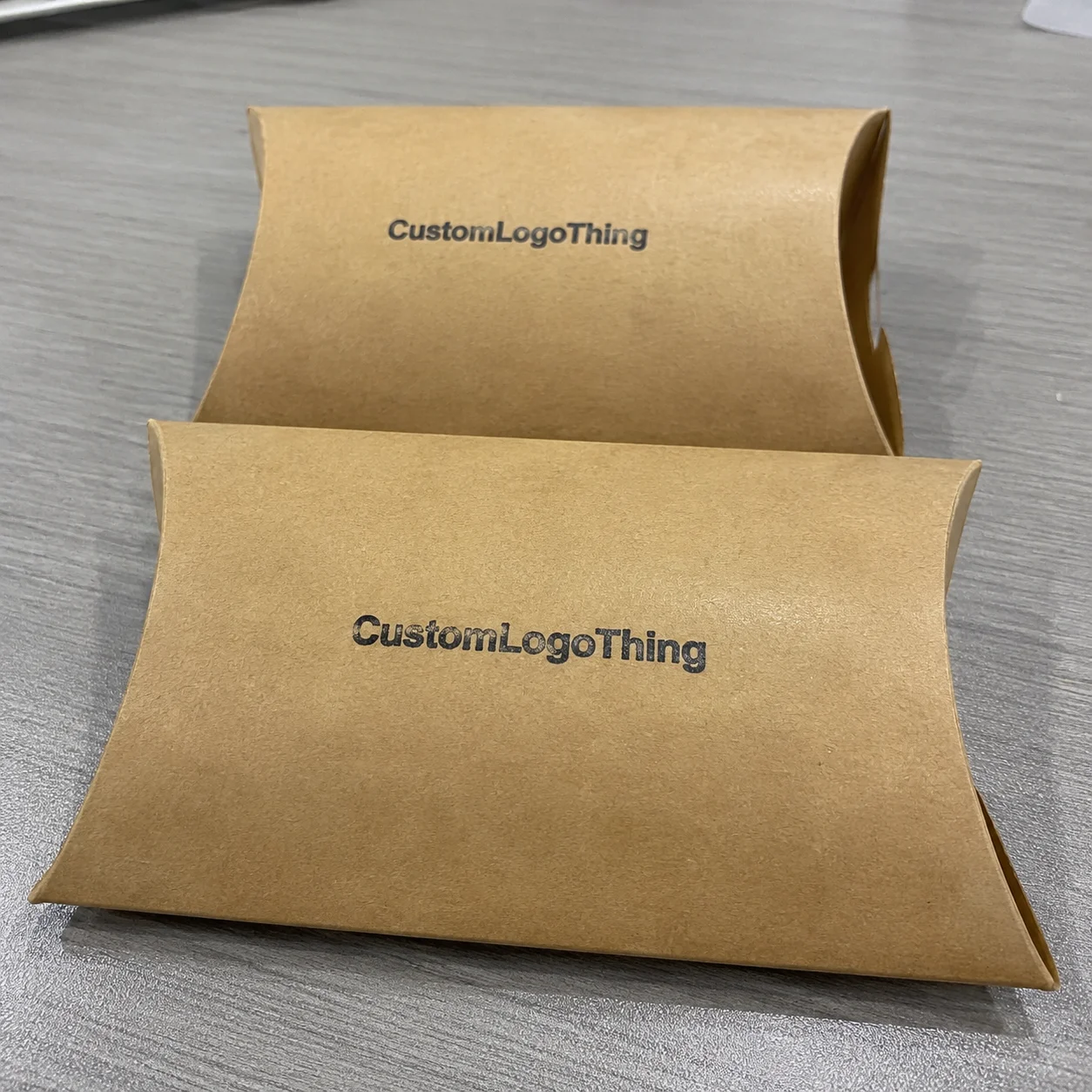
Order PVC Zipper Garment Bags Packaging Insert Checklist
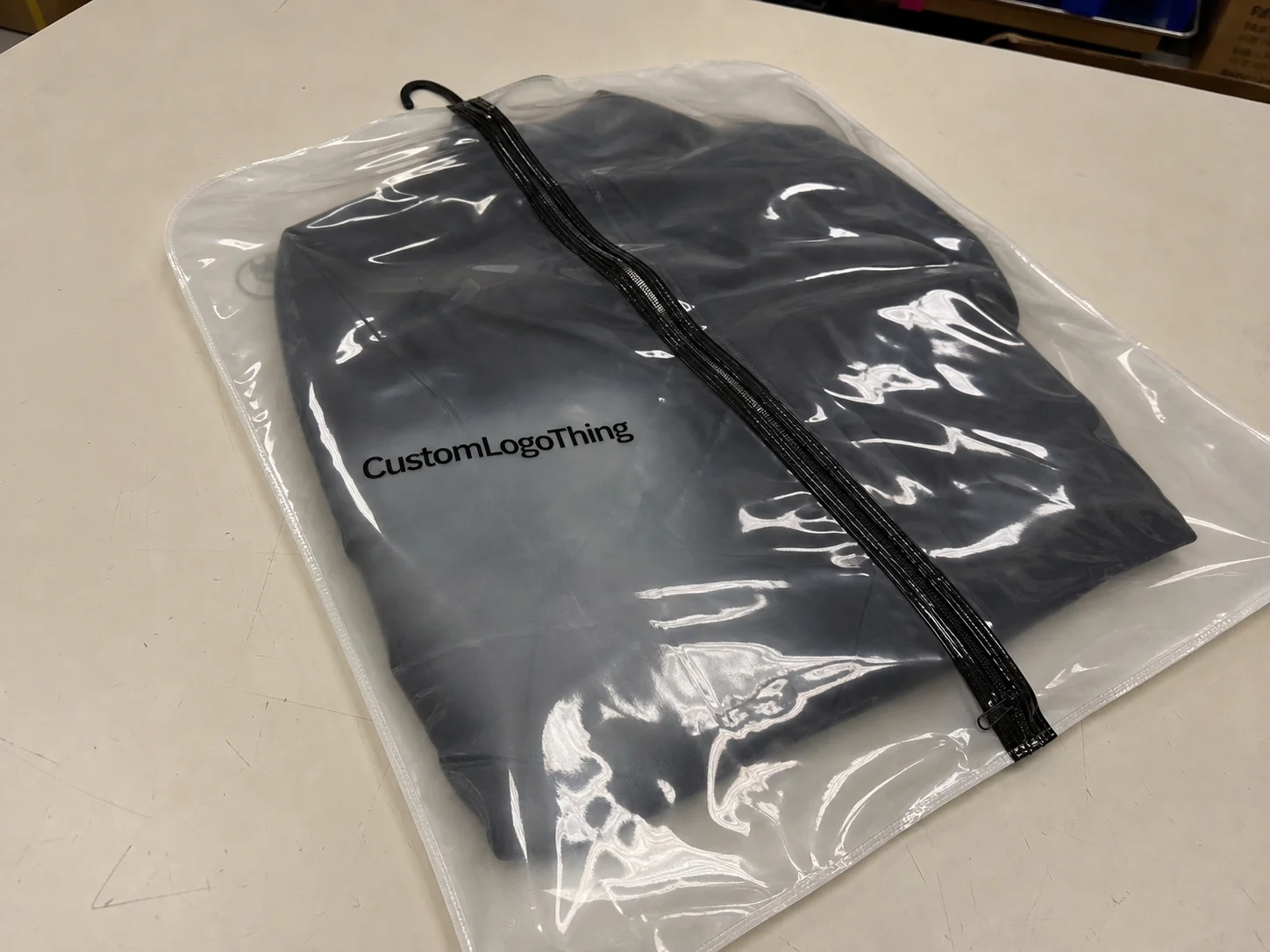
A garment bag can look fine in a sample photo and still fail on the warehouse floor. The zipper snags. The hanger hole tears. The insert card slides down and blocks the garment. The PVC looks clear under office lighting, then hazy once stacked in cartons. Fun surprises, if you enjoy rework.
That is why an Order PVC Zipper Garment Bags packaging insert checklist belongs at the start of the buying process, not after artwork approval. PVC zipper garment bags are not just clear covers. They handle dust protection, barcode control, branded presentation, SKU separation, and sometimes repeated use in rental, showroom, or uniform programs.
The best quote is built from complete specifications: finished size, usable internal dimension, PVC thickness, zipper style, print area, insert format, MOQ, carton plan, and approval schedule. A low unit price means very little if the bag cannot fit the hanger, the insert does not match the SKU, or the carton packing creases structured garments before they reach the customer.
Use this checklist as a practical purchasing tool. It is designed to catch the usual gaps before production: cloudy PVC, weak zipper stops, incorrect gauge, oversized artwork, insert cards that hide the product, and export cartons too light for bulk apparel handling.
What PVC Zipper Garment Bags Actually Need to Protect
PVC Zipper Garment bags have four practical jobs: keep garments clean, improve presentation, separate SKUs, and reduce handling damage during storage or shipment. Cleanliness sounds basic until lint, carton dust, moisture exposure, and repeated hand contact change how a suit, gown, coat, or uniform looks before anyone tries it on.
These bags are common for suits, dresses, bridalwear, costumes, coats, uniforms, samples, rental garments, and e-commerce apparel sets. A showroom dress usually needs visibility and a clean logo placement. A rental uniform needs stronger seams and a zipper that survives repeated opening. A bridal gown bag may need a 4-inch to 8-inch gusset depending on dress volume, hanger type, and whether the garment is boxed after bagging.
A basic dust cover is usually light, flexible, and simple. It may have an open bottom or a basic closure. A structured zipper garment bag can include reinforced seams, a front zipper, printed branding, an insert pocket, hanger opening, gusset, ventilation holes, or a carry handle. Each added detail changes cost, packing labor, and performance.
PVC works well where buyers need clear product visibility, custom sizing, economical bulk production, and a polished retail packaging look. It is especially useful when the garment must remain visible while the package also carries branding, care instructions, or barcode information. PEVA, non-woven fabric, and recycled-content materials can be better choices for some retailer requirements or sustainability programs. For transparent garment protection at scale, PVC is still a practical option.
Factory-floor rule: design the bag around the garment’s real use. A showroom cover, rental garment bag, and export-ready coat bag should not be built from the same assumptions.
Bag Specifications Buyers Should Confirm Before Quoting
A clean quote starts with measurable fields. Prepare the flat size, usable internal size, gusset depth, PVC thickness, zipper length, zipper color, slider type, hanger opening size, and seam construction. If an existing bag already fits the garment, measure it flat and photograph the hanger opening, zipper ends, bottom fold, and any reinforced areas.
Finished size and usable size are not always the same. Seams, binding, zipper tape, and gussets reduce the space available inside the bag. A 24-inch wide flat bag will not behave like a 24-inch wide internal cavity once a bulky coat or wide hanger is inside. For coats, gowns, uniforms, and structured jackets, measure the garment on the hanger that will actually be used.
Thickness should be chosen by use, not guesswork. Light PVC around 0.08 mm to 0.12 mm may work for basic dust covers or short-term showroom storage. Medium gauges around 0.15 mm to 0.20 mm are common for custom garment bags that need better hand feel and cleaner presentation. Heavier gauges around 0.25 mm to 0.35 mm usually make more sense for repeated handling, bulkier coats, rental programs, or premium apparel where the bag is part of the product experience. Exact availability depends on material source, finish, and order volume.
Zipper selection matters more than many buyers expect. Nylon coil zippers are common because they flex well on longer garment bags. Plastic sliders are economical and reduce scratching risk. Metal sliders can feel more premium, but they may add cost and weight. Single-pull zippers work for most front-opening bags. Double-pull designs are useful for long gowns, heavy coats, or bags that need access from both top and bottom.
Ask how the zipper stops are reinforced. Weak top and bottom stops are a common failure point, especially when warehouse staff pulls the zipper quickly or the garment creates pressure at the base of the bag. A slightly better zipper spec is usually cheaper than replacing bags after launch.
| Specification | Typical Choice | Best Use | Buyer Check |
|---|---|---|---|
| PVC thickness | 0.12 mm to 0.30 mm | Dust covers to repeated-use garment bags | Match gauge to garment weight and reuse level |
| Gusset depth | 2 in to 8 in | Coats, gowns, uniforms, and multi-piece sets | Confirm hanger width and garment volume |
| Zipper | Nylon coil with plastic or metal slider | Front access and repeated opening | Review zipper stop strength and pull direction |
| Insert card | 250gsm to 400gsm paperboard | Branding, barcode, care, and retail information | Confirm size, coating, and position through clear PVC |
Construction details include heat sealing, stitched binding, reinforced hanger openings, handle placement, ventilation holes, and bottom fold style. Heat sealing can be efficient for high-volume clear bags. Stitched binding may be preferred when the edge needs a more structured look. Reinforced hanger openings reduce tearing, especially on longer bags that carry more garment weight near the top.
Ventilation also deserves a real decision. Some garments benefit from small ventilation holes to reduce trapped air or moisture risk. Others may need tighter dust protection. The right answer depends on garment type, storage environment, and whether the bag is used for retail display, long-term storage, or shipment.
Tolerances are part of responsible packaging design. A bag may have normal production variation of several millimeters depending on cutting, sealing, and material stretch. That sounds minor until the bag must fit a wide wooden hanger, a folded shirt set, a retail rack, or a fixed master carton. If the garment is bulky, send the real folded or hanging dimensions, not just a catalog size.
Packaging Insert Details That Make the Bag Sell Better
The packaging insert inside a PVC garment bag carries the information the clear bag cannot. It may show the logo, garment size, care instructions, barcode, return instructions, sustainability note, retail compliance statement, or seasonal collection name. For many apparel brands, that insert is the quiet sales panel inside the clear cover.
Common insert formats include loose printed cards, header cards, backer sheets, instruction sheets, barcode labels, pocket inserts, and hangtag-style cards. A backer sheet can make a lightweight garment look more organized. A small barcode card keeps scanning simple without covering the product. A folded instruction sheet works well for uniforms, rental garments, and apparel sets with washing or return instructions.
Define the insert with the same discipline used for the bag. Confirm finished size, paper weight, coating, print sides, fold style, hole punch, barcode location, language versions, and whether the insert must stay visible through the PVC. A 300gsm C1S card may be enough for a simple retail insert. A 350gsm or 400gsm card with matte or gloss coating can feel more substantial, though heavier stock can raise freight weight and packing bulk. For FSC-related paper sourcing questions, buyers can review general chain-of-custody information at FSC.
Coordinate insert color, logo placement, and garment visibility. A bold card can improve package branding. It can also hide embroidery, fabric texture, buttons, or silhouette details that help sell the garment. If the front panel is clear PVC, place the insert where it supports the product instead of fighting it.
A small logo block near the upper corner, a barcode in a scanning-friendly area, and care text on the reverse often work better than a full-card graphic that covers the garment. Retail teams like big branding. Operations teams like readable barcodes. The final layout has to serve both, or someone will be annoyed later.
Confirm how inserts are packed. They can be inserted at the bag factory, shipped flat for later packing, bundled by SKU, or packed separately to prevent bending. If a program has 8 garment sizes and 3 language versions, version control must be written into the order checklist. A beautiful insert is still a problem if the medium-size barcode lands inside a large-size garment bag.
Barcode and language control should be boring. That is the point. Put the version name, size, SKU, barcode number, and carton quantity in the purchase record. If the supplier is inserting cards before shipment, ask how they will separate versions during packing and QC. Color-coded version sheets, carton marks, and sample sign-offs can prevent expensive sorting work later.
Pricing, MOQ, and Unit Cost Factors for Custom Orders
PVC Zipper Garment bag pricing is driven by material thickness, finished size, gusset depth, zipper quality, print coverage, insert complexity, order quantity, and final packing method. For a simple clear zipper garment bag at a few thousand pieces, a buyer might see a unit range around $0.45 to $1.20 depending on size and gauge. Larger structured bags with printing, gussets, inserts, and stronger cartons can move higher.
Those ranges are directional, not a fixed quote. Resin pricing, component choices, labor steps, and freight change by project. A small bag for a shirt set does not price like a long gown bag with a wide gusset and printed insert. Obvious, yes. Still missed surprisingly often.
MOQ is tied to material procurement, zipper color, print setup, cutting efficiency, and custom sizing. Standard clear PVC with a common white zipper usually has more flexible sourcing than tinted PVC, custom zipper tape, shaped pullers, or multi-color logo printing. For many custom orders, 1,000 to 3,000 pieces may be possible for simpler specifications. More customized builds often make better economic sense at 5,000 pieces or above. Custom Logo Things can review specifications against realistic bulk-order economics through Wholesale Programs.
Common cost adders include multi-color logo printing, reinforced handles, custom zipper pulls, thicker PVC, individual polybagging, inserted cards, barcode sorting, and stronger export cartons. A two-color logo may require additional print setup. A 400gsm insert printed on both sides costs more than a simple one-sided sheet. Carton upgrades can add cost, but weak cartons are a bad place to save money if garments must arrive clean and uncreased.
Print method also affects pricing and appearance. Simple one-color logos are usually easier to manage than large coverage prints. Ink adhesion on PVC should be checked, especially when the bag will rub against cartons or other bags during transit. If the logo must match a brand color, provide Pantone references and accept that PVC transparency, surface texture, and ink behavior can shift the perceived color slightly.
For a clean quote, provide artwork files, bag dimensions, PVC gauge preference, insert specs, target quantity, delivery address, and any retail compliance requirements. If barcode placement, carton labels, SKU sorting, or suffocation warnings are required, include them early. The checklist should sit next to the quote request, not appear after production starts.
Buyers lose more money from vague specifications than from choosing a slightly better material. The lowest unit cost can become expensive if bags split, inserts bend, zippers jam, or cartons arrive poorly packed. Good apparel packaging balances unit price, protection, labor efficiency, and brand appearance.
Production Steps, Lead Time, and Approval Timeline
A typical custom order moves through spec review, quotation, artwork check, dieline or layout confirmation, sample approval, material preparation, cutting, printing, zipper assembly, insert packing, QC, and export packing. Each step needs a clear approval owner. If the buyer, designer, and operations team approve different details separately, mistakes get easier.
Approval points affect lead time. Delayed artwork can hold the print layout. Unclear dimensions can stop cutting. Changing insert copy after proof approval can require a new print run. Custom zipper colors may need extra procurement time. A physical pre-production sample with final PVC, logo print, insert, and carton packing takes longer than a digital proof, but it gives the buyer the best view of real fit and appearance.
Sample options vary by need. A digital proof is useful for logo size and placement. A material swatch helps confirm PVC clarity and thickness. A blank size sample checks garment fit before print. A printed sample shows artwork and ink behavior on PVC. A full pre-production sample includes the insert and packing method, which is the safest choice for retail packaging programs, premium apparel, or orders with multiple SKUs.
For planning, simple repeat orders may move faster once artwork and materials are already known. New custom sizes, printed logos, insert programs, and multi-SKU packing need more confirmation before mass production. A realistic schedule may include several business days for proofing, extra time for sampling if required, and mass production after approval. Shipping time depends on freight method, carton volume, destination, and delivery schedule.
QC should be written into the order details, not treated as a vague promise. Useful checks include finished size, PVC thickness, zipper operation, zipper stop strength, print position, print adhesion, insert version, barcode scan, carton quantity, and carton marks. For garment bags with clear panels, also check PVC clarity and visible defects under normal lighting. No one needs a microscope. They do need to catch scratches, haze, crooked inserts, and bad seals before cartons ship.
Shipping planning should not wait until cartons are closed. Ask for carton count estimates, carton dimensions, gross weight, freight method, palletization needs, and delivery date targets. Dimensional weight can matter because garment bags are light but bulky. ISTA testing methods, available through ISTA, are often used by packaging professionals to evaluate transit performance, especially for parcel and distribution environments.
For programs that combine garment bags with Custom Packaging Products such as labels, hangtags, or custom printed boxes, align production calendars early. Different items may have different proof cycles, material needs, and carton plans.
Next Steps to Place a Clean Bulk Order
Before requesting a quote, gather the essentials: garment type, bag dimensions, PVC thickness, zipper style, hanger opening, logo artwork, insert layout, quantity, packing method, and required delivery window. That list sounds basic because it is. It is also the difference between a quick, accurate quote and a long email chain full of missing details.
- Measure the garment on its intended hanger, including length, shoulder width, and thickness.
- Choose a starting PVC gauge based on use: dust cover, showroom, shipping, rental, or premium presentation.
- Confirm zipper direction, slider type, zipper color, and whether a single-pull or double-pull design is needed.
- Prepare vector logo artwork, Pantone references, and exact print placement notes.
- Supply print-ready insert artwork, barcode data, language versions, and paper stock preference.
- Define inner packing, carton quantity, carton marks, and SKU sorting rules.
Send garment measurements or an existing bag sample when possible. This is especially helpful for coats, gowns, bridalwear, uniforms, costumes, and products with unusual hanger or gusset requirements. Photos help, but a physical sample can reveal edge construction, zipper placement, and fit details that a flat drawing misses.
Artwork should be organized cleanly. Provide a vector logo for bag printing, a print-ready insert file, barcode data, Pantone references, and notes on exact placement through the clear PVC panel. If the insert must remain visible after the garment is packed, mark the intended viewing area. If the PVC panel carries a logo, check that the logo does not overlap the barcode or care text.
Confirm compliance details before purchase order release. This may include carton marks, suffocation warnings if applicable, retail labeling, SKU sorting, country-specific language, or customer-specific packaging rules. For additional ordering questions, the Custom Logo Things FAQ covers common production and artwork topics before final details are locked.
A complete Order PVC Zipper Garment Bags packaging insert checklist gives buyers accurate pricing, fewer revisions, cleaner production, and packaging that arrives ready to use. It keeps the conversation focused on facts: garment fit, material gauge, zipper durability, insert control, carton strength, and the delivery window the apparel program actually needs.
FAQ
What should I include in an order PVC zipper garment bags packaging insert checklist?
Include bag size, garment type, PVC thickness, zipper style, hanger opening, logo artwork, insert dimensions, insert print specs, quantity, packing method, and delivery deadline. Add retail requirements such as barcode placement, carton labels, SKU sorting, suffocation warnings, or customer compliance instructions before requesting a quote.
What PVC thickness is best for custom zipper garment bags?
Light to medium PVC gauges work for dust protection and showroom storage. Heavier gauges are better for repeated handling, premium garments, coats, or rental programs. The right thickness depends on garment weight, bag size, zipper length, expected reuse, and how the bags will be packed into cartons.
Can packaging inserts be packed inside PVC garment bags at the factory?
Yes, inserts can often be packed inside the bags if the insert size, paper weight, placement, SKU matching, and packing sequence are confirmed before production. For multi-SKU programs, provide clear version control so each insert matches the correct bag size, garment line, barcode, or language.
How do MOQ and pricing change for printed PVC zipper garment bags?
MOQ and unit cost change based on bag dimensions, PVC gauge, zipper components, logo print colors, insert printing, packing style, and whether the order uses custom materials. Larger quantities usually improve unit cost because setup, material preparation, and production labor are spread across more bags.
How long does it take to produce custom PVC zipper garment bags with inserts?
Lead time depends on proof approval, sample needs, material availability, print complexity, insert printing, quantity, QC requirements, and shipping method. Buyers can keep the timeline tighter by approving artwork quickly, confirming exact dimensions early, and avoiding last-minute changes to inserts or zipper details.