Order PVC Zipper Garment Bags: Sample Approval Checklist
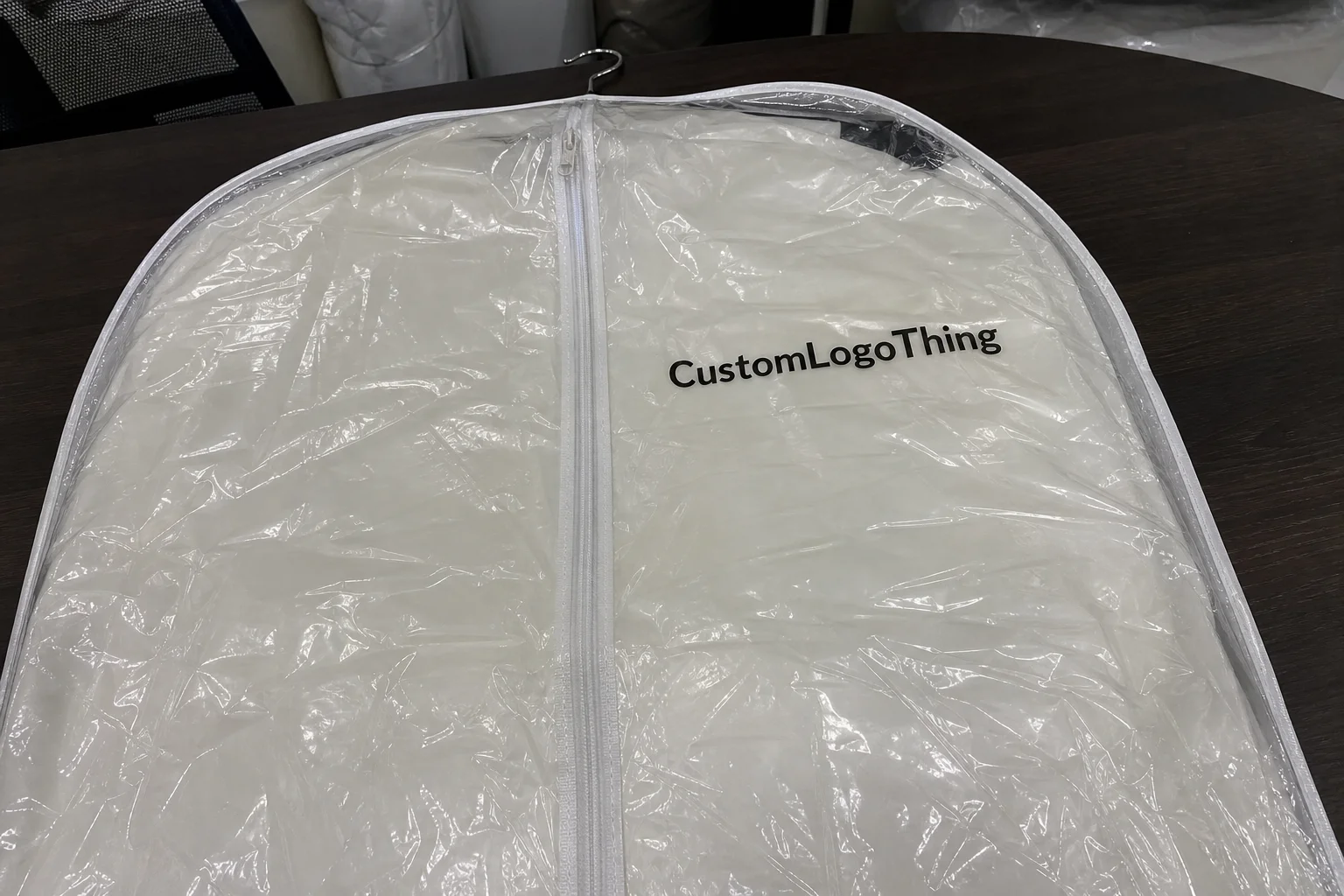
The sample looks clean in photos. Then the zipper catches, the logo flakes after three rubs, or the hanger hole tears while your warehouse team is packing suits at speed. Use this Order PVC Zipper Garment Bags sample approval checklist before bulk production starts, because cheap surprises are still surprises. Nobody needs that.
PVC Zipper Garment Bags are popular for practical reasons. They are clear, flexible, display-friendly, and useful for apparel brands, suit manufacturers, uniform suppliers, bridal shops, dry cleaners, promotional merch buyers, and retail packaging teams. The problem is also obvious: every flaw shows. Cloudy material, crooked print, weak seams, and a wavy zipper do not hide politely behind a matte paper finish.
A proper sample approval process locks the buying decision before real money is tied up in bulk production. Confirm the bag size, usable garment capacity, PVC thickness, zipper feel, print position, packing method, carton details, and shipping plan. Not later. Not after your production deposit. Before.
Practical rule: approve the sample once, in writing, with photos and a spec sheet. That one step can prevent rework, production delays, freight waste, and awkward calls with your warehouse. The glamorous side of packaging, obviously.
A good supplier should welcome a detailed checklist. If they act annoyed by specifications, that is not a supplier. That is a future problem wearing a headset.
What to Confirm on the Garment Bag Sample Before Bulk Production
Start with the physical bag, not the invoice. Measure the overall flat size, then check the usable internal space. A 24 x 40 inch bag does not mean every 24 x 40 inch coat fits cleanly once seams, zipper margins, hanger clearance, and fold behavior are included. Math is rude like that.
Place the actual garment inside the sample. Not a similar jacket. Not a mental estimate. Use the real suit, dress, robe, uniform, coat, gown, or sample piece the bag must protect. Check shoulder width, hem clearance, sleeve bunching, fabric drag at the zipper, and whether the hanger sits naturally through the top opening.
- Flat size: confirm width and length within the written tolerance, often plus or minus 3-5 mm for many soft plastic bag orders.
- Garment fit: test the widest shoulder point, longest hem, bulky padding, and any belt, hanger, or accessory packed inside.
- Zipper length: make sure the opening is long enough for staff to load garments quickly without forcing the fabric.
- Hanger opening: inspect the cut shape, edge finish, and reinforcement if the garment is heavy.
- Handles and pockets: check placement with the bag hanging, flat, and folded for carton packing.
Now abuse the zipper a little. Pull it open and closed 10 to 20 times. Watch the corners. Feel the slider. Check whether the zipper tape is straight or drifting like it has somewhere better to be. A zipper that snags during sample review will not become charming during mass production.
Look at the PVC clarity and hand feel under normal lighting, not just the supplier’s best photo setup. Clear PVC works well for retail visibility and stockroom identification. Frosted PVC gives a cleaner premium look and hides fingerprints better. Tinted PVC can support brand color, while opaque panels help when privacy matters. Smooth, soft-touch, flexible, and stiffer structures all have their place; the sample must match the use case.
Functional add-ons need approval too: snaps, card pockets, document sleeves, ventilation holes, gussets, reinforced hanger slots, bottom openings, and carry handles. Photograph the approved sample from the front, back, zipper close-up, print close-up, hanger opening, and packed garment view. Those photos become your production reference, not decoration.
PVC Material, Thickness, Zipper, and Print Specifications
The checklist should include the boring fields that save orders: PVC thickness, bag dimensions, zipper type, seam method, hanger hole shape, logo size, logo color, print method, and packing style. Boring is profitable. Vague is expensive.
Common PVC thickness choices vary by use. Lighter promotional garment bags may use thinner PVC around 0.10-0.15 mm when the bag is mainly for short-term presentation. Retail garment bags, suit bags, bridal gown covers, and reusable travel garment bags often need 0.18-0.30 mm or heavier, depending on size and load. Very large or structured bags can require more reinforcement, especially around the hanger slot and handles.
Material style changes the buyer experience. Clear PVC makes garments easy to identify. Frosted PVC looks less budget and can reduce visible scuffing. Colored tint supports brand styling, but it can affect logo contrast. Opaque panels are useful for uniforms, formalwear, or higher-value garments where full visibility is not ideal.
Zipper selection matters more than buyers expect. Nylon coil zippers are common because they are flexible and cost-effective. Plastic zippers can feel chunkier. Metal-look pullers add a retail finish without always using a full metal zipper. Branded pull tabs help presentation, but they add cost and usually require a higher quantity. Full-length zippers are easier for bulky garments. Half-length zippers can reduce cost on simpler covers. Side zippers may work better for certain gowns, robes, or retail display layouts.
| Specification | Typical Option | Buyer Tradeoff |
|---|---|---|
| PVC Thickness | 0.10-0.30 mm+ | Thicker material feels better and lasts longer, but raises unit cost and carton weight. |
| Zipper Style | Nylon coil, plastic, metal-look puller | Better zipper hardware improves daily use, especially for uniforms and travel bags. |
| Print Method | Screen print, heat transfer, label, patch | Simple logos stay cost-efficient; detailed artwork needs more controlled decoration. |
| Packing | Bulk pack, folded pack, individual polybag | Retail-ready packing looks cleaner, but adds labor, material, and carton volume. |
For logo decoration, screen printing works well for bold logos and one or two solid colors. Heat transfer can handle more detailed artwork. Custom labels or patches make sense when the design needs texture, opacity, or a different finish from direct ink on PVC.
Artwork approval should cover Pantone color, logo placement from edges, print size, bleed limits, print opacity, and whether white backing is needed on clear PVC. Small size, color, and placement variation is normal in custom bag production, but the acceptable tolerance should be written before production, not argued about afterward. Approve the digital proof and physical sample together if color or placement is critical.
Pricing, MOQ, and Unit Cost Factors for Custom PVC Garment Bags
Pricing depends on dimensions, PVC thickness, zipper quality, number of print colors, artwork coverage, add-ons, packing method, order quantity, and shipping destination. Anyone quoting a final price without those details is guessing. Sometimes politely. Still guessing.
Small custom runs usually carry a higher unit cost because setup, printing, cutting, and sampling costs are spread across fewer bags. A simple printed clear PVC garment bag may have more flexible MOQ options than a custom frosted bag with reinforced hanger slots, gussets, branded zipper pullers, and two print locations. Custom colors, special trims, and retail packing often push MOQ higher because materials and labor have minimum production thresholds.
Here are realistic cost drivers from a buyer’s point of view:
- Bag size: a 24 x 40 inch suit bag uses far less material than a 28 x 72 inch bridal gown bag.
- Thickness: moving from 0.12 mm to 0.25 mm can improve structure, but it increases material cost and shipping weight.
- Print colors: one-color logos are usually cheaper than full-color artwork or large coverage designs.
- Zipper and puller: standard nylon coil is usually more economical than custom pullers or heavier hardware.
- Packing: individual polybag packing, barcode labels, carton marks, and retail folds add labor.
For a usable quote, prepare the bag size, thickness target, quantity, logo file, print colors, zipper style, packing requirement, delivery address, and deadline. If you are comparing suppliers, match the exact specs. A cheap quote might be using thinner PVC, a shorter zipper, weaker seams, or vague packing. Congratulations, you found the trap.
Ask whether sample cost, printing plate or setup cost, freight, duty, and carton packing are included or quoted separately. Ask how price changes if the thickness drops, the zipper changes, or the logo is reduced to one color. That is not nickel-and-diming. That is how you find the spec that protects the garment without wrecking the budget.
Custom Logo Things can help tune the bag specification against your budget before production starts. A low price attached to the wrong bag is not savings. It is a delayed complaint with a tracking number.
Sample Approval Process, Timeline, and Production Steps
A clean buying process usually moves through quote request, specification confirmation, artwork proof, sample payment if required, sample production, sample review, revisions, bulk deposit, mass production, quality check, packing, and shipment. Skip steps if you enjoy drama. Most buyers do not.
Timeline depends on custom size, material availability, zipper choice, print complexity, sample shipping speed, buyer approval speed, order quantity, and final shipping method. Simple samples move faster. Custom-size bags with special zippers, gussets, pockets, reinforced hanger holes, or detailed printing need more care. A physical pre-production sample is smart for new artwork, strict brand requirements, unusual garment dimensions, or any order where a wrong fit would create expensive waste.
The sample stage should start with a digital proof. Confirm logo size, Pantone color, placement, bag layout, zipper direction, hanger slot, and any printed text. Then approve the physical sample against the same spec sheet. A message saying “looks good” is cute until production starts and someone remembers a missing handle.
- Approve the written specification sheet and artwork proof.
- Review the physical sample with the actual garment inside.
- Test zipper action, seams, hanger opening, handles, and pockets.
- Confirm print color, print position, opacity, and scratch resistance.
- Approve packing method, carton mark, carton quantity, and shipping plan.
- Send written approval with sample photos and any final notes.
Revisions should be separated by type. Minor artwork tweaks, such as moving the logo 10 mm lower or increasing print size slightly, may be fast. Size, material, zipper, gusset, or structural changes can require a new sample because the whole bag behavior changes. That is not supplier stubbornness. That is manufacturing reality.
Bulk production checkpoints should include first-piece inspection, in-process checks, random finished-bag inspection, carton count, and photo confirmation before shipment. For broader packaging quality references, groups such as the International Safe Transit Association publish useful testing frameworks for distribution and transit performance. PVC garment bags are not shipping cartons, but transit handling still matters if packed bags arrive crushed or permanently creased.
Build buffer time for sample shipping and approval, especially if bags are needed for a launch, trade show, uniform rollout, bridal season, or retail shipment. The sample checklist should be finished before your deadline starts breathing down everyone’s neck.
Quality Control Mistakes Buyers Should Catch Early
Most PVC Zipper Garment bag problems are preventable. They show up when buyers approve too quickly, suppliers skip details, or the sample is reviewed like a beauty photo instead of a working product.
Watch for cloudy PVC, strong chemical odor, uneven seams, zipper waviness, weak sliders, crooked logos, print scratches, loose threads, rough hanger holes, and inconsistent dimensions. PVC can have a material smell, especially fresh from production, but a strong odor may signal poor material choice or inadequate airing time. If odor matters for retail, bridal, hospitality, or uniforms, say so before production.
You do not need lab equipment for basic stress checks. Gently pull at the zipper ends, hanger opening, handles, side seams, and bottom corners. The bag should feel secure without tearing, whitening, or separating. Do not try to destroy the sample like a bored gorilla. Just test the normal stress points.
Check print durability with a dry cloth and then a slightly damp cloth. Rub the logo several times and inspect for smearing, flaking, uneven ink coverage, or scratched edges. On clear PVC, ask whether a white backing layer is needed so the logo remains visible over light-colored garments.
Carton packing matters too. Bags should not arrive crushed, scratched, bent, or folded in a way that creates permanent creases unless folding is part of the approved packing plan. Confirm carton size, pieces per carton, gross weight, carton marks, and whether bags ship flat, folded, or individually packed.
One approved sample should become the benchmark for QC photos, inspections, and dispute resolution. If third-party inspection is not arranged, request clear production photos before shipment: front view, zipper view, print view, packed carton view, and carton label. The Order PVC Zipper Garment Bags sample approval checklist is not paperwork theater. It is your evidence.
How Custom Logo Things Handles PVC Garment Bag Orders
Custom Logo Things helps buyers turn vague packaging requests into orderable specifications. That means specification review, artwork proofing, sampling support, production coordination, and quality checks before shipment. Very glamorous. Also very useful.
Because Custom Logo Things manufactures custom packaging, garment bags can be aligned with related packaging such as mailer bags, shopping bags, non-woven bags, tissue, stickers, and hang tags. That matters when a retail team wants the bag, insert, label, and outer shipping presentation to feel like one system instead of four random vendor decisions.
Buyers can request clear PVC, frosted PVC, colored PVC, logo printing, custom zipper pullers, handles, pockets, reinforced hanger slots, gussets, and retail-ready packing. The team can also flag risky specs before production, such as logos placed too close to seams, bags sized too tightly for bulky garments, or material too thin for repeated use.
The sales approach is factual and quote-driven: send the real specs, get real pricing, adjust the quote if the budget needs work. Revolutionary, apparently. If you are planning larger recurring orders, review Wholesale Programs to understand how volume, repeat specs, and order planning can support better pricing and cleaner production scheduling.
For buyers comparing packaging options beyond garment bags, the FAQ can help with common questions about artwork, sampling, production timelines, and shipping. For sustainability and material conversations, the EPA recycling resources are a useful reference point, though PVC recycling options depend heavily on local programs and product construction. Not every material claim is universal. Check before printing it on your packaging.
The value is reduced friction: cleaner approvals, better fit, fewer production surprises, and practical carton details before the shipment leaves. That is what a supplier should do.
Next Steps Before You Request a Quote or Approve the Sample
Before requesting pricing, gather the information that actually controls cost and production. Send the garment type, target bag size, quantity, PVC thickness preference, zipper style, logo file, print colors, packing method, delivery address, and required delivery date. If you are replacing an existing supplier, send photos of the current bag from the front, back, zipper, hanger opening, and packed garment view. Photos beat vague descriptions every time.
Choose one internal sample approver. Too many reviewers create slow approvals, conflicting feedback, and the classic committee-designed packaging disaster. The approver should compare the sample against the written spec sheet, test it with the actual garment, take approval photos, list revisions clearly, and confirm the final version in writing.
Your decision should fall into one of four buckets: approve for production, request a minor artwork change, request a structural revision, or ask for a second sample because fit or material is not right. Do not mix those decisions in a three-line email that everyone interprets differently. Clear approvals save time.
Before deposit, confirm invoice details, production timeline, shipping method, carton packing, carton marks, and final delivery address. If the order supports a store rollout, uniform launch, trade show, or seasonal apparel shipment, add buffer time for sample shipping and internal approval. Freight companies do not care that your marketing calendar is stressed.
Send the approved spec details to Custom Logo Things for a quote and sample plan. Include the garment, dimensions, quantity, logo, zipper preference, packing method, and deadline. The goal is simple: turn a packaging idea into a practical production spec before bulk order money is on the table.
FAQ
What should be included in an order PVC zipper garment bags sample approval checklist?
An Order PVC Zipper Garment Bags sample approval checklist should include bag size, usable garment fit, PVC thickness, zipper function, hanger opening, seam strength, logo color, print placement, packing method, carton details, and written approval notes. Test the sample with the actual garment instead of guessing from measurements alone. Take approval photos so production has a clear benchmark.
How much do custom PVC zipper garment bags cost?
Cost depends on size, PVC thickness, zipper type, print colors, order quantity, packing style, and shipping destination. Larger bags, thicker PVC, special zippers, and multi-color printing increase unit cost. Send complete specs to get a usable quote instead of a placeholder number that changes later.
What MOQ should I expect when ordering PVC zipper garment bags?
MOQ varies by bag size, material color, print method, and custom features. Standard clear PVC bags with simple logo printing usually have more flexible MOQ options than fully custom structures. Higher quantities usually reduce unit cost because setup and production costs are spread across more bags.
How long does the sample approval and production timeline take?
Timeline depends on artwork readiness, sample complexity, material availability, buyer approval speed, production quantity, and shipping method. Simple samples move faster than custom-size bags with special zippers, gussets, pockets, or detailed printing. Build buffer time if the garment bags are needed for a product launch, trade show, retail shipment, or uniform rollout.
Can I revise the PVC garment bag sample before bulk production?
Yes, revisions can usually be made before bulk production starts. Artwork and placement changes are often easier than size, material, zipper, or structural changes. Major revisions may require a new sample so the final approved version matches the production order.