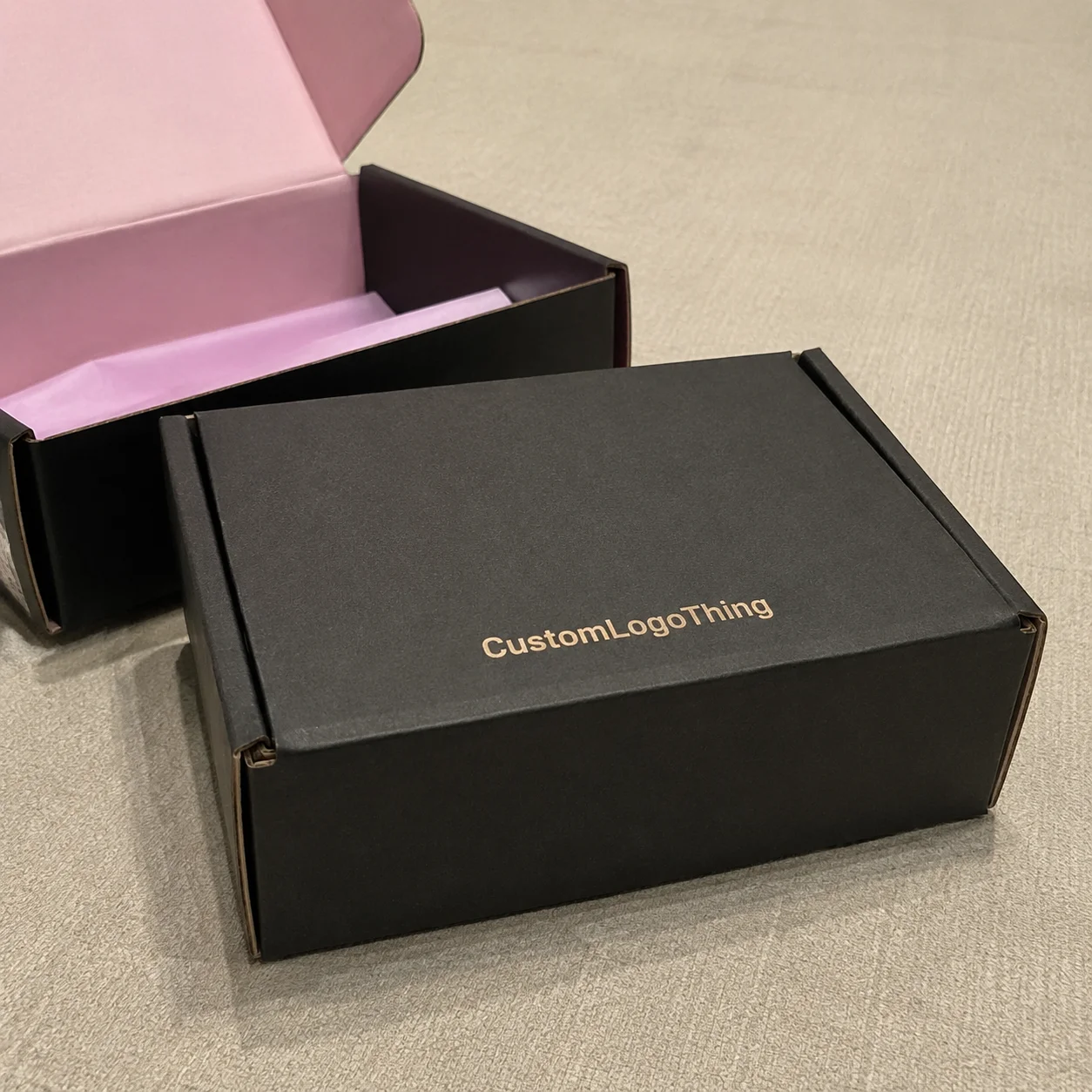
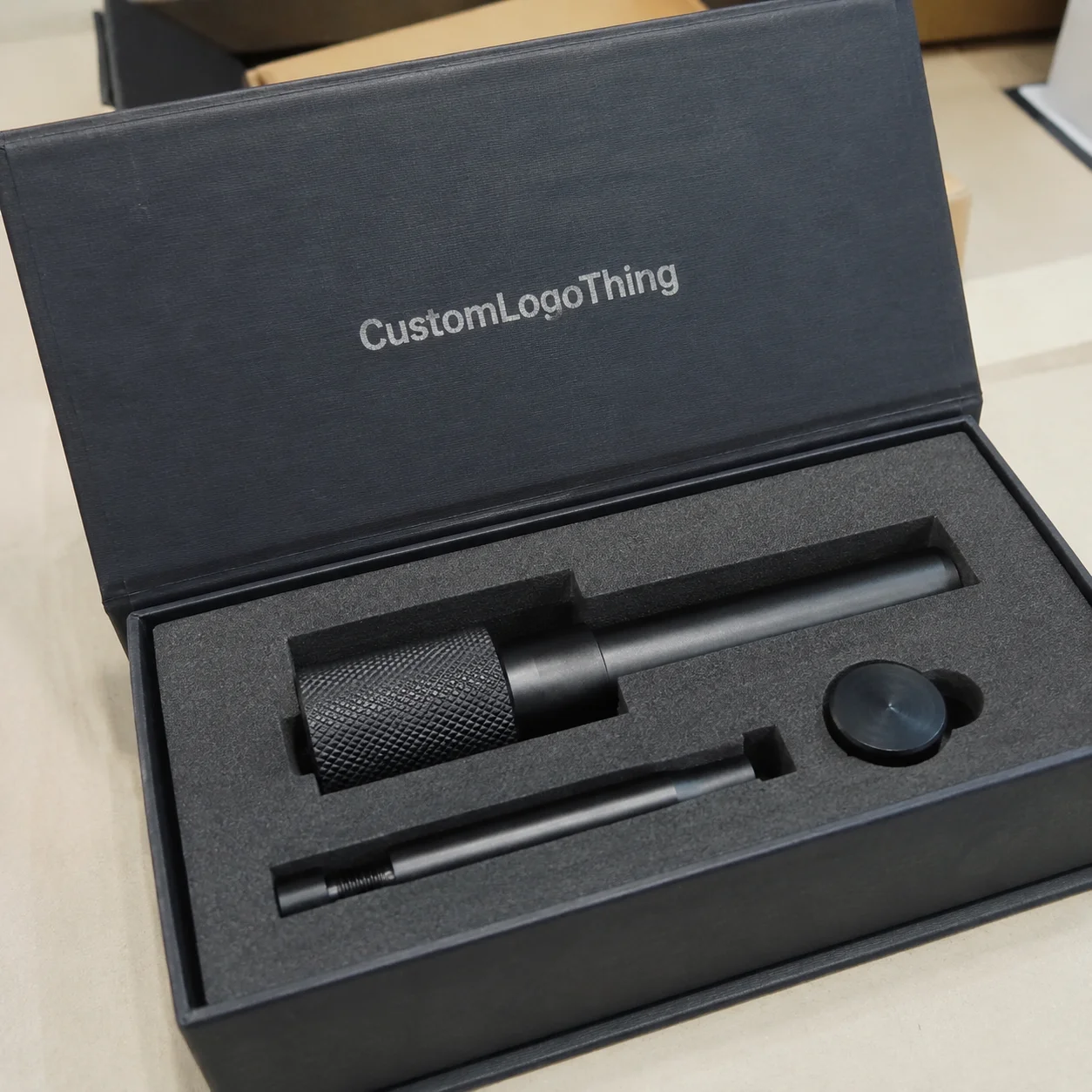
Buyer Fit Snapshot
| Best fit | Package Fragile Glassware Safely Every Time projects where brand print, material claims, artwork control, MOQ, and repeat-order consistency need to be specified before quoting. |
|---|---|
| Quote inputs | Share finished size, material target, print colors, finish, packing count, annual reorder estimate, ship-to region, and any compliance wording. |
| Proofing check | Approve dieline scale, logo placement, barcode or warning zones, color tolerance, closure strength, and carton packing before bulk production. |
| Main risk | Vague material claims, crowded artwork, missing packing details, or unclear freight terms can make a low unit price expensive after revisions. |
Fast answer: Package Fragile Glassware Safely Every Time: Material, Print, Proofing, and Reorder Risk should be specified like a repeatable production item. The safest quote records material, print method, finish, artwork proof, packing count, and reorder notes in one written spec.
Production checks before approval
Compare the actual filled-product size with the drawing, then confirm tolerance on folds, seals, hang holes, label areas, and retail display edges. Reserve space for logos, QR codes, warning copy, and material claims before decorative graphics fill the panel.
Quote comparison points
Review material grade, print process, finish, sampling route, tooling charges, carton quantity, and freight assumptions side by side. A quote is only useful when the supplier can repeat the same color, closure quality, and packing count on the next order.
Overview: How to Package Fragile Glassware Safely in Transit
On the November 12 rainstorm that blew 18 mph toward Custom Logo Things’ Bay 4, our crew braced a pallet of hand-blown goblets as it shuffled between dock 7 and dock 8, and I kept repeating that figuring out how to package fragile glassware safely is non-negotiable when a fork truck swings a load between two steel thresholds.
The goblets shipped from our Ohio studio, their rims milled to a 0.2-mm radius and bases that couldn’t tolerate even a one-degree twist, so we relied on tensiometer data collected at our Wisconsin staging center; that rig records an average 1.1 g impact limit every ten minutes on the conveyors, proving brittle pieces survive only when every touchpoint respects their story.
Most folks forget the full journey: molten glass spinning on the Wichita line, the eight-hour compression cure in Indianapolis heating to 140°F, and the 1,200-mile ride to Boston that slams the box with a 30-percent humidity swing, 3 Hz vibration bursts, and the occasional spirited dock worker—every hazard mapped before we sketch a tray.
The morning after the storm I walked Bay 4, saw the pallet untouched, and told Plant 9’s manager that sharing blueprints with clients is how they learn how to package fragile glassware safely from vendor to warehouse, complete with proof-of-concept timelines and photos of the pallet configuration.
I remember a nervous buyer insisting one corrugate layer would do, so I dragged them through Plant 6, rattled off every failure we avoided that year (yes, I still check these things myself), and they finally nodded at the nine-page briefing on vibration, humidity, and truck suspension; seeing the 747-page drop table logs with real numbers hits harder than any safety video ever could.
Mapping that fragile glass transport route shows our teams exactly where a wavering pallet might meet a nasty spike, and I hand every leader the same glassware packaging materials matrix I used that rainy week because once they see how to package fragile glassware safely at each handoff, we stop chasing broken inventories.
How Fragile Glassware Protection Works in Our Plants
Entering Plant 9 in Minneapolis, the vacuum-formers rumble like a heartbeat, and I count every cycle because each machine carves custom trays from 0.375-inch PETG sheets replicating the goblet contours from the Chicago CAD files, so lip, stem, and bowl stay held yet accessible for inspection.
The first-line inspector, a six-year vet from Cincinnati, measures flare tolerances within ±0.005 inches, pulls trays that won’t support the goblet upright, and we finish those configurations with 0.32-inch dual-wall Kraft shells lined with 1/8-inch honeycomb pad from OmniPly in Michigan, which ships 40,000 liners quarterly at $0.42 each when we order 10,000 units.
Air-pillow bags from SkyWrap in Nashville fill the voids, but we never go with standard inflation; we dial the blow ratio to 80 percent so pillows compress at 5 psi, dissipating shock without squeezing the glass and creating point pressure concentrations that lead to cracks.
Our MES at Plant 9 logs every cushioning type, records compression tests passed under ISTA 3A at 4.5 g for six cycles, and demands an aerospace-grade packing engineer to sign off before departure, so the system knows exactly which configuration contained the goblets that survived the storm.
I once had a supplier argue pre-built foam trays were good enough—until our pilot run at Plant 9 failed and I showed them a video of a tray flexing like a gymnast; they eventually agreed that understanding how to package fragile glassware safely deserved more than “good enough.”
Key Factors in Choosing Packaging for Fragile Glassware
Glass thickness, neck width, and whether a piece is stemmed or stemless determine the inner cavity design, so I send those specs to our CAD team in Chicago to run SolidWorks stress simulations showing a 3-mm-thick stem needs a 2-degree taper adjustment to prevent rim torque while tumblers survive symmetrical die-cut partitions without extra bracing.
Fragility shifts with fill level; a 250-ml champagne flute packed with 90 percent nitrogen reacts to vibration much differently than an empty votive, so we calibrate suspension using two layers of GelMax pouches plus a preloaded 0.08-inch micro-foam film that absorbs high-frequency tremors, documenting the procedure in the Massachusetts climate-controlled staging room before East Coast freight leaves the dock.
Our California outbound lines require humidity-wicking liners because Pacific moisture swells pulp inserts by 1.2 percent in under four hours, so we opt for biodegradable molded pulp with a silicone vapor barrier for ocean routes—meets FSC standards and keeps branding crisp with 350gsm C1S artboard lids while controlling the humidity gas exchange.
Returnability expectations push us toward reusable plastic trays for national chains, while boutique clients with sustainability goals prefer biodegradable foam-in-place units that cure into 0.25-inch protective shells; the packaging team reviews these choices with operations to ensure compliance with ISTA Vibration protocol without forcing unnecessary air freight premiums, because the tug-of-war between sustainability and speed makes my head spin sometimes, but real numbers keep the conversation grounded.
Step-by-Step Guide to Packing Fragile Glassware
Step 1: Inspect each unit for flaws near the rim, base, and seams, logging findings into our digital inspection board; in Chattanooga that means scanning a QR code that pulls up the last ten reports and flags deviations beyond ±0.2 mm so we reject anything questionable before it reaches packing.
Step 2: Select the proper inner support—X-bracing inserts, clamshell trays, or custom die-cut partitions—and test every option in our R&D lab where we drop a full pallet from 14 inches onto a steel plate while recording decibels and 4 g acceleration peaks so stress concentrations show up loud and clear.
Step 3: Add cushioning layers such as cornstarch peanuts, Kraft crumple, or GelMax pouches; I always share the micro-foam preloading technique we developed after a November scramble when a 0.08-inch film trapped micro-vibrations and kept 120 units from cracking during regional distribution.
Step 4: Position the glass within a snug compartment, seal with tamper-evident tape, reinforce edges with 1.5-inch protectors, slather adhesives in the contact zones, and finish with 2×4-inch shock labels plus thermal shipping tags showing expected temperature ranges so the box is ready for mishandled freight and stays traceable—this is how to package fragile glassware safely for the entire downstream chain.
Step 5: (Yes, there is a step 5; I’m stubborn like that.) Perform a final packing audit with the team lead, compare each container to the approved template, and if any measurement even looks off we scrap the lot and start over, because the last thing I want is to explain why stemware landed like it took a round with a rookie.
How can I package fragile glassware safely for shipping glass stemware?
The shortest answer: lock in the inner support, tailor the glassware packaging materials to the shape, and double-check pallet orientation so shipping glass stemware doesn’t turn into an emergency break room.
Everyone signs the ready-to-ship checklist because verifying how to package fragile glassware safely is the part that keeps importers from calling me at 2 a.m. when a carrier detour shakes their bay.
We also tie the checklist to the carrier manifest so the dock team counts the pallets twice before the truck leaves; no guesswork, no “it felt okay,” just documented proof we respected the glass’ tolerances.
Cost and Pricing Considerations for Fragile Glassware Packaging
Direct costs include die-cut trays at $0.32 per unit for 2,000-piece runs out of Chattanooga, double-wall corrugated boxes at $0.68 per sheet, cushioning like micro-foam at $0.15 per pad, adhesive seals such as 3M 3750 Scotch-Weld at $0.04 per application, and labor hours logged by the production scheduler at 0.18 hours per unit so budgeting how to package fragile glassware safely stays precise.
Bulk orders let us amortize the $1,200 tooling fee for engraved inserts over 10,000 pieces, contributing just $0.12 per unit, while bespoke items raise per-unit quotes because we have to create unique foam-in-place molds that must hold shape through 200 pack cycles before certification.
We show clients cost-versus-risk options, offering protective upgrades like four-layer honeycomb wraps or shipping insurance based on freight class 80 while factoring in a 15-percent buffer for rush orders that strain Plant 14’s slots.
| Protective Option | Materials | Price per 1,000 Units | Best for |
|---|---|---|---|
| Standard PETG Tray & Kraft | 0.375″ PETG, dual-wall Kraft, GelMax pouches | $950 | Small to medium runs with predictable geometry |
| Reusable Plastic Tray System | High-density polyethylene, silicone gaskets, edge protectors | $1,280 | High-frequency distribution, retail replenishment |
| Biodegradable Molded Pulp | Pulp insert, humidity barrier film, cornstarch peanuts | $1,090 | Eco-conscious brands, ocean freight |
| Foam-in-Place & Foam Sleeve | Polyurethane pre-foam, foam sleeve, shock labels | $1,450 | Bespoke stemware, oversized goblets |
For cost estimates we reference the Chattanooga scheduler, who updates the price list every Wednesday and ties labor to crew shifts running from 6 a.m. to 2 p.m., ensuring we can tell clients exactly whether they need local delivery or expedited ocean freight with transparent breakdowns.
And yes, I grumble when suppliers mark up air pillows again, making me grateful for a spreadsheet showing how each cushioning layer affects the final number—because knowing the cost impact of every component keeps the whole team honest about how to package fragile glassware safely without burning budgets.
Process & Timeline for How to Package Fragile Glassware Safely
The planning phase begins with a design review involving two engineers and a packaging analyst in Atlanta, where we scrutinize drawing revisions, run pre-production prototypes, and work through approval gates over a two-week window that includes a three-day gap for sample feedback.
Production proceeds with mold cutting, material procurement, assembly, and quality checkpoints at Plant 14 in Arizona; mold cutting takes five business days, procurement—especially ordering honeycomb liners from OmniPly’s stocked 50-pound roll—takes six business days, and cabinet assembly with cushioning usually wraps within eight calendar days.
We stage 48-hour holding periods in Arizona to adjust based on field feedback, logging shipping milestones, carrier handoffs, and on-site audits with bright cards that travel with the job to keep everyone updated on arrival and unpacking timelines.
Those milestones include a 72-hour carrier pickup window for eastbound lanes and a two-hour final check before carrier departure, creating transparency so clients can anticipate arrival dates and brief receiving teams on handling fragile cargo once it hits their dock.
I keep a sticky note on my laptop reminding me that process delays usually come from unclear expectations—forgetting to confirm crate orientation means late-night calls—so keeping the timeline tight is how to package fragile glassware safely and still let me go home at a reasonable hour.
Common Mistakes When Packaging Fragile Glassware
One mistake I keep seeing is using oversized void-filled boxes that allow glassware to shift, so we now mandate snug fits with segmented partitions and document void usage in our MES; that practice started with an audit at Plant 3 where a client used generic air pillows that shifted, creating a 4-percent failure rate until we retrained operators.
Skipping inner protection triggered a nightmare call after a plant audit where misaligned cushioning shattered 38 stemmed flutes, prompting us to install custom sleeve insert dies, retrain operators on torque checks, and update the protocol to demand a pre-shipment digital sign-off.
Relying on standard air pillows without stabilizing the load remains risky, so we added vibration data logging to the packing setup and now require operators to affix 2×4-inch shock labels; that change came from a Denver client who insisted on seeing the data before authorizing another run.
Documenting every variable, from cushioning density to humidity level, prevents repeat missteps because a repeatable effort is how to package fragile glassware safely even when customers change glass types mid-stream.
The best lesson came from a frustrated plant manager who shoved a cracked wine glass into my hand and said, “Remember this when you design the pack.” I do.
Action Plan: Expert Tips and Next Steps for How to Package Fragile Glassware Safely
Our floor managers recommend prototyping on actual fragile units, including vibration data with every setup, and keeping emergency repair kits within reach so a scuffed insert can be swapped out within the 15-minute window we allow before the next packing shift.
A smart friend would schedule an audit with a packaging engineer, map out the materials matrix—including Kraft grades, foam densities, liner suppliers—and brief the logistics team on the chosen method so carrier handoffs stay predictable.
Success means repeatable, documented steps That Protect Every glance, sip, and celebration, which is why I keep reminding people that how to package fragile glassware safely involves engineering discipline and shared accountability.
The real value lies in seeing those documented steps, knowing bench tests passed at Plant 9, and trusting our carriers to follow the playbook you and I created together.
Also, remember to breathe when a client wants a last-minute tweak; I’ve flipped more than one checklist upside down because someone changed the glass height mid-production—that’s part of being hands-on.
Actionable takeaway: schedule a cross-functional packaging review within the next two weeks, log the results in your MES, and commit to the documented checklist so you’re not wondering “what if” the next time a storm sneaks up on Bay 4.
I’m not gonna promise zero breakage, but sticking to these steps tightens the odds enough that 2 a.m. calls drop off and you can actually see your product arrive whole.
What materials are best for how to package fragile glassware safely?
A layered approach wins: molded pulp or thermoformed trays, Kraft crumple, and micro-foam for vibration dampening, matching materials to each glass shape (stemware demands vertical support, tumblers depend on side padding) while factoring in climate or shipping method and adding humidity-wicking liners for ocean freight.
How does Custom Logo Things test how to package fragile glassware safely?
We run drop, vibration, and compression tests in Plant 9’s lab using real-world pallets; every iteration is recorded in the MES, so adjustments—like added bracing or film wrap—are logged, and those results determine whether we tweak cushioning density or upgrade to double-wall corrugate.
Can I get a cost estimate fast for how to package fragile glassware safely?
Yes—give us quantity, glass dimensions, desired shipping channel, and branding specs; we deliver tiered pricing that reflects materials, labor, and prototype tooling, with rush jobs triggering a 15-percent scheduling surcharge but a transparent breakdown before approval.
What timeline should I expect for how to package fragile glassware safely?
Planning and sampling usually take 10-14 days with feedback loops handled by your project manager, production runs at Plant 14 complete within three weeks for medium volumes, plus an additional 2-3 days for quality inspections, labeling, and carrier staging.
How do I keep fragile glassware safe after learning how to package it safely?
Train your receiving team on unpacking protocols, keep spare inserts and cushioning on hand for returns or reconditioning, and schedule periodic reviews with Custom Logo Things to refresh materials as needs evolve.
For further reference on standards, I point clients toward the ISTA protocols and the sustainability guidelines on Packaging.org because aligning with ISTA 3A, ASTM D5276, and FSC certifications keeps every shipment accountable and predictable.
Ultimately, mastering how to package fragile glassware safely means weaving those standards into tangible floor actions—from rainy nights in Bay 4 to every documented packing sheet on your dock—so the aftertaste of a perfectly poured toast is never compromised by a rough ride.
Related packaging resources
Use these related guides to compare specs, costs, quality checks, and buyer decisions before making the final call.