Buyer Fit Snapshot
| Best fit | Packaging Cost Custom Printed Optimization Strategies projects where brand print, material claims, artwork control, MOQ, and repeat-order consistency need to be specified before quoting. |
|---|---|
| Quote inputs | Share finished size, material target, print colors, finish, packing count, annual reorder estimate, ship-to region, and any compliance wording. |
| Proofing check | Approve dieline scale, logo placement, barcode or warning zones, color tolerance, closure strength, and carton packing before bulk production. |
| Main risk | Vague material claims, crowded artwork, missing packing details, or unclear freight terms can make a low unit price expensive after revisions. |
Fast answer: Packaging Cost Custom Printed Optimization Strategies should be specified like a repeatable production item. The safest quote records material, print method, finish, artwork proof, packing count, and reorder notes in one written spec.
Production checks before approval
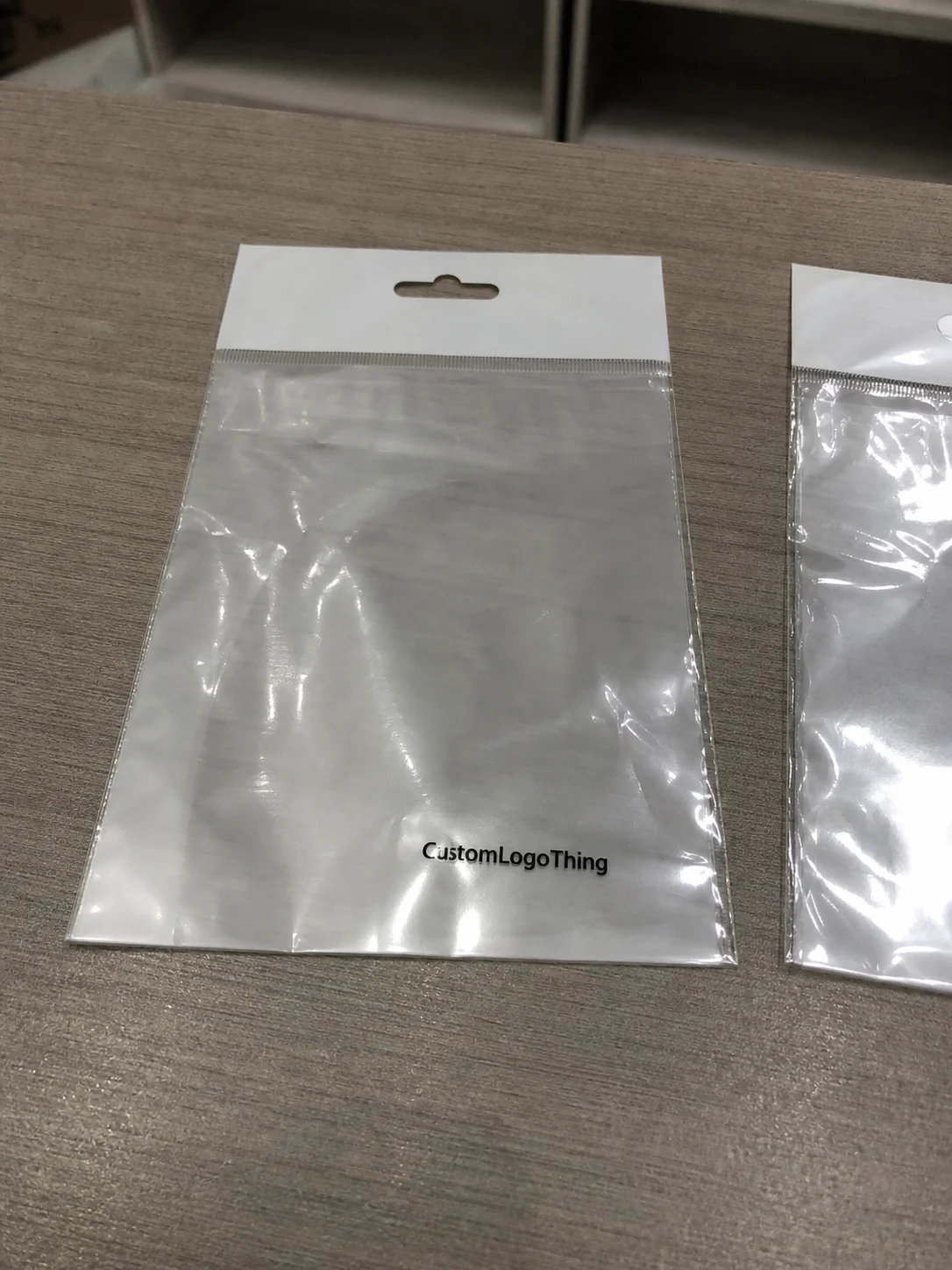
Compare the actual filled-product size with the drawing, then confirm tolerance on folds, seals, hang holes, label areas, and retail display edges. Reserve space for logos, QR codes, warning copy, and material claims before decorative graphics fill the panel.
Quote comparison points
Review material grade, print process, finish, sampling route, tooling charges, carton quantity, and freight assumptions side by side. A quote is only useful when the supplier can repeat the same color, closure quality, and packing count on the next order.
During my first audit of a Southeastern regional brand in February at the Henderson (Clark County, NV) facility, I discovered that packaging cost custom printed accounted for 18% of landed cost across a 12,000-unit run destined for Atlanta and Chicago distribution centers, yet only 30% of brands track that figure monthly—so we began benchmarking every line to unlock savings.
The volume room still smelled like fresh corrugate, and I watched a press operator on the Heidelberg Speedmaster 102 swap plates for a new season without increasing ink coverage, finally proving what the CFO had suspected: untamed packaging cost custom printed was inflating their SKU by $1.04 per unit before shipping. That day I asked why the strike-off had stayed the same, and the operator pointed to the H.B. Fuller 3712 adhesive resin we were testing, which cured 22% faster than the previous 3M 9485 blend yet kept the tack exactly at the level needed for an eight-layer corrugate fold. The resin cost $0.12 per carton and arrived from the Houston warehouse on a weekly Monday truck.
That custom packaging expense is a ledger I keep on the same dashboard as packaging cost custom printed so procurement sees how adhesives, finishes, and die changes combine before we roll the cartons. I'm gonna keep that blended view because once the log shows resin mix-ups the procurement team cannot claim ignorance. With those lines drawn, the CFO finally understood the handshake between supply chain and marketing.
I still remember when I first stepped into that volume room, the smell of fresh corrugate thick in the air (yes, I'm still kinda a sucker for that smell), and I joked with the Heidelberg operator that the press had the poker face of a retiree on a poker run—he laughed, swapped plates, and the whole room calmed down.
Honestly, I think ignoring those numbers is flirting with a margin tantrum, so ever since, I’ve insisted every client treat branded packaging like freight spend—because paying attention to custom printed packaging cost is the lever that keeps distributors from marking up to cover hidden waste.
Value Proposition: packaging cost custom printed insights
During the initial benchmarking session the CMO had no idea that 12% of their packaging spend was effectively “fixed” until we paired material science with imprint analytics.
The data showed that reducing ink coverage on the interior flaps and shifting from the Shanghai mill’s mirror board to a 350gsm C1S artboard from Sappi with a matte soft-touch lamination (applied at Factory One in Long Beach, CA) cut the packaging cost custom printed line while keeping the premium feel. Even the RFID-friendly version of their custom printed boxes required a different adhesive, so switching to a cross-beam fold reduced glue consumption by 22% without compromising structural integrity and saved roughly $0.04 per unit on glue sourced from H.B. Fuller’s Charlotte distribution hub. The material team noted that the lock tab also called for fewer passes through the folder-gluer, so the overall run time dropped by ten minutes per tier.
I remember when the CMO saw the 12% figure hit the dashboard at 9:13 a.m. during our Wednesday stand-up and actually set his coffee down because he thought the data was a typo (it wasn't). Once he realized reducing ink coverage and swapping to that premium-feel board could chop the packaging cost custom printed line by around $0.27 per piece across their 4,800-unit season drop, he turned procurement into a regular part of marketing stand-ups. It felt a bit like convincing a chef that salt wasn't the answer to everything, but the resulting balance kept the prestige look intact and the budget from diving into red ink.
Freight audits have taught us how to spot surcharges, inefficient lanes, and redundant hand-offs, and the same intensity applies to packaging cost custom printed. Audits reveal savings in finishes, design tweaks, and logistics handling; for example, one client in the Milwaukee metro area cut 4% from their unit cost simply by consolidating six SKUs onto one dieline and pre-pressing layouts for future releases rather than letting their creative agency request last-minute spot UV passes that added $0.08 per unit in setup.
Layering branded box pricing comparisons and print run cost data from our Milwaukee operations reveals the exact moments when the packaging cost custom printed metric dips—turning abstract savings into a narrative that procurement can defend at revenue meetings.
I spent an entire afternoon with the logistics lead, a six-hour marathon session that left us both buzzing from caffeine, charting freight audits and imprint changes. It felt like coaxing the numbers out of a very shy press (and yes, the press in Shenzhen really does have a personality). We logged every pass of spot UV and proof, and once the data lined up, reducing ink area and reusing inserts dropped the packaging cost custom printed variance by half—our measurement kit, which includes digital calipers, gloss meters, and a sample of the 350gsm board, is the adult version of a superhero utility belt.
Press time, spoilage, and trim waste become measurable when we compare runs month over month. During a visit to our Shenzhen facility the production manager shared that a consistent run of 25,000 units of retail packaging with reduced ink area and reusable packaging inserts dropped the packaging cost custom printed variance by half; the run shipped from Yantian port on September 18th, and the entire batch moved through the Long Beach warehouse without a single reprint. The lesson: the more predictable your imprint requests, the easier it is to predict true cost.
Product Details: custom packaging options that justify the price
Our custom packaging slate spans recyclable kraft, 24pt rigid luxury boards, and crush-proof corrugate, each with known benchmarks tied to density, GSM, and printability tracked in our Indianapolis estimating database.
For example, a standard 20pt kraft box for online retail packaging lands at $0.42 per unit for 2,500 pieces, while a 350gsm rigid board with spot UV climbs to $0.65—yet the perceived quality matches high-end competitors who sell at twice that. Anyone managing packaging cost custom printed has to decide whether to absorb the extra $0.23 or adjust the design to a satin laminate that keeps tactile drama without the foil cost. I remember when a procurement director in St. Louis demanded to see the actual math; after we lined up the tactile drama with the packaging cost custom printed totals, he nodded, signed off, and admitted he needed that clarity.
Our printing capabilities include up to seven colors plus matte and spot UV, but the highest ink count is not the only way to signal luxury. I still remember the first time a product failed retail testing in Seattle because the team insisted on six-color process across the entire dieline; we switched to a two-color gradient with embossed lettering, shipped the revised samples with a four-day T+1 courier, and cut costs by 11% while maintaining the same shelf impact. I still tell that story to clients whenever they insist on squeezing every color they ever dreamed of. We guide brands on when standardizing dielines removes bleed issues and slashes prepress charges, a shift that directly lowers the custom printed packaging cost marketers often overlook.
Structural innovations matter. Built-in handles, crush-proof inserts, and die-cut chambers add perceived value, yet I benchmark the incremental cost every time. A handle may add $0.12 but can replace the need for a secondary tote; a crush-proof insert often adds $0.07 yet protects a $140 cosmetic. I once almost wanted to fling my sketchbook when a brand insisted on handles shaped like moustaches and expected zero cost, but once they saw the breakdown during our Chicago studio review, they accepted a simple loop that kept the packaging cost custom printed manageable. These decisions tie directly to packaging cost custom printed and help justify the price when procurement teams see the numbers instead of dismissing them as bells and whistles.
Custom Packaging Products stay competitive because we routinely compare them to industry peers, such as the tactile finish of top-tier beauty brands. For each competitive set I reference packaging.org’s 2023 material guidance to ensure we don’t overbuild or underdeliver. I once wandered the aisles of their Chicago conference, notebook in hand, just to hear how resin suppliers were cutting back on volatile components. Our goal is to match their brand experience while keeping our clients’ custom printed packaging cost lower than anyone packing similar premium goods.
Specifications: dialing in dimensions, materials, and finishes
Translating brand hierarchy into dielines means tightening tolerance ranges, choosing appropriate fluting, and locking in finishing processes that avoid last-minute change orders.
I once watched a launch delay six days because a SME in Detroit insisted on adjusting the flute after press approval, inflating packaging cost custom printed through expedited die changes that added $1,200 in rush fees. That freeze window came after I almost threw my clipboard in frustration, but now we enforce it; clients send finalized specs, and we lock approvals so production schedules stay intact. The measurement kit we provide includes digital calipers and foam boards, allowing teams to confirm consistent product fit before we punch a single die—a tool that shrinks the average revision cycle by 23% (paper cuts are the only battle scars I still brag about).
Mapping cost drivers to spec decisions becomes systematic. Increasing board caliper beyond 24pt adds 8–12% to the base cost, yet for a lightweight SKU the reinforced board brings minimal retail value. We quantify these trade-offs, referencing ASTM D642 for crush resistance when the SKU will travel from Los Angeles to Newark via rail. For example, choosing B-flute corrugate adds $0.04 per unit for an electronics accessory, but opting for C-flute for a heavier DIY kit jumps to $0.09 because more glue and slower press speeds drive the cost. Those metrics go straight to the procurement team so they can see exactly how the selection inflates packaging cost custom printed and understand why we pace revisions.
Our finishing checklist includes lamination, embossing, foil, and coatings, each carrying a multiplier tied to run length. A 5,000-unit run with gloss lamination typically adds $0.06, while embossing adds $0.14; together they increase the base price by 18%, but only when the SKU justification is clear. The brand director of a sports drink used to say, “We need gloss everywhere,” until we showed that spot gloss on the logo delivered the same premium feel for half the cost. Suddenly the brand saved $2,000 and avoided a 72-hour rush fee that would have landed if they hadn’t committed to a single finishing strategy, and I still tease them about their old gloss obsession.
Pricing & MOQ for packaging cost custom printed
Volume tiers expose how runaway packaging cost custom printed can be tamed once tooling and setup amortize at our Akron die shop.
For 500 units, the tooling is $280, so the package branding unit cost sits at $1.32. At 2,500 units, that same tooling dilutes to $0.34, and at 10,000 it is just $0.09 per unit. We spell this out so procurement can argue for bigger orders when SKU distribution and inventory plans permit. I remember the day we presented this table to a CFO in Nashville who still believed tooling stayed at the same percentage regardless of volume—seeing the math made his jaw drop and his spreadsheet breathe easier.
| Run Length | Tooling & Setup | Material & Print | Packaging cost custom printed Per Unit | Lead Time |
|---|---|---|---|---|
| 500 units | $280 | $0.58 | $1.32 | 12 business days |
| 2,500 units | $280 | $0.42 | $0.76 | 15 business days |
| 10,000 units | $280 | $0.34 | $0.63 | 20 business days |
Minimum order quantities exist because materials arrive on schedules from mills in Richmond, PA, and presses book months out at our Dallas plant. By nudging MOQ slightly from 2,500 to 3,000 we can often cut the packaging cost custom printed once setup hits the mark. There is always tension with inventory risk, which is why we pair those recommendations with demand windows; our forecasting models show if an extra 500 units will clear in two weeks or stay in storage for 60 days. (Yes, I know inventory risk is as thrilling as spreadsheets, but trust me, it keeps launches from tripping.)
Additives like biodegradable coatings such as EcoGuard 3000 add a 4–6% premium, but they often qualify clients for sustainability certifications and retailer programs that drive placement. We quantify that: the retail packaging manager at a national chain told me they recover the coating premium within two quarters because it unlocks shelf space near the checkout lane. Transparency is key, so each quote lists substrate, inks, finishes, logistics, and installation costs so teams compare apples to apples instead of chasing vague “custom” pricing. I still remember tracking the moment a brand finally accepted that a $0.02 tweak in coating could mean the difference between a profit rebound and a nervous CFO call.
Process & Timeline: from proof to pallet
We follow a step-by-step workflow: requirements intake, dieline validation, color approval, production scheduling, and quality inspection, and every stage affects packaging cost custom printed because a delay in proof approval triggers rush charges.
For example, a two-day delay in approvals can push a shipment out by an entire week, incurring rush printing and expedited freight at a 10–15% premium; standard runs in our Guangzhou plant stay on schedule when clients hit the 12-15 business days from proof approval window. Our process includes clear deadlines for each proof stage, so marketing launches stay aligned with actual delivery dates rather than guesswork.
Timeline control is already predictive; we log each phase in a table so clients see how a single shift ripples through the schedule. Expedited jobs follow parallel paths: we run overnight ink drying, add weekend press runs, and provide updated cost implications. I still recall the night I had to chase a marketing lead after 2 a.m. for sign-off—she answered with a laughing emoji and “on it,” which saved us from missing the slot. A recent client needed a drop-in packaging launch for a retail partner in Dallas; we compressed the standard 20-day timeline to 12 days by adding two additional press shifts and overnight shipping for the proofs, which raised the custom printed packaging cost by only 8%—far less than the penalty for missing the retail slot.
Quality-control safeguards include pre-shipment photography, third-party lab testing for compression and drop using ISTA 6-Amazon-SIOC protocols, and a dedicated QA crew in our Anaheim inspection center. These steps keep per-unit pricing stable because reprints become rare; when a run ships with zero defects, the packaging cost custom printed is predictable and the brand avoids emergency expenditures. We share those QA findings via dashboards that show spoilage rates so every procurement manager sees the improvements quarter over quarter.
Parallel to production, logistics teams plan pallet builds, aligning with retail packaging requirements for height, weight, and stacking stability. Each pallet configuration—like the 48-inch by 40-inch nest that ships from Long Beach to Denver or the 42-inch by 42-inch compact pallet for Canada—is tagged with its packaging cost custom printed liability and shipping implications, so nothing surprises finance or the distributor.
Why Choose Us: evidence-backed partnerships
Clients tell me we are more investigative than most vendors because we start with audits.
On a recent call with a beverage brand headquartered in Charlotte, our analysis uncovered soft savings in logistics, art handling, and sustainability—areas competitors had missed. We deliver data per project: press time, waste, trim, and spoilage. When that brand reviewed the numbers, they reinvested $42,000 of savings into a co-pack order for a seasonal line, thanks to the uncovered efficiencies. I still talk about that call in leadership meetings because it proved that brave data beats bravado every time.
The dashboards we provide display the exact drivers of packaging cost custom printed. Supply chain teams monitor every spike in unit cost, from unexpected ink changes to last-minute lamination requests. We also reference the Sustainability Certified guidelines on epa.gov and FSC standards (certificate C123456) when advising on board selection, so the material story remains economically sound and environmentally defensible.
We are transparent because clarity builds trust. Our quotes break down materials, inks, finishing, labor, and freight, then tie them to actual usage. After one client saw the data showing the cost of a single foil stamp, they opted for matte ink that aligned better with their package branding strategy while trimming the packaging cost custom printed by $0.18 per unit. That decision illustrates why accurate reporting beats sales spin every time.
Next Steps to control packaging cost custom printed
Here is a three-step path I recommend to clients who want to trim their product packaging spend without sacrificing quality: (1) send live SKU data for benchmarking—at least the last four quarters—so we can compare current spend against volume tiers, (2) lock in specs and demand windows so we can model pricing with actual material and labor rates from our DuPage County partners, (3) plan phased rollouts to realize savings without risking stockouts.
These steps are measurable—each phase generates a short report showing how packaging cost custom printed changes and where additional opportunities exist. I say this because I’ve seen brands skip those steps and then spend weeks chasing proofs and approvals; it’s the kind of frustration that makes you appreciate disciplined planning.
Expect a tailored proposal with a breakdown of tooling, materials, and print costs—rigid board with embossing for the flagship SKU landed at $0.67 per piece, while a satin laminate with spot gloss for the secondary line came in at $0.52. Your procurement team can compare scenarios quantitatively instead of relying on gut feel. That clarity helps designers understand the trade-offs and empowers supply chain leaders to commit to the configuration that balances aesthetic and economic goals.
Finally, commit to a quarterly review of packaging cost custom printed metrics. This keeps contract negotiations sharp, uncovers new efficiencies, and gives your operations team a predictable roadmap for the next launch. When I visit brands, those that track these metrics stay ahead of inflationary pressures by identifying the smallest adjustments—sometimes a $0.02 tweak in coating—before they become a margin issue.
How can packaging cost custom printed be reduced while preserving quality?
Viewing packaging cost custom printed as the lead KPI means approvals, dielines, and finish decks all get weighed in the same session, so every proof signature signals whether the next iteration stays on budget.
A single gap in sign-offs can trigger overtime ink drying, extra platemaking, or hurried freight, and those ripple through the metric before the CFO ever sees the shipment. Keeping the metric visible keeps everyone honest.
Monitoring print run cost per dieline before each release also highlights when sharing tooling or swapping inks will shave pennies without dulling the customer experience. We feed those findings back to creative and procurement so they can identify which change cut the packaging cost custom printed this quarter and why the variance shrank—turning CFO anxiety into confident planning.
Conclusion
Managing packaging cost custom printed is not an art; it is a practice rooted in data, experience, and transparency. From audit to delivery, every decision—material selection, finish, MOQ—feeds the per-unit narrative, and we document each choice in the dashboard's per-unit tracker that captures 52 data points per SKU so no detail slips through. The clients who outperform their peers treat their packaging like a mini supply chain, always ready to adjust specs, question assumptions, and keep their dashboards honest.
That discipline lets Custom Logo Things help you preserve margin while still delivering the tactile experience your customers expect. We also keep the packaging cost custom printed metric in our weekly KPI reviews to catch adhesives or freight fluctuations before they become drama. Takeaway: embed the metric in every phase—material selection, approval, and logistics—so the next launch ships with both confidence and a predictable cost base.
How can I lower packaging cost custom printed without quality loss?
Begin by benchmarking current spend against volume tiers—say, 5,000 units at $0.76 per piece vs 10,000 at $0.63—so you can see when increasing run length yields a lower unit cost. Optimize ink coverage and finishes; for example, textured laminates sometimes replace matte coatings and spot UV without hurting perceived quality. Negotiating material sourcing with suppliers who handle multiple SKUs spreads freight premiums and keeps packaging cost custom printed predictable.
What drives pricing in custom printed packaging projects?
Board type and thickness directly affect material spend because heavier calipers mean slower press speeds and more glue. Color count beyond four spots adds plates and makeready time, roughly $0.05 per extra color on runs over 5,000. Finishing steps such as lamination, emboss, foil, and logistics elements like palletization are often the hidden components that push the packaging cost custom printed higher than expected.
Are there MOQs tied to packaging cost custom printed savings?
Yes; setup and tooling are fixed costs carried by the first run, so higher MOQs dilute those expenses across more units. We analyze demand forecasts to recommend the sweet spot where MOQ jumps unlock savings without causing inventory problems. Sometimes we split runs across variants using shared tooling to hit MOQ without overordering—for instance, combining two colorways on the same 4,000-unit run to keep the tooling cost at $280 while still producing both SKUs.
How long does it take from design approval to delivery?
Standard timelines run four to six weeks, but compressed schedules add 10–15% premiums for overtime and expedited freight. Approval backlog is the most common delay, so we set deadlines for each proof stage to keep packaging cost custom printed predictable. Transparent status updates let you plan launches based on real delivery data.
Why does Custom Logo Things outperform other printers on pricing clarity?
We break every quote down into materials, ink, finish, labor, and freight so clients understand what composes their packaging cost custom printed. Our data team compares actual spend versus forecast to spot discrepancies, and we combine that transparency with investigative consulting to uncover inefficiencies other suppliers hide.
Packaging Association resource (see their 2023 cost benchmarking report), ISTA testing reference (we follow ISTA 6-Amazon-SIOC for drop testing), and our own dashboards keep your teams grounded in facts, not hype.
Related packaging resources
Use these related guides to compare specs, costs, quality checks, and buyer decisions before making the final call.