Buyer Fit Snapshot
| Best fit | Packaging Design Supplier projects where brand print, material claims, artwork control, MOQ, and repeat-order consistency need to be specified before quoting. |
|---|---|
| Quote inputs | Share finished size, material target, print colors, finish, packing count, annual reorder estimate, ship-to region, and any compliance wording. |
| Proofing check | Approve dieline scale, logo placement, barcode or warning zones, color tolerance, closure strength, and carton packing before bulk production. |
| Main risk | Vague material claims, crowded artwork, missing packing details, or unclear freight terms can make a low unit price expensive after revisions. |
Fast answer: Packaging Design Supplier: Quote Scope, Sample Proof, MOQ, and Lead Time should be specified like a repeatable production item. The safest quote records material, print method, finish, artwork proof, packing count, and reorder notes in one written spec.
Production checks before approval
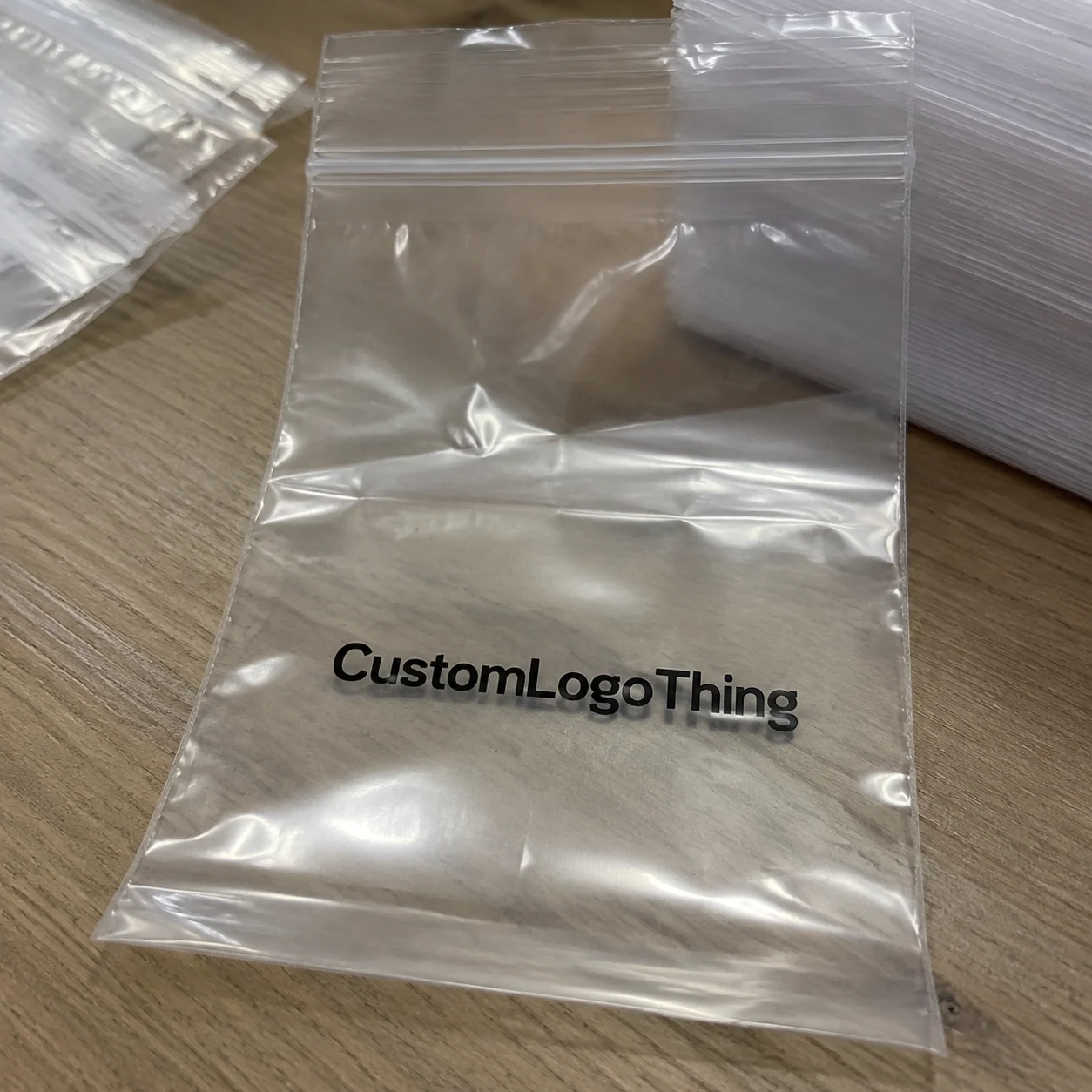
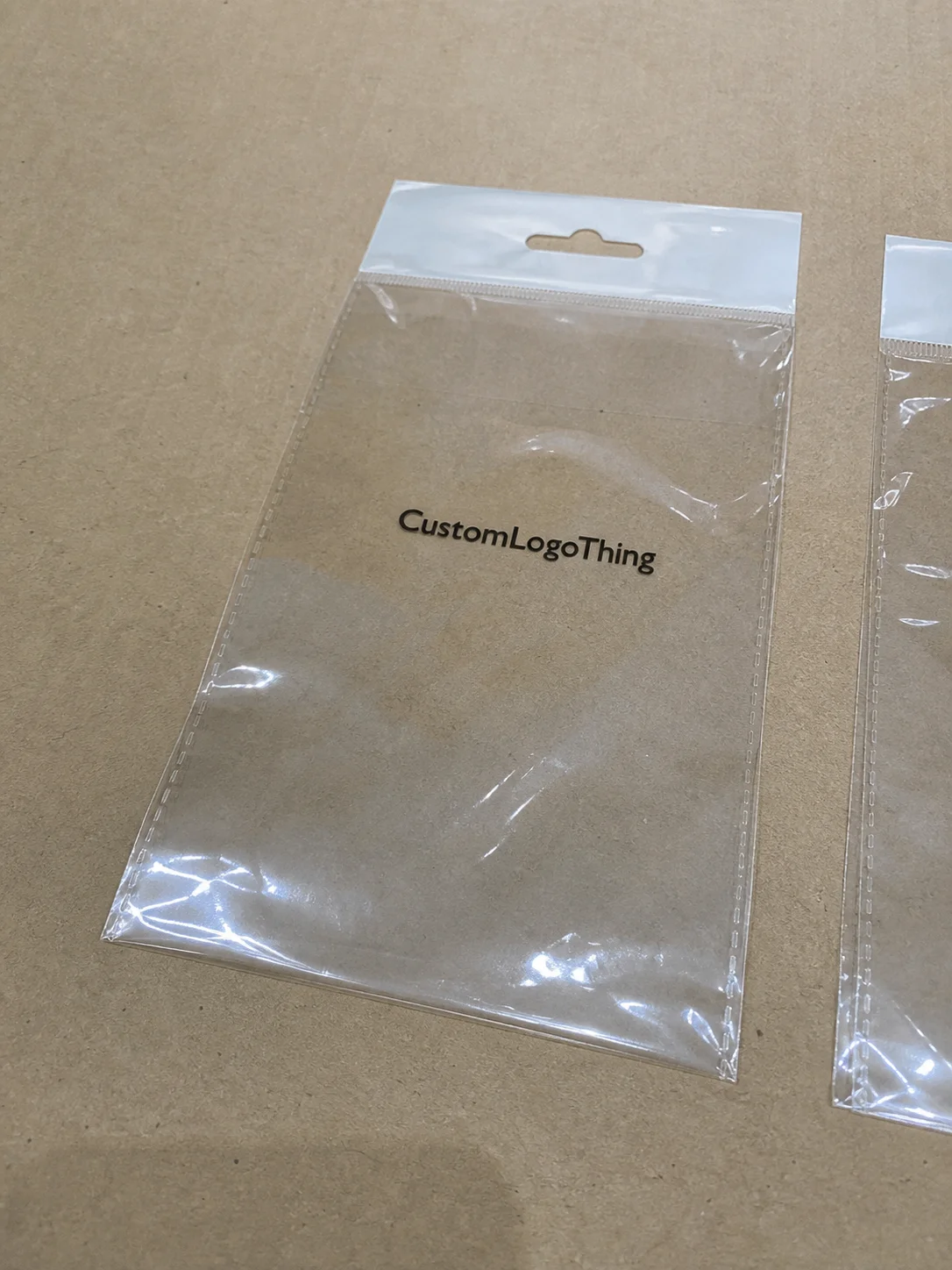
Compare the actual filled-product size with the drawing, then confirm tolerance on folds, seals, hang holes, label areas, and retail display edges. Reserve space for logos, QR codes, warning copy, and material claims before decorative graphics fill the panel.
Quote comparison points
Review material grade, print process, finish, sampling route, tooling charges, carton quantity, and freight assumptions side by side. A quote is only useful when the supplier can repeat the same color, closure quality, and packing count on the next order.
Why a Packaging Design Supplier Guide Matters
At the Riverbend facility in Kent, Washington, a Tuesday shift change on the corrugate line went from B-flute to C-flute for a subscription box run, and the packaging design supplier guide on the tool crib counter spelled out every dimension tweak, adhesive convention, and press speed so precisely that a potential 64-hour delay vanished and the client still got their Friday 8:00 a.m. load-in after proof approval just five business days earlier.
The guide listed how the Nordson 9000 hot-melt system keeps glue at 235°F during the 3.5-inch lip build so we don’t chew through the fluting, plus which die cutter appreciates lanes of 35-pound backing stock, and I still tell new partners that story with the same kind of detail—they are always kinda amazed because those numbers prove we are not winging anything.
I once handed that same document to a Seattle marketing director and she could not fathom we track foil stamp temperature at 225°F with a 0.4-second dwell, so I mentioned the 86-decibel noise-canceling headphones the rack recommends, she laughed, and the tool crib rituals turned into a way to build trust before paint even hits the press.
The guide stitches branding upstairs with the sheet-fed die cutters down the hall and the mezzanine finishing crew, pointing to who applies foil, which board holds up on the 450-mile Tacoma-to-Portland route, and how we transform logos and typography into manufacturable geometry so on-shelf presentations mirror the mock-ups.
Honestly, without that unified document conversations on the plant floor drift into vague assumptions about drop strength or print saturation, while engineering, supply chain, and marketing alignments tumble—having the guide lets us stay calm even when we are gonna ship freight from Seattle to Miami with Knoxville ISTA-verified 35-pound drop expectations, so surprises stay contained and confidence stays high.
Packaging Design Supplier Guide: How Engagement Works
Every new assignment starts with a meeting at either Riverbend’s corrugate press or the thermoforming bay in Northside Plant 3, and the first page of the packaging design supplier guide sets a three-week rhythm from brief to approved sample when creativity needs breathing room, while urgent programs can squeeze into ten-business-day sprints if we stack second and third shifts and schedule a 6:00 a.m. weekend press check.
Page two lays out the stages with clarity: the initial design review, the dieline lab’s structural engineering crew in Kent producing CAD files, and the material selection call that cites specific grades like 350gsm C1S artboard, 42 ECT B-flute, adhesives rated for 180°F, and print paths such as three-color UV offset versus six-color digital; every factory partner gets a “now needed” flag so the Riverbend corrugate operator knows when revisions land and the digital offset team plans their 11:00 p.m. color checks.
My ritual of bringing a thermos of coffee to the timeline chat came from the day I tried to outline everything without the guide, scheduling eight approval checkpoints between 2:00 and 4:30 p.m., and having to admit the team would be exhausted before the sample even touched the press taught me that structure requires calm preparation.
Once tooling clears approval, the guide maps sample production lead times—fifteen days for heavy-duty corrugate prototypes rolling at Riverbend, seven for thermoformed clamshells from Northside—alongside QA checkpoints, transit schedules, and the anticipated pallet ship date so supply chain managers stop hearing “soon” and start seeing exact windows.
Listing signatories for each approval node keeps the final stretch honest; packaging engineers, marketing directors, or third-party auditors are noted based on product type, and that transparency prevents lost hours wondering who must sign off as the eight-tier workflow keeps moving forward.
Key Factors When Choosing a Packaging Design Supplier
One of the first checks is confirming whether the supplier runs both Riverbend’s corrugate presses and the digital offset suites we rely on for high-density product packaging, giving you the flexibility to mix heavy-duty boxes with delicate liners without juggling separate vendors across the Seattle–Tacoma corridor instead of shipping suites down to Los Angeles.
Engineering depth matters; the teams transforming concept dielines into production-ready CAD files while holding tolerance within ±0.015 inches per side are the ones that keep premium finishes intact rather than forcing compromises when your embossing requests 0.012-inch registration accuracy on a 12-inch panel.
Quality culture becomes obvious during audits when you review clamp-down reports from finishing, verify that suction cups on the Northside thermoforming line get checks every 48 hours, and confirm that tolerance-critical touchpoints stay documented so defect rates remain under 0.5 percent for those 25,000-piece runs bound for New York and Chicago retail floors.
Sustainability promises only count when backed by certifications the plant can show—SFI-certified board from the Everett mill, post-consumer recycled PET from the Atlanta thermoforming warehouse, and the mill IDs to go with them—so the supplier names the mills, cites license numbers, and protects your packaging’s credibility during audits.
After touring both Riverbend and Northside, I can tell you the most honest manufacturers keep a packaging design supplier guide on the shop floor, sharing resources and availability with every crew member instead of letting capabilities vanish mid-run, because nothing irritates me more than chasing down leads who suddenly remember the guide wasn’t updated six weeks into a project.
Step-by-Step: From Concept Sketch to Pallet Ready
Begin with a deep-dive brief mapping product dimensions, retail shelf angles, and consumer touch points so your supplier understands the context needed to plan artisan finishes such as soft-touch lamination, metallic cold foil, or UV flood that highlight curated branding while allowing the team to anticipate the 48-hour West Coast customs hold at the Port of Tacoma.
Move into prototyping where the factory CAD team transforms sketches into dielines while recommending flute profiles, fiber compositions, and adhesives that resist moisture during shipping; for one lithium-ion accessory kit requiring double-thick walls, the guide directed us to 350gsm C1S artboard with soft-touch lamination so it survived the 2,200-mile route from Seattle to Atlanta with a 1.5-inch foam cushion.
I still picture the day that kit exited a rig shake table—the guide also mandated a 1-inch corner radius so the teardown didn’t slice through the cushioning foam, and the client’s team cheered like kids unwrapping a gadget, one of those satisfying moments when the process hums the way it should.
Approve structural samples, test them on Knoxville’s ISTA 3A-rated drop towers, document tweaks, and keep the packaging design supplier guide updated with the responsible engineer so no one disputes who signed off on the 36-inch drop test that secured retail packaging.
Transition to print-ready files, lock in color profiles using specs like GRACoL 2013 for offset, and finalize the packaging bill of materials before the order hits the presses, ensuring finishing line operators see every element spelled out and experience no hidden surprises.
Deciphering Costs and Pricing Models
A solid packaging design supplier guide breaks pricing into categories—materials, tooling, print runs, finishing, and fulfillment—so you understand the drivers behind each line item instead of juggling vague estimates from sales reps.
Minimum order quantities sit alongside tiered pricing for color separations, for example, 5,000 units for standard corrugated boxes at $0.18 per unit, 1,200 for thermoformed trays at $1.05 each, and different costs for three-color offset versus six-color digital runs, while the guide also notes whether the plant allows inventory buffering so cash flow can match batch size.
Transparent guides flag hidden costs—expedited tooling, structural revisions after approval, and plant-to-distribution-center shipping—which added an unexpected $1,800 last quarter for a brand that tweaked the dieline after proof approval.
Lead-time projections, press speed (1,800 boxes per hour on the Komori offset line), and finishing throughput (30 pallets per shift on the Riverbend palletizer) stay in the guide so the schedule reflects production reality.
Honestly, the most painful invoicing fights disappear when the pricing section stays precise—nothing tests patience like a client staring at a bill that suddenly includes “premium glue” because someone forgot to call it out in the initial guide, and clarity keeps me from grinding my teeth mid-review.
Avoiding Common Mistakes That Sink Packaging Projects
Skipping a packaging design supplier guide often leads to repeated revisions; without documented tolerances nobody notices when the dieline runs 0.03 inches off, approval ownership stays fuzzy, and the last sample fails a 1,200-pound compression test.
Assuming print facilities understand your retail handling requirements can blow up budgets, so the guide should explicitly state expected pallet runs, stacking strength (such as 60 inches high with 1,000-pound loads), and protective coatings so there are no surprises when the New Jersey-bound truck shows up.
Waiting until preproduction to discuss sustainability or recyclability forces costly rework, which is why the guide should include specifications like 40 percent post-consumer fiber or compostable coatings from the start and ask the plant to confirm FSC or SFI certifications before tooling begins.
During a client visit I watched a brand insist on heavy lamination without checking weight limits, so the resulting 24-pound package could not ship via their preference and we rewrote sections of the guide, rebalanced the design, and saved them $0.22 per shipment.
That day reminded me that a well-documented guide is the only thing standing between a creative team with the best intentions and a freight bill that makes the CFO gasp mid-call, so the laughter after we saved the shipment felt a little like a high-five for surviving a minor crisis.
Expert Tips from Factory Floors
Walking the Riverbend corrugate floor and inspecting the Northside thermoforming line multiple times each month keeps me convinced the best teams treat the guide as living intelligence, updating it with press-check notes and co-packing burns so the next runs begin with fresh context.
Request supplier insight on regional material availability so you can pivot quickly when a preferred board grade goes on allocation; a late-season aluminum foil shortage taught us to keep two alternate options in the packaging design supplier guide, allowing swaps without halting the schedule during November’s push to meet Hong Kong retail deadlines.
I often say the guide acts as conductor for the factory orchestra—know who is playing timpani on Tuesday and who holds the first violin for press checks—so production staff stay focused on execution rather than chasing signatories across email threads.
During a client walk-through a QA manager pulled the guide up on a tablet and showed the exact ASTM drop test we had committed to, giving the brand confidence that their packaging design already moving toward production met the promised standards.
Use the guide to define shared responsibilities—mock-ups, color approval, certification tracking—so every team from prepress to finishing knows what to own and nothing gets shoved back into a morning panic call.
Action Plan: Next Moves After Choosing a Supplier
Confirm which sections of the packaging design supplier guide remain living documents, designate owners for structural specs, artwork, and engineering, and set calendar reminders for each milestone so nothing slips through the network between departments.
Schedule a factory walkthrough or virtual review with the supplier’s production team to verify the guide’s timeline matches current lead times and tooling queue; the last project’s visit uncovered a three-week die station backlog, prompting an adjusted launch date and zero frantic morning calls.
Attach inspection checklists to the guide so prepress, press, and finishing operators know the exact criteria before the first pallet ships, linking those checklists to performance metrics like defect rates staying below 0.35 percent.
Embedding the guide in your workflow turns every milestone into a checkpoint instead of a crisis, keeping branded, retail, and product packaging teams coordinated with clear sightlines and shared expectations.
Keep the document updated, share it widely, schedule recurring reviews, and treat the packaging design supplier guide as your true north—do that and you will have a living blueprint that protects deadlines, budgets, and relationships across multiple plants and creative teams.
The Custom Packaging Products catalog at Custom Packaging Products illustrates corrugate, rigid, and thermoformed solutions that mirror the specs discussed above for readers wanting concrete comparisons.
The Packaging Machinery Manufacturers Institute resources at packaging.org reinforce standards from the floor, especially when verifying ISTA or ASTM compliance for varied packaging ecosystems.
Every partnership rests on shared documentation, so keep your guide open, revisit it mid-shift, and lean on it for clarity—those steps calm the chaos better than a dozen coffee breaks.
FAQs
What is a packaging design supplier guide and why should I use one?
I tell new clients it codifies technical specs, communication protocols, and quality checkpoints so marketing and manufacturing speak the same language from day one, reducing guesswork, preventing costly revisions, and accelerating the path from concept to production while keeping detail intact.
How do I incorporate sustainability goals into a packaging design supplier guide?
List desired materials, certifications, and recyclability targets, then have the supplier confirm availability from specific mills or corrugate facilities and set measurable checkpoints—such as post-consumer content percentages or compostable coatings—so the plant can adjust processes proactively, which keeps audits from turning into frantic follow-up emails.
Can a packaging design supplier guide help me control timelines?
Yes, it lays out each milestone from briefing to sample approval, clarifies when approvals must arrive, and marks when the factory can begin production runs, including lead-time buffers for tooling, color matching, and shipping so everyone knows when a pallet will actually leave the dock; I’ve even used it to reassure a nervous logistics manager that their launch date wasn’t in jeopardy.
What cost components should a packaging design supplier guide clarify?
Break down material costs, die creation, print colors, finishing processes, and post-production handling so you understand every price driver, and note minimums, tiered pricing thresholds, and fees for changes after approval to avoid surprise invoices—because unexpected charges for “premium” glue can derail a great partnership faster than anyone wants.
How detailed should the process section of my packaging design supplier guide be?
Map the workflow step by step—who submits files, who approves samples, which QA tests run, and when the plant schedules press time—and include contingencies such as backup material choices or alternative finishing paths to keep momentum if the first plan shifts, a little buffer that saves everyone from midnight panic calls.