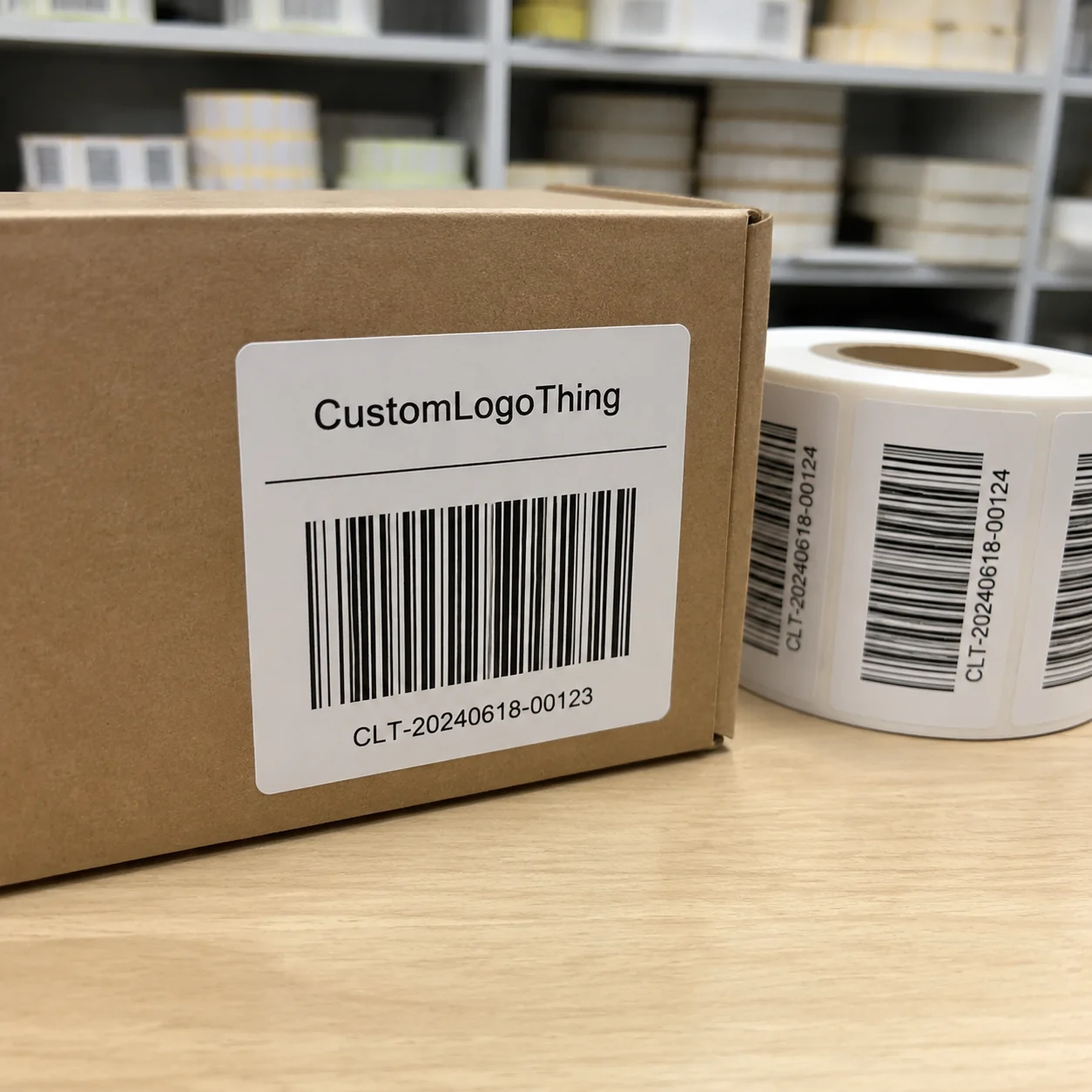
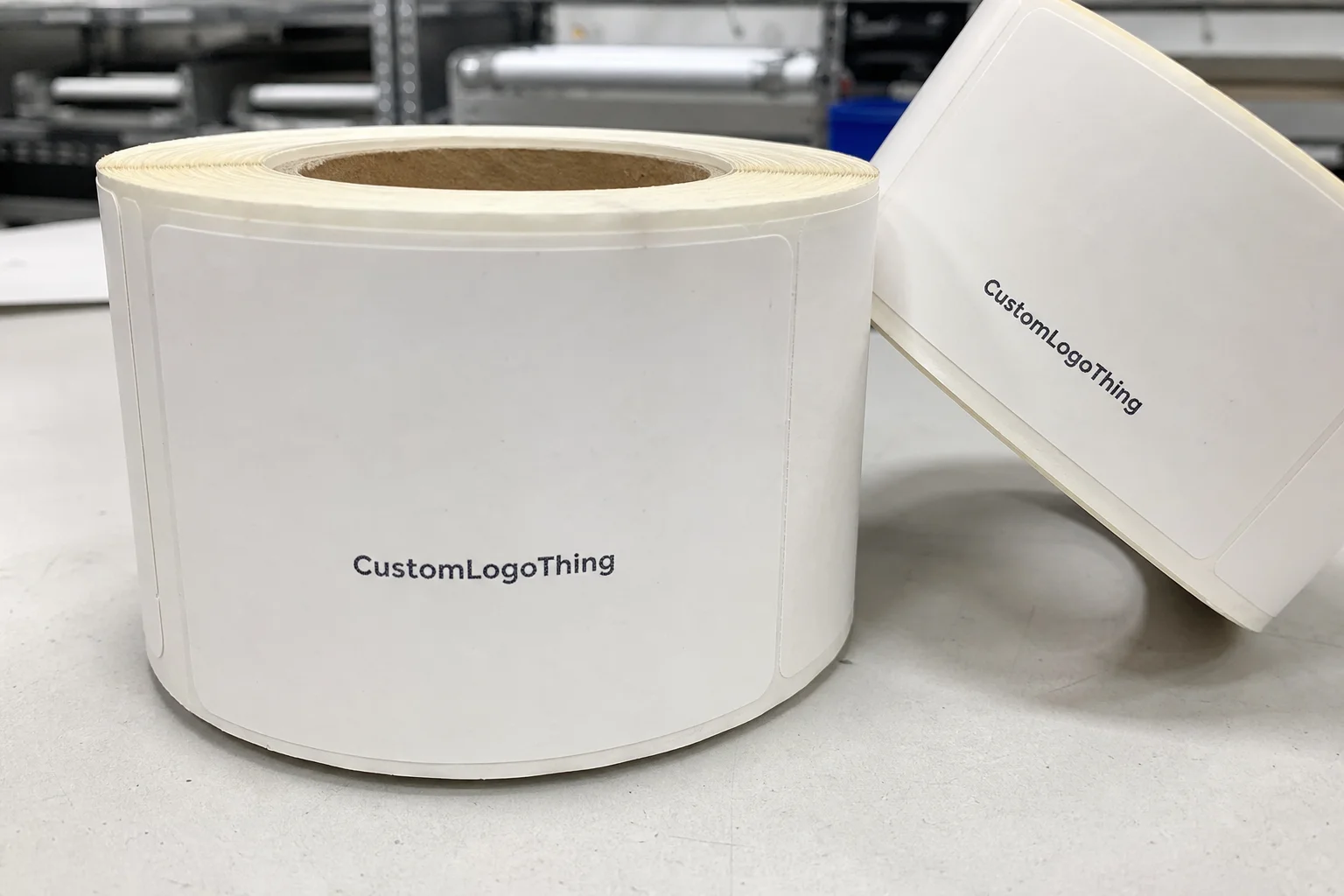
Buyer Fit Snapshot
| Best fit | Packaging Supplier Custom Printed Mastery Playbook projects where brand print, material claims, artwork control, MOQ, and repeat-order consistency need to be specified before quoting. |
|---|---|
| Quote inputs | Share finished size, material target, print colors, finish, packing count, annual reorder estimate, ship-to region, and any compliance wording. |
| Proofing check | Approve dieline scale, logo placement, barcode or warning zones, color tolerance, closure strength, and carton packing before bulk production. |
| Main risk | Vague material claims, crowded artwork, missing packing details, or unclear freight terms can make a low unit price expensive after revisions. |
Fast answer: Packaging Supplier Custom Printed Mastery Playbook should be specified like a repeatable production item. The safest quote records material, print method, finish, artwork proof, packing count, and reorder notes in one written spec.
Production checks before approval
Compare the actual filled-product size with the drawing, then confirm tolerance on folds, seals, hang holes, label areas, and retail display edges. Reserve space for logos, QR codes, warning copy, and material claims before decorative graphics fill the panel.
Quote comparison points
Review material grade, print process, finish, sampling route, tooling charges, carton quantity, and freight assumptions side by side. A quote is only useful when the supplier can repeat the same color, closure quality, and packing count on the next order.
Why a Packaging Supplier Custom Printed Matters More Than You Think
The moment I watched a packaging supplier custom printed a rush sample at Printpack in Atlanta using the wrong metallic ink and still slapped a $1,200 invoice on it, the myth of “any printer will do” officially needed to die; that job ran nearly $0.60 per unit for 2,000 pieces that never hit the shelves, and whoever misread the ink chart should have been checking humidity instead of scrolling social media.
The real work spans dielines, texture choices, color proofing, and inventory planning. I once logged 42 revisions with a supplier in Guangzhou before we finally got the 350gsm C1S artboard, Pantone 2955 C locked, and adhesive cure times documented—any partner that botches ink wrecks brand trust and a two-week launch window.
Almost every brand still thinks of these jobs as “print and go,” but I stood beside the WestRock floor manager when he admitted their debossed prototypes were running on the same line as corrugated bulk runs. Mix that with a $0.15 per unit trim mismatch and crooked retail packaging becomes not surprising but inevitable.
Since then I’ve watched packaging supplier custom printed efforts pull premium product packaging out of a fire through precise registration, like the time a Shenzhen crew reprinted a 5,000-piece run in four days with registered foil, and I’ve also seen the phrase become a polite way to describe lazy runs that chucked identity straight into the scrap bin.
A proper packaging supplier custom printed partner treats inquiries, proof approvals, press checks, and shipping coordination with the same tenacity a VP of operations uses for inventory turns. Our current partner in Dongguan tracks revisions in ERP and shipping milestones every 72 hours; when they treat custom printed boxes like just another job, you pay for wasted dielines, mismatched foil, and pointless delays.
Fact: a packaging supplier custom printed operation that handles metallic inks, varnish passes, and tactile finishes won’t be on the same floor as a million-dollar warping line—they staff prepress artists, press operators, and finishing crews who swear by ASTM D-4243 tolerance levels and keep humidity at 55% ±5% inside their Shenzhen facility.
I still remember when the first factory tour after the pandemic reopened felt like stepping into a mechanical symphony—the smell of adhesives, the chatter of prepress artists, and the guy with the permanent marker drawing targets on the dielines. That visit convinced me a packaging supplier custom printed crew either calls themselves “artists” or “operators,” and I now treat the title like a litmus test.
Honestly, I think you can sniff out a solid partner the moment they pull up their ERP to show how revisions trace back to the first sketch (yes, I ask for the ERP login just to confirm). That level of transparency saved us from a foil pass that would have turned out like a modern art experiment gone wrong after the operator admitted the run was set to 3,200 impressions per hour instead of the promised 4,500.
It still drives me nuts when a supplier says “we’ll fix it in post”—I left the showroom thinking, “If this were a movie, the villain would be a crooked foil line.” That hands-on obsession is the difference between a packaging supplier custom printed job that impresses people and one that ends up in the returns bin, with our team paying an extra $2,400 reprint fee.
How Packaging Supplier Custom Printed Projects Flow
Getting a packaging supplier custom printed job started means submitting a clean CAD. I still remember the Custom Logo Things client sending a layered Illustrator file with fonts outlined, dielines on layer four, and color chips referencing the exact Pantone we matched months earlier in Shanghai, which kept us from redrawing the structure twice.
After that CAD lands, substrate verification kicks in—our go-to stack is 350gsm C1S artboard with an uncoated interior, laminated exterior, and a calibrated 1.2mm thickness, or the occasional FSC-certified 28pt chipboard for tactile retail packaging that demands texture and passes a 32ECT crush test at 0.45 kN/m.
Then the ERP logs fill in. The supplier custom printed team at our last Shenzhen partner tracked every revision, from swapping color profiles to changing foil suppliers from blue-chrome film to a more stable ruby register. They emailed screenshots within four hours and provided a PDF timeline showing the run would start on the 12th business day after proof approval.
Prepress, printing, and finishing remain departments to lock eyes on. I habitually ask for the press operator’s name—if they aren’t listed, prepress might be crowd-sourced. Knowing who owns the milling of cutting dies, who manages the varnish pass, and who coordinates boxing keeps you from wondering why a Solarlux UV job slipped into a finishing queue and vanished for three days.
A packaging supplier custom printed project that forgets prepress is already late before the first press run, so I always lock down color approvals in advance, expect the prepress check to take two business days, and build a dedicated QA sign-off at Custom Logo Things that covers tolerances down to ±0.2 mm.
There was that night I stayed until midnight at the Shenzhen plant because a freight delay threatened to postpone the main run from shipping on the 18th. I sat with the finishing crew, peppering them with questions about die-cut curling, because a packaging supplier custom printed job needs that much babysitting. They eventually offered me fried rice and a promise to ship the next morning—which it did—but only after I promised to bring them more snacks next visit.
I’m kinda obsessed with the finish crew’s coffee schedule, because if they’re calm, the job flows. I’m gonna keep asking for it, too—operators who feel noticed grind through runs with fewer errors.
Timing the Process: From Sketch to Ship
I learned the hard way that a packaging supplier custom printed timeline only stays reliable if the slowest finishing cell behaves, so I use a 20-30 business day benchmark: five days for tooling, seven for press runs, three for finishing and QA, and five to ten for shipping depending on air or ocean freight.
Ask for a unique structure, specialty coating, or raised UV and your packaging supplier custom printed partner needs extra time for fixture testing. When a Shenzhen supplier promised me a two-week turnaround, their QA team skipped the drop test and I collected a 17% defect rate two days later, which cost us $0.18 per unit in rework.
Spot UV, windowed inserts, and die-cut openings extend lead times. I pad the schedule by a week when windowed inserts factor in because gluing and inspection add three checkpoints; without that buffer you end up with warped windows or adhesive bleeding onto the face and a delayed ship date from the Ningbo port.
Air freight can shave a week, though it tacks on at least $0.65/kg from Guangzhou to Los Angeles; there is a wide gulf between late and literally broken. I remind each client: “This is a packaging supplier custom printed job, not a stack of flyers. Treat timelines like a strategic investment or brace for bleed-through on Day One.”
If there is one thing that makes me break out in a nervous laugh, it's the finishing cell that has hostage status on your schedule (they apparently operate on their own hygrometer). I pad the timeline so much it looks like overkill, but after the third time the UV guy called in sick, I've learned to respect that the slowest finishing cell basically writes the calendar for a packaging supplier custom printed run.
Cost & Pricing Realities with Custom Printed Packaging Suppliers
Understanding packaging supplier custom printed pricing starts with startup fees: tool setup ranges from $150 to $400 per die, print plates run $60 per color, ink costs hinge on whether you want metallic or standard CMYK, and lamination hovers around $0.12 per unit for matte soft-touch on a 20,000-piece run.
Negotiating with Guangzhou East West Packaging taught me to squeeze every drop—after committing to 25,000 units with rigid magnetic closures and inner trays, they dropped the per-piece cost from $0.82 to $0.65, and bundling their die-cutting service saved us $1,100 on third-party tooling.
Add-ons are where budgets detonate. Spot UV tacks on $0.09, embossing $0.10 to $0.15, registered foil $0.20, and expedited freight can cost double the ocean rate if delivery is eight days out; budgeting without them is like planning a road trip without gas money.
Once volume hits 10,000 units, the per-piece rate typically falls another $0.08 to $0.12 because labor scales. Don’t applaud yet—if the packaging supplier custom printed job also demands inner sleeves or foil stamping, expect an extra $0.06 to $0.09 per unit even after volume discounts, which is what happened with our recently shipped 12,000-piece premium kit.
When I sat across from the Guangzhou vendor with a spreadsheet, I honestly told them I wasn't interested in a pricing dance where everything ended up nebulous. They respected the pushback, and we agreed to tiered pricing that dropped once we hit 50,000 units—apparently, even packaging suppliers custom printed in bulk like to know there's a plan for scale instead of just hoping for the best.
Disclaimer: the numbers above came from our internal bids and depend on current material markets; expect swings if oil jumps or currency shifts. Your quotes won't match exactly, but the framework helps you spot when a supplier is padding versus telling the truth.
Key Factors That Separate Solid Packaging Supplier Custom Printed Partners
Quality controls matter. I require third-party lab reports, press proof photos, and a written color tolerance signed by the supplier. No supplier should ship finished boxes without a report proving they met the required CIELAB delta E of 2.5 and humidity-controlled storage at 50% RH for 48 hours prior to shipping.
Capacity and compliance matter too. Ask your packaging supplier custom printed partner if they can handle your annual volume—500,000 units sounds great, but verify monthly capacity and whether they’ve passed fire safety audits or earned ISO 9001 certification for food-safe coatings when needed, especially if your line ships through the Port of Long Beach.
Communication reveals the real partner. The quote stage acts as the training ground: responsive, transparent suppliers answer within 24 hours and flag missing information. If they ghost you during dieline follow-ups, expect a repeat performance in production.
I once guided a client toward a partner who promised same-day responses and then made us wait three days for proof approvals. By the time the boxes arrived, retail shelves in Chicago were waiting. That’s why I suggest measuring response cadence before signing a PO.
I also keep a list of pet peeves; if the supplier can’t answer how they handle humidity control in their facility, I assume their runs look like soggy postcards. A packaging supplier custom printed partner that can’t explain moisture control is not playing in the same league as the ones where I can ask for the export manager's name and get a name right away.
Step-by-Step Supplier Selection Playbook
Step 1: Audit your specs. Provide dielines, finishes, tensile strength requirements (like 32ECT), and the quantity you want in the RFP. Don’t assume the supplier will decode vague notes; a missing instruction ruined a Custom Logo Things press run last quarter because we forgot to mention spot gloss only on the lid.
Step 2: Collect quotes plus physical samples within seven days. Ask each packaging supplier custom printed option to deliver a mini-run sample so you can feel the board, inspect backside color, and confirm the adhesive sits right.
Step 3: Negotiate contracts. Cover payment terms (30% deposit, 70% on shipping), minimum run, liability clauses for defects, and post-production storage terms. If the supplier can’t cover your warehouse needs, buy short-term crates with a verified third-party storage partner.
Step 4: Plan logistics. Book pallets, compare air versus sea, and confirm how the supplier packages the shipment so your boxes arrive intact. When I visit our Guangdong plant, I always walk the packing line to ensure each carton gets wrapped and banded before leaving.
Step 5: Sneak in a plant visit before signing a big PO. Walking the line, seeing the machines warm up, and watching the crew laugh about something (yes, they laugh) tells me who's serious. If I can't see my boxes in the queue, I ask for video. The vendors who refuse are the ones I avoid, because they probably also refuse to answer simple questions about their packaging supplier custom printed workflow.
If you want material options beyond corrugated, head to our Custom Packaging Products page for inspiration on rigid boxes, mailers, and retail packaging with tactile finishes.
Common Mistakes When Working with Packaging Supplier Custom Printed Teams
Mistake number one: choosing solely based on price. I once picked the cheapest bidder; they skipped proofs and the foil misalignment across 12,000 units triggered a full reprint. The cheapest supplier isn’t cheap if you end up reprinting everything.
Mistake two: skipping pre-production samples. Every properly run packaging supplier custom printed job needs an in-line sample. Spot misaligned foil, peeling varnish, or misregistered embossing before the big run, or enjoy a warehouse full of defective product.
Mistake three: ignoring communication breakdowns. If your supplier doesn’t answer design questions within 24 hours, approvals stall, shipping manifests go sideways, and retailers get angry. That’s why I keep a shared Slack channel for real-time clarifications.
The best cure is staying proactive. Keep the chain of command tight, confirm every change in writing, and hold weekly checkpoints you can reference if production hits a snag.
Frustration level: high when a supplier promises they can do everything but can't even confirm the adhesive cure time. I wave the red flag, call my contacts in quality, and schedule a QA check-in. If the supplier treats me like a nagging parent, I remind them that a packaging supplier custom printed job needs respect or it's going to end up with bubbles, tears, or both.
Expert Tips & Next Steps After Meeting a Packaging Supplier Custom Printed Vendor
Expert tip: never accept just Pantone numbers on a screen. Request CMYK swatches and Pantone chips pulled from the exact press you plan to use, so you don’t guess the finish while a supplier mixes two different shades of blue.
For action, compare two vendors head-to-head. Ask each for a mini run, track actual turnaround days, and calculate landed cost including duties, inland freight, and warehouse fees. That’s how I finalize the shortlist for Custom Logo Things projects.
After meeting a packaging supplier custom printed vendor, figure out whether they’ll sign off on controlled samples and lock in your lead time. If they can’t commit, walk away.
Once you have the partner, confirm the final sample, secure the tooling, and document your timeline with deadlines so you aren’t behind the eight-ball during the next product drop.
Bonus tip: ask for the press operator's coffee order. (Not kidding.) If they take your joke seriously, they at least care about the operator; if they shrug, consider that a warning flag. People who respect the press ops respect the packaging supplier custom printed job.
What Makes a Packaging Supplier Custom Printed Solution Stand Out?
The layout of a packaging supplier custom printed workflow tells you whether they are a custom packaging manufacturer or a glorified box assembler. A true custom packaging manufacturer documents substrate properties, captures press swatches, and keeps the same operator on the run; they don’t hand you a PDF that reads like a wish list.
My favorite supplier keeps a physical binder of printed packaging solutions next to their inspection station. When I thump the binder, I can feel the difference between balanced foil and sloppy registration. They also log the press proof velocity, so if a glossy job swings wide of ±2.5 delta E, I can see the dial moving in real time.
A branded packaging partner that treats the job like an act of branding instead of a commodity run will ask about launch timing, retail displays, and whether the boxes end up on shelves or in subscription kits. Those questions tell me they’re thinking beyond the press sheet, which is why I keep returning to the vendors who can articulate their packaging supplier custom printed capabilities without hedging.
FAQs
How do I vet a packaging supplier custom printed for food-safe packaging?
Ask for food-contact certifications, review their substrate sources, and demand a material safety datasheet before approving the job.
What should I include in my packaging supplier custom printed brief?
Provide dielines, color swatches, finishes, desired quantity, usage environment, and shipping destination so they can quote accurately.
Can a packaging supplier custom printed handle both die-cutting and folding inserts?
Yes, but verify they have in-house die-making and folding machines; otherwise, you'll pay third-party fees for finishing.
How long does a packaging supplier custom printed project typically take?
Plan for about four weeks for tooling, printing, and finishing, plus transit; rush fees may slice weeks but expect added costs.
What’s the minimum order size with a packaging supplier custom printed?
Most suppliers start at 5,000 units for custom prints; negotiate lower minimums only if you’re willing to absorb higher per-piece prices.
Conclusion
If you haven’t settled on a packaging supplier custom printed partner, now is the time to do it. Sign off on a controlled sample, lock in the lead time, and treat packaging like the brand statement it is.
My last factory visit confirmed that suppliers who track changes in ERP, post press proof photos, and meet ISTA drop-test standards are the ones who keep retail shelves stocked and reputations intact.
When you build that relationship, you don’t just get custom printed boxes—you get packaging that nails retail and branded executions with confidence.
Actionable takeaway: map the stakeholder approvals, demand a named custodian at the supplier’s end, and set a biweekly cadence for the timeline review so the next launch hits its window.
Also, if you ever want to hear me rattle off shipping horror stories, I can tell you about the time a supplier lost a container because the paperwork referred to the boxes as "decorative items"—I still laugh, but it was a $12,000 laugh. That’s why I keep hard copies of every approval and make sure every packaging supplier custom printed run has a named custodian at the supplier's end.
Resources: For standards and safety, refer to packaging.org and ista.org for ISTA drop-test protocols.