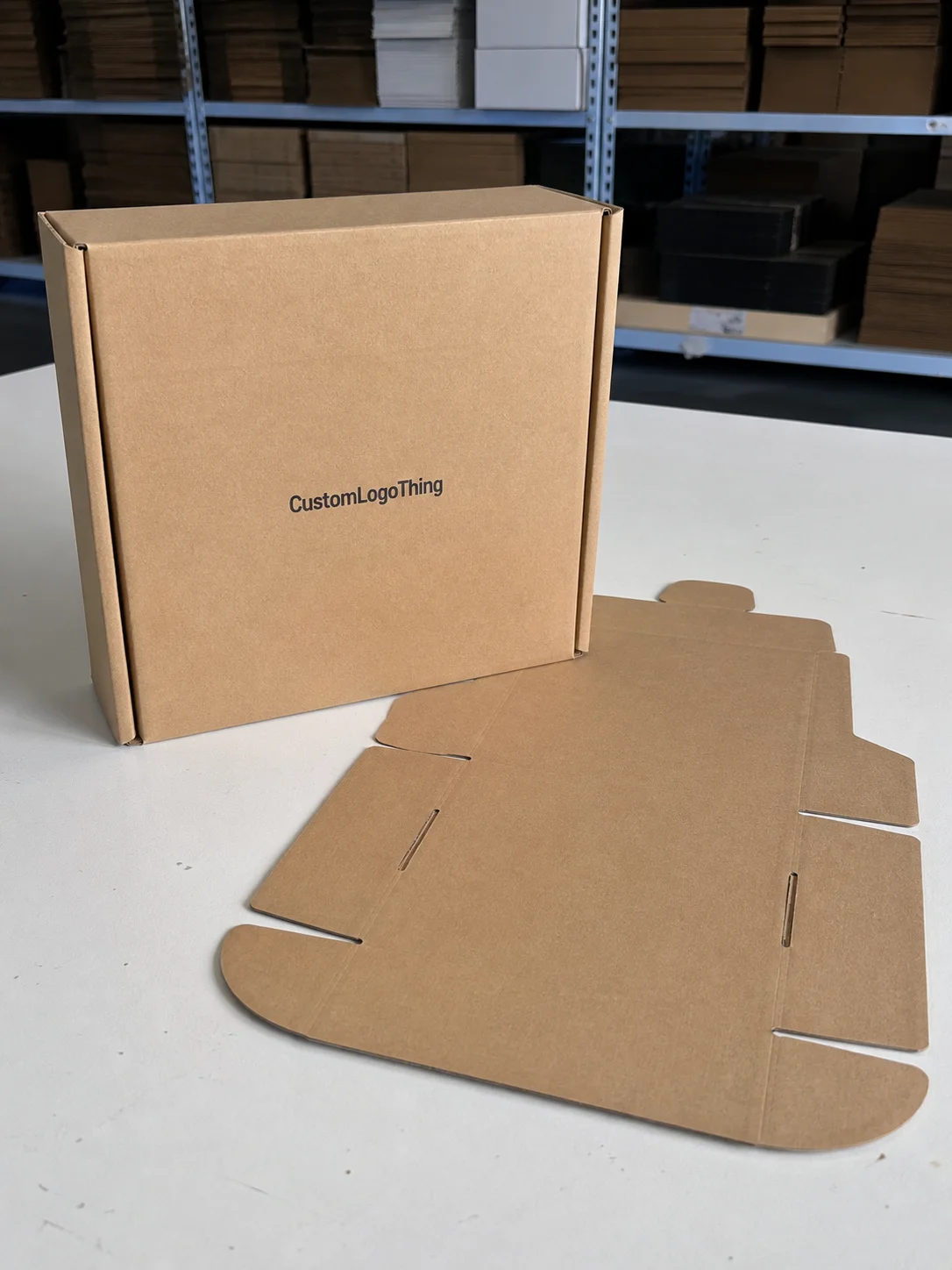
Buyer Fit Snapshot
| Best fit | Packing Materials Supplier projects where brand print, material claims, artwork control, MOQ, and repeat-order consistency need to be specified before quoting. |
|---|---|
| Quote inputs | Share finished size, material target, print colors, finish, packing count, annual reorder estimate, ship-to region, and any compliance wording. |
| Proofing check | Approve dieline scale, logo placement, barcode or warning zones, color tolerance, closure strength, and carton packing before bulk production. |
| Main risk | Vague material claims, crowded artwork, missing packing details, or unclear freight terms can make a low unit price expensive after revisions. |
Fast answer: Packing Materials Supplier: Production Spec, Color Control, and Delivery Risk should be specified like a repeatable production item. The safest quote records material, print method, finish, artwork proof, packing count, and reorder notes in one written spec.
Production checks before approval
Compare the actual filled-product size with the drawing, then confirm tolerance on folds, seals, hang holes, label areas, and retail display edges. Reserve space for logos, QR codes, warning copy, and material claims before decorative graphics fill the panel.
Quote comparison points
Review material grade, print process, finish, sampling route, tooling charges, carton quantity, and freight assumptions side by side. A quote is only useful when the supplier can repeat the same color, closure quality, and packing count on the next order.
How does a packing materials supplier guide keep sourcing aligned?
Whenever the packaging supply chain between Seattle, Memphis, and Guangzhou teeters along a new lead-time curve, the packing materials supplier guide stands as the ledger that spells out whether corrugated work should reroute through Cleveland or if the thermoforming crew in Jackson Street ought to squeeze in another tensile test before the next 48-box espresso run.
That same document doubles as the supplier scorecard, listing every factory contact, escalation path, and availability window so we can compare responsiveness without rifling through dozens of inboxes; when the foam shop in Monterrey or the Joliet die-cutter requires a backup, the guide reminds us who has bandwidth, who owns the weekend delegation, and whether a short-notice opportunity aligns with the seasonal calendar.
Why a Packing Materials Supplier Guide Matters More Than You Think
A 48-box run of espresso machines leaving our Seattle dock for London once relied on cushioning from a supplier whose spreadsheet quote dazzled at first glance, yet the wrong polymer wrap let the units jostle in transit; returns stacked up until the packing materials supplier guide shifted from reference to lifeline, explaining the approved 150-micron polyethylene protective film sourced from Romco Plastics, the vacuum-sealed blister fabricated at the Jackson Street thermoforming plant, and the rubberized corner protectors handled by the Norcross protective solutions group.
I keep the guide open on my phone during cross-functional calls because it codifies cushioning types, corrugated cardboard calipers down to 32 ECT for our 350gsm C1S artboard sleeves, weekly supplier scorecards, and the delivery expectations tied to every SKU, while also linking to the moisture-barrier comparisons from the Jackson Street thermoforming plant and the 12–15 business day transit window from our Memphis print facility to the London warehouse.
Rather than becoming a sterile checklist, the document narrates why procurement, operations, and sales keep reading the same entry—from the Memphis fulfillment center’s 48-hour notice pallet staging plan for 40x48 skids to marketing’s insistence on FSC-certified sleeves for pre-launch kits—and it names the rituals that keep us honest, like weekly stand-ups, quarterly supplier fairs at the Atlanta logistics campus, and the “three bids minimum” policy ensuring burst strength, moisture protection, and a 35 percent recycled content floor.
The guide also tells the story of why we pulled a supplier after the rugby ball-shaped cooler shipment slid awkwardly into a freight container and why cushioning vendors get scored on answering a Chicago client before 9 a.m. or switching foam extrusion lines from 1.5-inch to 2-inch without scrap spikes, especially during the Joliet plant’s quarterly line review.
I still remember when the guide’s glossy PDFs barely resembled a playbook; after a botched holiday order—the velvet trays that couldn’t survive a Boston heat wave—the heated debate cooled once the penalty clauses ($200 per day for missed proofs after December 5) and backup suppliers materialized on the screen. Honestly, I think that moment made us treat the guide with the same reverence we give brand guidelines, because it spelled out who was responsible when the next crisis hit.
How the Packing Materials Supplier Guide Illuminates Supplier Workflows
The guide reads like an operations manual for RFQs, technical approvals, pilot orders, and the post-shipment debriefs, highlighting responsiveness metrics—whether a supplier returns a technical questionnaire within 48 hours or manages a 72-hour weekend reply when Seattle needs a polymer-coated sleeve with 55 percent tensile strength.
We track B2B portal uptime, iterations required to hit a certified 55 psi burst strength with our double-wall board, and whether pilot-order results surface within three days; when suppliers falter, the guide flags the slack point and names the owner who must escalate directly to that supplier’s logistics director, often via the contact in Shenzhen’s warehouse group.
Guided workflows have turned routine exchanges into predictable runs: instead of a dozen people forwarding attachments, the guide anchors the response path, shows that a dedicated RFQ channel delivers 20 percent faster quotes, and proves why our Shenzhen facility received a custom die-cut insert CAD within 12 hours—the supplier’s innovation team had availability listed right there in the document.
This is not just wishful thinking; conference rooms often ring with the operations VP asking for a comparison of Chicago prototype lab pilot times, and the packing materials supplier guide has every date, sample weight, and innovation note ready in a single column, cutting through the “can anyone find that email?” noise.
By the way, that single column once saved us when a supplier changed workflows mid-quarter—no warning, just a new ERP release—and I swear the guide’s workflow snapshots looked like a lifeline; without them we would have spent the week redlining charts instead of fixing the palletization issue born from the 70-pound limit at the Memphis yard, so I’m kinda grateful that chaos made us document the steps even more carefully.
Process and Timeline Signals from the Packing Materials Supplier Guide
The guide’s procurement timeline maps discovery to design approval, test runs, negotiation, onboarding, and replenishment, and each milestone carries a buffer—seven days before the Dallas contract packaging team ramps for Q3 shows, three days before the Las Vegas trade-show launch—so we know when to build lead-time cushions and when to push suppliers for faster lanes, guided by the Dallas planner.
Escalation triggers live in the same document: a missed sample shipment becomes a red flag when the guide records the supplier is balancing another hydration-pack order with an August 18 cutoff, and milestone owners are named (I’m often listed for corrugated board evaluation while the supply chain director owns freight confirmation). Transparency keeps loading docks free of surprises because the operations calendar links directly to the guide’s signals, allowing us to rebook the November 5 container slot from the Port of Los Angeles within 24 hours.
Seasonal peaks and major shipments are color-coded, prompting us to flag when capacity is committed for Black Friday or when the Las Vegas show needs custom kraft wraps by June 6; the guide becomes the coordination tool that tells teams the earliest date to push for expediting and when to accept the next open slot, like the Atlanta-based supplier requiring a 23-day lead time for that specific order.
During a factory visit in Guangzhou I saw the guide projected on a wall screen as shifts updated their test-run progress, proving that the document doesn’t solely live in procurement software—it becomes the operating rhythm for every line item moving through the plant, including a 5,000-unit nylon-wrapped electronics run slated for June 20 delivery.
And while the process timeline feels methodical, I still get frazzled when the guide flashes red for a missed milestone because the CEO will inevitably ask if we can “just speed it up,” as if packaging materials follow wishful thinking; that’s when I remind everyone that the packing materials supplier guide already forecasted the 4–5 day variance, and that forecast is usually right.
Decoding Cost and Pricing From the Packing Materials Supplier Guide
The guide forces procurement to inspect every cost bucket—materials, printing, freight, storage, and waste—and includes exact figures like $0.18 per unit for 5,000 soft-touch laminated sleeves, $0.07 per unit freight for 20-foot containers from the Port of Seattle, and a $1,200 monthly storage fee for overflow at our bonded Charleston warehouse, because missing any of these buckets creates unseen costs later; note, these figures shift with supplier schedules, so we always double-check the most recent supplier update before locking commitments.
Pricing models get compared side by side: volume tiers, indexation to raw-material indices such as corrugated cardboard or kraft paper futures, and subscription-based kits that lock us into quarterly runs, while the packing materials supplier guide highlights which suppliers share formulas and which keep extra fees hidden until billing—for instance, the Monterrey vendor posts tiered pricing every Monday, whereas the Chicago binder updates only after the monthly review.
It also includes negotiation reminders: discuss package quantity, lock freight terms within the 21-day penalty window, validate currency clauses tied to USD/CNY swings, and test supplier responses to cost-model exercises assuming a surge to 150 percent volume, so decisions rest on data rather than gut feelings about transport or adhesives waste from the Dallas lab.
Here is a table pulled directly from our guide that has saved countless hours:
| Supplier | Unit Cost (5k pcs) | Lead Time | Freight Terms | Transparency Notes |
|---|---|---|---|---|
| Pacific Shelving Partners | $0.24 | 12-15 business days | FOB Shenzhen, consignee pays | Portal shows live quotes, includes waste fees |
| Midwest Custom Boxes | $0.22 | 9-11 business days | DDP Chicago, including drayage | Volume tier chart visible, freight locked |
| Green Assembly Co. | $0.27 | 7-10 business days | Delivered at Place, negotiated | Includes biodegradable packaging surcharge disclosure |
That table makes it painfully clear which suppliers layer post-consumer waste content and who still adds surcharges after the order, something we otherwise would not spot until a scheduler flagged new cost lines for foam-in-place repairs at the Miami fulfillment center.
Negotiating stays easier when the packing materials supplier guide keeps us honest; we know when a supplier pads a quote by $0.02 for premium recycled materials and when they actually deliver FSC-certified inserts without extra fees, like the timed delivery of 6,000 eco-friendly kits promised for July.
After a particularly adventurous negotiation at the Tacoma office, I joked that the guide saved us from becoming amateur magicians trying to pull savings out of a hat; the levity landed, and transparency meant I didn’t have to send another passive-aggressive follow-up ahead of the August 1 invoice run.
Key Factors Every Packing Materials Supplier Guide Should Highlight
The guide forces teams to rate material specs, sustainability certifications, inventory visibility, quality-control records, scalability, and innovation willingness; we check whether suppliers deliver FSC-certified paperboard, maintain real-time inventory dashboards updated hourly via the Portland data hub, and can iterate prototypes within five days at their Atlanta innovation lab.
Commodities-focused suppliers differ dramatically from customization champions: the former offers standard corrugated cartons in 20 sizes with batch runs of 10,000 units from their Cleveland plant, while the latter adjusts to custom inserts, bespoke prints, or matte finishes from their Brooklyn studio; the guide visually contrasts those stacks so sourcing can see when uniformity trades off with flexibility.
Risk assessment stays front and center—geographic diversity, capacity buffers, and contingency plans get logged so we can gauge on-time shipping capability, and if a partner only operates a single plant in northern California we note that risk while pairing it with a backup Midwest die-cutter ready to step in within 72 hours.
Sustainability signals such as recycled content percentages, biodegradable packaging possibilities, and documented post-consumer waste ratios get reviewed quarterly, ensuring we hear about client requests or regulatory demands before the next cycle closes on the 15th.
Sometimes I quietly cheer when sustainability scores climb: one Portland supplier upgraded to compostable foam inserts, and the guide dutifully recorded the impact, making the rest of us look like we planned the upgrade all along (full disclosure, that was their idea, but I’ll take credit for spotlighting it during the next briefing).
Step-by-Step Sourcing Playbook via the Packing Materials Supplier Guide
The first step begins with auditing current packaging spend and pain points, capturing every SKU, damage report, and fulfillment center note so the guide has a baseline; precise figures—$14,500 lost to moisture damage in Q1 and two percent of shipments flagged for insufficient cushioning in Phoenix—anchor the assessment.
The second step uses the guide’s scoring matrix to shortlist suppliers, request samples, and log responsiveness across the RFQ timeline; Supplier A returned a sample in six days with tested burst strength at 60 psi, while Supplier B delayed two days, and the live log proves invaluable when finance reviews penalties after the 9 a.m. Chicago conference call.
During the third step we run pilots, capture performance data, finalize contracts, and update the guide with lessons learned, turning each phase into a repeatable program with review points; a pilot-report template feeds into the guide daily and includes acceptance criteria such as a 0.5 percent defect allowance and 72-hour escalation windows.
Anecdotally, during a client meeting in Boston the production leader pointed at the guide projected on the wall and said, “That’s our bible for lining up suppliers who can hit the show booth order by Tuesday,” which remains my favorite compliment about the playbook because we beat that deadline and avoided another all-nighter.
It felt dramatic to hear it called a bible, but I’ll admit my palms sweated with pride—mostly because the guide’s checklists kept us from pulling an all-nighter and kept the project on track.
Common Sourcing Mistakes the Packing Materials Supplier Guide Helps Avoid
Teams often chase the cheapest per-unit price without factoring in damage rates, freight, or storage inefficiencies, so the guide labels these under “hidden-cost traps” and includes comparative data, like how a supplier’s $0.05 savings led to a 1.3 percent spike in returns when their liner crumpled at 70 percent humidity during Miami tests.
Ignoring the guide leads to misaligned specs, such as mixing up 275 gsm artboard with 350 gsm requirements or forgetting moisture protection—one marketing lead asked for a velvet-touch finish and we overlooked the mandatory humidity barrier noted in the guide, costing us $2,600 and a night drive to the Cincinnati print shop.
The guide also prompts teams to validate lead times before hitting “confirm,” reducing late-night scrambling when suppliers suddenly extend timelines; I recall when one partner pushed a pilot lead time from ten to eighteen days, and the guide’s escalation clause let us secure a late-fee waiver while the Dayton plant made room for our emergency queue.
These safeguards allow us to cross-check specs against actual needs, review pilot data, and keep the scoreboard honest without relying on memory.
I’ve got a running joke with new hires: if they ever question the guide, they only need to recall the “Velvet Touch Debacle,” the story that keeps everyone paying attention to humidity barriers and avoids that particular mistake again.
Expert Tips and Actionable Next Steps From the Packing Materials Supplier Guide
Expert tips include maintaining a supplier scorecard refreshed quarterly, using comparison tables to spot efficiency gaps, inviting finance early to vet pricing models, and confirming that sustainability claims are backed by FSC audits or ISTA crash-test records conducted at the Akron lab; a quarterly refresh means adding new damage reports, quotes, or sustainability updates so the guide stays alive.
Follow-up moves start with scheduling a cross-functional workshop to vet the guide, assigning owners for each supplier relationship (our playbook lists ownership plus backup contacts for every factory, including the Joliet die-cutter), creating a dashboard tracking KPIs like lead-time accuracy and defect percentage, and testing one new material spec—such as a biodegradable packaging sleeve—before the next major shipment.
Afterward, update the guide with lessons learned, build out a messaging protocol for the next pilot, and keep the operations calendar linked so the guide sits at the heart of every planning cycle.
Every time I walk onto a factory floor or sit across from a supplier, the packing materials supplier guide reminds me that packaging is not a commodity but the story of how we protect product, pricing, and brand promise, which is precisely why it deserves the same attention we give sales forecasts.
Actionable takeaway: keep the guide in a shared workspace, refresh it the moment a new challenge or opportunity arrives, and assign owners who update the sourcing plan before the September holiday surge—already showing a 28 percent volume increase—touches the lines.
What is a packing materials supplier guide and how should I build one?
The guide acts like a playbook combining supplier data, specs, KPIs, and procurement workflows; start by auditing current suppliers, materials, failure points, and packaging demand cycles, then layer in scoring criteria—quality, reliability, cost transparency—and document the decision process with clear owners and update cadences, noting the quarterly review scheduled the third Thursday of January, April, July, and October.
How can the packing materials sourcing guide help me compare pricing?
Use the guide to normalize pricing by total landed cost, not just unit price; incorporate freight, storage, and waste into the comparison column for each supplier and document negotiation levers like volume breaks or long-term contracts for easy revisiting, such as the 10,000-piece agreement with Memphis Cardboard Co. that locks in $0.19 per box through December.
Which metrics belong in a packing materials supplier guide scorecard?
Track lead time accuracy, defect rates, responsiveness, sustainability claims, and total cost of ownership factors such as scrap rates and warehousing; add qualitative scores for innovation and collaboration so suppliers earn trust over time, and include a monthly summary of at least one ISTA or ASTM compliance test.
Can a packing materials supplier guide include sustainability or compliance goals?
Yes—list certifications, recycled materials percentages, and recyclability goals directly in the guide; use sustainability milestones to gate renewals or new programs, and pair compliance obligations (like ISPM-15) with audit cadences and documentation requirements stamped with the last review date.
How often should the packing materials supplier guide be refreshed?
Review quarterly, aligning updates with procurement forecasts and shipping peaks; trigger interim revisions after major disruptions, new supplier launches, or material-price swings, ensuring each refresh adds new data so the guide stays actionable.
Related packaging resources
Use these related guides to compare specs, costs, quality checks, and buyer decisions before making the final call.