Why Performance Golf Caps Sell Through Faster Than Basic Headwear
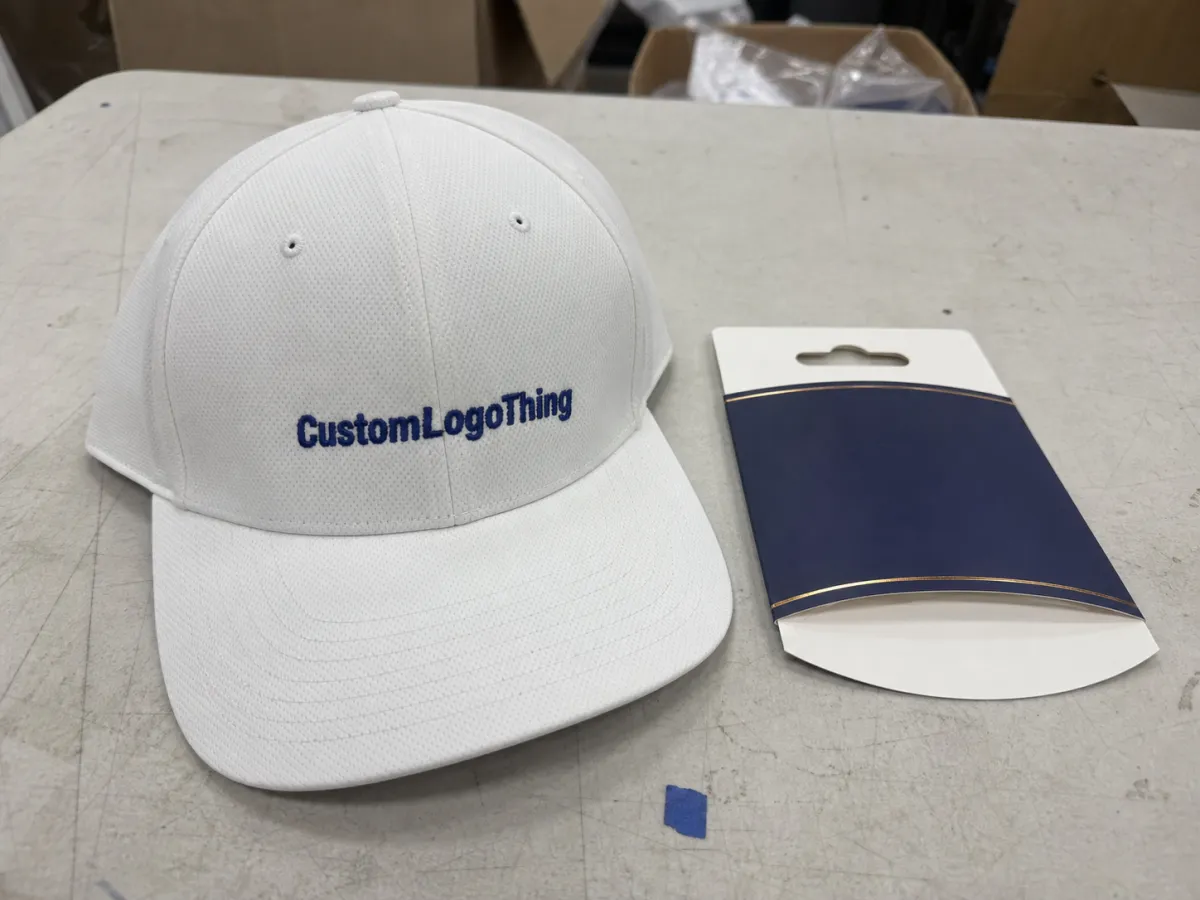
Any buyer reviewing a Performance Golf Caps factory quote should start with use case, not decoration. A golf cap is judged in sun, sweat, wind, and long wear, which is a much harsher test than sitting on a shelf. A cap that feels cool for the first nine holes but collapses by the turn creates complaints, returns, and weaker reorders. A cap that stays light, keeps its shape, and still looks clean in photos has a better chance of moving through the channel quickly.
That is why performance styles often outsell basic cotton headwear. Cotton absorbs moisture; performance polyester moves it away from the skin. The difference is obvious when the temperature climbs. Golfers notice the weight change, the sweat band feel, and whether the crown turns limp. Buyers notice something else: the cap still looks presentable in the pro shop after being tried on dozens of times.
Retailers and tournament organizers also care about presentation. A structured performance cap keeps a better profile under harsh light, which matters for product photos, display walls, and sponsor branding. In comparison, a cheap cap may save a dollar or two on paper and still cost more if it loses its form or comes back with decoration problems.
Fabric, Fit, and Build Choices Buyers Should Confirm
Before requesting samples, the buyer should lock the construction details that most affect comfort and appearance. The standard body fabric is usually 100% polyester, recycled polyester, or a performance blend with a small amount of elastane for recovery. Typical fabric weight lands around 130-180 gsm. Lighter weights are cooler and softer; heavier weights hold a firmer shape but can feel warmer in direct sun.
Ventilation is a design decision, not a cosmetic one. Some caps use full mesh backs for airflow. Others use solid front panels with laser-cut side perforations. A premium golf cap usually favors a clean structured front so the logo sits flat and photographs well. A more casual event cap may prioritize breathability and lower cost.
Fit deserves more attention than it usually gets. Crown depth, panel count, brim curve, and closure style all change how the cap sits on the head. A shallow crown gives a modern profile, but it can ride up on broader head shapes. A deeper crown is easier to fit across a wider audience, though it may look boxier if the front panel lacks support. Six-panel construction remains the safest choice for a classic golf silhouette.
The sweatband is where many low-cost caps fail quietly. A stiff band can make a cap feel hot after 30 minutes, while a brushed or terry performance band improves comfort during long wear. Closures matter too. Hook-and-loop is easy to adjust and usually cheaper. Matte buckles and low-profile snaps feel more finished. If the cap will be sold in a retail line, buyers should ask for head measurements on the sample, not just a visual approval.
performance golf caps factory quote: What should be priced first
A clean Performance Golf Caps factory quote should read like a cost map, not a teaser. The buyer needs to see the cap body, decoration method, setup charges, sample cost, packing assumptions, and freight terms. If the factory only gives a single unit price, there is no way to tell whether the offer is complete or simply incomplete in a flattering way.
The first pricing driver is the base build. A simple polyester cap with one-color embroidery is easy to price. Add a recycled fabric, a structured crown, a custom closure, or a woven patch, and the quote moves because each choice adds handling and rejects a few shortcuts. That is not a problem. The problem is when those differences are buried inside a flat number.
One-time charges should be separated from recurring charges. Digitizing, patch tooling, sample courier fees, color matching, and special labels are usually paid once. Unit price should reflect the pieces that repeat on every cap. If those costs are hidden in the line item, the buyer cannot compare suppliers fairly, and the cheapest quote may not be the cheapest order.
| Quote line item | What it should show | Typical buyer expectation |
|---|---|---|
| Blank cap body | Fabric type, panel count, crown shape, closure | $1.10-$2.40 per unit depending on MOQ and build |
| Decoration setup | Digitizing, patch tooling, print setup, artwork cleanup | Usually one-time; often $25-$150 by method |
| Sample piece | Pre-production sample and shipment method | $40-$120 before freight, sometimes credited on bulk |
| Packing | Polybag, size sticker, carton mark, retail insert | $0.05-$0.30 per unit based on format |
| Freight assumption | EXW, FOB, or delivered basis | Should be stated clearly, not implied |
A quote that looks cheaper because it omits setup, packing, or sample corrections is not a savings. It is unfinished math.
Factories that work regularly with branded headwear usually know how to separate the variables because they have seen buyers compare line by line. That makes the conversation faster and usually leads to fewer surprises after the sample stage.
Production Steps, Timeline, and Delivery Checkpoints
Production should follow a predictable sequence. The buyer confirms the specification, the factory prepares artwork or a sample, the sample is approved, bulk production starts, inspection happens, and cartons are released for shipment. If a supplier cannot explain that order clearly, the process will probably be harder to manage later.
Timelines vary more than many buyers expect. Stock fabric, simple embroidery, and standard packaging can move quickly. A cap with custom recycled fabric, a special closure, or a complex patch will slow down the schedule. As a practical range, sample development often takes 7-15 business days when materials are available, and bulk production commonly lands in the 20-35 business day range after approval. Freight adds its own clock on top of that.
Specific milestone dates are more useful than a single estimated completion date. Buyers should ask for artwork approval, sample dispatch, sample approval, bulk start, inspection window, and packing completion. Those checkpoints become important when the order is tied to a tournament, retail drop, or seasonal window.
There is a subtle production trap here. A sample may look perfect because it was assembled slowly and individually, while bulk production runs faster and with more handling. That is why good factories track the sample against the bulk plan using measurements, approved images, and written sign-off.
Decoration Methods and Branding Placements That Hold Up in Play
Decoration has to fit both the cap surface and the way the cap will be worn. Embroidery is still the most familiar choice because it signals durability and works well on structured front panels. It suits bold marks and simple shapes. Once the design gets very small or uses thin lines, embroidery can become unreadable.
Woven patches are a good answer when the logo needs tighter detail than embroidery can hold. TPU emblems and silicone badges offer a cleaner, modern look and usually sit well on performance fabric because they do not add the same stitched texture. Printed labels and heat transfers can work too, but they are more sensitive to stretch, wash cycle, and abrasion.
Placement changes the story. A front logo is the obvious choice, but a small side mark or back hit can improve resale value if it is used with restraint. One strong front placement and one smaller secondary detail usually feels more considered than three or four competing marks. On a smaller crown, over-branding makes the cap look crowded and reduces the premium feel.
Artwork should always be checked against the process, especially on curved surfaces. Thin strokes can fill in during embroidery. Micro text can blur on woven patches. Glossy printing can crack where the fabric bends. A factory that flags those risks early is doing useful work.
For golf specifically, understatement often performs better than decoration volume. A cap that looks clean from 15 feet away and still feels refined in close-up photography tends to have a wider audience.
Quality Checks That Separate a Reliable Cap Supplier from a Cheap One
A sample should be inspected as a product, not as a proof of concept. The first check is visual symmetry: crown shape, panel alignment, brim curve, stitch tension, and color match. Then comes feel. If the sweatband is rough or the crown collapses too easily, the cap may look acceptable in a photo and still disappoint on the head.
Logo placement needs a separate check under natural light. A patch that sits a few millimeters off center may not sound serious, but that kind of drift is visible once the cap is worn. The same is true for embroidery density and thread finish. Too loose, and the logo looks thin. Too dense, and the stitching can pucker the fabric.
Bulk control matters even more. A good factory should define defect acceptance before shipment. Many buyers use an AQL framework, but the exact threshold is less important than having one agreed in writing. If the supplier says a 5% defect rate is normal without a clear sorting plan, the buyer should expect avoidable waste.
Packaging can hide problems or prevent them. Retail-ready cartons should protect the brim and keep the crown from crushing in transit. If the shipment is sensitive, the buyer can reference ISTA guidance for transit testing and pack-out logic. If the brief includes sustainable packaging, ask for FSC-certified carton stock and confirm chain of custody through FSC.
Reliable suppliers document what they approve. They send sample photos, measurements, packing notes, and sign-off records. Cheap suppliers often send reassurance instead. Only one of those ships with useful evidence attached.
How to Compare Pricing, MOQ, and Hidden Factory Costs
Pricing comparisons fall apart when the specs are not identical. One quote may be for a structured six-panel cap with a woven patch and retail packaging, while another is for a lighter five-panel style with basic embroidery and bulk packing. Those are different products.
The common hidden costs are predictable. Rush fees appear when the calendar is tight. Extra decoration setups appear when the buyer adds a second logo location. Alternate packaging can add material and labor. Split shipments often trigger handling charges. Artwork revisions can also become expensive if the original file needs cleanup before digitizing.
MOQ is where strategy matters. A larger minimum can reduce unit cost, but the order only makes sense if the buyer can sell through the stock. As a rough benchmark, moving from 300 pieces to 1,000 pieces may cut the unit price by 15-25% on a simple build. That sounds attractive until inventory starts aging. In retail, dead stock is more expensive than a slightly higher quote with lower risk.
The smarter comparison is landed cost plus risk. That means the cap price, decoration, packing, freight assumption, and likely rework all sit in one calculation. A buyer who evaluates only the brochure price is not really comparing offers. They are comparing the easiest number to see.
| Order style | Spec profile | Typical factory quote range | Best fit |
|---|---|---|---|
| Value team order | Polyester body, basic embroidery, standard closure | $1.90-$3.20 per cap | Events, clubs, member giveaways |
| Premium retail build | Recycled performance fabric, structured crown, patch or TPU badge | $3.40-$5.80 per cap | Pro shops, retail shelves, brand collections |
| Small-run speed order | Stock body, one-location logo, simplified packaging | $3.10-$6.00 per cap | Fast launch, limited drop, urgent replacement |
Those ranges are not promises. They move with fabric availability, decoration complexity, color count, and shipping terms. A buyer who wants accuracy should treat them as checkpoints, not guarantees.
What to Send Next to Lock a Clean Quote and Sample Plan
A useful performance golf Caps Factory Quote starts with a better brief. The supplier needs the logo file, quantity, target delivery date, preferred decoration method, closure type, and any must-have fabric or fit requirements. Packing preferences should be included too. A cap packed for retail display is not priced the same way as a cap packed for simple bulk distribution.
The next step should be a spec sheet, then a sample, then a written confirmation of packaging and freight terms. Skipping any one of those stages is how orders drift. The factory may produce exactly what was described in the last message, but if that message was incomplete, the buyer ends up paying for the gap later.
It also helps to request three versions of the offer: premium, value, and speed. That structure makes the trade-offs visible. The premium version usually shows better hand feel, a more stable crown, and more consistent shelf appearance. The value version may win on quantity economics. The speed version often exists because timing matters more than feature count.
A clean quote should remove guesswork. It should tell the buyer what is included, what is optional, and what could still change before bulk production begins. If the answer is vague, the order will probably be vague too.
What should I include in a performance golf caps factory quote request?
Include quantity, target delivery date, logo file, preferred decoration method, and any must-have fabric or fit requirements. Add packing preferences and the shipment destination so the factory can price the full order instead of a partial unit cost.
How does MOQ affect a custom golf cap quote?
Higher MOQ usually lowers the unit price because setup and decoration costs are spread across more pieces. Lower quantities can still work, but the per-cap price is usually higher, especially for custom patches, special trims, or multiple logo locations.
Which decoration method is best for performance golf caps?
Embroidery is durable and familiar on structured caps. Patches, TPU emblems, and silicone badges often suit performance fabrics better when the design needs a cleaner face or a lighter visual finish.
What is a normal lead time for factory-produced golf caps?
Sample production often takes 7-15 business days when materials are ready, and bulk production commonly takes 20-35 business days after approval. Shipping time is separate and depends on route, mode, and customs timing.
How can I compare two factory quotes without missing hidden costs?
Check whether each quote includes samples, decoration setup, packaging, inspection, and shipping assumptions. Compare the same cap spec, the same logo method, and the same order terms before deciding which offer is actually better.


