Performance Golf Caps Sample Approval Checklist for Buyers
Performance Golf Caps Sample Approval Checklist: What Buyers Are Really Approving
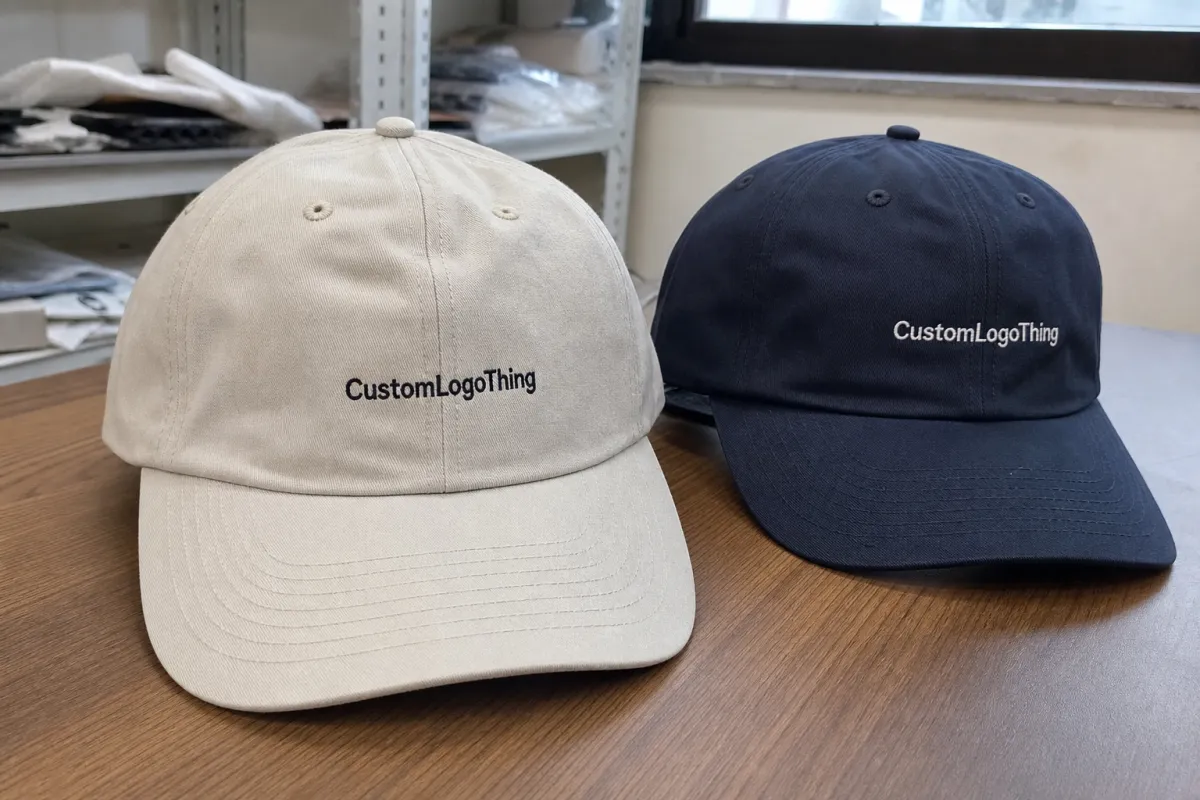
A golf cap can look perfect on a desk and fail by the third hole. Humidity softens the crown. A rough sweatband starts to annoy the wearer. A sharp logo begins to pucker once the front panel flexes. That is why a Performance Golf Caps sample approval checklist is not decorative paperwork. It is the buyer’s last controlled checkpoint before cutting, sewing, decoration, packing, and bulk production start.
A proper sample should represent the full cap system: crown shape, panel count, visor curve, moisture-wicking fabric, ventilation, sweatband, closure, decoration, inside labeling, hangtag, polybag, carton packing, and any retail or event presentation details. If the cap is meant for a resort shop, charity outing, corporate sales meeting, or member gift, review it against that real use. Not against a pretty mockup. Mockups are optimistic by nature.
Performance Golf Caps need closer review than basic promotional hats. The fabrics are usually lighter, slicker, and more elastic than cotton twill. A structured or semi-structured crown may depend on a thin internal support. Curved visors need to hold shape without feeling stiff. Elastic closures, hook-and-loop straps, snapbacks, and metal buckles all change fit. Even embroidery density can affect comfort because too much thread makes a lightweight front panel feel stiff and front-heavy.
Buyers also need to know which sample they are approving. A fit sample confirms shape and sizing. A decoration sample proves logo method, color, and placement. A pre-production sample should be close to the actual bulk order materials and processes. A final approval sample becomes the control standard. Problems start when a buyer expects one sample to answer every question while the supplier built it to answer only one.
Factory-floor rule: approve the sample for the wearer, the brand, the budget, and the selling environment. A cap that looks right but feels wrong is not approved in any useful sense.
How the Sample Approval Process and Timeline Usually Works
The sampling path is simple on paper. The buyer confirms specs. Artwork files are prepared. Fabrics and trims are sourced. The sample is cut, sewn, decorated, checked, and shipped. The buyer reviews it, sends comments, and either approves it or requests a revision. The approved sample then becomes the production standard.
The trouble is in the handoffs. A supplier needs more than “white golf cap with logo.” Useful details include cap style, panel count, crown height, visor type, fabric weight, stretch requirement, closure style, logo placement, logo size, decoration method, PMS references, quantity, delivery destination, packing method, and retail requirements. “Six-panel structured cap, 58 cm standard circumference, polyester-spandex performance fabric, moisture-wicking sweatband, 70 mm front embroidery” is a real starting point. A screenshot from a catalog is not.
Timelines depend on the amount of customization. A sample using stock fabric and standard flat embroidery can move quickly. Custom-dyed polyester, molded rubber patches, private woven labels, retail hangtags, specialty closures, and carton labeling all add time. As a practical range, simple decorated samples often take about 7-15 business days before shipping. Fully custom caps can take longer, especially if fabric, patch molds, or trims need separate approval.
Approval time sits partly with the buyer. Fast, consolidated feedback keeps the order moving. Comments arriving separately from sales, marketing, finance, and event organizers can turn one sample into three rounds of avoidable edits. This is one of the most common preventable delays in custom headwear: nobody owns the final decision, so every reviewer treats the sample like a fresh design meeting. Exhausting. Also expensive.
Compare the sample to the written spec sheet, not memory. Cap shape, visor length, stitch color, and logo scale can look different under office lighting, near a window, on a mannequin head, and on a real person. A checklist gives everyone the same reference point, especially when the order has a hard in-hands date for a golf outing, resort launch, or pro shop refresh.
A second sample is worth the time if fit changes, the logo construction changes, the fabric changes, or the first sample does not represent bulk production closely enough. It may feel slow. It is still risk control. Late caps, uncomfortable caps, or caps with the wrong logo position cost more than a few extra days of review.
Fabric, Fit, and Construction Checks Before You Sign Off
Start with the fabric in your hand. Does it feel cool and smooth, or stiff and plastic-like? Gently pull the crown fabric and check whether it recovers cleanly. Hold the cap up to light. If the material is thin enough for a dark sweatband or backing to show through, decide whether that is acceptable before bulk fabric is cut.
Moisture management matters because golf caps are worn outside for hours. Polyester performance fabric around 140-180 gsm is common, though the right weight depends on crown structure, climate, and price point. A moisture-wicking sweatband should feel smooth against the forehead, not scratchy or bulky at the seam join. Breathability may come from fabric, eyelets, laser perforation, mesh inserts, or a mix of those options.
Decoration changes how fabric behaves. Thin polyester can pucker around dense embroidery if backing, thread tension, and stitch count are not controlled. Stretch fabric can distort under heat if transfer temperature, dwell time, or pressure is wrong. A cap that feels balanced before decoration may feel front-heavy after a large 3D puff logo is added.
Wear the sample. Better yet, have two or three people wear it if the order is for employees, members, or giveaway recipients with varied head sizes. Check crown depth, front panel structure, circumference range, visor curve, ear clearance, forehead pressure, and whether the cap stays put during a swing-like motion. A cap that slides during a practice swing will irritate people quickly.
Construction deserves the same attention. Look at seam alignment, panel symmetry, visor stitching, button placement, sweatband attachment, inside taping, closure stitching, and loose thread cleanup. Structured caps should keep a clean front shape. Semi-structured caps should have support without feeling boxy. Unstructured caps are supposed to be softer, so judging them by the firmness of a tournament-style structured cap misses the point.
Separate small sample imperfections from real production risks. One stray thread can be fixed through trimming. A twisted crown pattern, off-center visor, abrasive sweatband, or uneven front panel points to a bigger issue. That distinction keeps the review practical instead of fussy.
For larger programs, ask how the supplier controls fabric performance in bulk. Lab testing is not always necessary for a simple event order, but retail and repeat programs may justify basic colorfastness, shrinkage, and perspiration-resistance checks under relevant ASTM methods. If recycled polyester or paper hangtags are part of the product claim, request recycled-content documentation or FSC-certified paper support where relevant. Claims need proof. Nice wording does not survive a retailer compliance review.
Logo, Color, and Decoration Details That Need Careful Review
The logo usually gets the first look. Fair enough. But the better question is not only, “Does it look good?” It should match the approved artwork, placement, scale, stitch direction, texture, and brand color expectation. A clean logo in the wrong position is still wrong. A perfect thread color surrounded by puckering is not ready either.
Common decoration methods on performance golf caps include flat embroidery, 3D puff embroidery, woven patches, rubber patches, sublimated patches, heat transfers, and printed accents. Flat embroidery gives a classic look, but dense fills can stiffen a lightweight crown. 3D puff adds height, though it works best with bold shapes rather than tiny lettering. Woven patches handle small detail well. Rubber patches feel modern and dimensional, but the patch size must suit the crown curve. Heat transfers can be light and smooth, but synthetic fabric needs controlled heat settings.
Embroidery density is a frequent trouble spot. Too much thread can ripple the front panel or make the logo feel like a hard plate. Too little density can make the logo look weak, with fabric showing through the fill. For small text, a woven patch or transfer may be cleaner than forcing embroidery to do a job it was not built to do.
Review color under consistent light. Compare thread, patch, transfer, label, and fabric colors against the approved reference in the same viewing condition. PMS matching on fabric or thread is usually an approximation, not the same as ink printed on coated paper. Navy thread, navy polyester, and navy rubber may be commercially close without being identical. That needs to be decided before production, not after 800 caps arrive.
Placement tolerances should be realistic. A logo centered on a curved crown can look slightly different when the cap is flat, on a head form, and worn by a person. Measure the key points, but also review the cap as it will be used. Check secondary branding too: side embroidery, back logos, inside labels, woven loop tags, visor prints, hangtags, and carton marks. Smaller items are easy to miss during the first approval pass.
Any artwork change after approval can affect cost, timing, and setup, even if it looks minor on screen. Increasing a logo from 65 mm to 78 mm, adding a side mark, or switching from flat embroidery to puff can change stitch count, backing, machine time, and sometimes the minimum order quantity.
Cost, Pricing, MOQ, and What Sample Changes Can Add
Pricing for performance golf caps is built from base construction, fabric choice, decoration complexity, order quantity, packaging, freight, and sample rounds. Buyers often focus on the cap unit price, then get surprised when landed cost shifts after carton size, air freight, retail packaging, or revision work is included. Not ideal. Also not rare.
Performance golf caps usually cost more than basic cotton twill hats for valid reasons. Technical fabrics, moisture-wicking sweatbands, lighter internal structures, precise sewing, and decoration methods suited to synthetic materials all add cost. A basic promotional cap is priced for volume and simplicity. A custom performance cap has more variables to control.
| Option | Typical Use | Common Cost Impact | Approval Watchpoint |
|---|---|---|---|
| Stock performance cap with embroidery | Corporate golf outings, staff gifts | Often lower MOQ; decoration setup may apply | Confirm logo size, stitch density, and cap color availability |
| Custom fabric color and private label | Retail programs, resort merchandise | Higher MOQ; dyeing and label costs added | Approve fabric shade, label placement, and lead time before bulk |
| Rubber or woven patch | Premium branded caps | Patch mold or setup fee; unit cost varies by size | Check patch curve, edge finish, and attachment strength |
| Retail-ready packaging | Pro shop, e-commerce, gift kits | Hangtags, stickers, inserts, and carton packing add cost | Review presentation and whether caps arrive without crushing |
MOQ depends on how custom the cap is. Lower quantities may be possible with stock blanks and simpler decoration. Fully custom caps often require higher quantities because fabric dye lots, trim sourcing, cutting setup, embroidery setup, and line scheduling all have minimum practical thresholds. As a working range, stock decorated caps may start around 48-144 pieces. Custom-made performance caps often sit closer to 300-1,000 pieces, depending on supplier structure and material availability.
Realistic pricing needs ranges, not wishful thinking. A stock performance cap with front embroidery might run about $6.50-$12.00 per unit at moderate quantities before freight, depending on blank quality and stitch count. A fully custom cap with private labels, custom fabric color, and a molded patch may sit closer to $9.00-$18.00 per unit, sometimes higher for low-volume retail programs. Samples may be free, credited back, or charged at $35-$150 each, with complex pre-production samples costing more.
Use the checklist to separate design preferences from cost drivers. A slightly deeper crown may be a pattern adjustment. A new fabric color can trigger dyeing minimums. A larger rubber patch may require a new mold. A retail insert card adds printing, packing time, and carton space. None of these details are wrong, but they should be approved with the price impact visible.
Freight deserves a sober look. Caps are light, but they take up space because the crowns should not be crushed. Air freight can protect a tight event date, but it can punish a bulky carton plan. If caps are going into gift kits, confirm carton dimensions, carton weight, inner packing, and whether ISTA-style transit testing or a simple drop-check makes sense for the distribution route.
Step-by-Step Buyer Checklist for Reviewing the Physical Sample
A good review is slow for the first ten minutes and faster after that. Open the box carefully, keep all packaging, and photograph the sample before handling it heavily. If there are dents, crushed crowns, dirty polybags, or bent hangtags, record those details right away. The cap may be fine, but packaging problems can repeat in bulk if nobody calls them out.
Check the Cap Against the Approved Spec
Place the sample beside the spec sheet, artwork proof, and any approved reference sample. Confirm panel count, crown height, visor type, closure, fabric, logo position, decoration method, label content, and packing style. Do not rely on “looks close.” A 5 mm logo shift can matter on a clean front panel, especially with center seams and curved crowns.
Inspect Fit, Comfort, and Wearability
Try the cap on for more than a few seconds. Adjust the closure. Move your head. Simulate a swing. Check whether the sweatband bites at the seam, whether the visor blocks vision, and whether the crown collapses oddly. For adjustable caps, confirm the range is practical. For stretch-fit caps, test more than one head size if possible.
Review Decoration Under Normal and Bright Light
Look at the logo from straight on, from the side, and from a few feet away. Then check it under brighter light for thread breaks, transfer edges, patch bubbles, glue marks, backing show-through, and uneven stitching. A performance golf Caps Sample Approval Checklist should include both brand-level judgment and close inspection, because the cap needs to photograph well and survive handling.
Test Basic Handling and Packing
Bend the visor gently, open and close the strap, rub the decoration lightly with a clean thumb, and check whether any adhesive edge lifts. Do not abuse the sample beyond normal use unless a specific test has been agreed. For retail orders, put the cap back into its intended polybag or carton configuration and see whether it still presents cleanly after repacking.
- Confirm cap style, fabric, color, and panel construction against the written spec.
- Measure logo size, center position, and distance from visor seam or panel edges.
- Check embroidery, patch, transfer, or print quality for puckering, lifting, or distortion.
- Wear the cap to judge crown depth, sweatband comfort, closure function, and visor shape.
- Review labels, hangtags, polybags, carton marks, and any sustainability claims.
- Send one clear approval note or one consolidated revision list with photos and measurements.
For bulk programs, keep the approved sample in a clean bag with the approval date, item code, buyer name, and final comments attached. That retained sample matters later if there is a dispute about crown shape, thread color, packaging, or logo height. Digital photos help, but they do not replace a physical control sample.
Common Sample Approval Mistakes That Cause Bulk Order Problems
The first mistake is approving the sample from a photo only. Photos are useful for early screening, but they rarely show hand feel, sweatband comfort, crown depth, visor stiffness, or small puckering. If timing forces photo approval, ask for close-ups, measurements, a short fit video, and written confirmation of materials before accepting the risk.
The second mistake is letting too many people comment separately. One person wants the logo larger. Another wants it lower. Someone else asks for a different closure after the cap has already been sampled. A checklist works best when feedback is gathered internally first, then sent to the supplier as one organized response.
The third mistake is treating color as exact across every material. A PMS color on paper, dyed polyester fabric, embroidery thread, molded rubber, and printed hangtag will not always match perfectly. Decide the acceptable commercial match before production starts. Ask for lab dips, thread cards, or material swatches if brand color is highly sensitive.
The fourth mistake is ignoring packaging. Caps that look beautiful at the sewing table can arrive with crushed crowns if the carton count is too high, the inner support is weak, or the master carton is undersized. For retail or gifting, packaging is part of the product experience. Confirm polybag size, crown support, hangtag position, carton pack count, and whether the cap is shipped flat, nested, or formed.
The fifth mistake is approving a sample without listing the allowed corrections. Buyers sometimes approve “with changes,” but the changes are vague. That leaves room for interpretation. Better wording would be: “Approved for bulk with logo moved 4 mm higher, thread color changed to PMS-matched navy option B, and loose threads trimmed. No change to crown pattern, visor curve, sweatband, or closure.” Clear language protects both sides.
Another quiet mistake is skipping compliance details. If caps are sold through retail channels, labeling rules, fiber content, country-of-origin marking, barcode accuracy, and packaging warnings may matter. If paper components make sustainability claims, ask for documentation such as FSC certification where relevant. For shipping validation, ASTM packaging test methods or ISTA procedures may be useful for higher-value distribution, though not every promotional cap order needs formal lab testing.
Final Approval Steps Before Bulk Production Starts
Final approval should be written, dated, and tied to a specific sample, artwork proof, and spec sheet. Verbal approval is risky. A short email can be enough if it clearly states what is approved, what changes are required, and what cannot change without written permission. Attach photos with marked measurements if the adjustment involves logo position, patch angle, crown shape, or label placement.
Before production starts, confirm the final bill of materials. That includes shell fabric, lining or backing, sweatband, visor board, button, eyelets, closure, thread colors, labels, hangtags, stickers, polybags, cartons, and inserts. If the supplier needs to substitute a fabric, thread, buckle, or carton grade later, that change should come back for approval. Small substitutions can create large buyer headaches.
Ask for a production schedule with practical checkpoints. Cutting, sewing, decoration, finishing, inspection, packing, and shipping all need time. A common custom-cap production window may run 20-45 days after final sample approval, depending on quantity, decoration, material sourcing, and season. Rush work can be possible. It also narrows the margin for correction.
Inspection planning should be discussed before the caps are packed. For larger orders, buyers may use AQL inspection methods to check defects such as stains, skipped stitches, off-center logos, broken closures, inconsistent visor curves, and packing errors. The acceptance level depends on the order and risk tolerance. For small event orders, a supplier’s internal inspection photos and random carton checks may be enough.
Keep one point clear: the approved sample is not decoration. It is the control document in physical form. If the bulk caps drift away from that control sample, the buyer has a basis for a practical discussion. If no approved sample exists, everyone is arguing from memory. Memory is a terrible quality standard.
A strong sample approval process keeps the conversation grounded. It helps the buyer approve the right details, helps the supplier understand what matters, and reduces expensive surprises after fabric is cut and logos are running on machines. Golf caps are small products, but they carry a brand in a very visible place. They deserve a careful, hands-on review before bulk production begins.
FAQs
How many samples should a buyer approve before ordering performance golf caps?
For a simple stock cap with standard embroidery, one physical decoration sample may be enough if the blank is already known. For a custom cap, expect at least one fit or construction sample and one pre-production sample. If fabric, logo method, or fit changes after review, another sample is usually the safer choice.
Can I approve a golf cap sample from photos if the deadline is tight?
You can, but it carries risk. Ask for straight-on photos, side photos, inside photos, close-ups of decoration, measurements, and a short video showing fit and visor shape. Photo approval may be acceptable for a reorder. For a new performance cap, a physical sample is much better.
What should be included in a custom golf cap spec sheet?
Include cap style, panel count, crown height, fabric composition and weight, sweatband type, closure, visor shape, decoration method, logo size, logo placement, PMS references, labels, hangtags, packing, carton count, quantity, delivery location, and target in-hands date. The cleaner the spec, the cleaner the sample approval process.
Why does embroidery pucker on lightweight performance fabric?
Puckering usually comes from a mismatch between fabric, backing, stitch density, thread tension, and logo design. Lightweight polyester can move under the needle, especially with dense fills or small lettering. Revised digitizing, different backing, lower stitch density, or another decoration method can often fix it.
What is the biggest thing buyers miss during sample approval?
Comfort. Buyers often focus on the front logo and forget the sweatband, crown depth, closure, and visor feel. A cap that looks premium but feels hot, tight, scratchy, or unstable during movement will not perform well on the course.
Use a performance golf caps Sample Approval Checklist as a working tool, not paperwork for its own sake. Check the cap in your hands, on a head, under real light, against the written spec, and inside its intended packaging. That careful approval step is usually where a good cap program becomes predictable, wearable, and ready for bulk production.


