Personalized Garment Bags wholesale is one of those sourcing categories that looks simple until you track the labor it touches. A bag that costs a little more on paper can save rewrapping, reduce handling damage, and make store-level presentation far more consistent. That is the part buyers often miss.
From a packaging buyer’s point of view, these bags do more than cover apparel. They support retail display, alterations, dry cleaning, uniform programs, and e-commerce fulfillment in one format. That versatility changes the buying math fast, especially when the bag is reused across storage, transport, and customer handoff.
If the item ships in one bag, stores in the same bag, and leaves with the customer in the same bag, the package is not an accessory. It is part of the product experience. That is exactly why brands keep returning to personalized Garment Bags Wholesale programs: repeatable ordering, consistent branding, and fewer surprises in the field.
Why custom garment bags change the buying math
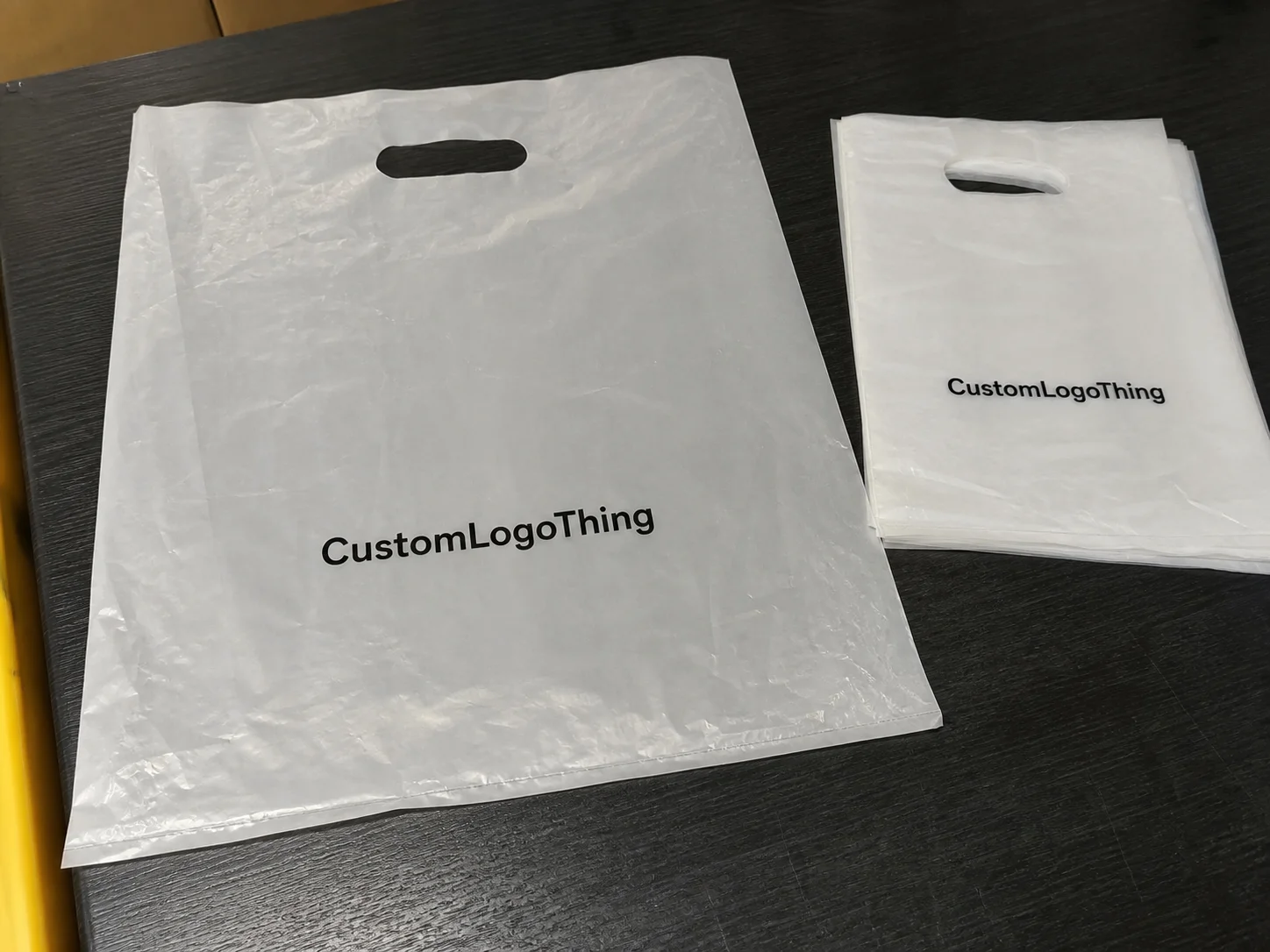
Garment bags are often treated as low-value packaging. Honestly, that is too narrow. A branded bag can lower damage claims, keep garments cleaner during movement, and reduce the time staff spend rebagging items before they leave the back room.
For retailers, a garment bag can support displayed inventory, special orders, and multi-size sorting. For dry cleaners, it can improve pickup presentation and help separate premium services from standard orders. For uniform programs, the same bag can identify department, size, and issue date without adding separate labels to every piece.
That is where Personalized Garment Bags wholesale becomes a practical purchasing category instead of a decorative one. The value is not just in the print. It is in the repeated use, the reduced handling, and the way the bag carries brand recognition wherever the garment goes.
Custom packaging is usually judged on cost per use, not only unit price. A bag that survives more handling cycles, protects the garment better, and presents cleanly at point of sale may win even if the quote is higher by a few cents. That logic matters more when orders repeat every month or every season.
Packaging buyers should ask a simple question: will this bag still perform after storage, transport, and customer handoff, or is it only cheap on the initial invoice?
For buyers who want an internal ordering path, the best starting point is a defined program through Wholesale Programs. It keeps spec control cleaner and reduces the “one-off quote” problem that often causes drift between reorder cycles.
Product formats, materials, and brand-ready details
The format has to match the use case. A full-length zipper garment bag is common for suits, dresses, outerwear, and premium retail presentation. Gusseted versions add room for thicker items or multiple pieces. Folded carry styles work better for travel, promotions, and short-term transport. Suit-cover formats are often chosen when visibility and protection need to coexist.
Material choice matters just as much. Many buyers compare PE film and PP film because both can deliver clarity, flexibility, and moisture resistance. PE tends to feel softer and more pliable. PP usually gives a crisper look and can be easier to present in retail settings. Thickness, clarity, and stiffness all influence how the bag hangs and how it feels in hand.
Personalized garment bags wholesale programs usually include a few branding methods:
- Printed logos in one color or multiple colors
- Clear windows for quick product identification
- Hanging holes for closet or rack use
- Zipper color matching for brand consistency
- Handles, closures, or fold-over flaps for carry and storage
Different buyers need different formats. Retailers often want presentation and consistency. Dry cleaners care about durability and daily handling. Uniform programs want size control and easy sorting. Wedding apparel sellers need a cleaner, premium look. Costume houses and promotional apparel distributors often prioritize foldability and bulk storage.
Seam quality and zipper reliability deserve more attention than they usually get. A bag that tears at the seam or jams at the zipper will create more labor than it saves. In practice, those failures show up quickly in high-volume operations. Thin material can be fine for short-term storage; it is rarely the best choice for repeated handling.
Specifications that affect fit, durability, and compliance
The three specs that matter most are dimensions, film thickness, and closure type. If those are wrong, the rest of the order will struggle no matter how good the print looks. Buyers should also confirm print area, fold style, and whether the bag is intended to hang or fold flat.
Size accuracy sounds basic, but it drives performance. A bag that is too narrow can stress the zipper and distort the garment. A bag that is too long wastes material, increases carton volume, and may create extra freight cost. A mismatch of even a few inches can change how the bag behaves on a hanger.
For many programs, the useful performance questions are straightforward:
- How much tear resistance does the film offer?
- Will the bag retain shape during storage?
- Does it offer enough moisture protection for transit?
- Is clarity high enough for retail display?
- Can the closure survive repeated opening and closing?
Compliance can also come into play. Some buyers need recycling notes, restricted-substance documentation, or specific labeling language. Others want packaging aligned with FSC-related paper components or broader environmental policy requirements. If environmental claims are part of the purchase decision, verify them carefully and ask for supporting documents rather than relying on a line in a quote. The U.S. EPA has useful guidance on packaging waste and source reduction at epa.gov.
For shipping-heavy programs, testing can be worth the time. Standards from organizations such as ISTA help buyers think about distribution stress, not just shelf appearance. See ista.org for the framework many logistics teams reference when they assess transit risk. You do not need lab language for every garment bag order, but you do need a clear expectation of how the package will behave in real use.
Ask for samples or a technical sheet before approval. Compare thickness, seal quality, zipper action, and print registration across suppliers. A sample often reveals more than a quote ever will.
Cost, pricing, MOQ, and unit cost breakdown
Pricing for personalized garment bags wholesale is driven by more variables than many buyers expect. Material grade, size, print complexity, color count, thickness, zipper or hardware options, and packing method all move the number. So does the order quantity. So does whether the supplier includes prep work, sampling, and freight in the quote.
MOQ exists for a reason. Setup, printing, and production efficiency make very small runs expensive. When the run gets too small, the setup cost gets spread across too few units, and the price jumps. That is not a supplier trick; it is basic manufacturing economics.
For a practical reference, here is a simple way buyers often compare options:
| Spec level | Typical use | Indicative unit cost | Notes |
|---|---|---|---|
| Standard PE bag, one-color logo | Storage, basic retail, uniform issue | $0.18-$0.28 at 5,000 pcs | Lower print complexity, simpler closure |
| Clear PP bag with zipper and custom size | Retail presentation, travel, premium programs | $0.30-$0.48 at 5,000 pcs | Better clarity, tighter spec control needed |
| Heavier-gauge bag with upgraded finish | Repeated use, shipping, higher perceived value | $0.50-$0.85 at 5,000 pcs | More material, often higher freight and carton cost |
Those numbers are directional, not universal. Quantity, print coverage, and shipping terms can move them quite a bit. Still, they give buyers a far better starting point than vague talk of “affordable packaging.”
Compare landed cost, not just the unit price. A quote that looks cheaper can become more expensive once freight, cartons, inner packing, and artwork prep are added. Ask whether the price includes proofing, sample shipping, and any rush charges. Those small items can reshape the true total.
A simple framework helps:
- Standard spec – minimal print, moderate thickness, basic closure
- Upgraded spec – better clarity, stronger zipper, custom size
- Premium spec – heavier gauge, more refined finish, stronger brand presentation
That comparison makes internal approval easier because the tradeoff is visible. You are not just choosing a bag. You are choosing how much handling protection, visual quality, and repeat-use value the program should carry.
Process and lead time from quote to delivery
The ordering process should be predictable. First comes inquiry. Then spec confirmation. Then artwork review. Then sample approval. After that, production, quality check, and shipping. If a supplier cannot explain those steps clearly, expect problems later.
Most delays come from preventable issues: late artwork files, unclear dimensions, repeated revisions, or last-minute spec changes. A buyer can lose several days simply by changing print placement after the proof stage. A changed zipper color can also trigger a new material check. Small decisions have real schedule impact.
It helps to separate lead time into three parts:
- Sample time for proof or pre-production approval
- Production time for manufacturing and packing
- Freight time for delivery to the final destination
For many custom runs, production is often quoted in the range of 12-15 business days after proof approval, though this depends on complexity and quantity. Freight can add a few days domestically or much longer if the shipment crosses regions or ports. Buyers should never treat lead time as one number; it is a chain of separate steps.
Approvals matter at each stage. Confirm the logo placement, transparency level, bag dimensions, and zipper behavior before production starts. If your internal team needs these bags for a launch, seasonal assortment, or uniform rollout, request a written schedule early. That lets operations align inventory, labor, and storage before the cartons arrive.
Best practice: get the schedule in writing before you approve the order. Production plans are easier to manage than rushed corrections.
How to evaluate a wholesale supplier before you order
A low headline price is not enough. The better question is whether the supplier can deliver consistent material, accurate print, and repeatable construction across reorder cycles. That matters more for personalized garment bags wholesale than for many other accessories, because the bags often touch more than one part of the business.
Start with proof points. Does the supplier answer technical questions clearly? Can they explain material differences without hiding behind marketing language? Do they offer samples that actually match the quoted spec? Those are signs of operational discipline.
Look for the following:
- Clear quotes with itemized costs
- Firm revision control on artwork and specs
- Documentation for materials or claims
- Realistic lead times instead of optimistic promises
- Repeat-order consistency in color, print placement, and construction
One useful test is to compare the sample against the quote line by line. If the quote says a certain thickness, the sample should feel that way. If the quote promises a specific print area, the logo should sit there. Too many buyers assume all suppliers interpret specs the same way. They do not.
Responsiveness also matters. A supplier that answers quickly but vaguely can create more risk than a slower supplier that gives exact answers. I would rather see plain language about what a bag can and cannot do than a polished pitch with no technical detail behind it.
If the supplier can support repeat orders without drifting on color or construction, that is a strong sign. If they cannot explain where the tradeoffs are, keep looking.
For brands managing broader packaging purchasing, a supplier connected to a structured Wholesale Programs process is often easier to work with than a one-off quote shop. Consistency is the real efficiency gain.
Next steps for ordering the right wholesale bag run
The fastest way to get an accurate quote is to provide a clean order brief. Include size, material, quantity, logo file, closure style, and target delivery date. If any of those are missing, expect the quote to be broad instead of precise.
Request samples or a spec sheet before final approval, especially if the bags will be used for retail display or shipping. Those are the applications where fit, clarity, and closure quality matter most. A good sample reveals whether the bag feels premium, ordinary, or fragile.
Then compare two or three quote options using the exact same specification. If each supplier is quoting a different thickness or bag size, the comparison is meaningless. Standardize the spec first. Then price the spec.
Before ordering, confirm these points in writing:
- MOQ
- Artwork requirements
- Packaging format per carton
- Lead time by stage
- Freight terms and destination
That discipline prevents expensive surprises. It also helps internal teams approve the purchase faster because the variables are visible. For a transactional purchase, clarity usually saves more money than negotiation.
If you are ready to move, submit exact specs for personalized garment bags wholesale so the supplier can quote accurately and schedule production without guesswork. The better the brief, the better the result.
FAQ
What is the typical MOQ for personalized garment bags wholesale?
MOQ usually depends on size, print method, and material choice. Standard wholesale runs are often set to cover setup and production efficiency. Ask for the MOQ alongside the exact spec so you can compare true unit cost.
What details do I need for an accurate personalized garment bags wholesale quote?
Provide dimensions, material preference, thickness, closure style, and quantity. Include logo artwork, number of print colors, and any special packaging needs. A target delivery date helps the supplier give a realistic schedule.
How long does production usually take for custom garment bags?
Lead time depends on sample approval, order size, and print complexity. Artwork revisions and spec changes can extend the schedule. Ask for sample time, production time, and freight time separately.
Which material is best for branded garment bags?
The best material depends on whether the bag is for storage, retail presentation, or shipping. Clear, flexible film works well when visibility matters. Thicker material is often better when durability and repeated use are priorities.
Can I order personalized garment bags wholesale with a logo and custom size?
Yes, most wholesale programs support both logo printing and custom dimensions. Confirm print area limits and construction constraints before final approval. A sample is the safest way to verify fit and branding placement.


