Buyer Fit Snapshot
| Best fit | Personalized Packaging for Food Entrepreneurs projects where brand print, material claims, artwork control, MOQ, and repeat-order consistency need to be specified before quoting. |
|---|---|
| Quote inputs | Share finished size, material target, print colors, finish, packing count, annual reorder estimate, ship-to region, and any compliance wording. |
| Proofing check | Approve dieline scale, logo placement, barcode or warning zones, color tolerance, closure strength, and carton packing before bulk production. |
| Main risk | Vague material claims, crowded artwork, missing packing details, or unclear freight terms can make a low unit price expensive after revisions. |
Fast answer: Personalized Packaging for Food Entrepreneurs: Quote Scope, Sample Proof, MOQ, and Lead Time should be specified like a repeatable production item. The safest quote records material, print method, finish, artwork proof, packing count, and reorder notes in one written spec.
Production checks before approval
Compare the actual filled-product size with the drawing, then confirm tolerance on folds, seals, hang holes, label areas, and retail display edges. Reserve space for logos, QR codes, warning copy, and material claims before decorative graphics fill the panel.
Quote comparison points
Review material grade, print process, finish, sampling route, tooling charges, carton quantity, and freight assumptions side by side. A quote is only useful when the supplier can repeat the same color, closure quality, and packing count on the next order.
Personalized Packaging for Food entrepreneurs is one of those things people underestimate until the first shipment arrives dented, leaking, or looking like it was assembled by someone having a very bad day in a warehouse in Dongguan. I’ve stood in packaging rooms where a founder spent $8,000 on a gorgeous label design, then lost half the value because the jar moved one inch in transit. The recipe was good. The packaging wasn’t. That’s the part nobody wants to hear, but personalized packaging for food entrepreneurs is where brand trust, product protection, and repeat orders actually start.
People judge food before they taste it. I’ve watched buyers at a regional grocery chain in Austin pick up two snack pouches, stare at the finish, check the seal, and put one back without even reading the ingredients. That’s packaging design doing its job—or failing it. Personalized Packaging for Food entrepreneurs should do more than show a logo. It should protect the product, fit the filling process, survive shipping, and make the brand look like it knows what it’s doing. If your pouch feels flimsy or your carton arrives scuffed, the customer notices in about three seconds. Faster if they’re in a hurry and holding a coffee.
Personalized Packaging for Food Entrepreneurs: What It Really Means
Personalized Packaging for Food entrepreneurs means the package is built around your product, your brand story, and your operating reality. I’m talking about custom printed boxes, labels, sleeves, pouches, inserts, and mailers that are sized, printed, and finished for one specific food business. Not a generic brown box with a sticker slapped on it. That works for shipping tomatoes from a backyard garden. It does not work for a premium sauce brand trying to charge $14.99 a bottle from a kitchen in Nashville or a bakery scaling from Portland to retail shelves in Seattle.
In plain English, personalized packaging for food entrepreneurs is packaging that fits the food and the business model. A bakery shipping cookies through DTC needs different retail packaging than a frozen meal brand selling through local cafes. One wants shelf appeal and fast assembly. The other needs insulation, a clean barcode, and enough structural strength to survive a courier route that starts in Phoenix and ends in Denver. I’ve seen founders treat packaging like decoration. That is a mistake. Functional packaging matters more than pretty packaging, especially when grease, moisture, cold storage, or stack pressure enter the picture. A carton printed on 350gsm C1S artboard is a very different beast from a 20pt SBS sleeve, and the wrong one will remind you of that at the worst possible moment.
I remember one afternoon in our Shenzhen facility when a snack client wanted a glossy carton with a paper insert because it looked premium in the mockup. Pretty, yes. Useful, no. The bars kept sliding in transit because the insert depth was off by 2 mm. We changed the insert, added a tighter tuck, and the unit cost went up by only $0.12 at 5,000 pieces. That tiny change saved them thousands in crushed-product claims and customer refunds. That is personalized packaging for food entrepreneurs in real life. Boring detail. Big money. Mild headache for everyone involved. The print run was approved on a Monday, proof corrected on Wednesday, and the replacement cartons shipped 14 business days later out of Guangdong. Nobody clapped. The refund queue got shorter, Which Is Better.
Who is this for? Bakers. Sauce brands. Meal prep startups. Beverage brands. Frozen food founders. Indie confectionery labels. Even small DTC businesses that need packaging to do more than sit on a shelf and look photogenic on Instagram. Personalized packaging for food entrepreneurs works across product categories, but the material, print finish, and structure change depending on what you sell and how it ships. A small granola brand in Minneapolis does not need the same barrier spec as a frozen dumpling line in Ontario, and pretending otherwise is how you end up with soggy product and a lot of passive-aggressive emails.
And no, personalization is not just a logo. It includes the board grade, the barrier layer, the finish, the barcode placement, the opening experience, and sometimes even how the customer tears the package open on a Tuesday night after the train ride home. That’s package branding with a job to do, not just a pretty face. If the structure uses 1.8mm greyboard, a matte aqueous coating, and a foil-stamped emblem, that’s a specific brand decision, not decoration with a budget.
I also tell founders to think of personalized packaging for food entrepreneurs as a system, not a single item. Your pouch, label, insert card, and outer mailer should feel like they belong together. If one piece looks cheap and another looks premium, the whole brand feels off. Customers notice. They may not say it out loud, but they absolutely notice. They also notice when your “minimalist” box looks like it got sad halfway through production. A $0.06 kraft insert next to a $0.28 foil carton is not a vibe; it’s a warning sign.
How Personalized Packaging for Food Entrepreneurs Works
Personalized packaging for food entrepreneurs usually follows a pretty standard workflow, even if the product itself is unique. First, you define the product specs: weight, dimensions, moisture level, fat content, shelf life, and whether it ships retail or direct-to-consumer. Then you pick the package style. After that comes material selection, artwork setup, prototyping, approval, and production. Simple on paper. Messy in practice. Packaging always looks easier before the dieline shows up on a screen at 10:40 p.m. and someone realizes the barcode sits inside the fold.
The food product dictates the package. Greasy or oily foods need materials that won’t stain or break down. Moist products need better barrier protection. Frozen items need structures that tolerate condensation and cold-chain handling. Fragile pastries need support so the corners don’t collapse the second someone stacks a tray on top. Shelf-stable products are easier, but not automatically cheap. I’ve quoted a lot of “simple” jobs that turned complicated because the filling line, shipping method, and retail display requirements were all different. A $0.21 carton can turn into a $0.34 carton fast if you need grease resistance, a window patch, and a stronger folding lock.
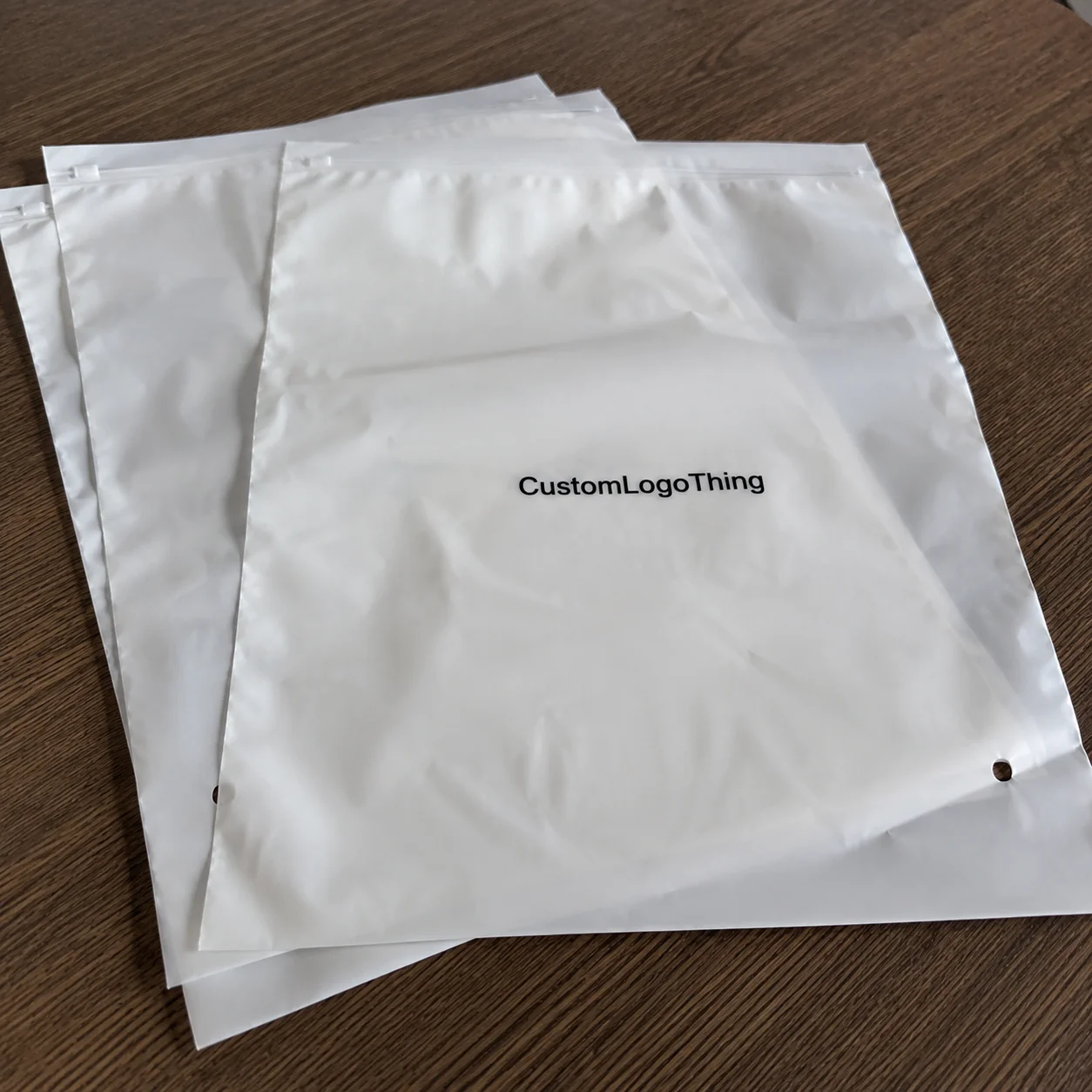
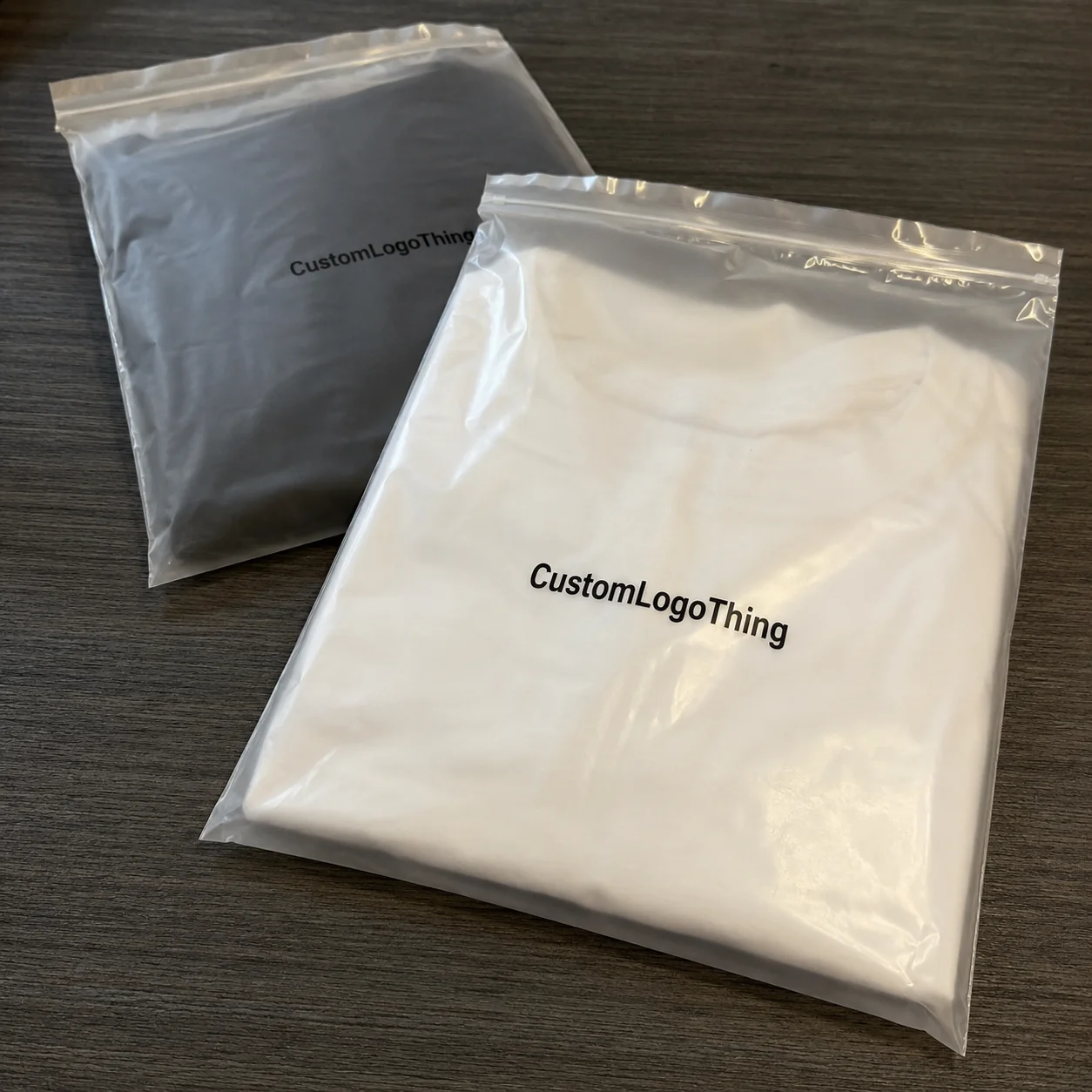
Common formats show up again and again. Folding cartons work well for bakery items and small retail packaging. Stand-up pouches are strong for snacks, granola, and dry mixes. Labels fit jars, bottles, and sauces. Corrugated mailers are the workhorse for DTC shipping. And yes, custom printed boxes can absolutely be the right choice for a food brand—if the box is doing more than sitting pretty on a shelf. A mailer made from E-flute corrugated board with a 1-color exterior can be enough for a 16 oz cookie set, while a premium tea brand in Chicago might need rigid packaging with a 157gsm C2S wrap for the shelf and the unboxing moment.
Here’s how the timing usually breaks down: artwork can take 2 to 5 business days if the content is already ready, sampling often takes 1 to 3 weeks depending on tooling, and production can take another 12 to 25 business days once proof approval is locked. Freight adds its own little surprise party. If anyone promises a custom structure overnight, I’d ask what corners they’re cutting. Usually the answer is “a lot,” which is not comforting. A typical carton job from proof approval to finished goods leaving a facility in Shenzhen or Foshan lands in the 12 to 15 business day range for standard specifications. Add 5 to 12 more days if you want sea freight or you’re waiting on a busy port in Los Angeles.
Good suppliers ask smart questions before quoting. Retail or DTC? Manual fill or automated? Cold storage or ambient? Will the package go through a case packer? Is there a tamper-evident requirement? Those questions save money because they prevent bad assumptions. Guesswork is expensive. I learned that the hard way visiting a co-packer in Guangzhou where a client’s pouch opening was 4 mm too narrow for their fill nozzle. The fix cost $600. The delay cost them a launch window in April, which mattered because the product was tied to a spring retail promotion. They missed the shelf date by nine days. Nine days is forever in grocery.
That is why personalized packaging for food entrepreneurs is not just a design decision. It is a production decision. It touches filling speed, food safety, retail readiness, and shipping durability all at once. If you miss one of those pieces, the package may look great and still fail in the real world. I’ve seen beautiful mockups printed in Xiamen on 350gsm C1S artboard fail because the glue line was wrong by 1.5 mm and the carton popped open during palletizing. Pretty on screen. Useless in a warehouse.
For founders building their first packaging program, it helps to compare formats before committing. Here’s a simple view of common options:
| Packaging Format | Best For | Typical Starting Cost | Main Advantage | Main Tradeoff |
|---|---|---|---|---|
| Labels | Jars, bottles, sauces | $0.03–$0.15/unit at 5,000+ | Low setup, fast launch | Limited structural protection |
| Folding cartons | Bakery, confectionery, shelf-stable foods | $0.18–$0.60/unit at 5,000+ | Strong retail presentation | Needs accurate sizing and folding |
| Stand-up pouches | Snacks, dry mixes, granola | $0.22–$0.85/unit depending on barrier | Good shelf visibility and storage efficiency | Higher cost with special films |
| Corrugated mailers | DTC shipping | $0.55–$1.80/unit depending on print and strength | Protects product in transit | Bulkier and higher freight cost |
If you’re planning to compare structure options, I’d also suggest looking at our Custom Packaging Products page so you can see the kinds of formats brands actually use before they lock in a spec. Reading about packaging is one thing. Holding it in your hands is better. Also, your supplier will take you more seriously when you’re not asking for “the one that looks premium but cheap.” Yes, people really say that. Usually right after asking whether matte means “fancy but not shiny.”
Key Factors That Shape Cost, Quality, and Shelf Appeal
Personalized packaging for food entrepreneurs gets expensive or affordable for very specific reasons. Material type is the first one. A simple SBS paperboard carton costs very differently from a laminated pouch with a matte varnish and high-barrier film. Print method matters too. Digital print can work well for small runs. Offset and flexographic printing often make more sense at higher quantities. Size, shape, and special finishes all add cost. So does any food-safe barrier or grease-resistant coating. If you’re printing on 300gsm artpaper in Shanghai versus using 24pt white SBS in Chicago, the price, lead time, and finish quality all change in ways that are not subtle.
Low quantities are always pricier per unit. That is not a scam. That is math. If a packaging line takes one hour to set up, the setup cost has to go somewhere. If you order 1,000 units, that cost is spread thin. If you order 20,000, it drops fast. I’ve had founders call me outraged that 1,000 cartons cost $0.62 each while 10,000 dropped to $0.21. That is normal. Setup fees do not magically disappear because the order is small. I wish they did. I’d retire early and spend more time arguing with freight invoices from Ningbo and customs brokers in Long Beach.
Here’s the cost structure I usually explain to clients who are new to personalized packaging for food entrepreneurs:
- Material: paperboard, corrugated, PET, kraft, foil laminate, or compostable film.
- Print: digital, offset, flexo, or screen depending on quantity and artwork.
- Structure: tuck end, sleeve, mailer, gusset pouch, rigid box, or tray.
- Finish: matte, gloss, soft-touch, foil stamping, embossing, spot UV.
- Compliance: nutrition panel space, allergen callouts, barcode, ingredient list, batch code.
- Performance: grease resistance, barrier protection, compression strength, seal integrity.
The hidden cost of bad packaging is where founders get burned. One frozen dessert client in California saved $0.07/unit by switching to a thinner outer carton. Great on paper. Less great when 9% of their shipments arrived crushed after UPS routing out of Riverside. They paid for replacement product, refund labor, and angry emails. The “cheaper” box cost them more than the better one would have. That extra seven cents would have looked very reasonable after the first 300 damaged units.
Shelf appeal also affects cost, but in a different way. Good packaging design can raise perceived value enough to support a higher price point. I’ve watched a small sauce brand move from a plain label on a clear bottle to a wrapped label with copper foil and a custom neck seal. Their wholesale buyers treated it like a premium product after that, and the price jumped from $6.50 to $8.25 retail. Same sauce. Better branded packaging. Better margin. The label change cost $0.11 more per unit at 8,000 pieces, which was a bargain compared with the $1.75 higher retail price.
Color consistency matters more than most people realize. If your deep green comes out muddy on one run and rich on the next, customers think something is off. Packaging prints should be checked against approved proofs under daylight, not just office lighting. I once had a founder reject a whole pallet because the cream color skewed gray under warehouse fluorescents in Newark. They were right. The package looked tired, and tired packaging sells tired product. Also, warehouses are brutal lighting environments. They make everything look slightly sad.
Touch also matters. Soft-touch lamination feels premium. Uncoated kraft can signal natural and artisan. Gloss can make colors pop, but it can also show scratches. There is no universal best finish. There is only the finish that matches the brand promise and the handling conditions. A $0.24 matte fold carton for snack bars in Denver may feel perfect, while a $0.39 soft-touch sleeve for a truffle box in Boston might be worth every cent because it carries the premium story on contact.
For brands trying to estimate options, here’s a practical comparison:
| Option | Approx. Unit Range | Best Use | Risk if Chosen Poorly |
|---|---|---|---|
| Basic label | $0.03–$0.12 | Launches, jars, bottles | Poor durability in moisture |
| Standard carton | $0.18–$0.45 | Retail packaging for dry goods | Crushing if board is too light |
| Barrier pouch | $0.22–$0.90 | Snacks, coffee, dehydrated foods | Seal failure if film is wrong |
| Custom mailer | $0.55–$1.80 | DTC shipping | Higher freight and storage cost |
For material standards and packaging terminology, I often point clients to industry references like Packaging Machinery Manufacturers Institute resources and ISTA testing guidelines. If you’re shipping food, the shipping test matters just as much as the artwork. Pretty packaging that fails a compression test is just expensive trash. I’ve seen that failure happen in a test room in Suzhou with a 12-pack of granola, and nobody wants to pay for the redo.
How Do You Launch Personalized Packaging for Food Entrepreneurs?
Start with the product, not the print. I know that sounds obvious, but founders fall in love with visual mockups before they’ve measured the fill height. Personalized packaging for food entrepreneurs should begin with a product brief that includes dimensions, ingredients, moisture level, shelf life, storage temperature, shipping method, and target quantity. If those basics are unclear, the packaging quote will be fuzzy too. And fuzzy quotes are how budgets quietly go to die. I’ve seen a founder in Brooklyn approve artwork before checking whether the cookie stack fit the carton. The carton lost 6 mm of headroom. That’s not a rounding error; that’s a problem.
Next, choose the format. A snack brand may need a stand-up pouch with a zipper. A brownie company may need a folding carton with a grease-resistant insert. A sauce brand may need a bottle label plus tamper seal. A tea startup might need a pouch plus an outer carton. The best format is the one that protects the product, fits the assembly process, and matches the customer journey. Fancy is not the goal. Fit is the goal. A 350gsm C1S folding carton with a straight tuck end can be ideal for shelf display, while a 2.5mil laminate pouch with a zip lock can make more sense for a 6 oz dry mix sold through Amazon.
Then comes artwork. This is where people lose time because they treat packaging design like a poster. It is not a poster. You need exact dimensions, bleed, safe zones, barcodes, net weight, ingredient list, allergen copy, and any required compliance text. For personalized packaging for food entrepreneurs, the dieline is not optional. I’ve had a client forget to leave space for the seam on a pouch, which meant the nutrition panel wrapped awkwardly and became hard to read. A small mistake. A very annoying one. The kind that makes you stare at your screen and wonder if coffee is actually helping. If your designer is working in Adobe Illustrator, ask them to confirm the dieline in millimeters, not “roughly.” Roughly is how you get reprints.
Sampling matters. Always request a sample or prototype before bulk production. I want to see fit, seal strength, stacking, and print accuracy. If it’s a carton, I test folding speed and whether the tabs tear after three open-close cycles. If it’s a pouch, I test zipper alignment and barrier performance. If it’s shipping packaging, I compress it, shake it, and stack it. A clean desk tells you almost nothing. Real handling tells you the truth. In one factory visit in Dongguan, we ran 50 cartons through a hand-pack test and found the glue flap needed to be 2 mm wider. That tiny change cut assembly complaints from the co-packer to zero.
Here’s the flow I recommend:
- Define the product — size, weight, storage, and shipping.
- Pick the format — carton, pouch, label, insert, or mailer.
- Confirm materials — board, film, coating, or barrier layer.
- Build the artwork — exact dieline, copy, barcodes, and regulatory text.
- Request a prototype — check fit, print, and handling.
- Review performance — seal, stack, shelf presentation, and transit durability.
- Approve final specs — only after real testing.
- Place the order — then pad the timeline for freight and revisions.
Timeline is where optimism meets reality. A basic label order may move fast. A custom structure can take longer because of dielines and tooling. If the supplier is asking about retail versus DTC, fill speed, and storage conditions, that is a good sign. It means they’re trying to avoid a costly mistake. If they are not asking questions, I’d be nervous. Very nervous. The kind of nervous that makes you reread every line of the PO twice. A realistic project from proof approval to finished cartons often runs 12 to 15 business days in factories around Shenzhen, Guangzhou, or Foshan for straightforward specs, plus freight to your warehouse in the U.S., Canada, or the UK.
One client meeting still sticks with me. A meal kit founder wanted a premium sleeve around a tray, and she was ready to approve after seeing a render. I asked how the tray was being filled. Turned out the co-packer was sealing on a semi-automatic line that hated tight sleeves. We widened the opening by 3 mm and cut assembly labor by 18 seconds per unit. On 12,000 units, that’s real labor money. Personalized packaging for food entrepreneurs should make operations easier, not harder. At $18 per hour, that 18-second cut saved more than $1,000 in labor on the first run alone.
For brands wanting to keep the process sane, I always tell them to use Custom Packaging Products as a reference point early. Seeing actual packaging categories helps avoid vague conversations like “make it premium but also cheap.” That request has cost more time than I care to admit. Suppliers in Guangzhou hear that phrase and immediately start reaching for the coffee.
Common Mistakes Food Founders Make With Personalized Packaging for Food Entrepreneurs
The first mistake is choosing the wrong material. A pretty box that fails with humidity, grease, or frozen condensation is not a win. It’s a refund waiting to happen. I once saw a bakery switch to a matte paper stock that looked beautiful in the studio, then warped badly near a hot oven line in San Diego. The design was fine. The substrate was wrong. Personalized packaging for food entrepreneurs lives or dies by the material choice. If the product sits near heat, moisture, or oil, the board spec has to match that reality, not the mockup.
The second mistake is designing before understanding the fill process. If the product is packed by hand, speed matters. If the product runs through a machine, dimensions matter even more. I’ve seen beautiful custom printed boxes that took 14 extra seconds each to assemble. That sounds small until you multiply it by 5,000 units and a labor rate of $18/hour. You do the math. The box stopped being an asset and became a bottleneck. I watched one co-packer in Toronto stop a line because a tab was 1.5 mm too tight. One. Point. Five.
The third mistake is ignoring compliance. Nutrition panels, allergen statements, barcode placement, and net weight are not optional decorations. They are part of the package. If the legal copy is cramped or hard to scan, retailers will notice. For personalized packaging for food entrepreneurs, a good package must support food safety and labeling rules, not fight them. I’m not a lawyer, so always confirm regulations with a qualified compliance expert, but I’ve seen enough rejected artwork to know that sloppy copy placement is expensive. Reprints from a print house in Shanghai are not a cute surprise. They’re a line item no one budgeted for.
The fourth mistake is ordering too much too early. This one hurts. A startup places a 20,000-unit order because the price drops by $0.09 each, then the brand shifts after the first sales cycle and the box no longer fits the new positioning. Now there’s inventory in a warehouse eating cash. Start smaller if you can. Test the market. Then scale. Personalized packaging for food entrepreneurs should support growth, not trap money in dead stock. I’d rather see a founder order 3,000 units at $0.31 each than 20,000 units at $0.22 and regret every pallet.
The fifth mistake is skipping shipping tests. If you sell DTC, your package needs to survive vibration, compression, drops, and sometimes temperature swings. I recommend checking against standards like ISTA where appropriate, especially for higher-value food shipments. A box that looks sturdy on a table can still fail when a courier stacks 40 pounds of odd-shaped boxes on top of it. Nature, or at least logistics, is not kind. Neither is a sorting center in Atlanta on a Friday afternoon.
The sixth mistake is picking a finish that photographs well but performs poorly. Gloss can show every scratch. Some metallic films smudge. Soft-touch can scuff if the cartons rub in transit. I had a client fall in love with a deep black soft-touch carton, then discover that every fingermark from the fulfillment team showed up like a crime scene. Beautiful in photos. Annoying in production. The warehouse team was not amused, and frankly, neither was I. The fix was a slightly different matte lamination with a tougher topcoat, which cost $0.04 more per unit but saved a lot of muttering.
Expert Tips to Make Personalized Packaging for Food Entrepreneurs Pay Off
Start with one hero SKU. Not seven. One. I know founders want the whole line to look polished on day one, but the smartest personalized packaging for food entrepreneurs usually starts with the bestselling item, then expands after sales data tells the story. That reduces risk and keeps cash where you need it most. If your flagship granola sells 4,000 units a month, make that carton perfect before you start building a side quest for chocolate bark.
If you want a premium look, spend on one standout element instead of upgrading everything. Foil stamping, embossing, a custom insert, or a high-end coating can do more for perceived value than throwing every finish in the catalog at the same package. I’d rather see one strong decision than five mediocre ones fighting each other. Honestly, five finishes on one box can look like the packaging equivalent of wearing every accessory you own. Pick one thing to win at. The rest can be calm.
Ask for a line-item quote. Seriously. A flat quote hides too much. I want to know the substrate cost, print cost, coating cost, tooling, freight, and any setup charge. That’s how you negotiate intelligently. I once shaved $1,400 off a project simply by asking for alternate board weights and a different print schedule. Same visual outcome. Less money wasted. On a run of 8,000 units, moving from a heavier insert to a lighter one cut the landed cost from $0.43 to $0.36 per unit without changing the customer experience.
Here’s a simple comparison founders can use during supplier conversations:
| Decision | Lower Cost Option | Higher Perceived Value Option | Best Use Case |
|---|---|---|---|
| Finish | Matte aqueous | Soft-touch with spot UV | Premium retail packaging |
| Material | Standard paperboard | Heavier board or barrier film | Products needing more protection |
| Structure | Simple tuck box | Custom insert or reinforced mailer | DTC shipping or fragile items |
| Single-color or digital | Full-color offset with special finish | Brand shelf presence |
Test packaging in real conditions. Not on a clean conference table. In a refrigerator. On a conveyor. In a delivery box with cold packs. In humid air. In the hands of the person who will actually fill it for 6 hours straight. Personalized packaging for food entrepreneurs should function where the product lives, not where the sales deck looks best. If your cold brew carton survives 48 hours in a 4°C cooler and still scans cleanly, that tells you more than ten renderings ever will.
One more supplier tip: ask for alternate materials. A vendor may quote a premium film first, but a slightly different structure or board weight can reduce the price without hurting the brand. I’ve seen founders save 8% to 14% this way. Not by squeezing the supplier. By asking the right question. A factory in Zhejiang once swapped a 28-micron film for a 24-micron version with the same barrier rating, and the landed cost dropped by $0.05 per unit on a 15,000-piece order.
And yes, sustainability matters, but only if it works. If you want recyclable or responsibly sourced materials, look for references to FSC where relevant and confirm actual performance. The Forest Stewardship Council is a useful reference point for responsible sourcing. Still, I always remind clients that eco claims should be accurate, not just trendy. Greenwashing is expensive and embarrassing. If the compostable pouch needs a 90-day industrial facility in a city where those facilities don’t exist, that’s not a strategy; that’s a press-release problem.
Done well, personalized packaging for food entrepreneurs speeds up launch, supports premium pricing, and reduces damage claims. Done badly, it creates friction in every part of the business. Choose the former. Your margin will thank you. Your operations manager will thank you too, and they rarely thank anyone.
Next Steps for Personalized Packaging for Food Entrepreneurs
If you’re ready to move, start with a packaging brief. Keep it simple but specific: product size, ingredients, storage needs, shipping method, target order quantity, and whether you’re selling retail, wholesale, or DTC. That brief makes personalized packaging for food entrepreneurs easier to quote and much easier to compare. A brief with exact dimensions like 120 x 80 x 35 mm beats “small snack box” every single time.
Then collect three reference images. One should show the style you like. One should show the competitor you want to beat. One should show the packaging structure you think will fit best. I don’t care if the references are screenshots, store photos, or product listings. I care that they give your supplier something concrete to work from. Vague descriptions waste time, and I’ve had enough vague descriptions to last a lifetime. A supplier in Shenzhen can work with a shelf photo from Whole Foods in Chicago. “Make it pop” is not a spec.
Ask for a quote with at least two material options, one print method, and a sample timeline. A real quote beats “we can probably make it work” every time. If a supplier can’t separate packaging, print, coating, and freight, they’re making it harder for you to see where the money goes. That’s not helpful. Ask for specifics like 350gsm C1S artboard versus 400gsm CCNB, and ask what changes the unit cost at 5,000, 10,000, and 20,000 pieces. That is how you stop guessing.
Order a prototype or small test run. Check fit, fill speed, shelf appeal, and shipping durability. Check the barcode scan. Check the corner crush. Check whether the pouch zipper actually closes after product fill. This is the part that saves founders from expensive embarrassment. Personalized packaging for food entrepreneurs should be proven before it scales. A prototype that costs $85 and takes 7 business days is cheap compared with a $4,000 reprint and a delayed launch.
Review legal copy before production approval. Yes, all of it. Ingredient panels, allergen statements, barcode placement, net weight, and any required storage or handling notes. One misplaced line can trigger a reprint. Reprints are how small businesses burn cash for sport. I’ve seen a California snack brand reprint 6,000 sleeves because the “contains nuts” line sat too close to the fold and disappeared in assembly. That mistake cost them two weeks and a lot of patience.
Set a reordering threshold now. Don’t wait until you’re down to the last 300 units and panic-order from the cheapest vendor you can find. I’ve watched too many founders make frantic decisions at the end of a stock run. Set your trigger at 20% to 30% of inventory if your lead time is 4 to 6 weeks. You’ll sleep better. Your operations team will thank you too, which is rare and beautiful. If your supplier is in Dongguan and freight to your warehouse in Dallas takes 18 days, that reorder point matters more than your mood.
Finally, use personalized packaging for food entrepreneurs as a sales tool, not just a container. The right package helps customers understand the product faster, trust it sooner, and remember it longer. That matters. Especially when you’re competing against ten other brands in the same fridge case or search result. I’ve seen a $0.15 packaging upgrade increase repeat purchase behavior simply because the product looked more legitimate. That’s not magic. That’s good packaging doing its job. A cleaner label, a sturdier carton, and a better finish can do what a fancy ad campaign can’t always do on its own.
If you want your package to feel like the brand, protect the product, and hold up in the real world, personalized packaging for food entrepreneurs is where you start. Build it with intention. Test it like it matters. Because it does. And if your first sample from a factory in Guangzhou comes back with a crooked barcode, do not pretend it’s “close enough.” It isn’t.
FAQs
How much does personalized packaging for food entrepreneurs usually cost?
Costs vary by material, print method, size, and quantity. Simple labels can start around $0.03 to $0.15 per unit at 5,000 pieces, while custom cartons or specialty pouches can move into the $0.18 to $0.90 range or higher depending on barrier requirements and finishes. Low-volume orders usually cost more per unit because setup costs get spread across fewer pieces. Ask for a line-item quote so you can compare structure, print, coating, and shipping separately. If you’re quoting 10,000 units out of Shenzhen or Ningbo, ask for the landed cost to your warehouse in one number and the factory price in another. That’s how you spot the hidden charges.
How long does personalized packaging for food entrepreneurs take to make?
Simple projects can move from artwork to sampling in a few days, but custom structures usually take longer because dielines, prototypes, and revisions need time. A realistic timeline often includes 1 to 3 weeks for sampling and another 12 to 25 business days for production after approval. Freight adds extra time. Build in a buffer before launch so one delayed proof does not wreck the rollout. For standard carton jobs, 12 to 15 business days from proof approval is common in factories around Guangdong, while special coatings, embossing, or imported films can add another 3 to 7 business days.
What packaging type is best for small food businesses?
It depends on the product. Pouches work well for snacks and dry goods, cartons fit bakery items and retail packaging, and labels are ideal for jars and bottles. The best choice balances protection, brand presentation, and assembly speed. I usually tell small founders to start with one format that fits their main sales channel instead of trying to cover every channel at once. If you’re selling a 3 oz spice blend online, a barrier pouch may beat a box; if you’re selling artisan cookies in a boutique in Los Angeles, a folding carton on 350gsm artboard may make more sense.
What should I include in the artwork for personalized food packaging?
Include your logo, product name, ingredients, allergen statements, barcode, net weight, and any required regulatory information. Leave space for folds, seals, and readability so the artwork still works once it is printed and assembled. Always check the final dimensions against the dieline before approving production. A design that looks fine in Photoshop can turn into a mess on press. If the package is a pouch, ask for exact seam and zipper allowances in millimeters. If it is a carton, confirm fold lines and glue flaps before the first proof.
How do I avoid expensive mistakes with personalized packaging for food entrepreneurs?
Test samples before ordering in bulk. Match the material to the food’s moisture, grease, temperature, and shipping needs. Confirm all legal copy and product specs before production starts. And please, for the love of margins, test the package in real handling conditions instead of assuming a mockup equals a finished product. If a supplier in Dongguan, Xiamen, or Foshan cannot provide a prototype within 7 to 10 business days, push for clarity before you commit to a 20,000-piece order.