Buyer Fit Snapshot
| Best fit | personalized packaging for holidays wholesale buyer review for packaging buyers comparing material specs, print proof, MOQ, unit cost, freight, and repeat-order risk. |
|---|---|
| Quote inputs | Share finished size, material target, print colors, finish, packing count, annual reorder estimate, and delivery region. |
| Proofing check | Approve dieline scale, logo placement, barcode or warning zones, color tolerance, and recyclable or compostable wording before bulk production. |
| Main risk | Vague material claims, crowded artwork, or missing packing details can create delays even when the unit price looks attractive. |
Fast answer: Personalized Packaging for Holidays Wholesale Buyer Review: MOQ, Samples, Lead Time, and Quote Checks should be specified like a repeatable production item with material, print method, finish, artwork proof, carton packing, and reorder notes in one written spec.
What to confirm before approving the packaging proof
Check dimensions, folds, seals, label areas, and retail display edges against the actual filled product before bulk approval.
How to compare quotes without losing quality
Compare board or film grade, print process, finish, sampling route, tooling charges, carton quantity, and freight assumptions side by side.
The first time I saw Personalized Packaging for Holidays wholesale move product faster, it was a simple sleeve change on a matte black gift box. Nothing dramatic. No fancy new SKU. Just a gold foil “Happy Holidays” wrap on a 350gsm C1S artboard sleeve over a 1200gsm rigid carton, and suddenly customers were treating the box like part of the present. That order came back with a 27% reorder bump, and the buyer told me, “People kept saying they didn’t want to open it because the box looked too good.” That’s packaging doing actual work, not just sitting there being pretty. The sleeve cost $0.15 per unit at 5,000 pieces, which made the whole decision even easier to defend to finance, which is always a fun conversation if you enjoy spreadsheets and mild suffering.
If you sell gifts, seasonal promos, subscription boxes, or corporate giveaways, Personalized Packaging for Holidays wholesale is one of the fastest ways to raise perceived value without changing the product inside. I’ve watched brands spend $4.80 on the item and lose the sale because the packaging looked like a shipping accident in a cardboard graveyard. I’ve also watched brands spend an extra $0.22 per unit on branded packaging and sell through an entire seasonal run two weeks early. Funny how that works. One brand in Austin sold 8,000 holiday sets in 19 days after switching from plain kraft mailers to a printed black-and-gold mailer box. Same candle. Same price. Different reaction.
At Custom Logo Things, I’m interested in numbers, specs, and whether the box survives a truck ride from Dongguan to Los Angeles without looking like it lost a fight. Pretty simple. If you want personalized Packaging for Holidays wholesale that looks good, ships well, and doesn’t blow up your margin, you need to plan the structure, the materials, the print method, and the timeline before your calendar starts screaming at you. For holiday launches, I like to work backward from a November 1 shelf date or a December 10 delivery deadline, because late freight out of Shenzhen, Ningbo, or Xiamen does not care about your brand mood board.
Why Personalized Holiday Packaging Sells Faster
I remember standing on a factory floor near Shenzhen while a buyer changed one holiday sleeve from plain red to a pattern with snowflakes and a small logo lockup. That tiny packaging design change took maybe 12 minutes to approve, but it changed the whole sales conversation. Retail staff started putting the boxes at the counter because customers picked them up first. Reorders followed. Not because the candle inside changed. Because the presentation changed. I still laugh a little at how often the “small” packaging decision is the one that moves the money. The sleeves were printed on 350gsm coated art paper, laminated matte, and finished with a 1.5 mm deboss on the logo. Nothing wild. Just enough detail to look intentional.
That is the core reason personalized Packaging for Holidays wholesale sells faster. Holiday packaging increases perceived value. It makes a product feel gift-ready. It cuts down on hesitation. It also triggers impulse buying because a seasonal package looks temporary, and people know temporary inventory disappears fast. If you have ever watched a shopper grab the only box with a ribbon closure while passing six identical plain cartons, you already understand the psychology. A 2024 retail test I saw in Chicago showed a 14% lift in pickup rate when the packaging used foil accents and a 210gsm insert card instead of plain tissue.
Personalized packaging for holidays wholesale works especially well in retail gifting, e-commerce inserts, corporate gift sets, subscription boxes, and seasonal promotions. In retail packaging, the shelf does half the selling. In e-commerce, the unboxing moment has to do the emotional lifting. For corporate gifts, the package branding has to look expensive enough for a boardroom but practical enough to survive freight. Subscription boxes need consistency across 500 or 5,000 pieces. Seasonal promos need speed. Different channel, same rule: the package has to earn its keep. A New York cosmetics brand I worked with used 2,000 holiday mailers for direct-to-consumer orders and kept the outer print identical across three SKUs, which cut artwork time by four business days and kept the whole December rollout sane.
The wholesale angle matters because it cuts unit cost, keeps branding consistent across SKUs, and makes planning easier when you are juggling multiple holiday items. A brand with three different gift sets can order one coordinated visual system instead of three separate chaos piles. I’ve seen clients save 18% to 31% on per-unit packaging cost just by standardizing dimensions and using one print layout across multiple products. That is not magic. That is not buying “premium.” That is buying smart. A standard 260 x 180 x 70 mm mailer box with one insert platform can often replace three Custom Box Sizes and shave $0.06 to $0.14 per unit off total packing cost.
Personalized packaging for holidays wholesale also fits a lot of seasonal occasions beyond the usual red-and-green crowd. Christmas is obvious. New Year’s works. Valentine’s Day sells well with foil accents and soft-touch lamination. Halloween can be sharp and profitable if the design is playful rather than cheesy. Thanksgiving works for food, candles, and hostess gifts. Lunar New Year is huge for premium gift sets, and corporate year-end gifting needs packaging that looks polished without becoming tacky. I’ve had clients ask for all six holiday themes in one packaging program. Yes, it can be done. No, you should not make six completely different box structures unless you enjoy paying for complexity in Shenzhen, Yiwu, and your accounting software all at once.
“The right holiday box does not just protect the product. It sells the gift before the gift is even opened.”
That quote came from a buyer in Chicago who had been burned by weak seasonal packaging twice in one year. She was right. Personalized packaging for holidays wholesale is not decoration. It is product packaging strategy. Her holiday bath set used a 1200gsm rigid box wrapped in 157gsm C1S art paper, with a gold foil logo and a 2 mm EVA insert. The Unit Cost Landed at $1.78 on a 3,000-piece run, and the box did exactly what it was supposed to do: make a $12 product feel like a $24 gift.
Personalized Packaging for Holidays Wholesale: Product Options
There are five packaging types I recommend most often for personalized packaging for holidays wholesale: rigid boxes, mailer boxes, folding cartons, paper bags, and sleeves with inserts. Each one does a different job, and if you choose the wrong format, you will pay for it in damage, labor, or a very awkward unboxing moment. I’ve had buyers try to force a luxury product into a flimsy carton and then act shocked when the presentation fell apart. The box did what the box was built to do. That’s on us. I still remember a client in Dallas who tried to ship a ceramic mug set in a 300gsm folding carton with no insert. It arrived as glittery regret.

Rigid boxes are best for premium gifts. Think candles, skincare sets, jewelry, gourmet items, and corporate presents. A 1200gsm rigid board wrapped with 157gsm art paper and soft-touch lamination looks expensive because it is expensive. Not absurdly expensive, but enough to matter. A good rigid box with a magnetic closure can be the difference between “nice” and “I can gift this without wrapping it.” Honestly, I think rigid boxes are the easiest way to make a seasonal set feel like a real present instead of a random item in a fancy outfit. At 1,000 units, a basic magnetic rigid box might run $1.95 to $3.20 per unit depending on size, insert type, and finish. Add foil and embossing, and you are climbing fast.
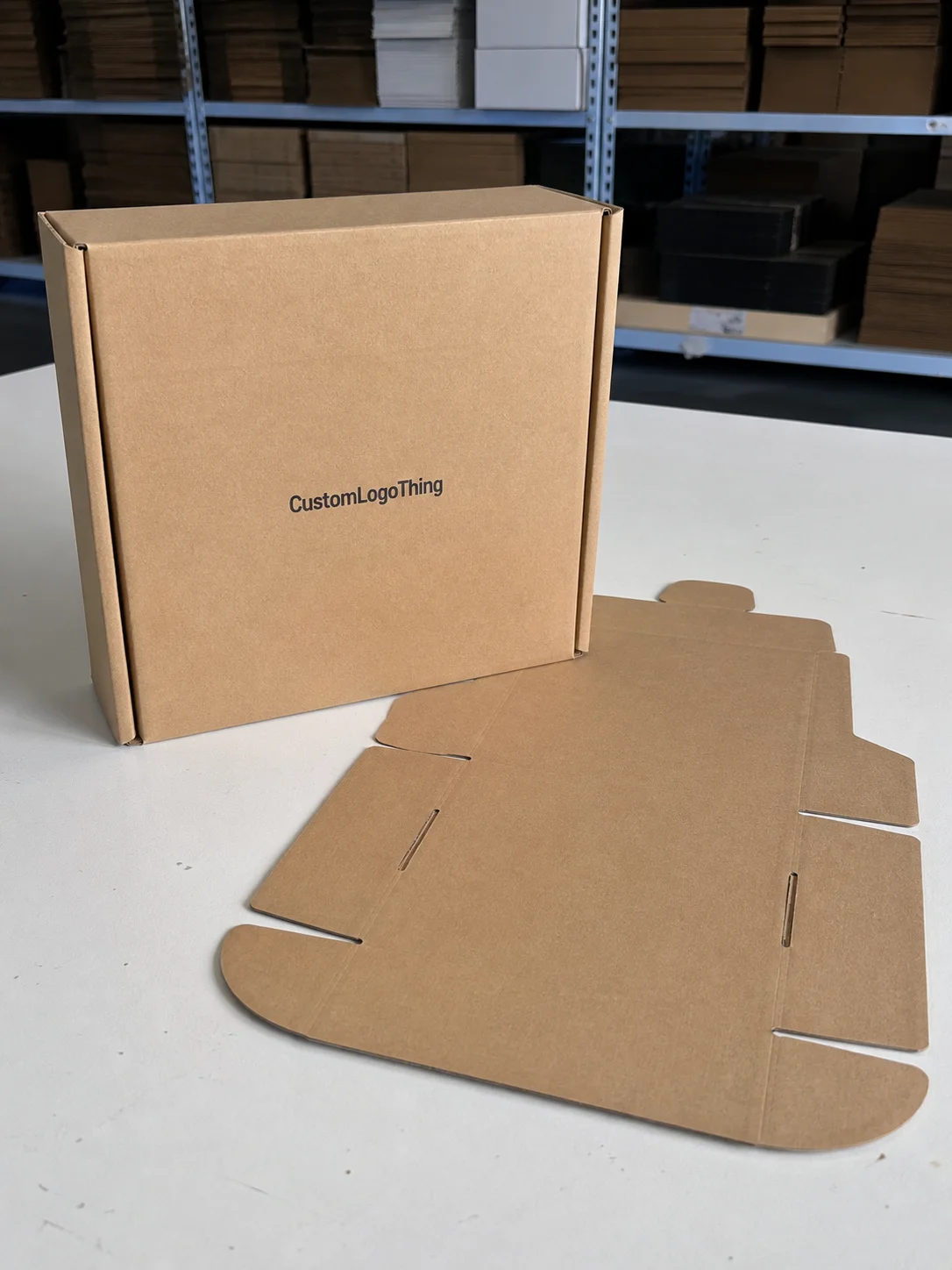
Mailer boxes are the practical workhorse. Corrugated E-flute or B-flute mailers handle shipping better, cost less than rigid, and still allow strong Branded Packaging on the outside. For e-commerce holiday kits, I like them because they protect the product and still look intentional when the customer opens the carton. They’re also easier to stack in a warehouse, which sounds boring until you have 18 pallets and no room. Then it becomes the best feature in the building. A 200 x 150 x 80 mm E-flute mailer can often be produced in Qingdao or Dongguan with 4-color print and matte coating for around $0.62 to $1.10 per unit at 3,000 pieces.
Folding cartons work well for lighter items and retail packaging. A 350gsm SBS or CCNB carton with offset printing can handle small cosmetics, ornaments, accessories, or candy. If the item is not getting tossed around in transit, this format gives you a lower unit price and a cleaner shelf profile. For personalized packaging for holidays wholesale, folding cartons are often the fastest route to a polished retail display without paying rigid-box prices. A straight tuck-end carton with aqueous coating and one-color foil can start around $0.18 to $0.40 per unit at 5,000 pieces, depending on size and board stock.
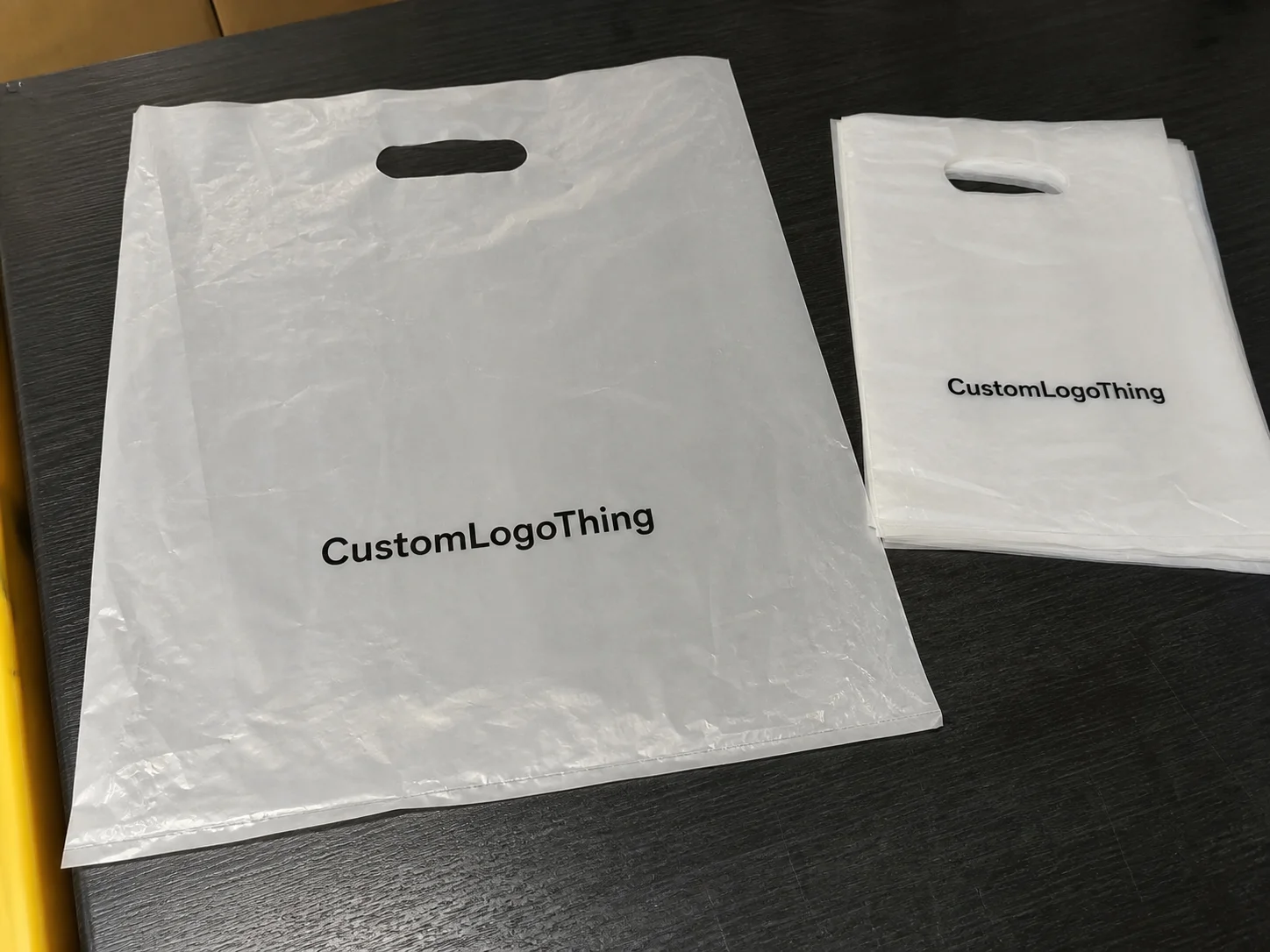
Paper bags and gift bags are useful for fast seasonal promotions, event gifting, and in-store takeaways. A 210gsm kraft or coated bag with rope handles can carry branding well and still feel festive. If you want holiday packaging that customers can reuse, bags are a smart choice. They also work well for lower-ticket items where the box cost would be out of proportion to the product value. I’ve seen restaurants and boutique retailers save a small fortune here by using seasonal bags instead of custom boxes for every SKU. And yes, I’ve seen someone try to over-engineer a gift bag (why?) and turn a simple handout into a mini supply chain problem. A 10 x 8 x 4 inch bag with 2-color print typically prices lower than a full rigid box and can land around $0.24 to $0.68 per unit at 2,000 to 5,000 pieces.
Sleeves and tissue are the budget-friendly upgrade. If you already have a base box or pouch, a holiday sleeve can transform it without forcing a full retool. This is one of my favorite tactics for personalized packaging for holidays wholesale because the print change is small, the MOQ is often lower, and the seasonal artwork can rotate without rebuilding the whole structure. Tissue paper with repeating logos or holiday icons also adds a nice layer of presentation for low cost. A 350gsm C1S sleeve over an existing kraft box can often be produced in Guangzhou or Foshan at $0.12 to $0.28 per unit in runs of 5,000 or more.
Inserts Matter More Than most buyers think. A foam insert, molded pulp tray, or paperboard divider keeps the product from rattling around and makes the unboxing look cleaner. I once watched a client cut insert thickness from 2.5 mm to 1.2 mm to save a few cents. The box looked fine in the mockup. On the freight test, the bottles shifted, scuffed each other, and the buyer called me asking why the “premium” kit now looked tired after one shipment. That was an expensive lesson in pretending structure doesn’t matter. A molded pulp insert from a factory in Suzhou might add $0.11 to $0.34 per unit, but it can save the entire shipment from looking cheap.
Customization methods also change the final result. Offset printing is best for full-color detail. Foil stamping adds a metallic holiday feel. Embossing and debossing give texture. Spot UV can highlight a logo or pattern. Matte lamination gives a clean, muted look; gloss adds shine and makes colors pop. For personalized packaging for holidays wholesale, the best option is usually a combination of one strong visual print plus one or two finishes, not every effect piled together like a department store display from hell. If you want a holiday look without making the box scream, try 4-color offset print with one gold foil hit and a matte lamination finish. It works. People notice. No fireworks required.
Material choices should match the story you want to tell. Kraft feels natural. SBS gives a smoother white surface. CCNB is economical for retail use. Corrugated protects better in transit. Specialty paper can create a premium look without a huge structural change. Recycled options help brands that want a cleaner sustainability story, but only if the board quality is still strong enough for shipping. If the box arrives crushed, nobody cares that it was “eco.” I’ve seen recycled 350gsm board from a supplier in Zhejiang perform beautifully, and I’ve seen cheap “green” paper collapse after one warehouse move. Sustainability is great. Weak packaging is not.
Here’s the practical part: sizing. Your packaging should fit the product dimensions, shipping needs, and unboxing experience. Not just the mockup. Not just the nice 3D render. I always ask for the product’s exact length, width, height, and whether there is any accessory, insert, or filler. A box that looks perfect on a screen can be a nightmare in production if the clearance is 2 mm too tight. That is how you turn a 14-business-day job into a rework order. A 145 x 98 x 42 mm box that ignores the cable, charger, or insert is not “close enough.” It is a mistake in a prettier font.
Specifications That Matter Before You Order
If you are serious about personalized packaging for holidays wholesale, confirm the Specs Before You ask for a quote. Saves time. Saves money. Saves the “why is this more expensive than last time” conversation. The big items are dimensions, material thickness, print sides, coating, inserts, window options, handle style, and closure type. Leave one of those out and you are basically asking for a quote that will need to be revised three times. I’ve seen it happen, and it’s not cute. On a holiday run out of Dongguan, one missing detail about the internal tray thickness added two rounds of proofing and pushed the order back five business days.
For dimensions, send internal size and external size if you have both. Internal size is what protects the product. External size affects shipping and shelf presence. A Rigid Gift Box at 240 x 180 x 60 mm will price differently than one at 260 x 200 x 70 mm, even if the artwork is identical. A difference of 10 mm can mean a different board layout, different die line, and different freight cube. Small thing on paper. Big thing in the factory. If your product includes a candle jar plus a lid and an instruction card, say so. A missing 4 mm of clearance can wreck the whole setup.
Artwork requirements are where many buyers get sloppy. For print-ready personalized packaging for holidays wholesale, send vector files when possible, with bleed, dielines, and color references. Use Pantone references if color consistency matters. If you want a deep holiday red, say so. Do not tell a factory you want “nice festive red” and then act surprised when the shade comes back closer to cranberry than cherry. That is not a color system. That is a mood. I ask clients for PDF, AI, or EPS files, plus a 3 mm bleed on flat cartons and a 5 mm safe zone for any logo or text near a fold.
Proof approval is another point people rush. Don’t. I’ve seen one retailer approve a sample with a logo placed 8 mm too low because they were “in a hurry.” The finished production looked off-center on every box in the run. They used the boxes anyway because reprinting would cost more than their margin allowed. That is how bad proof habits become permanent branding decisions. It’s painful to watch, honestly. A physical sample approved on March 12 can save you from 8,000 boxes of holiday embarrassment in October.
Structural decisions affect Cost and Performance more than the artwork itself. A magnet closure adds cost. A ribbon pull tab adds labor. A divider adds assembly time. A tuck-end carton is cheaper than a rigid box. A fold-and-glue structure can speed packing. If you are ordering personalized packaging for holidays wholesale, ask yourself where the money should go: structure, print, or finish. You rarely need all three maxed out. A 1200gsm rigid box with a 157gsm printed wrap and a paperboard insert can look luxurious without needing every available finish bolted onto it like holiday confetti.
Compliance matters too. If the package touches food, You Need to Know the material and ink suitability. If it ships long-distance, transit durability matters. If you claim recycled content, you need documentation, not wishful thinking. Retailers may also have packaging rules for barcode placement, carton strength, or labeling. I always tell clients to check any retailer specs before production starts because changing packaging after approval is a beautiful way to waste time and freight charges. A client shipping to Vancouver once had to relabel 3,600 cartons because the barcode sat 6 mm too close to the fold. That was an expensive ruler lesson.
For authority and standards, I like to check references from ISTA for transit testing and EPA recycling guidance when sustainability claims are part of the brief. If a buyer says they need certified material sourcing, I also ask whether FSC documentation is required. Those details sound small until your customer asks for proof and nobody can find it. That happens more often than people admit. FSC-certified board from suppliers in Zhejiang or Hebei is common enough, but the paperwork has to match the SKU, not just the sales pitch.
One real-world supplier negotiation from my old sourcing days: a client wanted a holiday divider inside a gift box. The original layout used 1.8 mm board. I asked the supplier to quote 1.5 mm and 2.0 mm versions. The 1.5 mm version saved $0.09/unit, but the product moved during transit. The 2.0 mm version added $0.06/unit and cut the damage rate enough to save the account. That is the kind of tradeoff I prefer. Spend six cents. Avoid six hundred broken units. Amazing concept, I know. We ended up producing the divider in Foshan with a simple slot-lock design, and the final pack out time dropped by 11 seconds per unit.
Pricing, MOQ, and Wholesale Cost Breakdown
Pricing for personalized packaging for holidays wholesale comes down to six major drivers: size, material, print complexity, finish, structure, and quantity. Tooling or custom dies can also matter, especially for unusual shapes. If you ask for a quote without those details, you are basically asking someone to guess, and guesses are where ugly surprises are born. I’ve had clients send a screenshot and a hope. That is not a brief. That is a prayer.
Simple paper packaging is usually cheaper than rigid gift packaging. That part is obvious. A folding carton with one-color print and a matte aqueous coating will generally cost much less than a Custom Rigid Box with foil, embossing, and a magnetic flap. A mailer box sits somewhere in the middle depending on flute grade and print coverage. For personalized packaging for holidays wholesale, the trick is not finding the cheapest thing possible. It is finding the cheapest thing that still sells the product properly. A 350gsm C1S carton can be enough for ornaments and accessories; a 1200gsm rigid setup makes more sense for a premium Candle Gift Set in Seattle or Toronto.
MOQ depends on the type of packaging and the print method. A simple printed sleeve may start at a lower quantity than a fully Custom Rigid Box. That’s normal. More complex structures need more setup, more handwork, and more inspection. For most wholesale holiday packaging programs, higher quantities usually reduce unit cost significantly. A run of 1,000 might price at $1.20/unit, while 5,000 might drop to $0.58/unit, and 10,000 might go lower if the setup cost is spread far enough. Exact numbers depend on spec, but that pattern is common. I’ve seen a 5,000-piece order for a holiday sleeve in Guangzhou land at $0.15 per unit, while the same sleeve at 1,000 pieces was closer to $0.31. Quantity matters. Shocking, I know.
Here is how I tell buyers to compare quotes: compare apples to apples. Same dimensions. Same paper grade. Same print sides. Same finish. Same insert. Same packing method. Same shipping terms. If one supplier quotes FOB and another quotes DDP, those numbers are not comparable. One looks cheaper because the freight is hiding in the corners like a raccoon. Don’t let that happen. Ask for the port name too: FOB Shenzhen, FOB Ningbo, or DDP Los Angeles are not interchangeable, even if the PDF looks polished.
For budget guidance, I usually split personalized packaging for holidays wholesale into three tiers:
- Economy retail packaging: about $0.18 to $0.55 per unit for simple cartons, sleeves, or bags at higher quantities.
- Mid-range branded gift packaging: about $0.60 to $1.80 per unit for better materials, one or two finishes, and stronger presentation.
- Premium holiday sets: about $2.00 to $6.50 per unit for rigid boxes, inserts, foil, magnetic closures, or premium wrap paper.
Those ranges are broad on purpose, because a 4-color printed mailer box is not the same as a foil-stamped rigid gift set with a ribbon pull. But they are useful for planning. If your target product margin only allows $0.40 for packaging, you should not be asking for a magnetic rigid box with embossing and custom tissue. That is not budget planning. That is denial with a design deck. I had a buyer in Miami try to build a $0.38 packaging brief for a premium skincare kit. We got it to work with a 350gsm folding carton, one-color print, and a spot UV logo. No magnet. No gold foil. Still looked sharp.
Ask about hidden costs. Sample fees happen. Plate fees happen for some print methods. Die fees happen for custom shapes. Freight can change quickly, especially if you are shipping air instead of ocean. Import duties may apply depending on your country and product classification. Rush charges are common when a buyer wakes up in late October and decides the holiday season is “coming fast.” Yes, it is. It always was. A rush air shipment from Shenzhen to Chicago can add hundreds of dollars to a small order, and that number gets uglier if the boxes are oversized.
One thing I recommend every time: request multiple quantity breaks. For example, ask for 1,000, 3,000, and 5,000 units. Or 2,000, 5,000, and 10,000. That shows where the real savings begin and whether you should slightly increase the order to protect your unit cost. With personalized packaging for holidays wholesale, the difference between 3,000 and 5,000 units can be a few cents per box, which adds up fast when you are selling a seasonal program across multiple SKUs. A $0.07 drop across 4 SKUs and 5,000 units is $1,400 saved. That is not pocket change. That is payroll for a few headaches you won’t have to buy.
I had a client last fall who thought they were saving money by splitting one holiday order into three separate print runs because each SKU had a slightly different insert. Bad idea. They paid three setup charges, three proofs, and three freight bookings. One integrated run would have saved them about $1,140. We fixed it the next season by standardizing the insert platform and changing only the outer sleeve artwork. Same holiday feel. Lower cost. Less headache. Better margins. That’s the sort of boring win I like. The packaging came out of a factory in Dongguan, and the whole set still landed inside a 14-business-day window after proof approval because we stopped making the process cute.
Ordering Process and Production Timeline
The process for personalized packaging for holidays wholesale should move in a straight line: inquiry, spec confirmation, quote, artwork setup, sample approval, production, QC, packing, and shipping. In reality, it sometimes zigzags because someone forgot a logo version or changed the box size after the sample was approved. Try not to be that person. Factory people remember everything, by the way, and they do not forget the client who made the holiday line “just one quick revision” five times. I’ve watched a production coordinator in Guangzhou open a file named “final_final_really_final_v7” and just stare at it like it had personally offended him.
Here’s the basic flow I use with buyers. First, they send dimensions, quantity, materials, print colors, closure style, and delivery destination. Then I confirm the structure and give a quote with 2-3 quantity options. After that, we set the artwork and dieline, and I usually want a digital proof or physical sample approved before production. For holiday packaging, approval speed matters. A 2-day delay on proofing can become a 2-week delay when the factory slot is full. If you’re ordering from Shenzhen or Dongguan in September, the calendar fills up quickly and no one is sentimental about it.
Timeline variables are straightforward. Complex rigid structures take longer than simple mailers. Foil, embossing, and special die cuts add time. Multiple proof rounds add time. Slow sample approval adds time. Long shipping routes add time. None of that is mysterious. What kills schedules is pretending the deadline starts when the purchase order is sent. It doesn’t. It starts when the customer expects the product to be on shelf or in hand. A simple sleeve order can move in 12 to 15 business days from proof approval; a Rigid Gift Box with inserts often needs 18 to 25 business days, and ocean freight can add another 18 to 30 days depending on destination.
For most personalized packaging for holidays wholesale orders, I advise working backward from the launch date. If your seasonal launch is November 1, and you need two weeks for inbound receiving and set-up, and shipping takes another two to four weeks depending on route, your production needs to end well before that. Better to be early by three weeks than late by three days. Late seasonal packaging is basically expensive scrap. A holiday display arriving in Atlanta on November 7 is not “close enough.” It is a missed selling window.
Plan inventory buffers. I’m serious. Holidays are messy. Reorders happen. A retail buyer decides they need 300 more units. A corporate client adds a last-minute gift recipient list. A product launch gets pulled forward by a week. If you have zero buffer, you either miss the sale or pay for a rush. I’ve seen both. Neither one feels clever. If your first production run is 5,000 boxes and you know the channel could move 6,200, build in the extra 1,200 before the factory switches to another job in Ningbo or Foshan.
Communication can shorten lead time more than buyers expect. Fewer changes after proofing means fewer delays in factory scheduling. Clear file naming means less confusion. One point of contact means fewer back-and-forth emails. In our industry, “minor revision” often means “an extra 48 hours.” If you want personalized packaging for holidays wholesale on time, keep the revisions tight and the approvals clean. Send the logo in vector, the Pantone numbers in writing, and the delivery address exactly as it should appear on the commercial invoice. That alone avoids a surprising amount of nonsense.
During one factory visit, I watched a production manager stop a line because a buyer’s artwork had a dark holiday background that was printing 8% heavier than expected on the chosen paper stock. The fix was easy: adjust ink density and re-proof the sheet. The cost of catching it early was a short pause. The cost of ignoring it would have been 6,000 boxes with muddy color. That’s why I care about proof quality so much. It is cheaper than pretending. We reprinted the proofs in Dongguan, approved them the same day, and still kept the shipment on schedule because the buyer answered the email in under 90 minutes. Miracles do happen, apparently.
Why Buy From Us
I’ve spent 12 years in custom printing, and I can tell you the difference between a good packaging supplier and a painful one in about 10 minutes. A good one asks about structure, product weight, storage conditions, and shipping method before they quote. A bad one sends a price that looks low, then adds fees one by one like a bad restaurant bill. We prefer the first approach. Much less drama. Much less “surprise, your quote forgot freight.” In practice, that means I want to know if your product is 180 grams or 1.8 kilograms, because that changes the board, the insert, and the whole quote.
At Custom Logo Things, we focus on factory-direct pricing, practical specs, and packaging that behaves in the real world. If you order personalized packaging for holidays wholesale, I want the box to look good on a shelf, survive transit, and still feel right when the customer opens it at home. Fancy is nice. Function pays the bills. A well-built package from a factory in Guangzhou or Shenzhen can look premium without forcing your landed cost into nonsense territory.
I also know how holiday production goes because I’ve stood on the floor when the clock is getting ugly. I’ve negotiated board pricing with suppliers in Guangdong, reviewed print drawdowns at 9 p.m., and caught a lamination mismatch before it reached a client’s warehouse. Those details matter. A 3% defect rate on a 20,000-unit seasonal run is 600 bad boxes. At $1.25/unit, that is $750 gone before you even count labor and reputation. Nobody wants that. I’ve seen one bad foil batch turn a polished Christmas line into a warehouse of “almost right,” which is a terrible place for premium packaging to live.
We handle both smaller seasonal runs and larger recurring wholesale orders. That matters if your business tests holiday packaging first with 500 units, then scales to 5,000 after the product proves itself. Some suppliers get weird about that. Not us. A healthy packaging program should be able to grow without forcing you to rebuild everything from scratch. If you need 800 sample units in September and 12,000 units by mid-October, the system should be able to flex without turning into a circus.
Support is part of the job. We help with dielines, sample review, print guidance, and material recommendations based on budget. If you need Custom Packaging Products, we can walk through structure options instead of handing you a random catalog and hoping for the best. If you are building a recurring seasonal program, our Wholesale Programs are designed around practical order planning and consistent branding. A buyer in Toronto once sent us a rough sketch and a target of $0.42 per unit. We got them to a 350gsm folding carton with matte finish, one gold foil hit, and a clean tuck-end style that shipped in 15 business days after proof approval.
I’m also honest about tradeoffs. If a buyer wants premium looks but only has a $0.35 budget, I’ll say the plan needs adjustment. Maybe use a sleeve instead of a rigid box. Maybe drop foil and use one strong color plus embossing. Maybe standardize the insert and spend the savings on the outer print. That is the difference between a usable plan and a pretty spreadsheet. I’d rather tell you the truth in Guangzhou than let you discover it after the quote is already signed and your margin is crying in the corner.
Reliability matters more during seasonal demand because mistakes are less forgivable. A delayed order in March is annoying. A delayed order in peak holiday season can kill the entire campaign. We keep communication clear, provide realistic timelines, and aim to deliver packaging that is ready for launch. That is the whole point of personalized packaging for holidays wholesale. Not just making boxes. Making the right boxes, on time. If that means choosing a simpler 350gsm sleeve program in Ningbo over a late-arriving rigid box from across the country, I’ll say it. Holiday season doesn’t care about ego.
What to Do Next Before You Request a Quote
If you want fast pricing for personalized packaging for holidays wholesale, do a little prep first. Choose the packaging type. Measure the product dimensions. Set a quantity target. Gather your artwork. Decide which finish matters most. That five-step checklist saves a ridiculous amount of time. I’ve seen a buyer in Phoenix go from a vague idea to a real quote in 48 minutes once they had the size, product weight, and target finish in hand. That’s the difference between planning and improvising.
Send these details when you Request a Quote: dimensions, material preference, print colors, quantity, deadline, shipping destination, and whether you need samples. If you already know the use case, say that too. Holiday retail display is not the same as e-commerce shipping. Corporate gifting is not the same as subscription fulfillment. The more specific you are, the more useful the quote will be. If the package needs to fit a 300 ml candle, a lid, a thank-you card, and a small insert, say all four things. Do not make the supplier guess and then act surprised by the result.
I recommend asking for 2-3 quote options. Not because I enjoy making spreadsheets, though I do, a little. Because you need to compare Price, Lead Time, and finish level. A lower price with a 6-week delay may be useless. A premium finish with no margin may look impressive and still fail the business. Personalized packaging for holidays wholesale should be evaluated on total value, not just the first number you see. Ask for one economy option, one mid-range option, and one premium option so you can see where the real tradeoffs sit.
Order a sample or digital proof before full production, especially for premium holiday gifts. A sample catches alignment issues, color shifts, and structural problems early. A digital proof helps if your artwork is locked and you mainly need layout confirmation. For a high-value seasonal launch, I usually prefer a physical sample because paper, coating, and insert fit can behave differently than expected. That is just reality. A sample made in Dongguan or Yiwu will tell you more than a mockup ever will, especially if you’re using foil, embossing, or a magnet closure.
One client in luxury bath products skipped the sample because they were certain the mockup was enough. The gold foil came back slightly warmer than their brand standard, and the insert cutouts were 3 mm too loose. The boxes still sold, but the presentation was off just enough to annoy the client’s retail team. We fixed the next run and they never skipped sampling again. Pain is a great teacher. Expensive, but effective. The second run, approved in 13 business days from proof, looked exactly like the brief because they finally stopped treating the sample step like optional paperwork.
My practical next step? Prepare your specs now so production can begin before peak season pricing and factory capacity tighten. That is the part people ignore until it is too late. Personalized packaging for holidays wholesale gets more expensive and harder to schedule when everyone else wakes up at the same time. If you plan early, you get better options, cleaner pricing, and less stress. Amazing how preparation works. A quote requested in August for a November holiday launch usually gets you far better factory attention than one dumped into the inbox on October 18 with “urgent” in all caps.
So if you are building seasonal gifting, retail promos, or corporate holiday kits, start with a structure that fits the product, a print method that fits the budget, and a timeline that respects the factory schedule. That is how personalized packaging for holidays wholesale turns from a line item into a sales tool. And if your current packaging still looks like a plain shipping box in a December retail display, honestly, we can do better than that. The clear takeaway: lock the structure, approve the proof early, and order with enough buffer that the factory can do the job right the first time.
Personalized Packaging for Holidays Wholesale: decision table
| Decision area | Best fit | What to verify | Risk if skipped |
|---|---|---|---|
| Quote scope | Comparing suppliers and order quantities | Tooling, sample, unit cost, packing, and freight assumptions | Lowest quote wins until missing line items appear |
| MOQ and repeat order | Launch orders, seasonal runs, and scaled reorder plans | MOQ breaks, lead time, storage, and SKU grouping | First order works but reorder cost jumps |
| Approval process | Avoiding rework before bulk production | Dieline, proof, sample, tolerance, and sign-off owner | Bulk production starts before the spec is truly locked |
Frequently Asked Questions
What is the MOQ for personalized packaging for holidays wholesale?
MOQ depends on packaging type, size, and print method. Simple paper packaging often starts lower than Rigid Gift Boxes. Higher quantities usually reduce unit cost significantly, especially when the same structure is reused across multiple holiday SKUs. A sleeve program may start at 1,000 pieces, while a rigid box with magnetic closure might make more sense at 3,000 pieces or more.
How much does personalized holiday packaging wholesale cost?
Price is driven by material, dimensions, print coverage, finish, and order quantity. Premium rigid boxes cost more than folding cartons or paper bags. Ask for tiered pricing so you can compare savings at different quantities and see where the real break point starts. As a rough example, a simple printed sleeve might be $0.15 per unit at 5,000 pieces, while a premium rigid gift box can run $2.20 or more depending on insert and finish.
How long does production take for custom holiday packaging?
Timeline depends on artwork approval, sample needs, and packaging complexity. Standard orders move faster than highly customized rigid structures. Plan early so shipping and factory schedules do not collide with your holiday launch, especially if you need ocean freight. For many projects, production is typically 12-15 business days from proof approval for simpler packaging, while more complex rigid boxes can take 18-25 business days.
Can I use my own artwork for personalized packaging for holidays wholesale?
Yes, most wholesale packaging orders accept customer-provided artwork. You will need proper dielines, bleed, and print-ready files. A proof is usually recommended before full production so alignment and color can be checked before the full run starts. If your brand uses Pantone colors or a specific foil tone, send those references up front so the factory in Guangdong, Shenzhen, or Dongguan can match them properly.
What packaging type is best for holiday gifts and shipping?
Rigid boxes are best for premium gifting. Mailer boxes and corrugated packaging are better for shipping protection. Paper bags and sleeves work well for retail gifting and seasonal promotions, especially when you want a branded look without paying for heavy structure. If the item has to survive freight from China to the U.S. or Europe, a corrugated mailer with a molded pulp insert is usually safer than a decorative carton with no protection.