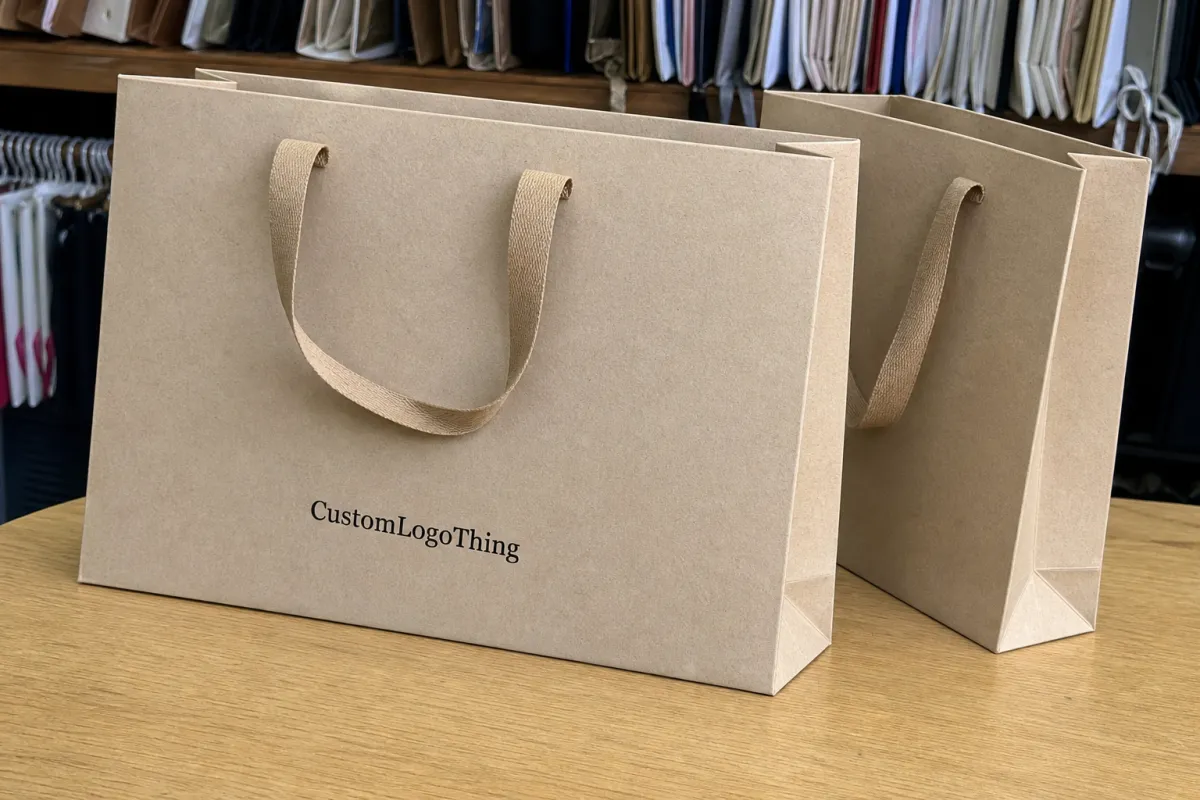
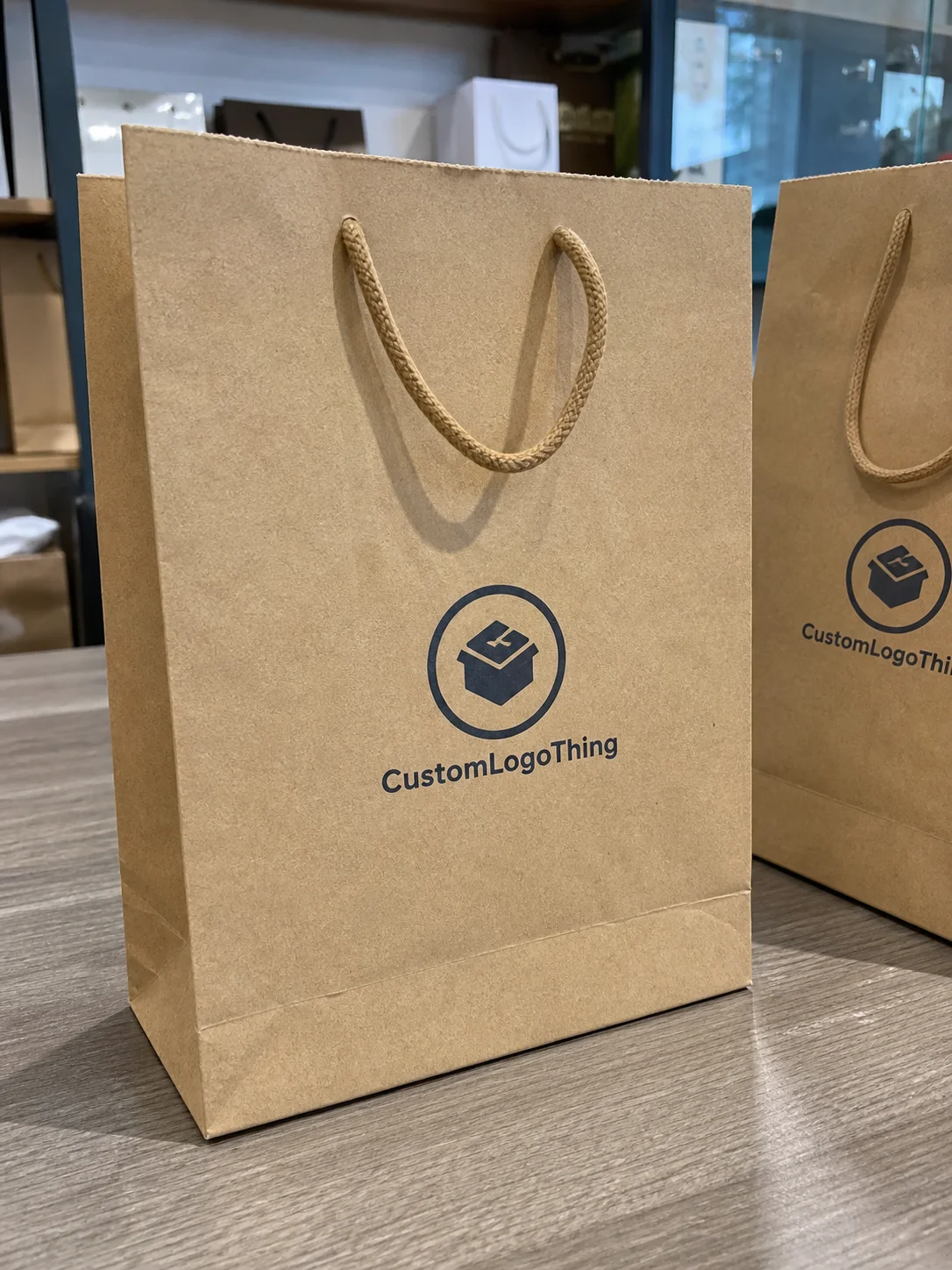
Buyer Fit Snapshot
| Best fit | Personalized Packaging for Small Business projects where brand print, material claims, artwork control, MOQ, and repeat-order consistency need to be specified before quoting. |
|---|---|
| Quote inputs | Share finished size, material target, print colors, finish, packing count, annual reorder estimate, ship-to region, and any compliance wording. |
| Proofing check | Approve dieline scale, logo placement, barcode or warning zones, color tolerance, closure strength, and carton packing before bulk production. |
| Main risk | Vague material claims, crowded artwork, missing packing details, or unclear freight terms can make a low unit price expensive after revisions. |
Fast answer: Personalized Packaging for Small Business: Material, Print, Proofing, and Reorder Risk should be specified like a repeatable production item. The safest quote records material, print method, finish, artwork proof, packing count, and reorder notes in one written spec.
Production checks before approval
Compare the actual filled-product size with the drawing, then confirm tolerance on folds, seals, hang holes, label areas, and retail display edges. Reserve space for logos, QR codes, warning copy, and material claims before decorative graphics fill the panel.
Quote comparison points
Review material grade, print process, finish, sampling route, tooling charges, carton quantity, and freight assumptions side by side. A quote is only useful when the supplier can repeat the same color, closure quality, and packing count on the next order.
Personalized Packaging for Small Business is one of those things people swear they’ll “get to later,” right up until a customer posts an unboxing video and the box looks like it came from a storage unit purge. I’ve watched a $0.22 printed mailer do more for perceived value than a $14 product insert ever could. That sounds dramatic, but packaging is often the first handshake your brand gives. And yes, sometimes that handshake is a sweaty one. A decent branded mailer made from 200gsm kraft paperboard can change the whole read of a $28 candle set in one delivery.
If you run a candle line, cosmetics shop, supplement brand, apparel label, or subscription box, personalized Packaging for Small business can make you look established without forcing you into a giant inventory commitment. I’ve spent 12 years in custom printing, from Shenzhen and Dongguan to Ningbo and Xiamen, and the same pattern keeps showing up: owners don’t need every possible upgrade. They need the right ones. The smart move is not “customize everything.” It’s “customize what customers actually see, touch, and remember.” I remember a factory visit in Ningbo where the owner kept pointing at a stack of plain cartons and saying, “It’s just a box.” Sure. And a logo is just ink. Then he watched the branded version leave the line and suddenly became a packaging believer. Funny how that works. On that job, we changed a plain white carton to a 350gsm C1S artboard sleeve with a one-color black logo, and the unit cost came in at $0.15 per unit for 5,000 pieces after die setup. Not glamorous. Effective.
Below, I’ll break down how personalized Packaging for Small Business works, what it costs, where people waste money, and how to make your product packaging look polished without ordering a fancy mess you’ll regret stacking in storage. I’m talking real numbers here, like a 12-15 business day production window from proof approval for a straightforward mailer box and a $85 to $140 sample charge if you need printed prototypes in Guangdong instead of guessing.
What Personalized Packaging for Small Business Actually Means
Here’s the simple version: personalized Packaging for Small Business means your packaging carries your brand instead of looking like anonymous stock material. That can be a kraft mailer with a one-color logo, a folding carton with a custom printed interior, a sticker seal, a branded insert, or a rigid box with foil stamping. It does not have to mean full-color everything or some luxury-brand parade of embossing and magnetic closures. A 4 x 4 x 6 inch box with a centered logo often does the job better than an overdesigned structure that adds $0.60 per unit for no real reason.
The box often gets remembered before the product does, especially for first-time buyers. I saw this happen in a Shenzhen facility when a client switched from plain White Poly Mailers to a salmon-pink printed mailer with a 2-inch logo and a simple “thank you” line inside. Same product. Same shipping lane. Same order size. Their customer emails changed within two weeks. More “this felt thoughtful,” fewer “package arrived, thanks.” That is the difference personalized Packaging for Small business can make. I still remember the warehouse manager laughing because the “fancy” mailer was, in his words, “just less depressing to look at.” He wasn’t wrong. The mailer itself was a 60-micron co-extruded poly bag with a 1-color print, and the cost was $0.19 per unit at 10,000 pieces, which is a lot cheaper than trying to buy goodwill with apology emails later.
In plain English, personalization can include:
- Custom colors that match your brand palette
- Logos on the outside, inside, or both
- Inserts that protect the product and tell a story
- Tape or label branding for shipping cartons
- Sleeves that wrap stock boxes or jars
- Mailers with printed graphics
- Stickers and seals for quick branding wins
- Unboxing details like tissue, cards, or thank-you notes
It’s not just for luxury brands with marketing teams and a photo studio. Personalized Packaging for Small Business works for candles, food, apparel, pet products, vitamins, skincare, and even a tiny soap brand selling 300 units a month. Honestly, I think people overcomplicate this because they assume “custom” means expensive. Sometimes it does. Sometimes a $0.12 sticker on a clean kraft box is enough to lift the whole experience. Sometimes, frankly, that little sticker is doing more heavy lifting than the whole brand deck. I’ve seen 2-inch round labels printed on matte polypropylene film carry an entire 250-unit launch without a single complaint about “cheap-looking packaging.”
“We don’t need a museum box,” one client told me during a packaging meeting in Dongguan. “We need customers to stop thinking we’re homemade.” That line stuck with me because it was so blunt, and so accurate.
That’s the real question. Not whether you should use personalized Packaging for Small business, but how much customization actually makes sense for your product, your margins, and your channel. Retail packaging and shipping packaging are different animals. So are subscription boxes and sample kits. Treat them the same, and you’ll burn money for no good reason. I’ve seen it happen. I’ve also seen the finance person stare at a freight invoice for 1,200 units like it personally insulted her. A pallet from Shenzhen to Los Angeles can easily add $420 to $780 in ocean freight and destination fees if the carton count is high enough.
How Personalized Packaging for Small Business Works From Design to Delivery
Personalized Packaging for Small business moves through a pretty standard process, and skipping steps is how people end up with boxes that don’t close, artwork that prints too dark, or a barcode slapped in the wrong place. I’ve seen all three. Usually in the same order. Usually after someone says, “It looked fine on my screen.” On a recent run in Dongguan, a client approved a dieline with a 3 mm bleed and then sent artwork with no bleed at all. The result was a logo clipped by 1.8 mm on the top flap. Cute, if your brand identity is “almost correct.”
- Concept — Decide what the packaging has to do: protect, display, ship, or impress.
- Dieline — The flat template that shows fold lines, cut lines, and safe areas.
- Artwork setup — Your logo, colors, text, compliance info, and placement.
- Proofing — A digital proof or print proof before anything is made.
- Sampling — A physical sample or mockup to test fit and finish.
- Production — Printing, cutting, gluing, coating, and finishing.
- QC — Inspection for color, alignment, glue, and damage.
- Packing and shipping — Usually cartons, pallets, or master cases.
A dieline is just the packaging blueprint. It tells the printer where the box folds, where the glue flap sits, and how the artwork wraps. If your designer builds artwork without the correct dieline, you get cropped logos, upside-down text, or a vent hole covering your brand mark. Fun times. This is one reason personalized Packaging for Small Business works better when you have a supplier who actually checks files instead of shrugging and printing anyway. I once had a rep tell me, with a straight face, that “the customer probably won’t notice” a misaligned window cut. Right. Because people never notice when their logo is sliced in half. Incredible theory. The fix was simple: shift the window cut 6 mm left and redo the cutting plate for $120 instead of scrapping 2,000 cartons.
The packaging formats small businesses order most often are pretty consistent:
- Folding cartons for cosmetics, supplements, and food products
- Mailer boxes for ecommerce shipping and gift presentation
- Rigid boxes for premium presentation or influencer kits
- Poly mailers for apparel and low-fragility goods
- Stickers for seals, branding, and low-cost customization
- Inserts for protection, instructions, or upsells
MOQ matters. A lot. Uline tends to be better for stock packaging and quick replenishment, while PakFactory and local print shops often handle more customization with different minimums depending on the item. In one negotiation, I asked a supplier to quote the same mailer box in 350gsm CCNB versus 28 E-flute corrugate with a lighter print coverage. That one change dropped the unit cost by 14% on a 3,000-piece order. Not magic. Just asking for options instead of accepting the first quote like it was carved into stone. It still amazes me how many buyers stop at the first number because they’re tired, busy, or convinced the supplier has spoken from the mountain. No. The mountain has drafts. On a 5,000-piece run in Xiamen, swapping from full flood print to a one-color exterior and blank interior cut the quote from $0.48 to $0.31 per unit. Same product. Less drama.
Print method changes both look and lead time. Digital printing is usually best for smaller runs and variable designs. Offset printing is better for larger quantities and sharper color control. Flexo is common for Corrugated Shipping Cartons and tape. One-color branding can be very affordable. Full-color Custom Printed Boxes usually cost more, especially if you add coating or special finishes. For Personalized Packaging for Small business, the cheapest path is rarely the best path, but the most expensive path is not automatically smarter either. A 4-color offset carton on 350gsm C1S artboard can look terrific at 10,000 pieces, but for 500 pieces, digital is often the only sane option unless you enjoy paying setup fees for sport.
Timelines depend on complexity. A digitally printed sticker or label order might move in 5 to 10 business days after proof approval. A structural Box with Custom inserts, coatings, and a sample round can take 15 to 30 business days, sometimes longer if the artwork is a mess or the buyer changes their mind three times. And yes, that delay always seems to happen after the launch date is already in the calendar. I swear launch dates attract chaos the way cardboard attracts dust. For a standard folding carton in Shenzhen, I usually see 12-15 business days from proof approval to production completion, then another 4-8 business days for ocean or air freight depending on destination.
For standards, I like to point clients toward the basics. If you ship products through rough channels, ask about ISTA testing for transit durability. For paper sourcing, FSC certification matters if sustainability claims are part of your brand story. The ISTA testing framework and FSC certification guidance are worth knowing before you approve a design that looks pretty but fails in transit. Packaging is not art class. It has a job. If the carton can’t survive a 24-inch drop test or a 30-pound stack in a warehouse in Yiwu, the prettiest varnish in the world won’t save it.
Key Factors That Affect Personalized Packaging for Small Business: Design, Cost, and Performance
Material choice drives a lot of the final result in personalized Packaging for Small business. I’ve stood beside carton lines where a 250gsm paperboard sample looked elegant on the table, then crumpled badly when stacked with a 1.2 kg serum bottle. Nice-looking packaging that collapses is not premium. It’s embarrassing with better typography. And no, a prettier font does not fix gravity. On a packaging run in Dongguan, we moved from 250gsm paperboard to 350gsm C1S artboard for a skincare box, and the crush resistance improved enough that returns from dented cartons dropped by 6% in the first month.
Here’s the material shorthand I give clients:
- Corrugate — Better for shipping, protection, and lower damage risk
- Paperboard — Great for retail cartons, sleeves, and lighter products
- Kraft — Natural, sturdy, and usually friendly for simple branding
- Rigid board — Higher-end feel, more structural, more expensive
Finishes matter too, but not every finish earns its keep. Matte lamination gives a soft, clean look. Gloss adds shine and punch. Soft-touch feels premium, though it can show scuffs if handled a lot. Foil stamping can lift a logo beautifully, but if you cover the whole surface with foil because you got excited in a design review, congratulations, you just turned a brand into a disco ball. Embossing and debossing add tactile depth. Spot UV creates contrast. Each one has a cost, and in personalized Packaging for Small business, cost control matters more than ego. I’ve watched more than one founder fall in love with a finish because it “felt luxurious,” then hate it later when every fingerprint showed up like evidence. A spot UV logo on a matte 300gsm board might add only $0.04 to $0.08 per unit at 3,000 pieces, while full soft-touch lamination plus foil can jump the price by $0.18 or more.
For realistic pricing, here’s the rough territory I usually see:
- Branded stickers: often $0.03 to $0.20 per piece depending on size and quantity
- Custom tape: commonly $1.50 to $4.50 per roll in volume, more for short runs
- Printed mailers: can range from about $0.25 to $1.20 per unit depending on size, material, and print coverage
- Custom folding cartons: often $0.18 to $0.85 per unit at scale, more for smaller quantities
- Rigid boxes: frequently $1.50 to $5.00+ per unit depending on structure and finish
Those are not magic numbers. They change with quantity, shipping lane, material grade, and whether your design requires special tooling. But they give you a realistic frame. If someone quotes an ultra-complex rigid box at $0.40, I’d be suspicious before I’d be impressed. I’d be very suspicious, actually. Probably the kind of suspicious that leads to an extra sample and three follow-up emails. A 2-piece rigid box with a wrapped chipboard base and custom insert in Shanghai typically lands far above that once you add hand assembly.
Shipping weight and dimensional sizing quietly eat margin. I’ve seen small businesses pay more in freight because their box was 1.5 inches taller than it needed to be. That extra air increases dimensional weight, especially with parcel carriers. Tight sizing is one of the most underrated wins in personalized Packaging for Small business. Less empty space. Less filler. Better unit economics. Better customer experience, too, because nobody likes a product rattling around like loose change in a laundry bag. A carton trimmed from 9 x 6 x 4 inches to 8.25 x 5.75 x 3.75 inches can reduce parcel cost by $0.30 to $0.80 per shipment depending on carrier zone.
Sustainability also matters, but let’s be honest: customers don’t always pay more just because a box is recycled. They pay more when the message is clear and the benefit is visible. FSC paperboard, recycled corrugate, soy-based inks, and reduced plastic can all support a stronger brand story. The EPA’s sustainable materials guidance is a good reference if you need a sanity check. Still, don’t let a sustainability checkbox push you into weak packaging that causes damage. A damaged product is the least sustainable outcome of all. A recycled mailer from a plant in Hebei that fails in transit is just expensive trash with a better publicist.
Hidden costs are where beginners get bruised. Setup fees, plate charges, sample freight, color matching, and reprint costs all add up. I once watched a brand owner approve artwork with a reversed barcode because they skipped the final proof call. That mistake cost them $680 in rework and another 11 business days. I’d rather see someone spend $85 on a sample than save money by gambling with a full run. Personalized Packaging for Small business should protect your cash, not hide surprise bills in the fine print. If your supplier says the “free sample” excludes freight, tooling, and proof revisions, that’s not free. That’s a greeting card with accounting attached.
Supplier negotiation helps. Ask for alternate board grades, different print methods, or a small dimension change. A 2 mm reduction in internal height can sometimes cut material usage enough to lower the quote. I’ve negotiated with suppliers in Shenzhen, Xiamen, and Dongguan, and the same lesson holds: the first quote is a starting point, not a verdict. The buyers who ask for two or three structural options usually save the most. The ones who say “whatever you recommend” usually pay more and then act shocked when the budget grows legs. One supplier in Guangzhou dropped a folding carton from $0.36 to $0.29 per unit after we changed the tray depth by 1.5 mm and removed an unnecessary inner dust flap.
Step-by-Step Guide to Ordering Personalized Packaging for Small Business
Start with the product itself. Measure it. Weigh it. Put it in a bag, jar, bottle, pouch, or carton and check the real dimensions, not the “about this big” version people love to give me in meetings. For personalized packaging for small business, the product drives everything: box size, insert style, protection level, and final shipping cost. I once had a buyer tell me the product was “roughly palm-sized.” That is not a measurement. That is a vibe. Vibes do not pass QA. If the jar is 72 mm tall and 58 mm wide, say that. If it weighs 310 grams with the cap on, say that too.
- Measure product dimensions and confirm weight.
- Choose the packaging format based on how customers receive it: shipped, displayed, gifted, or sampled.
- Set your budget for both unit cost and total project cost.
- Prepare artwork using vector files, bleed, and safe zones.
- Request mockups or samples before approving mass production.
- Review proofs for copy, barcode placement, compliance details, and sizing.
- Confirm lead time from approval to delivery, including freight.
- Compare 2 to 3 suppliers on specs, not just the cheapest line item.
Choosing the packaging type should follow the sales channel. Retail packaging on a shelf needs clearer front-panel branding. Ecommerce boxes need better transit performance. Subscription packaging benefits from a repeatable unboxing pattern. Sample kits need easy-open construction and minimal waste. If you’re ordering personalized packaging for small business and you don’t know the channel, you’re designing in the dark. That’s how you end up with a gorgeous box that nobody can open without scissors. For a retail shelf in Austin or Singapore, a 120 x 80 mm front panel with a strong logo often beats a busy full-wrap print every time.
Budgeting deserves a real number, not a hopeful vibe. I like clients to set both a unit target and a project ceiling. For example, “I want mailers at $0.42 each for 2,000 pieces, plus no more than $180 for sampling and art support.” That gives everyone a lane. Without it, packaging design can drift into soft-touch lamination, foil logos, custom tissue, and a bill that makes the accounting team squint. If you want a folding carton in 350gsm C1S artboard with a matte laminate finish, you should know whether your ceiling is $0.35 or $0.55 per unit before anyone starts drawing little gold stars on the mockup.
Artwork prep is where a lot of small businesses trip. A logo in PNG format is not ideal. Vector files like AI, EPS, or PDF work much better because they stay sharp at any size. You also need bleed, safe zone, and color specs. If you want a Pantone match, say so early. If full color is too expensive, ask for a one-color version before someone spends three hours on a pretty file that doesn’t fit the budget. I’ve had clients cut production cost by 20% simply by simplifying artwork from four colors to one bold brand color and black text. It wasn’t glamorous. It was smart. Which, in packaging, is usually the better flex. In Guangzhou, I once saw a client go from CMYK plus foil to a single PMS 186 red on kraft board, and the quote dropped from $0.41 to $0.33 per unit at 4,000 pieces.
Samples are worth the wait. A digital mockup can hide bad folds, weak glue flaps, or awkward internal space. A physical sample tells the truth. I remember one cosmetics client who loved a rigid box until we filled the sample with actual jars. The lid fit too tight, and customers would have needed both thumbs and a prayer to open it. We adjusted the tray thickness from 2.0 mm to 1.5 mm, and the whole project got better. That is what personalized packaging for small business is supposed to do: reveal problems early, not decorate them. A sample in the right material, with the right insert, can save $500 to $2,000 in rework depending on volume.
Proofs should be checked line by line. Dimensions. Copy. Barcode. Ingredient list. Warning language. Country of origin. QR code destination. If your product needs compliance statements, don’t let them get buried in tiny type that no one can read. Also, make sure you verify the orientation. I’ve seen packaging where the brand name looked great… upside down. Good luck explaining that to a launch partner. I’m still not over a prototype that arrived with the “front” panel on the side flap. The supplier called it “creative.” I called it Monday. On regulated products, leave at least 6 mm for readable copy and keep barcode quiet zones clean or the scanner will throw a tantrum.
Timing needs padding. Production time is one thing. Transit time is another. Customs delays, peak freight periods, and reproofs can add days. A good rule: build a cushion of at least 5 to 7 business days if your launch date matters. If your timeline is truly tight, start with simpler personalized packaging for small business options like labels, stickers, or stock Mailers with Branded add-ons. A sticker order in Yiwu might finish in 4 to 6 business days, while a Custom Mailer Box from Guangdong to California often needs 18 to 28 calendar days once freight is included.
My most practical advice? Get quotes from a few suppliers and compare line by line. Ask what is included: design support, proofs, sample freight, tooling, and packing method. Suppliers like Custom Packaging Products can be a good place to review options, but always compare the actual specs. A lower quote with thinner board and expensive freight is not a lower quote. It’s just accounting with a costume on. If one supplier quotes 28 E-flute corrugated mailers at $0.39 and another offers 250gsm paperboard mailers at $0.31, check crush strength before you celebrate.
Common Mistakes Small Businesses Make
The biggest mistake is ordering packaging before the product size is final. I’ve seen people commission 5,000 boxes for a jar that later changed by 6 mm because the manufacturer updated the lid. Suddenly the boxes are wrong, the insert is wrong, and everyone is irritated. Personalized packaging for small business works best after the product is locked, not when the product is still “almost done.” I watched one brand in Hangzhou pay for a retool because a bottle cap changed from 28 mm to 30 mm and nobody updated the dieline. That mistake cost them three weeks and about $950 in avoidable nonsense.
Another common error is choosing the prettiest option instead of the best performing one. A rigid box with a magnetic flap may look elegant, but if you’re shipping a fragile item across rough parcel lanes, the structure might be overkill or the shipping cost may eat your margin. I once had a client who insisted on heavy soft-touch rigid boxes for a low-priced accessory line. The box looked fantastic. The economics looked ridiculous. Beauty is nice. Profit is nicer. I still laugh a little thinking about that meeting because the designer kept saying “premium” while the shipping quote was quietly trying to file a complaint. The final package came in at 420 grams before the product was even inside. That’s not packaging. That’s a small moving box with a self-esteem issue.
Minimum order quantities can trap small businesses. If a supplier requires 2,000 units and you only sell 150 units a month, that inventory can sit there for a long time. Storage space costs money too. A small brand on the third floor of a shared warehouse does not need 18 pallets of Custom Printed Boxes blocking the loading dock. If you’re testing the market, start with lower-risk versions of personalized packaging for small business, then scale after demand is proven. In practical terms, 500 to 1,000 units is often safer for a first run if your cash flow is tight and your forecast is still being made up by optimism.
Skipping samples is another classic mistake. A PDF mockup is not a box. A photograph of a box is not proof that your product fits. I watched a founder approve a carton because “the mockup looks clean,” then discover the print was too dark and the interior flap had shifted by nearly 4 mm in production. That reprint ate $1,200. One sample would have caught it. One sample is cheap insurance. A reprint is the kind of surprise nobody wants on a Tuesday afternoon. In Ningbo, I saw a brand lose almost two weeks because a paperboard insert was 1 mm too tight and the product kept scuffing on the way in. A single hand-built sample would have fixed that before full production.
People also forget about shipping and storage. Boxes are bulky. Inserts are bulky. Rigid packaging is really bulky. If your fulfillment area measures 10 by 12 feet and you’re ordering 3,000 units, You Need to Know where they will live before the truck arrives. Personalized packaging for small business should help operations, not create a storage fire drill. A 3,000-piece carton order on pallets can take up 40 to 60 square feet per pallet stack, and that matters when your warehouse is basically two ladders and a hope.
Overbranding is another trap. Too many colors. Too many claims. Too many fonts. Tiny social handles. Little icons everywhere. You end up with packaging that looks busy instead of confident. Good package branding usually means one clear idea, one readable focal point, and enough breathing room for the eye to rest. Minimal does not mean boring. It means you edited the chaos out. A single 1.5-inch logo on a 100 x 150 mm sleeve often looks stronger than a full-wrap layout stuffed with five selling points and a QR code nobody asked for.
Finally, people forget to plan for scale. A packaging solution that works at 200 units may get expensive or inconsistent at 2,000. Print registration, color drift, and freight handling all change when volume rises. You want a format that can grow with you. That’s one of the reasons I like recommending modular personalized packaging for small business strategies: start with the outer layer, then add more detail only where it pays back. A mailer box with a branded sticker seal, for example, can move from 200 to 5,000 units without forcing a redesign every quarter.
Expert Tips to Make Personalized Packaging for Small Business Look Premium Without Overspending
If you want premium packaging without setting money on fire, restraint is your friend. Pick one strong brand color. Use one clean logo placement. Add one finish that earns attention, like matte lamination or foil on a small area. You do not need five finishes, two windows, and a velvet insert to make personalized packaging for small business feel elevated. A 350gsm C1S artboard carton with matte laminate and one hot-stamped logo can feel expensive at $0.32 to $0.46 per unit without pretending to be a wedding invitation.
Spend money where customers first notice it. For ecommerce, that’s the outer mailer or box. For retail, that’s the shelf-facing panel. For gift packaging, that’s the lid or top surface. If budget is tight, simplify the inside. A plain white insert can still look clean if the outside is disciplined. That’s a much smarter use of money than decorating hidden areas no one sees. I’ve seen brands spend $0.18 per unit on printed interior graphics that nobody opened because the outer box already did the job.
Use low-cost branded elements when full custom boxes are not realistic. Stickers, tissue, custom tape, and printed insert cards can make a stock box feel intentional. I’ve seen a $0.06 sticker and a $0.09 card create a stronger premium impression than a box with random full-bleed artwork and no clear hierarchy. That’s the funny part about personalized packaging for small business: sometimes the cheapest element has the biggest visual impact. A 2-inch round seal on a kraft mailer in the right Pantone can do more than a dozen “luxury” flourishes pasted everywhere.
Keep your box sizes tight. A snug fit reduces filler, lowers shipping costs, and improves the unboxing experience. If a product shifts around inside the package, it feels cheap even if the printing is beautiful. The goal is not just to look branded. It’s to feel thought through. For a bottle that’s 65 mm wide, a carton with only 2 to 3 mm of internal clearance can save enough void fill to matter on every shipment.
Ask suppliers for substitutions. Change the board grade. Switch from offset to digital for a short run. Reduce color count. Simplify the finish. A small design change can move the quote without hurting the brand. I once shaved nearly $0.11 off a folding carton by moving the logo from full flood printing to a centered one-color mark with a stamped accent. The client thought we’d done wizardry. Nope. Just trade-offs. Honest ones, too. Packaging people love calling that “optimization,” but really it’s just choosing not to pay for glitter you don’t need. In one case in Xiamen, swapping a 4-color front panel to 1-color black plus a matte varnish saved $540 on a 4,000-piece order.
Test packaging with real customers if you can. Give 20 repeat buyers a sample and ask what they notice first, what feels awkward, and whether the box matches the product price point. Feedback from actual users beats internal opinions every time. A founder may adore a premium black box, but a customer may prefer a lighter mailer that opens easier and arrives cleaner. If 14 out of 20 testers mention “easy to open” before they mention the logo, that’s data, not a mood.
Here’s the blunt truth: premium-looking packaging is usually about editing, not adding. Clean layouts. Tight copy. Reliable materials. Controlled finishes. That’s what makes personalized packaging for small business look intentional instead of overworked. A disciplined 2-color design on a sturdy mailer can outperform a flashy 6-color print job every single time.
What to Do Next If You Want Better Personalized Packaging for Small Business Now
First, audit what you already use. List the packaging parts that work, the parts customers complain about, and where damage happens most. If 8% of your orders are arriving dented, that’s not a branding problem first. That’s a protection problem. Fix the biggest leak before you chase the prettiest upgrade. If your current mailer is 200gsm and your product arrives crushed twice a week, moving to 32 ECT corrugated board is a better use of money than adding gold foil.
Then pick one change. Just one. Maybe it’s a branded mailer. Maybe it’s a better insert. Maybe it’s a sticker system that makes your stock packaging feel more like personalized packaging for small business without a big spend. The fastest wins usually come from the outer layer or the first-touch moment. A $0.14 logo label, a 1-color thank-you card, or a custom tissue sheet can shift perception without demanding a full packaging rebuild.
Write down these four numbers before asking for quotes:
- Product dimensions
- Monthly or per-order volume
- Target budget per unit
- Delivery deadline
With those in hand, create a shortlist of suppliers and compare them on real factors: price, minimum order quantities, print quality, sample policy, turnaround, and freight terms. Don’t get distracted by the company with the prettiest website and the vaguest quote. A glossy homepage is not a shipping plan. If one factory in Shenzhen can give you a 12-15 business day turnaround from proof approval and another says “about two weeks maybe,” ask the first one for the detailed schedule and the second one for a real answer.
Order a sample pack or prototype before you commit to a large run. If the supplier won’t send samples or refuses to explain the material, that tells you something. Usually not something good. And if you’re on a tight launch timeline, start with a simpler route: labels, stickers, or branded add-ons while you build toward Custom Printed Boxes later. A stock mailer plus a branded seal in week one is better than waiting six weeks for a perfect box that misses the launch.
Launch in phases. Test 100 or 200 units. Watch the feedback. Look at returns. Ask buyers what they noticed. Then scale the version that performs best. That’s how personalized packaging for small business should work: measured, practical, and tied to actual business results. The first run is for learning. The second run is for improving. The third run is where you stop paying for rookie mistakes.
One more thing. Don’t let research become procrastination wearing a nicer outfit. Make one packaging change this week. A better mailer. A cleaner insert. A sharper logo placement. Small improvements stack fast, and they usually cost less than people fear. A $0.05 upgrade on 2,000 units is $100, not a tragedy. It’s a test.
If your current packaging is forgettable, your brand is doing extra work for no reason. Fix the box, and the product gets a fairer first impression.
Personalized packaging for small business is not about showing off. It’s about making your product feel credible, protected, and worth opening. Start with the most visible touchpoint. Keep the design disciplined. Compare specs, not just prices. And if you need a place to browse options, Custom Packaging Products is a sensible starting point. A good first project might be a 350gsm C1S folding carton from Dongguan, 1-color print, matte finish, and a quoted unit price around $0.18 to $0.29 depending on volume.
Personalized Packaging for Small Business: decision table
| Decision area | Best fit | What to verify | Risk if skipped |
|---|---|---|---|
| Product fit | Protection, display, and unboxing consistency | Measurement, tolerance, material, and sample approval | A nice design fails because the product fit was guessed |
| Brand presentation | Logo visibility, finish, and customer perception | Print method, color target, texture, and proof review | Packaging protects the item but does not sell the brand |
| Operations | Packing speed, storage, shipping, and reorder control | Carton count, warehouse label, and repeat spec | The package is attractive but hard to pack or reorder |
FAQ
How much does personalized packaging for small business usually cost?
Costs vary by material, print method, size, and quantity. Simple branded stickers or tape can stay very low, while custom printed cartons and rigid boxes cost more per unit. For example, a 2-inch branded sticker might run $0.04 to $0.08 each at 5,000 pieces, while a 350gsm C1S folding carton could land around $0.15 to $0.35 per unit depending on the finish. Setup fees, sampling, and freight can change the final price, so compare total landed cost, not just unit cost. That matters more than the flashy quote line.
What is the fastest way to get personalized packaging for a small business?
Start with low-complexity items like stickers, labels, or custom tape if you need speed. Use existing stock packaging and add branding rather than ordering fully custom structural packaging. In many cases, a sticker or label order can ship in 4 to 7 business days after proof approval, while a simple printed mailer from a supplier in Yiwu or Shenzhen may take 10 to 15 business days. Approve artwork quickly and only request samples if they fit your timeline. Simpler is usually faster.
What should I include on personalized packaging for small business products?
Include your logo, product name, and any required information such as ingredients, warnings, or barcode space. Add a clear brand message or social handle if it supports repeat purchases. If you’re using folding cartons, leave a clean 30 mm by 20 mm area for barcode placement and keep critical copy at least 5 mm inside the trim line. Keep the layout clean so the packaging looks intentional instead of crowded.
How do I choose the right packaging type for my product?
Match the packaging to how the product is sold: shipped, displayed, gifted, or stored. Choose stronger materials for fragile or heavier products. A 1.2 kg glass bottle needs different support than a 120 g soap bar, and a 28 E-flute corrugated mailer will outperform thin paperboard when shipping through rough parcel networks. Use a packaging size that protects the product without adding unnecessary shipping costs. That’s the part many people skip, then pay for later.
Is personalized packaging worth it for a small business?
Yes, when it improves presentation, protects the product, or increases repeat purchases. It is most worth it when your packaging is visible to customers during unboxing or on retail shelves. A branded mailer that costs $0.22 instead of a plain one at $0.16 can still be worth it if it raises perceived value and reduces damage. Start small if budget is tight, then upgrade the format that gives the best return.