Personalized treat boxes do more than carry cookies, brownies, or small favors from one place to another. They frame the product, set expectations before the lid opens, and can make a simple item feel prepared, giftable, and worth keeping. That effect is real, which is why these boxes show up everywhere from weddings and bakery counters to corporate mailers and seasonal retail runs. The best versions do not rely on decoration alone. They fit the treat correctly, hold up in transit, and stay inside a Budget That Still makes sense for the quantity ordered.
Personalized treat boxes: what buyers should expect
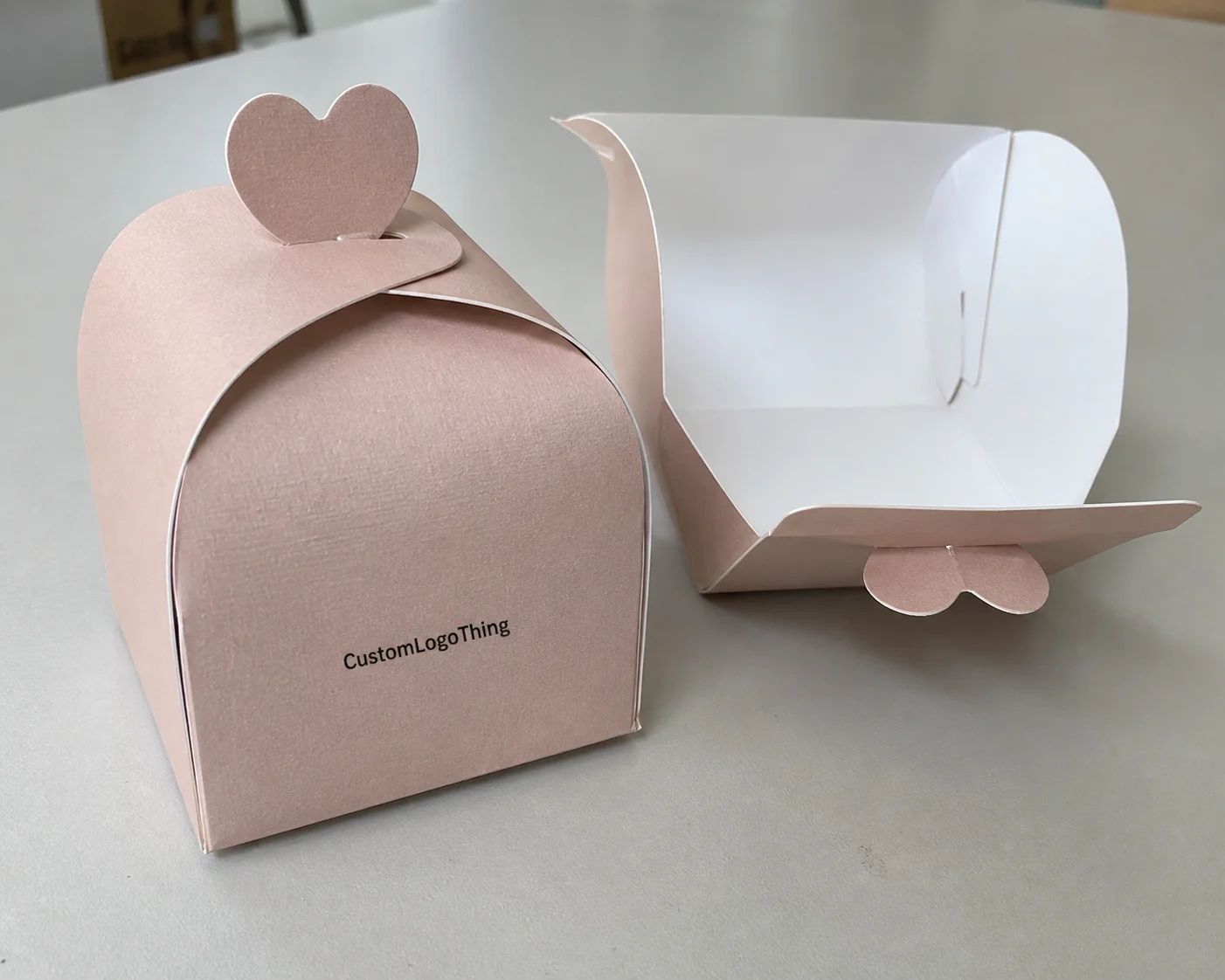
Packaging buyers usually discover quickly that the box is doing two jobs at once. It has to protect the product, and it has to sell the product in a split second. A plain kraft carton says the contents are contained. A well-built printed carton says they were planned. That difference matters whether the box sits on a retail shelf, gets handed out at a wedding, or arrives in a mailer with other branded pieces.
That is why the first conversation should be about use case, not artwork. A box for two macarons, a tray for brownies, and a mailer for a mixed gift set all need different internal dimensions, different closure strength, and different board choices. The same logo can live on each one, but the structure underneath should not be treated as interchangeable.
In practice, the most reliable orders start with a simple question: what has to happen to the box after it leaves production? If it is going to sit on a bakery counter, the design can prioritize shelf appeal and quick assembly. If it will be packed, stacked, and shipped, crush resistance and closure integrity move up the list. If it is for a favor table or event giveaway, perceived value may matter more than long-distance durability. Personalized treat boxes work best when the structure matches the handling reality instead of the mood board.
That is also where many first-time buyers overspend. They add premium finishes to compensate for a weak layout, or they choose a visually elaborate style that does not hold the product cleanly. The better approach is the reverse: pick the right box format first, then use print and finishing to support it.
A box that looks polished on screen can still fail in the hand. Internal depth, closure strength, and insert fit matter just as much as the printed surface.
How structure, size, and materials shape the final box
Structure is usually the biggest hidden cost driver. A tuck-end carton is efficient to run and fold, which keeps it practical for bakery items, lightweight gift packs, and simple retail packaging. Pillow boxes bring a softer, more playful presentation, but they give up some usable interior space. Sleeves with trays feel more premium because they separate the outer artwork from the product nest, while window boxes let the buyer see what is inside before opening the package. Each style solves a different problem, and none of them is universally best.
Board choice matters just as much. Light paperboard in the 16pt to 18pt range is often enough for small treats and short runs, especially when the contents are wrapped. Heavier board or corrugated components make more sense when the product has weight, when the box will be stacked in transit, or when the contents need a firmer feel in the hand. A box can look elegant and still be too flimsy if the stock is chosen only for appearance.
Coating and finish change both the look and the handling. Matte aqueous coating keeps the surface cleaner and usually prints with a restrained, natural feel. Gloss can help color pop and is often easier to wipe down. Soft-touch lamination adds a velvety surface and a more expensive feel, but it can raise costs and may complicate recyclability depending on the build. None of these finishes is automatically better. The right one depends on the product, the audience, and how the box will be used.
If the treat will touch the interior surface directly, food-contact questions become important. Buyers Should Ask whether a liner is needed, whether grease resistance is built in, and whether the coatings and inks are appropriate for indirect contact. If the product is wrapped first, the packaging can usually be treated as presentation packaging rather than direct-contact packaging, which changes the material discussion. That distinction affects both compliance and cost.
FSC-certified board can matter if a retailer, venue, or brand requires paper sourcing documentation. For buyers who need to verify those claims, the certification language from fsc.org is a useful reference point. Transit performance matters too, especially if the boxes will ship rather than sit on a counter. For that side of the job, many packaging teams look at ISTA testing approaches to think through drop, vibration, and compression risk.
For comparing styles, a simple tradeoff table is often more useful than a long feature list.
| Box style | Typical use | Common MOQ | Typical unit price | Main tradeoff |
|---|---|---|---|---|
| Tuck-end carton | Cookies, brownie bars, lightweight retail packs | 1,000-2,500 | $0.22-$0.45 | Efficient and economical, but less premium on its own |
| Pillow box | Small favors, single items, event giveaways | 500-1,000 | $0.30-$0.70 | Strong presentation, limited interior space |
| Sleeve with tray | Premium gift sets, assorted treats | 1,000-3,000 | $0.35-$0.80 | Better unboxing impact, more parts to assemble |
| Window box | Retail display, visible product assortment | 1,000-5,000 | $0.40-$0.90 | Shows the product, but window film and die-cutting add cost |
Production steps, proofing, and turnaround timing
The order process is usually simple on paper and less simple in practice. A typical job starts with a quote request, dieline selection, quantity confirmation, and artwork upload. The supplier then creates a proof, the buyer checks dimensions and copy, revisions are made if needed, and production starts after approval. Once the press run is complete, the boxes move through finishing, packing, and shipping.
The print run itself is not always the slowest part. More often, the delay happens during review. Missing dimensions, late artwork changes, unclear color intent, or unapproved copy can push a project back even when the structure is straightforward. Special finishes such as foil, embossing, spot UV, or soft-touch coatings add another layer of checking, because each one introduces a place where the final result can deviate from the mockup.
A practical planning window usually looks something like this:
- Quote and initial spec review: 1-2 business days
- Proof creation and revision cycle: 2-5 business days
- Production after approval: often 10-18 business days
- Shipping: 2-5 business days, depending on destination and service level
Rush orders compress review time more than machine time. That is the part buyers often underestimate. A supplier may be able to move the job ahead in the queue, but proofing still has to happen. If the box is tied to an event date, the schedule should be built backward with room for a revision, a sample check, and transit delays. A three-day slip can be trivial for an internal project and painful for a wedding favor order or a product launch.
Digital proofs help with layout, copy placement, and color direction, but they cannot show how the board folds, how the closure feels, or how the coating catches light. That is why physical samples are worth considering on anything that depends on presentation. A sample can reveal that the insert is too tight, the finish is too shiny, or the board feels thinner than expected. Those are small issues on a screen and expensive issues after production.
For mail-ready packs, some teams also think in transit terms before approving the final spec. Compression resistance, corner damage, and product movement can all turn a good-looking box into a damaged delivery if the build is too light for the shipping method. That is one of the reasons personalized treat boxes should be treated as packaging decisions first and graphic decisions second.
Cost, pricing, and MOQ tradeoffs to compare
Pricing usually comes down to five variables: quantity, board grade, print coverage, finish complexity, and whether the box needs custom tooling. A simple one- or two-color carton at volume can be inexpensive. A small run with full coverage, foil, a specialty insert, and a custom die will sit in a very different price band. The artwork itself is rarely the expensive part. The structure and setup are where cost accumulates.
Setup charges explain why short runs can look surprisingly high on a per-unit basis. A die, plate set, proof cycle, and prepress work all have to be paid for somewhere, and if that fixed cost is spread across 250 pieces instead of 5,000, the unit price moves sharply. This is why a lower MOQ is helpful for event orders or new product tests, but a recurring bakery program often benefits from larger volumes and a tighter spec.
It also helps to compare quotes on the same basis. A quote for the same dimensions but different board, finish, or print coverage is not a real comparison. The cheapest number only means something if the structure, stock, and decoration method are identical.
| Quote factor | Why it changes cost | What to ask the supplier |
|---|---|---|
| Quantity | Spreads setup across more units | What is the price at 500, 1,000, and 5,000 pieces? |
| Material grade | Heavier board and better finishes cost more | What board stock and coating are included? |
| Print coverage | Full-bleed and multi-color builds use more press time | Is the quote based on one side, full wrap, or full color inside and out? |
| Finishing | Foil, embossing, and lamination add labor and tooling | Which finishes are included, and which are optional? |
| Tooling | Custom dies and special inserts add upfront charges | Is the tooling a one-time charge or part of the unit price? |
As a rough planning guide, many buyers see short-run personalized treat boxes land in the higher per-unit range because the setup costs are spread over fewer pieces, while recurring orders become more economical once the design and die are already established. That does not mean the lowest price is automatically the best value. A carton that arrives dented, shifts in transit, or forces a reprint is expensive in a different way.
One useful habit is to ask for quotes in tiers. A buyer can compare 500, 1,000, and 5,000 units on the same spec and see where the price curve starts to flatten. That usually tells a more honest story than a single line item ever will.
Step-by-step: choosing the right size and artwork spec
The most common sizing mistake is starting from the ingredient instead of the finished product. A brownie box should be sized to the baked and trimmed piece, not the batter pan. A cookie box should account for the stack or insert configuration actually being packed. If tissue, a liner, or a divider is part of the presentation, those components need to be included in the dimensions from the beginning. Extra empty space looks harmless until the product starts moving around inside the box.
Width and length control stability. Height protects the top surface and helps prevent crushing. For tall items, a little extra depth is useful. For flatter products, too much height creates wasted air and can make the package feel underfilled even when the contents are correct. The right size usually feels specific because it is specific.
Artwork needs the same discipline. The file should be built to the supplier’s dieline, with bleed and safe zone clearly respected. Logos, flavor names, dates, ingredient text, QR codes, and any required compliance copy should stay clear of folds, seams, and cut edges. A design that looks clean on a flat screen can still fail once it is folded into a physical box.
Color handling deserves special attention. A deep navy, warm black, or saturated red can shift depending on the paper stock and coating. Kraft board will mute and warm colors differently than coated SBS. Soft-touch can deepen dark tones and reduce contrast slightly. If the box will sit under warm retail lighting, test the color and barcode visibility with that environment in mind. A barcode that scans in proof but prints too faintly on the final stock is a real operational problem, not a minor cosmetic issue.
Here is the working checklist I would use before sending files:
- Confirm the finished product dimensions.
- Check whether the treats will be wrapped or in direct contact with the carton.
- Choose the box style that matches the handling case: retail, gift, ship, or display.
- Place the artwork on the correct dieline and verify safe zones.
- Confirm color intent, finish type, and any required regulatory text.
- Review proof notes line by line before approving production.
For many orders, a sample is the cheapest form of insurance. One physical box can reveal whether the closure feels secure, whether the insert holds the product too tightly, and whether the finish reads as intended under real light. That is especially useful for gifts and retail packaging, where a slight mismatch between mockup and finished carton can change the customer’s reaction immediately.
Common mistakes that waste budget and slow orders
The first mistake is guessing the size. Buyers often assume one standard carton will work for every cookie, brownie, or favor in the lineup. It usually does not. A box sized for wrapped cookies may be too shallow for stacked brownies or too loose for a single item with a lot of empty headroom. Guessing tends to create either crushed product or packaging that looks visibly underfilled, and neither outcome helps the order.
The second mistake is overdesign. Extra colors, extra foil, extra embossing, and extra special finishes are only useful when they improve the shelf story or make the gift experience stronger. If the box is for a short-lived event or a fast-moving bakery item, expensive finishing layers can become decoration for its own sake. A restrained design on the right board often performs better than a crowded premium build.
The third mistake is approving artwork before checking the dieline. That is how copy lands too close to a fold, a window cuts through a logo, or a flavor label disappears into the seam. It sounds obvious after the fact, but it happens when the proof is reviewed visually instead of technically. A packaging proof is a production document, not a promotional mockup.
The fourth mistake is skipping samples. Digital renderings are useful for direction, but they do not show stiffness, crease behavior, or how a finish changes under actual lighting. If the box matters enough to ship, stock on shelves, or hand out at a formal event, it is worth seeing one real sample before approving the full run.
Cheap packaging becomes expensive when it creates rework. A careful first proof almost always costs less than a second production run.
Expert moves and next steps for a cleaner order
The most useful document in a packaging order is often the simplest one: a one-page spec sheet. List the finished dimensions, quantity, board type, food-contact requirement, print colors, finish, insert needs, and delivery date. That single page gives the supplier what is needed to quote accurately and spot risks early. It also reduces the chance that sales, art, and production are each working from slightly different assumptions.
If the order is tied to a premium event, a retail shelf, or a gift program, ask for a physical sample or a hard proof instead of relying only on a digital mockup. Screens do not show stiffness, crease memory, or how a coating catches light. They also hide the small compromises that make a carton feel either refined or cheap in the hand.
Good suppliers usually ask detailed questions about fill weight, transit method, and artwork files before they quote. That is not a delay tactic. It is how they avoid version drift, sizing errors, and reprints. The cheapest quote can become the most expensive one if it leaves those questions unanswered until production is already underway.
A cleaner order sequence is straightforward: lock the size, confirm the structure, verify the Cost and Lead Time, then approve the proof only after every fold, cut, and text placement is checked. If the delivery date is fixed, build the schedule backward and leave room for a correction. Personalized treat boxes work best when they are treated as packaging decisions first and branding decisions second. That order keeps the budget under control and the final carton looking deliberate.
How do personalized treat boxes differ from standard bakery boxes?
Standard bakery boxes usually focus on basic containment, while personalized treat boxes are built to support branding, gifting, or event presentation. Personalization can include printed coverage, windows, inserts, and finish choices that change the appearance and the cost structure.
What affects the price of personalized treat boxes the most?
Quantity, board stock, print complexity, and finish selection usually move pricing more than the artwork itself. Short runs tend to have a higher unit cost because setup and proofing are spread across fewer pieces.
How long does it take to produce personalized treat boxes after artwork approval?
Production time depends on box style, print method, and finishing, but proof approval is often the first bottleneck. A practical schedule should include transit time and a small buffer for revisions so the boxes arrive before the event or launch date.
Can I order personalized treat boxes in a small quantity?
Yes, but the unit price is usually higher because setup costs are divided across fewer pieces. Short-run digital printing or low-MOQ programs can work well for testing a new flavor, a seasonal launch, or an event concept.
Do personalized treat boxes need food-safe materials?
They need food-safe materials if the treat touches the inside surface directly. Ask about coatings, liners, and inserts, especially when the product is oily, sticky, or wrapped inconsistently.