Plan Jewelry Clear Poly Bags Lead Time Before Ordering
Jewelry Clear Poly Bags Lead Time: What Buyers Should Expect
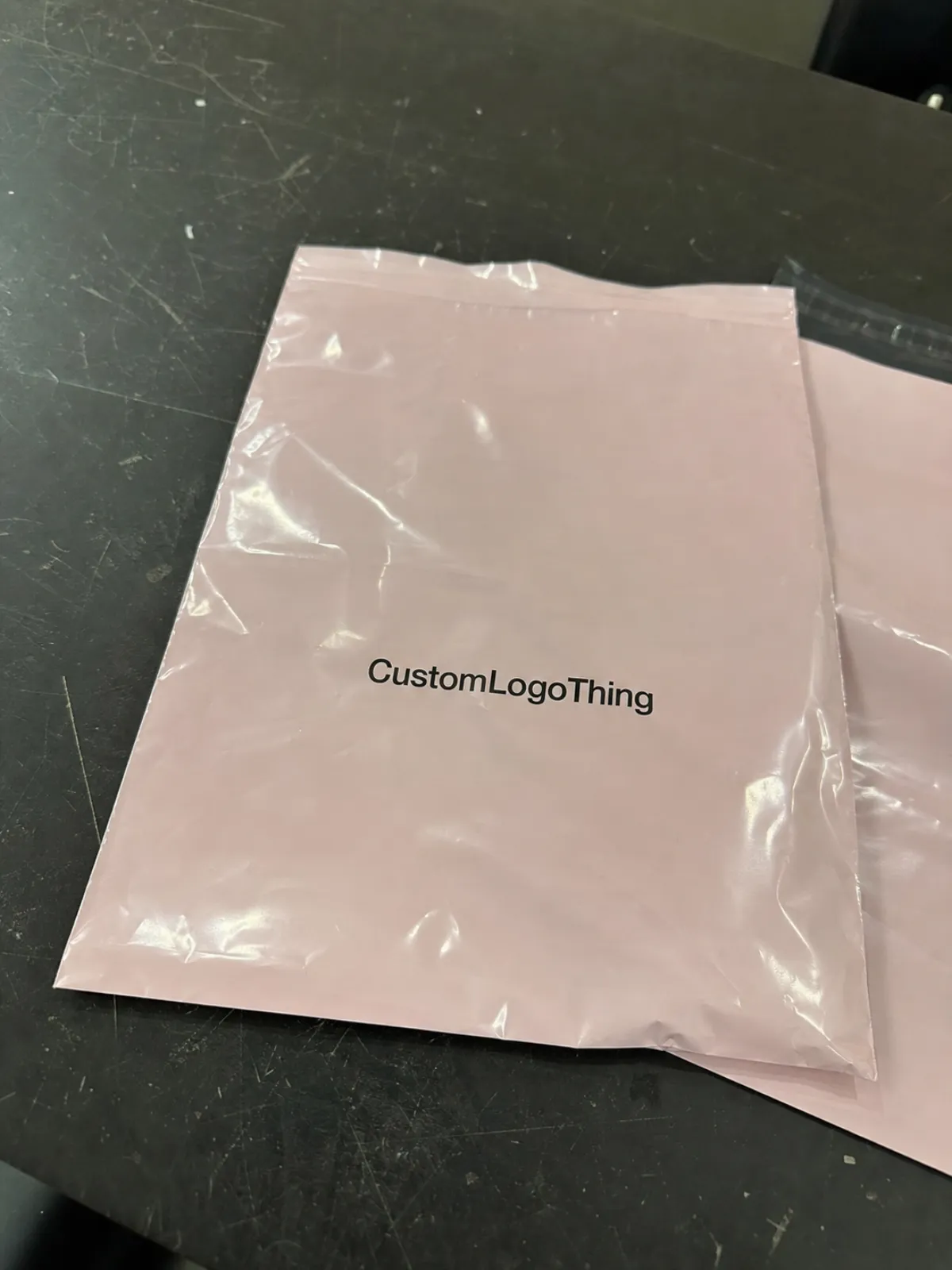
The jewelry order is finished, the charms are counted, the cards are printed, and the ship date is close enough to feel real. Then one small packaging item holds the release in place: the clear bag. That is why jewelry clear poly Bags Lead Time needs to be planned before the purchase order is sent, not after finished product is already waiting on a packing table.
For buyers, the number on a quote can look deceptively simple: 7 business days, 12 business days, 20 business days. In practice, that number often means production time after all specifications are approved. It may not include artwork review, proofing, film confirmation, sample review, scheduling, quality checks, carton packing, or transit. Those steps are not administrative padding; they are the practical difference between a clean, retail-ready bag and a late scramble.
Stock clear poly bags are usually the fastest option because the size, film, and closure already exist. A custom-size bag takes longer because width, length, flap, header, seal placement, or hang-hole position may require a machine setup. A custom printed bag adds artwork checking, ink setup, proof approval, and press scheduling. Each route can be sensible, but each one uses a different calendar.
Buyers do not need to become packaging engineers. They do need to understand the decisions that move the schedule: dimensions, gauge, closure type, print color, warning copy, quantity, destination, and approval speed. If a boutique launch, marketplace shipment, or fulfillment handoff depends on these bags, treat packaging as part of the production schedule rather than a last-minute accessory.
How Clear Poly Bags for Jewelry Are Made and Specified
Clear poly bags are flexible plastic bags, most often made from polyethylene film, used to protect, group, display, or organize small products. For jewelry, they may hold earrings on a card, a delicate chain, a charm assortment, a repair kit, a branded insert, or small replacement components. The job looks simple from the outside: keep the item clean, visible, and easy to handle. The details underneath are what influence timing.
LDPE is the common soft, flexible choice. It has a smooth feel, good clarity, and a forgiving hand, which works well for many jewelry cards and light components. HDPE is thinner and crisper, with a slightly noisier feel and less stretch. Some buyers ask for higher clarity, recycled content, anti-static behavior, added stiffness, or matte texture; those materials may be available, but they can require additional sourcing time and higher minimum quantities.
Thickness is usually discussed in mils in the U.S. market. A light 1.5 mil bag may work for flat cards, bead packs, or very light components. A 2 mil bag is a common middle ground for general jewelry packaging. A 3 mil or 4 mil bag can make sense for heavier findings, boxed pieces, sharper charm edges, or repeated handling in a fulfillment bin.
More thickness is not automatically better. A heavy bag can feel bulky around a small earring card, reduce the crispness of the presentation, and raise carton volume or freight cost. The better choice is the thinnest film that still protects the product and holds up through packing, storage, and shipping.
Common features include self-seal adhesive lips, resealable zipper closures, hang holes, header areas, vent holes, printed logos, SKU information, suffocation warnings, recycling marks, and barcode windows. Anti-tarnish requirements should be discussed carefully because a plain polyethylene bag is not automatically an anti-tarnish package. Depending on the metal, finish, and storage conditions, anti-tarnish paper, corrosion-inhibiting materials, desiccants, or a different packing method may be needed.
Each feature adds a question. Does the adhesive need to be permanent or resealable? Should the hang hole be a euro slot or a round hole? Is warning copy required based on bag opening size? Can the barcode scan through the film after the product is inserted? Those answers shape the specification, and the specification shapes the schedule.
Process and Timeline from Quote Request to Finished Bags
A good quote process is more than a price request. It is a specification lock. The typical path runs through request for quote, spec confirmation, artwork check, proof approval, material scheduling, production, inspection, packing, and shipping. First orders often feel slower because several of those stages happen for the first time.
The clock usually starts after final approval, not after the first email. That point causes many delivery misunderstandings. If a buyer sends a logo on Monday, revises the bag size on Wednesday, asks for a different closure on Friday, and approves the proof the following Tuesday, production time starts after that approval. The earlier messages matter, but they are not the same as a released order.
Artwork review deserves special attention on small bags. A logo that looks fine on a website may break down at 1 inch wide on clear film. Vector files such as AI, EPS, or clean PDF artwork usually produce sharper edges than screenshots or low-resolution PNG files. The reviewer may check print size, ink coverage, barcode readability, knockout areas, warning copy, and placement near seals or adhesive strips.
Production timing varies by order type. Stock clear bags may ship from available inventory after payment and order entry. Made-to-order unprinted bags need film conversion time but no print setup. Printed bags require ink preparation, plate or screen setup depending on the print method, and press time. Multi-color work adds registration checks, which are more sensitive on flexible film than on rigid paperboard.
| Bag Option | Typical Use | Approximate Unit Cost Range | Typical Timing Pattern |
|---|---|---|---|
| Stock clear self-seal bag | Urgent launch packs, replacement stock, simple jewelry cards | $0.03-$0.09 at moderate quantities | Fastest if inventory is available; freight often controls the arrival date |
| Custom-size unprinted bag | Nonstandard cards, boxed jewelry, insert kits | $0.06-$0.16 depending on size and gauge | Longer than stock because conversion setup is required |
| One-color printed clear bag | Logo packaging, SKU grouping, boutique retail presentation | $0.10-$0.24 for many 5,000-10,000 piece orders | Proofing and print setup add time before production |
| Specialty film or multi-color print | Premium presentation, recycled content targets, detailed branding | $0.18-$0.35+ depending on coverage and minimums | Longest path because material and print scheduling are less standard |
Allow more calendar room for first runs. Repeat reorders are easier because the size, gauge, art, warning text, carton pack, and shipping method are already known. Ask which portions of the schedule can move. Air freight can compress transit, but it will not fix artwork that is not ready or film that has not been allocated.
Key Factors That Can Shorten or Stretch Turnaround
Bag size is one of the first timing variables. Standard widths and lengths are easier to source or schedule. A nonstandard width, long flap, large header, wide adhesive lip, or unusual hang-hole placement may require a custom setup. A half-inch can matter if it changes the roll width or the way bags are converted.
Film gauge and resin availability also affect jewelry clear poly Bags Lead Time. Common clear polyethylene gauges are usually easier to plan than uncommon thicknesses or specialty films. If a buyer requests post-consumer recycled content, extra-high clarity, matte texture, anti-static behavior, or a very specific stiffness, the supplier may need to confirm material availability before giving a reliable ship date.
Printing complexity is another major lever. A one-color logo with moderate coverage is usually straightforward. Dense ink coverage, tiny type, multiple colors, metallic effects, or artwork that wraps close to side seals can slow proofing and setup. Flexible film moves slightly during printing, so tight registration needs more control than a simple centered logo.
Quantity changes the schedule in both directions. Very small runs may fall below MOQ, which can force a different process or a higher unit cost. Larger runs may lower the per-bag price, but they require more film, longer press time, more inspection, and more cartons. A 2,500-piece test run and a 50,000-piece rollout are not the same production event.
Compliance and retail requirements should be settled early. Suffocation warnings may be required for certain bag sizes and markets. Recycling marks, country-of-origin labeling, barcode visibility, hang holes, and marketplace packaging rules can all affect layout. Organizations such as ISTA publish transport testing resources that are useful when packaging must survive parcel handling, while broader sustainability and material recovery information can be reviewed through the U.S. EPA recycling resources.
Practical callout: buyer responsiveness can save more time than rush freight. A same-day proof approval with correct dimensions can protect the schedule better than paying extra to ship a delayed order overnight.
Late changes are the quiet schedule killer. Changing artwork after setup, revising quantity after material is allocated, or correcting dimensions after proof approval can add more time than the bag-making step itself.
Cost, MOQ, and Quote Details That Affect Delivery Dates
Pricing and timing are connected. The lowest unit cost may require a higher MOQ, a longer production window, or a more efficient press setup. A rush order may be possible, but the unit price, freight cost, or setup charge can change quickly.
Main cost drivers include film type, gauge, bag dimensions, closure style, print colors, ink coverage, quantity, carton count, freight method, and any special handling requirements. As a broad working range, a plain stock bag can be only a few cents each, while a custom printed jewelry bag often lands around $0.10-$0.24 per unit for common moderate quantities. Small orders, heavy film, multi-color printing, or specialty materials can move outside that range.
MOQ exists because fixed costs occur before the first usable bag is produced. Film setup, printing plates or screens, press washup, machine setup, inspection, and labor all have to be covered. For some projects, a 5,000-piece MOQ is normal; for a specialty material or multi-color print, the practical minimum may be higher. Not every supplier uses the same threshold, but the reason behind the threshold is real.
If the launch date is close, a stock bag with a printed label, branded insert, or header card may be smarter than a fully custom printed poly bag. It may not be the final brand vision, but it can get product out the door while the permanent bag is produced correctly. This approach is often practical for first shipments where demand is still being tested and dimensions may change after real packing feedback.
Request pricing in tiers. Ask for a small launch quantity, a standard reorder quantity, and a bulk quantity. For example, compare 2,500, 5,000, and 10,000 pieces with the same size, gauge, and print. That gives purchasing a clear view of unit cost versus timing, instead of forcing a decision from incomplete quotes.
Also ask what the quote includes. Proofing, tooling, plate charges, freight, carton labeling, overship or undership policy, and delivery terms can all affect receiving dates. If the quote says “ships in 12 business days,” ask whether that means after proof approval and whether transit is included.
Step-by-Step Guide to Preparing a Faster Bag Order
Start by measuring the jewelry with everything that goes into the bag. Do not size the bag from the necklace, ring, or charm alone. Measure the jewelry card, pouch, insert, anti-tarnish strip, small box, or barcode label. For flat products, leave enough room for easy loading without creating a loose, sloppy pack. For small cards, interior clearance of about 1/8 to 1/4 inch per side can be enough, while bulkier items may need more.
Choose the bag style early. Options include flat open-end bags, self-seal flap bags, resealable zipper bags, header bags, hang-hole bags, and simple protective sleeves. A self-seal flap is common for jewelry because it closes neatly and keeps the product visible. A zipper bag costs more but can be useful for replacement parts, beads, findings, or components the customer may reopen.
Confirm film thickness from actual handling, not just appearance. Put the product in a similar bag if one is available. Check whether chain ends poke, charms create pressure points, adhesive touches the product, or the bag clouds under store lighting. Moisture protection, scratch resistance, chain tangling, and retail display clarity all matter.
Prepare artwork before requesting a quote. A clean package of files should include the vector logo, desired print color references such as Pantone values if available, print placement, warning copy if needed, barcode or SKU instructions, and any required clear zones. If the print is on the front only, say so. If the adhesive flap folds to the back, confirm which side faces the shopper.
- Size: interior width by length, plus flap or header if needed.
- Film: LDPE or HDPE, target gauge, and clarity expectations.
- Closure: open-end, self-seal, resealable zipper, or header style.
- Print: number of colors, art size, placement, and warning text.
- Order details: quantity, destination, deadline, and first order or reorder status.
A complete spec sheet shortens the early back-and-forth and makes the lead time easier to quote. Proofs should be approved quickly, but not casually. Check dimensions, logo placement, spelling, warning copy, quantity, and orientation before signing off. A careful five-minute proof review can prevent a costly remake.
Common Mistakes That Delay Custom Jewelry Poly Bags
The most common mistake is treating quoted production time as door-to-door delivery time. Production, proofing, and freight are separate calendar items. If a supplier says production is 10 business days after proof approval, and ground transit is 4 business days, the receiving date is not 10 business days away.
Vague dimensions cause avoidable delays. “Bag for bracelet” is not enough. The supplier needs interior bag size, flap allowance, insert size, and the way the product will be loaded. Jewelry dimensions alone can be misleading because cards, pouches, and protective pads often determine the true bag size.
Low-resolution artwork is another frequent problem. Screenshots, social media graphics, and small JPG files can create rough logo edges on clear film. Fine script lettering, thin lines, and tiny icons need clean vector artwork. If the logo will print in white ink, black ink, or metallic ink, the proof should show placement and contrast clearly.
Overcomplicating the first run can also stretch turnaround. A new brand may want two print colors, a custom zipper, recycled film, a euro slot, and variable SKU information. Some of those features may be useful later, but a simpler first order can protect the launch date while real packing feedback is gathered.
Compliance oversights hurt because they are often found late. If a suffocation warning is required, the warning has to fit and remain readable. If a marketplace requires barcode visibility, do not print over the scan area. If the product ships internationally, ask about labeling expectations before proof approval.
Last-minute quantity changes can restart quoting or scheduling. Moving from 3,000 to 12,000 pieces may require more film and carton planning. Dropping below MOQ may change the production method or price. The cleanest approach is to quote realistic tiers early and pick one before materials are allocated.
Actionable Next Steps Before You Request a Quote
Before requesting a quote, gather the basics in one place: product dimensions, desired bag size, film thickness, closure style, print requirements, quantity, delivery location, and in-hands date. If you are comparing broader packaging needs, reviewing Custom Packaging Products can help you think through bags, boxes, cards, and related components as one packing system rather than separate purchases.
Separate must-have requirements from nice-to-have features. Must-haves might include a specific bag opening, barcode visibility, suffocation warning, or delivery date. Nice-to-haves might include a second print color, special finish, or custom header shape. That distinction gives the supplier room to suggest a faster or more economical path if the schedule is tight.
Prepare two timing options. Option one is the ideal full custom order: correct film, finished artwork, printed logo, exact size, and retail-ready closure. Option two is the backup: stock clear bags, printed labels, inserts, or a simpler one-color print. For shipping outer packaging, buyers sometimes pair clear inner bags with Custom Poly Mailers, so it helps to plan both the presentation pack and the transit pack together.
Ask direct timeline questions. When does production begin? How long does proof approval usually take? Is the film available now? Are plates, screens, or tooling needed? What shipping method is assumed? Can the order ship partial if the first cartons are ready early? Direct questions produce better answers than a general request for “quick turnaround.”
Most delays around small clear bags are preventable. Jewelry clear poly bags lead time is easiest to manage when size, film, artwork, approval process, and delivery expectations are settled before the order is placed. Give the supplier clean information, review the proof with care, and keep a practical backup plan ready; that is how a small packaging component stays out of the way of a larger launch schedule.
FAQ
What is the usual lead time for jewelry clear poly bags?
Stock clear poly bags can often move faster than custom bags because the film, size, and closure are already made. Custom-size or printed bags take longer because specifications, artwork, proofing, material scheduling, production, inspection, and shipping all need to be completed. The most reliable estimate comes after the supplier confirms size, gauge, quantity, print details, and destination.
Does printing a logo increase clear poly bag turnaround time for jewelry packaging?
Yes, printed logos usually add time for artwork review, proof approval, ink setup, and press scheduling. A simple one-color logo generally moves faster than multiple colors, heavy ink coverage, tight registration, or small detailed artwork. Providing vector artwork and clear placement instructions helps prevent proof revisions that slow the order.
How can I reduce jewelry poly bag lead time without hurting quality?
Use a common bag size, standard clear LDPE film, a straightforward closure, and one-color artwork when timing is tight. Approve proofs quickly, but check dimensions, logo placement, warning copy, and quantity before signing off. Ask about stock bags, partial shipments, or simpler launch packaging if the full custom version cannot meet the required arrival date.
Why does MOQ affect the lead time for custom clear bags?
MOQ is tied to setup time, film runs, printing preparation, machine scheduling, and packing labor. A quantity below the normal minimum may require a different production approach, which can change both cost and timing. Larger quantities can lower unit cost, but they may also need more material and longer production or packing time.
What should I send to get an accurate quote and timeline for clear jewelry bags?
Send bag dimensions, jewelry or insert dimensions, film thickness preference, closure style, print colors, artwork files, quantity, delivery ZIP or country, and required arrival date. Include any retail, marketplace, or compliance requirements such as suffocation warnings, barcode visibility, hang holes, or recycling marks. If you are unsure about size or gauge, send product details and explain how the bags will be packed, displayed, or shipped.

