Apparel brands usually start with Poly Mailer Bags unit cost for apparel, and that makes sense. Packaging is one of the few line items that can look cheap on paper and still create expensive problems later. A mailer that tears, fits poorly, or pushes shipping weight into a worse bracket can cost more than the print and film ever saved.
The real number is not the bag price alone. It is the cost per shipped order after freight, packing labor, damage risk, returns handling, and overage. That is the part many quotes leave out, and it is the part that matters most once orders start moving every day.
Why apparel brands overpay for mailers without noticing
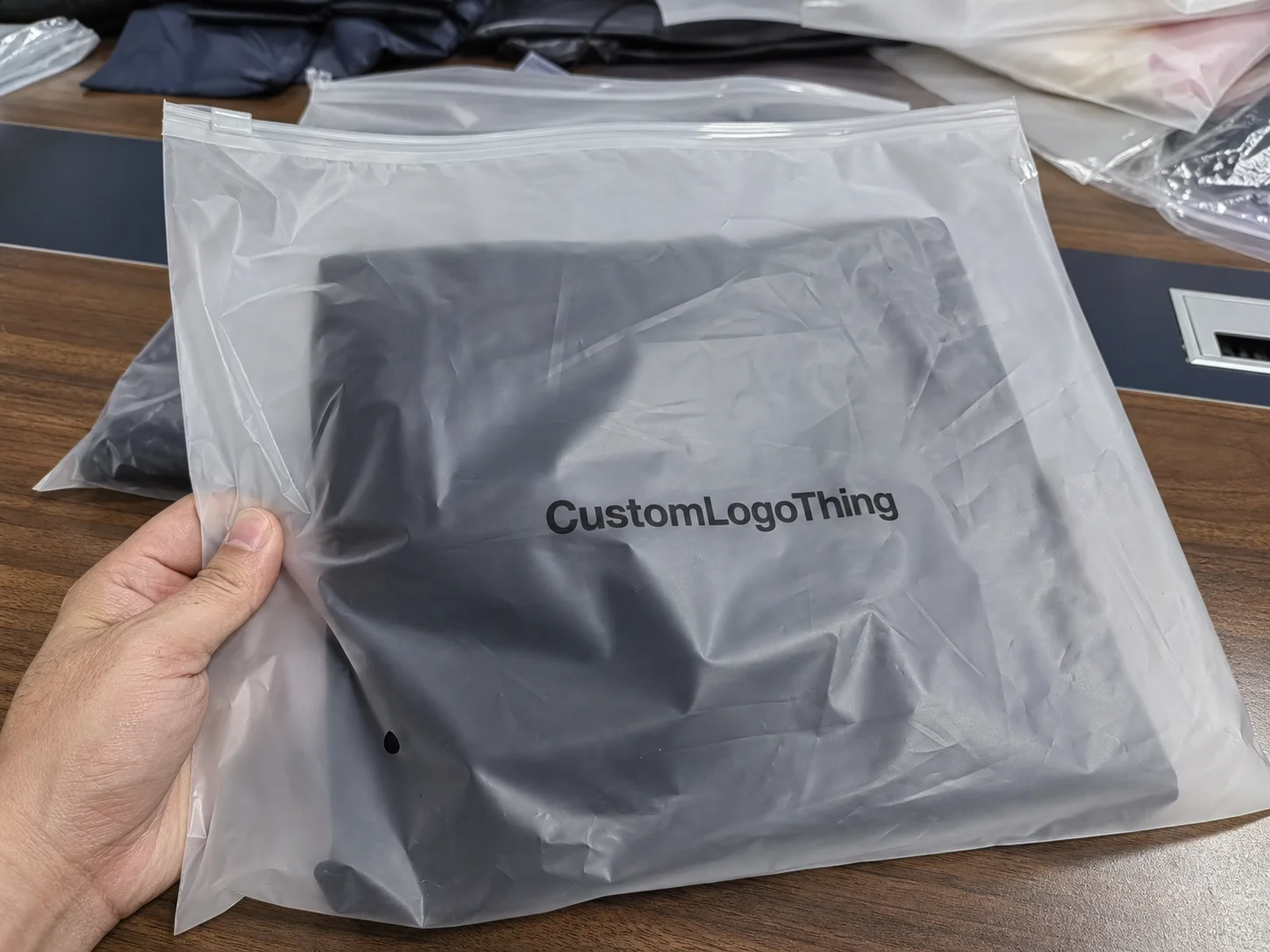
The usual mistake is treating the bag quote as the whole decision. A slightly larger mailer can create extra void space and move the parcel into a worse dimensional weight tier. That difference often exceeds the savings from a thinner film or simpler print.
Another hidden cost is failure. Thin mailers can work for a folded T-shirt, then split when a zipper, rivet, or hard garment tag presses against the film. Once that happens, the replacement product, second shipment, and extra customer service time all land back on the packaging decision.
Apparel buyers often miss a few expensive variables:
- Bag fit - Oversized bags waste material and can raise shipping cost.
- Film strength - More puncture resistance usually means more resin and a higher unit price.
- Print coverage - Larger ink coverage adds setup and production cost.
- Adhesive style - Return strips and stronger seals add value, but they are not free.
- Packing speed - A bag that is hard to load slows fulfillment and increases labor.
Practical rule: If a slightly better mailer prevents one damaged order in a hundred, the extra cents usually pay for themselves quickly.
Poly mailer bag options for apparel: sizes, films, and print styles
Apparel packaging is more varied than it first appears. A pair of socks, a lightweight tee, a boxed hoodie, and a multi-item subscription pack all place different demands on the bag. The best setup depends on garment thickness, folding method, and how much presentation matters at delivery.
For tees and other basics, a standard poly mailer often works well. Hoodies, denim, and heavier knits usually need a larger opening or thicker film so the seal does not sit under constant stress. Activewear may be light, but the stretch fabric can catch on rough film edges if the bag quality is poor.
| Mailer type | Best for | Typical unit cost impact | Notes |
|---|---|---|---|
| Plain poly mailer | T-shirts, socks, lightweight basics | Lowest | Good for high-volume shipments where appearance is secondary |
| Printed poly mailer | Most apparel brands | Moderate | Adds brand recognition and usually improves the customer's first impression |
| Recycled-content mailer | Brands with recycled material targets | Moderate to higher | Verify the recycled-content claim and how the film prints |
| Padded mailer | Accessories and fragile items | Higher | Better protection, more material, and more waste by weight |
| Double-seal return mailer | Fashion and fit-sensitive categories | Higher | Useful where return volume is predictable and the reverse flow matters |
Finish changes both perception and cost. Matte mailers tend to look more premium and photograph better, while glossy finishes usually show color more sharply and can be easier to produce. A simple one-color logo is still the most economical custom option. Full-coverage artwork, metallic effects, or multi-color graphics generally raise setup cost and increase proofing time.
Size selection deserves more attention than it gets. A bag that matches the folded garment more closely reduces wasted film and makes fulfillment cleaner. Oversized packaging may not look expensive in the quote, but the shipping charge and extra dunnage can erase that advantage quickly.
Common features buyers ask for include:
- Self-seal adhesive for faster packing
- Double adhesive strip for returns
- Tear strip for cleaner opening
- Opaque film for privacy
- Label panel for warehouse scanning and handling
Spec choices that change durability, look, and unit cost
Two mailers can look nearly identical and still perform very differently. The reason is usually hidden in the specification: thickness, resin blend, print method, seal quality, and finish. Buyers who only compare mockups usually miss the details that control performance.
The core specifications are straightforward:
- Thickness - commonly 2.5 to 4 mil for apparel, with heavier products needing more
- Material blend - virgin film, recycled content, or blended structures
- Opacity - important for privacy and the perceived quality of the package
- Seal strength - critical for transit and packing speed
- Print method - affects setup charges, color stability, and repeat consistency
Thicker film usually improves puncture resistance and gives the bag a better hand feel. That is helpful for hoodies, denim, and heavier knits, especially if the package is handled several times before delivery. For lightweight tees, overbuilding the film is usually wasted money.
Print choice affects unit cost almost as much as film choice. One-color printing is typically the most efficient custom route. Multi-color artwork, gradients, and large print areas increase setup effort and can expose registration issues if the supplier’s process is inconsistent.
For apparel programs, these combinations are common:
- Basics and high-volume tees: 2.5 to 3 mil film, one-color print, standard seal
- Premium fashion: 3 to 4 mil film, matte finish, stronger adhesive, sharper registration
- Subscription shipments: 3 to 4 mil film, return strip, and a label panel if the packer needs it
- Wholesale shipments: thicker film, larger dimensions, and stronger seals for heavier handling
Verification matters as much as the claim. If the supplier says the film includes recycled content, ask how that is measured and whether the claim applies to the full film or just part of the structure. If odor or static is a concern, request a sample and check it in the same conditions your warehouse will use.
For buyers who want a performance reference, transit testing standards from groups like ISTA are useful for understanding puncture, compression, and handling expectations. For recycling and recovery context, the EPA recycling guidance is a better starting point than marketing language. The spec sheet should match the actual film, not the other way around.
Poly mailer bags unit cost for apparel: pricing, MOQ, and quote drivers
Price ranges help buyers spot outliers quickly. Poly Mailer Bags Unit Cost for apparel can shift a lot by size, film thickness, print coverage, and shipping lane, but broad ranges still give you a useful benchmark. If a quote lands far outside these levels, the reason should be clear.
| Order tier | Typical plain mailer range | Typical custom printed range | Common notes |
|---|---|---|---|
| 1,000-3,000 pcs | $0.14-$0.28 per piece | $0.22-$0.45 per piece | Higher setup charges and less favorable bulk pricing |
| 5,000-10,000 pcs | $0.10-$0.20 per piece | $0.16-$0.32 per piece | Often the best balance between inventory size and unit cost |
| 20,000+ pcs | $0.07-$0.14 per piece | $0.11-$0.24 per piece | Lowest unit cost, but more capital sits in inventory |
Those numbers are not fixed, and they should not be treated like a promise. They move with bag dimensions, film thickness, print area, number of colors, carton pack size, and freight. They are still useful as a sanity check.
MOQ changes the economics quickly. Lower MOQ usually means higher unit cost because the supplier has fewer bags over which to spread setup work, plate charges, and print preparation. That is normal.
The most common quote drivers are easy to identify once you know where to look:
- Bag size - more film means more cost.
- Film thickness - thicker film raises material use and often improves transit performance.
- Ink coverage - larger print areas and heavier coverage increase production cost.
- Color count - more colors can mean more setup and more risk of color variation.
- Packaging format - inner packs, carton count, and label requests add labor.
- Freight destination - landed cost can move significantly by lane.
Reducing unit cost without harming performance usually comes from discipline, not tricks. Standardize the size across multiple apparel categories. Keep the artwork consistent. Reorder in predictable runs so the supplier is not resetting the line every time.
The lowest bag price is not the lowest total cost if it increases breakage, customer complaints, or packing time. That is the part most quoting sheets cannot show you, which is why the landed-cost view matters more than the headline unit rate.
Production steps, timeline, and approval checkpoints
A clean production process saves money because it reduces rework. The usual flow is simple: inquiry, spec confirmation, artwork review, proof or sample, production, inspection, and shipment. If one step is skipped, the cost usually shows up later as a delay, a reprint, or an unhappy warehouse team.
Lightly customized stock items can move quickly. Fully Custom Printed Mailers take longer, especially if the design, bag size, or material is unusual. For many custom apparel runs, a standard turnaround is often 12 to 15 business days after proof approval. Special materials, larger volumes, or new tooling can extend that timeline.
The approval checkpoint is where many orders either stay on schedule or slip. Before production begins, confirm the following:
- Final artwork and logo placement
- Bag dimensions and thickness
- Shipping method and destination
- Carton pack count
- Label requirements if the warehouse needs them
Proofing is not a formality. A bad proof that gets approved anyway is just a future problem with a nicer presentation. Sampling is especially useful if the bag must fit a specific fold or if the finish is part of the brand experience.
If shipping performance matters, transit test methods from ISTA are a practical reference point for handling expectations. They are useful because they shift the conversation away from guesswork and toward repeatable checks.
How to choose the right supplier for apparel mailers
A supplier should do more than send a quote. The better ones keep the specification stable, answer proof questions clearly, and hold print quality from one run to the next. A quote-only middleman can work for a one-time order, but apparel programs with repeat replenishment need consistency more than smooth sales language.
Ask for sample material, production photos, and clear answers about print method and film thickness. Not mockups. Actual finished bags. You want to see whether the color holds across the run, whether the seal line looks clean, and whether the film matches the thickness claimed in the quote.
Service matters because apparel inventory is rarely static. Seasonal launches, size curve shifts, and replacement orders can all appear without much notice. A supplier that communicates lead times honestly and flags risk early is usually worth more than a slightly lower price from a slower, less consistent source.
A practical comparison should cover:
- Spec clarity: Are thickness, material, dimensions, and print method stated plainly?
- Proof process: Is artwork reviewed before production begins?
- MOQ policy: Does the minimum fit your reorder pattern?
- Repeat consistency: Can the supplier match prior color and size on later runs?
- Defect handling: Are shortages, tears, or print errors addressed in a direct way?
For brands that buy several packaging items at once, it can help to review Custom Packaging Products alongside the mailer spec. A few businesses reduce total packaging spend by standardizing artwork, size families, or print style across multiple items.
Next steps to get an accurate quote and avoid waste
The fastest way to get a useful quote is to send complete specifications. Start with bag size, garment type, quantity, number of print colors, finish preference, and shipping destination. Without those details, most pricing is only a placeholder.
Ask for two versions if possible. One should be optimized for lower unit cost. The other should be optimized for presentation or protection. Side-by-side options make tradeoffs visible immediately.
If the apparel has a specific fold or needs to look neat at unboxing, request a sample before production. A bag that is only slightly too loose or too tight can slow packing and produce avoidable waste.
The most honest comparison is total landed cost: bag price, freight, carton count, overage risk, and the cost of getting the spec wrong. That is the number that matters for Poly Mailer Bags unit cost for apparel.
For apparel brands, the best result usually comes from a simple setup: one standard size that fits the product line, one print direction that stays easy to repeat, and one reorder plan that keeps inventory from drifting.
What affects poly mailer bags unit cost for apparel the most?
Bag size, material thickness, print coverage, and total quantity usually move the price more than anything else. MOQ and shipping destination also change the final landed cost.
What is a realistic MOQ for custom apparel poly mailers?
MOQ varies by print method and material, but custom runs often start higher than stock bags. Lower MOQs are possible, but the unit cost usually rises because setup work is spread across fewer bags.
How can apparel brands reduce unit cost without hurting quality?
Use a standard bag size, reduce print colors, and avoid oversized packaging. Choose a film thickness that protects the product without overbuilding the bag.
How long does custom poly mailer production usually take?
Simple stock or lightly customized orders move faster than fully custom printed runs. Artwork approval, sampling, material choice, and shipping method are the main timeline variables.
Can I get a sample before placing a bulk apparel mailer order?
Yes, and you should if the size, print, or finish matters to your brand experience. A sample helps confirm fit, seal strength, and print quality before mass production.


