Why subscription brands watch unit cost so closely
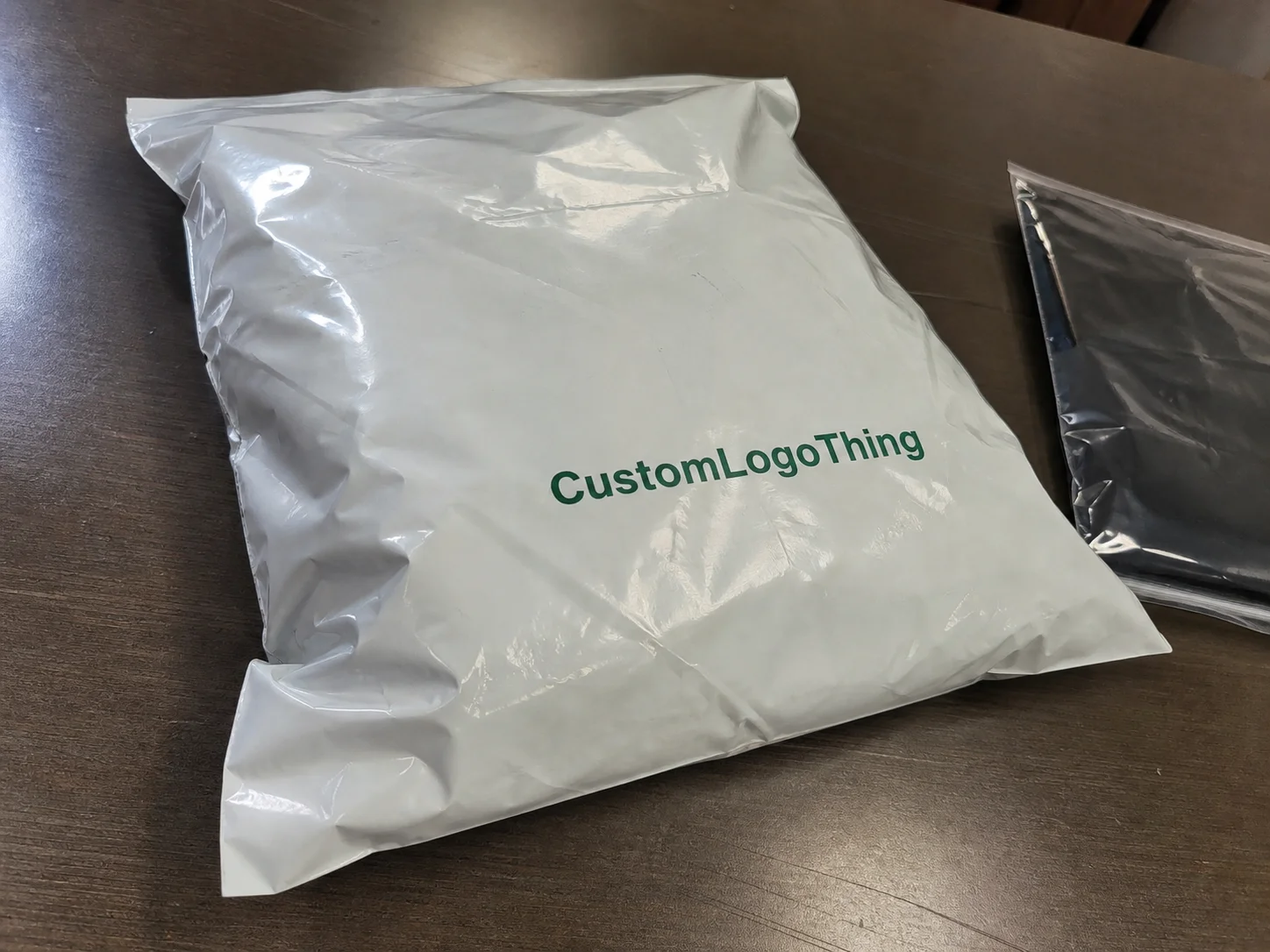
For subscription brands, packaging cost never really sits still. A small difference in unit price can multiply across every recurring shipment, and once you are sending the same item month after month, even a few cents start to matter in a way that is easy to underestimate during sourcing. That is why Poly Mailer Bags unit cost for subscription is rarely just a quote comparison. It is a landed-cost question that includes size, print, freight, film thickness, storage, and the risk of replacement shipments.
Poly mailers are popular in apparel, beauty, wellness, and other lightweight subscription programs because they are compact, quick to pack, and usually less expensive to ship than rigid packaging. They take up less warehouse space, reduce carton cube, and often move faster through fulfillment lines. Those savings are real, but they only hold when the mailer is matched to the product and the shipping environment.
The tradeoff shows up fast when the specification is too thin or too small. A low-cost mailer that splits at the seam, opens in transit, or forces the packer to fight the closure can add more to the total program cost than it saved on paper. On the other hand, an overbuilt mailer can quietly inflate spend without improving the customer experience enough to justify it. The useful question is not which bag is cheapest, but which bag performs at the lowest practical total cost.
For buyers, the best pricing conversation starts with the shipment itself: what goes inside, how much it weighs, how often it ships, and what kind of brand impression the packaging needs to support. Subscription programs run on predictability. When packaging specifications drift, packing speed, defect rates, and reorder timing usually drift with them.
Poly mailer bag formats that fit subscription fulfillment
Most subscription teams settle on a short list of practical formats rather than trying to make one bag do everything. Opaque LDPE mailers remain the standard choice because they are economical, easy to source, and flexible enough for many recurring shipments. Co-extruded films are common when extra strength or better puncture resistance is needed without moving to a much thicker material. Recycled-content options are showing up more often as brand teams try to reduce virgin resin use, although the pricing and consistency of those materials can vary more than buyers expect.
Flat mailers work well for socks, soft apparel, small cosmetics, sample kits, and other compressible items. Once the contents become mixed or slightly rigid, gusseted or expandable styles usually make more sense because they reduce strain at the seal and make packing less awkward. A bag that is technically large enough can still be a poor choice if it slows the line or creates inconsistent closure quality.
Branding changes the economics more than many first-time buyers expect. Stock white or black mailers usually carry the lowest entry price. One-color custom print is often the most practical middle ground for subscription brands that want recognizable packaging without paying for full decoration. Full-color printing raises the unit cost, especially when the design wraps multiple panels or requires wider ink coverage. More surface area means more print work, more quality checks, and more opportunities for waste if the artwork is not approved cleanly the first time.
Functional details matter just as much as visual ones. A tear strip improves opening behavior and helps the package feel cleaner at unboxing. A dual adhesive strip supports exchanges or returns, which can be useful for apparel and fit-sensitive products. Barcode-safe panels reduce scan problems in the warehouse. None of those features are cosmetic. They affect labor time, handling consistency, and the number of customer service issues that may follow a shipment.
“A mailer has to do more than look branded. It has to move through packing cleanly, survive carrier handling, and arrive in a condition that does not create extra work for the customer or the support team.”
For that reason, many packaging buyers judge mailers by whether they fit the workflow as much as whether they fit the brand palette. A good-looking bag that tears under light product pressure is a bad buy. A plain bag that saves labor and reduces claims can be the better business decision, especially when recurring volume is high.
Key specifications that affect unit economics
Thickness is usually the first spec buyers look at, and it deserves attention, but not in isolation. Poly mailers are often measured in mils, and the assumption is that thicker automatically means better. That is not always true. If a 2.5 mil film already meets your puncture and seal requirements, moving to 4 mil may add cost without producing a meaningful gain in performance. For lightweight, non-fragile subscription shipments, the lightest film that still passes the handling test is often the right starting point.
Size has an equally large effect on the unit economics. Buyers should work from finished inner dimensions, not rough guesses. The item needs room for product thickness, seal overlap, and any folding or padding the pack-out requires. Rigid inserts, sample cards, boxes, and bundled items all reduce usable space quickly. An oversize mailer increases material cost and may also increase shipping cost because the package becomes larger than necessary.
Print specifications can change the quote more than expected. PMS color matching improves consistency, but it may require tighter controls and additional proofing. Artwork that covers a larger share of the bag costs more because it uses more ink and more production time. Bleed requirements, panel alignment, and the number of colors all influence the final price. A simple design is not just easier to see in production; it is usually easier to keep within budget.
Quality and performance data should be part of the buying conversation from the start. At minimum, ask for puncture resistance, seal strength, moisture resistance, and clear wording around recyclability or recycled content claims. If a supplier cannot explain how those numbers were tested, or if the description is vague enough to mean almost anything, the quote needs a second look. Independent guidance from organizations such as ISTA and material references from the EPA can help buyers frame performance expectations, even when the final spec still has to be customized to the product.
There is also a practical reason to keep the spec tight: every change can add coordination cost. Extra proof rounds, revised artwork, or a late shift in bag size can delay production and create avoidable handling charges. The most economical mailer is rarely the one that looks cheapest in a spreadsheet before the details are locked.
Poly mailer bags unit cost for subscription: pricing and MOQ
The real driver behind Poly Mailer Bags unit cost for subscription is the interaction between volume, material, print method, and order complexity. If those variables are not held constant, price comparisons become misleading. A vendor quoting a different size, different film, or a different shipping destination is not necessarily more expensive or less expensive; they are quoting a different product. Apples-to-apples comparisons only work when the specification is identical.
Setup charges and tooling fees are a major reason unit cost drops as volume rises. Once the press is running and the proof is approved, those fixed costs are spread over more bags. That is why a 5,000-piece run can look expensive on a per-bag basis, while a 50,000-piece reorder may price much better. The curve is predictable even if the exact numbers vary by supplier, print method, and resin market conditions.
For planning purposes, buyers usually run into three broad pricing situations:
- Sample or test quantities — useful for fit and print review, but the unit cost is typically higher because setup is not diluted.
- Mid-volume custom runs — where branding starts to make economic sense and the unit rate becomes more competitive.
- Higher-volume subscription contracts — where repeat orders and stable artwork can lower the effective cost per bag.
MOQ is the other side of the equation. Stock mailers may have very low minimums, while custom-printed mailers usually require a higher MOQ because the production line has to absorb setup, registration checks, and quality control. Lower MOQs are possible, but they often carry a higher price per piece. That is not always a disadvantage if the brand is still testing market response or expects packaging changes soon. It is a disadvantage only when the buyer assumes a low MOQ should behave like a full production run.
In broad market terms, plain stock mailers are usually the least expensive option, one-color custom print sits in the middle, and full-color branded mailers cost more because of ink coverage and process complexity. Recycled-content bags may also carry a premium depending on material availability and the consistency of the film source. Freight can alter the final landed number as well, especially when the bags ship in large cartons and the order travels long distance. A low ex-factory price can disappear quickly if freight, handling, or carton configuration is ignored.
| Option | Typical use | Price behavior | MOQ tendency |
|---|---|---|---|
| Stock opaque mailer | Testing, low-complexity shipments | Lowest unit rate, limited branding | Low |
| One-color custom print | Recurring subscription orders | Moderate unit cost, practical branding | Medium |
| Full-color custom mailer | Premium unboxing programs | Higher unit rate due to print coverage | Medium to high |
| Recycled-content custom mailer | Sustainability-led programs | May carry a premium depending on resin supply | Varies |
The biggest mistake buyers make is treating headline price as the whole story. A lower quote can come with weaker film, more breakage, slower packing, or freight that was not built into the number. Those extra costs do not show up in the packaging line item, but they show up somewhere in the operation. For subscription programs, that usually means claims, replacements, or additional labor.
If the program is still in testing, it is smart to request both stock and branded pricing. That gives a clean view of the premium attached to print and helps decide whether branding belongs in the first production cycle or can wait until order volume is steady.
Process and timeline from artwork to delivery
The quote-to-delivery process is usually straightforward when the inputs are complete. It starts with the core spec: size, thickness, print method, closure style, quantity, and destination. After that comes artwork submission, proofing, approval, production, quality control, and shipment. If any of those steps are incomplete or unclear, the timeline stretches.
Most delays come from simple issues rather than major production failures. Artwork files are not set up to the correct dimensions. The bag size changes after the quote. The team wants one more color adjustment after proof approval. A closure feature is added late. Each change forces a pause, and pauses are expensive because they disrupt production sequencing.
Lead time depends on the order type. Sample approval may be quick if artwork is already prepared and the spec is fixed. Full production takes longer, and freight adds another layer depending on whether the goods move domestically, by air, or by ocean. For many subscription programs, the schedule is determined less by production alone than by how early the reorder decision is made.
That is why inventory planning matters so much. Subscription brands that wait until stock is nearly gone lose flexibility, especially on custom packaging. Rush orders can happen, but they narrow supplier options, reduce negotiating room, and make the buyer more dependent on whatever production window happens to be open. A better practice is to set reorder triggers before inventory gets tight enough to force a rush.
Buyers should also ask how quality control is handled. Useful checks include print registration, seal consistency, carton counts, and visual review of the finished sample before the run is released. If a supplier makes recyclability or recycled-content claims, ask for documentation rather than broad statements. Where paper components are involved, FSC certification language may apply, and it should be supported properly at fsc.org.
A stable lead time protects the customer experience. If mailers arrive late, the shipment date slips, support tickets increase, and retention can take a hit. Packaging often gets treated as a procurement issue, but for subscription brands it behaves like an operations issue and a customer experience issue at the same time.
How to compare suppliers without losing margin
Supplier comparison should begin with a checklist, not with a single price line. Ask for material grade, finished dimensions, print coverage, MOQ, proofing policy, lead time, and shipping terms. Those details determine whether two quotes are actually competing on the same basis. If one quote looks lower because it changed the film grade or omitted freight, the apparent savings are not real.
Sample quality matters as much as the written spec. Request images or actual samples that show the finished print, closure, and panel alignment rather than relying on a mockup. A render can hide a lot. Real samples show whether the seams are clean, whether the ink sits evenly, and whether the mailer handles barcodes or labeling without smearing or glare. For recurring subscription shipments, lot-to-lot consistency matters because customers notice when the package looks noticeably different from one cycle to the next.
Labor should be part of the comparison, even though it rarely appears in the quote. A mailer that opens easily, loads without fighting the product, and seals on the first try can save time across every shift. A stronger film may cost slightly more per bag, but if it cuts damage claims or reduces repacks, the overall program can still come out ahead. That is especially true in apparel and beauty, where returns and replacements can be a meaningful hidden cost.
Use a simple comparison framework:
- Confirm identical dimensions and thickness across every quote.
- Separate setup charges and tooling from unit pricing.
- Compare freight to the same destination.
- Check whether proofing and revisions are included.
- Verify reorder simplicity for recurring subscription volumes.
Total cost should decide the supplier, not decoration or headline price. The right mailer helps the pack line move faster, reduces waste, and protects retention by arriving intact. The wrong one can look acceptable in procurement and still cost more over the life of the subscription program.
Next steps to lock in the right quote
If you want a useful quote for Poly Mailer Bags Unit Cost for subscription, gather four details before you request pricing: dimensions, quantity, print method, and shipping destination. Those inputs eliminate most of the back-and-forth and make the quote far more meaningful. Without them, price comparisons become little more than rough estimates.
If the program is still being tested, ask for both plain stock and custom-printed pricing. That makes the premium for branding visible and gives procurement a clearer way to judge whether custom print belongs in the first run or in a later reorder. Sometimes the answer is obvious. Other times the print premium is high enough that it makes sense to validate demand first.
Samples should come before scale. A mailer that looks correct on the spec sheet can still fit too tightly at the seal, create excess slack in the carton, or feel awkward in the hand during packing. A sample run catches those problems while they are still inexpensive. It also gives the team a chance to confirm print quality, closure strength, and pack-out behavior before committing to a larger order.
Forecasted reorder cadence matters too. Tell the supplier how often you ship and how quickly inventory turns. That information helps them recommend the right MOQ, better pricing tiers, and a production schedule that fits the business rather than forcing the business to chase the packaging. Ordering too little can leave you exposed to stockouts; ordering too much can tie up cash just to save a fraction of a cent.
For teams building or revising a packaging program, the best starting point is the product itself. Match the bag to the shipment profile, then evaluate the branding layer after the fit and performance questions are settled. If you need to compare formats across a broader line, review our Custom Poly Mailers or browse Custom Packaging Products for related options. The right decision is usually the one that keeps the shipping process steady and the unit economics predictable.
What drives the poly mailer bags unit cost for subscription orders?
The main drivers are size, thickness, print coverage, quantity, and whether the mailer is stock or custom. Freight, proofing, and setup charges can also change the landed cost per bag in a meaningful way.
How do I lower the unit cost without hurting protection?
Choose the smallest practical bag size with enough room for the product and seal allowance, then select the lightest film that still meets puncture and seal requirements. Reducing print coverage can also help if full decoration is not necessary.
What MOQ should I expect for custom subscription mailers?
MOQ varies by print method, film type, and supplier, but custom mailers usually start higher than stock options because setup costs have to be spread over fewer units. Lower MOQ is possible, although the per-unit price is usually higher.
How long does it take to produce branded poly mailers?
Lead time depends on proof approval, artwork readiness, production queue, and freight method. Delays most often come from late spec changes or artwork revisions after proofing has begun.
Should subscription brands choose opaque or clear poly mailers?
Opaque mailers are usually the better choice when privacy, branding, or light protection matters. Clear mailers can work in limited cases, but they are less common for premium subscription shipments.


